
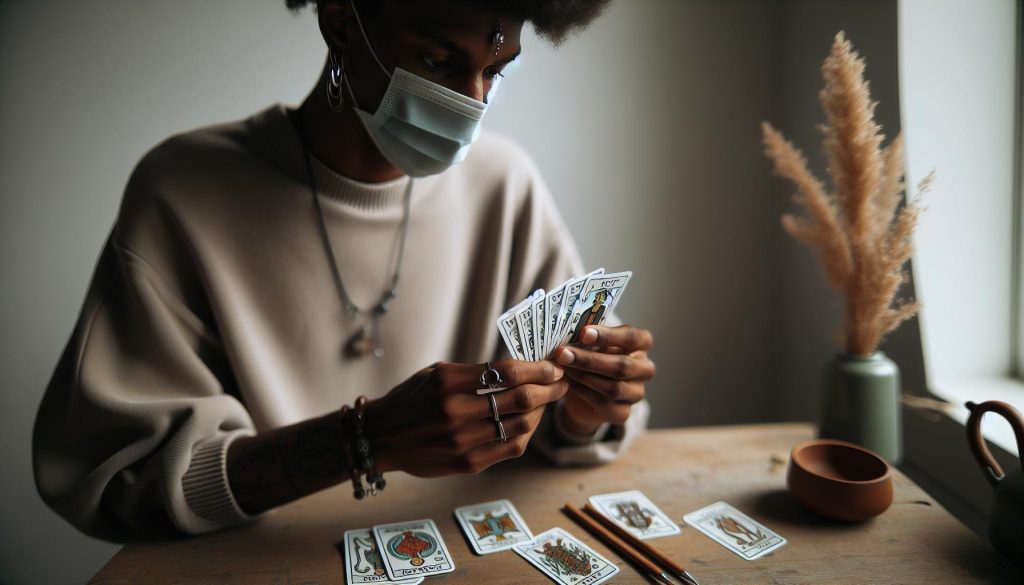
Are you curious about the legalities surrounding tarot cards? Many practitioners and enthusiasts wonder whether tarot cards are copyrighted and what that means for their use and resale. Understanding the rights regarding tarot imagery not only protects your creative endeavors but also enhances your confidence in sharing your work. With the growing popularity of tarot readings and the diverse ways people engage with this spiritual tool, it’s crucial to navigate the legal landscape thoughtfully. Dive into this article to uncover the nuances of copyright law as it pertains to tarot cards, empowering you to make informed decisions about your practice while respecting intellectual property rights. Whether you’re a reader, artist, or collector, the insights here will help you avoid potential pitfalls and cultivate a deeper appreciation for the artistry within the tarot community.
Understanding Copyright Basics for Tarot Cards
Understanding copyright in the realm of tarot cards is essential for creators and users alike, as it serves to protect the unique artistic expressions that accompany these cards while allowing for their spiritual and practical application. Copyright law generally protects original works of authorship, which can include the visual designs on tarot cards, the accompanying text, and even the layouts of tarot spreads. The moment an artist creates a unique tarot card design, it is automatically protected by copyright, giving them exclusive rights to reproduce, distribute, and display their work.
However, the landscape of tarot and copyright is complex. While the artistic elements can be copyrighted, the underlying concepts, such as the symbolism and meanings associated with the card images, cannot be protected. This means that while you cannot copy a tarot card design outright, you can create a card with similar themes or meanings as long as your expression differs sufficiently. This principle helps maintain a balance between protecting artists and fostering creativity.
For those looking to create or sell tarot decks, understanding how copyright applies to their work-and what does not-is crucial. Here are some important aspects to keep in mind:
- Originality: Your design must be original. Even if inspired by traditional symbols, your artistic interpretation must stand apart.
- Registration: While copyright is automatic, registering your work can enhance protection and provide legal advantages if disputes arise.
- Licensing: If you wish to allow others to use your designs, consider licensing terms that clarify how your work can be used.
- Public Domain: Some older tarot decks may exist in the public domain, meaning they can be freely used and adapted, which can be a treasure trove for inspiration.
By demystifying copyright and breaking it down into accessible concepts, tarot creators can feel empowered to explore their creativity without fear of infringing on others’ rights. Embracing these legal principles not only safeguards their work but also enriches the vibrant tapestry of the tarot community.
Can You Copyright Tarot Card Designs?

Copyright laws provide a crucial safety net for artists, and tarot card designers are no exception. If you’ve poured your heart and soul into creating unique tarot card designs, the good news is that these artistic expressions are automatically protected by copyright from the moment of creation. This means you have exclusive rights to reproduce, distribute, and display your tarot artwork. However, as captivating as this may sound, understanding the nuances of copyright in the world of tarot is essential for all creators and sellers.
Originality is a key pillar of copyright protection. Your tarot designs must be uniquely yours, meaning that even if your work draws inspiration from traditional imagery or themes, it must be distinct in artistic expression. Think of the vast landscape of tarot: while the symbolism of The Fool or The Lovers is timeless, each artist’s interpretation can vary widely, allowing for personal expression while still respecting copyright norms. For instance, if you design a card featuring a jester, ensure that the visual style, colors, and composition clearly reflect your own artistry.
Registering your artwork with the U.S. Copyright Office isn’t mandatory but can greatly benefit you as a creator. By registering, you enhance your protection and gain legal advantages should you ever face disputes regarding your tarot designs. This proactive step can deter infringement and clarify your rights in the marketplace. Additionally, if you wish to allow others to utilize your designs-perhaps for workshops or publications-consider drafting licensing agreements to define how your work can be used, ensuring both you and any collaborators benefit from its usage.
When it comes to using existing tarot artwork, it’s important to distinguish between what is privately owned and what resides in the public domain. Some older tarot decks, particularly those created before a certain year or not renewed, might be available for use without compensation. This can be a wonderful opportunity for inspiration or adaptation as you craft your unique deck. However, always verify the copyright status of any images or designs you intend to use, to avoid unintended legal issues.
Embrace your creativity! Understanding and navigating copyright will not only protect your rights as a designer but also contribute to the diverse and rich tapestry of the tarot community. Dive into your artistic journey with confidence, knowing that the canvas of tarot is yours to explore.
Exploring the Fair Use Doctrine for Tarot
In the world of tarot, understanding the balance between creativity and legal guidelines is essential, especially when it comes to the Fair Use Doctrine. This legal concept allows for limited use of copyrighted material without seeking permission from the rights holder, which can be particularly useful for tarot enthusiasts and creators who wish to incorporate existing imagery or text into their work. Exploring what constitutes fair use helps you embrace inspiration while respecting the rights of original creators.
The Fair Use Doctrine is generally determined by four key factors:
- Purpose and Character of Use: Commercial uses are less likely to be deemed fair use compared to non-profit educational purposes. If you’re using tarot images to illustrate a point in a review, for instance, that leans towards fair use.
- Nature of the Copyrighted Work: Published and factual works are more likely to be considered fair use than creative works, such as art or literature. Since tarot cards are artistic expressions, using them can be tricky.
- Amount and Substantiality: This factor looks at how much of the original work you’re using. Quoting a few sentences from a tarot book may be fine, but using entire card images or decks might be overstepping.
- Effect on the Market: If your use could potentially replace the original work or harm its market, that leans towards infringement. For example, if you create a card that serves the exact desire as an existing deck, that could pose legal issues.
Considering these factors, you might find that sharing an image of a tarot card with commentary for educational purposes could qualify as fair use. This can greatly enhance discussions in tarot communities, workshops, or blogs. However, always tread carefully; when in doubt, it’s wise to seek permission from the rights holder or consult legal expertise to safeguard your creative journey.
Additionally, engaging with the fair use doctrine encourages a collaborative spirit within the tarot community. It fosters an environment where inspiration flows freely while still honoring the unique contributions of individual artists. As you create or share ideas in your tarot practice, remember that respect and due diligence can go hand in hand with the vibrant tapestry of tarot exploration.
Selling Tarot Cards: Legal Considerations You Need

Selling tarot cards can be a fulfilling venture, bridging your creativity with the sacred insights of the tarot tradition. However, before you dive into selling your beautifully crafted tarot deck, it’s vital to understand the legal landscape that surrounds it. This knowledge not only protects your work but also honors the intellectual property of others who have paved the path in the tarot community.
To begin, consider the concept of copyright. If your tarot card designs, accompanying artwork, and texts are original, you automatically hold the copyright rights to your creations. This means you have exclusive rights to reproduce, distribute, and sell your deck. Nonetheless, if you are drawing inspiration from existing decks, it’s crucial to understand that copying designs or using illustrations without permission can lead to infringement issues. Thus, always ensure that your artwork is distinct and that you’re not infringing upon the copyrights of other artists.
Additionally, familiarize yourself with the difference between copyright and trademark laws. While copyright protects the creative aspects of your cards, trademarks safeguard identifiers like your brand name and logo. If you intend to develop a unique identity for your tarot business, consider registering a trademark. This will help you establish your brand in marketplaces and could offer greater protection against others using similar names or logos.
When it comes to marketing and selling your tarot cards, there are several steps you should follow to ensure compliance. First, document the creation process of your deck, as this will serve as evidence of your copyright should any disputes arise. Next, explore platforms to sell your cards, like Etsy, Amazon, or your own website, but make sure you comply with each platform’s selling policies. Lastly, if you plan on collaborating with other artists or influencers to promote your cards, ensure that you have clear agreements in place concerning rights and profits.
Above all, engaging with the legal aspects of selling tarot cards can elevate your venture from a simple hobby to a respected business. Approach the challenges with confidence, knowing that by respecting the legal frameworks, you contribute to a vibrant community where creativity and spirituality flourish hand in hand. The tarot world is welcoming and diverse, allowing for your unique interpretations and insights to shine through!
Licensing Tarot Cards: What You Should Know

When venturing into the realm of tarot, especially as a creator or seller, navigating licensing becomes a pivotal part of the journey. Licensing your tarot cards not only protects your own intellectual property but also opens avenues for collaboration and distribution. It’s essential to understand that just because you created original artwork and text doesn’t mean you are free to use others’ designs, images, or associated content without permission.
What is Licensing?
Licensing is a legal agreement that allows one party to use the intellectual property of another under specified conditions. For example, if a well-known tarot creator has published a deck that resonates with you, seeking a license to use their artwork or theme for your own deck can be an excellent way to respect their work while bringing your vision to life. Here’s how you can effectively engage in licensing:
- Research Existing Decks: Familiarize yourself with various tarot decks and their associated copyrights. Understand which decks are protected and which ones are open for inspiration.
- Seek Permissions: If your work hinges on another’s designs, reach out for licenses. This not only ensures you have the right to use specific images or concepts but also builds goodwill within the tarot community.
- Draft Clear Agreements: When obtaining or granting licenses, make sure the terms are clear, covering aspects such as duration, payment (if any), and the scope of use. This protects both parties and clarifies expectations.
Examples of Licensing in the Tarot Community
Consider an example where a creator wishes to use a popular tarot artist’s visual style in their deck. Reaching out to the artist for a licensing agreement can lead to a mutually beneficial arrangement. In some instances, artists may offer specific licensing packages, allowing you to use their art for merchandising or promotional materials.
On the other hand, if you find yourself inspired by an older, less-known tarot deck, confirm its copyright status. Some decks may be in the public domain, allowing you greater freedom to draw inspiration without pursuing a license. Understanding how to differentiate between what needs a license and what doesn’t is crucial in minimizing legal risks.
Approaching licensing with transparency fosters a supportive environment, encouraging collaboration that fuels creativity. As you embark on your journey of creating and selling tarot cards, remember that respecting the original influences not only enhances your business but strengthens the community. By protecting your work and honoring others, you lay the groundwork for a flourishing endeavor that resonates with both your vision and the rich tapestry of the tarot tradition.
Copyright vs. Trademark: Key Differences Explained

Understanding the differences between copyright and trademark is essential for tarot creators who want to protect their artistic expressions and brand identity. While both terms are related to intellectual property, they serve distinct purposes and are governed by different laws.
Copyright automatically protects original works of authorship, including the artwork and text of your tarot cards, as soon as they are created and fixed in a tangible medium. This means that as soon as you illustrate your tarot deck, that artwork is covered under copyright law, safeguarding it from unauthorized reproduction or distribution. Copyright covers aspects like the specific artistic style, imagery, and text found in your cards, ensuring that others cannot legally replicate or sell your designs without permission. Registration with the U.S. Copyright Office can provide additional legal benefits, although copyright exists even without formal registration.
On the other hand, a trademark protects symbols, names, and slogans used to identify goods or services, distinguishing them from those offered by others. For a tarot creator, this could include the name of your tarot deck, a unique logo, or even specific phrases associated with your brand. Registering a trademark helps secure your brand identity in the marketplace and prevents others from using similar branding that could confuse consumers. While copyright protects the content of your cards, trademark law safeguards the symbols and identifiers that represent your business.
In practice, this means that if you create a tarot deck and name it “Mystic Visions,” the unique name and any associated logo can be trademarked. Meanwhile, the original illustrations, imagery, and written guides within the deck themselves would be protected by copyright. Both protections are valuable, and understanding how to use them effectively can enhance the longevity and integrity of your creative work.
To navigate these areas effectively:
- Consider Copyright Registration: Although copyright protection is automatic, registering your work can provide stronger legal backing.
- Trademark Your Brand: If you have a specific name or logo that distinguishes your tarot products, consider applying for trademark protection.
- Regularly Monitor Your IP: Keep an eye on how your work is being used online and in the marketplace to ensure no infringement occurs.
By understanding and leveraging both copyright and trademark protections, you can foster a thriving tarot business while respecting your creative vision and the contributions of others in the community.
Using Tarot Cards in Your Business: Legal Insights
Understanding the legal landscape when using tarot cards in your business is essential for any tarot reader or creator. Not only do you want to share your insights and connections with others, but you also need to protect your work effectively. Engaging with tarot professionally can open up numerous opportunities, from reading for clients to selling your own deck. However, it also involves a responsibility to understand copyright laws, licensing, and how to navigate intellectual property rights.
One crucial element to consider is that the artwork and text of your tarot cards are automatically copyrighted as soon as they are created and fixed in a tangible medium. This means that when you design a card, that creation is yours and cannot be lawfully used or reproduced by others without your permission. If you plan to sell your card designs, consider registering your copyright with the U.S. Copyright Office. Registration not only puts others on notice of your ownership but also gives you better standing in case of any disputes.
Protect Your Intellectual Property
To further secure your business, think about trademarking any unique names or logos associated with your tarot cards. For instance, if you have a deck titled “Moonlit Tarot” with a captivating logo, applying for a trademark will protect that brand identity. This distinction helps prevent others from using similar branding that might confuse your audience.
Moreover, it’s important to be aware of how you use tarot content created by others. If you’re incorporating established decks or utilizing imagery from other creators in your marketing materials, ensure that you have obtained the appropriate permissions. Ignoring this could result in legal challenges and damage your reputation.
Engaging with tarot is a beautiful journey of insight and intuition, but make sure your path is also lined with legal awareness. By protecting your creations and understanding how to use others’ works responsibly, you can focus on what truly matters-connecting with clients and sharing the wisdom of the cards.
Public Domain Tarot: Can You Use These Cards?
Using tarot cards that are in the public domain can be a wonderful way to connect with the rich history of tarot without worrying about copyright issues. Public domain means that the artwork and text are no longer under copyright protection, allowing you to use them freely. This can be particularly appealing if you’re looking to create readings or decks inspired by classic imagery, such as the iconic Rider-Waite-Smith deck, which has its roots in the public domain due to its age and the expiration of copyright.
To determine if a tarot deck is in the public domain, check the publication date. In the U.S., any work published before 1923 is now in the public domain. However, don’t just assume that everything published before this date is safe to use. Some decks may have been reimagined or have additional artistic elements that could be protected. Always research carefully, ensuring that the specific images or text you wish to use are indeed in the public domain and free from any additional claims that might complicate their use.
When utilizing public domain tarot images, consider how you might infuse your unique voice into the cards. For example, you could create a virtual reading series or illustrate new meanings based on traditional images while ensuring that you’re adhering to public domain guidelines. Perhaps use the classic imagery as a foundation and layer your insights and interpretations to create an inclusive and modern twist that resonates with today’s diverse audience.
In essence, drawing from public domain sources offers you both freedom and responsibility. While you can use these tarot cards without fear of copyright infringement, it’s essential to respect the original creators and consider how your work contributes to the broader tarot community. Maintain a balance between honoring tradition and expressing your individuality, crafting a space in which everyone can explore the mysteries of the tarot together.
Custom Tarot Decks: Copyright Challenges and Solutions
Creating a custom tarot deck can be a deeply rewarding creative endeavor, allowing you to express your unique interpretations of the cards and their meanings. However, as you embark on this journey, understanding the nuances of copyright is essential to avoid potential legal pitfalls. When designing a custom deck, the artwork, symbols, and even the card titles you create can be eligible for copyright protection, which means you hold exclusive rights to that specific expression of your ideas.
To ensure a smooth process, it’s crucial to focus on originality. If your designs draw inspiration from existing decks, like the traditional Rider-Waite-Smith imagery, be mindful of how closely your work resembles these original designs. Even if artwork is in the public domain, your innovative spin on it must be significantly different to qualify for copyright protection. Consider how you might reimagine classic symbols or incorporate personal experiences that resonate with modern themes. This not only enriches your deck but also fortifies your claim to its originality.
Navigating Copyright Challenges
When it comes to custom tarot decks, challenges often arise around specific elements, such as utilizing imagery or text that echoes existing copyrighted works. Here are a few strategies to navigate these issues effectively:
- Conduct Thorough Research: Before finalizing your designs, research existing decks to determine if any elements may infringe on copyright. This includes visual styles, character representations, and even keywords you plan to use.
- Document Your Process: Keep meticulous records of your design process. Sketches, drafts, and source materials can serve as evidence of your creative process and originality should your work ever be questioned.
- Seek Legal Advice: If you’re uncertain about the copyright implications of your designs, consider consulting with an intellectual property lawyer. They can provide tailored guidance specific to tarot cards and help clarify any legal uncertainties.
Creating and selling your custom tarot deck presents exciting opportunities to engage with the tarot community and share your vision. By understanding copyright principles and crafting an original deck, you not only protect your creative expression but also contribute freshness and innovation to the rich tapestry of tarot. Embrace your creative journey with confidence, knowing that your unique perspective is a valuable addition to this timeless practice.
International Copyright: Protecting Tarot Globally
In an increasingly interconnected world, understanding how copyright protection applies to tarot cards on an international scale is crucial for artists and businesses alike. Copyright laws vary significantly from one country to another, but many nations are members of international treaties, such as the Berne Convention, which establish core principles of copyright protection that facilitate greater security for creators across borders.
When you create a tarot deck, your artwork is protected the moment it is fixed in a tangible medium. This means that as an artist, you have exclusive rights to reproduce, distribute, and display your cards-regardless of where you are in the world. However, the specifics regarding the enforcement of those rights can differ greatly. For instance, while the United States offers certain protections under its copyright law, creators may need to register their works to fully defend their rights in court, whereas other countries provide automatic protection without registration.
To navigate these complex waters successfully, it’s essential to research the copyright laws in your target markets. Here are some practical steps to ensure you’re adequately protected:
- Understand Local Laws: Familiarize yourself with the copyright laws of the countries where you plan to sell your tarot decks. This includes knowing how long copyright lasts and what constitutes an infringement.
- Consider Registration: While copyright is automatic, some countries may provide additional benefits to registered works, such as the ability to pursue legal actions more effectively.
- Use Clear Licensing Agreements: If you collaborate with artists or distribute your tarot cards through third parties, clear licensing agreements can help safeguard your rights internationally.
- Seek Legal Guidance: Consulting with an intellectual property attorney specializing in international copyright can provide targeted advice tailored to your unique situation.
By taking these steps, you not only protect your creative investments but also empower yourself to share the transformative power of tarot with a global audience. Whether you’re just beginning your journey or are already selling decks, understanding international copyright can enhance your confidence and ensure your art reaches those who resonate with your vision, without the worry of legal repercussions.
How to Legally Market and Sell Tarot Readings
To successfully market and sell tarot readings, understanding the legal landscape around tarot is crucial. Many readers often overlook the importance of copyright, which immediately applies to your unique readings, the methods you use, and any materials you create, such as guides or spreads. This automatic protection nurtures your creative work and ensures you can build a brand that resonates with clients while safeguarding your intellectual property.
Start by establishing your unique voice and style as a tarot practitioner. This not only enhances your readings but also differentiates you from other readers. Consider developing personalized content such as blog posts, video tutorials, or social media posts that reflect your interpretation of tarot and the insights your readings provide. Notably, while the act of reading tarot cannot be copyrighted, the materials you produce around it can be. This is where your creative expression shines, covering everything from your original spreads to content that explains your card interpretations.
When it comes to selling your services, using a variety of platforms can help reach a broader audience. Websites, social media, and dedicated platforms for psychics are excellent channels. Always ensure your promotions respect copyright guidelines. If you use images from decks (especially popular ones), be sure you either own the rights or have permission from the original creators. Reach out to artists or companies whose work you admire; forming partnerships can often yield mutually beneficial relationships.
Finally, consider implementing clear service agreements and disclaimers. This can be especially important if you offer different types of readings (e.g., in-person vs. online) or special packages. Be transparent about what clients can expect from their readings and ensure you outline your refund and cancellation policies. By doing so, you build trust with your clients and set clear expectations, creating a professional image that encourages repeat business.
Ultimately, combining your intuitive insights with smart business practices enriches the tarot experience for both you and your clients. Share your gifts confidently, and remember that with the right approach, the magic of tarot can flourish in a supportive and legally sound environment.
Navigating Copyright Issues as a Tarot Creator
Navigating the realm of copyright as a tarot creator can feel overwhelming, but it’s essential for protecting your unique artistic expressions. When you create tarot cards, your designs, images, and accompanying texts are automatically protected by copyright from the moment you express them in a tangible form. Understanding how to navigate these rights is crucial for any creator aiming to share their work with the world.
To begin with, you should realize that copyright protects original works of authorship, including the artwork and written content found in tarot decks. This means that your unique card designs, illustrations, and any accompanying guidebooks or interpretations you produce are yours to hold. However, if you wish to reinforce your legal standing and make enforcement easier, consider registering your creations with the U.S. Copyright Office. This formal registration allows you to take legal action if someone infringes upon your rights and provides added benefits such as eligibility for statutory damages and attorney’s fees in case of copyright disputes.
When selling or marketing your tarot cards, be aware of the legal implications of using images or themes inspired by other creators’ works. It’s vital to ensure that you do not infringe on others’ copyrights by using their designs or text without permission. If you admire another artist’s work and wish to incorporate it into your marketing materials, always seek their permission first. Building relationships with fellow tarot artists can also open up opportunities for collaboration and ethical promotion.
Additionally, consider the scope of fair use if you plan to use other artists’ works in your readings or for educational purposes. Fair use allows for limited use of copyrighted material without permission under certain conditions, but it’s often a gray area. For instance, using a small portion of a card in a review may qualify as fair use, but large portions or critical components might not. Therefore, assess each situation carefully and err on the side of caution.
Staying informed about these legal aspects not only empowers you as a creator but also fosters a respectful and ethical artistic community. By protecting your intellectual property and respecting the creations of others, you contribute to a vibrant tapestry of creativity in the tarot world that honors the hard work of all artists involved.
Frequently asked questions
Q: Are Tarot cards protected by copyright law?
A: Yes, Tarot card designs are generally protected by copyright law. This protection covers the artistic design of the cards, but not the ideas or concepts behind the Tarot itself. When using Tarot images, it’s important to respect copyright guidelines established by publishers to avoid infringement.
Q: Can I use Tarot card images in my blog or social media?
A: You can use small selections of Tarot card images on blogs or social media without prior permission, provided you acknowledge the copyright owner. Major publishers like US Games Systems and Llewellyn typically permit this under fair use practices, which helps promote their decks while protecting their rights [1].
Q: How can I legally sell my custom Tarot deck?
A: To legally sell your custom Tarot deck, ensure you create original artwork and designs. Consider registering your copyright for additional protection. It’s also wise to verify that your deck doesn’t infringe on existing copyrighted materials or trademarks to avoid legal repercussions [2].
Q: What does ‘fair use’ mean for Tarot card images?
A: ‘Fair use’ allows limited use of copyrighted material without permission, typically for commentary, criticism, or educational purposes. For Tarot images, this means you can use small amounts in reviews or educational content, but always credit the copyright holder to stay compliant [1].
Q: Is it legal to print Tarot cards for personal use?
A: Yes, printing Tarot cards for personal use is generally legal, provided you don’t distribute or sell them. However, creating derivative works based on copyrighted decks could lead to legal issues if it closely imitates the original designs.
Q: What is the difference between copyright and trademark regarding Tarot cards?
A: Copyright protects the artistic design and illustrations of Tarot cards, while trademark protects distinctive logos, names, and slogans associated with the decks. Understanding these differences is crucial when promoting or selling Tarot products [2].
Q: Can I use public domain Tarot cards in my projects?
A: Yes, you can use public domain Tarot cards freely in your projects. However, ensure that they are indeed in the public domain, meaning their copyright has expired. Researching the specific deck’s copyright status is essential to avoid any potential legal issues.
Q: What should I know about international copyright for Tarot cards?
A: Copyright laws vary by country, but many nations honor the copyright terms of the country of origin. If you plan to sell or use Tarot cards internationally, familiarize yourself with local laws regarding copyright to ensure compliance and protection [2].
Key Takeaways
Understanding copyright in the world of tarot is essential for any tarot reader or enthusiast. As we’ve explored, small uses of published tarot images can be permissible with proper credit, while large or commercial uses require permission. Ready to safeguard your creative expressions while respecting copyright? Dive deeper into topics like “The Best Practices for Ethical Tarot Reading” and “Exploring Tarot Deck Creation: Rights and Responsibilities” to broaden your knowledge and confidence.
We’d love to hear your thoughts! What challenges have you faced in using tarot images legally? Share your experiences in the comments, and let’s engage in this mystical journey together. For fresh insights and tips tailored to enhance your tarot practice, consider signing up for our newsletter. Remember, respecting copyright not only protects artists but enriches our community. Keep exploring, and may your tarot readings continue to inspire and enlighten!


