
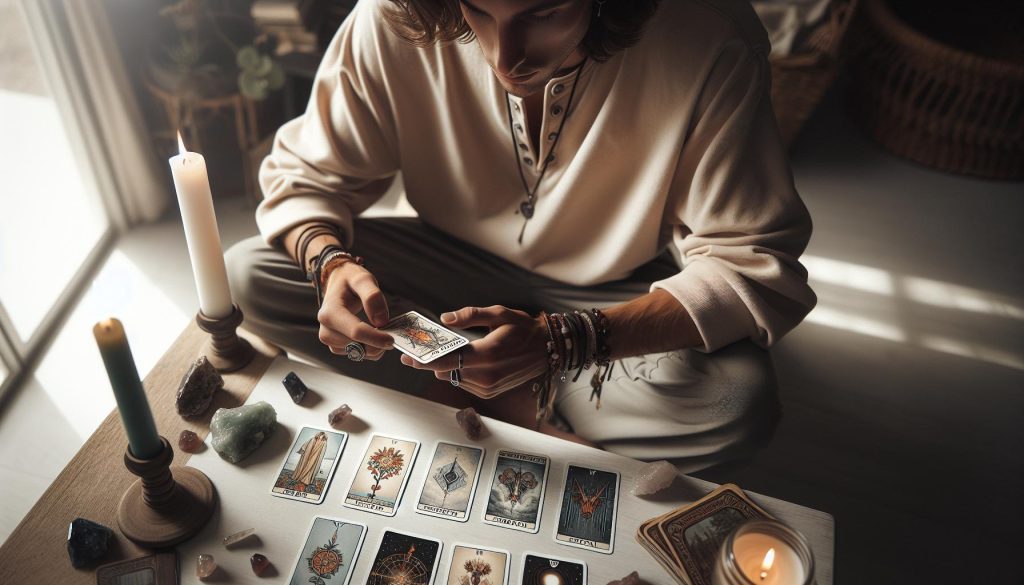
Did you know that a standard tarot deck contains a total of 78 cards? Understanding the composition of tarot cards is essential for anyone eager to explore this ancient practice or deepen their intuitive skills. Each card plays a unique role in readings, offering profound insights into your life’s questions and challenges.
As you embark on your tarot journey, knowing how many cards are in a tarot deck not only enhances your reading experience but also connects you to the wealth of symbolism and meaning each card holds. Whether you’re a curious beginner or someone revisiting this mystical tool, grasping the card count and their categories-Major and Minor Arcana-can illuminate your path. Dive deeper to uncover how these cards can guide you toward personal revelations and empower your decision-making process. Let’s unravel the essential details of tarot decks together, enriching your understanding of this powerful tool!
Understanding the Tarot Deck Composition
The Tarot deck is much more than a simple set of cards; it’s a powerful tool for insight and self-discovery. At its core, a traditional Tarot deck consists of 78 cards, each carrying its own unique energy and symbolism. The deck is divided into two main categories: the Major Arcana and the Minor Arcana. Understanding how these components fit together will enrich your readings and deepen your connection with the cards.
The Composition of a Tarot Deck
Traditionally, the Tarot deck is comprised of:
- Major Arcana (22 cards): These are often seen as the heart of the Tarot deck, representing significant life themes, spiritual lessons, and deeper truths. Cards like The Fool and The World encapsulate major archetypal energies that resonate with universal experiences.
- Minor Arcana (56 cards): This section is further divided into four suits-similar to a deck of playing cards. Each suit reflects different aspects of daily life:
– Cups: Focus on emotions and relationships
– Wands: Represent creativity and action
– Swords: Deal with conflict and intellect
– Pentacles: Concern material aspects and practicality
Each suit contains 14 cards: ten numbered cards (Ace through Ten) and four court cards: Page, Knight, Queen, and King.
Understanding the Importance of Each Section
The Major Arcana cards tend to carry weightier significance during readings, often indicating pivotal moments or spiritual awakenings. In contrast, the Minor Arcana cards provide context and detail to daily events, helping us navigate the mundane with awareness.
Consider how the combination of these cards shapes your reading. For instance, if a Major Arcana card like The Tower appears alongside multiple Minor Arcana cards, it may suggest a significant upheaval affecting your daily life.
Unique Deck Variations
While the standard Tarot deck typically contains 78 cards, many unique Tarot variations exist that cater to diverse themes and artistic expressions. Some decks might omit certain cards or add additional imagery, which can change the overall count. For example, a themed deck based on mythology or fantasy might add extra cards that reflect those narratives. It’s essential to familiarize yourself with the specific deck you are using to understand its composition thoroughly.
By knowing the foundational structure of the Tarot, you’ll be better equipped to interpret the messages conveyed in your readings. Embrace the journey of exploring different decks and their unique compositions-each deck offers a new perspective and a fresh lens through which to view your intuition.
The Standard Tarot Card Count Explained
The world of Tarot is rich with symbolism and meaning, and understanding the card count is fundamental for anyone looking to delve deeper into its wisdom. A standard Tarot deck consists of 78 cards, each offering unique insights and guidance. This structure includes both the Major Arcana and the Minor Arcana, which together form a comprehensive tool for exploration and reflection.
Major Arcana and Minor Arcana
The Major Arcana features 22 cards, often regarded as the core of the Tarot journey. These cards represent significant life lessons and spiritual themes, such as transformation, the journey of the soul, and pivotal moments that shape our existence. For instance, cards like The Fool symbolize new beginnings, while The Tower can indicate sudden upheaval. Each card serves as a powerful reminder of universal archetypes we encounter throughout our lives.
In contrast, the Minor Arcana comprises 56 cards, divided into four suits: Cups, Wands, Swords, and Pentacles. Each suit corresponds to different aspects of human experience, from emotions (Cups) to action and initiative (Wands), and from intellect and conflict (Swords) to material concerns (Pentacles). Each suit contains ten numbered cards, plus four court cards-Page, Knight, Queen, and King-adding depth to everyday situations and offering nuanced insights into daily challenges.
Why the Card Count Matters
Understanding this card count and composition not only equips you with the foundational knowledge necessary for readings but also enhances your connection with the cards. Each card’s energy builds upon the others, weaving together a tapestry of meanings that can be unveiled during a reading. For example, if you draw a Major Arcana card like The Chariot alongside Minor Arcana cards from the suit of Swords, it may suggest a moment where intellectual clarity drives forward movement in a key area of your life.
As you explore your own Tarot journey, remember that while the standard count is 78 cards, many other decks exist that may vary in composition. Embrace these differences, as each unique deck offers new perspectives and interpretations. The journey into Tarot is not just about the card count; it’s about the insights they unlock and how they resonate within your personal and spiritual exploration.
Exploring Major vs. Minor Arcana Cards
The structure of a Tarot deck is fascinating and essential for understanding how to interpret the cards during readings. While a standard Tarot deck contains 78 cards, it’s the differentiated roles of the Major and Minor Arcana that truly shape the insights you can glean. The two categories serve distinct purposes in your Tarot journey, providing varying depths of meaning and guidance.
Major Arcana cards, totaling 22, focus on the profound themes and significant lessons of human experience. These cards reveal the overarching spiritual journey and life-altering events. For instance, when you draw The Fool, it may symbolize fresh starts and adventures. In contrast, the presence of The Tower often warns of unexpected challenges or upheaval, prompting introspection about areas of your life that require change. Since these cards mirror significant life cycles, they have a dramatic influence on readings and often indicate the ‘big picture’ themes that frame your current situation.
On the other hand, the Minor Arcana comprises 56 cards divided into four suits: Cups, Wands, Swords, and Pentacles. Each suit delves into particular domains of daily life, adding layers of nuance and practical insight. For example, Cups invite reflection on emotions and relationships, while Wands characterize action, ambition, and creativity. Within each suit, the numbered cards address everyday experiences, while the court cards (Page, Knight, Queen, King) represent people, personality traits, or dynamics in specific situations. This distinction enriches your readings by allowing you to explore both the immediate challenges presented in your day-to-day life as well as the deeper lessons suggested by the Major Arcana.
By recognizing the interplay between Major and Minor Arcana, you can enhance your Tarot practice. During a reading, if a Major Arcana card appears with several Minor Arcana cards, it might indicate that overarching life themes are merging with day-to-day issues. This understanding equips you to approach your readings holistically, feeling both grounded in the moment and connected to the larger forces at play. Remember, whether you’re a novice or an experienced reader, embracing both Arcana empowers you to unlock deeper insights and navigate life’s complexities more adeptly.
Tarot Court Cards: What You Need to Know
The vibrant world of Tarot is not complete without exploring the nuanced role of court cards. Each of the four suits in the Minor Arcana features court cards, and understanding them can transform a basic reading into a profound exploration of personal dynamics and relationships. Court cards-Pages, Knights, Queens, and Kings-represent various aspects of human experience, embodying personality traits, social roles, or even specific people in your life. Their presence in a reading can indicate significant influences, characteristics, or guidance linked to the querent or others involved in the situation.
Understanding Court Cards
Each court card can be seen as a reflection of varying levels of maturity and action:
- Pages embody youthful energy and potential. They are curious, eager to explore, and often represent new beginnings or learning processes. When a Page appears, it may signify an opportunity for growth or the need to embrace a childlike wonder.
- Knights are action-oriented and impulsive. They represent movement and the drive toward goals. A Knight’s appearance suggests the pursuit of dreams but also warns against recklessness. It encourages you to find a balance between ambition and caution.
- Queens symbolize mastery of emotions and intuition. They are nurturing and wise, often representing support and guidance in readings. When a Queen shows up, it may indicate a need for compassion or understanding in a particular situation.
- Kings represent authority, control, and mature reflection. They bring a sense of accomplishment and leadership. A King in your spread might point to taking charge of your life or demonstrating the qualities of responsibility and stability.
Practical Example
Imagine you pull the Knight of Cups during a relationship reading. This card might reveal a person in your life who embodies romantic energy and emotional pursuit. Alternatively, it could reflect your journey, urging you to follow your heart and allow your emotions to guide you. When combined with other cards, such as the Queen of Pentacles, it might suggest a balance between romantic ideals and practical nurturing, showing how emotions and practicality intersect in relationships.
Incorporating the court cards into your readings enhances your intuitive insights and helps you navigate personal dynamics. When you see a court card, consider not just what it represents in relation to the querent, but also how it reflects the energy surrounding your question or situation. This approach invites a richer tapestry of interpretation, allowing for deeper connections and more meaningful readings. Remember, tarot is a personal journey, and embracing the multifaceted roles of the court cards can lead to newfound understanding and clarity in your path.
Unique Tarot Deck Variations and Their Counts
The world of Tarot is vast and rich, filled with diverse interpretations and deck variations that can vastly change the reading experience. While many people are familiar with the standard deck, which typically consists of 78 cards, there are numerous unique Tarot decks that feature different designs, themes, and even card counts. Exploring these variations allows for deeper personalization of readings, catering to individual preferences and spiritual practices.
Different Tarot decks might incorporate various elements based on cultural traditions, artistic interpretations, or intended energies. For instance, some decks follow the classic structure of 22 Major Arcana cards and 56 Minor Arcana cards, while others might introduce additional cards or adapt traditional names and symbols. A notable example is the Thoth Tarot Deck, which includes unique imagery and additional interpretations, making it distinctively different from the more commonly used Rider-Waite Tarot Deck. Meanwhile, oracle decks often stray from the traditional format altogether, featuring varying numbers of cards that serve different purposes in readings.
Moreover, specific themes within decks can resonate differently with readers. For example, a deck inspired by nature may focus on animal symbolism and elements, thereby transforming the interpretation of certain cards. A Dream Tarot Deck might include imagery that taps into subconscious themes, elevating intuitive insights during readings. These thematic variations enhance the personal connection to the cards and invite readers to engage with their intuition in a more profound way.
In selecting a deck, consider not only the card count but also how the imagery and themes align with your personal journey and spiritual path. Whether you choose a traditional deck or a unique variation, each card you draw contributes to your understanding of yourself and the universe. Tarot is a journey meant for all, and finding the right deck can be an enriching experience that empowers you to explore your intuitive abilities further. Remember, it’s less about the number of cards in the deck and more about how those cards resonate with you and help you gain insight into your life’s questions.
The Role of Tarot Cards in Readings
Understanding how tarot cards function during readings can transform your approach to seeking insight and guidance. With a typical tarot deck containing 78 cards – 22 Major Arcana and 56 Minor Arcana – each card serves a distinct purpose, rich in symbolism and meaning. These cards are not just tools; they are gateways into the unconscious mind, fostering deeper connections to your intuition and the universe.
When you lay out a tarot spread, each card’s position and its relationship to others create a narrative that can guide your understanding of a situation. For example, the Fool, representing new beginnings, might appear in a reading about a career change, emphasizing the potential for fresh starts. Conversely, if the Tower appears, it may indicate upheaval or sudden change following that leap of faith. The magic lies not only in the cards themselves but in how they interact within the spread, unveiling layers of meaning that speak directly to your questions.
Incorporating various types of cards-like the Major Arcana, which reflects significant life events and spiritual lessons, and the Minor Arcana, which deals with day-to-day challenges-allows for a more holistic reading experience. By recognizing these differences, you can better interpret the messages being conveyed. Reading the cards also invites you to engage with their imagery and symbols actively. One might find personal meaning in the imagery of the Empress, which could evoke themes of creativity and nurturing in their life, thus connecting to the broader message of the reading.
It’s essential to remember that, while there are standard interpretations for each card, your emotional and intuitive responses are equally vital. Each reading is an opportunity to explore your feelings and thoughts, amplifying your connection to the narrative the cards present. Whether you’re a beginner or an experienced reader, embracing this dynamic interaction between you and the cards can enrich your sessions, allowing for deeper insights over time. Engaging with tarot in this way not only demystifies its practice but also empowers you to become a confident navigator of your own spiritual journey.
How to Choose Your Tarot Deck
Choosing the right tarot deck can feel as intricate as deciding which life path to follow. With countless options available, it’s essential to find a deck that resonates with your unique energy and intuitive style. A meaningful connection with your cards enhances your readings, allowing you to tap into their wisdom more effectively. Here are some thoughtful steps to guide your selection.
Start by considering the artwork. The imagery on the cards should speak to you, evoking emotions and insights as you gaze upon them. Whether you prefer traditional depictions like those in the Rider-Waite deck or more modern interpretations such as the Wild Unknown Tarot, select a style that piques your interest and feels comfortable. Remember, the visuals are not just for aesthetic pleasure; they play a crucial role in your intuitive understanding of the symbols represented.
Another significant factor is the deck’s theme or concept. Some decks are steeped in mythology or cultural significance, while others focus on contemporary themes or personal development. For example, if you resonate with nature, a deck that incorporates plants or animals might enhance your readings by aligning with your personal beliefs and experiences. Take time to research the themes or messages behind potential decks and choose one that aligns with your values and interests.
Lastly, consider practical aspects, such as the card quality, size, and whether the deck comes with a guidebook. A sturdy, well-printed deck will endure frequent use, while a comprehensive guidebook can illuminate the symbolism and meanings of the cards, especially for beginners. Reading reviews and seeking recommendations from fellow tarot enthusiasts can also be invaluable.
Incorporate these considerations as you explore options, and don’t hesitate to trust your intuition. Often, the right deck will choose you just as much as you choose it. Engage with the decks in person whenever possible-shuffle them, hold them, and see how they feel. Your connection with a tarot deck should be a supportive partnership, one that nurtures your intuitive journey as you delve deeper into the mysteries of the tarot.
Understanding Tarot Suits and Their Meanings
Understanding the suits in a tarot deck is essential for unlocking the rich narratives and insights each card offers. Each suit encompasses a distinct realm of human experience and emotion, helping you weave together a more profound understanding of your readings. A standard tarot deck contains four suits, which mirror the elements and integral facets of life: Cups, Pentacles, Swords, and Wands. Within these suits, the cards depict situations, feelings, challenges, and actions, allowing for a nuanced interpretation based on your questions or the context of your reading.
Cups
The Cups suit is associated with the element of water, symbolizing emotions, relationships, and connections. This suit often highlights love, intuition, and the quest for emotional fulfillment. Cards such as the Ace of Cups can signify new beginnings in emotional ventures, while the Ten of Cups often portrays harmony and happiness within partnerships. When interpreting Cards from this suit, consider their portrayal of emotional depth and relational dynamics.
Pentacles
Linked to the earth element, the Pentacles suit navigates the realms of material concerns, stability, and the physical world. This includes finances, work, and practical aspects of life. The Ace of Pentacles often represents fresh opportunities in career or personal endeavors, while the Five of Pentacles may indicate financial struggles or feelings of isolation. When these cards appear, reflect on how your material circumstances and priorities impact your overall wellbeing and life path.
Swords
Swords represent the element of air, embodying thoughts, ideas, challenges, and conflicts. This suit often deals with communication and intellectual pursuits, as well as the difficulties that can arise from mental processes. For instance, the Two of Swords suggests a need for difficult decisions or a stalemate in a situation. As you parse through this suit, take note of how thoughts and perceptions can influence reality and the importance of clear communication in overcoming obstacles.
Wands
The Wands suit aligns with the element of fire, symbolizing action, inspiration, and ambition. It often reflects creativity, passion, and the drive to achieve goals. The Ace of Wands heralds new projects or a surge of creative energy, while the Seven of Wands may represent challenges in standing your ground. Pay attention to how ambition and creative energy play a role in your life scenario when interpreting Wands cards.
Understanding these suits adds layers to your tarot interpretations, allowing for deeper connections during readings. By considering the themes embodied in each suit, you can better navigate your own experiences and those of others, ultimately empowering you to harness the wisdom of the tarot effectively. Whether you’re a beginner exploring your deck or an advanced reader delving into intricate spreads, the suits provide foundational meanings that guide your journey through this mystical practice.
The Importance of Card Intuition in Readings
Intuition plays a pivotal role in tarot readings, transcending mere memorization of card meanings. While understanding the standard 78-card count is essential, tapping into your intuitive insights can deepen the reading experience, allowing for personalized interpretations that resonate on a profound level. Each card is a mirror reflecting the querent’s current situation, emotions, and potential paths. Hence, your ability to connect with these symbols can illuminate unseen aspects of their journey.
When conducting a reading, consider the imagery and symbols on each card. For instance, the Seven of Cups may traditionally symbolize choices and illusions. However, during a reading, the unique images and the querent’s energy might prompt you to see it through the lens of temptation or distractions. Trusting your instinct about what a card conveys in a specific moment can lead to insights that go beyond standardized meanings-this is where true magic happens.
To cultivate your intuitive skills, practice regularly with different decks and spreads. Begin by laying out a simple three-card spread: one for the past, present, and future. As you interpret each card, pause to reflect on what emotions or thoughts arise beyond the textbook definitions. You may find it helpful to keep a tarot journal where you record your impressions alongside the traditional interpretations. This practice not only builds your confidence but also helps you recognize patterns in your intuitive insights over time.
Remember, every reader has their unique style and connection to the cards. Embrace your intuition as a vital component of your readings. As you develop this skill, you’ll likely find that you can read for others with greater depth, empathy, and clarity, allowing the cards to become a powerful tool for guidance and reflection. Trust in your intuition and let it guide your tarot journey, making each reading an enriching and enlightening experience.
Tips for Beginners: How to Use Tarot Cards
When starting your journey into tarot, understanding how to use the cards effectively is essential. Each tarot deck typically contains 78 cards divided into the Major Arcana (22 cards) and the Minor Arcana (56 cards), with the Minor Arcana further split into four suits-Cups, Wands, Swords, and Pentacles. This structure provides a framework to interpret the messages conveyed through the cards.
To begin using tarot cards, first familiarize yourself with the deck. Spend time looking at each card, noting the imagery and symbolism. You might find it helpful to create a personal connection with the cards. A simple exercise is to pull one card daily and reflect on its symbolism and how it relates to your day. This practice enhances your intuition and deepens your understanding of each card’s meaning.
Start with Simple Spreads
Beginners often feel overwhelmed by the multitude of spreads available, so it’s beneficial to start with something straightforward. One popular choice is the three-card spread, which can represent the past, present, and future. To do this, shuffle your deck while focusing on a question or area of your life where you seek clarity. Then, draw three cards and lay them out in a row. As you interpret each card, consider how they interact with each other and what stories they tell collectively.
For example, if you pull the Tower (indicating upheaval) for the past, the Ace of Cups (symbolizing new emotional beginnings) for the present, and the Sun (representing success and joy) for the future, the cards might suggest that you’ve recently experienced a significant change, but this has opened the door to new emotional opportunities that will lead to a more joyful phase of life.
Trust Your Intuition
While traditional meanings are important, your personal intuition will guide you in understanding the cards’ messages. Each reading is unique, influenced by the querent’s energy and the context of their question. If a card’s imagery evokes a specific feeling or memory, honor that insight. Consider keeping a tarot journal where you record both the card meanings and your personal interpretations. This reflection can help track how your understanding evolves over time.
In summary, using tarot cards as a beginner is about exploration and connection. Embrace the journey, trust your instincts, and allow the cards to speak to you in a way that resonates with your experience. As you build your confidence and develop your skills, you’ll find tarot becomes an enriching and insightful practice.
Advanced Tarot Techniques for Deeper Insight
To unlock the deeper insights of tarot, you can dive into advanced techniques that enhance your readings and fortify your connection with the cards. One effective method is to engage in creation of personalized spreads that cater to your specific questions or themes in your life. Unlike standard layouts, a personalized spread can integrate aspects of your daily experiences, allowing you to draw from the full potential of the 78 cards. For instance, if you’re navigating a career transition, you might design a spread that explores your current challenges, opportunities, and the potential outcomes.
Integrate Numerology and Astrology
Another layer of depth comes from integrating numerology and astrology into your readings. Each tarot card is associated with specific numbers and astrological signs, which can add another dimension to your interpretations. For example, the Wheel of Fortune (10) represents cycles and change, inviting you to consider how the astrological influences of the moment might impact this energy. You could align the cards drawn with current planetary movements, examining how their astrological attributes reflect in your readings.
Develop Intuitive Card Associations
Building a strong intuitive understanding of the cards plays a crucial role in deepening your readings. Rather than relying solely on traditional meanings, spend time developing personal associations with each card. Keep a detailed journal where you document not just the traditional card meanings but your thoughts, feelings, and observations each time you draw a card. Over time, this practice can reveal patterns and personal insights that make your readings resonate more authentically with your life experiences.
Practice with Symbolic Artistry
For those looking to further enhance their tarot skills, consider engaging in symbolic artistry by creating art around your readings. After completing a spread, take time to depict one or two cards through drawing or collage, focusing on the imagery and emotions they evoke for you. This approach not only solidifies your understanding of the cards but allows for creative expression that deepens your intuitive connection to the tarot.
By employing these advanced techniques, you create a richer, more personal tarot practice. As with any skill, your confidence will grow with practice, so allow yourself to explore, experiment, and embrace the journey that tarot offers. Each card is a story waiting to unfold; it’s the insights you gather along the way that truly enrich your readings.
Common Misconceptions About Tarot Card Counts
Many newcomers to tarot often wonder about the number of cards in a deck and can be easily misled by common misconceptions. The standard tarot deck typically comprises 78 cards, which includes 22 Major Arcana cards and 56 Minor Arcana cards. However, misunderstandings can arise regarding the structure and significance of these cards.
One frequent myth is that all tarot decks must contain 78 cards. While the traditional Rider-Waite-Smith deck adheres to this count, many unique and thematic tarot decks deviate from it, encompassing fewer or additional cards. For instance, some modern decks might introduce extra cards symbolizing new concepts or simply adapt the number to fit a specific narrative. Always remember, the essence of tarot lies not solely in the count but in the interpretations and connections you establish with each card.
Another misconception involves the differences between major and minor arcana. New practitioners may underestimate the Minor Arcana’s importance, believing that only Major Arcana cards hold significant weight in readings. In truth, Minor Arcana cards represent the everyday experiences and actions that shape our lives, while the Major Arcana delves into life’s more profound lessons and themes. Both categories are essential for a complete tarot reading, providing a balanced perspective on your questions.
Moreover, many think that a higher number of cards translates to greater depth or complexity in readings. This isn’t always the case. Effective tarot reading relies more on understanding and intuition than merely the number of cards. Engaging with the deck, establishing a personal connection, and trusting your interpretations can yield deeper insights than focusing solely on card counts. Embrace the diversity of tarot cards, and remember, it’s the journey of connecting with them that enriches your readings.
Faq
Q: How many cards are in a standard tarot deck?
A: A standard tarot deck typically contains 78 cards. This includes 22 Major Arcana cards and 56 Minor Arcana cards, comprised of four suits: Cups, Pentacles, Swords, and Wands. Understanding this structure is crucial for effective readings. For more detailed insights, check our section on Understanding the Tarot Deck Composition.
Q: What is the significance of the Major Arcana in tarot?
A: The Major Arcana consists of 22 cards that represent significant life themes and lessons. Each card carries profound meanings that can guide your personal journey. When these cards appear in a reading, they often highlight pivotal events or transformations.
Q: Are there different types of tarot decks?
A: Yes, there are various tarot deck types, including traditional decks with 78 cards and specialized decks that may have fewer or more cards. Some decks focus on specific themes or cultures, impacting the overall card count. Explore our section on Unique Tarot Deck Variations and Their Counts for examples.
Q: Can tarot decks have fewer than 78 cards?
A: Yes, some tarot decks are designed with fewer than 78 cards, particularly oracle decks or those emphasizing specific themes. These decks may express key concepts without the full traditional card count, making them accessible for beginners.
Q: How many court cards are in a tarot deck?
A: Each suit in a standard tarot deck contains three court cards: Page, Knight, Queen, and King, totaling 12 court cards across the deck. These cards often represent people or traits, influencing the reading’s energy and context. Delve deeper into this topic in our section on Tarot Court Cards: What You Need to Know.
Q: What are the suits in a tarot deck, and how many cards do they have?
A: A standard tarot deck features four suits: Cups, Pentacles, Swords, and Wands, each containing 14 cards (Ace through 10, plus three court cards). This structure shapes the context of the reading, representing different aspects of life.
Q: Do all tarot decks follow the same card structure?
A: While many tarot decks follow the traditional structure of 78 cards, some may vary significantly in counts or themes. It’s essential to understand your specific deck’s composition for accurate interpretations. Explore our insights in The Standard Tarot Card Count Explained.
Q: How do variations in card counts affect tarot readings?
A: Variations in card counts can impact the depth and focus of readings. Fewer cards may provide a more streamlined experience, while larger decks can offer extensive insights. Adjust your approach based on the specific deck you choose to understand its unique energies better.
In Conclusion
Having explored the fascinating world of tarot cards, you now know that a standard deck typically contains 78 cards, divided into the Major and Minor Arcana. As you deepen your understanding, consider experimenting with different spreads and interpretations-each card holds distinct meanings, waiting for you to uncover them! Don’t miss out on our detailed guide on tarot spreads and their purposes; it’s the perfect next step to enhance your readings.
Feeling inspired? Subscribe to our newsletter for tips, resources, and community insights to boost your tarot journey. Share your thoughts below-what’s your favorite card and why? Your experiences might just spark inspiration in others! Dive deeper into the mystical realm today, and let the cards guide you toward greater self-discovery and insight. Explore more about tarot’s rich history and symbolism on our site, and keep the magic alive!


