
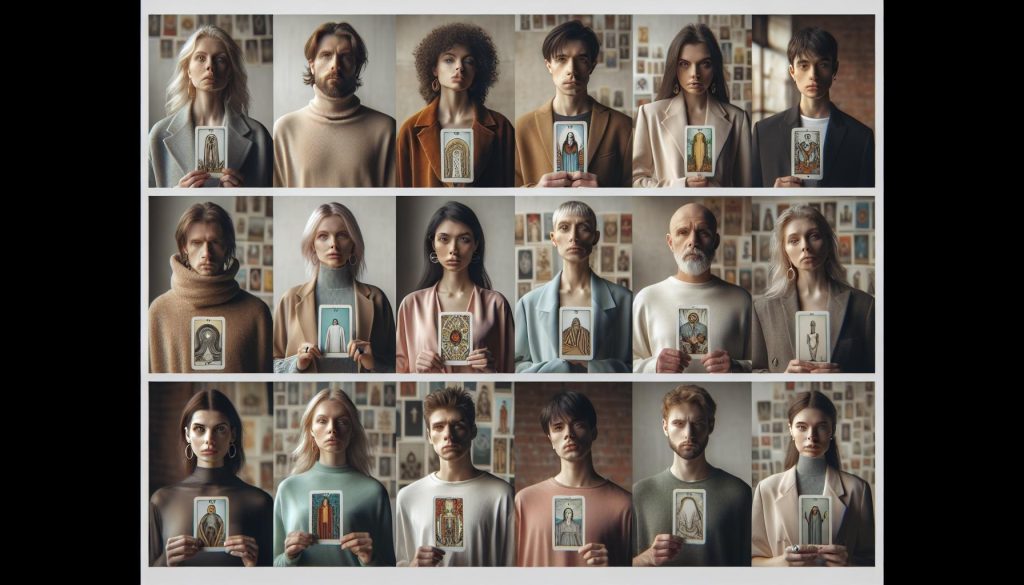
Did you know that the Tarot deck contains 22 Major Arcana cards, each filled with rich symbolism and profound meaning? Understanding these cards is essential for anyone interested in Tarot, whether you’re a curious beginner or a seasoned reader looking to deepen your practice. The Major Arcana not only outlines pivotal life experiences but also serves as a guide for introspection and personal growth. As you explore the significance of these cards, you’ll discover how they can illuminate your path and empower your intuitive abilities. Join us as we delve into the world of the Major Arcana, uncovering essential facts that will enhance your understanding and appreciation of this mystical tool. Your journey into this captivating realm is just beginning!
How Many Major Arcana Are in a Tarot Deck?
In every standard Tarot deck, you’ll find a total of 22 Major Arcana cards. These cards stand out as the core elements of Tarot readings, each encapsulating profound life lessons and archetypal themes that resonate deeply within our experiences. Unlike the Minor Arcana, which comprises 56 cards focused on everyday situations, the Major Arcana delves into significant events and transformative moments in our lives, guiding us through processes of growth and self-discovery.
Each Major Arcana card is numbered from 0 to 21, starting with The Fool (0), which represents new beginnings and potential, and culminating with The World (21), symbolizing completion and fulfillment. This series of cards offers a narrative thread through the human experience, mapping our journey from innocence to wisdom. Understanding the Major Arcana is essential for interpreting readings, as they often indicate the most pivotal influences in a person’s life path.
When engaging with the Major Arcana, it’s helpful to recognize that their presence in a reading signals important themes or events. For instance, drawing The Tower might highlight upcoming challenges or sudden revelations, while The Empress could celebrate abundance and creativity. This focus on meaningful insight makes the Major Arcana an invaluable resource for both novice and experienced tarot readers looking to deepen their intuition and understanding of the cards.
The Significance of the 22 Major Arcana Cards
The 22 Major Arcana cards form the backbone of Tarot, embodying profound themes and universal experiences that resonate with all aspects of human life. Each card serves as a symbolic mirror, reflecting the intricate journey we all undertake. By understanding their significance, you can tap into a deeper level of insight in your readings, whether you’re a curious beginner or a seasoned practitioner.
These cards encapsulate major life themes and archetypal lessons, ranging from The Fool’s naiveté and boundless potential to The World’s sense of completion and fulfillment. The flow from one card to another tells a story-one of growth, realizations, and transformations. This narrative can provide clarity and direction when interpreting life situations, making the Major Arcana essential tools for any Tarot reading.
When the Major Arcana cards appear in a spread, they signal pivotal moments of change and challenge, urging you to pay close attention. For instance, the appearance of The Hanged Man might suggest a need for suspension and reflection, while The Lovers could highlight significant choices that impact relationships. Understanding these cards not only enhances your intuition but also enriches your ability to convey meaningful messages to yourself and others.
To harness the wisdom of the Major Arcana in your readings, consider keeping a journal of your interpretations. Reflect on your experiences and how they align with the themes of each card. With practice, you’ll find that these archetypes can lead to profound insights and personal revelations, empowering you in your journey of self-discovery and spiritual growth. Your relationship with the cards will deepen, making each reading a unique and transformative experience.
Exploring the Structure of Tarot Decks
Every Tarot deck is a unique blend of symbolism, artistry, and structure, designed to facilitate a deep exploration of the human experience. At the core of every standard Tarot deck are the 22 Major Arcana cards, which represent significant life themes and spiritual lessons. These cards are interleaved with the 56 Minor Arcana cards, which cover day-to-day events and influences. Together, they create a comprehensive tool for interpretation and insight.
In understanding Tarot’s structure, it’s essential to recognize how the Major Arcana tells a story of spiritual evolution. Each card serves a distinct purpose, from the spiritual beginnings represented by The Fool to the culmination of life lessons in The World. The sequence of the Major Arcana, often viewed as a journey or path (The Fool’s Journey), illustrates key phases of growth, choice, and consciousness.
The Minor Arcana, divided into four suits (Cups, Pentacles, Swords, and Wands), complements the Major Arcana by addressing everyday experiences and emotional responses. This division allows readers to navigate readings more effectively, as the Major Arcana emphasizes major life events, while the Minor Arcana focuses on the nuances of daily life.
Understanding this structure not only enhances your reading skills but also deepens your connection to the cards. As you familiarize yourself with how these components work together, you’ll find it easier to discern their messages and apply them to your own life or the lives of others. A solid grasp of this framework can transform your experience with Tarot, whether you’re a curious beginner seeking guidance or an experienced practitioner honing your interpretative skills.
Adopting a consistent practice of observing how the Major and Minor Arcana interplay in readings will enrich your journey, enabling you to approach each spread with confidence and clarity. As you engage with each card, consider how they relate to your personal narrative, creating a tapestry of insights that reflect your unique path.
Discover the Meanings Behind Each Major Arcana Card
Every card in the Major Arcana carries a weight of symbolism and meaning that reflects profound experiences in our lives. Understanding these cards is essential for anyone looking to deepen their Tarot practice. Here’s a brief overview of the meanings behind each of the 22 Major Arcana cards, offering insights that can enrich both personal readings and broader interpretations.
The Fool
Represents new beginnings, spontaneity, and innocence. This card invites you to embrace the unknown and suggests that it’s time to take a leap of faith.
The Magician
Symbolizes manifestation, resourcefulness, and power. It encourages you to harness your skills and take action to transform your ideas into reality.
The High Priestess
Embodies intuition, unconscious knowledge, and mystery. She asks you to trust your instincts and pay attention to your inner voice.
The Empress
Represents abundance, fertility, and nurturing. This card signifies creativity and the beauty of the natural world, inviting you to care for yourself and others.
The Emperor
Symbolizes authority, structure, and control. It embodies leadership and stability, reminding you to be assertive and take charge of your situation.
The Hierophant
Carries themes of tradition, conformity, and spiritual guidance. This card often relates to established systems and beliefs, urging you to seek counsel from wise mentors.
The Lovers
Represents love, harmony, and choices. It highlights the importance of relationships and decisions, encouraging you to evaluate your commitments.
The Chariot
Signifies determination, willpower, and triumph over obstacles. This card urges you to stay focused on your goals and maintain your drive.
Strength
Embodies courage, compassion, and inner strength. It emphasizes the power of patience and resilience in overcoming challenges.
The Hermit
Symbolizes introspection and solitude. This card encourages self-reflection and the pursuit of inner wisdom.
Wheel of Fortune
Represents cycles, fate, and destiny. It reminds you that life is ever-changing and that you should embrace the ups and downs.
Justice
Embodies fairness, truth, and law. This card urges you to make decisions with integrity and consider the consequences of your actions.
The Hanged Man
Signifies surrender, sacrifice, and new perspectives. It invites a pause for reflection and promotes seeing things from a different angle.
Death
Represents transformation, endings, and new beginnings. It encourages you to let go of what no longer serves you in order to make way for new opportunities.
Temperance
Embodies balance, moderation, and harmony. This card asks you to find equilibrium in your life and blend various aspects of your experience.
The Devil
Symbolizes temptation, addiction, and materialism. It serves as a reminder to confront your fears and break free from unhealthy attachments.
The Tower
Represents chaos, upheaval, and revelation. This card signifies sudden change that can lead to profound growth and understanding.
The Star
Embodies hope, inspiration, and serenity. It encourages you to remain optimistic and trust in the healing process.
The Moon
Signifies illusion, intuition, and the subconscious. This card prompts you to explore deeper feelings and navigate through confusion.
The Sun
Represents joy, success, and positivity. It embodies vitality and energy, signaling bright days ahead.
Judgment
Embodies reflection, reckoning, and a fresh start. It invites you to evaluate your past experiences and embrace personal growth.
The World
Represents completion, accomplishment, and fulfillment. This card signifies the closing of a chapter and the achievement of a significant milestone.
Each of these cards tells a story about human experience and spiritual lessons. When they appear in readings, they offer profound insights that can guide you through life’s challenges and opportunities. Embrace these meanings, and you’ll find that your intuitive understanding of the Tarot deepens, allowing the cards to resonate with your personal journey.
Popular Tarot Decks Featuring Major Arcana
Many Tarot enthusiasts discover that the visual and thematic elements of different decks can deeply influence their readings. While all Tarot decks contain the same 22 Major Arcana cards, the artwork and interpretations can vary significantly, making some decks particularly popular among practitioners for their aesthetic appeal and messaging.
One of the most iconic decks is the Rider-Waite Tarot, celebrated for its vivid illustrations and straightforward symbolism. The Rider-Waite deck serves as a foundational choice for many beginners due to its clear depictions, which make the meanings of the Major Arcana more accessible. For example, The Fool card, represented by a carefree figure about to step off a cliff, invites readers to embrace new beginnings and the spirit of adventure.
Another beloved option is the Thoth Tarot, designed by Aleister Crowley and illustrated by Lady Frieda Harris. This deck offers a more abstract interpretation of the Major Arcana through its rich symbolism influenced by various esoteric traditions. Its sophisticated imagery-like the dramatic tableau of The Tower-challenges readers to explore deeper layers beneath the surface meanings, making it a favorite among advanced Tarot practitioners seeking complexity in their readings.
For those who appreciate a more modern twist, the Modern Witch Tarot provides a contemporary take that resonates with today’s audiences. This deck features diverse representations and updated imagery that align with modern themes while maintaining the traditional structure of the Major Arcana. Cards like The Empress reflect empowerment and nurturing in a way that speaks to current dialogues on feminism and individuality, inviting readers to connect their personal experiences with the timeless wisdom of Tarot.
When exploring Tarot decks, it’s essential to consider how the artwork and thematic nuances resonate with you. Each deck can enhance your understanding of the Major Arcana cards, so take your time to choose one that inspires you. Whether you’re a beginner or a seasoned reader, finding a deck that aligns with your intuition will enrich your readings and deepen your connection to the cards.
Beginner’s Guide to Reading Major Arcana Cards
Understanding the Major Arcana is a vital step for anyone delving into the world of Tarot. These 22 cards not only hold significant meanings but also represent major life themes and spiritual lessons. They serve as the backbone of any Tarot reading, and learning to interpret them can enhance your intuitive abilities.
Begin by familiarizing yourself with each of the 22 Major Arcana cards. You can create a simple study guide or a flashcard set, writing down the name of each card alongside its key meanings and themes. For instance, The Fool symbolizes new beginnings and adventure, while The Death card signifies transformation and endings. As you explore each card, think about how its themes resonate in your own life, which will deepen your understanding.
When you begin your readings, start with a simple spread that features Major Arcana cards. For example, the three-card spread can reveal the past, present, and future influences in your life. As you draw your cards, take a moment to observe the imagery and let their symbolism speak to you. The more you engage with the visuals, the more personal insights will emerge during readings.
Finally, trust your intuition. Every time you read the cards, you’ll likely receive new insights based on your current circumstances. Keep a Tarot journal where you record your interpretations, feelings, and any recurring symbols or themes you notice. This practice will not only solidify your understanding but also empower you to read the Major Arcana with confidence. Remember, every reader has a unique connection with the cards, and that’s where the magic lies. With patience and practice, you’ll become more attuned to the wisdom that the Major Arcana has to offer.
Advanced Techniques for Working with Major Arcana
Working with the Major Arcana can elevate your Tarot practice to new heights, offering profound insights into your life’s journey. These 22 cards, distinct from the Minor Arcana, carry deeper spiritual lessons and represent critical turning points in our lives. Engaging with the Major Arcana not only enhances your readings but also nurtures your intuitive growth.
One advanced technique is to explore the astrological correspondences of each Major Arcana card. For example, The Emperor correlates with Aries, symbolizing assertiveness and leadership. You can incorporate this knowledge into your readings by considering how these astrological qualities influence your situation. Creating an astrological spread can be particularly dynamic, allowing you to draw cards that resonate with specific planetary movements or personal cycles, deepening your understanding of timing and influence.
Another method is to utilize meditation practices alongside your card readings. Choose a Major Arcana card that resonates with your current questions or life themes. Spend a few moments in quiet reflection, visualizing the imagery and themes of the card. As you meditate, ask the card what lesson it wishes to impart or how it reflects your current path. Journaling about this experience can help to crystalize your insights, creating a valuable record of your evolving relationship with the cards.
Additionally, consider developing layered spreads that integrate both Major and Minor Arcana cards. This approach allows for a richer narrative in your readings. For instance, you might use the Major Arcana to represent major life themes or challenges, while the Minor Arcana illuminates the day-to-day influences surrounding those themes. This strategy can provide clarity and detail, offering a comprehensive view of your inquiries.
As you embark on these advanced techniques, remember to remain patient and open. The beauty of the Tarot lies in its depth and the personal relationship you build with each card. Trust your intuition, embrace your unique interpretations, and allow the wisdom of the Major Arcana to guide you further on your path.
Comparing Major Arcana with Minor Arcana
The Tarot deck is a beautiful tapestry woven from two distinct categories: the Major Arcana and the Minor Arcana. Understanding the difference between these two is fundamental to grasping the depth of Tarot readings. With a total of 22 Major Arcana cards in every traditional Tarot deck, they stand apart as the spiritual and thematic backbone of the Tarot. Each Major Arcana card symbolizes profound life lessons and significant energies, often illuminating pivotal moments in our lives, such as choices, challenges, and personal transformations.
In contrast, the Minor Arcana is composed of 56 cards divided into four suits: Cups, Pentacles, Swords, and Wands. While the Major Arcana delves into major life themes and overarching influences, the Minor Arcana illustrates the everyday occurrences, emotions, and trials that shape our experiences. Think of the Major Arcana as the key chapters in your life’s story, while the Minor Arcana fills in the details of everyday plot twists and supporting characters.
When interpreting readings, the relationship between these two parts of the deck can create a richer narrative. For instance, drawing a Major Arcana card such as The Lovers can signify a significant relationship decision, while accompanying Minor Arcana cards might reveal practicalities surrounding that choice, like the Seven of Pentacles indicating the need for patience or careful planning. This interplay allows for a comprehensive understanding of your situation-highlighting both the grand themes and the minute details that influence your path.
As you deepen your Tarot practice, experiment with spreads that integrate both major and minor cards. A common approach is to use a Major Arcana card to represent the central theme of your inquiry, while the Minor Arcana menagerie provides context. This technique not only enhances your interpretation but also encourages a holistic view of your readings, blending the profound with the practical. Embrace this synergy, and let both the Major and Minor Arcana guide your journey of self-discovery and intuition.
How Major Arcana Influence Tarot Spreads
The Major Arcana plays a crucial role in Tarot spreads, often serving as the guiding force that shapes the interpretation of a reading. These 22 cards represent key themes, life lessons, and transformative experiences that resonate on a deeper, archetypal level. When incorporated into a spread, they can illuminate pivotal influences and core challenges, acting as signposts on your spiritual journey.
One effective way to utilize Major Arcana cards in your spreads is to assign one to represent the overarching theme of your question or situation. For example, if you draw The Fool, it might suggest new beginnings or a leap of faith, inviting you to explore aspects of spontaneity and openness in your life. Surrounding Minor Arcana cards will provide context and details, helping to ground the reading in practical realities. Think of this technique as establishing a central character in your story, with supporting characters fleshing out the narrative.
To enhance your readings, consider using a designated spread that emphasizes the Major Arcana. A popular format is the “Celtic Cross,” where the Major Arcana cards can occupy key positions to reflect inner motivations and potential outcomes. This method not only highlights significant spiritual themes but also allows you to see how these powerful lessons interact with daily life events represented by the Minor Arcana.
Regular practice with different spreads can deepen your connection to both the Major and Minor Arcana. For instance, beginners might start with a three-card spread-one Major Arcana card for the main influence and two Minor Arcana cards for surrounding details. As you gain confidence, explore more complex layouts that challenge you to consider how various cards interact, enhancing your intuition and understanding of the Tarot’s rich symbolism. Embracing this interplay between the major and minor cards fosters a more comprehensive and meaningful practice, inviting you to engage with the Tarot on multiple levels.
Tarot and Spiritual Growth: The Role of Major Arcana
The Major Arcana serve as a profound blueprint for our spiritual journeys. Comprised of 22 cards, each Major Arcana card encapsulates significant life lessons and archetypal themes, acting as guides that illuminate our path towards personal growth and understanding. When incorporated into a Tarot reading, these cards can represent pivotal moments that shape our destiny, encouraging introspection and deeper connection with our inner selves.
In practice, the Major Arcana can help you identify and understand the core themes influencing your life. For example, drawing The Empress might encourage you to focus on nurturing aspects of your life, whether that’s creativity, relationships, or self-care. By recognizing these influences, you position yourself to embrace the lessons they offer, fostering spiritual development. This approach can be particularly powerful during times of transition or uncertainty, providing clarity and direction when we need it most.
To further harness the energy of the Major Arcana, consider integrating them into your daily practices. Set an intention each morning by selecting a Major Arcana card to reflect upon throughout the day. This simple ritual invites you to engage with the themes of that card, whether it’s the transformative energy of The Tower or the introspective nature of The Hermit. Such exercises not only deepen your understanding but also enhance your intuitive abilities as you begin to notice how the card’s energy manifests in your experiences.
As you progress in your Tarot practice, feel free to experiment with different spreads that emphasize the Major Arcana, allowing for deeper insights into your spiritual path. The connections you draw between the cards and your life can contribute to profound personal revelations. Embrace these cards as companions on your journey-each one holds a mirror to your soul, offering wisdom that is both universal and distinctly personal.
Common Misconceptions About Major Arcana Cards
Misunderstandings about the Major Arcana cards are quite common, often stemming from dramatic representations in popular media or misconceptions surrounding tarot itself. One prevalent myth is that Major Arcana cards are strictly “bad” omens or harbingers of doom. In truth, these cards serve as mirrors reflecting pivotal moments in our lives, offering insights that can prompt growth and positive change. They capture the full spectrum of human experience-from challenges and endings to new beginnings and personal victories.
Another common misconception is that all Major Arcana cards carry equal weight or significance in a reading. While it’s true that each card holds unique meanings, their relevance can vary depending on the context of the question and the surrounding cards in a spread. For instance, drawing The Fool may denote the potential for a new journey, but its impact will be heightened when paired with cards like The Wheel of Fortune, suggesting timing and fate.
Some believe that Major Arcana cards are solely for advanced readers, but they are integral to the learning journey for beginners as well. Engage with these cards on a personal level by journaling your thoughts and intuitions about each one. You might discover that The High Priestess resonates with your own experiences of introspection or inner wisdom. This exercise can demystify the cards and provide clarity on how to weave them into your readings.
It’s also important to recognize that the meanings of Major Arcana cards can evolve for each individual. While traditional interpretations offer a solid foundation, personal insights and life experiences shape how these cards communicate with you. By keeping an open mind and reflecting on your feelings toward each card, you foster a more intuitive and enriching relationship with the Major Arcana, enhancing both your personal practice and the guidance you can offer others. Embrace this fluidity as part of the tarot’s magic, allowing it to serve you uniquely.
Tips for Interpreting Major Arcana in Readings
Understanding the Major Arcana in Tarot can be transformative, not just for divination but also for personal growth. The Major Arcana consists of 22 cards, each representing significant life lessons, spiritual themes, and deeper insights into human experience. To effectively interpret these powerful symbols in your readings, consider the following tips.
Connect with the Cards
Begin by developing a personal relationship with each Major Arcana card. Spend time reflecting on their imagery and traditional meanings. Journaling can be a valuable tool here; write down your thoughts and feelings about each card. For instance, the imagery of The Tower might evoke feelings of upheaval or surprise-acknowledging these associations can help you connect more profoundly with the reading context.
Context is Key
Remember that the significance of Major Arcana cards varies depending on their position in a spread and the question at hand. When interpreting a spread, consider the interplay between cards. For example, if The Lovers appears alongside The Devil, it may indicate a need to navigate personal desires versus commitment. Reflect on how the meanings shift when cards interact, rather than viewing them as isolated symbols.
Embrace Intuition
While traditional meanings are important, your intuition plays a crucial role in how Major Arcana cards manifest in your readings. Trust your gut feelings and insights, especially during moments when a card resonates with you on a deeper level. If you pull The High Priestess, think about what she might symbolize in your current situation. Her themes of intuition and inner wisdom can guide you to trust your instincts.
Practice Different Spreads
Engage with various Tarot spreads to see how they influence the interpretation of Major Arcana cards. A simple three-card spread can effectively showcase past, present, and future. Here, drawing The Fool could suggest a new beginning influenced by past experiences and upcoming challenges. Explore other spreads like the Celtic Cross or more dynamic layouts to deepen your understanding of connections between Major and Minor Arcana.
By adopting these strategies, you’ll enhance your ability to interpret Major Arcana cards, fostering a richer, more meaningful Tarot experience. The more you practice, the more confident you’ll become in your readings, allowing you to harness the transformative power of these cards fully.
FAQ
Q: What are the Major Arcana cards in a Tarot deck?
A: The Major Arcana consists of 22 cards that represent significant life themes and lessons. They include cards like The Fool, The Magician, and The World, each carrying deep symbolic meanings that influence spiritual growth and personal development. Explore their meanings in detail within the context of Tarot reading for deeper insights.
Q: How do Major Arcana cards differ from Minor Arcana cards?
A: Major Arcana cards symbolize major life events and spiritual lessons, while Minor Arcana cards reflect everyday challenges and situations. This distinction impacts their interpretation in tarot spreads, with Major Arcana often holding more weight in readings. For an in-depth comparison, refer to the sections on Major and Minor Arcana in your article.
Q: Why are the Major Arcana important in Tarot readings?
A: The Major Arcana holds essential significance as it reflects key life themes and changes. Drawn cards from this section signal profound shifts or lessons, encouraging deeper introspection and growth. Understanding their implications can enhance reading accuracy and personal insights.
Q: Can you explain the significance of the 0 (The Fool) in the Major Arcana?
A: The Fool represents new beginnings, spontaneity, and potential. As card 0, it signifies a fresh start and the journey ahead, embodying freedom and open possibilities. It invites readers to embrace adventures and face the unknown with optimism, making it a pivotal part of the Tarot narrative.
Q: How can beginners interpret Major Arcana cards effectively?
A: Beginners should focus on the symbolic meanings and personal associations of each Major Arcana card. Start by reflecting on how each card resonates with current life situations. Utilizing guided readings can also enhance interpretation skills. For practical tips, check the Beginner’s Guide section in your article.
Q: What role do Major Arcana cards play in Tarot spreads?
A: Major Arcana cards in Tarot spreads typically indicate significant themes or influences within a reading. They often highlight critical points needing attention or profound changes affecting the querent’s life. When reading, pay attention to their placement and interaction with Minor Arcana cards.
Q: How can I deepen my understanding of the Major Arcana’s meanings?
A: To deepen your understanding of the Major Arcana, practice daily card draws, keeping a journal of insights and personal experiences. Engage with each card’s symbolism through meditation and visualization, enhancing your intuitive grasp of their meanings over time. Explore more in the Discover the Meanings section of your article.
Q: Are there common misconceptions about Major Arcana cards?
A: A common misconception is that Major Arcana cards always predict dramatic events. While they do signify major themes, their role can also depict small but impactful insights into personal growth. Recognizing this can provide a more balanced view during readings.
Key Takeaways
Now that you understand the vital role of the Major Arcana in Tarot, it’s time to dive deeper into your journey. With 22 powerful cards guiding you through significant life lessons and experiences, consider exploring our insightful articles on the other suits in the Tarot deck, such as the meanings of Cups, Wands, Swords, and Pentacles. Check out “A Guide to the 4 Tarot Suits” to expand your knowledge and see how these suits interact with your readings [[1]].
Feeling drawn to love readings? Our “3-Card Tarot Love Reading” can provide you with personalized insights to navigate your romantic encounters [[2]]. Don’t hesitate to start your own spreads and connect with the cards-your intuition will guide you!
Join our community and sign up for our newsletter to receive regular insights and tips on mastering Tarot. Share your thoughts in the comments or ask any questions you might have; we’re here to support your journey. Remember, exploring Tarot is a path of personal empowerment and discovery-embrace it!


