
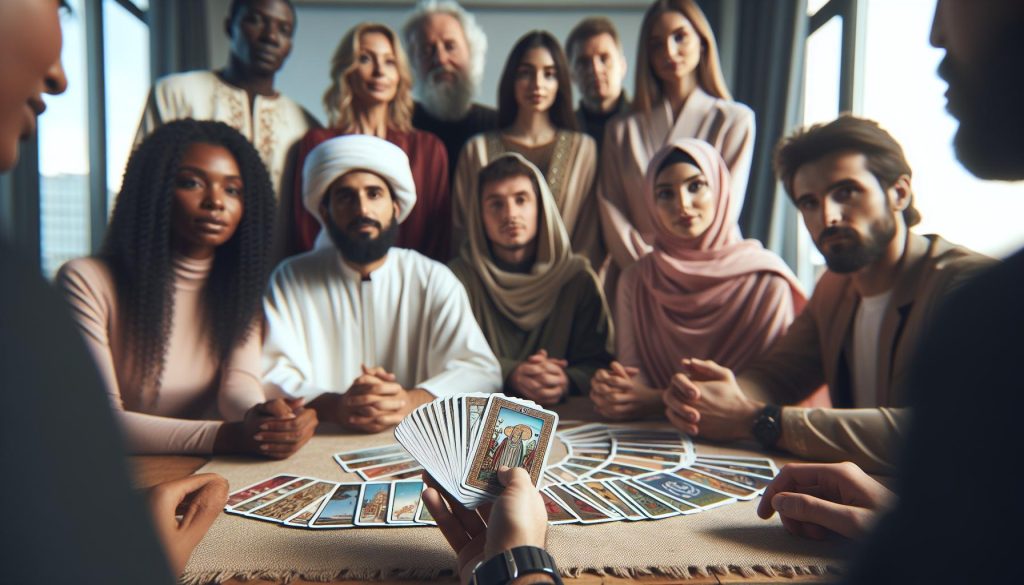
Have you ever felt overwhelmed by the vast world of tarot? Understanding the 78 cards in a tarot deck is essential for anyone looking to tap into this powerful intuitive tool. Each card carries unique meanings and energies that can illuminate your path and guide your decisions. Whether you’re a curious beginner or a seasoned reader, knowing what each card represents can deepen your practice and enhance your readings.
In this article, we’ll explore the complete list of tarot cards, breaking them down into their respective suits and discussing their significance. By familiarizing yourself with the cards, you’ll unlock the potential to interpret messages from your subconscious and the universe more effectively. So, let’s dive in and discover the fascinating world of tarot cards together, empowering you to harness your intuition and engage with this mystical practice in a meaningful way.
What Are the Basics of a Tarot Deck?
Whether you’re a curious beginner or a seasoned reader, understanding the basics of a Tarot deck is vital for enhancing your readings and connecting with its rich symbolism. A standard Tarot deck consists of 78 cards, divided into two main categories: the Major Arcana and the Minor Arcana. This structure not only provides insights into your life but also serves as a tool for self-reflection and understanding.
Major vs. Minor Arcana
The Major Arcana includes 22 cards, each representing significant life lessons or spiritual themes. Cards like The Fool, The Magician, and The World encapsulate deep archetypal energies that guide significant events and personal transformations. In contrast, the Minor Arcana consists of 56 cards that reflect daily life, encompassing struggles and mundane events.
Understanding the Suits
The Minor Arcana is further divided into four suits: Wands, Cups, Swords, and Pentacles, much like a deck of playing cards. Each suit corresponds to different aspects of life:
- Wands: Creativity, action, and passion.
- Cups: Emotions, relationships, and connections.
- Swords: Intellect, conflict, and decision-making.
- Pentacles: Material aspects, career, and finances.
Interpreting Your Deck
Each Tarot card is a rich tapestry of symbolism, drawing from mythology, culture, and personal intuition. Familiarizing yourself with these symbols can enhance your readings immensely. It’s useful to note that the meanings of the cards can shift based on their position in a spread, the question asked, or the intuition of the reader.
Engaging with Tarot is about building a personal relationship with your cards-allowing their wisdom to guide you. Remember, every reading is a unique journey, and the most profound interpretations often arise from the interplay of intuition, symbolism, and the querent’s situation. Embrace your intuition and explore the depths of the messages the Tarot has for you.
Understanding the Structure: Major vs. Minor Arcana
The heart of Tarot lies in its intricate structure, consisting of two essential components: the Major Arcana and the Minor Arcana. Understanding the roles of these two groups can significantly enhance your ability to interpret readings and connect with the insights each card offers. The Major Arcana comprises 22 cards, each rich with meaning, often representing pivotal events, deep spiritual lessons, and transformative experiences. These cards-such as The Fool, which signifies new beginnings, or The Tower, indicative of upheaval-serve as powerful markers in one’s life journey.
On the other hand, the Minor Arcana contains 56 cards divided into four suits: Wands, Cups, Swords, and Pentacles. Each suit reflects different areas of everyday life, providing a nuanced view of day-to-day experiences. For example, Wands speak to creativity and passion, while Cups delve into emotions and relationships, offering insight into personal affairs and interactions. The Swords, embodying intellectual challenges and conflicts, contrast with the grounded reality of Pentacles that relate to material matters and ambitions. This dual structure allows Tarot to address both significant life themes and the subtleties of daily life, making it an adaptable tool for introspection and guidance.
To fully harness the power of Tarot, it’s essential to embrace the significance of both the Major and Minor Arcana during readings. When interpreting a spread, consider how the cards interact with each other-do the Major Arcana cards suggest significant life shifts while the Minor Arcana reflections offer context about your current state? Establishing this connection strengthens your readings, allowing the cards to illuminate the path ahead with clarity and depth. Whether you’re just starting or deepening your practice, remember that each card, in its unique way, contributes to the comprehensive narrative of your life’s journey.
Exploring the 22 Major Arcana Cards
The 22 Major Arcana cards hold the key to profound insights and life lessons in Tarot, representing archetypal themes that resonate deeply with our personal journeys. Each card embodies pivotal experiences or challenges we face, making them significant markers to reflect upon during readings. These cards guide us through the phases of our lives, from the innocent beginnings of The Fool to the ultimate completion represented by The World.
Key Cards and Their Meanings
- The Fool: Symbolizes new beginnings, adventure, and spontaneity. It’s a reminder to embrace the journey ahead without fear.
- The Magician: Represents manifestation and the power to turn ideas into reality. This card encourages utilizing your skills and resources.
- The High Priestess: Connects to intuition and the subconscious. She urges you to trust your inner voice and the mysteries of life.
- The Empress: Embodies fertility, creativity, and nurturing. She signifies abundance and the importance of care in your personal and creative endeavors.
- The Emperor: Stands for authority, structure, and stability. This card emphasizes the need for order and leadership in your life.
- The Lovers: Often represents relationships and choices. It speaks to the importance of harmony and conscious decisions in love and partnerships.
- The Death: Signifies transformation, endings, and new beginnings. Embrace change, as it often leads to personal evolution.
- The World: Represents completion, wholeness, and accomplishment. This card acknowledges your growth and the fulfillment that comes with it.
Each card tells a part of your story when drawn in readings. For instance, if The Tower appears, it may indicate sudden change or upheaval, requiring you to reassess your circumstances. Meanwhile, The Chariot can signal a time for determination and triumph over obstacles, inspiring confidence in your journey.
Integrating the Major Arcana into Your Readings
When working with the Major Arcana, consider their position in a spread-do they appear alongside Minor Arcana cards? This interplay can highlight how significant life changes interplay with your everyday experiences. For example, finding The Moon in a reading about a relationship could suggest emotional confusion amidst larger transitions, reflecting both personal feelings and overarching life themes.
Engaging with these cards invites you to explore not just what they represent but how they reflect your unique path. Allow each card to inspire self-reflection and deeper understanding of your experiences. The Major Arcana is not just a collection of cards; they are powerful guides that can illuminate your path and empower your journey of self-discovery. Embrace them with openness, and you’ll uncover rich layers of insight.
Delving into the 56 Minor Arcana Cards
The Minor Arcana plays a crucial role in tarot readings, illuminating the day-to-day aspects of our lives that often serve as the backdrop to the larger themes expressed by the Major Arcana. Comprised of 56 cards, the Minor Arcana reflects the more mundane experiences and interactions we encounter. They are divided into four suits: Wands, Cups, Swords, and Pentacles, each representing different elements of life.
Wands symbolize creativity, inspiration, and action, often associated with the spirit and our goals. When you draw a card from this suit, such as the Eight of Wands, you might be encouraged to embrace swift progress and energy in your endeavors. Cups, on the other hand, relate to emotions, relationships, and connections. A card like the Two of Cups may highlight a blossoming partnership or the importance of harmony within relationships.
Swords encompass thoughts, challenges, and conflict, representing our mental landscape. A card drawn from this suit, for example, the Three of Swords, can signal heartache or the need to confront difficult truths. Lastly, Pentacles represent the material world, finances, and practical matters. The Ace of Pentacles could indicate new opportunities for financial growth or a focus on physical well-being.
Understanding the Suits
Each suit provides context for interpretation, often linked to specific themes:
- Wands: Creativity, passion, and initiative.
- Cups: Emotions, love, and relationships.
- Swords: Intellect, challenges, and decisions.
- Pentacles: Material aspects, health, and stability.
Beyond the suits, the Minor Arcana is also home to the Court Cards, which include Pages, Knights, Queens, and Kings. Each character represents different aspects of ourselves or people in our lives. For instance, the Knight of Wands embodies a bold energy, inspiring action and adventure, while the Queen of Cups invites us to tap into our intuition and emotional depth.
Ultimately, the 56 Minor Arcana cards are vital to crafting a comprehensive picture in tarot readings. They allow for nuanced insights into everyday situations, helping you navigate both the ups and downs in your journey. By deepening your understanding of these cards, you enrich your intuition and enhance your readings, enabling a more profound connection with the world around you. Embrace the lessons from the Minor Arcana and recognize how these cards can guide you through the small yet significant experiences of life.
The Four Suits: Their Meaning and Significance
Each tarot deck consists of 78 cards, divided into the Major and Minor Arcana. The Minor Arcana itself is segmented into four distinct suits: Wands, Cups, Swords, and Pentacles. Each suit embodies unique characteristics and themes that resonate with different aspects of our everyday experiences. Understanding these suits can deepen your tarot readings and enhance your intuitive insights.
The Wands suit symbolizes creativity, passion, and action. It represents the element of fire, embodying the energy and drive needed to pursue goals. When Wands cards appear in a reading, they often highlight movement, ambition, and inspirations. For example, the Eight of Wands indicates swift progress and the excitement of new opportunities, inviting you to embrace change and momentum in your endeavors.
Moving to Cups, this suit is associated with emotions, relationships, and connections, representing the element of water. Cups encourage introspection and self-discovery through feelings. When you draw from this suit, you might explore aspects of love, harmony, and emotional balance. The Two of Cups, for instance, signifies partnership and mutual respect, illustrating an important bond or a healing connection in relationships.
Swords, the suit of intellect and conflict, represents the element of air. This suit deals with thoughts, challenges, and decisions, often inviting you to confront harsh realities or make difficult choices. The Three of Swords is a poignant example, typically symbolizing heartbreak or the need to face emotional truths, encouraging personal growth through adversity.
Lastly, the Pentacles suit grounds us in the material world, encapsulating finances, health, and practical matters of daily life-rooted in the earth element. This suit emphasizes stability and security. Cards like the Ace of Pentacles point toward new beginnings in terms of prosperity and tangible successes, reminding us to focus on our physical and financial well-being.
Understanding the suits allows for a richer interpretation of the cards. With practice, you can better connect with the messages they convey, enhancing your readings and your journey of self-discovery. As you dive into these themes, remember that tarot is a tool to illuminate your path and guide your intuition, welcoming you to explore its mysteries regardless of your starting point.
Unique Court Cards: From Pages to Kings
Each tarot deck includes a unique set of court cards that serve as significant character representations within the four suits-representing different aspects of personality, situations, or energies. The court cards-consisting of Pages, Knights, Queens, and Kings-can provide deeper insights into the dynamics influencing your life or the lives of those around you.
The Pages are often seen as the youthful, curious, and enthusiastic aspect of a suit. They symbolize new beginnings, fresh ideas, and learning. For instance, the Page of Cups may indicate the emergence of new emotions or creative inspiration, a sign to trust your instincts and explore your feelings. This card encourages open-mindedness and receptivity, suggesting that messages about love or creativity are on the horizon.
Knights embody action and movement, representing a more mature energy compared to the Pages. They are often on a quest, driven by their passions and desires. The Knight of Swords, for example, can symbolize a burst of mental energy or the urgency to tackle challenges head-on. When this card appears, it may suggest the need to act decisively, but also serves as a reminder to avoid rash decisions without considering the consequences.
Moving to the Queens, these cards represent emotional insight, nurturing, and intuition within their respective suits. They bring a balanced perspective, often indicating how to harness personal power and understanding. The Queen of Pentacles exemplifies security and comfort, encouraging you to focus on your home and practical affairs while also reminding you of the importance of self-care and stability.
Finally, the Kings embody mastery, authority, and control over the energies of their suits. They signify accomplishment and the ability to lead with knowledge and wisdom. The King of Wands represents visionary leadership and courage, inspiring action and motivation in others. When this card appears, it can call on you to take charge, pursue your ambitions, and lead by example, showcasing the balance between creativity and practical application.
In your readings, interpreting court cards can provide nuanced insights. Consider how they resonate with people in your life or aspects of yourself. Pay attention to their positions in your spreads; they might suggest familiar roles or advise on how to embody those energies more fully. Remember, these cards are not just about people; they reflect energies and influences that may aid you on your journey of self-discovery.
How to Interpret Card Symbols and Imagery
Interpreting the symbols and imagery of tarot cards is akin to unlocking a treasure trove of wisdom and insight. Each symbol, color, and image within the cards conveys layers of meaning, allowing readers to tap into their intuitive powers. By engaging with the visual elements of each card, you can deepen your understanding of not just the card’s meaning, but also how it relates to your own life experiences.
One effective way to approach this is by examining the symbols on each card. Consider the following key aspects:
Essential Elements to Observe
- Colors: The colors used in a card can evoke specific emotions or themes. For example, red often symbolizes passion and action, while blue might represent calmness and intuition.
- Figures and Objects: Pay attention to the characters and items depicted on the card. Each figure represents an energy or archetype. For instance, the presence of a lion in the Strength card often signifies courage and inner strength.
- Backgrounds: The environment depicted in the card can also provide context. A stormy sky could suggest turmoil, while a clear horizon may indicate new beginnings.
As you interpret these elements, remember that personal intuition plays a significant role. Your own experiences and feelings about a particular image can offer insights that resonate deeply. For example, if a card features a tree, consider your own associations with trees-perhaps they symbolize growth and stability for you.
Common Symbols and Their Meanings
Some symbols appear frequently across various decks, carrying similar meanings:
| Symbol | Meaning |
|---|---|
| Wheel | Cycles and change; life’s ups and downs. |
| Cup | Emotions, relationships, and intuition. |
| Sword | Conflict, intellect, and decision-making. |
| Circle | Completion, unity, and wholeness. |
Connecting Card Imagery to Readings
When you conduct a reading, consider how each card’s imagery aligns with the question or theme at hand. For instance, if you draw the Ten of Swords while asking about a challenging situation, the imagery of swords may indicate the need to cut away negativity or past pain. Reflecting on the specific symbols used can help uncover new layers of meaning and guide your actions moving forward.
Ultimately, the magic of tarot lies in its ability to mirror our inner landscapes. By learning to interpret the symbols and images on the cards, you empower yourself to uncover deeper insights and foster a richer dialogue with your intuition. This practice not only enhances your readings but also nurtures a personal connection to the cards themselves, making your tarot journey truly transformative.
The Role of Reversed Cards in Readings
Understanding the reversed position of cards in a tarot reading can be a powerful part of your interpretation process. When a card appears upside down, it typically indicates a variation of its upright meaning, often reflecting internal dynamics or challenges that aren’t immediately visible. Embracing reversed cards can add depth and nuance to your readings, allowing you to explore themes of blockage, imbalance, or contemplation.
One of the first things to note about reversed cards is that they don’t always imply negativity. Instead, they can provide insights into introspective processes or areas where growth is possible. For example, if you draw the reversed Two of Cups, rather than seeing it as a sign of failed relationships, consider it as an invitation to look inward. It may signify the need to heal personal wounds before seeking external connection, highlighting the importance of self-love and understanding in your relationships.
Common Interpretations of Reversed Cards
Here’s how to approach the meanings of reversed cards across various suits:
| Card Type | Reversed Meaning |
|---|---|
| Major Arcana | Often highlights spiritual lessons or challenges. For instance, the reversed Fool might suggest recklessness or a refusal to take a leap of faith. |
| Minor Arcana – Wands | Reversed wands can indicate delays or frustrations related to ambition. The reversed Ace of Wands might suggest blocked creativity. |
| Minor Arcana – Cups | May point to emotional turbulence or disengagement. The reversed Four of Cups could indicate apathy towards opportunities for happiness. |
| Minor Arcana – Swords | Highlight miscommunication or inner conflict. The reversed Three of Swords might symbolize healing from heartbreak. |
| Minor Arcana – Pentacles | Often reflect financial insecurity or instability. The reversed Five of Pentacles can indicate recovery from hardship. |
Adjusting your perspective to consider the reversed positions encourages a more holistic view of your reading. Trust your intuition here-many readers find that the reversed position ignites a deeper connection with their cards, stimulating insights that may not emerge through upright meanings alone.
Ultimately, the inclusion of reversed cards enriches your tarot practice, inviting a sense of balance between shadow and light while ensuring that every reading serves as a journey toward greater self-awareness. Allow these cards to guide you through introspection, and embrace their messages, no matter how challenging they appear at first glance.
Common Tarot Spreads and Their Purposes
Exploring different tarot spreads can greatly enhance your reading experience and provide clarity on a variety of life situations. Each spread is designed with specific purposes, allowing the reader to focus on certain questions or themes. Here are some of the most commonly used tarot spreads, along with their functions:
Three-Card Spread
The Three-Card Spread is a fantastic starting point for beginners. This simple layout can address various questions by representing the past, present, and future, or any other three areas you choose to focus on. For example, if you ask about a career decision, the first card could reflect previous influences, the second your current situation, and the third the potential outcome. This spread offers a succinct way to gain insight while developing your intuition.
Celtic Cross Spread
The Celtic Cross is one of the most popular and comprehensive spreads. It consists of ten cards that explore the complexities of a situation. It covers aspects such as your current position, challenges, past influences, future possibilities, and external factors. The depth of the Celtic Cross makes it ideal for more nuanced questions or when you want a thorough analysis. Here’s how it breaks down:
- Card 1: Present situation
- Card 2: Challenges
- Card 3: Past influences
- Card 4: Future influences
- Card 5: Subconscious influences
- Card 6: Surprise elements
- Card 7: Your attitude
- Card 8: External influences
- Card 9: Hopes and fears
- Card 10: Outcome
Single Card Draw
For quick insights or daily guidance, a single card draw is incredibly effective. This method allows you to focus on one specific question or theme each day, helping you connect with your intuition and the energy around you. It’s also a wonderful practice for those new to tarot, as it encourages reflection without overwhelming yourself with too much information.
Relationship Spread
If you seek clarity in your relationships, the Relationship Spread can unveil insights about the dynamics between you and another person. Typically, this spread involves four to six cards that explore individual feelings, strengths, weaknesses, and shared challenges. This can deepen your understanding of relationship dynamics and foster healthier communication.
Utilizing these spreads not only enhances your readings but also encourages you to develop a more intuitive connection with the cards. Selecting the right spread based on your inquiry will pave the way for profound insights and personal growth on your tarot journey. Celebrate each reading as an opportunity for self-discovery and enlightenment, regardless of your experience level.
Tips for Choosing Your First Tarot Deck
Choosing your first tarot deck is a beautifully personal journey, as the right deck can deeply influence your connection to the cards and enhance your intuitive readings. With so many options available, it’s essential to consider several factors that resonate with you personally.
One of the first things to explore is the artwork and imagery of the cards. Each deck has a unique aesthetic that conveys different energies and meanings. When looking through decks, ask yourself: does the artwork speak to you? Does it evoke any emotions or feelings? You want a deck that you can connect with on a personal level. For beginners, it can be helpful to choose a deck with clear, recognizable imagery that aligns with traditional interpretations. Popular choices include the Rider-Waite-Smith deck due to its iconic imagery or decks that feature more whimsical illustrations, like the Wild Unknown Tarot, which can capture a more modern or artistic perspective.
Consider the themes and concepts behind the tarot deck. Some decks embrace traditional symbolism, while others take creative liberties that might relate to particular cultures, narratives, or interests, such as mythology, nature, or specific historical periods. This thematic connection can enhance your readings by offering layers of meaning that resonate with your personal experiences or perspectives. For instance, if you find yourself drawn to nature, an earth-themed tarot deck may help strengthen your intuitive grasp of the cards.
Once you’ve narrowed down your options, think about the size and quality of the cards. A deck that feels good in your hands will encourage you to engage with it more frequently. Look for card quality and feel-heavier weight cards with a smooth finish often shuffle better and endure the test of time.
Lastly, don’t underestimate the power of community insights. Reading reviews and joining tarot communities can provide valuable feedback on how different decks work for various readers. You might discover user experiences that align with your concerns or questions.
Incorporate these tips as you choose your first tarot deck, remembering that this journey is about finding a tool that resonates with your unique intuition. Your ideal deck will not just be a collection of cards, but a source of inspiration and guidance as you navigate your path.
Caring for Your Tarot Deck: Rituals and Practices
Caring for your tarot deck is not just about maintaining its physical condition; it’s also an essential part of nurturing your relationship with the cards. Just as each card holds its own energy and meaning, the care you provide helps preserve the deck’s integrity and intensify its guidance in your readings. Incorporating a blend of practical and spiritual rituals can enhance your intuitive connection to your tarot cards, turning them into a powerful tool for personal insight.
One of the simplest yet most effective ways to care for your tarot deck is to establish a regular cleansing routine. This process helps remove any negative energies that may have attached themselves during readings or while the deck is in storage. There are several methods to cleanse your tarot cards:
- Moonlight: Leaving your deck under the light of a full moon can recharge and refresh its energy.
- Smudging: Use sage, palo santo, or incense to cleanse the cards by passing them through the smoke.
- Crystals: Placing your deck alongside cleansing crystals like selenite or clear quartz can purify and restore its energy.
- Sound: Ringing a bell or using sound bowls can clear the energy of your cards.
In addition to physical cleansing, it’s important to engage with your deck regularly. Spend time simply holding the cards, shuffling them, and reflecting on their meanings. Create a daily or weekly practice, even if it starts with just pulling one card and journaling your thoughts about its message and implications in your life. This ritual not only strengthens your bonds with the cards but also deepens your intuitive understanding over time.
You can also create a dedicated space for your tarot deck. Designing a special altar or simply a spot in your home where the cards are stored with intention can honor their significance in your life. Include items that resonate with you, such as candles, crystals, or imagery that inspires you. Whenever you approach this space to use your cards, it sets a tone of respect and mindfulness.
Remember, each tarot deck may call for different care based on its materials and design. For example, a deck with a matte finish may smudge easily, needing careful handling, while a glossy deck may require more delicate cleaning. Pay attention to how your specific deck responds to use and handling, and adapt your care practices accordingly.
By integrating these rituals and practices into your tarot routine, you affirm the sacredness of your cards, ensuring they remain a trusted companion in your spiritual journey. Embrace this opportunity to connect with your deck as you navigate the depths of your intuition.
Frequently Asked Questions About Tarot Cards
Many people are curious about tarot cards, how they work, and what to expect from a reading. It’s entirely natural to have questions-after all, tarot is both a rich tradition steeped in history and a unique tool for personal reflection. Whether you’re a beginner or someone with a bit more experience, understanding the basics of a tarot deck can enhance your practice and deepen your connection to the cards.
One common question is, “How many cards are there in a tarot deck?” A standard tarot deck consists of 78 cards divided into two main categories: the Major Arcana and the Minor Arcana. The Major Arcana, with 22 cards, represents significant life events and spiritual lessons, while the Minor Arcana consists of 56 cards that detail everyday experiences and challenges. This structure allows for a comprehensive navigation of your journey through the myriad facets of life.
Another frequent inquiry revolves around reading the cards. Beginners often wonder, “Can I use any deck I find?” The answer is yes, but while all decks have the same basic card meanings, artistic variations can alter your connection to the cards. Choose a deck that resonates with you visually and emotionally, as this could enhance your intuitive abilities. Don’t hesitate to explore different decks until you find one that feels just right.
When it comes to interpreting the cards, many find the imagery daunting. Remember that each card holds a wealth of symbolism and meaning. Start with the basics-familiarize yourself with the key meanings of each card, but also trust your instincts. For example, if the Two of Cups appears, it traditionally signifies partnership and connection, but it might also evoke a personal memory that provides additional insight during your reading.
Lastly, some people worry that misinterpretation will lead them astray in their readings. Trusting your intuition is crucial; tarot is as much about the analytical skills of reading the cards as it is about tapping into your inner voice. Regular practice, journal reflections, and studying various definitions can build your confidence over time. Embrace your personal journey with tarot, and know that each reading is an opportunity for growth, understanding, and connection, either with yourself or others.
Frequently asked questions
Q: What are the two main categories of cards in a Tarot deck?
A: A Tarot deck consists of two main categories: the Major Arcana and the Minor Arcana. The Major Arcana contains 22 cards that represent significant life events and spiritual lessons, while the Minor Arcana, totaling 56 cards, focuses on everyday life experiences and challenges. For a deeper understanding, explore our section on Understanding the Structure: Major vs. Minor Arcana.
Q: Can you explain the significance of the Major Arcana cards?
A: The Major Arcana cards symbolize fundamental aspects of human experience, such as change, growth, and spiritual guidance. Each card has unique meanings and influences, serving as powerful indicators during readings. Discover more in our section on Exploring the 22 Major Arcana Cards.
Q: What are the suits in the Minor Arcana?
A: The Minor Arcana is divided into four suits: Cups, Wands, Swords, and Pentacles. Each suit relates to different areas of life-Cups represent emotions, Wands signify inspiration, Swords deal with conflict, and Pentacles focus on material aspects. Learn about their meanings in The Four Suits: Their Meaning and Significance.
Q: How are court cards different from other Tarot cards?
A: Court cards in the Tarot (Pages, Knights, Queens, and Kings) represent people, personality traits, or influences in a reading. They often signify external forces or aspects of ourselves and can embody specific characteristics based on suit energy. Explore more in Unique Court Cards: From Pages to Kings.
Q: What is the significance of reversed Tarot cards?
A: Reversed Tarot cards reflect an opposing energy or a less favorable aspect of the card’s meaning. They can indicate blockages, delays, or inner struggles related to the card’s upright interpretation. For tips on interpreting them, check out The Role of Reversed Cards in Readings.
Q: How can I choose my first Tarot deck effectively?
A: When choosing your first Tarot deck, consider your intuition about the imagery and symbolism present in the cards. Research different styles and aesthetics to find one that resonates with your energy. For more tips, refer to our section on Tips for Choosing Your First Tarot Deck.
Q: Why is it important to care for your Tarot deck?
A: Caring for your Tarot deck helps maintain its integrity and enhances your connection to the cards. Rituals like cleansing, storing properly, and handling with intention can deepen your readings. Learn more in Caring for Your Tarot Deck: Rituals and Practices.
Q: How do I interpret card symbols in Tarot readings?
A: Interpreting card symbols involves understanding the imagery, colors, and traditional meanings associated with each card. Familiarizing yourself with these elements allows for more intuitive readings. Explore detailed guidance in How to Interpret Card Symbols and Imagery.
Feel free to return for more insights and deepen your Tarot knowledge!
To Wrap It Up
Now that you’ve explored the complete 78-card list and their meanings, you hold the keys to dive deeper into the mystical world of Tarot. Whether you’re a beginner or an experienced reader, understanding each card’s unique energy can enhance your readings and intuition. Don’t let this knowledge stop here-take a moment to reflect on how these cards resonate with your life experiences.
Ready to expand your Tarot journey? Check out our guide on how to choose the perfect deck or learn about the different types of Tarot spreads to apply your newfound knowledge effectively. Want to connect with like-minded individuals or seek personalized insights? Consider scheduling a consultation with one of our experienced Tarot readers.
Remember, Tarot isn’t just about divination; it’s a powerful tool for self-discovery and personal growth. Share your thoughts in the comments or explore our other articles for more illuminating content. Your next Tarot adventure awaits-embrace it!


