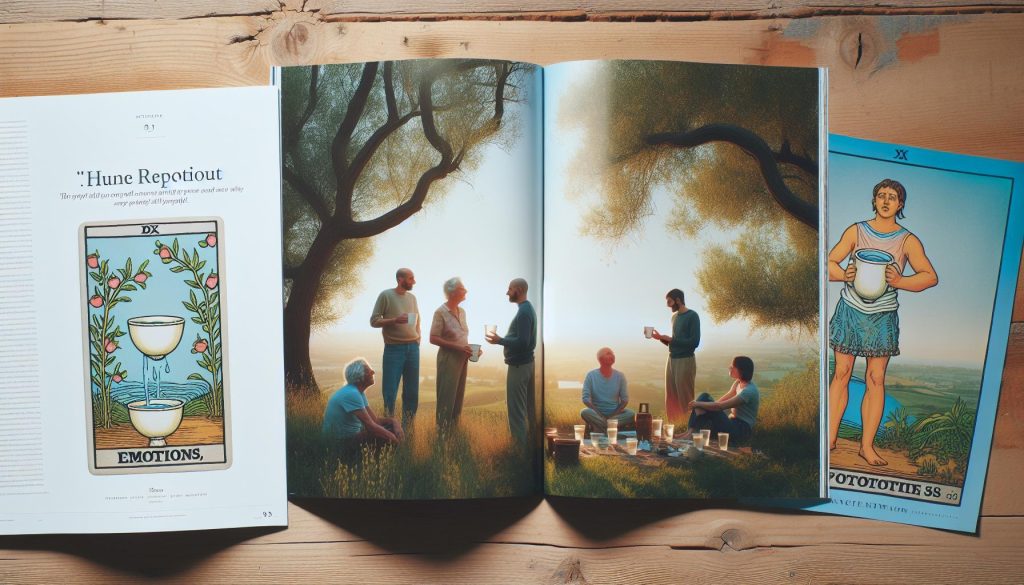
In the world of Tarot, Cups are not just symbols; they are gateways to understanding our deepest emotions and relationships. Often associated with feelings, intuition, and connection, the Cups suit invites us to explore the intricate layers of our emotional landscape. Have you ever felt overwhelmed by your feelings, or wondered how to navigate your heart’s desires? Understanding what Cups represent can illuminate your path, offering guidance through emotional turbulence and helping you align with your true self. As we dive deeper into the meanings of the Cups, you’ll discover how they can unlock profound insights into love, joy, and even grief. Join me on this journey to unveil the emotional wisdom these cards hold, and empower yourself to harness their energy in your own readings and life. Continue reading to uncover this essential aspect of Tarot that resonates with each of us.
What Are Tarot Cups? An Introduction

The suit of Cups is a fascinating aspect of Tarot, deeply intertwined with the realms of emotion, intuition, and connection. Representing the element of water, Cups embody our feelings, relationships, and the unconscious forces that shape our emotional landscape. When you draw a Cup card, it’s an invitation to explore the depths of your emotional experience, reflecting your inner world as you navigate through life’s journeys. Whether it’s love, joy, grief, or spiritual growth, Cups hold the power to unveil the rich tapestry of human experience.
Each card within the suit-ranging from the Ace of Cups, symbolizing new beginnings in love or emotional understanding, to the Ten of Cups, which often represents fulfillment and harmony in relationships-offers valuable insights into your emotional state. For example, encountering the Five of Cups may point towards feelings of loss, urging you to acknowledge grief while also reminding you of the possibilities for healing and renewal. This interplay of emotions is essential for personal growth; Cups challenge us to respond to our feelings authentically and cultivate emotional intelligence.
In readings, the Cups can serve various purposes, depending on the context of the question asked. They provide guidance not only in matters of the heart but also in intuition and spiritual pursuits. Understanding their significance allows you to better interpret spreads and gain a clearer insight into your personal journey. When incorporating Cups into your readings, consider their placement: are they in the past, indicating a need to resolve earlier emotional issues? Or do they appear in future positions, suggesting emotions that will emerge as you move forward?
By embracing the wisdom of Cups, you can tap into a wellspring of emotional insight that assists in relationships and personal development. When you recognize the patterns and messages within these cards, you strengthen your ability to engage deeply with your emotions, ultimately leading to a more fulfilling connection with yourself and others. Whether you’re a seasoned reader or new to Tarot, the journey through the suit of Cups offers endless opportunities for exploration and growth.
The Emotional Landscape of Cups in Tarot
When exploring the emotional expanse represented by the suit of Cups in Tarot, it’s essential to understand that these cards offer a rich and intricate view into our emotional lives. Cups embody feelings, relationships, and the innate bonds we share with ourselves and others. Through the lens of water, their fluidity mirrors the ebb and flow of our emotions, urging us to embrace and explore their depths. Drawing a Cup card not only invites you to assess your emotional landscape but also encourages you to navigate through the sometimes turbulent waters of your feelings.
Cups are especially powerful in reflecting our inner states and the relationships that nurture or challenge us. For instance, drawing the Two of Cups can indicate not just a romantic connection but a profound partnership based on mutual respect and understanding. In contrast, the Three of Cups often celebrates friendship and community, reminding us of the joy found in shared experiences. These cards reveal the spectrum of emotions-from joy and love to sorrow and loss-highlighting the importance of emotional awareness in our daily lives.
To effectively interpret Cups in your readings, consider the context of your questions and the specific cards drawn. Each Cup card may carry different meanings based on its position and the surrounding cards. For example, if the Seven of Cups appears in your spread, it might suggest choices and emotional confusion, prompting you to reflect on what truly resonates with your heart. Recognizing these nuances can enhance your readings and provide valuable insights into your emotional health.
Moreover, as you engage with Cups, you may find that they serve as mirrors reflecting your desires, fears, and hopes. This self-reflective aspect is vital for personal growth and emotional maturity. Embrace the journey through these cards as a means of connecting deeply with your emotions, ultimately fostering greater empathy not only for yourself but also for those around you. Remember, Tarot is a tool for growth, and the suit of Cups opens the door to a profound exploration of your emotional self, empowering you to cultivate deeper connections and navigate life’s challenges with grace.
Interpretation of Cups: Meaning and Insights
When diving into the rich symbolism of Cups in Tarot, it’s essential to embrace their profound connection to our emotional realm. Cups represent emotions, intuition, and relationships-they invite us to explore the depths of our feelings and the intricacies of our connections with others. Each card within the suit holds unique meanings that can illuminate various aspects of our lived experiences, from love and joy to sorrow and healing.
To interpret the Cups effectively, it’s beneficial to understand the core meanings of each card. For example, the Ace of Cups signifies new emotional beginnings, often heralding the advent of love or compassionate connections. In contrast, the Five of Cups speaks to feelings of regret, loss, and the need to let go of past disappointments to embrace new possibilities. As you engage with these cards, consider the context of your inquiry. This approach will help you unlock personalized insights from the cards you draw.
Utilizing a beginners’ approach, try associating each card’s imagery with life experiences. The Two of Cups, often depicting two figures exchanging cups, symbolizes mutual respect and attraction, suggesting a potential partnership based on equality. Reflect on times in your life when you’ve experienced a deep, reciprocal connection. This practice not only aids memorization but also strengthens your intuitive understanding of the meanings behind each card.
Moreover, using spreads designed explicitly for Cups can enhance your readings. A simple three-card spread can be extremely telling: position one could represent your current emotional state, the second your challenges, and the third the guidance you can embody to navigate your situation wisely. As you interpret these positions, remain open to the messages your intuition provides, allowing yourself to trust the insights that arise.
By fostering a deeper relationship with the suit of Cups, you not only enrich your Tarot practice but also enhance your emotional awareness and connections in daily life. Remember, the journey through Tarot is one of discovery and growth, and the Cups offer a particularly tender and profound pathway to understanding your personal emotional landscape.
How Cups Reflect Relationships and Connections

The suit of Cups in Tarot serves as a profound indicator of our relationships and the emotional currents that shape them. Cups embody the essence of connection, reflecting the joy, sorrow, and complexity that come with interpersonal dynamics. They encourage us to dive deeper into our interactions, revealing the layers of intimacy and vulnerability that influence our bonds with others.
One of the most revealing cards in this suit is the Two of Cups, which symbolizes partnership and mutual respect. When this card appears, it often suggests a significant relationship, whether romantic or platonic, founded on equality and shared emotional exchange. Reflect on moments in your life when you felt a deep connection with someone; this card beckons you to nurture those ties. Conversely, the Three of Cups celebrates friendship and community, reminding us that our emotional health thrives in supportive networks. It invites us to cherish the moments of joy and celebration, emphasizing how relationships can enrich our lives.
In exploring how Cups reflect relationships, consider the importance of emotional balance and communication. The Six of Cups, which often correlates with nostalgia and past connections, highlights the relevance of history in shaping our present relationships. It prompts us to examine how our past experiences influence our feelings and partnerships today. Similarly, the Five of Cups serves as a reminder of loss and the need to release emotional burdens. It encourages us to confront grief or disappointment within our relationships, emphasizing personal growth through healing.
To incorporate Cups into your Tarot practice effectively, try using spreads that center on relationships. A simple layout could include cards that reveal your feelings, the dynamics at play, and guidance for fostering healthier connections. For instance, drawing cards in positions representing your emotional state regarding a specific relationship can unveil insights that empower your next steps. By focusing on these elements, you foster a deeper awareness of yourselves as relational beings, embracing the transformative power of emotional exploration that Cups bring into your life.
Using Cups in Spreads: Types and Techniques
Using the suit of Cups in Tarot spreads invites us to explore the depths of our emotions and relationships. Cups resonate with the heart, making them perfect for readings focused on love, friendship, and emotional dynamics. Whether you are a beginner or advanced reader, incorporating Cups into your tarot practice can reveal profound insights.
To get started, consider a feelings spread, where you draw a few cards to understand your emotional state in a specific relationship. For example, you could ask the cards to reveal your feelings, the other person’s feelings, and the overall dynamics of your relationship. Pulling the Two of Cups in the first position might indicate a strong mutual connection, while the Five of Cups in the second position could indicate the other person’s struggles with emotional loss. Finally, adding a card that represents the advice or best path forward can help you navigate the complexities of your connection.
Another effective option is the relationship dynamics spread. This spread typically consists of multiple cards placed in positions that represent various aspects of your connection, such as communication, emotional support, and challenges. For instance, if the Three of Cups appears in the communication position, it may suggest that expressing joy and celebrating together can be vital for enhancing emotional bonds. In contrast, if the Eight of Cups emerges in the challenges position, it could highlight a need to break away from toxic patterns, urging both partners to seek emotional fulfillment elsewhere or to re-evaluate their priorities.
For those looking to deepen their practice, consider creating custom spreads that focus specifically on personal growth through emotional exploration. Include cards that reflect past experiences influencing your current emotional state, like the Six of Cups, alongside cards that indicate steps for healing, such as the Star, which represents hope and renewal. This combination allows you to engage proactively with your past to foster a healthier emotional future.
As with all Tarot practices, trust your intuition when interpreting the Cups. They provide a mirror for your feelings and relationships, encouraging vulnerability and opening pathways to healing and understanding. Use these techniques with an open heart, and allow the wisdom of the Cups to guide you toward deeper emotional insights.
Cups and Their Role in Personal Growth
Emotional growth is a journey often laden with complexities, and the suit of Cups in Tarot serves as an invaluable compass for navigating it. Each card within this suit resonates with the myriad facets of feelings, relationships, and inner wisdom. By engaging deeply with the imagery and messages of the Cups, you can unlock profound insights into your emotional landscape, fostering a healthier, more balanced self.
One of the most powerful ways to utilize Cups for personal growth is through reflective practices. When faced with emotional challenges, consider pulling one or more Cup cards and journaling about your thoughts and feelings associated with each one. For example, the Four of Cups may encourage contemplation about feelings of stagnation or dissatisfaction, inviting you to explore what truly makes you happy. In contrast, the Nine of Cups typically symbolizes emotional fulfillment and contentment. Reflecting on these contrasting messages can provide clarity about where you are and where you want to be emotionally.
Another effective technique is to incorporate the Cups into your daily or weekly Tarot readings. Focus on a specific question related to your emotional well-being, such as “What do I need to heal?” or “How can I nurture my relationships?” The responses you receive from the Cups can guide you toward actionable steps. For example, if you draw the Page of Cups, it may suggest embracing your creative side and expressing your emotions openly, which can lead to deeper connections with others and with yourself.
It’s essential to pay attention to any recurrent themes or feelings that emerge during your readings with the Cups. Keeping track of your reflections and insights over time allows you to see patterns that can inform your personal growth journey. Embrace the lessons from both the uplifting messages of the Two of Cups, indicating harmony in relationships, and the more challenging lessons from cards like the Five of Cups, which teaches about acceptance and moving forward after loss.
By consistently engaging with the suit of Cups, you can develop a richer understanding of your emotional self, learn to navigate your feelings with greater ease, and cultivate fulfilling relationships. This suit encourages vulnerability and honesty with yourself, supporting you as you grow into your most authentic self.
Shadow Aspects of Cups: Navigating Emotions
Navigating the shadow aspects of the suit of Cups invites deep emotional exploration and growth. This suit, teeming with feelings and relational dynamics, also exposes the darker corners of our emotional landscape that often go unacknowledged. Engaging with these shadow elements can be transformative, leading to profound insights about ourselves and our interactions with others.
One common shadow aspect associated with the Cups is the tendency to avoid confronting painful emotions. For instance, the Five of Cups often symbolizes grief and loss, serving as a reminder that shutting down or masking emotions can prevent healing. Instead, this card encourages embracing sorrow and accepting the loss, facilitating the release of pent-up feelings. If you find yourself consistently drawing this card, consider journaling about what you’ve lost and how those feelings impact your present. This act of acknowledgment can pave the way for healing and shift your perspective from what is lacking to what remains.
Another significant shadow theme is emotional dependency. The Two of Cups represents deep emotional connections, but when its reversal appears, it can signal imbalance or unhealthy attachments. If you feel excessively reliant on relationships for your self-worth, it’s essential to tap into your own emotional resilience. A powerful exercise is to identify activities that bring you joy independently, fostering self-love that isn’t contingent on others. Taking note of these experiences can empower you to cultivate healthier connections based on mutual respect and personal fulfillment.
Recognizing these shadow aspects allows for greater emotional maturity. By reflecting regularly on the messages from the Cups, you begin to understand the duality of emotions-how certain feelings, like joy and sadness, coexist and shape your experiences. Use this understanding to engage in real-world practices that invite balance, such as setting boundaries with others or seeking support during challenging times.
Ultimately, embracing the shadow side of the Cups leads to a richer, more authentic life experience. Celebrate both your vulnerabilities and strengths, for they offer a fuller picture of your emotional self. Through this compassionate journey, you can cultivate genuine relationships and deepen your connection with your inner voice, nurturing a harmonious balance between your heart and mind.
Famous Tarot Spreads Featuring Cups
The intricate emotional landscape of the Tarot suit of Cups finds expression in various spreads that can deepen your understanding of relationships, feelings, and personal growth. By using these spreads, you not only engage with the emotional elements symbolized by the Cups but also create an opportunity to explore your inner world and navigate your connections with others. Here are a few famous Tarot spreads that prominently feature Cups.
Three-Card Spread: Emotions, Actions, Outcomes
This simple yet powerful spread can help clarify your emotional landscape regarding a specific situation. Position the cards as follows:
- Card 1: Represents your current emotional state.
- Card 2: Symbolizes the actions you might take based on your emotions.
- Card 3: Indicates the potential outcome of these emotions and actions.
For instance, if you draw the Three of Cups in the first position, it reflects joy or celebration-perhaps indicating a time of connection with friends or family. The second card, say the Page of Cups, might suggest being open to new emotional experiences. Finally, if the outcome is the Ten of Cups, it strongly indicates fulfilling relationships and emotional harmony ahead.
Relationship Spread: Connective Insights
Designed to probe into your relationships, this spread features six cards that illuminate both your feelings and those of others involved. You can lay it out as follows:
- Card 1: Your feelings about the relationship.
- Card 2: The other person’s feelings.
- Card 3: The strengths of the relationship.
- Card 4: The weaknesses of the relationship.
- Card 5: Guidance on how to improve the relationship.
- Card 6: The potential future of the relationship.
If you draw the Two of Cups for your feelings, it signifies mutual respect and love. Meanwhile, if the other person’s feelings reflect the Five of Cups, it may indicate grief or regret, offering a chance to address unresolved issues. The guidance card could reveal the need for open communication, fostering a deeper connection.
Self-Reflection Spread: Emotional Growth
This spread emphasizes personal emotional insight and growth. Typically consisting of four cards, it can be laid out as follows:
- Card 1: What do I need to release emotionally?
- Card 2: What can I accept about myself?
- Card 3: How can I nurture my emotions?
- Card 4: What is my emotional strength?
For instance, if the first card is the Eight of Cups, it suggests a need to let go of emotional baggage. The second card, if it’s the Queen of Cups, indicates a nurturing acceptance of your emotional depth. By reflecting on each card’s guidance, you can gain insight into how to foster emotional resilience.
Using these spreads, practitioners of all levels can explore the Cups’ themes of emotions, relationships, and personal growth. Whether you’re reading for yourself or someone else, engaging with the suits through structured spreads can lead to transformative insights and healing experiences.
The Suit of Cups Across Different Tarot Decks
The beauty of the Tarot suit of Cups is its ability to transcend the specific imagery of individual decks, unifying various interpretations around the core themes of emotions and relationships. Whether you’re using a traditional Rider-Waite deck or a more contemporary artistic Tarot, the Cups always resonate with feelings, intuition, and connection. Each Tarot deck offers a unique lens through which to explore these themes, enriching your reading experience.
In mainstream decks like Rider-Waite, the visual symbolism of the Cups often includes elements like flowing water and vessels, which represent the fluidity of emotions. Each card is illustrated with scenes that evoke feelings-joy, sorrow, love, and longing. For example, the Ace of Cups typically showcases a hand emerging from a body of water, representing new emotional beginnings or the surge of love, while the Five of Cups illustrates a figure grieving over spilled cups, poignantly capturing loss and the need to focus on what remains.
Conversely, decks like the Wild Unknown Tarot take a more abstract approach, often eschewing human figures for natural symbols that convey the essence of the Cups. Here, a Cups card might depict a whale or a fish, symbolizing the vast ocean of emotions beneath the surface. This can lead to deeper reflection and personal interpretation, allowing readers to connect their unique feelings to the card’s meaning. Similarly, decks inspired by different cultures, such as the Afro-Brazilian Tarot, integrate local symbols and narratives, creating a rich tapestry of interpretation that reflects specific emotional experiences tied to cultural heritage.
To effectively integrate these varying depictions in your readings, it’s essential to approach each deck with an open mind. Observe how the artwork affects your intuition. Ask yourself: How does the imagery resonate with my experience or emotions? What personal associations arise when I view a specific card? This practice not only deepens your connection to the Cups but also strengthens your intuitive understanding of emotional narratives. Remember, tarot is a highly personal tool; what may seem like a simple illustration to one person can trigger profound feelings and memories for another.
As you explore different decks, take note of the variations in representation and meaning. This diversity not only enriches your readings but reinforces the idea that emotions are multifaceted, much like the myriad interpretations of the Cups across the Tarot. By allowing each deck’s unique energy to guide your understanding, you not only enhance your tarot practice but also foster a deeper connection to your emotional landscape.
Tarot Cups: A Practical Guide for Beginners
The Suit of Cups holds profound significance in Tarot, embodying the realm of emotions, relationships, and the spiritual connections that shape our lives. If you’re new to Tarot, understanding how to interpret Cups will empower your readings and deepen your insights into emotional landscapes. Cups are not just cards; they are a journey through your feelings, intuition, and interpersonal dynamics.
To get started, familiarize yourself with the core meanings of each Cup card. Here’s a brief overview to guide your understanding:
- Ace of Cups: New emotional beginnings; love and joy.
- Two of Cups: Partnership and mutual attraction; heartfelt connections.
- Three of Cups: Celebration and friendship; community and togetherness.
- Five of Cups: Grief and loss; focusing on what’s been lost rather than what remains.
- Ten of Cups: Fulfillment and happiness in relationships; emotional harmony.
When reading Cups in a spread, approach it with openness. Consider the context of your question; whether it’s about love, friendship, or personal growth, ask yourself how the emotions represented by Cups relate to your situation. For example, if you draw the *Three of Cups* while inquiring about a new relationship, it may suggest joyous connections and the support of friends in celebrating this new phase.
After you’ve grasped the meanings, practice interpreting cards in relation to one another. For beginners, a simple three-card spread can provide clarity: one card for past emotions, one for present feelings, and one for future insights. This method helps you visualize the emotional journey, fostering a deeper understanding as you reflect on how past experiences shape current emotions and future possibilities.
Lastly, trust your intuition. Cups are deeply tied to personal feelings and experiences. When you draw a card and see an image, notice how it resonates with you. What emotions arise? Allow this connection to guide your interpretation. Embrace the fluidity of emotions; remember, Tarot is a tool for unlocking your inner wisdom and navigating life’s intricate emotional tapestry. Your journey with Cups will not only enhance your Tarot practice but also heighten your awareness of the emotional currents flowing through your life.
Advanced Techniques for Reading Cups
Delving into the intricate realm of Cups can elevate your Tarot readings by deepening your emotional insights. As you move beyond basic interpretations, harnessing advanced techniques will greatly enhance your understanding of this powerful suit, allowing you to navigate the complexities of emotions, relationships, and personal growth more effectively.
One effective method is integrating numerology into your readings. Each Cup card corresponds to a specific number, often reflecting different emotional states or relational dynamics. For instance, the Two of Cups symbolizes partnership and balanced communication, while the Five of Cups emphasizes loss and regret. By combining the meanings of the cards with numerological insights, you can uncover layers of nuance in your readings. Consider drawing a sequence of Cup cards and analyze how their numerical positions can reveal a narrative about emotional development or relational challenges.
Another valuable approach is utilizing intuitive journaling after each reading. Take a moment to write down your immediate impressions and feelings about the cards you’ve drawn. Reflect on how these impressions relate to your current emotional landscape. This practice not only improves your message delivery but also strengthens your intuitive connection to the Cups. You might discover personal symbols or themes that resonate deeply with you, allowing these insights to become part of your reading framework.
Lastly, incorporating elemental associations can deepen your context. The suit of Cups is traditionally linked to the element of water, representing fluidity, intuition, and emotional depth. When reading Cup cards, think about how the water element influences the meanings. For example, drawing the Queen of Cups can remind you to nurture your emotional self and be receptive to intuition. You could even work with elemental rituals-like meditating near flowing water or utilizing crystals associated with water to enhance your emotional clarity.
Embrace these advanced techniques and watch your confidence and intuitive abilities flourish. Tarot is a dynamic, ever-evolving journey, and by expanding your strategies for reading the Cups, you invite more profound insights into your practice and personal development.
Intuition and Cups: Strengthening Your Inner Voice
Building a strong connection with your intuition is essential when interpreting the suit of Cups in Tarot, as this suit deeply embodies emotions, relationships, and the inner self. Engaging with your intuition can transform how you understand the messages and meanings of these cards, enabling you to draw on personal insights that resonate within you. The journey with the Cups can feel profound and personal; accessing your inner voice enhances your reading experience and invites clarity.
One effective way to strengthen this connection is through meditation. Consider taking quiet moments before your readings to calm your mind and center your spirit. As you focus on the Cups, visualize water-its flow, depth, and reflective nature. This imagery not only aligns with the elemental association of the suit but also ushers in a tranquil state where intuitive thoughts can surface. After a brief meditation, pull a card from the Cups and note the feelings or thoughts that arise. Ask yourself how these reflections relate to your emotions and experiences. This practice can cultivate a deeper understanding of how the energies of specific Cups cards play out in your life.
Another helpful technique is creating thematic spreads that center around emotional queries or interpersonal connections. For instance, you could craft a three-card spread focusing on past, present, and future emotions tied to a particular relationship. Ask questions like, “What underlying feelings need recognition?” or “How can I foster deeper emotional connections?” After laying out the cards, spend a moment tuning into the imagery and symbolism. What calls to you? Does a specific color evoke a memory or emotion? Trusting your inner dialogue will illuminate insights that may not be immediately apparent from just the card meanings alone.
In addition to these practices, journaling can serve as a powerful tool for refining your intuitive voice. After a session, take a few minutes to jot down your impressions of the Cups cards drawn. How did the images resonate with your current situation? Were there any unexpected emotions that emerged during the reading? You might discover connections between your own experiences and the messages from the cards, enriching your understanding and enhancing your intuitive readings over time.
Embrace these practices with an open heart. Strengthening your intuition in relation to the Cups not only empowers your readings but also supports your emotional well-being and personal growth. By nurturing this inner voice, you can navigate the emotional landscapes of your life and those around you with greater empathy and insight.
Faq
Q: What emotions do the Cups represent in Tarot?
A: Cups in Tarot symbolize emotions, relationships, and connections. They reflect feelings such as love, joy, sorrow, and intuition, helping you understand your emotional landscape and the emotional dynamics in your life. Explore deeper meanings in sections like The Emotional Landscape of Cups in Tarot.
Q: How can I use Cups to improve my relationships?
A: Cups guide you in understanding emotional dynamics within relationships. Use them in readings to assess feelings, desires, and the connection between you and others. For practical techniques, refer to Using Cups in Spreads: Types and Techniques in the article.
Q: What are the different Cups cards and their meanings?
A: Each Cup card holds unique insights; for instance, the Ace of Cups symbolizes new emotional beginnings, while the Five of Cups denotes loss and grief. Understanding these meanings can enhance your readings. Check Interpretation of Cups: Meaning and Insights for more.
Q: How can I integrate Cups into my tarot spreads?
A: Cups can be positioned in your spread to address emotional questions or relationships. Try including them in three-card spreads for clarity on past, present, and future emotions. For detailed setups, explore Using Cups in Spreads: Types and Techniques.
Q: Are Tarot Cups used for personal growth?
A: Yes, Cups facilitate personal growth by encouraging emotional introspection and healing. They help you navigate feelings, leading to greater self-awareness. Learn more about this process in Cups and Their Role in Personal Growth.
Q: What are shadow aspects of Cups in Tarot?
A: Shadow aspects of Cups highlight emotional vulnerabilities, such as fear or dependency. Recognizing these can guide you in managing emotions effectively. For insights, see Shadow Aspects of Cups: Navigating Emotions in the article.
Q: How do different Tarot decks represent Cups?
A: Different decks may depict Cups uniquely, but they consistently represent emotions. Observing the art and symbolism can deepen your understanding. Visit The Suit of Cups Across Different Tarot Decks for comparative insights.
Q: Can Cups cards indicate future emotional outcomes?
A: Yes, Cups cards can forecast future emotional states and relationship developments. Their positions in a spread can reveal potential pathways and feelings to watch for. Refer to the article for detailed interpretations in Interpretation of Cups: Meaning and Insights.
Wrapping Up
As we’ve explored, the Cups in Tarot are a profound gateway to understanding our emotions, relationships, and intuitive insights. They remind us that acknowledging our feelings is essential for personal growth and connection with others. If you’re eager to deepen your knowledge, consider diving into our guide on the four Tarot suits, which expands upon the significance of the Wands, Swords, and Pentacles as well[2].
Curious about how these insights can apply to your career? Our 3-Card Tarot Career Reading can provide tailored guidance for your professional journey[3]. Don’t miss out on transforming your intuitive abilities into actionable insights-explore our Instant Yes or No Tarot reading for quick clarity on specific questions you may have[1].
Engage with your emotions, trust your intuition, and let the Cups guide you. Share your thoughts in the comments below, and consider subscribing for more enlightening content that nourishes your spiritual path. Your journey into the magical realm of Tarot is just beginning!