Have you ever considered getting a tarot card tattoo but hesitated due to worries about bad luck? This intriguing question blends personal expression with deep-rooted beliefs about symbolism and fate. Many people are drawn to the rich imagery and meanings behind tarot cards, viewing them as powerful representations of their journeys and spiritual paths. However, myths about bad luck can linger, causing doubt and anxiety.
In this article, we’ll explore the origins of these superstitions, separate fact from fiction, and help you understand the true significance of tarot tattoos. Whether you are a tarot enthusiast looking to adorn your body with meaningful art or a skeptic curious about this belief, join us as we delve into the mystical world of tarot tattoos. You may find that the only limit to their power lies in how you choose to interpret them.
Are Tarot Cards Connected to Bad Luck?
Beliefs surrounding tarot cards often oscillate between fascination and fear, with the notion of bad luck strongly embedded in the conversation. Many people associate tarot cards with dark omens or negativity. However, this perspective primarily comes from cultural misconceptions and the sensationalization of tarot in media. It’s essential to understand that tarot cards themselves do not bring bad luck; rather, they serve as tools for introspection, guidance, and sometimes warning, much like a mirror reflecting our current circumstances and choices.
Historically, tarot’s association with superstition and bad luck can be traced back to the misunderstanding of its purpose. People often fear what they don’t understand, leading to the belief that engaging with tarot could invite misfortune or malevolent energies. However, numerous practitioners use tarot to empower themselves, viewing each card as a symbol of potential and personal insight rather than a harbinger of doom. For instance, even cards often seen as foreboding, such as The Tower, can signify necessary endings that lead to new beginnings-transformative changes that ultimately can lead to positive outcomes.
In this light, consider your intentions and mindset when thinking about or getting tarot-inspired tattoos. Engaging with tarot can be a profoundly positive experience, providing clarity and a deeper understanding of personal journeys. By choosing to view tarot as a tool for introspection, rather than a source of bad luck, one can transform any negative connotation into a powerful personal symbol.
Ultimately, whether or not tarot cards-and by extension, tarot tattoos-are connected to bad luck is less about the cards themselves and more about personal beliefs and cultural narratives. Embracing this understanding encourages a more nuanced perspective that empowers individuals to navigate their spiritual and creative journeys without fear. Emphasizing this psychological aspect can help dispel myths and clarify that the power of tarot lies in individual interpretation and connection.
The Origins of the Bad Luck Myth
Throughout history, the tarot has been shrouded in mystery, leading many to associate these cards with the idea of bad luck. This myth often stems not from the tarot itself, but from cultural misconceptions and sensationalism found in folklore and popular media. In many societies, anything tied to the unknown, such as divination practices, is often viewed with suspicion and fear. This instinctive reaction can create a narrative in which tarot cards are seen as bearers of ill fortune, rather than as tools for personal reflection and insight.
The Cultural Roots of Misunderstanding
Historically, tarot cards are entwined with the traditions of fortune-telling and occult practices, which have been polarized in public perception. In the Renaissance period, when tarot began to be used for divination, it was often linked to occult practices that were viewed unfavorably by religious authorities. This strict condemnation reinforced the idea that tarot could lead one down a path associated with bad luck or moral decay. People, fearing the repercussions of engaging with “sinful” practices, began to propagate stories linking tarot to negativity and doom.
Symbolism and Fear
Certain cards have historically been interpreted in a negative light, further fueling the myth of bad luck. For example, The Tower card is often seen as a sign of chaos and destruction. However, understanding the broader context of this card reveals its duality; it can also represent necessary upheaval that can lead to growth and transformation. It’s vital to remember that tarot serves primarily as a reflective tool, allowing individuals to confront their fears and acknowledge potential transformations rather than simply predicting misfortune.
Ultimately, the folklore surrounding the idea of bad luck linked to tarot cards is not a factual representation of their purpose or potential. Instead, it highlights the human tendency to fear the unknown and the associated desire to make sense of life’s unpredictability. By reframing our understanding of tarot and engaging with it as a means of empowerment and self-discovery, we can dispel the shadows of superstition and embrace the cards as symbols of personal narrative and growth. In this way, one can approach tarot-a practice rich in history and depth-not as a harbinger of ill fortune, but as a guiding light for one’s spiritual journey.
Cultural Perspectives on Tarot Tattoos
Tattooing tarot imagery onto the skin is often seen as a powerful personal statement, blending spirituality with art. However, cultural narratives frequently associate tarot with bad luck, leading many to hesitate before committing to such designs. These perceptions can be traced back to a complex web of history, superstition, and societal norms. By understanding these cultural perspectives, individuals can reclaim the narrative around their tarot tattoos and embrace their deeper meanings.
Historically, tarot cards were linked to divination practices that flourished in various cultures, often met with skepticism and fear. This skepticism has trickled down into the collective consciousness, where many associate tarot with misfortune or danger. For example, in some cultures, elements of tarot, such as the Death or Tower cards, may evoke strong reactions, symbolizing perceived ill fate rather than transformation or renewal. Yet, just as many view these symbols as guides in navigating life’s transitions, those who choose tarot tattoos often intend to honor the lessons learned through challenges, embracing growth and resilience.
When contemplating a tarot tattoo, it’s essential to consider the personal significance of the symbol to you. Engaging in a reflective process can help demystify any apprehensions about bad luck. Ask yourself questions like:
– What does this card represent in my life?
– How have I overcome challenges similar to those depicted?
– What strengths do I wish to embody through this design?
Choosing a card that resonates with your journey, such as The Star for hope or The Wheel of Fortune for cycles and change, can establish a sense of empowerment rather than fear.
Moreover, artists specializing in tarot tattoos often offer guidance, encouraging clients to transform their narratives. A skilled tattoo artist will work with you to incorporate symbolism that not only reflects personal experiences but also celebrates the deeper meanings behind tarot. This collaborative process can make your tattoo a source of strength and empowerment, serving as a daily reminder of your unique journey and potential.
In embracing a tarot tattoo, you can redefine its narrative-transforming it from a symbol of bad luck into a mark of personal meaning and spiritual growth. Your tattoo becomes not just an image but a testament to your journey, reminding you that the power of belief lies within you, reshaping how you view luck and destiny.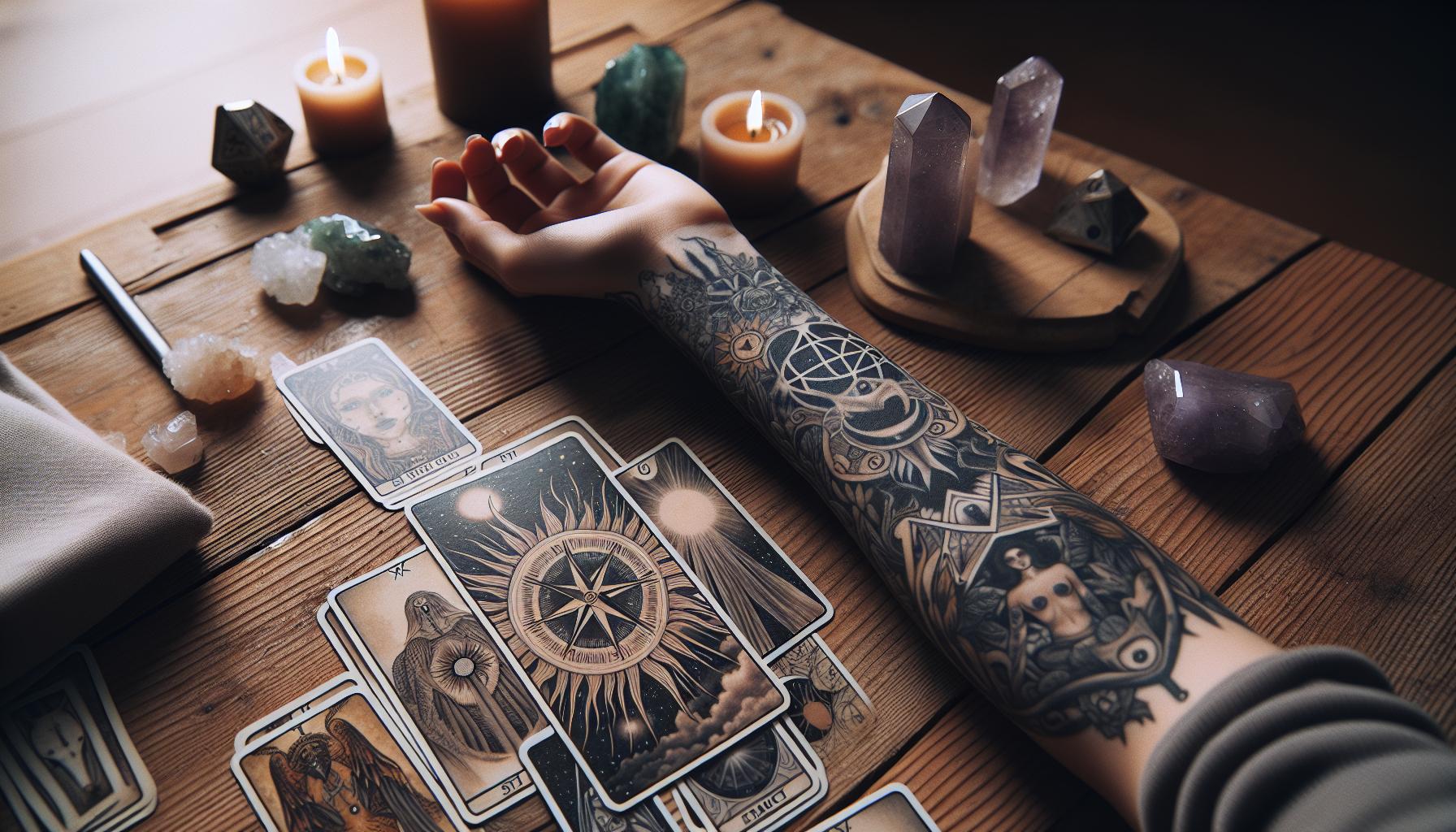
Symbolism of Tarot Cards in Tattoos
Tattooing tarot imagery on your skin is not just an artistic choice; it is often a profound connection to the symbolism and meanings these cards hold. Each card in the tarot deck possesses rich symbols that can resonate deeply with our personal journeys, experiences, and aspirations. Many individuals choose tarot card tattoos to commemorate significant life events, embody personal strengths, or serve as daily reminders of their goals and values.
When selecting a tarot card for a tattoo, consider what that card represents to you. For instance, The Fool can symbolize new beginnings and adventures, encouraging you to embrace life with an open heart and mind. The Strength card speaks to inner courage and resilience, perfect for someone who has overcome adversity. Meanwhile, The Star offers themes of hope and inspiration, making it a powerful choice for those seeking to cultivate positivity in their lives. Engaging in this reflective process not only strengthens your connection to the card but also transforms a simple design into a meaningful personal emblem.
The style and integration of tarot symbols in tattoos can also enhance their personal significance. Collaborating with tattoo artists who understand the nuances of tarot symbolism can lead to unique designs that resonate on multiple levels. For example, a talented artist might incorporate additional elements-like celestial imagery or nature motifs-into a depiction of The Moon, enriching the symbolism of intuition and the unconscious. This approach not only enhances aesthetic appeal but also deepens the personal narrative conveyed through the tattoo.
As you contemplate your tattoo choice, think about the message or sentiment you wish to carry with you. A tattoo’s power lies in its ability to inspire and ground you in your personal experiences and beliefs. Embracing a tarot tattoo can redefine its narrative from one associated with bad luck to a symbol of growth, spirit, and empowerment, portraying not just who you are but who you aspire to be.
Real-Life Stories: Tarot Tattoos and Their Impact
Many individuals who choose tarot tattoos have powerful stories that challenge the notion that such imagery brings bad luck. For instance, take the story of Lisa, who inked The Wheel of Fortune on her wrist during a transformative phase in her life. Following a tumultuous breakup, she saw this card as a reminder that change is constant and life will always turn in new directions. Instead of experiencing bad luck, Lisa reports feeling empowered, as the tattoo serves as a beacon of hope and resilience. It symbolizes her belief that, despite setbacks, positive moments are always on the horizon.
Similarly, Mark chose to tattoo The Lovers on his arm after overcoming a difficult period of feeling alone. This card resonated deeply as it represents harmony and partnership, not just in romantic relationships but also with oneself. Rather than associating his tattoo with superstition, Mark views it as a daily affirmation of love and unity in his life, reinforcing his journey toward self-acceptance and openness to new relationships. His friends have noted that his outlook transformed significantly since getting the tattoo, illustrating how personal symbolism can cultivate a more optimistic perspective.
Even those who may have initially viewed tarot with skepticism often find that their experiences with tarot tattoos defy negative beliefs. Sarah, who chose to have The Empress tattooed on her thigh, initially faced mockery from friends who warned her about potential bad luck. Instead, she found a supportive community among fellow tarot enthusiasts and artists. Sarah shares her story through social media, creating a platform to celebrate not only her tattoo but also the inseparable connection it has to her creative and nurturing sides. Her journey emphasizes that the meanings we assign to our tattoos can empower us rather than confine us to societal superstitions.
These real-life narratives illustrate a profound truth: tarot tattoos often serve as talismans of personal growth, strength, and transformation. They can redefine narratives, transitioning from symbols of supposed bad luck into reminders of resilience and purpose. As you contemplate such a meaningful form of self-expression, remember that what matters most is the personal significance and intentions you imbue within your chosen designs.
The Psychology Behind Superstitions and Tattoos
The connection between tattoos and superstition often taps into deep-seated beliefs about symbols and their meanings. When it comes to tarot card tattoos, these beliefs can significantly influence a person’s perception of luck-transforming a meaningful image into a supposed harbinger of misfortune. However, the psychology behind these superstitions reveals a more nuanced understanding of symbolism, particularly in how individuals interpret and integrate these images into their identities.
Many people believe that tattoos of specific symbols can attract certain energies or outcomes. This notion can lead to the idea that certain designs-like those from tarot-might carry inherent risks, particularly when popular culture depicts them in a negative light. Yet, it’s essential to recognize that the power of these symbols often lies within the individual. By understanding the psychological underpinnings of their tattoos, people can reclaim their associations with such images. For instance, a person tattooing the Death card may fear misfortune, but for others, this card can symbolize transformation and rebirth, shifting the narrative from one of fear to empowerment.
Engagement with tarot tattoos can also reflect broader psychological processes. Humans are drawn to symbols because they represent something greater than themselves, often connecting to personal stories or aspirations. When someone chooses a tarot card for their tattoo, they’re likely expressing a facet of their own journey-an acknowledgment of challenges overcome or attributes they wish to embody. Consequently, the perceived bad luck associated with tarot tattoos can be reframed; instead of being viewed as toxic or unlucky, they can be seen as positive affirmations of personal resilience and intent.
For those considering a tarot tattoo, it’s beneficial to explore the specific meanings behind the card that resonates with them. Understanding the meanings can demystify fears and foster a positive outlook. Here are some practical steps to take:
- Research the Card: Look into the symbolism and interpretations of the card you wish to tattoo.
- Reflect on Personal Connections: Consider your personal experience with the card and how it relates to your life.
- Consult with Others: Engage with communities or individuals who share your interests in tarot to gain broader perspectives.
- Visualize the Tattoo: Imagine how the tattoo can serve as a reminder of your strengths and aspirations.
By approaching tarot tattoos with a mindset grounded in personal empowerment and understanding, you can not only alleviate concerns about superstition but also embrace the more profound journey of self-exploration and expression that these symbols can represent.
How to Choose a Tarot Design That Resonates
Choosing a tarot design that truly resonates with you is a personal and empowering journey. Each tarot card carries a unique story and symbolism that can reflect your personal experiences, aspirations, and spiritual path. Instead of giving in to common misconceptions about bad luck, it’s crucial to focus on what the tarot symbolizes in your life and how it can inspire you. Here are some thoughtful steps to help you navigate this creative process.
- Connect with the Card’s Symbolism: Take the time to explore different tarot cards and their meanings. For instance, the Star card symbolizes hope and renewal, while the Strength card embodies courage and inner power. Reflect on which card speaks to your current life situation or personal growth journey. This alignment can help solidify your connection to a specific design.
- Personal Reflection: Journaling can be an excellent tool to understand what you want from your tattoo. Consider writing about your experiences with the card you’re drawn to. What emotions does it evoke? How does it relate to your past, present, or future? This reflection will guide you toward a design that is not only visually appealing but also meaningful.
- Consult Tarot Communities: Engage with fellow tarot enthusiasts, either online or in local groups. Sharing your thoughts and hearing others’ interpretations can deepen your understanding of the card’s significance. Members of these communities often provide valuable insights and might even suggest artistic interpretations you hadn’t considered.
- Visualize the Tattoo: Once you have chosen a card, think about how it could be represented in a tattoo. Would you prefer a minimalist line drawing of the Hermit with his lantern, or a detailed portrayal of the Wheel of Fortune? Visualizing the design can help you recognize how it will serve as a constant reminder of your journey and intent.
Understanding the symbolism behind tarot tattoos empowers you to transform any associated fears into affirmations of strength and hope. Remember, the meaning you assign to your tattoo is ultimately yours, allowing you to reclaim and redefine its significance in your life. By thoughtfully selecting a tarot design that resonates with you, you’re not just adorning your body with ink-you’re expressing a part of your spiritual journey.
Tips for a Positive Tarot Tattoo Experience
Choosing to get a tarot tattoo can be a deeply personal and transformative experience, yet many harbor the misconception that such ink may bring bad luck. This notion is more myth than reality, and with the right approach, you can ensure a positive and enriching tattoo journey. Trusting your intuition and aligning your choices with personal meanings can profoundly enhance your experience.
First, consider the importance of intention. Before getting your tattoo, reflect on what that specific tarot card signifies to you personally. For example, the Death card symbolizes transformation, while the Judgement card represents self-reflection and renewal. Think about how these meanings resonate with your life’s journey. Write down your thoughts and feelings about the card, which will solidify its significance in your mind and heart.
Consulting with a skilled tattoo artist is another crucial step. Look for someone who understands the symbolic weight of tarot tattoos. They can offer insights on design and placement, ensuring your tattoo aligns not just aesthetically but spiritually as well. When you discuss your vision, share what the card means to you. This collaborative process can inspire a unique design that captures both beauty and meaning and diminishes any fears of misinterpretation.
Finally, maintain a positive mindset throughout your tattoo experience. Engage with communities that celebrate tarot, whether online or in person. Hearing positive stories from others who have tattooed tarot symbols can help reinforce the meaning behind your choice, converting any lingering doubts into enthusiasm. Viewing your tattoo as a marker of your spiritual journey, rather than a mere embellishment, shifts the focus from fear of bad luck to embracing a source of inspiration and empowerment.
By thoughtfully reflecting on your choices and seeking supportive advice, you can turn the process of getting a tarot tattoo into a powerful affirmation of your journey, ready to embrace the blessings it represents in your life.
The Art of Tarot: Professional Tattoo Artists Speak
The vibrant world of tarot tattoos offers more than just captivating imagery; it encompasses a deep connection to personal meaning and spiritual significance. Professional tattoo artists who specialize in this genre often emphasize the collaborative journey of transforming tarot symbolism into enduring body art. Many of them argue that the belief in bad luck associated with these tattoos primarily stems from misunderstandings about the tarot itself. Tarot is not inherently negative; rather, it reflects life’s complexities and transformations, which can be beautifully expressed through ink.
Working with an experienced tattoo artist can enhance this experience, as they bring not only technical skill but also a nuanced understanding of the cards. When discussing your vision with an artist, it’s essential to articulate what the chosen card means to you. For instance, the Wheel of Fortune can symbolize cycles of change and destiny, while The Star may represent hope and guidance. Artists often encourage clients to reflect on these meanings, ensuring that the tattoo resonates personally and serves as a positive reminder on their journey.
Creating Meaningful Designs
Tattoo artists also advise clients to consider factors like placement and design style, which can further amplify the card’s significance. A well-placed tattoo can serve as a talisman, energizing the areas of life it symbolizes. Artists suggest exploring various styles-such as illustrative, geometric, or traditional-to find a design that feels authentic. Engaging with the artist’s portfolio and discussing past projects can also provide inspiration; many artists have fascinating stories about the transformative power of tattoos on their clients.
In terms of practical advice, artists recommend:
- Research: Look into the meanings of various tarot cards and choose one that resonates with your life story.
- Consultation: Book a consultation with a tattoo artist who understands tarot symbolism to discuss your vision and intentions.
- Visual Inspiration: Bring examples of designs you like, but be open to the artist’s interpretations and suggestions.
- Positive Affirmations: Frame your tattoo within a narrative of empowerment, focusing on the positivity and strength the card represents.
Building Confidence and Understanding
For both skeptics and believers, the journey to getting a tarot tattoo can transform feelings about luck and spirituality. Artists affirm that fostering a mindset of intention-viewing the tattoo as a symbol of personal strength rather than superstition-can shift perspectives entirely. Ultimately, the collaboration between the client and the artist can lead to a tattoo that not only looks stunning but also embodies a meaningful reminder of one’s spiritual path.
Exploring Alternatives: Tarot-Inspired Designs
Exploring the realm of tarot-inspired designs opens up a world of creativity and personal expression for those wary of the traditional tarot tattoo. Rather than directly inking tarot cards onto their skin, individuals can opt for designs that embody the essence, themes, or symbols of the cards without the potential stigma associated with them. This approach allows for a more versatile interpretation, ensuring the art remains deeply personal while steering clear of imposed superstitions.
One effective method is to select specific motifs that represent the qualities of the desired tarot cards. For instance, if you resonate with the Empress, consider a floral motif, as she embodies fertility, abundance, and nurturing energy. Alternatively, the Chariot can translate into a dynamic horse design, symbolizing movement, determination, and overcoming obstacles. These designs can be as intricate or subtle as you wish, allowing for individuality that aligns with your journey while bypassing any misconceptions tied to traditional tarot imagery.
When considering options, think about combining symbols from multiple cards to create a unique narrative. For instance, integrating the Moon with a starry sky can symbolize intuition and the unknown, while also incorporating elements from the Strength card, such as a lion, to reflect inner courage. This blend enriches the design with layers of meaning, offering a personalized emblem of your spiritual and emotional journey. Discuss these ideas with your tattoo artist, who can bring your vision to life through their artistic expertise.
Additionally, exploring styles such as watercolor, minimalist line art, or geometric designs can enhance the visual impact of your tattoo while allowing for a modern interpretation of tarot symbolism. Each style can evoke different emotions and associations; for example, watercolor provides an ethereal, fluid quality, while geometric designs can offer a sense of balance and structure, appealing to those who appreciate cosmic harmony.
Ultimately, the choice to pursue tarot-inspired tattoos without the direct imagery of cards can empower you to wear your beliefs and reflections in a way that resonates freely with your spirit. This path encourages a thoughtful exploration of what these symbols mean to you, allowing for creative expression that values personal significance over collective myths. Whether you identify as a skeptic or a spiritual seeker, embracing alternatives can lead to truly meaningful body art that reflects your unique journey while fostering a positive outlook on your relationship with tarot’s rich symbolism.
Understanding the Ethics of Tattoo Symbolism
The choice to get a tattoo inspired by tarot symbolism can spark a deep exploration of personal beliefs and cultural significance. While some might fear that such tattoos could carry negative connotations, this perspective often stems from misunderstanding. Tattoos hold power in their meaning, and engaging with that symbolism ethically is essential for a fulfilling and enriching experience.
When considering a tarot tattoo, it’s important to reflect on the meanings of the cards you wish to embody. Each tarot card is steeped in rich symbolism that conveys specific energies and themes. For example, the Strength card symbolizes courage and resilience, while the Wheel of Fortune encompasses cycles and change. By selecting designs that resonate with your personal journey and embody positive attributes, you can create artwork that uplifts rather than deters.
Engaging with the ethics of tattoo symbolism also involves understanding and respecting the cultural origins and interpretations of tarot. Tarot has a varied history, with roots in different traditions and practices. Recognizing this diversity can enrich your connection to the artwork and ensure that your tattoo honors the spirit of the symbols it represents. Always consider consulting with a knowledgeable tattoo artist who understands these nuances and can provide insights into the symbolism you’re interested in.
Additionally, it’s essential to approach your tattoo journey with clear intentions. Take time to meditate on what the chosen tarot symbols mean to you personally. Write down your thoughts or perhaps even perform a tarot reading to gain deeper insight before finalizing your design. This reflective practice transforms your tattoo from a mere image into a meaningful emblem of your path, embodying your values and aspirations. By having a well-thought-out connection to your design, you not only mitigate any fears of bad luck but also craft a deeply personal piece of art that reflects your unique spiritual journey.
Embracing Your Spiritual Journey Through Tattoos
The journey into tattoo art, especially when inspired by tarot cards, can be a profound expression of one’s spiritual path and personal beliefs. Many individuals feel drawn to the rich symbolism and archetypes found in tarot, viewing their tattoos as a way to embody specific energies that resonate with their life experiences. For instance, the Sun card represents joy and success, while the Death card symbolizes transformation and new beginnings. By choosing to ink these potent images, you are declaring your connection to their meanings and inviting their energies into your life.
When contemplating a tarot-themed tattoo, the key is to approach the experience with mindfulness and intention. This not only mitigates potential fears associated with bad luck but also creates a deeper connection to the artwork. Take time to reflect on what each card represents for you personally. Consider keeping a journal where you can explore your feelings and insights regarding the cards that resonate with you. You might also draw a daily tarot card to gain further clarity on your choices, helping to ensure that your tattoo symbolizes your spiritual journey authentically.
Working with a skilled tattoo artist who appreciates the nuances of tarot can further enrich your experience. Discuss your ideas, share the meanings you ascribe to the symbols, and allow their expertise to guide you. A knowledgeable tattooist can help you create a design that not only captivates visually but also embodies the energy you wish to attract or signify in your life, ensuring that the tattoo becomes a powerful talisman rather than a symbol of ill fortune.
Ultimately, the act of getting a tarot tattoo is about embracing your spiritual journey and celebrating the aspects of yourself that you wish to highlight. By choosing symbols that empower you and reflect your values, you craft a personal narrative on your skin-one that honors your past, celebrates your present, and inspires your future. As you embark on this journey, remember that your tattoo is an extension of you, a beautiful declaration of your inner truths and a reminder of the magic that lies within.
FAQ
Q: What are common superstitions about Tarot card tattoos?
A: Common superstitions about Tarot card tattoos include beliefs that they can bring bad luck or misfortune. Some feel that specific cards, like The Fool or Death, may symbolize negative outcomes. Understanding these myths can help individuals choose designs that resonate positively with them without fear of superstition.
Q: Can Tarot tattoos be protective symbols instead of bad luck?
A: Yes, Tarot tattoos can serve as protective symbols. Many view these designs as sources of strength or guidance, depending on the card. For instance, The High Priestess represents intuition and wisdom, which can cultivate a positive mindset and empower the wearer on their spiritual journey.
Q: Are there specific Tarot cards to avoid in tattoos due to bad luck beliefs?
A: Some people advise avoiding tattoos of cards like The Tower, symbolizing chaos and upheaval, or The Hanged Man, representing sacrifice. However, these interpretations are subjective; choosing a card that personally resonates or holds significant meaning can mitigate any perceived negativity.
Q: How can I choose a Tarot tattoo that reflects positive energy?
A: To choose a Tarot tattoo that reflects positive energy, select cards with meanings that inspire and uplift you, such as The Sun for joy or The Star for hope. Additionally, consider the design and placement carefully, ensuring it aligns with your personal values and spiritual journey.
Q: What do people believe about the meaning of the Death card tattoo?
A: The Death card tattoo often symbolizes transformation and rebirth rather than physical death. Many associate it with positive change, transition, and new beginnings. Wearing this card can serve as a reminder of growth and letting go of the old to welcome the new.
Q: How do cultural perspectives influence the interpretation of Tarot tattoos?
A: Cultural perspectives significantly influence Tarot tattoo interpretations. In some cultures, Tarot is seen as a mystical guide, while in others, it’s regarded with skepticism. Understanding these perspectives can help individuals embrace their unique relationship with Tarot and make informed choices about their tattoos.
Q: What is the psychological impact of getting a Tarot card tattoo?
A: The psychological impact of getting a Tarot card tattoo can be profound, offering a sense of connection to one’s spiritual beliefs or personal growth. It may serve as a constant reminder of intentions or life lessons, thereby providing comfort and motivation in challenging times.
Q: Should I consult a Tarot reader before getting a Tarot-themed tattoo?
A: Consulting a Tarot reader before getting a Tarot-themed tattoo is a personal choice but can be beneficial. A reading may reveal insights into which cards resonate with you and how they align with your life path, helping you select a design that has deeper significance.
Insights and Conclusions
Exploring the myth of Tarot card tattoos and their supposed bad luck shows that personal meaning and connection hold far greater power than superstition. Whether you view these tattoos as protective symbols or aesthetic expressions, the choice ultimately resides with you. Don’t let fear dictate your ink; instead, embrace the creativity and empowerment that Tarot can bring to your life.
For those intrigued by the mystical realm, consider diving deeper into the significance of Tarot through our article on the basics of Tarot meanings or try a Free Tarot reading to uncover your path. Don’t forget to sign up for our newsletter for more insights and exclusive content on Tarot and beyond. Share your thoughts in the comments below-how do you connect with your Tarot journey? Your experience might inspire someone else to explore their Tarot tattoo journey!
Get our latest guides, news, and insights highlighted in your Google Search & AI Overviews.