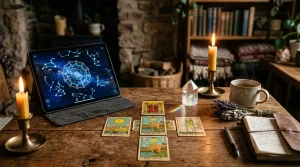
Tarot cards have intrigued and puzzled people for centuries, prompting a mix of fascination and skepticism. As you navigate the world of tarot, you may wonder: is it a genuine tool for insight or simply a clever scam? In this exploration, we’ll delve into the reality of tarot reading, addressing common concerns and uncovering the truth behind its practices. Whether you’re a curious skeptic or a devoted enthusiast, understanding the ethical and practical aspects of tarot can enhance your journey. By separating fact from fiction, you’ll be empowered to make informed decisions about how these cards can fit into your life. Join us as we unravel the mysteries of tarot, equipping you with the knowledge to discern authenticity in a field often shrouded in intrigue. Curious to discover what tarot may reveal? Let’s embark on this enlightening adventure together.
Understanding the Basics of Tarot Cards
Understanding tarot cards can empower you to navigate life’s mysteries with clarity and insight. At their core, tarot cards are a powerful tool for reflection, encompassing 78 unique cards divided into the Major and Minor Arcana. The Major Arcana consists of 22 cards that delve into life’s significant spiritual lessons and transformative experiences, while the Minor Arcana, with its 56 cards, addresses everyday challenges and situations. Each card carries rich symbolism and meaning, serving as a mirror to our experiences, emotions, and choices.
When you engage with a tarot reading, you’re not merely predicting the future; instead, you’re creating a dialogue with your subconscious. Each card reflects possibilities, offering insights into your current path and potential outcomes based on your choices. An essential aspect of reading tarot lies in understanding the symbolism embedded in each card-knowledge that enhances your intuitive abilities. For instance, drawing the Fool might signify new beginnings and adventures, encouraging you to embrace the unknown with a sense of wonder.
Utilizing tarot spreads, which are specific layouts of cards, helps structure the reading and focus on particular questions or aspects of your life. Common spreads, like the three-card spread, allow you to explore your past, present, and future related to a specific query. These structured formats help not only clarify your thoughts but also stimulate deeper reflection on your situation. As you become comfortable with the symbolism and spreads, you may find that your intuition guides your interpretations, yielding profound insights.
It’s natural to encounter skepticism about tarot, given its mystical appearance. However, many find that tarot fosters self-discovery and healing rather than simply fortune-telling. By approaching tarot with an open mind, you can harness its potential to illuminate your inner wisdom and enrich your understanding of the world around you. Whether you’re a seeker of answers or simply curious, embracing these cards can lead to transformative journeys.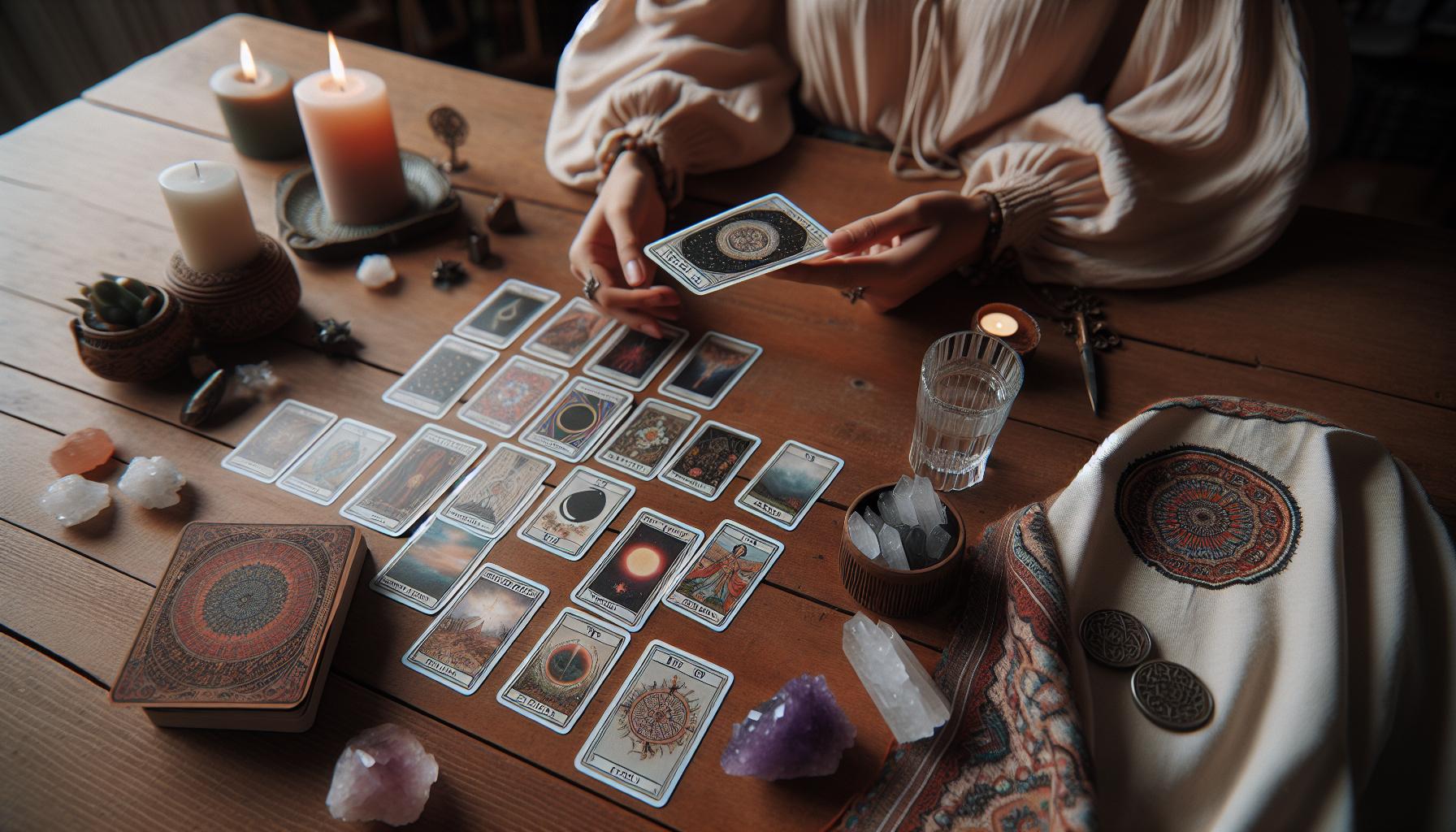
The History of Tarot: Mystical Origins Revealed
The journey of tarot cards is steeped in mystery, transcending mere fortune-telling to reveal deep layers of history and purpose. These intriguing cards, often viewed through the lens of the mystical, share stories dating back to the 15th century. Their origins are complex, with traces found in various cultures, suggesting that they were once simple playing cards in Italy, evolving into the esoteric tools they are known as today.
As tarot traveled across Europe, it absorbed influences from different social and spiritual movements. The cards began to be associated with divination and mysticism around the late 18th century. The fortune-telling practices we associate with tarot today amalgamated with spiritual philosophies such as Kabbalah and alchemy, enriching the symbolic meanings behind each card. Such depth enhances the ongoing debate on whether tarot cards are merely a tool for entertainment or a valid source of insight.
Historically, the Major Arcana-22 cards representing significant life themes-is often linked to the archetypal journey of the self, known as the Fool’s Journey. Each card encapsulates lessons that resonate with universal human experiences, illustrating that tarot is not just about predictions but rather a map for personal growth and understanding. For example, the card of the Tower might symbolize upheaval but also transformation, driving home the idea that challenges can lead us to new perspectives.
In exploring the historical contexts of tarot, it becomes clear that these cards hold more than superficial meanings. They invite individuals to reflect upon their lives, encouraging deeper connections to their inner selves and the world around them. Whether you approach tarot as a skeptic or a seeker, understanding its rich history can help demystify these cards, enabling them to become valuable allies on your personal journey. Embrace tarot as a narrative tool that connects past lessons to present challenges and future possibilities, rather than dismissing it as mere superstition.
How Tarot Reading Works: Myths vs. Reality
Tarot reading, often shrouded in mystery, invites both curiosity and skepticism. Many people view tarot as a gateway to foretelling the future, but the reality is far more nuanced. Understanding how tarot works requires dismantling common myths that can cloud the judgment of both novices and seasoned seekers alike. For instance, a prevalent myth is that one must be psychic to accurately read tarot. In truth, anyone can begin reading tarot with practice and patience. The cards serve as mirrors reflecting your own intuition and insights, regardless of any so-called mystical powers.
Another frequent misconception is that tarot reading can predict specific future events with certainty. This idea can create unrealistic expectations, leading individuals to believe they are trapped by prophetic figures in the cards. According to many practitioners, tarot is more about exploring potential outcomes based on current paths rather than providing definitive answers. The cards highlight possibilities and themes in your life, encouraging you to reflect on your personal journey and the choices you make. As outlined in various discussions, tarot is less about destiny and more about personal agency, steering you toward informed decisions based on your present circumstances [[2]].
Moreover, the structure of a tarot reading-often performed through specific spreads-offers an intuitive framework for understanding life’s complexities. Each spread, whether a simple three-card layout or a more intricate Celtic Cross, serves distinct purposes. They organize the question at hand into digestible segments, aiding the reader in drawing meaningful interpretations from the cards in relation to their current issues or dilemmas [[3]]. By recognizing tarot as a tool for guidance and self-discovery rather than fortune-telling alone, individuals can embrace its profound potential for personal insight and empowerment.
In summary, demystifying tarot requires re-examining preconceived notions about its purpose and function. The key lies in focusing on the interpretative nature of the reading, where the cards become a conduit for self-reflection and growth. Whether you are a skeptic or an enthusiastic believer, approaching tarot with an open heart and mind can provide transformative insights into your life’s journey. Embrace this practice as a valuable resource, and you may discover that the true magic of tarot resides in your own ability to connect with and understand it.
Common Misconceptions About Tarot Cards
Many people are intrigued by tarot cards yet find themselves tangled in a web of misconceptions and stereotypes. One common belief is that tarot is inherently linked to the occult or evil practices. However, this perspective disregards the fundamental purpose of tarot as a tool for introspection and guidance. Tarot is not about foretelling doom or gloom; it can serve as a mirror reflecting our thoughts and emotions, encouraging personal growth and self-awareness.
Another widely held misconception is that you must be a psychic to read tarot cards effectively. The truth is, anyone can learn to read tarot with practice and an open mind. The cards can be interpreted in numerous ways based on a reader’s intuition and the context of the question at hand. For instance, someone new to tarot might start with simple three-card spreads to explore past, present, and future influences on a situation. As confidence grows, one can delve into more complex spreads like the Celtic Cross for deeper insights into life’s challenges.
Additionally, many people think tarot readings provide exact predictions about the future. In reality, tarot is more about exploring potential scenarios and choices. The cards do not lock you into a predetermined fate; rather, they highlight themes and possibilities, prompting you to consider your current circumstances and decisions. A reading might reveal that you are at a crossroads, suggesting various paths you might take rather than dictating your life’s outcome. This interactive aspect fosters a sense of empowerment, reassuring both skeptics and seekers that they play an active role in shaping their futures.
Lastly, some might view tarot as a gimmick or a tool for scam artists. While it’s true that like any field, there are unreliable practitioners, many reputable readers approach tarot with integrity, using it to facilitate discussions about hopes, fears, and aspirations. Engaging with a skilled, compassionate reader can provide meaningful insights and support. Seek out practitioners who explain their methods and emphasize collaboration between the reader and querent, ensuring that your reading experience is both enriching and respectful of your journey.
Embracing tarot involves dispelling these myths and recognizing its potential as a beneficial practice for self-discovery and personal insight. Whether you’re a skeptic or a devoted practitioner, approaching tarot with curiosity and openness can pave the way for transformational experiences and deeper understanding of yourself.
The Purpose of Tarot Spreads: More Than Just Fortune-Telling
Crafting a tarot spread is akin to setting a stage for a performance of the soul. Each layout serves distinct purposes, revealing layers of insight that extend far beyond mere fortune-telling. In truth, tarot spreads are potent tools for self-discovery, helping individuals sift through their subconscious and articulate their innermost concerns, hopes, and dreams. Each chosen card acts as a lens, focusing on different aspects of a question or situation, thus illuminating paths and possibilities.
Understanding Tarot Spreads
The value of tarot spreads lies in their structured approach to introspection. Unlike casual card draws, a spread embodies a framework designed to explore specific themes or questions. For instance, a three-card spread might unpack past, present, and future influences on a particular issue, while a Celtic Cross can offer a comprehensive view of personal challenges, external influences, and probable outcomes. Each position within a spread is meticulously defined, allowing for comprehensive exploration and deeper reflection on life’s myriad questions.
Consider a scenario: you are at a crossroads in your career. A Career Reflection Tarot Spread might include positions such as your current job situation, challenges you face, what you need to embrace, and a potential outcome. By focusing on these areas, the reading does not merely predict future employment but prompts you to evaluate personal strengths, confront fears, and clarify aspirations. This engagement not only empowers you but also transforms tarot from a mystical practice into a practical guide for making informed decisions.
The Interplay of Intuition and Structure
Tarot spreads also invite a harmonious blend of intuition and structured interpretation. Each card drawn resonates differently with various readers, shaped by personal experiences and insights. This personal connection enriches the reading, making it a collaborative process between the reader and the cards. Think of an Empowerment Spread where you explore your strengths and abilities. As you interpret the cards, your intuition plays a vital role in identifying themes that may resonate with your current state of mind, reinforcing your unique perspective on the cards.
Whether you’re a seasoned practitioner or a curious newcomer, employing tarot spreads can transform how you approach challenges. By utilizing defined layouts, you not only demystify the reading process but also enhance your intuitive skills, making tarot accessible and meaningful. Ultimately, these spreads foster an enriching dialogue with your inner self, encouraging you to look beyond surface interpretations and engage deeply with your evolving narrative.
Exploring Tarot Decks: Choosing the Right One for You
Choosing the right tarot deck can feel like a daunting task, especially with the myriad of options available today. However, it’s also an exciting opportunity to find a set of cards that resonates with you personally. Each tarot deck carries its own energy and artistic style, allowing you to connect with the imagery and meanings in a way that feels authentic. Whether you’re a beginner or an experienced reader, selecting a deck that inspires you can enhance your tarot reading experience significantly.
When considering your first deck, think about what draws you in visually and emotionally. Many beginners start with popular decks such as the Rider-Waite-Smith, known for its clear imagery and rich symbolism. This deck serves as an excellent foundation for learning, as the illustrations align closely with traditional card meanings. If you have specific themes or art styles that you love, explore decks that embody those elements. You might be captivated by whimsical art, historical themes, or even decks that incorporate cultural motifs. Allow your intuition to guide you-if a deck feels right, it probably is.
Reading reviews and exploring different artists can also inform your choice. Look for decks that resonate with your personal beliefs and values. For instance, if representation is important to you, seek out decks that feature diverse characters and narratives. This deeper connection with your chosen cards can enhance both your readings and your understanding of the tarot itself. Remember, the deck you choose should feel like a companion on your journey of self-discovery and insight.
Once you’ve selected a deck, take time to familiarize yourself with it. Spend a few quiet moments daily to shuffle the cards, pull a card for reflection, or simply appreciate the artwork. This practice enhances your relationship with the deck, making it a valuable tool for personal exploration. As you become more comfortable, you may find yourself increasingly drawn to the unique stories each card unfolds, solidifying your intuition and understanding along the way. Tarot is a deeply personal practice, and your deck is a sacred part of that journey.
The Role of Intuition in Tarot Readings
Connecting deeply with your intuition is essential to unlocking the true potential of tarot readings. It’s not just about the cards; it’s about how you interpret their messages and how they resonate within your own experience. At its core, intuition is that innate understanding or gut feeling that guides you towards insights you might not have realized consciously. When you begin to trust this intuitive voice, the tarot transforms from a mere tool into a vibrant conversation between you and the universe.
To harness this intuitive power effectively, start by creating a calming environment before readings. Settle into a space where you feel comfortable and focused. Take a few deep breaths to center yourself, allowing the day’s distractions to fade away. As you lay out the cards, pay attention to your immediate feelings and thoughts-these instinctive responses are often the key to understanding the messages in your spread. Remember, while traditional meanings of the cards provide a framework, your personal connection to each card can lead to profound insights.
Begin with simpler spreads, like a three-card pull focusing on past, present, and future. This structure allows you to practice interpreting the cards’ meanings and reflecting on your intuitive responses without feeling overwhelmed. For instance, if you draw the Ace of Cups in the present position, you might initially consider its usual connotation of new emotional experiences. However, if your intuition nudges you to think of an emerging relationship or a creative project, honor that feeling. These interpretations can delve deeper into your client’s situation, fostering a richer dialogue.
Building your intuition is a journey. Engage with your tarot deck regularly-shuffle the cards, pull a card daily, and note your thoughts in a journal. This practice not only develops your understanding of the cards but also strengthens the relationship between your intuition and the imagery before you. As you continue on this path, you’ll find that trusting your intuition elevates your readings from a checklist of meanings to a powerful tool for insight, healing, and personal transformation. Embrace this journey, and watch your readings flourish as you become more attuned to your inner guidance.
Scam Alert: Spotting Fake Tarot Practices
While tarot reading can yield deep insights and personal growth, the rise of unqualified practitioners has also introduced the potential for scams. As a seeker of knowledge and guidance, it’s vital to be aware of the signs that may indicate a fake tarot practice. A genuine tarot reader understands that their role is to facilitate your intuitive process and provide insights, not to guarantee predictions or offer infallible advice.
To begin with, trust your instincts. If something feels off about the interaction, such as excessive pressure to make decisions or a vague, generalized reading, it’s essential to pause and reflect. Genuine tarot readings should empower you and encourage your own intuitive exploration, rather than manipulate your fears or desires for profit.
Common Red Flags to Watch For:
- Overly Dramatic Claims: Be cautious of readers who promise miraculous outcomes or solutions to all your problems. Tarot can offer insight and guidance, but it cannot guarantee life-altering changes.
- Hidden Fees: If a reader suddenly introduces additional costs or pressures you to buy extra services (like cleansing rituals or special talismans), it may indicate a scam.
- Exclusive Access to Knowledge: Beware of readers who claim they have unique or hidden knowledge that others do not. A legitimate reader should be open and willing to explain their process and beliefs.
- Lack of Personal Insight: If the reading is generic and does not seem to resonate with your situation, it’s likely the reader is using a one-size-fits-all approach rather than tailoring the experience to you.
When seeking a tarot reading, consider seeking referrals or looking for online reviews. Authentic practitioners typically have testimonials from satisfied clients who can attest to the quality and integrity of their work. Engaging with tarot should be a respectful and trust-based experience, so don’t be afraid to ask questions or research before committing to a reading.
Ultimately, genuine tarot practitioners use the cards as a tool for you to connect with your own intuition and insights. By remaining aware and discerning, you can protect yourself from deceitful practices and instead focus on finding a reader who respects your personal journey and offers you valuable guidance.
Benefits of Tarot Beyond Prediction: Healing and Insight
Engaging with tarot provides much more than mere predictions about the future; it can be a powerful tool for healing and self-discovery. When you sit down with a tarot deck, you are not just asking questions about what lies ahead but are also opening a doorway to deeper insights about your current circumstances and emotional landscape. The imagery and symbolism of the cards can mirror your experiences and feelings, guiding you toward a greater understanding of yourself and the challenges you face.
One of the key benefits of tarot is its ability to facilitate meaningful self-reflection. For instance, when you draw the Two of Swords, it can prompt you to examine your indecisions or emotional blockages, encouraging you to confront issues you’ve been avoiding. Engaging with the narrative of the cards allows you to explore your inner world, shedding light on patterns in your behavior or thought processes. This process can lead to profound personal breakthroughs, empowering you to make choices aligned with your true self.
Moreover, tarot serves as a supportive framework for navigating life’s uncertainties. It encourages you to consider various perspectives and possibilities when faced with dilemmas. A spread designed to explore a question can unveil different paths and help you assess potential outcomes. By doing this, tarot acts not just as a predictive tool but as a method for enhancing your decision-making skills and fostering a sense of agency.
In addition to personal empowerment, many find comfort in the ritual of a tarot reading. The act of pulling cards and interpreting their meanings can be meditative, providing an opportunity to slow down and connect with your intuition. This sense of mindfulness can be healing in itself. Whether you’re a skeptic or a believer, allowing the cards to guide your thoughts invites a unique blend of introspection and inspiration into your life. As you become more attuned to the subtleties of your own psyche, you may discover that the insights gained from tarot readings resonate beyond the session itself, influencing your daily life in meaningful ways.
How to Start Reading Tarot: A Step-by-Step Guide
There’s an undeniable allure to tarot cards; their mystical images and rich symbolism invite you to explore deeper truths about yourself and your life. As you embark on your tarot journey, understanding the basics and building your confidence will be key. Here’s a simple guide to help you start reading tarot confidently, whether you’re a skeptic or a believer.
Begin by selecting a tarot deck that resonates with you. There are many styles available, from the traditional Rider-Waite to more modern interpretations. Before you start reading, take a moment to familiarize yourself with the deck. Spend some time getting to know each card’s imagery and meanings; this will create a strong foundation for your readings. Using a beginner’s guide or app can be immensely helpful.
Once you feel comfortable with the cards, it’s time to establish an intention for the reading. What question or area of your life do you want to focus on? Writing down your intention can add clarity. Shuffle the cards while thinking about your question, allowing your intuition to guide you. When you feel ready, draw the cards that you feel called to, either for a particular spread or intuitively one by one.
Next, interpret the cards. Each card carries its own meaning within a specific context. For example, drawing the Two of Cups might indicate a blossoming partnership, while the Tower could signify sudden change or upheaval. Use your intuition and connect the card meanings to your question. Don’t be afraid to reference your guidebook or do some research on card interpretations-this learning process is part of becoming a confident reader.
Finally, after interpreting the cards, reflect on the insights gained. Ask yourself how the reading resonates with your life and what actionable steps you can take moving forward. Keep a journal of your readings to track your progress; this can reveal patterns and deepen your understanding over time. Remember, tarot is not just about prediction; it’s a tool for self-discovery and insight that can guide your decisions and enhance your intuition.
Embrace the journey with an open heart, and allow the cards to reveal the wisdom they hold for you. With practice and patience, you may find that your intuitive abilities blossom alongside your knowledge of the tarot.
Debunking Skepticism: Why Tarot Matters
There’s a common perception that tarot cards are merely tools for deception, used by charlatans to trick the unsuspecting and the desperate. However, this belief overlooks their profound potential as instruments of self-reflection and personal growth. Tarot readings can serve as a mirror, reflecting our inner thoughts, fears, and aspirations, allowing us to gain insights and provoke meaningful conversations with ourselves. Understanding this aspect of tarot can help bridge the gap between skepticism and appreciation.
Many people, including seasoned readers, approach tarot not as a divine oracle but as a storytelling mechanism. Each card tells a story that can relate to our circumstances, emotions, or decisions we face. A skeptic may find value in the process itself-questioning, interpreting, and unraveling layers of meaning. This can lead to deeper self-awareness and clarity, aligning with the idea that tarot is not about predicting the future but rather about understanding the present and the choices we can make. The act of contemplating a question or a situation while engaging with the cards can unleash creative thinking and problem-solving.
One of the essential elements in debunking skepticism is recognizing that tarot is not inherently mystical. Approaching it from a psychological or artistic perspective can be liberating. Many practitioners use tarot as a tool for personal development or therapy, finding it helpful in brain-storming solutions to life’s challenges. Engaging with the thoughtful imagery of the cards and interpreting their meanings can promote mindfulness and encourage a dialogue about one’s feelings and experiences. This aspect makes tarot accessible and relevant, regardless of belief systems.
In conclusion, tarot can matter profoundly to both skeptics and believers. It offers a structured way to explore life’s complexities, fostering emotional awareness and encouraging reflection. Whether one views it through a mystical lens or as a secular tool, the insights gained can be valuable. Establishing a personal connection with the cards can empower individuals to harness their intuition and creativity, enhancing their journey of self-discovery. By emphasizing these aspects, we can create a more inclusive and respectful conversation around the utility of tarot, moving beyond the stigma of scams to the recognition of its potential as a legitimate tool for personal insight and growth.
Real-Life Tarot Experiences: Testimonials from Believers and Skeptics
People often approach tarot with a mix of curiosity and skepticism, and real-life experiences can shed light on its potential value-or lack thereof. Many individuals, both believers and skeptics, have shared stories illustrating how tarot readings can transcend mere fortune-telling, providing unexpected insights and moments of self-discovery.
Consider a skeptic’s experience during a tarot session. Initially dismissive of the cards’ significance, this individual was shocked when the reader’s interpretations resonated deeply with their current life challenges. The cards sparked reflections on unresolved issues and decisions, pushing the skeptic to reconsider their stance. As they recounted later, the session was less about predicting the future and more about providing clarity and perspective on their current path. This common revelation underscores how tarot can be a tool for self-exploration, irrespective of one’s belief in its mystical roots.
On the other hand, believers often recount transformative experiences where tarot readings acted as guiding lights. One enthusiastic reader described a time when a tarot spread unexpectedly revealed themes of empowerment and self-acceptance that resonated deeply with their ongoing struggles. Each card not only depicted archetypal stories but also mirrored their internal battles, offering comfort and motivation to embrace change. Such testimonials illustrate how tarot serves not just as a predictive tool but as a catalyst for healing, fostering an environment of emotional support and clarity.
Through these diverse experiences, both skeptics and believers find common ground in acknowledging the reflective potential of tarot. Personal stories highlight its ability to facilitate difficult conversations with oneself, urging individuals to confront their fears and dreams. As a result, tarot emerges as more than a simple card game; it is a medium for personal growth that can resonate across belief systems, inviting everyone to engage with their inner selves. Regardless of one’s initial stance, the journey through tarot can foster profound insights and encourage a more mindful approach to life’s complexities.
Frequently Asked Questions
Q: Are tarot cards scientifically validated?
A: Tarot cards are not scientifically validated as predictive tools. Their effectiveness lies in personal interpretation and psychological insight rather than empirical evidence. Many find value in tarot for self-reflection and guidance, which can positively influence decision-making.
Q: How can I tell if a tarot reader is genuine?
A: To identify a genuine tarot reader, look for transparent practices, clear communication, and a focus on empowering you rather than instilling fear. Check for client testimonials and online reviews to gauge their reputation. Refer to the Scam Alert: Spotting Fake Tarot Practices section for more tips.
Q: What should I do if I don’t believe in tarot?
A: If you’re skeptical about tarot, approach it as a tool for introspection rather than belief. It’s okay to maintain doubts while exploring how the symbolism and narratives may help clarify your experiences. Consider reading the Debunking Skepticism: Why Tarot Matters section for more insights.
Q: Can tarot cards predict the future?
A: Tarot is not designed to predict the future with certainty. Instead, it provides insights based on the present circumstances that can influence potential outcomes. Focus on how it can guide you through decision-making rather than dictating fate.
Q: What are the risks of tarot reading?
A: The primary risk involves reliance on tarot for critical decisions without personal judgment. It can lead to emotional manipulation if practiced unethically. Understanding the Common Misconceptions About Tarot Cards can help mitigate these risks.
Q: Are there ethical considerations in tarot reading?
A: Yes, ethical tarot reading involves respecting clients’ boundaries, providing guidance without manipulation, and being honest about one’s own abilities. Readers should prioritize the well-being of those seeking insights, as discussed in the How to Start Reading Tarot: A Step-by-Step Guide section.
Q: How can tarot assist in personal development?
A: Tarot can facilitate self-awareness and personal growth by prompting introspection and reflection on one’s life choices. Engaging with the cards can unearth subconscious thoughts and patterns, leading to more fulfilling decisions. Explore the Benefits of Tarot Beyond Prediction: Healing and Insight section for more depth.
Q: What to do if I have a negative experience with tarot?
A: If you have a negative experience, it’s important to reflect on what felt uncomfortable and seek support. Not all readings will resonate positively. Engaging with trusted readers or learning to read for yourself may restore confidence and provide clarity in your journey.
The Way Forward
As we’ve explored, tarot cards can be a powerful tool for insight and guidance, far from the scam some may believe. Whether you’re drawn to them for spiritual connection or personal reflection, understanding their true nature is vital. If you’re curious to dive deeper, don’t miss our articles on “The Basics of Tarot Reading” and “Understanding Tarot Card Meanings”-perfect for both novice and seasoned readers alike.
Ready to embark on your tarot journey? Subscribe to our newsletter for exclusive content, tips, and resources that can elevate your reading experience. If you have questions or want to share your insights, please leave a comment below; we love hearing from you! Trust your intuition and take that next step; the world of tarot awaits you, full of mysteries and revelations.
Get our latest guides, news, and insights highlighted in your Google Search & AI Overviews.