Many people wonder whether Tarot cards hold a connection to the demonic or dark forces. This question often arises from cultural misconceptions and fear of the unknown. It’s crucial to explore these beliefs, as understanding the true nature of Tarot can empower you on your spiritual journey. While some view Tarot as a tool for divination steeped in superstition, others find it a profound means of self-reflection and guidance.
In this article, we will reveal the spiritual truths behind Tarot cards, demystifying their purpose and illuminating their positive potential. Whether you’re skeptical or a devoted practitioner, this exploration invites you to consider how Tarot can serve as a valuable resource in your life’s journey. Join us as we uncover the reality of Tarot, encouraging you to engage with its rich symbolism and insights without fear. Your path to understanding starts here.
Are Tarot Cards Demonic? Understanding the Myths and Truths
The notion that tarot cards are demonic has persisted for decades, rooted in misconceptions and a general fear of the unknown. This fear often stems from a lack of understanding about the true nature of tarot. At its core, tarot is a tool for reflection and intuition, not a gateway to dark forces. Many practitioners view tarot as a method to tap into one’s inner wisdom, gaining insights into life’s complexities rather than invoking malevolent energies.
Historically, tarot cards originated in the mid-15th century as playing cards in Italy before evolving into a divination tool by the late 18th century. This transition marked a shift in perception, linking the cards to mystical practices rather than purely recreational uses. It’s essential to realize that like any tool, the intent behind using tarot determines its effect. A reading conducted in a spirit of exploration and self-reflection is vastly different from one carried out with negative intentions.
To further dispel the myth, consider how tarot cards function. Each card has its own imagery and symbolism, designed to provoke thought and encourage personal insight. For instance, drawing The Star can inspire hope and renewal, while The Tower might signify upheaval but ultimately leads to transformation. The cards reflect situations we encounter in our daily lives, and thus, they can offer guidance when faced with dilemmas.
In addressing fear surrounding tarot, it is vital to welcome open discussions about these cards. This dialogue helps demystify tarot and fosters a more profound understanding among skeptics and believers alike. Engaging with tarot in a respectful and curious manner can transform what is perceived as threatening into a rich, insightful practice. This shift not only enhances personal growth but also deepens our capacity to connect with the spiritual dimensions of life’s journey.
The Origins of Tarot: A Historical Perspective
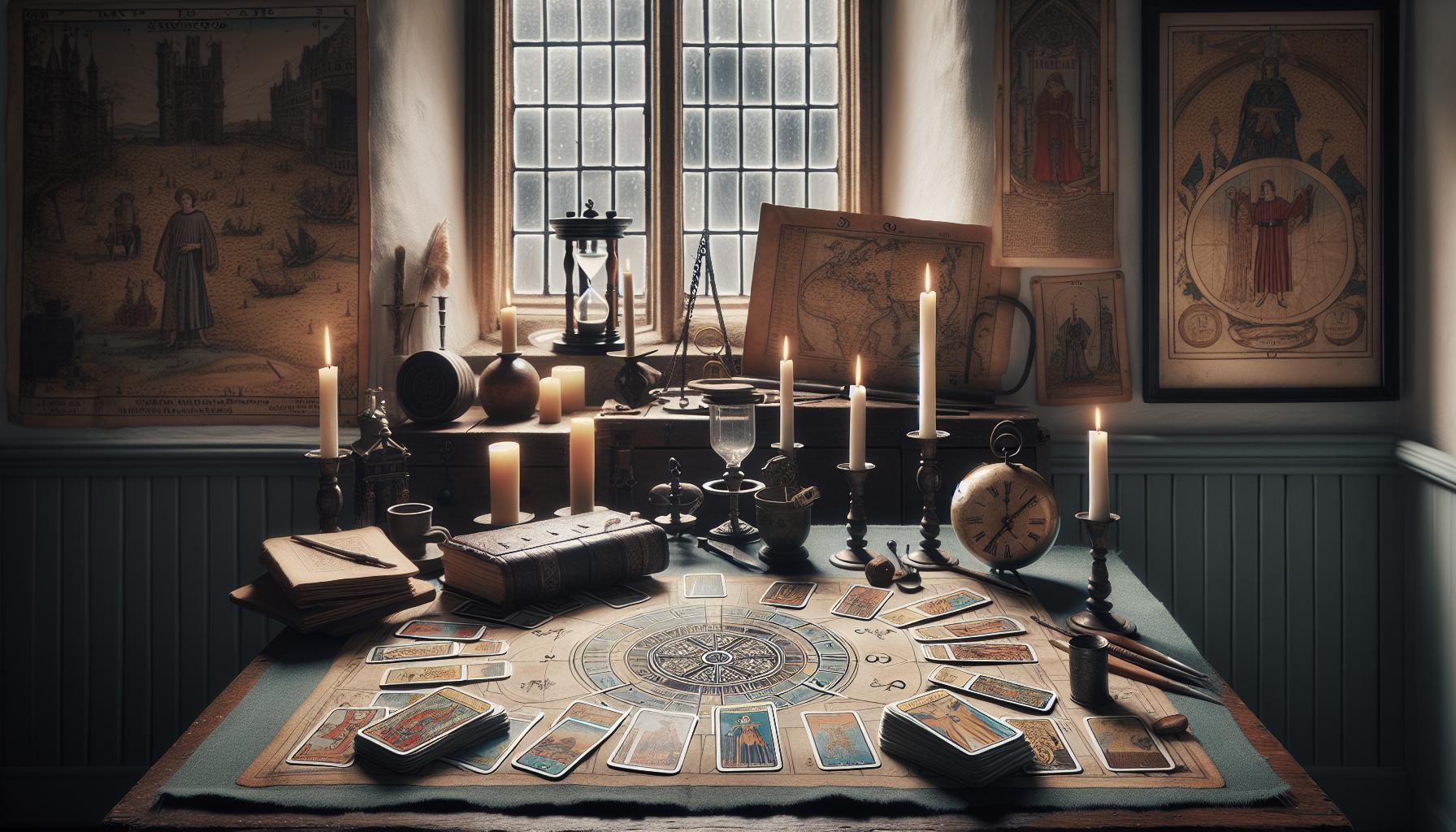
The history of tarot is a fascinating journey through time that often surprises those who view it as a tool of the occult. In fact, tarot cards began their life as mere playing cards during the mid-15th century in Italy, primarily used for games such as tarocchi. Initially, the tarot deck was fully integrated into the social fabric of Renaissance culture. It was only by the late 18th century that these cards began to be associated with divination and mysticism, a transition that reflected broader changes in societal interests regarding the supernatural and the exploration of the psyche.
The Evolution of Tarot
The transformation of tarot cards from recreational objects to spiritual tools can be attributed largely to the rise of interest in the occult. Influential figures such as Antoine Court de Gébelin began to link tarot imagery to ancient wisdom, suggesting that the cards were a remnant of Egyptian knowledge. This idea captivated the imagination of many and the tarot started to be viewed through a mystical lens, with elaborate meanings assigned to each card. Artists and occultists began creating unique tarot decks that emphasized these newfound symbols, further solidifying tarot’s place in the realm of spiritual exploration.
Understanding Intent in Tarot Use
It’s important to acknowledge that the intention behind a tarot reading distinguishes its spiritual significance. The cards themselves are simply a medium for reflection, guidance, and insight. In practice, this means that a tarot reading focused on self-discovery and personal growth can yield profound insights into one’s life, while the same deck could be misused if driven by negative intentions. Recognizing this duality allows both skeptics and believers to engage with tarot without fear of falling into dark or demonic associations. Essentially, tarot is a tool that can facilitate conversations with oneself, empowering individuals to navigate their life’s complexities.
By viewing tarot through this historical lens, we can appreciate its rich heritage and understand that its purpose has always been tied to human experience. Whether used for fun or for deep personal exploration, tarot invites users to tap into their intuition, connection to the cosmos, and the myriad meanings life holds. Embracing this perspective not only demystifies the cards but also enhances personal empowerment and spiritual growth, proving that tarot can be a valuable ally for everyone, regardless of their previous beliefs about its nature.
Tarot Decks Explained: Types and Their Meanings
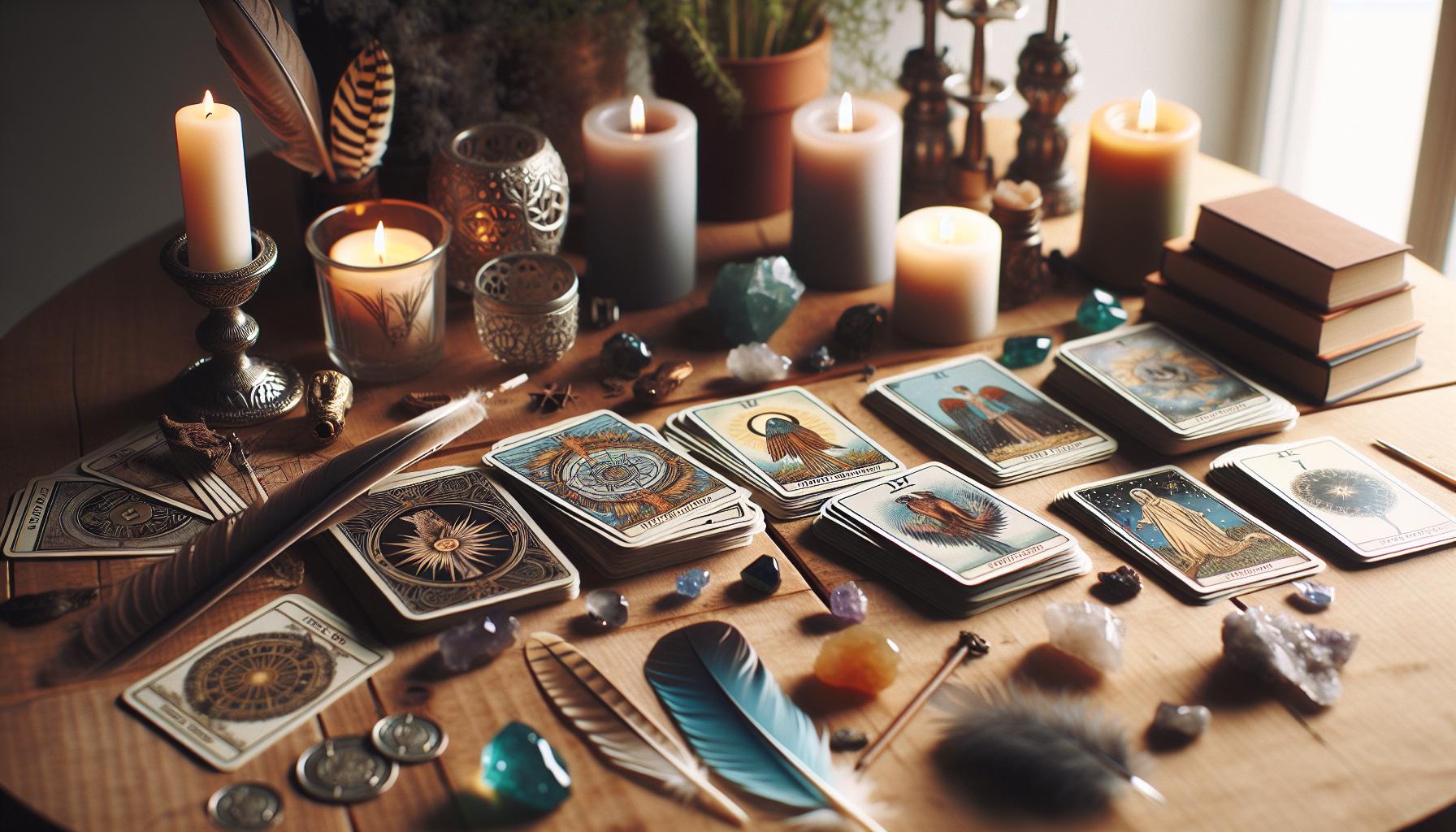
The world of tarot decks is as diverse as the individuals who use them, each offering unique pathways to insight and self-discovery. Understanding the different types of tarot decks and their meanings enhances your ability to connect with the cards, ensuring a more meaningful experience. Whether you’re a curious beginner or a seasoned reader, choosing the right deck can significantly influence your readings and personal growth journey.
Types of Tarot Decks
- Traditional Tarot: The most commonly recognized deck, typically consisting of 78 cards divided into the Major Arcana and Minor Arcana. Major Arcana cards (22) represent significant life events and spiritual lessons, while the Minor Arcana (56) focuses on everyday events and challenges.
- Tarot de Marseille: One of the oldest styles, this deck is characterized by its simplistic illustrations and limited color palette. It’s often favored for its historical authenticity and emphasis on numerology.
- Rider-Waite Tarot: This popular deck features detailed imagery that makes it accessible for beginners. Each card illustrates a narrative, allowing for deeper interpretations and connections during readings. Its symbolism is deeply rooted in various spiritual traditions.
- Oracle Decks: While not strictly tarot, oracle decks come in various themes and often have fewer cards. Each deck carries its unique structure, making them versatile tools for intuitive guidance.
- Modern and Themed Decks: More contemporary artists have created themed decks, encompassing everything from pop culture to fantasy. These decks often reflect the user’s personal interests, making readings more relatable and engaging.
Interpreting the Decks
Each tarot deck comes with its own nuances and imagery, influencing the interpretation of the cards. For instance, a card like The Fool might embody the spirit of adventure and new beginnings in a traditional deck, while a themed deck might infuse it with a sense of playful exploration indicative of its unique artistic narrative. Here are some key points to consider when interpreting a deck:
- Visual Cues: Spend time reflecting on the imagery. What feelings do they evoke? How do they relate to your question or situation?
- Intuitive Responses: Allow your intuition to guide you. Trust your first impressions and feelings when a card is drawn.
- Contextual Reading: Consider the spread (the layout of the cards) and how different cards interact with one another to provide comprehensive insights.
Remember, the essential aspect of working with tarot is the connection you build with your chosen deck. Whether you resonate with the traditional symbolism or find comfort in a modern portrayal, embracing the variety in tarot decks enhances your personal and spiritual exploration. By demystifying the types and meanings of tarot decks, you empower yourself to see them not as tools of the occult but as valuable guides for reflection and growth on your life’s journey.
Examining the Spiritual Purpose of Tarot Cards
The tarot serves as a powerful tool for self-reflection and spiritual exploration. Far from being an instrument of dark forces, it provides a framework through which individuals can gain insights into their lives, purpose, and emotions. At its core, the spiritual purpose of tarot is to facilitate a deeper understanding of oneself and the universe, acting as a mirror that reflects our inner thoughts, struggles, and aspirations. Whether you are at the beginning of your spiritual journey or deep into a transformative process, tarot can guide you to greater clarity and insight.
Using tarot cards invites you to engage with your intuition. Each card holds symbolic meanings that resonate differently with each individual. For instance, pulling The Empress might evoke themes of creativity or nurturing, prompting a reflection on these aspects in your life. Similarly, The Tower can signify disruption but also transformation and renewal. By contemplating the significance of these cards in the context of your question, you can tap into your inner wisdom and reveal answers that may not be immediately apparent.
Incorporating tarot into your spiritual practices can enhance your understanding of life’s cyclical nature. Each reading can serve as a snapshot of your current energies and challenges, showing where you align with your true self and where you may be straying. Creating a consistent practice-such as a weekly or monthly spread-allows you to track your growth over time and better understand your evolving relationship with the cards. This ongoing dialog fosters a more profound spiritual connection, offering reassurance and guidance through life’s ups and downs.
Above all, remember that tarot is about empowerment and exploration. It invites you to question, reflect, and grow, without the fear of judgment. Embrace the process with an open heart and mind, allowing each session to deepen your understanding of your paths and your purpose in this journey called life.
Demonic vs. Spiritual: Defining the Line
The intersection of tarot with spirituality has often been clouded by misunderstandings that can lead to unnecessary fear or skepticism. Many people associate tarot cards with demonic forces, believing that their use opens doors to malevolent entities. However, this perception is more a reflection of cultural narratives than the truth of what tarot represents. It’s essential to recognize that tarot readings can serve profound purposes-think of them as tools for introspection and self-discovery, rather than conduits for dark energies.
At the core of tarot is a rich tapestry of symbolism grounded in archetypes that speak to the human experience. Each card tells a story, reflecting themes of joy, loss, challenge, and transformation. This imagery can evoke deep emotional responses and insights that foster personal growth. For instance, the card of The Devil often stirs anxiety due to its name and imagery; however, in many readings, it emphasizes personal bondage or the temptation to release oneself from unhealthy patterns. When approached mindfully, such symbolism can catalyze healing rather than harm, drawing you nearer to your true self.
Furthermore, the act of engaging with tarot is rooted in intention. When you sit down to read, it’s crucial to focus on what you wish to understand or explore during your session. This intentionality establishes a sacred space for exploration. If you approach your cards with love and respect, you invite insights aligned with your spiritual beliefs, creating a conduit for positive growth. A simple practice is to set an intention by stating it quietly before your reading, such as, “I seek clarity on my current path” or “Help me understand my feelings regarding this situation.”
Considering the differences between demonic and spiritual practices can illuminate your understanding of tarot. The key is in your perspective and the energy you bring to your readings. Respectful practices that honor the cards and the insights they offer ultimately pave the way for spiritual exploration. Remember, tarot is not about predicting doom; it’s about understanding your journey, elevating awareness, and fostering personal empowerment. Embrace tarot’s potential with an open heart, and you may find it to be an enlightening companion on your spiritual path.
Common Misconceptions About Tarot and Demons
Many individuals wary of tarot often equate its use with demonic influence, stemming from cultural and historical misinterpretations. This perception frequently overlooks tarot’s true essence as a tool for reflection and personal growth. In reality, tarot cards are not inherently good or evil; they are symbolic instruments that can reveal insights into our lives, thoughts, and spiritual journeys. By understanding fundamental misunderstandings, we can shift the narrative around tarot away from fear and towards empowerment.
One common misconception is the belief that tarot invites negative energy or evil spirits into one’s life. This idea is largely fueled by sensational portrayals in media and folklore, which often depict tarot as dark or sinister. In truth, engaging with tarot should be approached with a sense of intention and respect. When used consciously, tarot can illuminate pathways to self-awareness and understanding. Rather than opening doors to the demonic, tarot encourages personal responsibility and introspection, presenting challenges and opportunities for growth.
Another prevalent myth surrounds the symbolism of certain cards, particularly The Devil card. While its imagery may provoke fear, this card often symbolizes our inner struggles, temptations, or the bonds we create out of fear or ignorance. By reframing how we interpret this card and others like it, we can recognize them as reflections of our personal challenges rather than as invitations for darkness. This perspective allows us to harness the messages of the cards for constructive purposes, promoting healing and transformation.
For those exploring tarot, it’s crucial to create a supportive environment that aligns with your values and intentions. Consider establishing rituals that resonate with you, such as lighting a candle or using specific crystals during your readings. These practices can deepen your connection to the cards and help frame your readings in a spiritual context. Ultimately, recognizing tarot for what it truly is-a mirror reflecting your inner landscape-can empower you to embark on a journey of exploration and understanding, free from the shadows of unfounded fears.
By cultivating a balanced view of tarot, you can unlock its potential as a valuable ally in your spiritual journey, moving beyond the confines of myth and into realms of possibility and self-discovery. Embrace tarot not as a conduit for negativity, but as a transformative practice that invites you to engage with your life’s complexities.
How to Use Tarot for Personal Growth
The journey of personal growth often demands introspection and clarity, and tarot can be a transformative ally in this process. By engaging with tarot as a reflective tool rather than a mystical gimmick, individuals can unlock deeper insights into their thoughts, emotions, and life choices. Each card serves as a mirror, presenting aspects of ourselves that we may overlook, guiding us toward greater self-awareness and understanding.
To begin using tarot for personal growth, establish a regular practice that feels comfortable and safe for you. Start with simple spreads, like a one-card draw or a three-card spread focusing on the past, present, and future. For example:
- One-Card Draw: Ask yourself a specific question, draw a card, and reflect on what the imagery and symbolism evoke in your mind.
- Three-Card Spread: Use this spread to explore a situation. The first card represents the past influences, the second the current situation, and the third the potential future.
As you engage in these practices, it’s essential to keep a tarot journal. Record your questions, card pulls, and interpretations along with your feelings and insights. This documentation will not only track your growth over time but also reveal patterns in your thinking and behavior that can lead to significant breakthroughs in your personal development.
While working with tarot, remain open to the meanings of each card. For instance, the Empress may inspire you to nurture your creative side, while The Tower could bring awareness to necessary disruptions in your life. Connecting these cards to your experiences can illuminate pathways for change and acceptance. Remember, no card is inherently “bad,” and even challenging cards have lessons that invite you to confront fears, rediscover strengths, and foster resilience.
In essence, tarot is about dialogue-with yourself and the universe. Approach your readings with curiosity and gratitude, viewing them as opportunities rather than obligations. Allow the cards to inspire you, guiding you toward choices that resonate with your authentic self. With practice, tarot can help dismantle limiting beliefs, aiding you in creating a life that is more aligned with your true desires. Embrace the journey, knowing that tarot is here to support and guide you, fostering both personal growth and spiritual connection.
Skepticism in Tarot: Addressing Fear and Doubt
Skepticism surrounding tarot often stems from a misunderstanding of its purpose and method of operation. Many people associate tarot with the supernatural or even demonic influences, which can create a barrier to exploring this tool for introspection and personal growth. However, it’s crucial to recognize that tarot is essentially a reflection of one’s thoughts and emotions, a way to help individuals connect more deeply with their intuition and make sense of their inner landscape.
To address fear and doubt regarding tarot, it can be helpful to approach readings with an open mind. Skeptics often worry that the cards hold power over their lives, but the truth is that the power lies in the interpretation and intention of the reader. You might consider starting with simple questions that pertain to your everyday life-questions about relationships, career choices, or emotional well-being. For instance, pulling a card to gain insight on how to approach a difficult conversation can shift skepticism into practical application.
Practical Steps for Beginners: Start your tarot practice in a safe space. Here are a few steps to ease any lingering doubts:
- Set an Intention: Before a reading, think of a specific question or area of your life you’d like insight into. This helps ground your reading and focuses the energy.
- Journal Your Readings: After a reading, write down the questions, the cards pulled, and your interpretations. Over time, you’ll start to see the connections between the cards and your life, offering a form of validation that can counter skepticism.
- Seek Credible Resources: Engage with books, articles, and communities that respect tarot as a tool for insight rather than a mystical gimmick. This can provide clarity and help you feel more comfortable with the practice.
Engaging with tarot as a personal growth tool is not about interpreting the cards literally or fearing what they might reveal. Instead, it’s about fostering a deeper understanding of your own psyche. Remember that cards like The Fool represent new beginnings and adventure, while The Devil may bring up issues like materialism or restriction, urging you to confront what holds you back. By recognizing the potential messages behind each card, you can demystify the experience and harness the power of self-reflection.
Embracing tarot does not require a leap of faith into the supernatural; rather, it invites you to explore your thoughts, fears, and aspirations in a structured way. Allow your journey with tarot to be a dialogue with yourself-one that encourages growth, cultivates intuition, and dispels fears through understanding. It’s perfectly okay to be skeptical; what’s important is to engage with curiosity and patience, allowing yourself to discover the transformative potential tarot can hold.
Real-Life Tarot Experiences: Stories from Readers
Many individuals have found transformative experiences through tarot that challenge the idea of it being a demonic practice. Take Lisa, for example, a self-proclaimed skeptic who approached her first tarot reading with apprehension. After setting a clear intention to explore her career path, she was surprised to pull the Three of Pentacles. This card signifies collaboration and recognition for her efforts. During the reading, she realized how her fear of judgment had hindered her professional relationships. The insight gained encouraged her to start networking and seek collaborative projects. This pivotal moment transformed her skepticism into curiosity, exemplifying how tarot can illuminate personal truths rather than harbor demonic influences.
Another compelling story comes from Ben, who initially approached tarot due to a family tradition but felt uneasy about its spiritual implications. During a reading, he focused on his relationship dynamics, consulting the Two of Cups. This card represents harmony and partnership. The session revealed underlying communication issues that Ben had not acknowledged, empowering him to foster deeper understanding with his partner. Rather than reinforcing his fears, tarot served as a mirror, reflecting his inner landscape and prompting positive change in his relationship.
These experiences underscore a core principle of tarot: it is a tool for self-reflection and understanding, not a gateway to darkness. Each story shared by readers illustrates how engaging with tarot can provide clarity, encourage personal strength, and illuminate pathways previously obscured by fear or uncertainty. As you consider your journey with tarot, remember that it’s about fostering a dialogue with yourself-a rich conversation that promotes growth and self-awareness without the weight of supernatural dread.
By listening to the narratives of others, you can find common threads that resonate with your own life. Whether you are new to tarot or have long practiced its art, each reading can unlock insights, guiding you toward your truth while dispelling the myths surrounding its purpose. Start small, be open, and allow the cards to be a gentle guide on your journey rather than a source of fear.
Finding Balance: Tarot in Modern Spirituality
In today’s fast-paced world, many people are searching for ways to connect with themselves and their inner truths. Tarot cards, often misunderstood, can offer a balanced approach to spirituality that harmonizes intuition and mindfulness. Rather than seeing tarot as a tool steeped in dark magic, it can be recognized as a mirror reflecting our thoughts, feelings, and circumstances, a catalyst for personal insight and growth.
To find balance in using tarot within modern spirituality, it helps to approach it with an open mind and a clear intention. Consider starting with simple three-card spreads that allow you to invite clarity into specific areas of your life, such as love, career, or personal growth. For instance, drawing the Three of Pentacles may prompt discussions about collaboration and skill-sharing, encouraging you to see the strengths in working with others. Similarly, the Two of Cups might highlight the importance of nurturing relationships, guiding you to improve communication with loved ones. This way, the cards become practical tools rather than ominous symbols that contribute to fear and misunderstanding.
Engaging with tarot can also be a powerful practice for self-reflection. Each reading can be viewed as a conversation with your higher self-one that respects both the mystical and practical aspects of life. By treating the cards as sacred objects that hold archetypal energies rather than demonic vessels, you can begin to integrate tarot into your daily routine positively. For instance, meditating on a card’s imagery can provide deep insights and help ground your spiritual practices in real-life experiences. This method fosters a sense of empowerment, reminding you that you have the agency to create your reality through choices and actions.
Ultimately, finding balance in how you use tarot involves recognizing that it is a personal journey. Whether you are new to tarot or well-versed in its meanings, approach it with curiosity and respect. Allow yourself to explore without judgment, embracing the transformative potential it holds for your personal narrative. Integrating tarot into modern spirituality enriches your understanding of the self and encourages a lifestyle rooted in mindfulness and authenticity. It is not about fearing the unknown; rather, it’s about embracing it and allowing the cards to guide you towards insight and harmony.
Ethics of Tarot Reading: Respecting Beliefs and Perspectives
Engaging with tarot can evoke strong emotions and varied perspectives. As a reader or a seeker, understanding and practicing the ethics of tarot reading is crucial for creating a safe and respectful environment. A key principle is respecting the beliefs and boundaries of others. Many individuals approach tarot from diverse spiritual backgrounds, including Christianity, Paganism, Buddhism, or entirely secular viewpoints. Recognizing this diversity helps to foster an atmosphere where everyone feels comfortable exploring their experiences.
When conducting readings, it’s important to clarify your role. Are you acting as a guide, a teacher, or simply a fellow seeker on a path of discovery? Being transparent about your intentions can help manage expectations. Encourage open dialogues with your clients about their beliefs and how they perceive tarot. This respectful communication allows for more meaningful interpretations that resonate with their personal views.
Moreover, consider the impact of your interpretations. Tarot cards can unlock deep personal insights, but they can also stir fears or anxieties, especially for those unfamiliar with the practice. Approaching readings from a compassionate standpoint-focusing on growth and understanding rather than doom or despair-can significantly enhance the experience. For example, when interpreting a card like the Death card, which signifies transformation rather than literal death, explaining its positive implications can help alleviate fears and open the door to personal change.
Lastly, maintaining ethical standards includes privacy and confidentiality. Trust is paramount in any reading situation, so assure your clients that their stories and struggles remain confidential. This not only builds rapport but encourages complete honesty during readings, leading to more authentic and helpful outcomes. As you navigate your journey with tarot, keep in mind that your approach can either enhance or diminish the experience for others. By grounding your practice in empathy, respect, and clear communication, you foster a welcoming and enriching space for seekers to explore the profound insights that tarot can offer.
Practical Tips for Beginner Readers: Getting Started
Starting your journey with tarot can feel both exciting and daunting. The misconception that tarot cards are demonic often stems from misunderstandings about their purpose and usage. In reality, tarot serves as a tools for self-reflection, insight, and transformation. To embark on this path with confidence, there are practical steps that can help you navigate the realm of tarot with ease and clarity.
Begin by familiarizing yourself with the structure of a standard tarot deck, which typically contains 78 cards divided into the Major Arcana and Minor Arcana. The Major Arcana consists of 22 significant spiritual themes, while the Minor Arcana includes 56 cards that delve into daily challenges and experiences. Implementing a simple daily practice can enhance your understanding: choose a single card each day, reflect on its imagery, and consider how its meaning resonates with your life at that moment. This not only builds your familiarity with the cards but also strengthens your intuitive connection to them.
As you progress, consider learning different spreads, or layouts, for reading. A three-card spread is a fantastic starting point, allowing you to explore a situation through the lenses of the past, present, and future. As a beginner, it’s helpful to keep your focus clear. Ask specific questions, such as “What should I focus on this week?” or “How can I improve my current situation?” This clarity guides the interpretation and makes the reading more meaningful. Always take notes after your readings; jotting down your impressions and how situations evolve can deepen your understanding over time.
Despite the mystique surrounding tarot, remember that it is primarily about trust-both in yourself and the process. Embrace your intuitive insights and honor your interpretations, even if they stray from traditional meanings. Your unique perspective is invaluable. Engage with communities, whether online or locally, to share experiences and learn from others. This network offers support and diverse viewpoints, which are essential in demystifying tarot.
In a world where different beliefs coexist, it’s important to approach tarot with an open mind and heart. By treating tarot as a tool for personal and spiritual growth, you’ll discover it is far from demonic; instead, it can illuminate paths of self-awareness and empowerment.
FAQ
Q: Are Tarot cards associated with evil?
A: No, Tarot cards themselves are not evil. They are tools for introspection and guidance. While some believe they can connect to negative energies, most practitioners view them as a means to gain insight and facilitate personal growth. Understanding their use, as explored in Common Misconceptions About Tarot and Demons, can dispel these myths.
Q: What is the spiritual significance of Tarot cards?
A: Tarot cards have spiritual significance as they can act as mirrors to our inner selves, reflecting thoughts, feelings, and potential paths. They help users explore their subconscious and encourage self-discovery, aligning with the section Examining the Spiritual Purpose of Tarot Cards.
Q: Can Tarot cards bring bad luck?
A: Tarot cards do not inherently bring bad luck. They provide insight into current situations and can highlight areas needing attention. How you interpret the cards determines their impact, underscoring the importance of a positive mindset when reading.
Q: How do I ensure a positive Tarot reading experience?
A: To ensure a positive Tarot reading, approach with a clear intention and an open mind. Create a calming environment and choose a deck that resonates with you. Engaging with the content in How to Use Tarot for Personal Growth offers practical techniques for your readings.
Q: Is it necessary to be psychic to read Tarot?
A: No, being psychic is not necessary to read Tarot. Anyone can learn to read Tarot by understanding the cards and developing their intuition. This democratizes Tarot reading, making it accessible, as highlighted in Practical Tips for Beginner Readers: Getting Started.
Q: What can Tarot reveal about my future?
A: Tarot can offer insights into potential outcomes based on present circumstances and choices. It encourages reflection and consideration of different paths rather than providing definitive predictions. See the section on Examining the Spiritual Purpose of Tarot Cards for more information on this topic.
Q: How can skeptics approach Tarot readings?
A: Skeptics can approach Tarot readings by viewing them as a form of self-reflection rather than supernatural events. Engaging with the material in Skepticism in Tarot: Addressing Fear and Doubt will help bridge understanding and reveal the psychological benefits of Tarot.
Q: Are there specific Tarot cards that are considered demonic?
A: No specific Tarot cards are inherently demonic. Misinterpretations often arise from cultural beliefs about symbols. Understanding Tarot’s visuals and meanings can dispel these notions, as discussed in Common Misconceptions About Tarot and Demons.
In Summary
As we conclude our exploration of the spiritual truth behind the question, “Are Tarot Cards Demonic?”, it’s clear that the power of Tarot lies not in its perceived mystique, but in its capacity for personal insight and transformation. These cards serve as tools for reflection, helping you navigate your inner landscape, regardless of your beliefs. If you’re still curious, delve deeper into Tarot card definitions to enhance your understanding, or try a 3-card Tarot reading for personalized guidance on your journey.
Don’t let fear hold you back-embrace the wisdom that Tarot can offer today. Check out our comprehensive guide on how to cleanse your Tarot cards, ensuring your readings are as clear and powerful as possible. Remember, whether you’re a curious skeptic or a seasoned practitioner, Tarot is accessible to all. Share your thoughts in the comments below, and don’t forget to explore more on our site for additional insights that can deepen your spiritual practice. Your journey awaits-take the next step now!
Get our latest guides, news, and insights highlighted in your Google Search & AI Overviews.