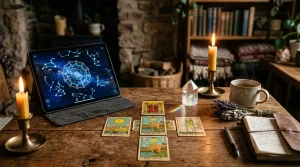
Using someone else’s tarot cards can feel like stepping into uncharted territory, stirring up questions about luck and energy exchange. Is it a harmless act of curiosity or an omen of bad fortune? Many tarot enthusiasts wrestle with this dilemma, fearing they may disrupt the intricate balance of the cards’ energies. In this exploration, we’ll delve into the beliefs surrounding shared decks, providing insights that address both skeptics and believers. By examining the intricacies of tarot, you’ll not only gain clarity on the practice of using another’s cards but also discover how your intention and connection matter more than the cards themselves. So, let’s unlock the truth behind this mystical practice and empower you to make informed, confident choices in your tarot journey.
Understanding Tarot Card Energy Transfer
Understanding the nuances of energy transfer in Tarot card readings can open new doors to your intuitive practice. When using someone else’s Tarot cards, it’s essential to recognize that every deck carries its own unique energy, influenced by its creator, the owner, and the experiences it has encountered. Just as we pick up vibrations from our surroundings, Tarot cards are sensitive to the energies of those who interact with them. This can lead to questions about whether using another’s cards could bring bad luck or distort the reading.
It’s often said that when you borrow someone else’s Tarot deck, you are essentially tapping into their energy and past readings. This can be both enriching and challenging. If the original owner’s energy was positive, you might find that the reading resonates deeply. However, if their experiences were less than uplifting, this could potentially cloud the clarity of your reading. It’s crucial to approach borrowed decks with awareness. For this reason, many practitioners prefer to have a personal connection with their own decks, allowing for a clearer channel of their intuition.
To mitigate any negative impact from using someone else’s cards, consider performing a cleansing ritual. This could involve simply shuffling the cards while focusing on your intentions or using physical cleansing methods like smoke from sage or incense. This practice not only resets the deck’s energy but also helps establish your connection with it, allowing you to imprint your own intentions onto the cards. Such rituals can empower you, transforming the reading into a shared experience filled with clarity and understanding, rather than potential confusion.
In conclusion, understanding energy transfer when it comes to Tarot is about mindful interaction. Enhancing your connection with borrowed decks, maintaining respectful practices, and cleansing the cards can turn your reading into a harmonious venture that respects both the energy of the original owner and your own intuitive path. Remember, Tarot is a tool for everyone-whether you are a skeptic or a seasoned believer, the magic lies in how you engage with it.
The Origins of Tarot Card Beliefs

The tapestry of Tarot’s origins is woven with history, mysticism, and spiritual exploration. Emerging in the 15th century as a game for the elite in Italy, Tarot decks soon transformed into tools for divination and personal insight. The shift from mere entertainment to spiritual guidance began when these beautifully illustrated cards captured the imaginations of mystics and philosophers alike. This evolution paved the way for the beliefs surrounding Tarot, including the notion of energy transfer when using someone else’s cards.
Many people question whether borrowing another’s Tarot deck can bring bad luck or affect their readings. This concern stems from the belief that Tarot cards carry the energies and experiences of their previous users. Each deck is thought to absorb the vibrations of every reading, creating a unique energetic signature that can influence future interpretations. Therefore, if the original owner had negative experiences or emotional baggage, their energy might linger on the cards, potentially clouding the clarity of a new reading.
However, understanding the origins of these beliefs can provide reassurance. Historically, Tarot has always been a tool for reflection and personal growth, suggesting that it’s less about bad luck and more about the connection you cultivate with the cards. Engaging with borrowed decks can actually be an opportunity for enriched insight. By recognizing that every reading is borne from intention, interpreters can approach the process with an open mind and heart, minimizing concerns about energy contamination.
To strengthen the bond with a borrowed deck, consider engaging in a simple cleansing ritual. Practices such as invoking blessings or setting personal intentions can help reset the energy of the cards, aligning them with your own spiritual journey. This mindful approach not only honors the original owner’s experiences but also empowers you as a reader, creating an environment ripe for insight and growth. In the world of Tarot, it’s ultimately your intention that shapes the reading-whether using your own deck or another’s.
Exploring the Myths Around Tarot Use

The world of Tarot is rich with traditions and beliefs, and one of the more pervasive myths is the idea that using someone else’s Tarot cards can bring bad luck. This notion often stems from the belief that each deck carries the emotional and spiritual energies of its owner and past readings. People worry that by borrowing a deck, they might inherit negative energies or misfortunes associated with it. However, this myth overlooks the fundamental principle that Tarot is a tool for insight and reflection, primarily influenced by the reader’s intention rather than the cards themselves.
To help demystify this, it’s essential to consider two main points. First, while it’s true that decks can absorb the energies of their previous users, this does not mean they are permanently tainted. Think of a Tarot deck like a physical space; it can hold the impressions of past experiences, but it can also be cleared and refreshed. You are likely to bring your own energy into a reading, which can often overshadow any residual influences. Second, many seasoned Tarot practitioners find that using a borrowed deck can lead to enlightening readings, opening new pathways to understanding. The unfamiliarity can sometimes yield unexpected insights, as the cards may resonate differently through another person’s experience.
Moreover, adopting respectful practices when using someone else’s deck can further dispel fears related to bad luck. Engaging in a cleansing ritual-such as sitting in quiet meditation with the cards, visualizing light surrounding them, or even simply stating your intention to use the deck for positive insight-can help create a fresh connection. By taking this mindful approach, you not only honor the original owner and their experiences but also empower yourself as a reader, ensuring that your readings reflect your own intentions.
At the end of the day, the most critical element of a Tarot reading is your mindset. Rather than focusing on potential bad luck or negative energy, approach the cards with curiosity and openness. Embrace the opportunity to explore how different decks convey messages in unique ways, allowing you to expand your intuitive practice and deepen your understanding of Tarot. Remember, each reading you conduct is ultimately a reflection of your beliefs and intentions-this is the true magic of Tarot.
Is It Safe to Use Someone Else’s Cards?

Many tarot enthusiasts grapple with the question of whether it’s safe to use someone else’s cards. A common concern is the fear of inheriting unwanted energies or negative impressions from a borrowed deck. However, the reality is far less daunting and often filled with opportunities for growth and insight. Whether you’re an experienced reader or just starting, using another’s cards can provide you with fresh perspectives, helping you tap into different energies and interpretations that might enhance your readings.
To demystify this experience, consider that each Tarot deck holds the energy of its owner, but this energy does not permanently haunt the cards. Instead, you can think of it as a tapestry of experiences that you can weave over with your own intention. When you approach a borrowed deck, set clear intentions. Before using the cards, take a moment to meditate and visualize yourself enveloped in protective, cleansing light. This can help reset the energy of the deck and synchronize it with your own. A simple verbal affirmation, such as “I intend to use these cards for my highest good,” can create a powerful connection, channeling positivity and clarity into your reading.
It’s also worth noting that many readers find their best insights come from the unfamiliarity of using another person’s deck. This can challenge you to interpret the cards in ways you might not have previously considered. For example, if you borrow a brightly colored deck with imagery you are not accustomed to, it can spur a different kind of intuition that leads you to fresh insights during your reading.
Ultimately, what matters most is your mindset. By holding a positive attitude and approaching the cards with openness and curiosity, you can transform any apprehension about using someone else’s Tarot deck into a rewarding experience. Remember, Tarot is as much about the reader’s energy and intentions as it is about the cards themselves; with this understanding, you can navigate the Tarot landscape with confidence and grace.
Signs You Should Not Use Another’s Deck

When it comes to using someone else’s tarot deck, intuitively sensing whether it’s the right decision is key. Some signs might indicate it’s best to refrain from using a borrowed set of cards, even if the social context feels inviting. One primary sign is an emotional discomfort or unease when holding the deck. If you feel any hesitation-whether due to intuition, past associations with the owner, or an inexplicable vibe surrounding the cards-this might be your inner voice trying to steer you away. Trusting your gut feeling is essential in tarot, as it often reflects a deeper understanding that logic alone might overlook.
Another sign is if the owner has expressed a strong attachment to their deck. If they seem protective or mention that the deck holds significant personal energy, it’s wise to respect that boundary. Decks often carry the owner’s essence or stories, making them unique to their interactions. If you sense that using these cards might disrupt their connection or feel like a violation, it’s better to wait. The reading might not flow as openly, and you may not get accurate insights, leading to frustration for both the reader and the querent.
Lastly, if you’re navigating a complex personal situation-like dealing with grief, trauma, or confusion-borrowing a deck could complicate the clarity you’re seeking. Using your own cards during such times allows you to cultivate familiarity and comfort. It’s essential for your energy to be clear and focused during readings, and using your deck can help maintain that personal alignment.
In essence, prioritize your comfort and intuition when considering using another’s tarot cards. Maintaining respect for the energies at play not only honors the craft but enhances your own spiritual practice. Always remember, your unique connection with your deck is as valuable as the insights it offers.
How to Cleanse Tarot Cards for Personal Use
To ensure that your tarot cards serve you well, it’s crucial to cleanse them regularly, especially if you’ve borrowed someone else’s deck. Cleansing your tarot cards not only clears away any residual energies from past users but also resets the cards for your personal use. This practice can be viewed as a form of energetic hygiene, helping you maintain a clear connection with your intuition and ensuring that readings are accurate and meaningful.
There are several effective methods to cleanse your tarot cards, each inviting different energies into your practice. Start with the simplest and most commonly used method: smudging. Using sage, sweetgrass, or even incense, gently wave the smoke around your deck while focusing on your intention to clear any negative energy. As you do this, you might say a prayer or affirmation, reinforcing your desire for clarity and positivity.
Another popular technique is placing the cards in sunlight or moonlight. A few hours in natural light can rejuvenate their energy, harnessing the sun’s vitality or the moon’s calming presence, depending on your needs. Ensure you handle this method mindfully, as prolonged exposure can fade card colors. For deeper cleansing, consider the power of crystals. Selenite is particularly effective; lay your deck on or near selenite for several hours to absorb any unwanted energies. Crystals like amethyst can also work well, providing a protective and soothing vibe.
Ultimately, trust your instincts when cleansing your cards. You might discover a ritual that resonates uniquely with you, whether it’s playing calming music, visualizing a protective light enveloping your cards, or expressing gratitude for their guidance. The key is to engage in the process with intention, making it a meaningful part of your tarot practice. Cleansing establishes a strong personal connection, helping you feel grounded and prepared for insightful readings, especially when navigating the complexities of using a borrowed deck.
Creating a Connection with Your Tarot Deck
Creating a meaningful connection with your tarot deck is essential, particularly when using someone else’s cards. This relationship goes beyond mere ownership; it’s about establishing a bond that enhances your readings and channels your intuition effectively. When you open a box of cards for the first time, you’re not just unveiling physical tools but inviting a unique energy into your life.
To foster this connection, consider the following approaches:
- Personalize Your Ritual: Before a reading, engage in a small ritual to center your energy. This can include lighting a candle, playing soft music, or simply taking a few deep breaths. Such practices ground you and signal to both yourself and the deck that you are ready to communicate.
- Spend Time with the Deck: Lay out the cards and explore them. Hold each one, study the imagery, and reflect on its meanings. Ask questions like, “What does this card teach me?” or “How does this energy resonate with my current experiences?”
- Journal Your Experiences: Keep a dedicated journal for your tarot readings. This not only helps track your insights but also deepens your relationship with the cards over time. Documenting your interpretations, feelings, and outcomes can reveal patterns that enhance your intuitive understanding.
Trusting Your Intuition
Your gut feelings play a crucial role in tarot readings. As you become more connected with your deck, focus on what your intuition tells you about each card. For example, if you draw the Ten of Swords and feel a wave of sadness, allow yourself to explore that emotion rather than defaulting to the traditional interpretation of “betrayal” or “loss.” Your personal context adds layers of meaning that can provide valuable insights.
In building this connection, remember that the experience of using someone else’s cards can be just as enriching as your own. Take the time to cleanse them and set your intentions as previously discussed. Engaging this way transforms the borrowed deck into a tool that speaks specifically to your energy and concerns, bridging the gap between the past users’ experiences and your current journey. Embrace the potential wisdom contained within each reading, and you’ll find that the connection you build will deepen with every shuffle and spread.
Intuitive Reading: Trusting Your Inner Guide
Trusting your intuition is at the heart of tarot reading, especially when you’re using someone else’s deck. Many people wonder about the implications of tapping into another person’s collection of cards. The truth is, using someone else’s tarot deck can be a powerful experience if approached with respect and an open mind. Each tarot card carries its own energy and meaning, influenced by both its imagery and the personal connection of its user. By allowing your intuition to guide you, you can forge a new relationship with these cards, even if they don’t belong to you.
When you draw a card, take a moment to feel its energy. What emotions arise? For example, if you pull the Ace of Cups, beyond its traditional meanings of love and joy, ask yourself, “What does this card feel like in my current situation?” You might sense a wave of excitement or a soothing calm. These responses are valid and can offer fresh insights relevant to your personal journey. Allowing your feelings to guide your interpretation helps bridge the connection between you and the borrowed deck, making the reading uniquely yours.
To nurture your intuitive skills further, practice reading with borrowed decks frequently. Each session will hone your ability to interpret both the cards and your gut feelings. When working with a new deck, it’s beneficial to familiarize yourself with its energy by meditating on it or even shuffling and observing the flow of the cards. Think of your intuition as a muscle-the more you use it, the stronger it becomes.
Additionally, maintain a non-judgmental stance towards your interpretations. Whether others view certain readings as positive or negative, trust that your insights hold personal significance. Every pull is an invitation to explore your inner thoughts and feelings, which can lead to profound discoveries about your circumstances. As you cultivate this intuitive relationship, remember that tarot is a tool for everyone, inviting skeptics and believers alike to engage in their own unique journeys.
Respectful Practices for Borrowing Tarot Cards
Using someone else’s tarot cards can be a profound and enlightening experience, provided that you approach the situation with intention and respect. Tarot decks are not just tools; they carry the energy and history of their owners. Therefore, how you handle and interact with them can significantly influence your readings and the connection you forge with the cards.
To engage in respectful practices when borrowing tarot cards, start by ensuring that the owner is comfortable with you using their deck. Ask for permission and express your gratitude-they will likely appreciate your acknowledgment of the deck’s personal significance. Once you have the okay, take a moment to connect with the cards. Shuffle gently, allowing your energy to infuse the deck. As you handle the cards, focus on your questions or intentions, creating a sacred space and setting a positive tone for your reading.
Here are some additional tips for maintaining respect during the process:
- Cleanse the Deck: Before diving into readings, consider cleansing the cards to clear any previous energy. You can do this by fanning the cards while visualizing a bright light surrounding them or by using smoke from sage or incense.
- Acknowledge the Energy: Be mindful that each card holds unique energy from its owner. Pay attention to how the cards feel in your hands and trust your intuition to guide your interpretations.
- Return with Gratitude: After you’ve finished your session, return the deck to its owner with thanks. Sharing any insights you gained can also strengthen your bond and show your appreciation.
By integrating these practices, you not only honor the deck’s origins but also enhance your own tarot journey. Remember, every reading, especially with borrowed cards, is an opportunity for growth and exploration. Approach the experience with an open heart, and you may find that the cards bring you insights beyond your expectations.
The Impact of Intent in Tarot Readings
The energy you bring to a tarot reading can shape the entire experience, influencing not only the clarity of the insights you receive but also how you interpret them. When using someone else’s tarot cards, your intention becomes especially vital. If you approach the cards with open-mindedness and a sincere desire to understand their messages, you can create a powerful connection to the deck, even if it doesn’t belong to you. On the other hand, if you approach with skepticism or unease, that energy might cloud your readings and lead to misinterpretations.
Honing in on your intent begins with setting a clear purpose for your reading. Before you shuffle the borrowed cards, take a moment to reflect on the question or situation you want to explore. Visualizing your intent helps to align your energy with the deck’s. For example, if you’re seeking guidance on a relationship, focus on that specific aspect and try to detach from any expectations or preconceived notions. This method encourages authentic messages to surface, allowing the cards to respond to your energy rather than any residual feelings from their original owner.
Moreover, intent acts as a bridge between you and the cards. Each card has a story and energy of its own, influenced by the contexts in which it was previously used. Being mindful of this can enrich your reading. For instance, if you draw the Tower card, its interpretation might shift based on your intent. Are you looking for a warning about a transformation, or are you seeking validation that a sudden change will lead to growth? By framing your question with clear intent, you invite the cards to offer nuanced guidance rather than generic answers.
Ultimately, using someone else’s tarot deck is not inherently unlucky; it’s all about the energy and intention you bring to the table. Respecting the deck’s journey while confidently infusing it with your own purpose turns the reading into a collaborative ritual, enhancing the potential for insightful discoveries. This mindset fosters trust in your intuitive abilities and deepens your connection with tarot as a tool for self-exploration.
Choosing the Right Deck for Your Journey
Choosing the right tarot deck can feel like an overwhelming task, especially for those new to reading cards. With countless options available, how do you determine which deck will resonate with your unique journey? It’s crucial to remember that every tarot deck carries its distinct energy and symbolism. Thus, your choice should reflect your personal style, comfort level, and the specific insights you’re seeking.
Start by exploring various decks through online images or local metaphysical shops. Look for artwork that captivates you; its aesthetic appeal can significantly enhance your connection. For some, the traditional Rider-Waite-Smith deck offers familiarity and clarity, while others might be drawn to decks inspired by different cultures or themes, such as nature or mythology. Pay attention to how you feel when you look at a deck-do the images evoke curiosity or peace? A personal connection with the artwork is essential, as this can deepen your intuitive responses during readings.
Consider also the type of readings you wish to perform. If you’re interested in deep psychological exploration, decks with rich symbolism, like the Thoth Tarot, might suit you well. On the other hand, if you prefer straightforward readings, a minimalistic or more modern deck may be more aligned with your style. Reflect on your intentions-are you using the cards for guidance, self-exploration, or spiritual development? Selecting a deck that aligns with your goals will support your practice and enhance your experience.
Finally, pay attention to the physicality of the cards. How do they feel in your hands? Are they easy to shuffle? A deck you enjoy handling will encourage more frequent use, facilitating a stronger bond over time. Once chosen, take the time to cleanse and personalize your deck, ensuring it holds your intentions and energy, regardless of its previous history. This practice will help you feel comfortable and confident as you embark on your tarot journey, whether you’re using your own cards or those borrowed from a friend.
Building Trust with Tarot Cards and Others
Building a trusting relationship with tarot cards-whether they are your own or borrowed-can significantly enhance your readings and deepen your intuitive understanding. Many people wonder if using someone else’s cards might bring bad luck or negatively impact the reading. However, the energy exchange involved in tarot is largely about intention and connection. When you approach borrowed cards with respect and care, you can still forge a meaningful bond.
To establish trust with borrowed tarot decks, begin by treating the cards with respect as you would your own. Consider a simple, yet powerful practice: before engaging in a reading, hold the deck in your hands and take a moment to attune to its energy. Close your eyes, breathe deeply, and set an intention of connection. You might say something like, “I honor the past readings this deck has experienced and invite the energy to flow freely between us.” This mindful approach helps to create a sacred space for both you and the cards, opening pathways for clarity and insight.
Practical Steps to Build Trust
- Cleanse the Deck: Use techniques such as smudging with sage, or placing the cards in moonlight to clear any residual energies. This can help you feel more attuned and create a fresh canvas for your readings.
- Personalize the Experience: Once you’ve cleansed the deck, you can personalize it through gentle shuffling, allowing your energy to blend with the cards. This small act can make a significant difference in how the cards resonate with you.
- Respect the Deck’s History: Acknowledge that every deck carries the energy of its past readers. Approach the readings with gratitude, respecting the stories and experiences that have shaped the deck’s history.
- Communicate with the Owner: If you’re borrowing a deck, discuss your intentions with the owner. This shared understanding fosters a sense of trust and respect that can enhance your reading experience.
Ultimately, creating a bond with tarot cards-regardless of ownership-is about honoring the journey of the cards and yours. Trust grows through consistent practice, reflection, and an openness to the insights they offer. Whether you’re a skeptic or a seasoned reader, embracing these practices can transform uncertain feelings about using someone else’s cards into an empowering experience of connection and discovery.
Frequently Asked Questions
Q: Is it bad luck to use someone else’s tarot cards?
A: Using someone else’s tarot cards is not inherently bad luck. However, tarot cards are thought to carry the energy of their user. Therefore, it’s respectful to ask for permission and consider cleansing the deck to clear any past influences before using it for your own readings.
Q: How can I cleanse tarot cards that aren’t mine before using them?
A: To cleanse borrowed tarot cards, you can use methods like smudging with sage, placing them under moonlight, or charging them with crystals like selenite. This approach helps reset the deck’s energy, allowing you to connect more personally during your reading.
Q: What should I do if I feel uneasy using someone else’s tarot cards?
A: If you feel uneasy using another’s tarot cards, trust your intuition. It’s perfectly fine to decline to use them and choose your own deck instead. Your connection to your cards is important for effective readings.
Q: Can tarot cards retain energy from past users?
A: Yes, tarot cards can retain energy from their previous users. This energy can affect the readings. Therefore, it’s a good practice to cleanse the deck to ensure that you receive clear, unbiased insights in your readings.
Q: Is there a way to ask for permission to use someone’s tarot cards?
A: Asking for permission is simple and respectful. You can directly express your interest in using their deck, explaining your intention for the reading. This openness often leads to a positive exchange and can enhance your connection with the cards.
Q: Are there any signs that indicate I shouldn’t use someone else’s tarot cards?
A: Signs you shouldn’t use someone else’s tarot cards include feeling uncomfortable with the deck, sensing negative energy, or if the owner indicates they prefer you don’t use it. Trust your instincts regarding the energy and vibes of the cards.
Q: Why do some people believe using someone else’s tarot cards is unlucky?
A: The belief stems from the idea that tarot cards are deeply personal tools. Some think that using another’s cards can transfer unwanted energies or disrupt personal energy connections, which may lead to a negative experience during the reading.
Q: How can I choose the right tarot deck for my journey?
A: Choose a tarot deck that resonates with you visually and emotionally. Consider the themes and imagery of the cards and how they align with your personal beliefs and intuition. It’s best to work with decks that inspire and connect with you on a deeper level.
In Retrospect
Using someone else’s tarot cards is not inherently bad luck; rather, it can be a unique opportunity to explore new perspectives and deepen your intuition. Remember, the energy you bring to the reading matters, and connecting with different decks can enhance your understanding of the cards. If you’re feeling hesitant or skeptical, consider trying a personal reading with your own deck to boost your confidence. For further insights, check out our article on interpreting the meanings of major tarot cards or dive into our guide on how to cleanse and charge your tarot decks for maximum effectiveness.
Don’t let uncertainty hold you back-embrace the rich world of tarot! Explore our resources and build your practice today. Is there a specific tarot spread you’re eager to learn about? Or maybe you’re interested in a love reading? We invite you to leave your thoughts in the comments below and join our community of fellow tarot enthusiasts. Sign up for our newsletter to stay updated on the latest tarot insights and tips, and get ready to take your skills to the next level!
Gifting and Passing Decks: What Happens If You Gice a Tarot Card to Someone Else?
Curious seekers often ponder the folklore surrounding card ownership, asking: what happens if you gice a tarot card to someone else as a keepsake, or pass down an entire deck you no longer use? Examining historical customs puts superstitious fears to rest.
Here are the spiritual and practical truths about transferring cards:
- An Auspicious, Ancient Tradition: In many historic European esoteric circles, receiving a gifted tarot deck was considered the ultimate honor. Passing on a card or deck is a blessing of shared wisdom that welcomes another seeker onto their path.
- No Negative Karma or Energy Leaks: Giving a card away does not diminish your own intuition, nor does it curse the recipient. The energetic link to an object responds directly to conscious intent.
- Cleansing the Transferred Card: If the recipient feels sensitive to residual energy from previous handling, performing a simple cleansing ritual—such as passing the card through rosemary smoke, leaving it under moonlight, or resting it on a bed of sea salt—completely resets its energetic frequency.
Get our latest guides, news, and insights highlighted in your Google Search & AI Overviews.