In recent years, tarot card tattoos have emerged as a popular form of personal expression, but they also raise important questions about cultural respect and significance. While many find beauty and inspiration in tarot imagery, it’s vital to recognize the cultural origins and meanings behind the symbols. This guide will explore whether these tattoos can be considered offensive and offer insights on approaching such decisions mindfully and respectfully. Understanding these nuances not only honors the rich traditions surrounding tarot but also helps you make informed choices that resonate with your values and those of the cultures you draw from. Join us as we navigate the fascinating blend of art, spirituality, and cultural sensitivity, empowering you to express yourself with confidence and awareness.
Understanding the Cultural Significance of Tarot Tattoos
Embracing the symbolism of Tarot through tattoos can be a deeply spiritual and personal experience. Tarot cards have transcended their origins as a tool for divination to become a form of artistic expression that carries significant meaning for many individuals. Each card in the Tarot deck is rich with layered meanings and can resonate with various aspects of life, including love, transformation, and resilience. A Tarot tattoo often serves as a reminder of personal journeys and aspirations, bridging the gap between art and spirituality in a unique way.
When considering the cultural significance of Tarot tattoos, it’s essential to acknowledge the historical roots of Tarot itself. Emerging in the 15th century, Tarot was initially a card game in Italy before evolving into a mystical tool used for guidance and self-discovery in the late 18th century. This transformation highlights the adaptability and influence of Tarot across cultures. As you explore Tarot tattoos, you are not merely choosing a design; you are engaging with centuries of tradition, symbolism, and collective consciousness.
The meanings behind specific Tarot cards can vary considerably based on personal interpretation, cultural background, and even contemporary societal influences. For example, the Fool card symbolizes new beginnings and a leap of faith, while the Death card (often misunderstood) signifies transformation and the end of a cycle, rather than a literal end. Selecting a card for your tattoo should stem from a place of introspection and alignment with your personal journey, ensuring that the tattoo resonates with your life experiences and beliefs.
Moreover, respect for the cultural origins of Tarot, along with an understanding of tattoo etiquette, is crucial when committing to this form of body art. Engaging with the Tarot community through local readings, workshops, or discussions can enrich your knowledge and help deepen your connection to the symbolism you choose to embody. Ultimately, a Tarot tattoo can be both a tribute to the rich tapestry of human experience and a personal emblem of resilience and transformation on your skin.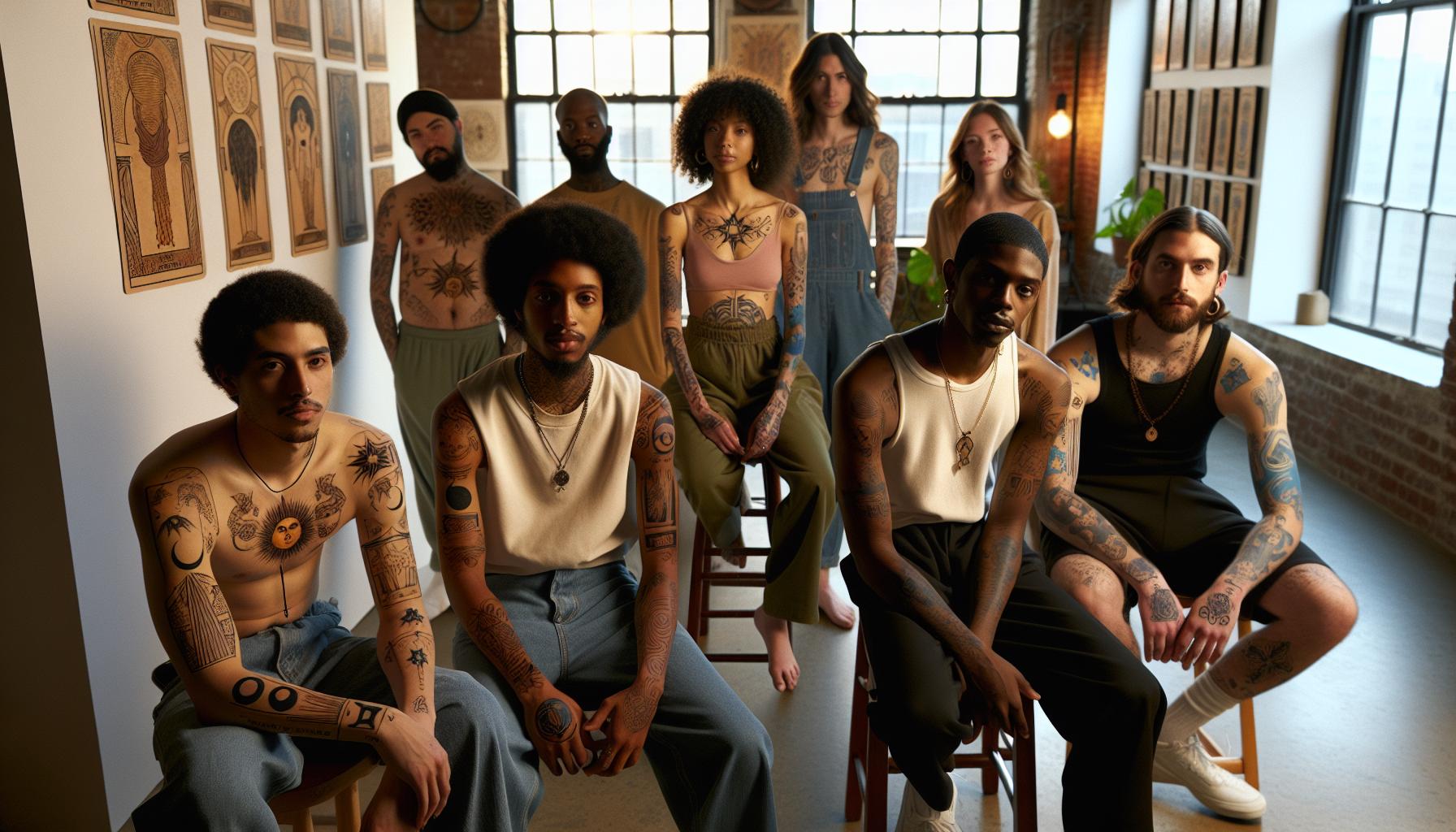
Exploring Cultural Appropriation vs. Appreciation
Understanding the delicate line between cultural appropriation and appreciation is crucial when considering Tarot tattoos. While the art of tattooing often serves as a beautiful form of personal expression, it also comes with responsibilities, especially regarding cultural symbols that carry significant meaning for various communities. Cultural appropriation occurs when elements of one culture are adopted by members of another culture, often without permission or understanding, potentially leading to misrepresentation and disrespect. In contrast, cultural appreciation involves understanding and honoring the origins and meanings of those elements.
When it comes to Tarot, embracing its imagery is not only about the tattoo itself but also about the journey towards understanding its rich history. Tarot originated in the 15th century, initially as a card game, evolving into a tool of divination and introspection by the late 18th century. For many, it represents deeper meanings associated with personal growth and transformation. To appreciate this art form, it’s essential to acknowledge the journey that Tarot has undergone across different cultures and how it has been shaped by various traditions and beliefs.
One practical approach to ensure that you engage with Tarot tattoos respectfully is to do your homework. This involves researching the specific card’s symbolism and its significance both historically and in contemporary interpretations. For instance, the High Priestess, often associated with intuition and wisdom, can hold different connotations depending on personal and cultural contexts. Discussing your intentions or thoughts behind your tattoo choice with knowledgeable individuals in the Tarot community-such as practitioners or artists-can also provide valuable insights and foster a deeper connection.
Lastly, remember that tattoos are deeply personal. If you’re choosing a Tarot card for its representation in your life journey-like the transformative energy of the Tower or the joyous spirit of the Sun-you’re empowering its message through your unique experience. By respecting its cultural roots while incorporating it into your personal narrative, you contribute positively to a evolving dialogue surrounding artistic expression, ensuring that your Tarot tattoo becomes not just a piece of art, but a symbol of shared human experience and respect.
The Symbolism of Tarot: Meanings Behind the Ink
The allure of Tarot tattoos lies not only in their stunning visuals but also in the rich symbolism that each card embodies. Choosing to ink a Tarot card can transform personal experiences into permanent reminders of growth, guidance, and introspection. These symbols can serve as anchors in one’s spiritual journey, providing insights into one’s inner world and the universe at large.
Each Tarot card carries multifaceted meanings that can resonate differently with individuals. For instance, the Strength card-often depicted with a woman gently holding a lion-symbolizes courage, self-love, and the inner strength needed to face life’s challenges. Choosing this card for a tattoo might reflect a personal battle someone has overcome or a continuous journey towards empowerment. In contrast, the Death card, often misunderstood as a symbol of doom, actually signifies transformation, endings that lead to new beginnings, and the cycles of life. Those who bear this tattoo may embrace change and view it as essential for personal evolution.
When contemplating a Tarot tattoo, it’s crucial to delve deep into the meaning of the card you resonate with. Research its historical significance, understand its traditional interpretations, and consider your own connection to it. Engaging with the Tarot community, whether through local practitioners, online forums, or social media, can offer fresh perspectives and encourage meaningful conversations about why a specific card speaks to you. This exploration not only deepens your appreciation for the symbolism but also fosters a sense of connection to the broader tapestry of Tarot’s rich heritage.
Moreover, remember that the personal significance of a Tarot tattoo transcends mere aesthetics. It becomes a vessel for your story-a way to manifest intentions, commemorate pivotal experiences, or inspire personal transformations. As you consider the symbolism behind your chosen card, reflect on the lessons it imparts and how those ideas intertwine with your life’s narrative. In doing so, you create a living testament to your journey, ensuring that your ink not only adorns your skin but also enriches your spiritual path.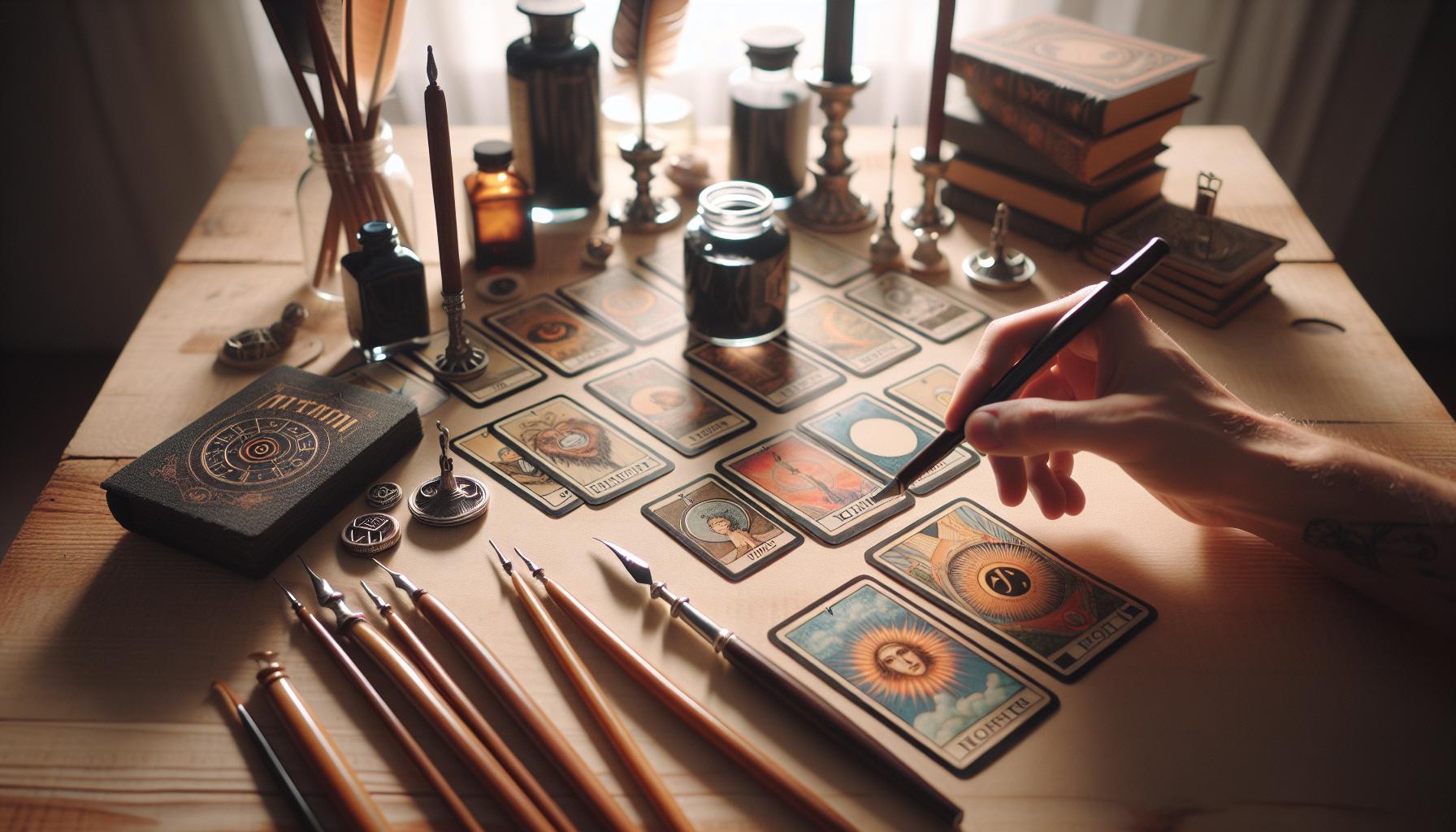
Historical Context: Tarot in Different Cultures
The history of Tarot spans centuries and crosses numerous cultures, making it a rich tapestry of symbolism and storytelling. Originally emerging in the 15th century as playing cards in Italy, Tarot’s transformation into a divinatory tool occurred much later, fueled by mysticism and the desire for deeper understanding of life’s mysteries. Throughout history, Tarot has been interwoven with various cultural narratives, reflecting the societal values and beliefs of the times.
In France, during the late 18th century, Tarot began to gain prominence among esoteric groups. The belief that it held the key to spiritual truths led to more artistic and mystical interpretations of its imagery. The “Tarot de Marseille” became iconic, with its distinct illustrations contributing to a broader culture of divination and self-exploration integral to French spiritualism. Such developments fostered a fear of Tarot as witchcraft and sorcery, simultaneously creating a counterculture of Tarot enthusiasts eager to reclaim its symbolic power.
As Tarot spread across Europe and into new territories through colonization, it blended with the cultural paradigms it encountered. In the 20th century, particularly with the work of artists like Aleister Crowley and Pamela Colman Smith, Tarot further diversified, acquiring layers of meaning from psychological, astrological, and even feminist perspectives. This evolution transformed Tarot into a versatile tool for self-reflection, drawing in diverse populations seeking personal and spiritual growth.
Understanding this historical context is crucial for anyone considering getting a Tarot tattoo. It’s not just about the stunning visuals but also about respecting its journey and significance across cultures. When selecting a card, reflect on how its meaning resonates with your personal experiences while honoring the legacy of Tarot in a global context. This respect ensures that the tattoo serves as a thoughtful and meaningful element of self-expression rather than a superficial trend. By engaging in this mindful approach, you contribute to a culture that appreciates the deep-rooted history of Tarot, layering your tattoo not just with ink, but with intention and understanding.
Tattoo Etiquette: Respectful Practices and Considerations
When considering a Tarot tattoo, it’s essential to approach the idea with a sense of reverence and understanding. Tarot is more than just an aesthetic symbol; it encompasses a rich history of spiritual significance and cultural heritage. To navigate the waters of respect and intention, there are some vital practices and considerations to keep in mind.
First and foremost, reflect deeply on the meaning behind the Tarot cards you wish to immortalize on your skin. Each card carries distinct symbolism and narratives that can be intensely personal and universally meaningful. For example, the *Chariot* represents willpower and control, while the *High Priestess* symbolizes intuition and mystery. Choosing a card that resonates with your personal journey not only honors its intrinsic value but also allows you to connect genuinely with your tattoo.
Engaging in research is another key component of respectful tattoo etiquette. Delve into the history of Tarot, understanding how different cultures have interpreted these cards over the centuries. If you’re drawn to particular imagery, consider how it’s seen in various traditions and whether it holds significance beyond just its visual appeal. This knowledge enriches your experience and helps ensure you respect the diverse legacies of those symbols.
Here are some practical tips to ensure that your Tarot tattoo is a respectful and positive choice:
- Consult with knowledgeable sources: Talk to Tarot readers or cultural historians to gain insights about the cards and their meanings before making a decision.
- Choose an artist experienced in spiritual themes: Find a tattoo artist who has a background in symbolism and understands the cultural weight of Tarot imagery.
- Be open about your intentions: Share your reasons for wanting a Tarot tattoo with others, which can create a dialogue about significance and interpretation.
- Consider placement: Think about where on your body you’ll place the tattoo. Public or visible areas may invite scrutiny or questions, while private placements offer a more intimate connection.
Ultimately, getting a Tarot tattoo is an opportunity to weave your personal narrative into the broader tapestry of Tarot’s legacy. By approaching it with thoughtfulness and respect, you create a meaningful piece of art that celebrates not just your individuality, but also the rich cultural history upon which Tarot stands. This mindfulness ensures your tattoo serves as a powerful reminder of your journey rather than a casual adornment.
Who Should Get Tarot Tattoos? Navigating Personal Meaning
When considering a Tarot tattoo, it’s essential to reflect on personal significance and the deeper meanings behind the ink. Individuals who should consider getting a Tarot tattoo are those who feel a strong connection to the imagery or symbolism within a particular card. Perhaps you’ve experienced a transformative moment that resonates with the Death card, which signifies change and rebirth. Or maybe the Star invokes a sense of hope and inspiration that guides you through life. Recognizing how these cards mirror your experiences or aspirations can help ensure that your tattoo carries significant meaning.
Navigating personal meaning also involves introspection and understanding the journey behind your desire for a Tarot tattoo. This can be particularly relevant for those on a spiritual path or seeking self-discovery. Take the time to ask yourself: What do you want this tattoo to represent? Is it merely aesthetic, or does it symbolize a deeper part of your identity and values? Connecting your intentions with the imagery can create a powerful narrative that you carry with you.
Moreover, Tarot tattoos can serve as reminders of personal growth, lessons learned, or guiding principles. If you’ve conquered challenges symbolized by the Tower, this tattoo could be a mark of resilience and transformation. When choosing a card with profound personal relevance, you honor your journey and the wisdom you’ve gained along the way. Such thoughtful selection fosters a connection that goes beyond the surface, inviting reflection and gratitude for your experiences.
Ultimately, seeking out Tarot tattoos can be an empowering choice for those who wish to express their spirituality and personal beliefs. Engaging with the imagery on a deeper level allows you to carry a piece of your narrative on your skin-an enduring guide reminding you of your strengths and guiding you through life’s ups and downs. Embrace the journey of discovering which card reflects your unique story, and let that wisdom inform your artistic expression.
Artistic Expression and Cultural Sensitivity in Tattoos
It’s essential to recognize that tattoos are not just body art; they frequently reflect personal journeys, beliefs, and cultural narratives. When considering Tarot card tattoos, this idea takes on added layers of meaning. Each Tarot card carries rich symbolism that can resonate deeply with an individual’s life experiences or spiritual beliefs. However, as you delve into the artistic expression of Tarot tattoos, maintaining cultural sensitivity is paramount to honoring the origins of these symbols.
Many Tarot cards draw from historical and cultural contexts that span various traditions, including mythology and spirituality. This background makes it crucial for tattoo enthusiasts to approach these symbols with reverence. Researching the meanings, origins, and narratives associated with the Tarot imagery you choose can help in this regard. By understanding the deeper significance behind the cards, you not only enrich your own connection to the tattoo but also respect the broader cultural tapestry from which these symbols emerge.
Moreover, it’s important to consider the implications of cultural appropriation versus appreciation. Appropriation occurs when symbols are used without understanding or respect for their original context, potentially leading to offense within the cultures they originate from. In contrast, appreciation involves engaging with these symbols mindfully and respectfully. This can be achieved by seeking out insights from communities linked to the imagery, or even collaborating with artists who have a deep understanding of Tarot’s significance. Engaging in conversations about the meaning behind your chosen designs can lead to more thoughtful tattoos that honor cultural legacies.
Ultimately, a Tarot tattoo can serve as a profound expression of identity, spirituality, and personal growth when approached with sensitivity. Prioritize understanding, reflection, and respect in your creative journey to ensure that your artistic expression enriches not just your personal narrative, but also honors the cultural significance embedded in the Tarot.
Debunking Myths: Tarot Cards and Their Misunderstandings
Many people hold misconceptions about Tarot cards, often perceiving them as ominous or associated solely with fortune-telling. Yet, these beautiful images represent a rich tapestry of meanings, profoundly connected to personal growth, self-reflection, and the exploration of life’s journeys. Understanding the true essence of Tarot can transform not only how you view the cards but also how you perceive Tarot tattoos on your body.
One common myth is that Tarot cards are all about predicting the future. In reality, Tarot serves as a tool for introspection, helping individuals gain insights into their present situations, emotions, and motivations. Each card in a Tarot deck embodies unique symbolism and lessons, offering guidance rather than concrete predictions. When thinking about a Tarot tattoo, choosing a card that resonates with your life story can empower you to embrace its positive influences instead of fearing its misrepresented associations.
Another prevalent misunderstanding is that Tarot is solely a mystical practice meant for the esoteric or spiritually elite. This perspective can alienate people who are simply curious about or drawn to Tarot’s visual and symbolic beauty. It’s essential to recognize that anyone can engage with Tarot on their own terms-whether for personal insight, artistic expression, or even curiosity. A Tarot tattoo can reflect your interpretation and connection to a specific card, allowing a broader audience to appreciate its artistic and personal significance beyond spiritual connotations.
Additionally, it’s important to note the cultural aspects of Tarot. Some individuals might view Tarot as a Western-only practice, overlooking its deep roots in various traditions and cultures. This misunderstanding can perpetuate stereotypes and reduce Tarot’s diverse influences to mere gimmicks in popular culture. By appreciating this multifaceted background and honoring it through informed choices in your tattoo design, you can engage with Tarot in a way that respects its origins while celebrating its contemporary relevance.
In conclusion, by demystifying these common myths surrounding Tarot cards, we pave the way for greater understanding and respect for Tarot tattoos. Engaging with Tarot on a deeper level can enrich your tattoo experience, ensuring it becomes a meaningful symbol of your journey and beliefs while fostering a sense of connection with the broader cultural legacy of these timeless symbols.
The Role of Tarot in Modern Spirituality
In today’s rapidly evolving spiritual landscape, Tarot has emerged as a powerful tool for personal growth and self-exploration. It resonates with individuals from various backgrounds, offering insights and reflections that can enhance their spiritual journeys. Unlike mystical practices that may appear exclusive or intimidating, Tarot invites everyone-skeptics and believers alike-to engage with its rich symbolism and wisdom. Through the act of drawing cards, individuals can unlock deeper understandings of their lives, emotions, and the world around them.
Tarot’s role in modern spirituality extends beyond mere divination. It serves as a mirror, allowing users to confront their deepest fears, hopes, and desires. For instance, when someone draws The Fool card, it symbolizes new beginnings and the courage to embark on a fresh adventure. By contemplating this message, one might be encouraged to step outside their comfort zone and embrace life’s uncertainties. This transformative process makes Tarot not just a mystical practice but a personal empowerment tool.
Moreover, the integration of Tarot into spiritual practices can take many forms. Some individuals may use Tarot as a meditative focus, while others might incorporate it into rituals and ceremonies. For example, a full moon ritual might include a Tarot spread to assess progress and set intentions. This versatility allows individuals to customize their spiritual experiences, making Tarot an accessible and adaptable tool that resonates with their unique beliefs and practices.
As Tarot continues to gain traction, there is also a growing awareness of the importance of cultural sensitivity. Understanding Tarot’s history and the diverse cultural influences that have shaped its development is vital. Those considering a Tarot tattoo should reflect on their personal connection to the symbolism and the broader context from which it originates. Engaging with Tarot mindfully can enhance one’s spiritual journey while respecting the traditions it encompasses, ultimately leading to a more enriching and meaningful relationship with both Tarot and its art forms.
Case Studies: Perspectives from Tattoo Artists and Owners
The journey into the world of Tarot tattoos reveals not just the artistry of ink but also the deep personal connections and diverse cultural interpretations behind them. Tattoo artists and tattoo owners often share rich stories that illuminate their choices, making it clear that such tattoos can carry profound meanings that resonate on multiple levels.
Many tattoo artists emphasize the importance of collaboration with clients to ensure the designs carry authentic significance. For instance, one artist recalls a client who chose the Wheel of Fortune card as a tattoo. This client connected it to her personal journey through life’s ups and downs and wanted a reminder of resilience and change. The artist stated, “It’s about understanding their story and translating that into art. That card isn’t just a symbol; it’s her narrative.” Such partnerships not only enhance the design’s meaning but also foster a sense of respect for the symbolism of Tarot.
Tattoo owners often remark on how their Tarot tattoos serve as daily affirmations. A client who inked the Strength card shared, “Whenever I feel insecure, I look at this tattoo. It’s a reminder of my inner power and what I’ve overcome.” This personal context emphasizes the broader spiritual aspects of Tarot beyond mere imagery. It’s a tangible connection to self-identity, personal growth, and spiritual journeys.
However, the conversations about these tattoos are not without nuance. Some artists and owners face questions about cultural appropriation, particularly when interpreting symbols from diverse traditions. One tattoo artist noted, “It’s crucial to communicate and educate. If I’m using a symbol that has specific cultural significance, I want to ensure it’s done respectfully and with awareness.” This perspective encourages a thoughtful approach, blending personal expression with cultural respect.
Ultimately, perspectives from tattoo artists and owners provide invaluable insights for anyone considering a Tarot tattoo. By focusing on the personal significance, encouraging open dialogue about cultural roots, and advocating for respectful practices, this art form can serve as a beautiful bridge between individual expression and shared tradition.
Creating a Meaningful Design: Tips for Your Tarot Tattoo
Creating a tarot tattoo is an exciting journey, blending art and personal significance. To ensure your design resonates with your spirit and respects the cultural roots of tarot, consider these tips that can guide you in manifesting a meaningful piece of body art.
Begin by reflecting on the personal connection you have with tarot. What cards resonate with your life experiences and spiritual journey? For example, if you have a deep connection to The Fool, who represents new beginnings and adventure, consider how this narrative plays into your life story. Gathering ideas about the message you want your tattoo to convey will help you select the right symbol.
Collaboration is key when working with your tattoo artist. Choose an artist who understands not just the aesthetic but also the symbolism behind the tarot cards. Share your personal story with them, as this can lead to a more unique design that celebrates your journey while respecting the essence of tarot. An artist might suggest incorporating specific imagery that holds personal meaning, such as symbols representing courage if you choose the Strength card.
Furthermore, it’s essential to educate yourself about the cultural significance of the tarot. Tarot has evolved across various cultures and traditions, and each card carries its own history. Approach your design with respect for these roots. An open and engaging conversation with your tattoo artist can ensure your interpretation aligns with cultural appreciation, avoiding potential pitfalls of appropriation.
Lastly, remember to choose the location and size of your tattoo wisely. A large canvas might allow for intricate details, whereas smaller pieces may focus on a single symbol. Think about how visible you want your tattoo to be and how its presence can impact your everyday life. By embracing this thoughtful process, your tarot tattoo can become more than just an image; it transforms into a personal talisman, connecting you to your inner self and the broader universe of tarot wisdom.
Resources for Learning More About Tarot and Culture
To truly appreciate the art of tarot tattoos, it’s essential to delve into the culture and history surrounding tarot itself. Understanding the roots and meanings of tarot cards can deepen the connection between your chosen ink and your personal journey. For beginners, there are plenty of resources available to help explore these aspects in detail.
Books and Literature
Start with foundational texts that explore both tarot and its cultural context. Some recommended titles include:
- The Tarot: History, Symbolism, and Divination by Robert M. Place – Offers historical insights into tarot’s evolution and its cultural significance.
- Seventy-Eight Degrees of Wisdom by Rachel Pollack – This classic text delves into the meanings of each card and their psychological and spiritual layers.
- Tarot and Psychology: Spectrums of Possibility by Francesca Dal Sale – Discusses how tarot mirrors psychological processes in various cultural contexts.
Online Resources
Many websites provide rich information about tarot and culture. Here are some great starting points:
- Tarot.com – Discover the basics of tarot, including meanings and interpretations of the cards.
- Free Tarot Readings – Engage interactively with tarot through online readings that can help reveal personal connections to the cards.
- Readings & Reports – Explore different tarot readings that provide fresh perspectives and deeper understanding.
Community Engagement
Joining online forums and local groups dedicated to tarot can be an enriching experience. Whether through social media platforms like Facebook or forums like Aeclectic Tarot, connecting with like-minded individuals can offer insights into differing perspectives on tarot tattoos. Engage in discussions to learn how others respect the cultural roots of tarot while expressing personal significance through their tattoos.
By utilizing these resources, you can cultivate a well-rounded understanding of tarot’s cultural landscape and ensure that your tattoo reflects both your personal narrative and a respectful appreciation of the rich traditions behind it. Engaging deeply with these aspects can transform your tattoo into a profound symbol of your journey and beliefs, while honoring the multifaceted world of tarot.
FAQ
Q: Are Tarot card tattoos considered cultural appropriation?
A: Tarot card tattoos may be viewed as cultural appropriation if the wearer does not understand or respect their origins. It’s essential to approach the symbolism and history with awareness. Engaging deeply with Tarot’s cultural significance can help in appreciating rather than appropriating this practice. For more on understanding this, refer to our section on exploring cultural appropriation vs. appreciation.
Q: How can I choose a Tarot card for my tattoo?
A: Choosing a Tarot card for a tattoo involves personal connection and meaning. Reflect on your life experiences, draw cards, and consider their interpretations. Look for a card that resonates with your journey. For designing a meaningful tattoo, check our tips section.
Q: What should I know before getting a Tarot tattoo?
A: Before getting a Tarot tattoo, research the card’s symbolism and its historical context. Understanding the nuances can help you appreciate the deeper meanings behind your choice. Additionally, think about how the design will reflect your personal beliefs. Explore our historical context section for more insights.
Q: Are there respectful ways to incorporate Tarot imagery in tattoos?
A: Yes, respectful incorporation of Tarot imagery involves understanding its origins and ensuring personal significance. Consider collaborating with a tattoo artist familiar with Tarot traditions. This approach honors the art form and its cultural significance. For more on respectful practices, see our tattoo etiquette section.
Q: Can I get a Tarot tattoo if I’m not part of the culture?
A: Yes, you can get a Tarot tattoo even if you’re not part of the culture, provided you approach it with respect and understanding. Educate yourself on the meanings behind the cards and the cultural contexts. This ensures a meaningful representation of your connection to Tarot.
Q: What are the common misconceptions about Tarot tattoos?
A: Common misconceptions include the belief that Tarot tattoos are exclusively for fortune-telling or that they hold negative connotations. In reality, Tarot can symbolize personal growth, self-reflection, and artistic expression. Our section on debunking myths covers these misunderstandings in detail.
Q: How do I ensure my Tarot tattoo respects its cultural roots?
A: To ensure your Tarot tattoo respects its cultural roots, conduct thorough research and engage with Tarot communities. This approach fosters understanding. Ensure that the symbols you choose are meaningful to you and that you recognize their history.
Q: What should I consider about Tarot symbols before tattooing them?
A: Before tattooing Tarot symbols, consider their specific meanings and your connection to them. Research the history of each symbol and reflect on how they relate to your personal experiences. The symbolism of Tarot section in our article can guide your understanding.
Wrapping Up
As we conclude our exploration of whether Tarot card tattoos are offensive, remember that the key lies in understanding and respecting cultural meanings. Engaging with this enchanting art form requires not only personal reflection but also awareness of its rich history. If you’re drawn to Tarot tattoos, ensure they resonate with your journey and values while honoring the traditions they represent.
Curious about how to deepen your Tarot practice or what different cards symbolize? Check out our guides on Tarot card meanings and Tarot spreads for beginners. Don’t miss our community discussions-join the conversation and share your thoughts in the comments below!
Ready to take the next step in your spiritual journey? Sign up for our newsletter to receive exclusive insights, tips, and resources designed to empower you on your path. Remember, Tarot is a personal tool for reflection and growth, welcoming all perspectives. Let’s continue uncovering the magic together!
Get our latest guides, news, and insights highlighted in your Google Search & AI Overviews.