Have you ever felt lost or uncertain about your current path? Tarot can be a powerful tool for finding clarity and guidance in the moment, helping you tap into your intuition and connect with your inner wisdom. “How to Do a Tarot Reading for Current Moment Guidance Now” is your gateway to exploring this mystical practice, where you’ll learn how to draw insights from the cards specifically for your present situation.
In this guide, you’ll discover practical steps to conduct your own readings, whether you’re new to tarot or looking to deepen your practice. By focusing on the here and now, you’ll unlock messages tailored to your immediate concerns, empowering you to navigate challenges with confidence. Embrace the journey ahead as we demystify the tarot, making it accessible and relevant for your life today. Let’s dive into the world of tarot and uncover the guidance waiting for you!
How Tarot Offers Current Moment Guidance
Understanding how Tarot offers insights for the present moment can be a transformative experience. The cards serve as a mirror, reflecting our inner thoughts, current challenges, and opportunities for growth. When you draw cards in a reading, you’re not just observing static symbols; you are engaging with a dynamic dialogue between your intuition and the universe. Each card pulled can illuminate a facet of your immediate life, whether it pertains to relationships, career, or personal well-being.
To effectively harness this guidance, start with a clear question or focus. It can be as specific as, “What do I need to be aware of today in my work life?” or more general, like, “What energies surround me right now?” This focus grounds your reading and allows the cards to resonate with your current situation. As you shuffle and lay out the cards, trust that each one will unveil insights tailored to your present experience.
Deciphering the meanings of the cards in relation to your inquiry is where the magic truly unfolds. For instance, if you pull the Two of Swords, it may suggest you’re at a crossroads or need to make a decision. This insight can prompt you to evaluate your options and consider how they align with your core values at this moment. Similarly, drawing the Ace of Cups could indicate new emotional beginnings on the horizon, inviting you to embrace feelings and connections that nourish your soul right now.
Engage with your intuition as you read the cards. Look beyond traditional meanings and ask yourself how the imagery and emotions evoke personal reflections. Create a space for silence and contemplation, allowing the cards’ energies to settle. This process fosters deeper understanding and ensures that the guidance you gain is not only relevant but also resonant with your current emotional landscape.
Incorporating Tarot into your daily routine can enhance this practice. Set a time each day to draw a card and reflect on its implications. Over time, you’ll develop a more intuitive relationship with the cards, enabling you to interpret them with greater confidence and clarity. Whether you’re a skeptic or a seasoned reader, Tarot can be a simple yet profound tool for navigating life’s complexities, providing the clarity and assurance you seek in the present moment.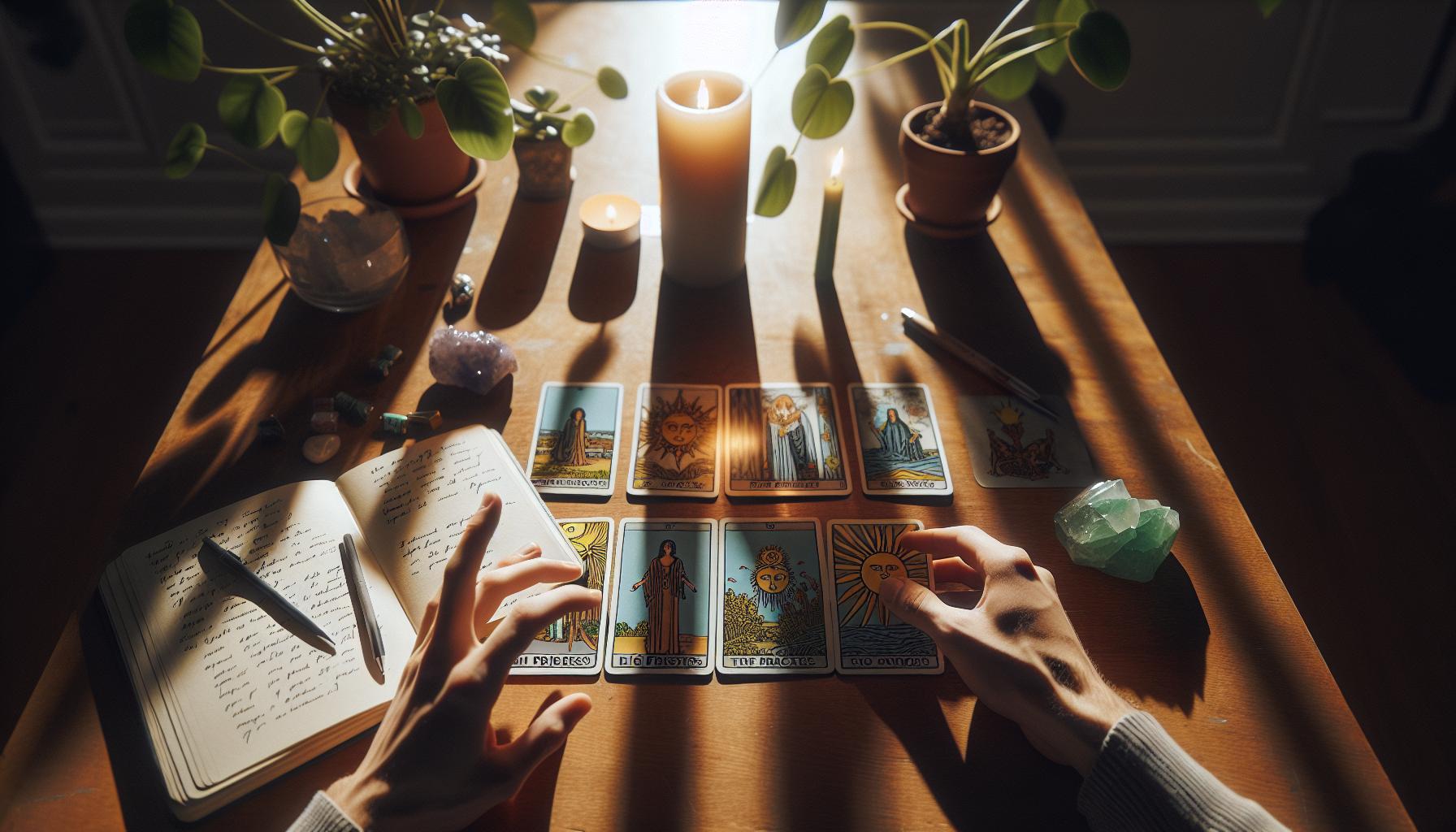
The Basics of Tarot Reading: A Beginner’s Guide
To embark on the journey of Tarot reading, it’s essential to understand that the Tarot cards act as a gateway to self-exploration and insight. Each card is a symbol, representing feelings, situations, or energies that resonate in your life. Whether you’re seeking clarity about relationships, career choices, or personal growth, Tarot can deliver powerful guidance. This combination of intuition and symbolism is what makes reading Tarot so enriching and accessible to anyone willing to explore.
Before diving into your reading, familiarize yourself with the structure of a Tarot deck. A traditional deck consists of 78 cards split into two main sections: the Major Arcana and the Minor Arcana. The Major Arcana, with 22 cards, reflects significant life themes and spiritual lessons. In contrast, the 56 Minor Arcana cards delve into daily circumstances and challenges. Each card carries its own unique meaning and can be interpreted in relation to the context of your question.
When preparing for your reading, create a calm space where you can connect with your intuition. Hold your question in mind as you shuffle the cards, inviting your energy into the deck. Consider using a simple spread, such as a three-card layout: one card for the past, one for the present, and one for the future. This straightforward approach allows you to gain insight into how past events influence your current situation and what potential outcomes might be.
As you draw the cards, focus on their imagery and your immediate impressions. Each card pulled serves as a reflection of your current state, guiding you toward awareness and understanding. For example, if you draw the Empress, you may be encouraged to embrace creativity and nurturing aspects of your life. Trust your instincts; the messages may vary based on your context and emotional state.
Remember, practice is key. The more you engage with the cards, the deeper your understanding will become. Make it a habit to draw a daily card, reflecting on its meaning throughout your day. This practice not only strengthens your intuitive skills but also deepens your connection to the insights the Tarot offers. Executing these basics can set a solid foundation for your journey into Tarot reading, inviting clarity and guidance into your present life.
Understanding Tarot Cards: Meanings and Symbols
To truly unlock the magic of Tarot, it’s essential to delve into the meanings and symbols of the cards themselves. Each card is a powerful vessel of interpretation, representing not only stand-alone concepts but also weaving into the rich tapestry of human experience. When you engage with these cards, you’re not just reading their meanings; you’re dialoguing with them. This dialogue opens doors to understanding current situations and feelings, providing you with clarity in the moment.
Let’s explore the two main categories of Tarot cards. The Major Arcana consists of 22 cards that symbolize significant life phases or spiritual lessons. Each of these cards carries profound meanings that resonate at deep psychological and spiritual levels. For instance, drawing The Fool might suggest new beginnings, spontaneity, or taking a leap of faith, inviting you to consider where you might be overly cautious in your life.
On the other hand, the Minor Arcana encompasses 56 cards that reflect the day-to-day challenges and themes we encounter in our lives. These are broken down into four suits-Cups, Pentacles, Swords, and Wands-each representing different aspects of our experiences: emotions, material concerns, intellect, and passion, respectively. For example, drawing a card from the Cups suit, like The Two of Cups, often speaks to partnership and emotional connections, reminding you to assess the relationships in your life and their current significance.
When preparing for your reading, it’s beneficial to approach each card with a mindset of openness and curiosity. Consider the imagery depicted and how it speaks to your current circumstances. For instance, if you pull The Hermit, you may be called to pause and reflect, prompting you to ask: “Am I too caught up in the hustle, neglecting my inner voice?” Recognizing these symbols can provide a grounding insight to your present situation, helping you navigate through it with greater awareness.
By understanding the meanings behind each card and integrating this knowledge into your readings, you equip yourself with the ability to access deeper layers of insight, aiding your path of self-discovery and guiding you in your present moment. Remember, Tarot is not just about fortune-telling; it’s a tool for self-reflection, empowerment, and guidance.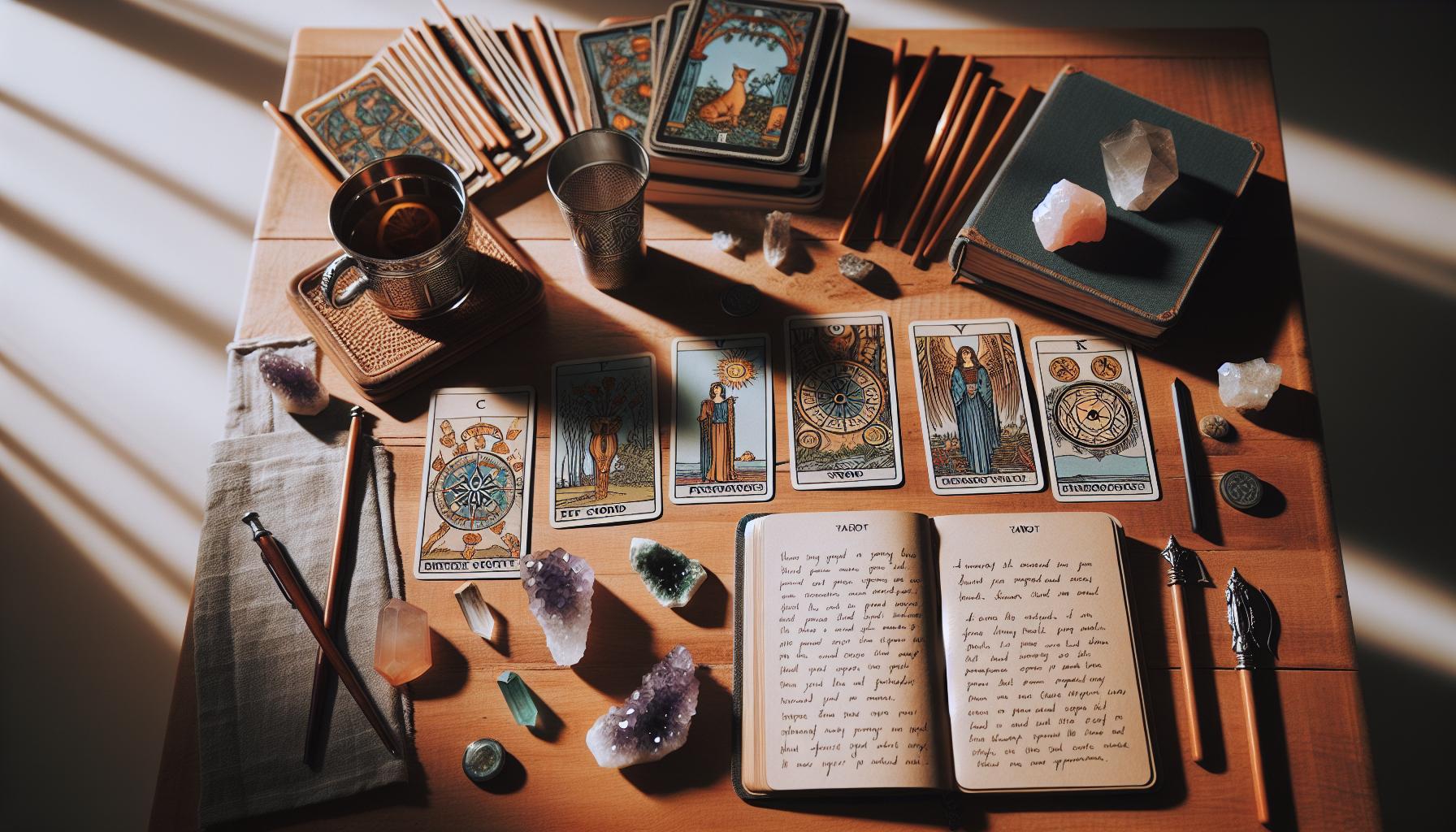
How to Prepare for Your Tarot Reading
Preparing for a tarot reading is crucial for deepening your connection to the cards and ensuring that you receive meaningful insights. Setting the right atmosphere can significantly enhance your experience, so consider creating a serene space where you feel comfortable and focused. Dim the lights, light a candle, or burn some soothing incense to set a tranquil mood that invites intuition to flow.
Before you shuffle your deck, take a moment to center yourself. You might close your eyes and take several deep breaths, releasing any tension or distractions from your day. This practice not only calms your mind but also establishes a strong intention for your reading. Think about what you wish to explore during your session. Instead of broad questions like “What do I need to know?” hone in on specific aspects of your life, such as relationships, career, or personal growth.
To further prepare, consider laying out your tarot cards in a meaningful spread. A three-card spread can provide insights into your past, present, and future, while a five-card spread might delve into a situation’s challenge, action steps, and potential outcomes. The method you choose should reflect your inquiry-more complex questions may warrant more elaborate spreads to capture the nuances of your situation.
During the reading itself, approach each card with curiosity. Observe not only the traditional meanings but also your emotional responses to the imagery and symbols presented. For instance, if you draw the Six of Wands, which represents victory and recognition, reflect on recent achievements in your life. Ask yourself how you celebrate successes and acknowledge the efforts that led to those victories. This process transforms the reading into a conversation with the cards, one that can yield powerful, personalized insights guiding your current moment.
By consciously preparing for your tarot reading, you align yourself with the energy of your inquiry, empowering the cards to provide the guidance you seek. Remember, tarot is not a predictive tool but rather a mirror reflecting your intuition and circumstances. Embrace the journey, trust in your ability to interpret the messages, and allow the cards to illuminate your path forward.
Choosing the Right Tarot Spread for Your Inquiry
Choosing the right tarot spread is the key to unlocking the insights you seek during a reading. Think of a tarot spread as a roadmap that guides your interpretation of the cards based on your specific questions or situations. The spread you choose should align with your intention, reflecting the nuances of your inquiry, whether it’s about relationships, career decisions, or personal growth.
When starting with a basic spread, the Three-Card Spread is an excellent choice for beginners. It offers a simple yet profound way to explore past, present, and future influences on your situation. You might ask yourself: “What influences shaped my current situation?” when drawing the first card for the past; the second card might answer, “What is my current situation?” and the third could address, “What potential outcomes lie ahead?” This straightforward approach not only provides clarity but helps you develop the skill of recognizing patterns over time.
For more complex inquiries, consider a Celtic Cross Spread, which comprises ten cards and gives a comprehensive overview of the situation. With this spread, you can delve into the challenges you face, your conscious and unconscious influences, potential obstacles, and ideal outcomes. Each position in the Celtic Cross has a specific meaning, allowing for a multi-layered reading that can reveal deeper insights into the interconnected aspects of your life.
Remember to choose your spread based on what resonates with you at that moment. If life’s complexities feel overwhelming, a Single-Card Draw can also be very effective. This method is perfect for daily guidance, allowing you to focus on a single question or theme and inviting a powerful reflection on that aspect of your life. For instance, when you draw the Ace of Cups, you might reflect on new emotional beginnings and how they can manifest in your current relationships.
Ultimately, the right tarot spread enhances your intuitive connection with the cards, transforming your reading into a meaningful exploration of your current moment. Trust your instincts in choosing the spread that feels aligned with your inquiry. The cards will guide you, echoing your inner voice and leading you to clarity.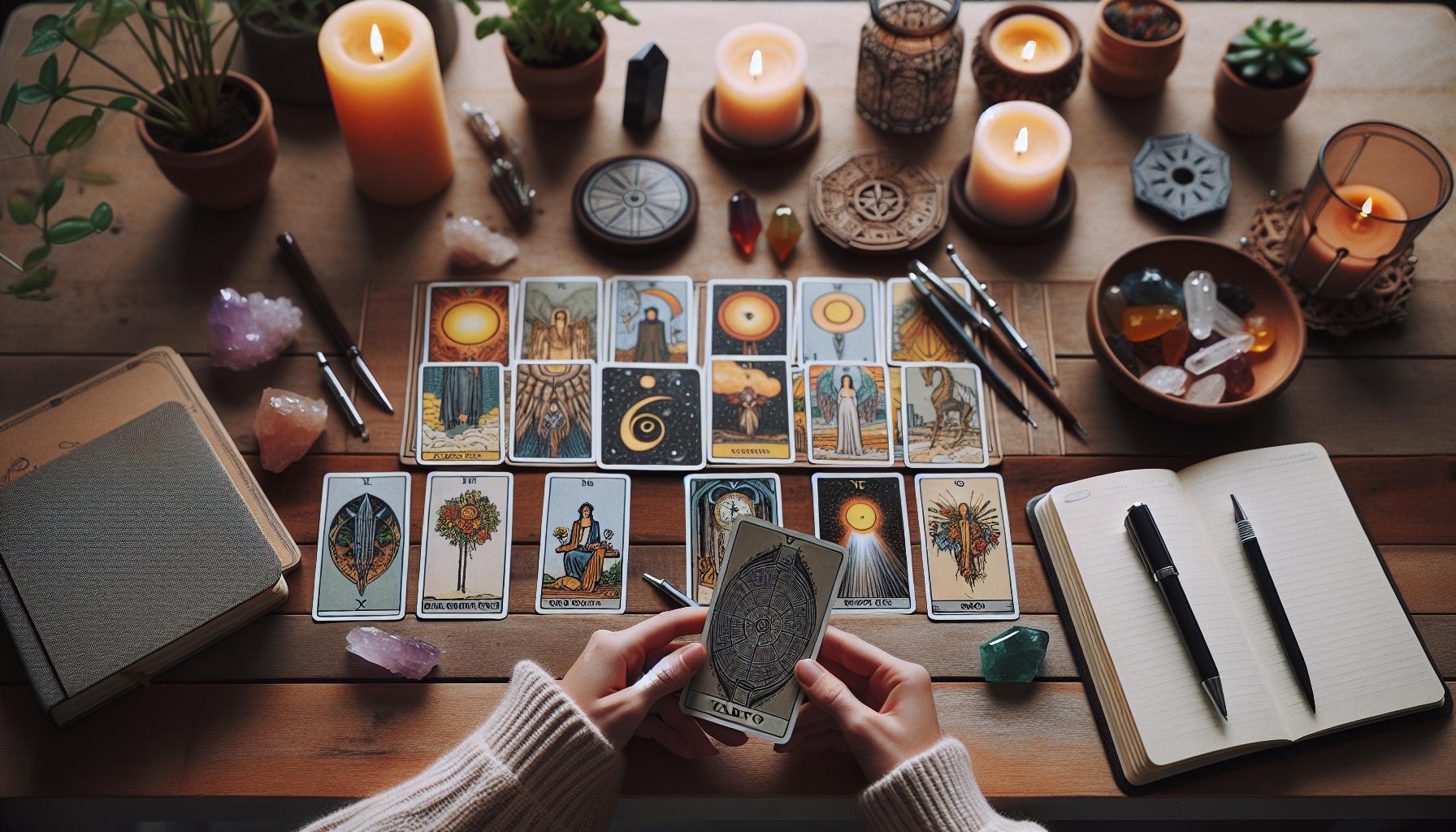
Interpreting the Cards: Insights for the Present
Interpreting tarot cards to gain insights for your current moment can be an enriching experience, offering clarity and a deeper understanding of your situation. Each card in a tarot deck carries layers of meaning, and when drawn in a reading, they can reflect your present circumstances, emotions, and mindset.
To begin, as you observe the cards laid out before you, pay attention to their imagery and symbols. Each card has a unique significance and, when combined with others, can tell a compelling story. For example, if you draw the Two of Swords, it often signifies a stalemate or a difficult choice. It invites you to reflect on areas in your life where you might be avoiding a decision. In contrast, the Sun card radiates positivity and success, suggesting a time of joy and achievement. When interpreting, consider how these energies interact within your inquiry. Do they create a narrative of conflict or resolution?
H3: Understanding Card Relationships
One of the most powerful aspects of a tarot reading is the relationship between the cards. For instance, if you pull the Eight of Cups alongside the Six of Swords, the message might revolve around leaving something behind in search of personal growth. This pairing indicates a significant transition and could prompt you to think about what you need to abandon to move forward.
As you interpret the cards, also consider your intuition. The meanings of the cards serve as a foundation, but your personal connection to them can expand understanding. Maybe the Queen of Cups resonates with your nurturing side, prompting thoughts of self-care in the present. Trust your instincts; they are as valuable as traditional interpretations.
H3: Practical Tips for Card Interpretation
Here are some straightforward tips to enhance your card interpretation process:
- Reflect on Your Feelings: After drawing your cards, take a moment to sit in silence and allow your emotions to surface. How do you feel about what you see?
- Ask Open-Ended Questions: Instead of seeking a specific answer, pose questions that encourage exploration, such as “What can I learn from this situation?” or “What do I need to embrace in my journey?”
- Keep a Tarot Journal: Documenting your readings helps track patterns over time and deepens your understanding of individual card meanings in various contexts.
By engaging with your tarot cards on both an analytical and intuitive level, you can unlock profound insights that clarify your present circumstances and guide your next steps. Tarot isn’t just about predictions; it’s a dynamic tool for personal reflection and growth, inviting you to explore the richness of your inner landscape.
Channeling Your Intuition During a Reading
When engaging with tarot, one of the most transformative aspects is the ability to channel your intuition. This intuitive process adds a rich layer to readings, allowing you to connect deeply with the cards and your current circumstances. Each card holds universal meanings, but your personal interpretations can unveil insights that resonate more profoundly with your individual journey. Tuning into your intuition creates a bridge between the meanings of the cards and your inner wisdom, leading to more meaningful and actionable guidance.
To foster this connection, begin by creating a calm and focused environment. Whether you light a candle, burn incense, or play soft music, these practices can help ground you and enhance your intuitive faculties. As you shuffle the cards, set a clear intention for your reading. This can be as simple as asking, “What do I need to know right now?” Allow your mind to clear and listen to whatever arises-thoughts, feelings, and even physical sensations are all valuable messages from your intuition.
Once the cards are drawn, take a moment to observe their imagery and symbolism. For example, pulling the High Priestess card may evoke feelings of mystery and the unknown. Perhaps you’re feeling a pull toward introspection, urging you to trust your instincts. Pay attention to any initial impressions before diving deeper into traditional interpretations. If a certain card stands out or elicits a strong reaction, honor that feeling; it often indicates an important aspect of your current circumstances or emotional state.
Enhancing Intuitive Insights
To harness your intuition effectively during readings, consider the following practices:
- Practice Mindfulness: Stay present with each card. Notice your thoughts, but let go of distractions. This space allows your intuition to flow freely.
- Dialogue with the Cards: Engage in a conversation with the images and symbols. Ask them how they relate to your question or situation. This interaction can reveal deeper insights.
- Regularly Reflect: After your readings, spend time reflecting on your intuitive hits. Keeping a tarot journal can help track your progress and uncover patterns that enhance your understanding over time.
Remember, your intuitive voice may speak softly or emerge with clarity; learning to interpret its whispers can take practice. Be patient with yourself and embrace the journey of discovery. Each reading offers a chance to connect more intimately with your inner guide, illuminating your path toward clarity and self-awareness.
Common Mistakes to Avoid in Tarot Readings
When diving into the world of tarot readings, it’s easy to stumble upon common pitfalls that can cloud your insights and diminish the clarity of your guidance. Being aware of these mistakes can enhance your connection to the cards and yield more meaningful readings.
One frequent misstep is approaching a tarot reading with rigid expectations. It’s essential to maintain an open mind. If you’re set on a specific outcome, you may overlook the broader messages that the cards convey. For instance, if you’re seeking guidance on a career move and pull The Tower, you might initially panic at its connotations of upheaval. Instead, embrace this as an opportunity for change and growth. Ask yourself how this card speaks to your current situation, even if it doesn’t align neatly with your hopes.
Another common error is skipping the preparation phase. Your mindset significantly influences the effectiveness of a reading. If you jump in without setting a clear intention or grounding yourself, your readings may lack focus. Create a sacred space where you feel at ease; whether it’s lighting a candle or meditating beforehand can profoundly impact the energy you bring to the session.
Furthermore, overloading your spread can lead to confusion. Beginners often feel compelled to draw numerous cards, hoping for more insight. However, a few well-chosen cards can provide deeper clarity than a multitude of overwhelmed messages. Start with a simple three-card spread focusing on the past, present, and future related to your inquiry. This allows you to build your interpretation step by step, ensuring each card’s significance is fully understood.
Lastly, neglecting to reflect on your readings can hinder your growth and understanding. Take the time to journal your insights, noting which cards appeared and how they resonated. Over time, you’ll start to identify patterns in your readings and gain a deeper understanding of how your intuition and the cards interplay. By avoiding these pitfalls, you’ll find tarot to be a more enriching and illuminating tool for guidance in your life.
Utilizing Tarot for Daily Guidance and Reflection
Embracing the practice of tarot for daily guidance can transform how you navigate your daily life. Each card you draw resonates with your current experiences, allowing you to gain clarity and insight into the situations and decisions you face. This empowerment stems from understanding that tarot is not just a mystical tool for fortune-telling but a means to reflect, connect, and grow.
Start your day by selecting a card from your deck. Consider what you’re seeking guidance on-this could be an emotional state, a decision at work, or a relationship concern. Allow the card you draw to speak to the present moment. For example, if you draw the Two of Cups, this could signify the importance of connection and partnership in your day ahead. Pay attention to the imagery and symbols on the card, as they often hold personal meanings that can guide your reflections.
Creating a Daily Ritual
Consider incorporating tarot into a daily ritual. Set aside time in the morning or evening when you can engage with the cards without distractions. Use this time for journaling, contemplating the message of the day. Reflect on questions like:
- What can I learn from today’s card?
- How does this insight apply to my current life situation?
- What actions can I take based on this guidance?
For instance, if you pull the Knight of Wands, you may feel inspired to take action or pursue a creative endeavor with enthusiasm. Reflecting on this during your journaling can help solidify your intentions and prepare you to seize opportunities.
End-of-Day Reflection
In addition to morning readings, using tarot for evening reflection can highlight lessons learned throughout the day. Draw another card and examine how it relates to your experiences. Did you face challenges that align with the card’s meanings? Document these connections. This practice not only reinforces your understanding of the cards but also fosters personal growth.
Utilizing tarot in daily routines enriches your spiritual journey. By engaging regularly with your cards, you cultivate a deeper connection to your intuition and the revelations they offer. This accessible approach demystifies tarot, making it a supportive ally in your everyday life, helping you navigate through both challenges and triumphs with confidence.
Expanding Your Tarot Practice: Advanced Techniques
To elevate your tarot practice and gain deeper insights into your current experiences, exploring advanced techniques can be transformative. Beyond the basics lies a wealth of strategies that invite greater intuition and creativity into your readings. Whether you are a seasoned reader or just beginning to expand your skills, these methods will enhance your connection to the cards and allow you to draw more profound meanings in everyday situations.
One compelling technique is the Complex Spread, such as the Celtic Cross or Horseshoe. These spreads offer multiple layers of insight, revealing not just immediate influences but also underlying factors affecting your question. For instance, using the Celtic Cross allows you to examine both conscious and unconscious influences, past and future outcomes, and the energy surrounding the situation. By engaging with these intricate layouts, you can develop a more nuanced understanding of your current circumstances.
Another advanced method involves the practice of Timing with Tarot. Certain cards can indicate specific months or seasons when events may unfold. For example, drawing the Ace of Wands could symbolize new beginnings or projects in the spring, while the Four of Swords might suggest a time of rest during winter. You can incorporate this technique by asking a specific question about timing before drawing your cards. This adds an additional layer of relevance to your readings and helps you prepare for upcoming shifts in your life.
Integrating Elemental Associations is yet another approach to deepen your readings. Each suit in the tarot corresponds to a natural element-Wands to Fire, Cups to Water, Swords to Air, and Pentacles to Earth. Understanding these associations allows you to analyze the emotional tone and themes present in your reading. For instance, if you notice a predominance of Cups in your spread, you might focus on emotional or relational aspects of your life, while a predominance of Wands could indicate a need for action and inspiration. This technique hones your ability to draw thematic connections from your readings and promotes a holistic understanding of your current situation.
As you experiment with these advanced techniques, remain open to your intuitive insights. Remember, each reading is a unique interaction between you and the cards. By honoring your instincts and regularly practicing these methods, you’ll not only enrich your tarot experience but also empower yourself to navigate life’s uncertainties with greater clarity and confidence. Embrace this journey, allowing the cards to guide you through both the practical and the mystical aspects of your unfolding life.
Real-life Examples of Tarot Readings for Clarity
Exploring how tarot can provide clarity through real-life examples offers invaluable insights into its practical application. Each reading is a reflection of the querent’s current state, and the cards can unveil hidden truths and assist in making informed decisions. Let’s delve into a few scenarios to illustrate how tarot can serve as a guiding light in everyday life.
In one instance, a client named Sarah sought advice on her career path. Feeling stuck in her current job, she decided to perform a three-card spread focusing on past, present, and future influences. The cards drawn were The Emperor, The Eight of Swords, and The Chariot. The Emperor represented her past-a time of stability and structure in her work life. The Eight of Swords depicted her current feelings of entrapment and confusion, suggesting that she was limiting herself with negative thoughts. Finally, The Chariot indicated future progress and success that could be achieved through determination and a shift in perspective. This reading not only provided Sarah with clarity regarding her situation but also empowered her to take control of her career by changing her mindset.
Another example involves a relationship inquiry. James was uncertain about his emotional connection with his partner and turned to a five-card relationship spread. The cards revealed were The Lovers, The Tower, The Two of Cups, The Fool, and The Hermit. The Lovers indicated a deep bond but also hinted at the need for choices. The Tower pointed to recent conflicts, signaling a significant shake-up in their relationship. The Two of Cups, however, assured that love and partnership still existed. The Fool encouraged a fresh start, advocating for a more adventurous approach to their connection, while The Hermit suggested taking time for self-reflection before making any decisions. This holistic view helped James understand the current dynamics and explore ways to rejuvenate the relationship.
Practical Steps for Your Tarot Reading
- Define Your Question: Be clear about what you want to explore. Specific questions yield more focused answers.
- Choose the Right Spread: Depending on your inquiry, choose a spread that encompasses the aspects you wish to examine (e.g., past-present-future).
- Interpret the Cards: Look at the meanings individually and within the context of your question. Allow the narrative to unfold naturally.
- Trust Your Intuition: Notice any emotional responses as you lay out the cards. Your instincts often lead to the most significant insights.
These narratives underscore the profound ability of tarot to illuminate one’s path and provide clarity in times of uncertainty. Embrace the cards and their messages as tools for personal growth and understanding, blending both intuition and intellect in your readings.
Bridging Tarot with Other Spiritual Practices
Integrating tarot into your broader spiritual practice can deepen your understanding and enhance your intuitive abilities. By connecting tarot with other modalities-such as meditation, astrology, or even journaling-you create a powerful synergy that provides more comprehensive insights and guidance in your life.
One effective method is to use tarot in conjunction with meditation. Before a reading, take a few moments to quiet your mind and set a clear intention or question. This can help you focus and prepare your subconscious to receive the messages from the cards. After your reading, consider meditating on the cards drawn, allowing their imagery and symbols to wash over you. This practice can lead to deeper revelations as you engage with the cards beyond their surface meanings.
Additionally, incorporating astrology into your tarot readings can provide an enriching perspective. For instance, aligning your tarot spreads with astrological events-like full moons or eclipses-can imbue your readings with cosmic energy. Each zodiac sign corresponds to specific tarot cards, so reflecting on this can reveal significant patterns in yourself and your environment. For example, if a reading during a full moon reveals The Moon card, it could suggest a time to release fears and doubts, amplified by the lunar energy.
To further enhance your spiritual journey, consider keeping a tarot journal. After each reading, jot down your thoughts, feelings, and the insights you glean. This practice not only solidifies your learning but also serves as a valuable resource to track your growth and evolving interpretations over time. Include reflections on how your readings correlate with personal experiences and other spiritual practices, thereby creating a unique tapestry of insights tailored to your journey.
Remember, tarot is a versatile tool available to everyone, regardless of their spiritual background. By bridging it with other practices, you enrich your experience and cultivate a holistic approach to your personal development, allowing both the mystical and the practical to inform your path.
Q&A
Q: How can I prepare my energy before a Tarot reading?
A: To prepare your energy before a Tarot reading, take a moment to ground yourself. Close your eyes, take deep breaths, and visualize a protective light surrounding you. Set your intention for the reading to clarify your focus. This process helps you connect more deeply with the cards and your intuition.
Q: What is the best Tarot spread for current moment guidance?
A: The Three-Card Spread is excellent for current moment guidance. This spread typically represents the past, present, and future. Shuffle your cards, then draw three to gain insights into your situation and what influences surround you now, helping you navigate your choices effectively.
Q: Can I use Tarot to address specific questions in my life now?
A: Yes, Tarot is great for specific inquiries. Clearly articulate your question before you start the reading. This focused approach allows the cards to reflect your current situation and guide your next steps, making the insights more relevant and impactful.
Q: What should I do if I pull a challenging Tarot card?
A: If you pull a challenging card, remain open-minded. Often, these cards highlight areas for growth or caution. Reflect on its message, considering how it relates to your current situation. Recognizing the lesson can empower you to navigate challenges wisely while embracing potential change.
Q: How can I integrate my intuition during a Tarot reading?
A: Use your intuition by staying relaxed and open. As you interpret each card, pay attention to the feelings and thoughts that arise. Practice active listening to your inner voice, which can often provide deeper insights and personal meanings beyond the traditional card interpretations.
Q: What is the significance of the card position in a spread?
A: The position of each card in a spread provides context and meaning. For example, in a Three-Card Spread, the first card represents the past influences, the second the present situation, and the third the potential outcome. This helps you grasp the flow of energy and insight related to your inquiry.
Q: How do I know when to seek guidance from the Tarot?
A: Seek guidance from the Tarot when feeling uncertain or in need of clarity about a situation in your life. Also, consider it when you face important decisions, emotional turmoil, or when reflecting on your daily path. Tarot can bring valuable insights and reaffirm your inner wisdom.
Q: Can I use Tarot for daily affirmations?
A: Absolutely! You can draw a card each morning and use it for affirmation. Focus on its message and apply its energy throughout your day. This practice enhances self-awareness and can direct your intentions toward positive outcomes. Consider it a daily guide for personal growth.
Wrapping Up
As you explore the transformative power of tarot for current moment guidance, remember that this practice is an invitation for clarity and insight. By tapping into your intuition and the symbolism of the cards, you can navigate life’s uncertainties with confidence. Don’t let your questions linger-pull a card now and discover what the universe has in store for you!
For deeper insights into love and relationships, check out our 3-Card Tarot Love Reading or get instant answers with our Yes/No Tarot tool. Additionally, if you’re interested in refining your reading skills, consider exploring our articles on tarot basics to enhance your understanding.
We invite you to comment below with your thoughts or questions-your journey into tarot is just beginning! Remember, every reading adds to your intuitive toolkit, so keep exploring. Sign up for our newsletter to receive more tips and guidance, and don’t hesitate to dive deeper into your mystical journey. Tarot is not just a tool; it’s a pathway to personal growth and empowerment. Explore, engage, and embrace the magic!