Have you ever marveled at the stories that tarot cards can tell, yet felt overwhelmed by their combinations? Understanding how to interpret card pairings can unlock deeper insights and enrich your readings. In “How to Read Tarot Card Combinations: Advanced Techniques,” we’ll explore the art of blending meanings to reveal a more nuanced narrative. Whether you’re seeking clarity in love, career, or personal growth, mastering these combinations enhances your intuitive skills and empowers your readings. As you delve into the layers of interpretation, you’ll find that each card offers not just its own message but also a dynamic interaction with others. Get ready to discover the magic that arises when cards work together, and cultivate your confidence as a reader. Your journey into advanced tarot mastery begins now!
Understanding the Basics of Tarot Card Combinations
Understanding how tarot card combinations work is essential for any reader looking to deepen their practice. Each card carries its own meaning, but when they come together in a reading, they create layers of interpretation that go beyond their individual messages. Whether you are a beginner or an advanced practitioner, grasping the basics of card combinations can enhance your readings and allow for richer insights.
At its core, a tarot card combination involves interpreting the interaction between two or more cards. This can be influenced by various factors such as proximity, the energy flow between cards, and the question being asked. For example, if you draw The Lovers and The Tower, the combination could suggest a sudden disruption in a relationship, highlighting the challenges that love can sometimes face. To start working with combinations, it’s helpful to approach them with an open mind. Studying how different cards interact can reveal patterns that might not be immediately obvious.
When interpreting combinations, consider the following principles:
- Context Matters: The surrounding cards and the question posed can dramatically change the interpretation of a pair.
- Card Hierarchy: Some tarot cards have more weight in certain contexts; the Major Arcana generally holds more significance than the Minor Arcana.
- Intuitive Insights: Your intuition is a powerful tool; trust your gut feelings about the combinations you see.
Establishing a foundational understanding of card combinations will empower you to explore more complex interpretations and gain confidence in your readings. Taking time to practice with different spreads and documenting your findings will enhance your ability to see relationships among the cards over time, building a personal lexicon of combinations that resonate with you.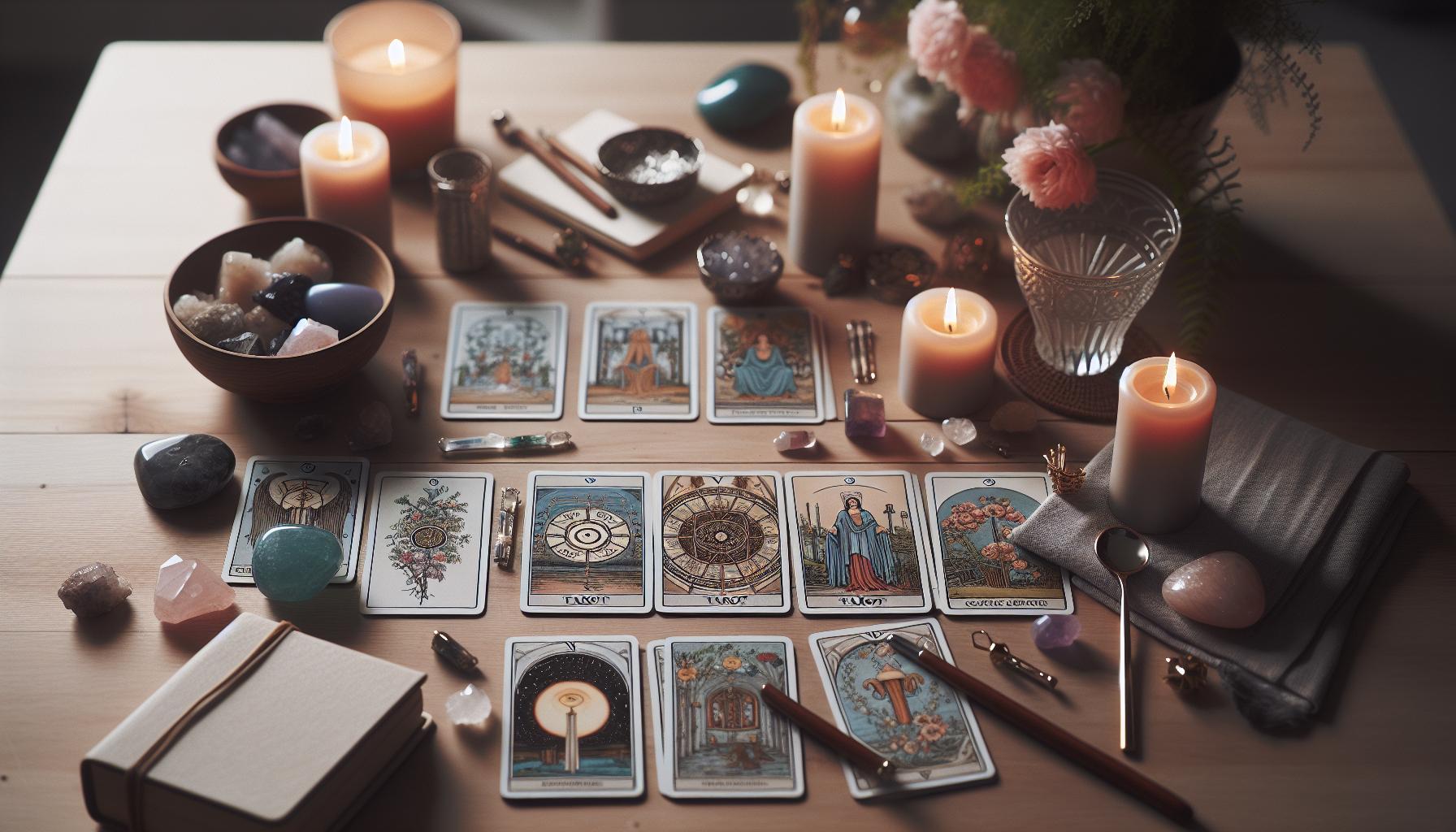
Key Principles of Interpreting Card Pairings
When delving into tarot card pairings, understanding how individual cards interact is essential to unlocking deeper meanings. Each card brings its own essence, but when combined, they create a multifaceted story that can reveal nuances specifically tailored to the querent’s situation. For example, consider the pairing of the Two of Cups and the Death card. This combination might suggest a transformational relationship, where an ending paves the way for a new beginning, potentially indicating healing and deeper connections following significant change.
To effectively interpret card pairings, keep these key principles in mind:
- Synergy is Key: Some card combinations resonate so deeply that their meanings merge, producing insights that might surprise even seasoned readers. For instance, the Fool and Wheel of Fortune can represent a fresh start brimming with unexpected opportunities.
- Intent Matters: Always align your interpretations with the question at hand. A combination of The Chariot and Five of Wands may signify overcoming challenges in a competitive environment, but if queried about personal growth, it could indicate internal conflicts that must be addressed to move forward.
- Read the Room: The energy of surrounding cards plays a crucial role in interpretation. For example, if The Moon appears among predominantly positive cards, it may suggest hidden fears that can be addressed, but in a negative context, it might warn of deception or confusion.
Embracing these principles will enhance your ability to see beyond surface meanings, allowing for a richer tapestry of insights in your readings. Practice regularly with different combinations, and don’t hesitate to jot down your interpretations, noting how context influences your readings. This reflective practice will cultivate your intuition, empowering you to unlock the magic within tarot’s narratives and embrace its potential to guide you and those you read for.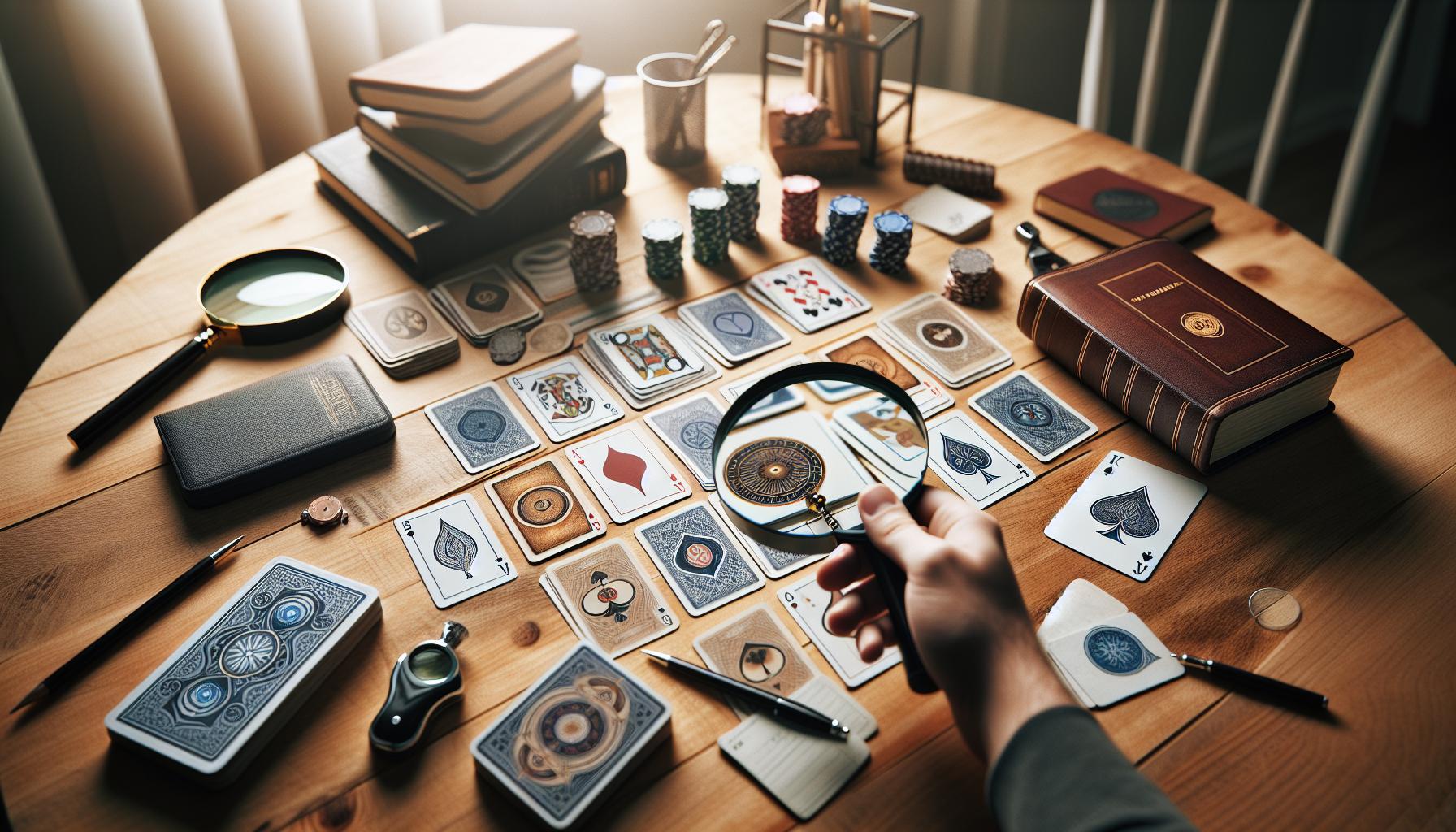
The Role of Context in Tarot Readings
Understanding the nuances of context in tarot readings is crucial for delivering insightful and personalized interpretations. Every tarot spread tells a story, and the surrounding cards, the question posed, and even the energy of the querent significantly influence how card combinations are understood. For instance, the meaning of the Three of Swords, typically associated with heartbreak, can shift dramatically based on its context. In a reading focused on relationships, it may point to a necessary but painful growth, while in a financial query, it could indicate a warning about misguided investments.
Interconnectedness of Cards
When examining card combinations, consider how the cards interact with one another in the reading. Each card not only holds its individual meaning but also carries the weight of the cards nearby. For example, if the Six of Wands, symbolizing victory, appears next to the Four of Cups, a card of apathy, the combination could suggest a struggle to appreciate success. This interpretation highlights how context alters the essence of each card, revealing deeper layers that may not be visible in isolation.
Energy and Atmosphere
The overall energy and atmosphere of the reading play a pivotal role as well. This includes not only the cards but also the mood and intent of the querent. If you sense hesitation or anxiety in the person you’re reading for, cards like the Seven of Cups, which indicate choice and confusion, may warrant a gentler approach in interpretation. Instead of merely discussing myriad options, you could guide them toward narrowing their focus, reflecting their emotional state back to them constructively.
Personalization in Interpretations
Personal experiences and current life situations of the querent can also transform the reading’s meaning. For example, a reader interpreting the Tower card might see it as a chaotic upheaval; however, if the querent is seeking change after years of stagnation, the same card could symbolize a liberating awakening. This underscores the importance of asking follow-up questions to better understand their unique context-what may seem catastrophic to one person could be a breakthrough for another.
By cultivating an awareness of these contextual elements, readers can create a more meaningful dialogue with the tarot, moving beyond rote meanings to explore the rich, intricate tapestry that each spread represents. This approach not only strengthens the interpreter’s skills but also empowers the querent to engage deeply with their own insights and revelations.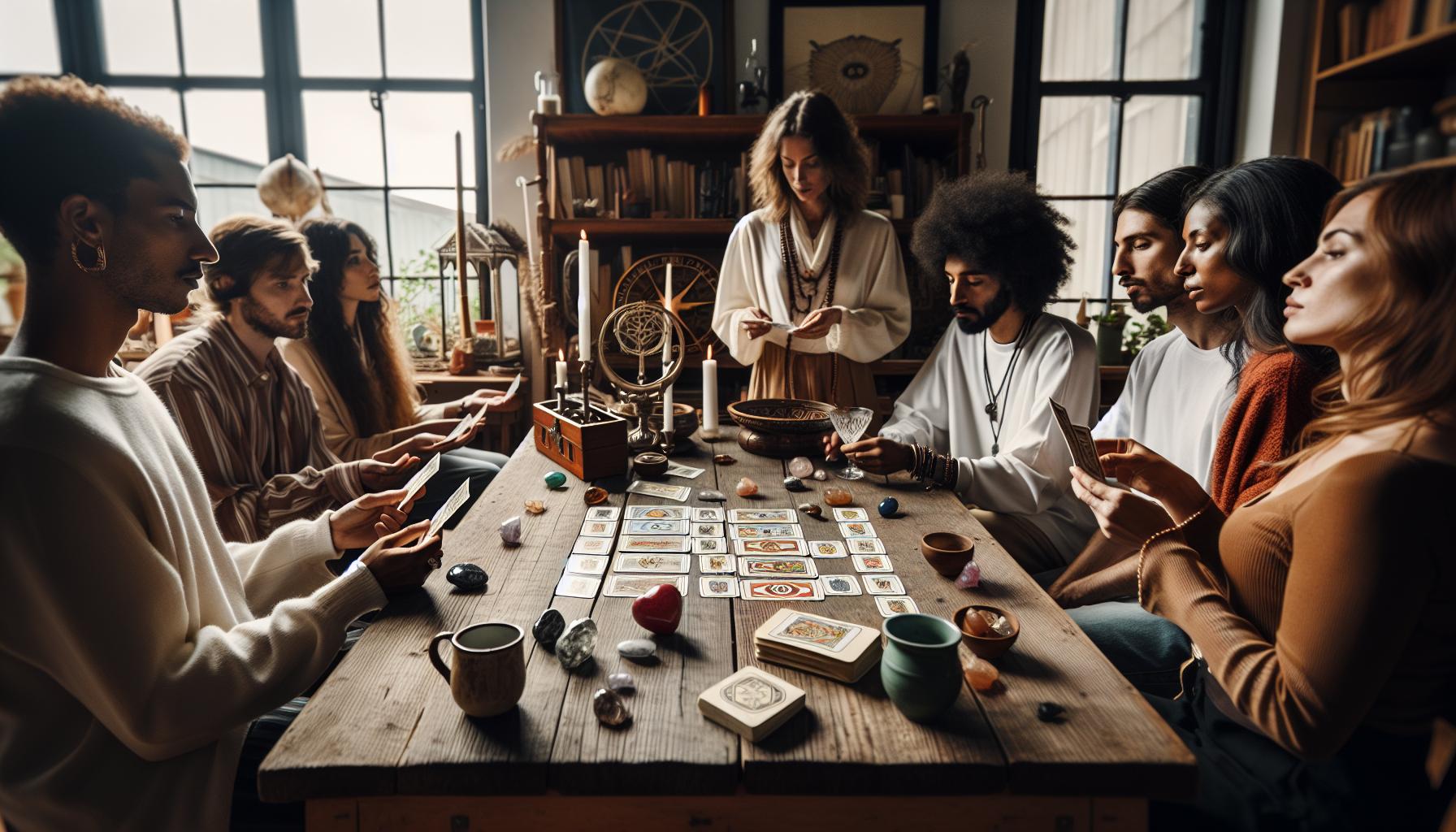
Common Tarot Card Combinations and Their Meanings
When it comes to tarot readings, the meanings derived from card combinations can unveil profound insights. Understanding these common pairings can significantly enhance your interpretive skills, shedding light on the deeper narratives at play within a spread. For example, the combination of the Two of Cups and the Lovers often signifies a powerful union and mutual appreciation, suggesting harmony in relationships. In contrast, seeing the Ten of Swords alongside the Sun can indicate a painful ending that ultimately leads to new beginnings and enlightenment, highlighting the transformative power of closure.
Popular Combinations and Their Insights
Recognizing the nuances of commonly paired cards can deepen your readings. Here are a few noteworthy combinations to consider:
- Death + Wheel of Fortune: This pairing often symbolizes significant life changes, suggesting that after endings (Death), new cycles of opportunity and growth (Wheel of Fortune) arise.
- Three of Pentacles + Eight of Pentacles: Together, these cards emphasize the importance of teamwork and dedication in achieving mastery in a particular craft or project.
- Queen of Cups + Page of Cups: This gentle combination reflects emotional openness and creativity, often pointing towards a nurturing relationship or the birth of new artistic endeavors.
Interpreting Combinations Effectively
In tarot, the interpretation of card combinations isn’t just about their individual meanings-it’s about how they relate. Take the High Priestess appearing with the Hermit; this combination can suggest a time for introspection and spiritual guidance, encouraging the querent to look inward and trust their intuition. Alternatively, if the Tower emerges alongside the Star, it may imply that after chaos, there is hope and healing on the horizon, reinforcing that transformation can lead to new perspectives.
Utilizing a personal approach is also vital. Consider the querent’s question and emotional state when interpreting these combinations. If someone is anxious about their job and pulls the Devil with the Ten of Wands, it might highlight feelings of being trapped in a burdensome situation, urging them to seek a way out or lighten their load.
Remember, the beauty of tarot lies in its flexibility and the myriad of interpretations it offers. Trust in your intuitive abilities to guide you through the layers of meaning, making every reading a unique experience that resonates with the querent’s life journey.
Advanced Techniques for Card Combination Interpretation
In the world of tarot, understanding how to interpret card combinations elevates your readings from basic predictions to profound insights. One advanced technique is to explore the archetypal relationships between the cards. For instance, when the Empress appears alongside the Emperor, it signals a dynamic balance between nurturing and authority, suggesting a strong partnership built on mutual respect. On the other hand, if the Tower shows up with the Six of Swords, it may indicate a necessary upheaval that prompts a journey toward healing and recovery. Look for these archetypal patterns to unveil deeper narratives within the spread.
Another essential aspect of advanced interpretation is the numerology behind card pairings. Numbers in tarot carry significant meaning, often enhancing the message of the cards. For instance, a pairing of the Two of Swords and the Two of Cups can signify a critical decision in a relationship context, emphasizing the need for balance and harmony. Noticing these numerical connections enables a richer understanding and can guide your interpretations toward themes of duality, partnership, and integration.
Don’t overlook the elements associated with each card. Water, fire, earth, and air influence how cards interact and provide different lenses for interpretation. For example, consider the combination of the Knight of Cups (Water) and the Queen of Swords (Air). This pairing may suggest an emotional journey that requires clarity and intellect, urging the querent to navigate their feelings with clear mental boundaries. By identifying elemental qualities, you can discern the nature of the interactions within your reading.
Finally, trusting your intuition is paramount. As you practice interpreting card combinations, allow your instincts to guide you. Each reading is unique, and sometimes, a personal connection might resonate more than traditional meanings. Use real-life examples from your readings; if you pulled the Five of Pentacles with the Sun, your intuition might tell you that despite hardship, there is hope and sunny days ahead. This personal touch not only deepens your connection to the reading but also builds confidence in your interpretive skills.
By incorporating these advanced techniques into your tarot practice, you enhance not just your readings but also your relationship with the cards themselves. Trust the process and allow the cards to guide your personal insights, enriching both your journey and that of those you read for.
How Elemental Qualities Influence Card Dynamics
Understanding how elemental qualities influence the dynamics between tarot cards can significantly enhance your reading experience. Each of the four elements-Fire, Water, Air, and Earth-brings its own energy and themes, shaping how the cards interact in a spread. When you recognize the elemental associations of the cards present, you can gain deeper insights into the nuances of their meanings and relationships.
For instance, let’s explore the pairing of the Page of Wands (Fire) and the Three of Cups (Water). The Page of Wands embodies enthusiasm, adventure, and inspiration. When combined with the Three of Cups, which signifies celebration, friendship, and community, this pairing suggests a joyful burst of creativity that encourages collaboration with others. The fiery enthusiasm of the Page can ignite the emotional connections signified by the Three of Cups, leading to new ventures fueled by a sense of community and shared joy.
Conversely, consider the combination of the Ten of Swords (Air) and the Knight of Pentacles (Earth). The Ten of Swords represents endings, loss, and betrayal, often symbolizing a difficult or painful conclusion. Meanwhile, the Knight of Pentacles showcases reliability, hard work, and methodical progress. Here, the interaction of these elements may point to a situation where, after a painful ending, there is a slow but steady recovery and the building of new foundations. The grounding nature of Earth helps stabilize the tumultuous emotions from Air, suggesting the importance of patience and practicality in moving forward.
In practical terms, as you reflect on your tarot readings, take note of the elemental qualities of the cards you draw. Ask yourself questions such as:
- What elements are represented in this combination?
- How does the interaction of elements shift the overall message?
- Are the elements in harmony with each other, or is there tension?
By paying attention to these aspects, you can cultivate a richer, more dynamic interpretation of the cards in play. Integrating elemental understanding into your practice will enhance not only your readings but also your connection to the tarot as a transformative tool for insight and guidance.
Utilizing Intuition Alongside Card Meanings
To truly unlock the potential of tarot card combinations, it’s essential to cultivate your intuition alongside established card meanings. Intuition acts as a bridge between the symbols on the cards and the deeper messages they convey about your life or the lives of those you read for. When you draw cards, they present not just a static interpretation but a dynamic interaction that can shift based on your personal insights and feelings.
Start by engaging with your cards on a personal level. As you lay out a combination, take a moment to breathe deeply and ground yourself. This practice allows you to open up to the subtle energies surrounding the reading. Ask yourself guiding questions such as: “What do I feel right now?” or “What images or thoughts come to my mind when I look at these cards together?” The answers you receive can provide clues that are uniquely relevant to your reading.
Consider a practical example: if you draw the Two of Swords alongside the Empress, which traditionally represents conflict versus abundance or nurturing energy, your intuition might prompt feelings related to a decision involving a relationship. You might sense a struggle balancing independence (Two of Swords) with the desire for connectedness and warmth (Empress). Such intuitive insights can lead you to deeper interpretations, illuminating paths or emotions that standard meanings may overlook.
Additionally, regular practice enhances intuitive abilities. Set aside specific time to focus on your cards without a predetermined question. Shuffle, lay out the cards, and simply note the feelings and thoughts that arise for each card, especially in combination with others. Over time, you’ll develop a library of associations, enhancing your ability to interpret pairs or groups of cards effectively. The magic of tarot lies in both the cards and the reader’s intuition, making every reading a unique and personal journey. Embrace this aspect of yourself – it’s where true insight flourishes!
Exploring the Impact of Position in Spreads
The way tarot cards are positioned within a spread can significantly influence their meanings and the narrative that emerges during a reading. Each card occupies a specific space that holds contextual significance, enlightening the interpretation of not just the individual cards, but also their relationships with one another. This dynamic interplay can deepen understanding and add layers of insight, making the reading more coherent and impactful.
For instance, consider a three-card spread designed to address past, present, and future influences on a situation. If you place the Eight of Cups in the past position, it may indicate a prior emotional withdrawal or the need to move on from unfulfilling circumstances. In contrast, if this card appears in the future position, it may suggest impending decisions about leaving a situation perceived as unproductive. Understanding the position can radically shift the interpretation; knowing the timeline and relevance is key to effective readings.
Moreover, different spreads lend themselves to different types of questions and themes, each designed to reveal various aspects of the querent’s life. A Celtic Cross, for example, offers insight into a situation from multiple perspectives, including the querent’s current challenges, external influences, and hopes and fears. In such a spread, the same card can take on multiple roles depending on where it is placed. The strength of a tarot card like the Strength card, which typically symbolizes courage and resilience, might shine a light on inner strength when positioned in the self-position, while reflecting how others perceive the querent when located in the external influences section.
Being mindful of card positions can also heighten your intuitive responses. When interpreting a spread, take a moment to assess how the card placements resonate with you. What does the proximity of certain cards suggest? Do conflicting or harmonious energies emerge based on their locations? These observations can lead to richer interpretations and allow the reading to evolve organically. Embrace the opportunity to analyze how spatial relationships among cards can reveal deeper meanings, enabling you to tell a more comprehensive story through your reading.
In summary, recognizing the implications of card positions can transform a standard reading into a profound exploration of narrative and meaning. It helps bridge the conscious and subconscious insights of both the reader and the querent, fostering a more engaged and enlightening tarot experience. Keep practicing different spreads and positions to enhance your familiarity and comfort with this nuanced aspect of tarot interpretation.
Building Narratives with Tarot Combinations
Building compelling narratives with tarot combinations can transform your readings from simple interpretations into rich, multifaceted stories that resonate deeply with querents. Just as an author weaves threads of plot, character, and theme, you can use the relationships between cards to craft a narrative that reveals deeper insights. Each pair or trio of cards is like chapters in a book-together, they can tell stories of past experiences, present situations, and future possibilities.
When interpreting cards in combination, consider their meanings in relation to one another. For instance, pairing the Three of Swords with the Two of Cups might suggest a narrative of heartache impacting a close relationship. This pairing could illustrate a story of betrayal or misunderstanding that is challenging the bond between two people, encouraging the querent to address underlying issues for healing. By identifying the emotional tone of each card, you can frame a narrative that speaks to the querent’s situation, offering clarity on their current challenges.
Additionally, think about the elemental qualities of the cards involved and how they interact. Cards associated with the element of water, like the Queen of Cups, emphasize emotional depth and intuition, while fire cards, such as the Knight of Wands, invigorate the reading with passion and action. A combination of a water card and a fire card might weave a narrative about balancing emotional needs with the urgency of taking action, suggesting the querent must navigate their feelings while also pursuing their goals.
To enhance your storytelling abilities, practice identifying themes that arise from different combinations. Start by drawing two or three cards and jotting down initial impressions. Then, observe how those impressions change when you consider the cards in relation to each other. For example, envision how the presence of a Major Arcana card might dominate the narrative, indicating significant life lessons or karmic influences that shape the context of the other cards. As you grow comfortable with this technique, you will find it easier to deliver readings that are not only insightful but also engaging, allowing your querents to connect with the story their cards tell.
is not just about the cards; it’s also about cultivating an intuitive sense of how they interact within the broader arc of the querent’s life. Encourage your readers to embrace their own narratives as they engage with their tarot experiences, fostering a journey of discovery and personal exploration through their readings.
Case Studies: Real-Life Examples of Card Pairings
In the world of tarot, the stories told through card combinations can provide profound insights into the querent’s life. Let’s explore some real-life examples of card pairings that illustrate how to read these combinations effectively.
One powerful example comes from a reading where the querent drew the Tower and the Star. The Tower often symbolizes sudden upheaval or destruction, while the Star represents hope and renewal. When these two cards appear together, they tell a narrative of transformation through crisis. The Tower indicates that the querent may be facing a challenging situation, such as a job loss or a breakup. However, the presence of the Star suggests that this upheaval, while painful, is an opportunity for growth and healing. The querent is encouraged to embrace this difficult period, trusting that brighter days are ahead. This combination emphasizes the cyclical nature of life, encouraging a perspective of resilience and hope.
Another compelling pairing is the Empress with the Five of Pentacles. The Empress is a nurturing figure associated with abundance, fertility, and support, while the Five of Pentacles often points to financial struggles or feelings of isolation. When these cards are drawn together, they may indicate that the querent has access to resources or support that they’re currently overlooking. Perhaps there are friends, family, or even community programs available to assist them during tough financial times. This combination serves as a reminder that while times may be hard, help is within reach; it’s an invitation to seek out that support and embrace the nurturing energy of the Empress.
In a more complex scenario, consider the combination of the Moon, the High Priestess, and the Two of Swords. The Moon represents intuition and the subconscious, the High Priestess embodies deeper insights and hidden knowledge, while the Two of Swords often indicates indecision or a stalemate. Drawing these cards might suggest that the querent is at a crossroads, faced with a choice that requires them to trust their intuition. The Moon and High Priestess together emphasize the need to look inward for guidance rather than relying solely on external opinions. Meanwhile, the Two of Swords brings attention to the querent’s hesitation, urging them to confront their fears and listen to their inner voice. This three-card combination elegantly weaves a narrative of self-discovery and resolution through inner reflection.
These case studies illustrate how card pairings create layered meanings that can guide querents through their experiences. By paying attention to both the individual meanings of the cards and their relationship with one another, you can help others uncover valuable insights and personal narratives that resonate deeply within their lives. Each reading, much like a story, holds the potential to transform not only how one perceives their situation but also how they navigate their path forward.
Exercises to Enhance Your Combination Skills
To cultivate your skills in interpreting Tarot card combinations, engaging in focused exercises can deepen your understanding and intuition. Practicing with real card readings fosters a connection to the cards and enhances your ability to see the nuanced relationships between them. Here are practical exercises designed to enhance your combination skills.
Start by establishing a daily practice where you draw three cards randomly. After pulling your cards, take a moment to reflect on each card’s individual meaning. Consider the connection between them by asking yourself:
- What story do these cards tell together?
- How do the meanings of the individual cards enhance or contradict each other?
Write your reflections down to track your progress over time.
Another effective method is to create your own combination card journal. Dedicate a section of your journal to common card pairings. Regularly write down combinations you encounter in readings, along with your interpretations. For instance, consider pairing the Sun with the Moon-this combination can represent the balance between conscious-awareness and subconscious influences. Note how different contexts influence your interpretations and revisit these combinations to see how your understanding evolves.
To further hone your skills, try using Tarot spreads specifically designed for exploration of combinations. A simple three-card spread can work wonders:
Three-Card Exploration Spread
- Card 1: Your current situation.
- Card 2: What influences the situation (obstacles or advantages).
- Card 3: Possible outcome or advice.
As you interpret these cards together, pay attention to how their meanings shift based on position and context.
For more advanced practice, challenge yourself with timed readings. Set a timer for five minutes and draw a set number of cards, perhaps five. Within that time frame, formulate a coherent narrative that encapsulates the meanings of these cards and their relationships. This exercise promotes quick thinking and instinctual reading, honing your ability to grasp the essence of card combinations under pressure.
Finally, consider incorporating group readings or discussions with fellow Tarot enthusiasts. Sharing interpretations and hearing diverse perspectives enriches your understanding of card dynamics. Engaging with others can unlock insights that you might not have considered, creating a deeper exploration of the layered meanings behind card combinations.
By embracing these exercises, you’ll not only enhance your skills in combining Tarot cards but also build a solid foundation of confidence in your intuitive readings. Each step you take deepens your connection to the cards, ultimately transforming your readings into meaningful, insightful narratives.
Navigating Challenges in Card Interpretation
Interpreting Tarot card combinations can sometimes feel like navigating a labyrinth. The subtle interplay between the cards can lead to moments of confusion, especially when you first encounter a combination that seems contradictory or ambiguous. However, recognizing these challenges is a vital part of the learning process, and with practice, you can turn potential pitfalls into opportunities for deeper understanding.
One common challenge is the inherent tension between the meanings of the individual cards. For instance, if you draw the Two of Swords and the Five of Wands, the stalemate represented by the Two of Swords can conflict with the turmoil indicated by the Five of Wands. This combination might suggest inner conflict due to external pressures. Instead of seeking a singular interpretation, consider the relationship: how does the action or inaction of one card influence the other? This reflective approach encourages you to see the story that unfolds between the cards rather than treating them as isolated points.
Another hurdle is the influence of context. The same cards can yield wildly different interpretations depending on their position within a spread or the question at hand. Take the Magician in a position that represents challenges; it may highlight manipulative behavior or missed opportunities for personal empowerment. In contrast, when placed in a position reflecting strengths, it accentuates creativity and resourcefulness. This shows how the environment surrounding the reading changes the dynamic of the card meanings. Always keep the question and the larger narrative in mind, allowing context to guide your interpretation.
Feeling overwhelmed by the vast symbolism of each card is common, but don’t shy away from leaning into your intuition. Sometimes, letting go of rigid meanings allows the cards to speak in ways that resonate personally. Try closing your eyes after drawing your cards and letting your intuition guide you. What feelings arise? What images come to mind? Recording these impressions in your Tarot journal can be a powerful way to refine your understanding and build confidence in your insights.
Finally, keep in mind that every reader encounters challenges. Engaging with fellow Tarot enthusiasts or participating in group readings can provide fresh perspectives and ideas, helping you see interpretations that may not have occurred to you. Building community around your practice cultivates a supportive environment where sharing wisdom is key. Embrace the journey of learning to navigate the occasional complexities of card interpretation, as each challenge you overcome adds to your growth and mastery of the Tarot.
Frequently Asked Questions
Q: What are some effective techniques for interpreting Tarot card combinations?
A: Effective techniques include identifying the elemental qualities of each card, evaluating their positions in spreads, and considering the context of the reading. Additionally, utilizing intuition can greatly enhance your interpretations-allowing you to perceive deeper meanings and connections between cards.
Q: How do I use intuition when reading Tarot card combinations?
A: To harness intuition, take a moment to clear your mind before interpreting the cards. Focus on the imagery and emotions they evoke. Allow your instincts to guide your interpretations, identifying connections that may not be immediately obvious. This practice can deepen your understanding of the cards’ meanings in a specific context.
Q: Why is context important in Tarot readings?
A: Context shapes the meaning of Tarot card combinations significantly. The question posed and the environment during the reading can influence how each card’s energy manifests. Always consider personal circumstances and current life events when interpreting card interactions to provide relevant insights to the querent.
Q: What advanced strategies can I apply to build narratives with Tarot combinations?
A: Advanced strategies for building narratives include linking card meanings logically to create a story and identifying themes that emerge from the spread. Explore how each card influences the next, forming a cohesive narrative that reflects the querent’s journey. This will enhance the overall impact of your reading.
Q: How can I improve my skills in interpreting Tarot card combinations?
A: Improve your skills by regularly practicing with different spreads and card combinations. Keep a journal to track interpretations and reflections, noting patterns over time. Participate in workshops or study groups to gain diverse perspectives, which can broaden your understanding of the cards and their interactions.
Q: What are common mistakes to avoid when reading Tarot card combinations?
A: Common mistakes include overlooking context and relying solely on traditional meanings without considering individual querent circumstances. Avoid forcing connections between cards that don’t resonate, and be mindful of how positive or negative combinations can influence the reading’s overall tone.
Q: When should I use elemental qualities to interpret Tarot cards?
A: Elemental qualities should be utilized when assessing the dynamics between cards, as they reveal how cards interact. For instance, a Fire card paired with a Water card may symbolize tension or conflict, while a Earth card with an Air card could suggest balancing practicality with intellect. Use this understanding to enhance your interpretations further.
Q: How does the position of cards in a spread affect their meaning?
A: The position of cards in a spread gives them specific roles, such as past influences, current challenges, or possible outcomes. Understanding each card’s position allows readers to interpret its significance more accurately, tailoring insights to both the querent’s situation and questions posed during the reading.
Wrapping Up
As we wrap up our exploration of “How to Read Tarot Card Combinations: Advanced Techniques,” remember that mastering these techniques will not only deepen your understanding of the cards but also enhance your intuitive capabilities. Embrace the magic of combining card meanings to uncover richer narratives in your readings. If you feel inspired, put your newfound skills to the test with our free 3-Card Tarot Love Reading or explore career insights with the 3-Card Tarot Career Reading-you might discover hidden truths about your relationships or professional path!
Don’t forget to share your thoughts and experiences in the comments below. We’d love to hear how these techniques have transformed your readings. For ongoing support, consider signing up for our newsletter, where you can receive exclusive content and tips to further enhance your Tarot journey. Dive deeper into the intricacies of Tarot by checking out our guide on the four Tarot suits for a well-rounded understanding. Remember, tarot is a journey-keep exploring, and let your intuitive voice shine!