
Are you curious about how to tap into the wisdom of Tarot cards but don’t know where to start? You’re not alone! Many seek guidance and clarity through Tarot, finding it a powerful tool for self-reflection and intuition. In this guide, we’ll reveal a simple technique for doing a Tarot card pull, whether you’re a beginner or looking to deepen your practice. By the end, you’ll have the tools to enhance your connection with the cards and access insights that resonate with your personal journey. Dive in and discover how a single card can hold profound meaning, guiding you through life’s twists and turns. Your intuitive adventure awaits!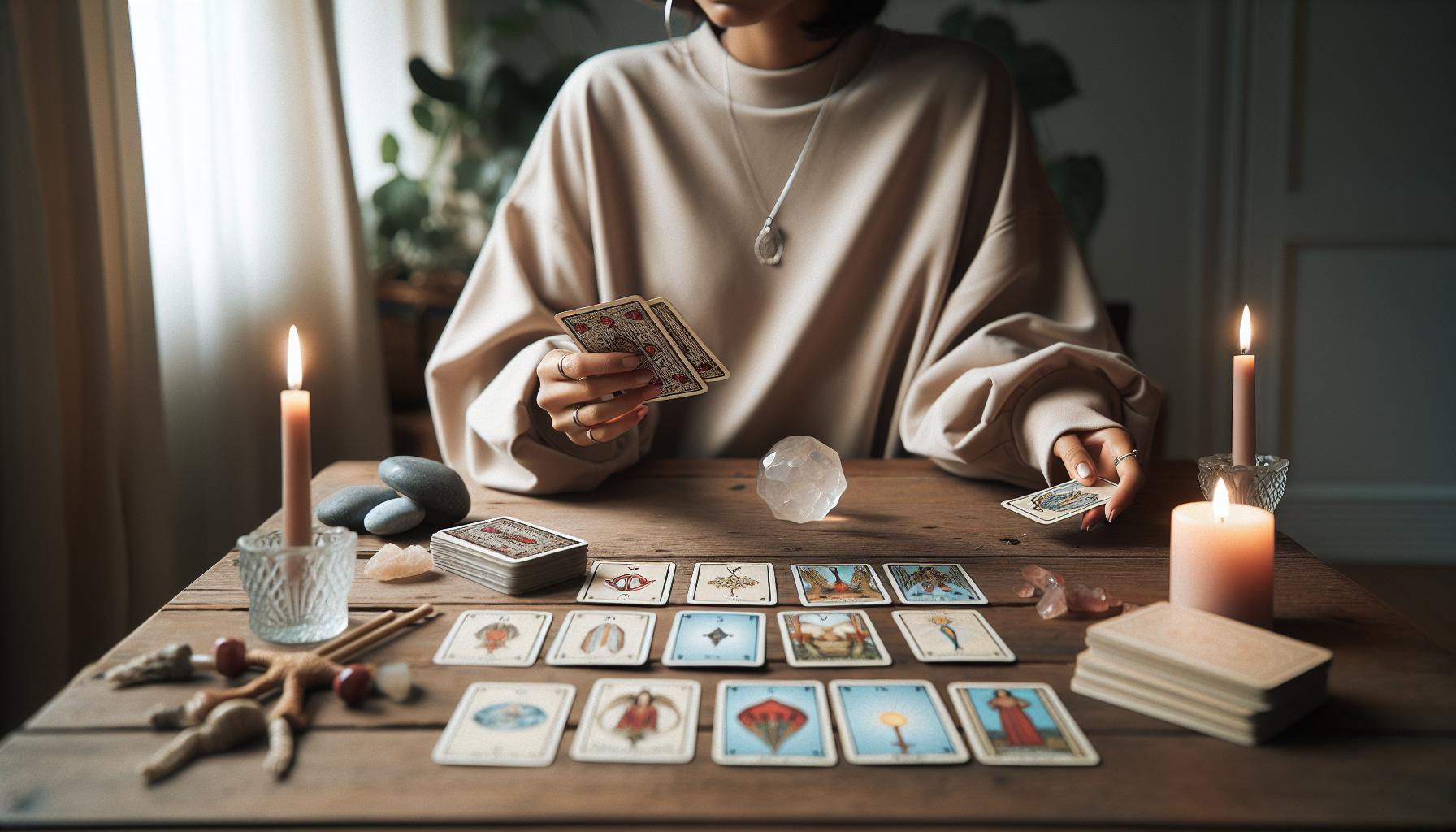
How Tarot Card Pulls Work: Understanding the Basics
To understand how tarot card pulls work, it’s essential to recognize that each card serves as a mirror reflecting the energies and emotions surrounding your inquiry. Tarot isn’t merely about the cards themselves; it’s a dynamic interaction between you, the deck, and the question at hand. The process begins with setting a clear intention or question, which focuses the reading. This intention guides the energy you channel into the cards, allowing for a more personalized and relevant message.
A typical tarot deck consists of 78 cards, divided into the Major and Minor Arcana. The Major Arcana reflects significant life themes and events, while the Minor focuses on daily challenges and situations. Each card holds multiple interpretations based on its position in a spread, its upright or reversed orientation, and its connection to surrounding cards. For beginners, it is often helpful to start with a three-card pull symbolizing the past, present, and future, which provides a comprehensive view of the situation.
When performing a card pull, try to engage in a moment of quiet meditation before shuffling the cards. This practice not only enhances your intuition but aligns your energy with the reading. As you shuffle, think deeply about your question, allowing your thoughts to flow out along with your intent. Once you feel ready, draw your cards. Be open to whatever messages come through, as they may offer insights that differ from your original expectations. Remember, the interpretation is part intuition and part knowledge of the card meanings.
This mix of focus, intuition, and respect for the symbolism of the cards creates a powerful tarot experience. As you gain confidence, you can explore different spreads and techniques, deepening your connection to the tarot and enriching your personal journey. Whether you’re a skeptic or a believer, tarot can be a valuable tool for self-reflection and growth.
Essential Tools for a Meaningful Tarot Pull
To create a meaningful tarot pull, having the right tools and environment can significantly enhance your reading experience. Not only do these elements foster a personal connection to the cards, but they also help focus your intentions and intuition. Here are some essential components to consider when preparing for a tarot session that resonates deeply with your spirit.
Physical Tools
First, choose a tarot deck that speaks to you. Whether you gravitate toward traditional Rider-Waite imagery or prefer a more contemporary or thematic deck, the right cards can evoke personal insights more effectively. It’s key that you feel comfortable and inspired by the illustrations as they will become extensions of your intuition. Additionally, consider a soft cloth or a designated reading surface to spread your cards. This not only treats your deck with respect but can also create a sacred space.
Moreover, keep a journal nearby. Many readers find that jotting down their thoughts, interpretations, and evolving feelings about the cards deepens the learning process. Over time, your written reflections can reveal patterns in your readings or highlight areas of personal growth.
Creating the Right Environment
Your surroundings play a crucial role in the energy of your reading. Aim for a quiet space where distractions are minimized. Dim the lights or add candles to set the mood-these simple elements can heighten your focus and create a serene atmosphere. Incorporate music or nature sounds if they help you ease into a meditative state.
Utilizing crystals can also enhance your ritual. For instance, amethyst can provide clarity, while rose quartz invites unconditional love, which can be beneficial as you open yourself to the messages the cards hold. Choose crystals that resonate with your reading intentions.
Intention and Mindset
Before you begin pulling cards, take a moment to ground yourself. Sit in stillness, focus on your breath, and allow your mind to clear. Setting a strong intention or question beforehand is pivotal. Think of your query as a guiding light-this clarity helps the cards reveal their messages more accurately. When you’re ready, start your shuffling process while channeling your intention; this can promote a meaningful connection between you and the deck.
Lastly, remember that your intuition is your most valuable tool. Approach each reading with an open heart and mind. Be receptive to the messages and images that come to you, which are integral to the tarot’s insights. As you familiarize yourself with these essential elements, you’ll find your tarot pulls transforming into profound and meaningful experiences.
Step-by-Step Guide to Your First Tarot Pull
The journey into tarot begins with a single card pull, a seemingly simple act that opens the door to profound insights and self-discovery. For novices, the allure of tarot can feel overwhelming, but taking it step by step makes this ancient practice accessible to everyone. Here’s how to embrace your first tarot pull with confidence and intention.
Start by grounding yourself in a serene atmosphere. Find a quiet, comfortable space where you can focus without interruptions. Light a candle or burn some incense if it helps set the mood, fostering a connection to the spiritual realm. With your chosen tarot deck in hand, take a moment to reflect on your intention or question. This mental clarity is crucial; it acts as a guiding light, helping your cards focus on what’s most relevant to you.
Once you’re centered, shuffle your cards with purpose. Hold the deck firmly, allowing your energy to entwine with it. As you shuffle, think deeply about your intention. You might say it aloud or keep it in your mind, but keep your focus strong. When it feels right, stop shuffling and cut the deck into two halves with your non-dominant hand. This action signifies your readiness to receive guidance.
Now comes the moment of revelation. Draw a card from the top of the deck or from the middle, whichever feels right for you. Gently look at this card and absorb its imagery and symbolism. Trust your intuition to guide your interpretation. To deepen your understanding, refer to a tarot guide or book to explore the card’s meaning. Consider how it relates to your question, as this will enhance your personal insight and connection to the reading.
Finally, take a moment to reflect on your reading. Journaling can be immensely helpful here. Write down the card you pulled, your interpretation, and how it resonates with your life or your question. This practice not only reinforces your learning but also allows you to track your spiritual journey over time, revealing patterns and insights as you continue to work with tarot. Remember, tarot invites exploration and reflection-each pull is a step toward deeper self-awareness and personal growth.
Choosing the Right Tarot Spread for Your Intentions
Choosing the right tarot spread can be a transformative experience, tailoring your reading to your specific intentions and questions. Different spreads serve distinct purposes, making it essential to align your selection with what you truly seek to uncover. Whether you’re a beginner or have some experience, understanding the variety of spreads will deepen your insights and enhance your tarot practice.
For beginners, starting with a simple spread can help reduce overwhelm. The Three-Card Spread is particularly effective; it allows you to explore the past, present, and future in relation to a specific question. Here’s how to simplify it:
- Card 1: Represents the past influences on your situation.
- Card 2: Reflects your current state and influences.
- Card 3: Offers guidance or possible outcomes moving forward.
As you become more comfortable, consider exploring the Celtic Cross Spread, a classic format that provides a comprehensive overview. This ten-card layout addresses various aspects of your inquiry, including your current situation, challenges, subconscious influences, and future outcomes. Each position has a specific meaning, making it a powerful tool for in-depth readings.
Advanced Spreads for Deeper Insights
For seasoned practitioners, spreads like the Astrological Spread can link tarot readings with astrological influences, providing a compelling narrative that incorporates astrological houses and signs. Alternatively, the Relationship Spread can help clarify dynamics in partnerships, spotlighting each person’s perspective and the overall connection.
Intuitive Selection
Remember, the best spread is one that resonates with you. Trust your intuition as you choose-sometimes, a spontaneous selection based on what feels right can yield the most profound revelations. Don’t hesitate to blend techniques or create your own spreads tailored to specific queries; flexibility in your approach can spark new understandings. Journaling your experiences with different spreads will also enhance your growth and refine your intuitive skills over time. Ultimately, whether you’re drawing a single card or mapping out an intricate spread, allow the process to be a guiding light on your journey of self-discovery and empowerment.
Interpreting the Cards: Key Meanings and Insights
Understanding the meanings behind the tarot cards you pull is an essential part of your tarot journey. Each card carries a unique symbolism and persuasive insight that can guide you on your personal path. When interpreting the cards, it’s helpful to consider their meanings both in their upright and reversed positions, as this can deeply influence the reading. For example, the Fool often represents new beginnings and spontaneity in its upright position, while reversed, it might indicate recklessness or a lack of direction.
As you look at each card, ask yourself how its traditional meaning relates to your question or situation. Engage with the imagery and symbolism; often, your intuition will pick up cues that go beyond the standard interpretations. For instance, if you draw the Ten of Swords, while it commonly symbolizes endings and loss, consider your own life context-does it signify an ending that leads to a new beginning for you, or does it reveal feelings of being overwhelmed?
Practical Steps for Interpretation
- Reflect on the Card’s Meaning: Start with the basic interpretation. Use a guidebook, or if you’re familiar with the cards, rely on your own understanding.
- Consider Position and Context: Pay attention to where the card falls within your spread. Each position’s meaning can modify the card’s message.
- Listen to Your Intuition: Allow your feelings and thoughts about the card to emerge. How does this card feel to you based on your current situation? Trust those feelings, as tarot often works through personal resonance.
- Use Journal Prompts: Writing in a tarot journal can solidify your insights. For example, after your reading, note down how the card’s meanings relate to your life and feelings, identifying any actions or decisions it inspires.
By combining these steps with an understanding of the card meanings, you can unearth profound insights and guidance during your readings.
Examples of Common Cards and Their Insights
Here’s a brief look at some commonly drawn cards and their interpretations:
| Card | Upright Meaning | Reversed Meaning |
|---|---|---|
| The Lovers | Union, harmony, choices in love | Disharmony, imbalance, miscommunication |
| Three of Cups | Celebration, friendship, community | Overindulgence, isolation, broken friendships |
| The Hermit | Introspection, inner guidance, solitude | Lack of direction, isolation, withdrawal |
As you progress in your tarot practice, remember that meanings can evolve depending on your experiences and understanding. The cards act as a mirror reflecting your inner thoughts and situations, inviting you to delve deeper into your psyche and your life’s narrative. Embrace this journey of interpretation as a continuously unfolding story, unique to you.
Common Mistakes in Tarot Card Pulls to Avoid
Many newcomers to tarot face a steep learning curve that can lead to common pitfalls during card pulls. Recognizing these mistakes is essential in fostering a more intuitive and accurate tarot practice. The first major misstep is approaching tarot with rigid expectations. Whether it’s anticipating specific answers or imbuing cards with overly precise meanings, this mindset can cloud your ability to receive and interpret the messages. Instead, approach each reading with openness, allowing the cards to speak in their own language and guide you through your current situation without preconceived notions.
Another frequent error is neglecting the context of the question posed. Pulling cards without a clear focus can lead to vague or confusing insights that may not apply to your life circumstances. To enhance your reading, formulate a specific question or intention before beginning the pull. This clarity will provide a more defined context for the cards, enabling you to glean valuable insights.
Additionally, many tarot practitioners overlook the importance of card positions within a spread. Each placement carries its own significance, which can drastically alter the meaning of the card. For example, a card that may symbolize a fresh start in one position might represent obstacles or challenges in another. To avoid misinterpretation, familiarize yourself with how different spreads function and the meanings of each position.
Lastly, trusting your intuition is perhaps the most crucial aspect of tarot reading. Newcomers may rely solely on guidebooks or traditional meanings, missing out on the personal insights that can arise naturally during a reading. Engage with the imagery and symbolism of the cards, and allow your feelings and thoughts to guide your interpretation. Remember, each card has a universal meaning, but your unique experiences and emotions can reveal deeper understanding. By recognizing these common mistakes and adjusting your approach, you’ll cultivate a more fulfilling and insightful tarot practice that resonates with your individual journey.
Enhancing Your Intuition During Tarot Readings
When engaging with Tarot, tapping into your intuition is just as crucial as understanding card meanings. Intuition is your inner compass, guiding you in interpreting the cards in a way that resonates with your life and circumstances. To strengthen this vital skill, consider the following practices that encourage a deeper connection between you and your Tarot reading experience.
Start by creating a tranquil environment. Before you begin, take a moment to center yourself. You might light a candle, burn some incense, or play soft music. This ritual can help clear your mind, allowing intuitive thoughts to surface without distraction. Take a few deep breaths, focusing on your intention for the reading. Ask yourself what insights you seek and visualize those thoughts settling into your consciousness.
Engaging with the Cards
As you shuffle and select your cards, pay attention to the sensations in your body and the thoughts that arise. When pulling a card, notice your immediate reactions. Does a particular card evoke strong feelings or memories? Perhaps it reminds you of a previous experience or a person in your life. These instinctual responses are good indicators of what the card may signify for you in your current situation. Keep a journal where you can jot down these impressions immediately after each reading. Over time, you will notice patterns and develop your personal interpretations, reinforcing your intuitive connection.
Consider also practicing visualization techniques. Imagine a vivid scene that embodies your question or the essence of your inquiry. Ask the cards to reveal insights that resonate with that imagery. This can create a bridge between your subconscious and the reading process, enriching your interpretations with layers of meaning that may not be readily obvious.
Trusting Yourself
Remember, intuition can manifest as a whisper or a powerful surge of insight. Trusting yourself is key. As you read the cards, allow your interpretations to flow freely, even if they diverge from traditional meanings. For instance, if you pull the Tower card, which typically represents upheaval, but feel drawn to focus on themes of transformation, lean into that. Your individual experience and feelings will provide a unique lens through which to view the cards.
It’s also beneficial to practice regularly. The more you work with Tarot, the stronger your intuitive abilities will become. Whether through daily pulls, readings for friends, or self-reflection exercises, consistent practice builds confidence and strengthens your inner voice.
Incorporating these practices into your Tarot readings can transform how you engage with the cards, allowing deeper insights and fostering a more personal connection. Embrace the journey of discovery, and remember, Tarot is a tool for personal reflection and growth – a journey best navigated with an open heart and a trusting spirit.
Advanced Techniques for Tarot Card Pulling
When delving into advanced techniques for pulling Tarot cards, one important aspect to remember is that flexibility is key-each reading can feel different based on your energy, the question at hand, and the specific cards that come forward. To enhance your Tarot practice, consider incorporating these strategies that can deepen your insights and strengthen your connection to the cards.
Start by experimenting with different Tarot spreads. While a one-card pull is excellent for quick insights, more complex spreads like the Celtic Cross or Year Ahead spread provide layers of meaning. Each position in these spreads has a specific significance, allowing for a multidimensional interpretation. For example, in a Celtic Cross, the position ‘What crosses you?’ provides a challenge to consider alongside what actually underpins your situation, revealing both obstacles and supports at play.
Another powerful technique is the intuitive pairing of cards. Instead of interpreting each card in isolation, try to look at them in context with one another. Pull a few cards, and then explore how they interact. What stories do they tell together? Perhaps the Empress and Seven of Pentacles can indicate a fruitful period of growth in a project, suggesting patience and nurturing is required. This approach encourages a holistic view of your reading, fostering a deeper understanding of the relationships between your cards.
Additionally, consider journaling your readings for reflection and growth. Document not just your interpretations but also your feelings, any intuitive flashes, and how the reading resonates with your day-to-day experiences. Over time, patterns may emerge that reflect your unique connection to the cards, which can serve as a guide during future readings. You might notice that certain cards carry specific meanings that evolve based on your life circumstances-this is a natural part of personalizing your Tarot journey.
Finally, embrace the practice of combo or thematic readings. Sometimes, the situation you face might not fit neatly into a single question, and multiple threads may be relevant. By selecting cards that represent different themes-like love, career, and personal growth-and then interpreting them together, you can gain more comprehensive insights. This method allows for a deeper exploration of your current state, as you can see how various aspects of life interconnect.
The beauty of Tarot lies in its ability to evolve with you. By integrating these advanced techniques into your practice, you encourage a dynamic dialogue with your cards, fostering richer insights and profound personal revelations.
Incorporating Tarot Rituals for Deeper Connection
To truly enhance your Tarot practice, consider incorporating rituals that foster a deeper connection with your cards. Rituals serve as a powerful tool for setting your intentions, focusing your energy, and creating a sacred space for your readings. By establishing a consistent ritual, you signal to yourself and your deck that this is a special time for insight and reflection.
One effective way to create a ritual is to begin with a cleansing process for your cards. This can involve physically clearing the space by decluttering or using incense to purify the environment. You might also consider using crystals like selenite or black tourmaline to absorb any negative energy. As you go through this cleansing, speak affirmations or intentions aloud-this verbal component can amplify your connection and set the tone for your reading.
Another important aspect of ritual is the creation of a sacred space. This can be as simple as finding a quiet corner in your home or setting up an altar with items that resonate with you. You can include personal tokens, candles, or images that inspire you. As you arrange your space, focus on what each item represents and how it enhances your connection to the Tarot. This physical representation of your intentions will ground your practice and provide a comforting backdrop for your readings.
Before pulling cards, take a moment to center yourself. You might try a short meditation or breathing exercise, allowing your mind to settle. Visualize the question or situation you want guidance on, and hold that intention in your heart. This preparation not only enhances the clarity of your reading but also opens you up to deeper insights from the cards.
Finally, embrace the power of reflection after your readings. Spend some time journaling about your experience, noting not just the cards you pulled but the feelings and thoughts that arose during your ritual. This reflection reinforces your intuitive understanding and provides a valuable reference for future readings. Over time, you’ll notice patterns and themes in your journaling that reveal your growth and evolving relationship with the Tarot.
By embracing these rituals as part of your Tarot practice, you cultivate a more profound connection with your cards, making each reading a meaningful dialogue filled with insights and revelations.
Using Tarot for Personal Growth and Reflection
Using Tarot as a tool for personal growth and reflection can be a transformative experience. Each card you draw carries potential insights into your thoughts, feelings, and life circumstances. When approached with intention, Tarot readings can help clarify your goals, reveal hidden emotions, and guide you toward self-discovery.
To start, consider setting a clear intention for the reading. What area of your life do you wish to explore? It could be relationships, career paths, or personal dynamics. For instance, if you’re feeling uncertain about a career decision, you might pull a few cards specifically focused on your strengths and obstacles in that realm. By framing your pulls around such questions, you create a targeted conversation between you and the Tarot.
Practical Steps for Reflection
- Journal Your Insights: After each reading, take time to write down your interpretations and emotional reactions. This practice not only helps solidify your understandings but also serves as a reference for future growth.
- Identify Patterns: As you accumulate entries in your journal, look for recurring themes or messages in your tarot pulls. This can illuminate ongoing issues or highlight growth areas in your life.
- Incorporate Affirmations: Based on your readings, create affirmations that resonate with your insights. These can empower you and reaffirm the truths you discover within your cards.
Reflecting on your readings is essential for personal growth. Consider how each card connects to your current life situation. For example, pulling the *Two of Swords* might indicate feeling stuck in indecision. Reflect on what decisions are at play and how you might reconcile conflicting feelings. This process encourages you to engage deeply with your internal landscape, fostering insight that can propel you forward.
Incorporating Tarot into your personal growth journey invites you to listen closely to your intuition, allowing you to approach your life with more clarity and confidence. As you explore various decks and spreads, remember that the journey is as valuable as the destination; each card can guide you to greater self-awareness and empowerment, enriching your personal narrative in profound ways.
Exploring Different Decks: Finding Your Perfect Match
Selecting the right Tarot deck is a vital step in connecting with the practice, as each deck carries its own unique energy and symbolism. With an abundance of options available, from traditional Rider-Waite-Smith to modern illustrative decks, finding one that resonates with you can enhance your reading experience and intuition. Consider this: a deck is not just a tool for divination; it’s an extension of your spirit and a mirror reflecting your inner world.
When exploring different decks, start by looking at the artwork and themes. Each deck has its own visual style-from whimsical and colorful to dark and mystical. Choose a deck that visually appeals to you and feels right in your hands. If you’re drawn to nature, for instance, a deck that incorporates botanical elements or animal symbolism might resonate deeply. As you browse, reflect on how the imagery makes you feel. Does it inspire curiosity? Comfort? Intrigue? These emotional responses can guide you toward the right choice.
As you continue your exploration, think about the type of readings you plan to do. Some decks excel in specific areas, such as love, career, or personal growth. For beginners, a Rider-Waite-Smith deck can be beneficial since it’s widely used and has extensive literature available. Experienced readers may prefer decks that offer fresh perspectives or complex symbolism, like the Thoth Tarot or the Wild Unknown Tarot. Always consider how each deck aligns with your intentions for reading, as this will enhance the clarity of your insights.
Lastly, don’t hesitate to interact with the deck before making a final decision. This could mean shuffling the cards, performing a simple reading, or even spending time meditating on them. By doing so, you’ll get a sense of how the energy flows between you and the cards. Remember, there is no “one-size-fits-all” solution in Tarot-approach this journey with an open heart, and trust your intuition to lead you to your perfect match. Each deck can unveil different aspects of your life and deepen your understanding, making the quest for the right deck an enriching part of your Tarot journey.
Q&A
Q: What is the best way to prepare for a tarot card pull?
A: To prepare for a tarot card pull, create a quiet, calm environment. Ground yourself through breathing exercises or meditation. Set an intention for your reading by focusing on a specific question or area of your life. This clarity will enhance your interpretation of the cards.
Q: How do I choose which tarot cards to pull?
A: You can choose tarot cards by using different techniques like shuffling the deck and drawing cards at random, or by selecting cards that resonate with your energy. Trust your intuition in the moment to guide your choice. Experiment with different methods to see which feels most comfortable for you.
Q: Can anyone learn how to do a tarot card pull?
A: Yes, anyone can learn to do a tarot card pull! No special abilities are required; just a willingness to explore your intuition and the meanings of the cards. Start with a simple guide and practice regularly to build confidence and understanding.
Q: How can I interpret the cards after my pull?
A: After your tarot pull, begin by connecting each card to its traditional meanings. Consider how these meanings relate to your question or situation. Use intuitive insights to enhance your understanding, and remember that context matters, so reflect on the overall message the cards convey together.
Q: What should I do if I pull cards that seem negative?
A: If you pull cards that seem negative, approach them from a perspective of growth and learning. Each card provides an opportunity to reflect on challenges and potential obstacles. Analyze what they may teach you about your current situation and consider them as prompts for personal development.
Q: How often should I do a tarot card pull?
A: The frequency of tarot card pulls depends on your personal preference and needs. Many find value in daily or weekly pulls for guidance, while others may consult the cards during significant life events or when seeking clarity on specific issues. Establish a rhythm that feels right for you.
Q: What common mistakes should I avoid when pulling tarot cards?
A: Common mistakes in tarot pulls include not focusing on a clear intention, rushing through interpretations, and being overly fixed on negative card meanings. Take your time, trust your intuition, and allow the reading to evolve naturally. Review the tips in our “Common Mistakes in Tarot Card Pulls” section for more insights.
Q: How can I enhance my intuition during tarot readings?
A: To enhance your intuition during tarot readings, practice mindfulness and quiet your mind before pulling cards. Reflect on your feelings and thoughts as you read the cards. Engaging with your intuition develops your unique connection with the cards over time, allowing for deeper insights.
To Wrap It Up
Now that you’ve discovered how to perform a tarot card pull, it’s time to put your newfound knowledge into practice! Embrace the magic and power of your cards as you seek guidance on the questions that matter most to you. Remember, each pull is a unique opportunity for insight and reflection, whether you’re a curious beginner or a seasoned reader looking to refine your technique.
To deepen your understanding of tarot, check out our guide on the significance of different Tarot cards or explore a 3-Card Tarot reading for a comprehensive look at your situation. Don’t hesitate to share your experiences and insights in the comments below-your journey inspires others! Also, consider signing up for our newsletter for regular tips and exclusive content that enhances your tarot practice. Your intuitive growth starts here, so dive deeper and unlock the mysteries that the cards hold for you today!
Get our latest guides, news, and insights highlighted in your Google Search & AI Overviews.