Are you drawn to the mystical world of tarot but unsure where to begin? You’re not alone! Many seek guidance through tarot, a powerful tool for self-discovery and introspection. Understanding how to read tarot cards can illuminate your path, inspire confidence, and enhance your intuition. In this beginner’s roadmap, you’ll discover practical tips on selecting your first deck, mastering card meanings, and creating meaningful readings. Whether you’re a curious skeptic or an eager believer, this journey welcomes you to explore the transformative potential of tarot. Let’s unfold the cards together and unlock the insights waiting just for you!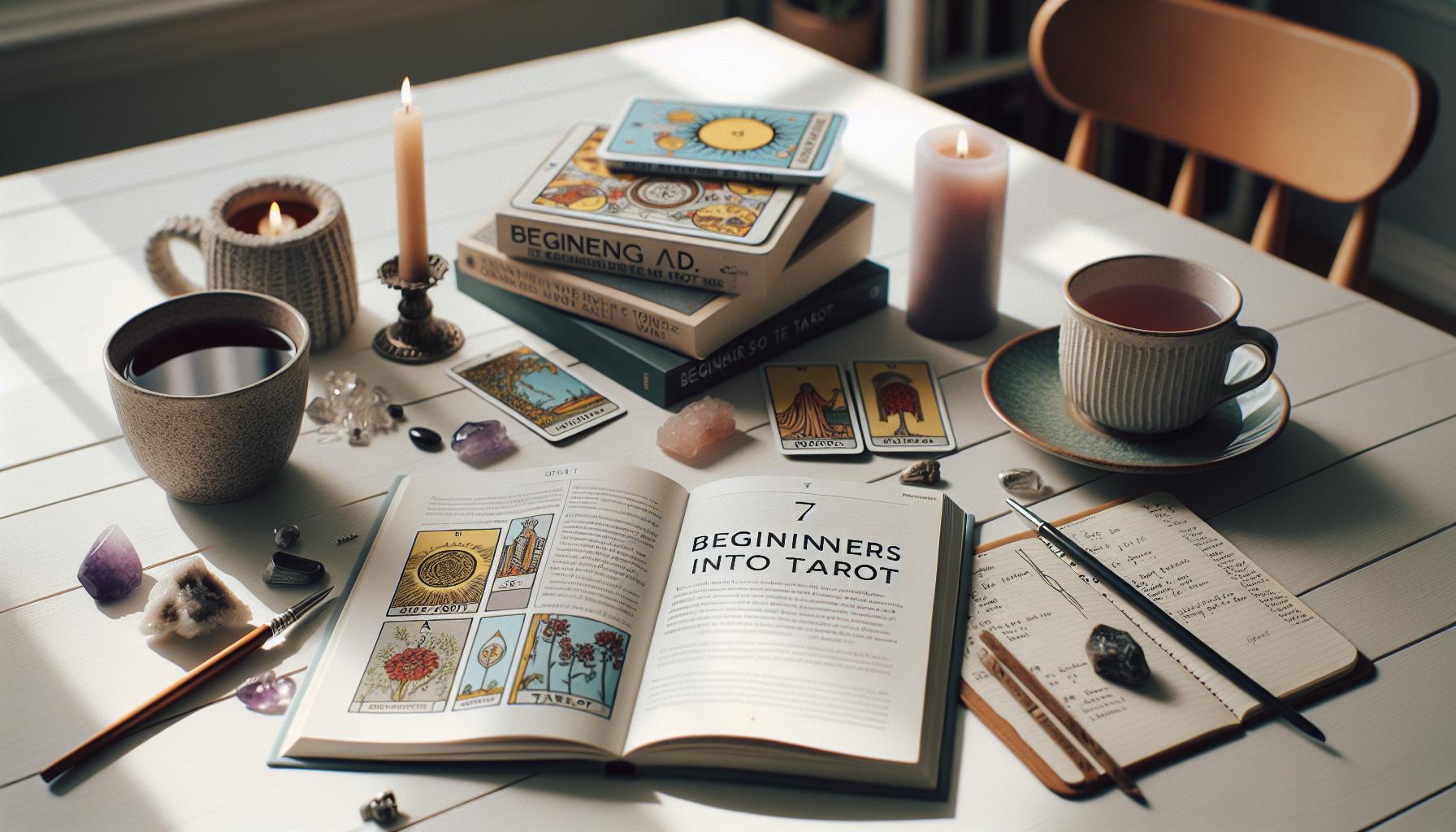
Understanding the Basics of Tarot Cards
Understanding Tarot cards can feel like opening a door to hidden insights and deeper self-awareness. Each card serves as a unique symbol that reflects different aspects of life and human experience, allowing you to explore your emotions, situations, and choices. At its core, Tarot is a tool for reflection, enabling you to tap into your intuition and provide clarity in uncertain times.
A typical Tarot deck contains 78 cards, divided into two main sections: the Major Arcana and the Minor Arcana. The Major Arcana consists of 22 cards that represent significant life events and spiritual lessons, such as The Fool, The Magician, and The Lovers. Each card has its own meaning, often associated with a particular theme or challenge. The Minor Arcana, on the other hand, consists of 56 cards divided into four suits (Cups, Pentacles, Swords, and Wands) that delve into everyday experiences and situations.
When starting with Tarot, it’s important to familiarize yourself with how to interpret these cards. You can approach readings by asking specific questions or reflecting on general themes in your life. As you lay out your cards, pay attention not just to their individual meanings but also to the relationships and patterns they form when positioned together. This blend of symbols creates a rich tapestry of insights, guiding you toward understanding your current path and potential outcomes.
Key Points to Remember:
- Each card symbolizes different aspects of life and can influence your interpretation.
- The Major Arcana cards signify major life themes, while the Minor Arcana reflect day-to-day challenges.
- Intuitive interpretation plays a vital role, so trust your feelings and interpretations while reading.
Starting your journey into Tarot can be a profound experience, offering you a path to not only understand the cards but also yourself. Trust in the process, welcome the insights that come, and remember that each reading deepens your connection with your inner wisdom. Whether you seek guidance or clarity, Tarot is a tool that anyone can use to navigate life’s complexities.
Choosing Your First Tarot Deck
is an exciting step in your journey into the world of Tarot, and there are many factors to consider. The right deck can resonate with your intuition and aesthetics, making your readings more meaningful and enjoyable. There are numerous styles and themes, from classic decks like the Rider-Waite-Smith to more modern, artistic interpretations. The vast selection can feel overwhelming, but it’s essential to choose a deck that feels right for you.
First, consider what draws you in visually. Spend time browsing different decks online or in stores. Look for imagery that speaks to your heart or evokes a particular feeling. Some decks feature rich symbolism and illustrations that can deepen your understanding of each card’s meaning. For example, the Wild Unknown Tarot offers striking black-and-white illustrations that might resonate with those who appreciate nature and simplicity, while the Cosmic Tarot combines traditional symbolism with a contemporary twist. Select a deck that feels harmonious with your energy and worldview.
Next, think about the purpose of your Tarot readings. Are you drawn to self-reflection, or do you want to read for others? Some decks are more suited for introspection and personal growth, like the Osho Zen Tarot, which focuses on mindfulness and awareness. Others, such as the Angel Tarot, are designed to provide uplifting messages and guidance. Reflect on your intentions, as this will help guide your choice.
Finally, don’t be afraid to trust your intuition. Many Tarot readers recommend handling the deck before making a purchase. If possible, shuffle the cards or simply hold the deck to sense its energy. Your first Tarot deck should feel like an extension of yourself, offering comfort and inspiration. Remember, there’s no “right” or “wrong” deck; it’s about finding what resonates with you personally. Each deck is a tool to uncover insights and enhance your intuitive abilities. Embrace the journey, and enjoy the exploration of this profound and magical practice.
Mastering Essential Tarot Spreads
Understanding various Tarot spreads is key to unlocking the potential of your Tarot journey. Each spread serves a distinct purpose and can reveal nuanced insights based on the positions of the cards. The right spread can deepen your interpretation and enhance your connection to the cards, making your readings more profound and accurate.
One of the simplest and most popular spreads for beginners is the Three-Card Spread. This spread can represent the past, present, and future, allowing you to see how past influences shape your current situation and where you might be headed. To perform this spread, shuffle your deck while focusing on your question or situation, then draw three cards and lay them in a row. As you interpret, think about how the meanings of the cards relate to each position. For example, if you draw the Hermit in the past position, it might suggest a time of introspection that has led to your current feelings of isolation represented by the Four of Swords.
For those looking for a more in-depth analysis, the Celtic Cross Spread is a well-known option among experienced readers. It consists of ten cards and covers various aspects of the querent’s life, including their current situation, challenges, and possible outcomes. This spread offers a comprehensive view, with each card representing a specific aspect of the reading, such as external influences or hopes and fears. While this spread can be more complex, focusing on one card at a time and relating it back to your original question can make it manageable.
As you become more confident, don’t hesitate to explore and create custom spreads tailored to your questions. It’s perfectly okay to experiment and note which cards resonate with your inquiries over time. Consider using positional meanings or themes that matter to you, like career, love, or personal growth. Documenting your readings in a journal can help track patterns and deepen your understanding.
Mastering these spreads and their interpretations will not only help you develop a more intuitive connection with your deck but also instill greater confidence in your readings. Remember, Tarot is a personal and evolving practice, so embrace each step of your journey with curiosity and openness.
Decoding Card Meanings: A Beginner’s Guide
To navigate the world of tarot, understanding the meanings behind the cards is essential for anyone starting their journey. The tarot deck typically consists of 78 cards, divided into two main sections: the Major Arcana and the Minor Arcana. The Major Arcana features 22 cards that represent significant life lessons and deeper spiritual insights, while the Minor Arcana comprises 56 cards that illustrate everyday events and situations. Each card carries its unique symbolism, emotional resonance, and guidance, which you can unlock through intuition and study.
To effectively start decoding card meanings, it’s beneficial to begin with the Major Arcana. Cards like The Fool symbolize new beginnings and adventure, while The Lovers can indicate relationships or choices. Reflect on how these archetypes connect to your personal experiences and seek to understand the lessons they impart. For the Minor Arcana, pay attention to the suits: Cups (emotions), Swords (thoughts and challenges), Wands (creativity and actions), and Pentacles (material aspects). Each suit offers insight into various life areas, enriching your interpretations.
Practical Steps for Decoding Meanings
- Start with a Card of the Day: Select one card each morning and explore its meaning throughout your day. This practice helps to familiarize yourself with card interpretations gradually.
- Utilize a Tarot Guidebook: Keep a tarot guidebook handy. Look up each card’s traditional meanings but also create space for your interpretations based on your daily experiences.
- Record Your Insights: Maintain a tarot journal. Write down each card’s meaning, your interpretations, and any relevant experiences. This reflection helps reinforce your learning.
- Practice with Spreads: As you become more comfortable, apply your card knowledge in tarot spreads-like the Three-Card Spread-to see how meanings shift based on context.
Real examples can also enrich your understanding. If you draw The Tower in a reading, it might symbolize sudden upheaval or insights that lead to transformation. Consider how that resonates with your current life experiences or feelings, inviting personal reflection into your readings.
Remember, tarot isn’t just about strict definitions; it’s a fluid practice inviting you to weave personal intuition into established meanings. Developing your skills in decoding card meanings will build a solid foundation for your tarot journey, enhancing your readings and connecting you more deeply to this ancient art.
Developing Your Intuition for Readings
Developing a strong sense of intuition is a key aspect of effective tarot readings, and it can often start as a fascinating yet daunting journey. Your intuition acts as a bridge between the concrete meanings of the cards and the unique, personal interpretations that resonate with you. Trusting your gut feelings can reveal profound insights during a reading, transforming how you connect with both the cards and the people you’re reading for.
Begin by creating a sacred space for your tarot practice. This can be as simple as setting aside a quiet area where you feel comfortable and undisturbed. Light a candle, burn incense, or play soft music-whatever helps you create an environment conducive to introspection. As you shuffle the cards, focus on your breathing, centering your energy and inviting intuition to emerge. This intentional preparation helps to quiet the mind and opens pathways for deeper insights.
As you draw cards, pay close attention to your initial impressions. What feelings or images come to mind when you see a card? For example, if you pull the Queen of Cups, you might feel warmth and compassion-this could suggest a call for emotional connection or support in your reading. Practice voicing these gut reactions before consulting guidebooks or traditional meanings; this builds your intuitive muscle and reinforces your personal interpretations.
Consider maintaining a tarot journal where you record not only the card meanings as you understand them but also any intuitive insights or feelings you have during your readings. Over time, patterns may emerge, revealing specific themes or messages that are significant to you. Additionally, practicing regularly with different spreads can enhance your ability to connect cards together intuitively. For instance, a two-card spread could be used to explore what needs nurturing (Cups) versus what needs action (Wands), enabling you to see how the energies play off each other.
Ultimately, the journey to developing your intuition while reading tarot is a personal and evolving experience. Embrace each reading as a chance to learn and grow, allowing your unique voice and feelings to shine through the symbolism of the cards. Trust that you are capable of profound insights, and remember that, like any skill, intuition gets stronger with practice and patience.
Crafting a Personal Tarot Ritual
Creating a personal ritual around your tarot practice can deepen your connection to the cards and enhance your intuition. This ritual doesn’t have to be elaborate or strictly defined; what matters is that it resonates with you personally, making your readings more meaningful and potent. Start by setting the stage for your readings-consider the space in which you practice, as the environment can greatly influence your mindset and energy.
Establishing Your Sacred Space
To craft an effective tarot ritual, begin by choosing a calm, quiet area where you can focus without interruptions. You might enhance this setting with items that hold personal significance, such as crystals, candles, or art that inspires you. Lighting a candle can symbolize opening a sacred space; each flicker serves as a reminder of the light guiding your insights. You may also select specific scents-like lavender for tranquility or sandalwood for grounding-to help you center your energy.
Preparing Your Mind and Energy
Before you shuffle the cards, take a few moments to center your thoughts. Breathing exercises can be a powerful way to focus; inhale deeply, hold for a count of three, and exhale slowly. As you clear your mind, invite your intuition to come forward. This is a time to set your intentions-what questions or themes would you like to explore during your reading? Write them down in a journal dedicated to your tarot practice for future reflection.
During your reading, consider the following simple steps to form a ritual that feels right for you:
- Shuffle with Intent: As you shuffle your cards, keep your question or theme in mind. Visualize your energy mixing with the deck.
- Draw Cards Mindfully: When you draw cards, do so with awareness. Pay attention to your immediate feelings and thoughts about each card.
- Reflect and Write: After your reading, take time to write down your interpretations and any intuitive insights. Over time, this will help you track your journey and growth.
Closing Your Ritual
Once your reading is complete, conclude your ritual by thanking the cards and your intuitive self for the insights you’ve received. You might also choose to ground your energy-this could be as simple as placing your hands on the floor or stepping outside for a moment, feeling the earth beneath your feet. Finally, extinguish your candle, symbolizing the end of your sacred time.
Embracing a personal tarot ritual empowers you to engage with the cards in a way that feels authentic and meaningful. As you develop and refine your practice, trust that this consistency will help deepen your understanding and navigate your tarot journey with confidence.
Common Mistakes New Tarot Readers Make
New tarot readers often approach this ancient practice with a mix of excitement and nervousness, eager to uncover its mysteries. However, the journey can be fraught with a few common pitfalls that may hinder your development and understanding. Recognizing these mistakes is a crucial step in cultivating a more fulfilling tarot practice.
One frequent error is neglecting to establish a personal connection with the cards. Beginners often rush to interpret card meanings based on traditional definitions found in books or online. While these resources are valuable, effective reading also stems from your intuition and personal experiences. Instead of merely memorizing meanings, spend time with each card. Reflect on how its imagery resonates with you and your life. You can even keep a journal to note your intuitive responses and feelings about each card as you study them.
Another common misstep is asking vague or overly complex questions during readings. Questions like “What does the future hold for me?” can lead to ambiguous answers that are difficult to interpret. Instead, aim for specific, focused inquiries such as “What should I be aware of regarding my career this month?” This clarity allows the cards to provide more actionable insights. Over time, you’ll learn how to refine your questioning for deeper exploration and understanding.
Additionally, many new readers overlook the importance of grounding and centering before a reading. Jumping straight into interpreting cards without preparing your mind can lead to scattered thoughts and unclear readings. Establishing a grounding ritual-whether through meditation, journaling, or simply taking a few deep breaths-can significantly enhance your connection to the cards and the insight they provide. Prioritize creating a calm environment, as this contributes to a more meaningful and intuitive experience.
Lastly, it’s essential to remain patient with yourself as you learn. Tarot is a nuanced art that takes time to master. Many fledgling readers become discouraged when their readings feel off or don’t resonate. Remember, each reading is a step on your journey. Embrace the learning process, and celebrate the small victories along the way. Trust that over time, your confidence and skill will grow, allowing your unique voice in tarot to flourish.
Exploring Advanced Tarot Techniques
Delving into advanced tarot techniques can elevate your practice from simple readings to profound insights that resonate on multiple levels. As you grow more comfortable with the basics, integrating these techniques can deepen your understanding of the cards and enhance your intuitive decisions during readings. One powerful method is intuitive card pairing. By drawing two cards at once and examining how they interact, you can uncover nuanced meanings and connections that individual cards alone may not reveal. For example, pairing The Lovers with The Tower might suggest a challenging relationship period marked by transformation and upheaval.
Diving Deep with Advanced Spreads
While traditional spreads like the three-card or Celtic Cross layouts provide great foundation, experimenting with more complex spreads can offer fresh perspectives. The Horseshoe Spread, for example, consists of seven cards that explore past influences, present situations, and future possibilities. This spread not only highlights key areas of focus but allows for a multi-faceted exploration of the querent’s inquiry. Practicing this spread can build confidence in your interpretation skills as you balance various elements and themes.
Using Astrology and Numerology
Incorporating astrology and numerology into your tarot practice can further enhance your readings. Each tarot card is associated with astrological signs and planetary influences, providing a rich layer of meaning. You might consider researching the astrological correspondences of the cards in your deck. For instance, understanding that The Chariot is linked to Cancer can deepen your interpretations related to emotional journeys or family matters. Additionally, using numerology to explore the significance of numbers in your spreads – such as repeating numbers or the total value of a reading – can guide you in uncovering deeper patterns in the messages the cards convey.
Building Your Tarot Library
To support your advanced learning journey, curate a personal tarot library. This can include various tarot guidebooks spanning different traditions and philosophies, as well as journals to document your readings and experiences. Creating dedicated spaces for reflections and notes can help identify patterns in both your readings and interpretations, refining your intuitive skills over time. As you compile insights, don’t shy away from coloring outside the lines of established interpretations and embracing your personal views-every reader brings their own unique lens to the cards.
By exploring these advanced techniques and methodologies, you’ll not only enhance your tarot readings but also cultivate a richer, more fulfilling relationship with the cards. Trust the process, and allow your intuition to guide you on this thrilling pathway of discovery. Each layer you peel back reveals more about the incredible tapestry of life, both for yourself and those who seek your insights.
Integrating Tarot with Other Spiritual Practices
can deepen your understanding and enhance your intuitive abilities. Many readers find that combining tarot with modalities like meditation, journaling, or even healing can create a more enriched spiritual experience. For instance, before a tarot reading, taking time to meditate on your intention can help clarify your focus and open your mind to receiving insights. This practice fosters a state of calm and awareness that enhances your connection to the cards.
Combining Tarot with Meditation
Meditation is a powerful tool for grounding your energy and enhancing your psychic abilities. Start by selecting a card that resonates with you, then meditate on its imagery and symbolism. As you visualize the card, pay attention to the thoughts and feelings that arise. This can reveal personal insights and connections that might not be evident during a traditional reading. For example, meditating on The High Priestess can help you tap into your intuition and explore deeper layers of your subconscious.
Journaling Your Insights
After your readings or meditative sessions, take time to journal your findings. Documenting your experiences allows you to track your growth and notice patterns over time. You might want to jot down your thoughts on each reading’s outcome, personal feelings, and how certain cards affected your intuition. This creates a valuable reference for future readings. Plus, reflecting on past interpretations can deepen your understanding of the tarot’s messages and how they apply to your life.
Working with Crystals and Herbs
Incorporating crystals and herbs can add another dimension to your tarot practice. Consider laying out crystals that correspond to the cards you draw; for instance, using amethyst for The High Priestess can support spiritual growth. You can also create herbal blends or essential oil blends that resonate with your readings, enhancing the overall energy of your space. Taking rituals a step further, you might burn specific herbs like sage or palo santo before a reading to cleanse your environment, promoting clarity and connection.
Embracing these practices can enrich your tarot experience, opening up a pathway to deeper insights and personal growth. As you blend tarot with other spiritual tools, you’ll discover a more profound connection not just to the cards but to your own intuitive wisdom. Trust in your ability to weave these practices together, and watch how your understanding of tarot evolves.
Finding Community: Where to Learn and Share
Connecting with a community of tarot enthusiasts can significantly enrich your journey, offering both support and insights that deepen your understanding of the cards. Whether you are a curious beginner or a seasoned reader, sharing your experiences and learning from others can enhance your practice. Consider starting by joining online forums and social media groups dedicated to tarot reading. Websites like Reddit, Facebook, or specialized tarot communities provide spaces to ask questions, share readings, and receive constructive feedback.
Local metaphysical shops often host tarot meet-ups or workshops, creating opportunities for in-person connections. Attending these events can introduce you to experienced readers and fellow learners, fostering an environment where you can exchange ideas and experiences. Keep an eye out for beginner classes, where you can learn foundational spreads and card meanings in a supportive atmosphere.
Online Resources and Communities
The internet is a treasure trove of resources for tarot students. Here are some platforms where you can deepen your knowledge and connect with others:
- Tarot Forums: Websites like Aeclectic Tarot offer active forums where you can discuss interpretations, spreads, and personal experiences.
- Social Media: Follow tarot influencers on Instagram or TikTok. Many share daily card pulls and insights that can inspire your readings.
- YouTube Channels: Look for channels dedicated to tarot education. Many creators provide instructional content on card meanings and spreads.
Engaging with a community not only helps you learn but also builds your confidence in conducting readings. Sharing your own experiences can illuminate different perspectives and interpretations. Collaborating on readings or participating in group spreads amplifies this effect, making learning more dynamic and interactive.
Remember, every tarot reader has their own unique style and approach. Respecting these differences while sharing your insights creates a nurturing environment for growth. Embrace the diversity within the tarot community, as it reflects the myriad ways the cards can touch our lives. Cultivating these connections will empower you on your tarot journey, helping you build a deeper understanding of the cards and your intuitive abilities.
Resources for Deepening Your Tarot Journey
To enhance your tarot journey, tapping into various resources can provide you with the knowledge and support you need. The tarot world is vast, filled with rich traditions, insights, and a community of learners just like you. By exploring different avenues, you not only deepen your understanding but also gain diverse perspectives that can enrich your readings.
Start by exploring insightful books that lay the groundwork for tarot study. Look for classics like The Tarot Bible by Sarah Bartlett, which offers clear explanations and card meanings suitable for all levels. Another excellent choice is Seventy-Eight Degrees of Wisdom by Rachel Pollack, known for its deep dive into the symbolism and philosophy behind each card. A blend of theory and practical application in these texts will help you build a strong foundation.
Engaging with online platforms can also be incredibly beneficial. Websites like Aeclectic Tarot not only host forums for discussion but also offer extensive resources on spreads and card interpretations. YouTube channels dedicated to tarot education can provide visual learners with practical demonstrations on how to conduct readings. Tutorials often cover everything from simple spreads to advanced techniques, making them a great supplement to your readings.
In addition to books and online content, consider downloading mobile apps designed for tarot practice. Many offer card meanings, daily pulls, and even virtual readings that you can perform anytime. Apps like Labyrinthos or Golden Thread Tarot cater to both beginners and seasoned readers, providing engaging learning experiences at your fingertips.
Finally, remember the power of practice. Conducting readings for friends or even journaling your own interpretations can solidify your learning. Create a tarot study group or find an online circle to share your insights and experiences. This collaborative approach not only builds confidence but also fosters a supportive network that encourages growth and exploration in your tarot practice.
Embracing Your Unique Tarot Reading Style
Embracing your distinctive approach to tarot reading is one of the most fulfilling aspects of your journey. Every reader is unique, bringing their personal experiences, intuition, and cultural backgrounds into each reading. This diversity in perspective enriches the tarot community and creates a mosaic of interpretations that celebrate individuality.
To start cultivating your own style, consider these key aspects:
- Trust Your Intuition: The core of tarot is about tapping into your instincts. Begin a practice of regular readings-whether for yourself or friends-and pay attention to the intuitive insights that surface. Document your thoughts in a journal to identify themes in your interpretations.
- Personalize Your Deck: While traditional interpretations exist for each card, don’t hesitate to introduce personal meanings based on your life experiences. This can include associating certain cards with particular emotions, events, or people in your life.
- Experiment with Layouts: Beyond standard spreads, experiment with layouts that resonate with you. Try creating your own spread tailored to specific questions or themes that are significant in your life. This practice can lead to a sense of ownership over your readings.
- Incorporate Other Practices: Many readers blend tarot with other modalities such as astrology, crystal energy, or meditation. Integrating these practices can enrich your readings and build a holistic understanding of the situations at hand.
Remember, developing your style is a journey that evolves. As you engage with tarot more, your methods and interpretations will naturally refine. Don’t be afraid to learn from others while still allowing your uniqueness to shine through. A reading should feel authentic to you, so embrace what resonates. In time, you will find that your distinctive voice in tarot not only enhances your personal readings but also offers invaluable insights to others.
Faq
Q: What should I know before starting Tarot reading?
A: Before beginning Tarot reading, understand that Tarot is a tool for intuition and insight. Familiarize yourself with the deck, study card meanings, and practice with simple spreads. Building a personal connection with your cards enhances readings. You can explore our section on Understanding the Basics of Tarot Cards for more foundational knowledge.
Q: How can I choose the right Tarot deck for beginners?
A: Choosing a Tarot deck involves selecting one that resonates with you. Look for decks with imagery that speaks to your intuition. Consider styles like RWS (Rider-Waite-Smith) for a classic experience. Explore our article section on Choosing Your First Tarot Deck for helpful tips on making your choice.
Q: What are the most common Tarot spreads for beginners?
A: For beginners, the three-card spread is ideal as it provides insights into past, present, and future influences. Other options include the Celtic Cross for more detailed readings. Review our Mastering Essential Tarot Spreads section to find spreads that suit your practice.
Q: How do I interpret Tarot card meanings as a beginner?
A: Start by focusing on your intuition when interpreting cards. Use guidebooks and online resources for definitions. Analyze the symbols, colors, and emotions the card evokes in you. For a deeper understanding, visit our Decoding Card Meanings: A Beginner’s Guide section.
Q: What is the best way to practice Tarot reading?
A: Practice daily by doing one-card draws to cultivate intuitive insights. Keep a Tarot journal to note your readings and reflections. Engaging with a community can also enhance your skills. Check out our section on Finding Community: Where to Learn and Share for support.
Q: How can I develop my intuition for Tarot readings?
A: Developing intuition involves regular practice and mindfulness. Meditate with your cards, and engage in free writing about what each card brings to mind. Explore our discussion on Developing Your Intuition for Readings to find techniques that resonate with your practice.
Q: What are some common mistakes new Tarot readers make?
A: Common mistakes include over-relying on guidebooks and not trusting your instincts. Another is neglecting to establish a ritual before readings. Learning from these errors can significantly improve your practice. For detailed insights, see our section on Common Mistakes New Tarot Readers Make.
Q: How can I integrate Tarot with other spiritual practices?
A: You can integrate Tarot with meditation, journaling, or even astrology to enhance your spiritual growth. Combining practices can lead to deeper insights and clarity. Explore more on Integrating Tarot with Other Spiritual Practices to expand your experience.
In Conclusion
As you embark on your journey into the world of Tarot, remember that each card holds a story, waiting for your intuition to unlock its meaning. You’ve learned foundational insights and practical steps to get started-now it’s time to put your new skills into practice. Whether you choose a daily draw, explore your intuitive interpretations, or delve deeper with a 3-card career reading, the Tarot is your companion in uncovering the wisdom within.
Don’t let uncertainty hold you back! Now is the perfect moment to explore more. Dive into our detailed guide on the four Tarot suits to deepen your understanding, or check out our daily Tarot reading to seek guidance for today. If you found this roadmap helpful, consider subscribing to our newsletter for ongoing tips and insights that empower your Tarot journey.
Embrace the magic of Tarot; your intuition is your greatest asset. Share your experiences in the comments below, and connect with fellow seekers who are on this adventurous path with you. Remember, every reading is a step toward greater clarity-let’s keep exploring together!