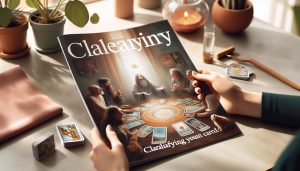
Creating your own tarot cards is not just an artistic endeavor; it’s a deeply personal journey into intuition and self-discovery. Did you know that customizing your tarot deck can enhance your readings by infusing your unique energy and symbolism into the cards? Whether you’re a seasoned reader or a curious beginner, crafting your own cards allows you to connect more profoundly with the messages they convey. This DIY guide will walk you through the steps to design and create a deck that resonates with your spirit, helping you express your intentions and harness your intuition in new ways. As we explore creative techniques and materials, you’ll discover how making tarot cards can be a fulfilling and enlightening experience, inviting you to engage with the art of tarot like never before. Let’s dive into this creative adventure and unlock the magic within your unique deck!
Understanding the Tarot: A Brief History and Significance
The Tarot is more than just a deck of cards; it embodies centuries of mystery, symbolism, and spiritual inquiry. Emerging in the mid-15th century, the Tarot began as a playing card game in Europe, particularly in Italy, known as Tarocchi. Over time, the cards transitioned from simple entertainment to a tool for divination, largely thanks to the esoteric movements of the late 18th century that embraced their mystical potential. This transformation sparked a rich tapestry of meanings and associations, intertwining diverse influences from various cultures, including Kabbalah, astrology, and alchemical principles, which have evolved over the years.
The significance of the Tarot extends beyond mere fortune-telling. Each of the 78 cards in a traditional Tarot deck is imbued with symbolic imagery and thematic depth, addressing universal human experiences and emotions. The Major Arcana, consisting of 22 key cards, represents significant life events or spiritual lessons, while the 56 Minor Arcana captures the daily nuances of life through four suits-Cups, Wands, Swords, and Pentacles. This duality allows for a richer understanding of one’s journey, inviting users to explore their inner landscapes and confront challenges with insight and intuition.
Creating your own Tarot cards can deepen this connection to the practice. When you design each card, you’re not just modifying existing symbols; you’re infusing your personal experiences, beliefs, and artistic vision into them. This direct engagement can enhance your intuitive abilities, making the reading experience more meaningful. By researching traditional interpretations and melding them with your unique perspective, you can build a deck that resonates authentically with you, allowing for more profound personal insights and revelations as you navigate your life’s path.
As you embark on designing your Tarot deck, remember that the journey is just as significant as the destination. Each card crafted is a step towards understanding not only the ancient symbolism of the Tarot but also your connection to the spiritual and intuitive realms that guide us all. Embrace this creative process; it’s an invitation to dialogue with the universe and, ultimately, with yourself.
Essential Materials Needed for DIY Tarot Cards
Creating your own Tarot cards can be a deeply rewarding experience, and having the right materials is essential to bringing your vision to life. Starting with quality materials not only affects the final look and feel of your deck but can also enhance your connection to each card. Here’s a curated list of the essential supplies you’ll need for this creative endeavor.
Card Stock
Choosing the right card stock is crucial. Look for a medium to heavy weight paper, ideally between 300-350 gsm. This thickness will ensure your cards are durable and can withstand shuffling while maintaining a professional feel. Consider options like linen or matte finishes for added texture.
Design Tools
To design your cards, you might want various tools depending on your artistic preference:
- Digital Software: Programs like Adobe Illustrator or free options like GIMP can help you create and manipulate designs easily.
- Traditional Art Supplies: If you prefer the hands-on approach, use high-quality markers, watercolor paints, or colored pencils.
Combining digital and traditional methods can yield unique results, so feel free to experiment!
Printing Supplies
Once your designs are ready, consider how you will print them. Here’s what you’ll need:
- Printer: A high-resolution printer is best for clear and vibrant prints. If you want a professional touch, consider using a local printing service.
- Protective Coating: A spray sealant or laminate can protect your cards from wear and tear after printing.
Trimming and Finishing
To finalize your cards, you’ll need tools to cut them to size:
- Paper Cutter or Scissors: A precision paper cutter will ensure straight, clean edges.
- Corners Rounder: To give your cards a finished look, rounding the corners can prevent wear and make shuffling easier.
Incorporating these materials into your DIY Tarot project not only anchors your creative expression but also creates a tangible connection to your cards. As you embark on this artistic journey, remember that every tool and material has potential to guide and inspire your interpretation of the Tarot, making the process as enlightening as the readings themselves. Embrace each step with joy, and let your intuition guide your craft!
Step-by-Step Guide to Designing Your Tarot Cards
Designing your own Tarot cards can be an inspiring journey that taps into your creativity and intuition. Each card you create is not just an artwork but a personal expression of your spiritual journey and understanding of the Tarot. The following steps will guide you through the design process, helping you bring your unique vision to life.
Start by brainstorming ideas for each card. Consider what each card represents in the Tarot system, the archetypes involved, and how these meanings resonate with your own experiences. Create a mood board with images, colors, and symbols that evoke the emotions and themes you want to convey. This visual reference can serve as a foundation for your designs.
Once your concepts are clear, begin sketching. You don’t need to be a professional artist; doodles and simple sketches can help articulate your ideas. If you’re using digital tools, programs like Adobe Illustrator or Procreate allow for easy experimentation, while traditional methods with pencils or markers can bring a tangible quality to your work. Choose to illustrate scenes, symbols or characters that resonate with your interpretations of each card.
After finalizing your designs, it’s time to refine them. Pay attention to the balance and composition of each card. Consider how colors harmonize and how symbols interact within the frame. Use layers of depth or texture to bring your ideas to life; perhaps a card for “The Fool” could incorporate light and airy elements, while “The Tower” might use bold, jagged lines to heighten tension. This attention to detail helps to enhance the card’s message and your emotional response to it.
To complete your designs, prepare them for printing. Ensure every artwork is scanned at high resolution if created traditionally. Set your layout according to the dimensions of your chosen card stock. Remember, it’s important to leave a small margin for trimming. Once printed, resist the temptation to rush this stage; take your time to ensure each card is visually perfect and holds the energy you’ve channeled into it.
Creating your own Tarot deck is not just a creative project, it’s an intimate journey of self-discovery and expression. As you design each card, let your intuition guide you, trusting that your unique interpretations will resonate with both you and those who encounter your creations. Enjoy this process of connection and creativity!
Choosing Themes and Symbols for Your Cards
When embarking on the creative journey of making your own Tarot cards, choosing the right themes and symbols is a foundational step that shapes the entire deck. Every card should resonate with personal significance, allowing it to become a powerful tool for intuitive exploration and connection. Start by reflecting on the core messages you wish to convey with your deck. Consider what themes resonate with your life experiences, aspirations, and beliefs. This lens of personal connection not only makes the cards meaningful to you but can also enhance your readings for others.
Exploring Themes
Begin your theme exploration by creating a list of concepts that speak to you. Common themes include:
- Nature: Symbolizing growth, cycles, and the natural order.
- Mythology: Drawing from stories and archetypes that inspire.
- Emotion: Representing feelings like love, fear, joy, and angst.
- Personal Growth: Highlighting paths of self-discovery and transformation.
Each theme can lead to profound insights when designed thoughtfully. For instance, if you choose a nature theme, you might incorporate imagery like trees for the *Empress*, water for the *Moon*, or mountains for the *Hierophant*. These symbols connect abstract Tarot meanings to ideas that are tangible and relatable.
Selecting Symbols
Next, dive into the world of symbols. Symbols can convey layered meanings, so choose elements that encapsulate the energy of the card they represent. Here are some steps to guide you through this process:
- Research: Look into traditional Tarot symbolism, but don’t hesitate to adapt or redefine them based on your understanding.
- Personal Resonance: Consider symbols that hold importance in your life. Maybe a specific flower reminds you of a pivotal moment, or a bird represents freedom for you.
- Visual Inspiration: Create a vision board with images, colors, and patterns that resonate with your themes. This can guide your designs and help refine your ideas.
Moreover, think about how symbols interact across your cards. Cohesiveness in visual elements will enhance the overall aesthetic and storytelling of your deck. For example, use a specific color palette or style of illustration throughout to unify your cards culturally and visually.
As you immerse yourself in the crafting of themes and symbols, remember to trust your intuition. Your unique interpretations will turn ordinary images into potent symbols of your journey, making your Tarot deck not just a collection of cards, but a deeply personal narrative that guides your reflections, readings, and growth. Embrace this creative process-each choice you make draws you closer to your own truth and understanding of the Tarot.
How to Create Card Meanings and Interpretations
Creating your own Tarot card meanings and interpretations is one of the most rewarding aspects of crafting a personalized deck. This process allows you to infuse each card with your unique insights, emotions, and experiences, transforming them into a powerful tool for reflection and guidance. It’s essential to approach this stage with both creativity and intention, ensuring that the meanings resonate deeply with your personal journey.
Start by associating each card with experiences or themes from your life. A helpful practice is to list the traditional meanings of the Tarot cards you are using for your deck and then ask yourself how those themes have played out in your own story. For instance, if you are developing the *Tower* card, which represents upheaval and sudden change, reflect on moments in your life when unexpected events led to growth and insight. Document these personal experiences and consider how they could bring new depth to the traditional interpretation.
Building Your Interpretive Framework
As you create meanings, think about different contexts in which each card might appear. This context-based approach can help broaden your interpretations. Here are some aspects to consider:
- Love: How does this card influence romantic relationships or friendships?
- Career: What implications does this card hold for professional growth or challenges?
- Personal Development: How does it reflect your current growth or emotional state?
By examining cards within these frameworks, you can craft meanings that are multifaceted and relatable. Imagine how the *Star* card might signify hope and healing in a personal growth reading versus a career-related inquiry, where it might suggest inspiration and clarity in your professional path.
Creating Symbolic Connections
Finally, remember to integrate the symbols and themes you’ve developed in your earlier sections. Use imagery and keywords from your own experiences to flesh out each card meaning. For example, if you associated the *Sun* card with joy and vitality, consider adding a symbolic image that represents illumination or happiness from your life-perhaps a sunflower or a sunny day that holds significance for you. This connection deepens your understanding and emotional response to the card during readings.
Sharing your interpretations with friends or fellow Tarot enthusiasts can also enrich your journey. Different viewpoints can spark fresh insights and help you reassess your understandings. As you craft and refine your meanings, trust your intuition; remember that Tarot is as much about personal interpretation as it is about established tradition. Embrace the process; each card you imbue with personal significance becomes a mirror that reflects your growth, insights, and potential for transformation.
The Art of Card Finalization: Printing and Finishing Touches
Crafting your own Tarot cards is an exciting journey that culminates in a beautiful deck ready for use. However, the magic truly begins in the final stages of printing and finishing touches, where your ideas become tangible and ready for spiritual work. Selecting the right materials and processes not only enhances the appearance but also the energy of your cards.
Start by choosing your card stock. A high-quality, durable card stock-ideally, something around 300gsm (grams per square meter)-will ensure your cards are sturdy and able to withstand shuffling and frequent use. Many crafters opt for matte finishes, which can give a soft, vintage look but may require a bit more care to avoid fingerprints or smudges. Alternatively, a glossy finish can make the colors pop, enhancing visual appeal, but be cautious as it can sometimes make cards slippery. Consider experimenting with both finishes on a few test cards to see which aligns best with your desired aesthetic and tactile experience.
Once you’ve printed your cards, it’s time to move on to cutting and finishing. Precision is key here. Use a paper cutter for clean edges, ensuring all cards are the same size for a polished look. After cutting, you may want to round the corners of your cards, which can not only prevent wear but also make them more comfortable to handle. Corner rounders are a handy tool for this task.
Additionally, you can amplify the magic of your deck with protective coatings or lamination. Adding a layer of matte or glossy laminate can add durability and give your cards that professional feel. Some also choose to use a protective spray to seal the artwork-just be sure to allow adequate drying time to prevent any damage from moisture. Lastly, to deepen the connection to your personal energy, consider creating a unique backing design that resonates with you, perhaps featuring symbols or colors that hold significance in your spiritual journey.
As you finalize your Tarot deck, remember that this process is an extension of your creative expression and spiritual connection. Every decision you make-material, design, finish-should reflect your personal journey and intentions. Whether you share your deck with friends or keep it for personal use, take a moment to hold your finished cards and appreciate the energy and time you’ve infused into each piece. Your Tarot deck is now ready to guide you and those you choose to share it with through intuitive exploration.
Ideas for Unique Card Spreads and Layouts
Exploring unique card spreads and layouts for your Tarot practice can significantly enhance your readings, making them more insightful and tailored to specific questions. Whether you’re working with your handcrafted cards or a traditional deck, the arrangement of the cards is vital; it can influence interpretation and uncover deeper meanings.
Start with the classic Three-Card Spread, which is adaptable and perfect for beginners. This simple layout allows you to explore past, present, and future or distinct aspects of a single issue. For instance, you could draw three cards to represent your feelings, the situation, and the potential outcome. As you advance, try a Celtic Cross, a more complex layout that offers comprehensive insight into various dimensions such as influences, obstacles, and hopes. This spread consists of ten cards that provide a rich tapestry of understanding, excellent for delving into intricate situations or decisions.
| Spread Name | Number of Cards | Focus |
|---|---|---|
| Three-Card Spread | 3 | Past, Present, Future or Situation Aspects |
| Celtic Cross | 10 | Detailed Insight into Complex Situations |
| Relationship Spread | 6 | Evaluating Dynamics Between Two Parties |
| Year Ahead Spread | 12 | Monthly Insights into the Upcoming Year |
For something more unique, consider the Relationship Spread, which consists of six cards to evaluate the dynamics between partners. Each card can represent a member’s feelings, the relationship’s strengths, weaknesses, and possible future. This layout not only highlights individual perspectives but allows for a collaborative reflection on the partnership. Similarly, a Year Ahead Spread involves drawing one card for each month, providing a roadmap of energies and themes to anticipate throughout the year.
Personalizing your spreads is where creativity comes together with spirituality. Feel free to design a spread that addresses specific aspects of your life, such as career status, health, or spiritual growth. Name the positions based on what resonates with you, such as “blocks to success” or “lessons to learn.” You might also incorporate crystals or other items into your layout to further connect with your energy and intention during the reading.
Ultimately, the key is experimentation. Don’t hesitate to mix and match spreads or create your own unique layout that speaks to your inquiries. Document your experiences and insights-over time, you’ll discover which spreads resonate with your intuitive style, enhancing both your readings and your connection with your custom-made Tarot deck.
Enhancing Your Tarot Experience: Personalization Tips
Creating your own Tarot cards is not just about crafting a tool for divination; it’s an expressive journey that transforms your personal experiences and beliefs into a tangible practice. Personalization is key to deepening your connection with the cards and enhancing your overall Tarot experience. Dive into this vibrant aspect of Tarot by integrating unique elements that resonate with your energies and intentions.
One fantastic way to personalize your cards is by incorporating your own imagery and symbolism. Start by exploring personal experiences, dreams, or even favorite quotes that resonate with the meanings of the cards. For instance, consider using photographs from your life for the imagery, or symbols that hold special meaning for you. This transforms each card into a personal talisman, making your readings resonate on a deeper level.
Color and Texture Choices
Colors and textures can dramatically affect the energy of your deck. Choose colors that align with your emotional states or intentions. For example, calming blues and greens can evoke serenity and clarity, while vibrant reds and yellows may energize and inspire bold actions. Additionally, experiment with different textures-smooth cards may feel elegant and current, while rough or distressed materials can impart a sense of antiquity and deep wisdom. Mixing these elements can create a unique sensory experience each time you shuffle and draw your cards.
Create Customized Spreads
Enhancing your Tarot readings can also be achieved by designing your own spreads tailored to your specific queries or situations. Move beyond traditional spreads by inventing layouts that reflect your unique concerns. Perhaps you want to understand personal growth; create a spread with positions like “Challenges,” “Learning Experiences,” and “Future Paths.” By naming and defining the positions, you cultivate a spread that speaks to your soul, providing insights that feel deeply personal and relevant.
Utilizing crystals, herbs, or even affirmations in conjunction with your readings can enrich your experience. Placing these items on your reading surface or intuitively incorporating them into your layouts may help amplify your intentions during a reading. For example, use amethyst for clarity and protection or rose quartz for love and compassion, creating a multi-layered approach to your Tarot practice.
Ultimately, the journey of personalizing your Tarot cards is a reflection of yourself. Embrace the process, trust your intuition, and don’t hesitate to change as you evolve. Each reading can reveal new meanings as your relationship with the cards grows. Encourage exploration-engage with every aspect of your Tarot deck-be it through artwork, spreads, or ritualistic practices. Personalization not only enhances the magical experience of Tarot but also fortifies your bond with your intuitive self.
Connecting with Your Cards: Rituals and Cleansing Practices
Establishing a deep and meaningful connection with your Tarot cards is essential for an enriching divination practice. Engaging in rituals and cleansing practices not only clears the energies attached to your cards but also enhances your intuition and enhances the spiritual bond you forge with them. Whether you’re a newcomer to Tarot or an experienced reader, integrating simple yet effective rituals into your routine can profoundly impact your readings.
A common and effective method for cleansing your Tarot deck involves the element of smudging. This practice uses the smoke from sacred herbs, like sage or palo santo, to clear out any stagnant energies. As you pass each card through the smoke, set an intention for cleansing-visualize the smoke absorbing any negativity or unwanted energies. This ritual can be done periodically, especially after intense readings or whenever you feel your deck needs a refresh.
Another helpful practice is charging your cards with intention. After you create your deck, hold each card in your hands and channel your energy into them. Speak your intentions aloud or in your mind; this could be a simple wish for clarity, insight, or understanding. Consider placing your cards on a windowsill under the moonlight, allowing the moon’s energy to amplify their power. Many believe that this lunar connection enhances intuition and encourages the cards to speak more clearly in divination.
Daily rituals can also reinforce your connection. Spend a few moments each day handling your cards, reflecting on their meanings, or drawing a single card to contemplate. This practice not only enhances your familiarity with the deck but cultivates a dialogue with the energies represented in the cards. For instance, when drawing a daily card, take a moment to meditate on its message and how it applies to your day. The more you engage with your Tarot, the more intuitive your readings will become.
Lastly, it’s crucial to consider the space where you read your cards. Create a sacred space that feels inviting and warm. Use items that resonate with you-crystals, incense, or objects that hold personal significance. When you regularly immerse yourself in this environment, you invite a deeper connection with the nuances of your Tarot practice, enriching your overall experience. Remember, the journey is as important as the destination; be gentle with yourself as you explore this mystical art, allowing your intuition to guide you.
Sharing Your Tarot Deck: Safety and Community Guidelines
When you create a Tarot deck, sharing it becomes a part of the creative and intuitive journey. Whether you’re looking to read for friends or share your cards within a community, there are important considerations to keep in mind regarding safety and etiquette. Respect for both the cards and the recipients will enhance the experience for everyone involved.
First, always approach sharing your deck with a clear intention. Before lending your cards or performing a reading for someone else, cleanse your deck, ensuring it’s free of any residual energies. This can involve simple rituals, such as passing the deck through the smoke of sage or holding the cards and visualizing a cleansing light surrounding them. Let your friends know the importance of this process, as it encourages respect for the cards and the messages they carry.
When sharing your Tarot deck, communicate openly about the experience. Explain your unique interpretations of the cards, and invite any questions. This not only enriches their understanding but also fosters a deeper engagement with the Tarot. If someone is new to Tarot, consider offering a brief introduction to the core meanings of the cards or the themes of the reading you plan to do. Creating a comfortable atmosphere where participants feel safe to express their thoughts is key.
It’s also essential to set boundaries about how and when your cards can be used. If you’re comfortable, allow others to handle your cards during a reading, but remind them of the care necessary to maintain their integrity. Suggest that friends wash their hands or handle the cards lightly to prevent bending or smudging. In cases of sharing your deck with a larger group or in workshops, create a sign-up sheet or rotation to manage access, ensuring that everyone has a turn while the cards remain well cared for.
Finally, prioritize building a supportive community around Tarot. Encourage sharing reflections about the readings and invite different perspectives to enrich the experience. When lending your deck, consider offering guidance on how to return the cards in condition as received, reinforcing a sense of respect for these tools of divination. By fostering an ethos of care, curiosity, and respect, you not only enhance your own intuitive practices but also invite others into the magic of Tarot in a welcoming manner.
Tips for Reading with Your Custom Tarot Cards
Reading with your custom Tarot cards can be a profoundly personal experience, drawing on the unique energies and meanings you’ve imbued into each card. The connection you build with your cards not only enhances your readings but also deepens your intuitive practice. Here are some essential tips to help you navigate the journey of reading with your handmade deck.
Start by familiarizing yourself with your custom cards. Set aside time for personal reflection on each card’s imagery, symbols, and intrinsic meanings. Engage with each card individually; consider journaling about your thoughts, feelings, and any intuitive messages that arise. This practice not only nurtures your connection with the cards but also solidifies your personal interpretations, which may differ from traditional meanings. Remember, the beauty of creating your own deck lies in the unique perspectives you bring to your readings.
When conducting a reading, establish a quiet, sacred space where you feel comfortable and focused. Before shuffling, take a moment to ground yourself-breathe deeply and visualize your intentions. You could say a short affirmation or intention that resonates with your inquiry. Consider using different spreads depending on your reading goals. For beginners, the three-card spread is an effective way to explore past, present, and future influences. More advanced readers may enjoy experimenting with complex layouts, tailoring them to reflect specific themes or questions.
Keep a notebook handy during your reading sessions. Document your thoughts about the messages you receive, as well as any shifts in emotional or intuitive responses throughout the process. This will help you track patterns and themes in your readings over time, revealing deeper insights into your intuitive growth. Sharing these experiences with supportive friends or fellow Tarot enthusiasts can also enrich your understanding, as outside perspectives often highlight nuances you may not have noticed.
Lastly, embrace the fluid nature of Tarot. Allow yourself to explore different interpretations and adapt your readings to fit the evolving meanings of your cards. Trust your intuition to guide you in your interpretations and don’t hesitate to experiment with combining elements from different spreads or techniques. Tarot is not just about providing answers; it’s a journey of self-discovery, intuition, and creativity. Embrace the magic of your custom deck, and remember that every reading offers a chance to connect deeper with yourself and the world around you.
Advanced Techniques: Using Tarot for Intuitive Growth
Using Tarot as a tool for intuitive growth is a journey of self-discovery, allowing you to tap into your inner wisdom and insights. By approaching your readings with an open heart and mind, you can cultivate a deeper understanding of yourself and the world around you. Here are some advanced techniques to enhance your Tarot practice and promote intuitive growth.
Start with Intuitive Card Associations. Resist the urge to rely solely on traditional meanings. Instead, allow your personal experiences and emotions to shape your interpretations. When you draw a card, ask yourself: “What does this imagery evoke within me?” or “How does this relate to my current situation?” Keeping a journal to document these reflections can help you track your evolving relationship with your cards and reveal patterns over time.
Exploring Thematic Spreads
Incorporate thematic spreads that focus on specific areas of your life or emotional states. For instance, you might create a spread dedicated to personal empowerment, drawing cards that represent your strengths, challenges, and actions. This not only helps in gaining clarity on pressing issues but also aids in recognizing opportunities for growth. Unique spreads could include three cards for mind, body, and spirit, or a timeline spread to explore the influences over a project or relationship.
Another powerful technique is to align your card pulls with life events or phases. If you’re experiencing a transition, such as starting a new job or moving, create a spread that addresses the journey ahead. You can ask targeted questions, such as, “What do I need to release from my past?” or “What strengths can I harness during this change?” This approach helps you stay grounded and aware of your intuitive guidance amidst changes.
Mindfulness in Practice
Finally, incorporate mindfulness practices into your Tarot readings. Before starting a session, take a few moments to meditate, focusing on your breathing and allowing thoughts to float away. This mental clarity will set a receptive tone, enhancing your ability to connect with the messages of the cards. After your readings, reflect on the experience and the insights gained, solidifying your understanding of how Tarot interacts with your intuition.
By embracing these advanced techniques, you create a dynamic practice that fosters both personal growth and intuitive development. Remember, Tarot is not merely about divination; it’s a canvas for self-exploration and transformation, inviting you to explore the depths of your intuition and creativity together.
FAQ
Q: What supplies do I need to make my own tarot cards?
A: To create your own tarot cards, you’ll need basic supplies such as cardstock paper, markers or paints, scissors, and a cutting tool. Additionally, consider having lamination sheets for durability and glue for attaching any embellishments. For a more personalized touch, incorporate stickers or photos that resonate with you.
Q: How can I ensure my tarot cards are unique?
A: To make your tarot cards unique, choose distinct themes and symbols that reflect your personality or experiences. Explore artistic styles like collage, painting, or digital design. Incorporating personal stories or elements of nature can also enhance their individuality, making each card resonate on a deeper level.
Q: How do I come up with card meanings for my tarot deck?
A: When developing card meanings, reflect on the traditional interpretations while also considering your personal insights. Keep a journal to document your thoughts and experiences related to each card. This process makes your interpretations more authentic and relevant to your readings.
Q: How should I design the back of my tarot cards?
A: Design the back of your tarot cards to be visually appealing and symbolic. Use patterns, colors, or logos that represent your personal style or the overall theme of your deck. Ensure the design is not too intricate so it maintains clarity when shuffled. Consider adding a protective symbol for added intention.
Q: What is the best way to finish my homemade tarot cards?
A: To finish your homemade tarot cards, consider using lamination for durability and resistance to wear. Alternatively, apply a sealant spray to protect the artwork. Always allow drying time before handling them. This process will help maintain their quality for longer periods and enhance their physical appearance.
Q: Can I use digital tools to create my tarot cards?
A: Yes, using digital tools to create tarot cards is a great option! Software like Adobe Illustrator or Procreate allows for precise designs and easy adjustments. Once completed, you can print your designs on cardstock or use a professional printing service to achieve a polished look.
Q: How can I effectively connect with my tarot cards after making them?
A: To connect with your newly created tarot cards, establish a cleansing ritual such as burning sage or using crystals. Spend time meditating with the deck, focusing on your intentions and energy for each card. Regular readings will strengthen your connection and familiarity with them for intuitive use.
Q: What are some creative ideas for tarot spreads using my custom cards?
A: When using your custom tarot cards, experiment with unique spreads like the Three-Card Spread, focusing on past, present, and future, or create a Self-Discovery Spread with positions for strengths, weaknesses, and guidance. Customizing the spreads will make your readings more personal and insightful.
The Conclusion
Congratulations on taking the first step towards crafting your own unique tarot cards! Not only will this project deepen your connection to the cards, but it will also enhance your intuitive skills and personal insights. Remember, these decks are more than just tools; they are extensions of your creativity and spiritual journey. If you’re eager to expand your knowledge even further, explore our guide on the 4 Tarot Suits for a deeper understanding of the meanings behind your cards, or try our 3-Card Tarot Career Reading to gain insights into your professional path with the cards you’ve created.
Don’t hesitate to share your card-making experiences in the comments below-we’d love to see your creations! If you found this guide helpful, consider subscribing to our newsletter for more tips and resources on tarot and personal growth. Your journey with tarot has just begun, and we’re here to support you every step of the way!
Get our latest guides, news, and insights highlighted in your Google Search & AI Overviews.