
Have you ever felt uncertain about your path and wished for guidance? Tarot cards have been used for centuries as a powerful tool for self-reflection and insight. If you’re new to tarot, learning how to use these cards can feel a bit daunting, but it doesn’t have to. This guide will walk you through your first ritual, helping you connect with your intuition and harness the wisdom available within the cards. We’ll explore simple steps, clear meanings, and engaging techniques designed for beginners. So, whether you’re seeking clarity in relationships, career choices, or simply your daily energy, let’s unlock the magic of tarot together and empower your intuitive journey!
Choosing Your First Tarot Deck: A Beginner’s Guide
Choosing your first Tarot deck can feel like a daunting task, but it’s also one of the most exciting steps on your Tarot journey. The right deck can resonate with your intuition, allowing you to connect more deeply with the cards and the messages they convey. There are countless options available, each with its unique illustrations, themes, and energy. Exploring these options is essential, as the perfect deck for you is one that feels inviting and sparks a sense of curiosity.
Start by considering what attracts you most. Are you drawn to traditional decks like the Rider-Waite-Smith, known for its rich symbolism, or perhaps a more modern, whimsical deck that aligns with your artistic sensibilities? Visual appeal is vital-spend some time looking through various decks online or in a local shop and notice which imagery resonates with you. It’s not unusual to feel an instant connection with certain cards or art styles, which can guide your choice.
Additionally, think about the themes that speak to you: do you prefer decks that emphasize astrology, nature, or mythology? Many beginners find it helpful to choose a deck that tells a story or relates to their personal experiences. Once you’ve narrowed down your options, consider purchasing a deck that includes a booklet or guide, especially if you’re just starting. This resource can provide essential insights into the meanings of the cards, helping you navigate your first readings with confidence.
Finally, remember that there’s no right or wrong in choosing a Tarot deck-it’s a personal journey. As you handle your deck, take time to connect with it. Shuffle it, draw a few cards, and reflect on their meanings as they relate to your life. This practice not only builds familiarity but also enhances your intuitive abilities. Your first Tarot deck should feel like a friend, one that supports you as you delve into this mystical practice. Enjoy the exploration, and trust your instincts; the right deck will find its way to you.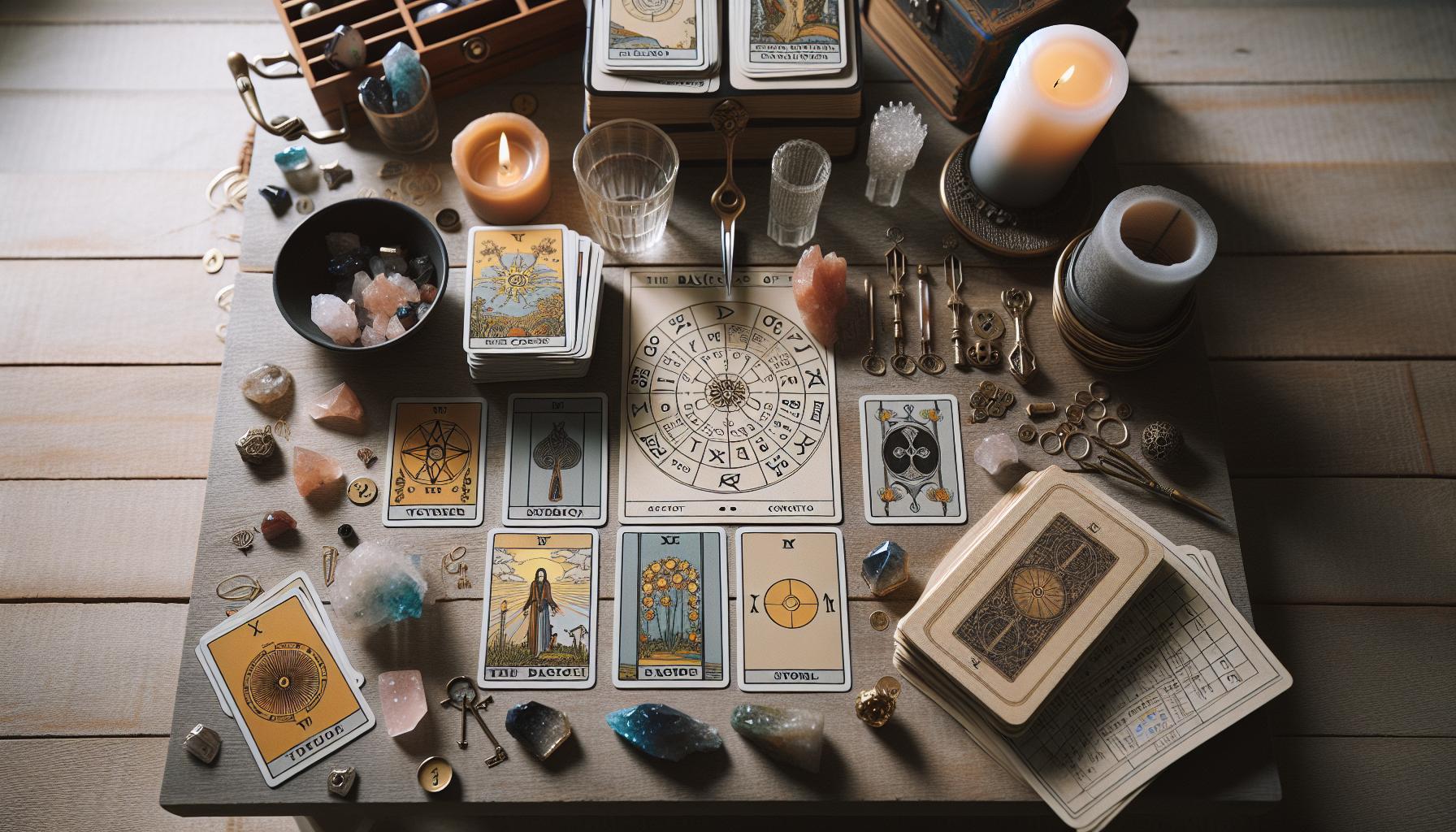
Understanding Tarot Card Basics: Suits, Numbers, and Symbols
Understanding the fundamentals of Tarot, including the significance of suits, numbers, and symbols, can illuminate your path as you begin this journey. Each Tarot card is a piece of a larger narrative, helping you to connect with your intuition and the energies around you. Tarot decks are divided into two main categories: the Major Arcana and the Minor Arcana. The Major Arcana represents significant life themes and lessons, while the Minor Arcana describes everyday events and experiences.
The Suits of the Minor Arcana
The Minor Arcana consists of four suits: Cups, Wands, Swords, and Pentacles. Each suit embodies different aspects of life:
- Cups: Associated with emotions, relationships, and the subconscious. This suit can reveal insights about love, connection, and personal feelings.
- Wands: Represents creativity, action, and inspiration. When Wands appear, they may signal new projects or the need for physical energy and drive.
- Swords: Linked to intellect, conflict, and decision-making. This suit often highlights challenges or the necessity of critical thinking.
- Pentacles: Relates to the material world, including finances, work, and physical health. Pentacles can reflect your relationship with money and stability in your life.
Understanding Numbers and Their Impact
Each suit contains numbered cards from Ace to Ten, plus four Court cards (Page, Knight, Queen, and King). The numbers add layers of meaning:
- Ace: New beginnings and potential
- Two: Choices, partnerships, and balance
- Three: Growth and collaboration
- Four: Stability and foundation
- Five: Conflict and change
- Six: Harmony and resolution
- Seven: Reflection and assessment
- Eight: Movement and action
- Nine: Fruition and attainment
- Ten: Completion and fulfillment
Decoding Symbols
Lastly, each Tarot card is rich with imagery and symbols that enhance its meaning. These symbols are often universal and can resonate differently for each reader. For instance, a card may feature a butterfly, symbolizing transformation and change. As you learn to interpret these symbols, pay attention to your initial feelings and thoughts that arise-trusting your intuition is key.
As you familiarize yourself with the suits, numbers, and symbols, you’ll find that they create a language of their own, guiding you through readings. Remember, the beauty of Tarot lies in its personal significance, inviting you to explore both the profound and the practical as you connect deeper with each card.
The Importance of Setting Intentions Before a Reading
Before diving into a Tarot reading, one of the most vital steps you can take is to set a clear intention. This practice involves defining what you hope to gain from your session, which can significantly shape the outcome of your reading. When you articulate your intention, you create a focused energy that empowers your connection with the cards. It’s like casting a net into the ocean of possibilities: the clearer and stronger your intention, the more accurately you can navigate through the currents of insight.
To effectively set your intention, begin by taking a moment to ground yourself. Find a quiet space where you feel comfortable and free from distractions. Take a few deep breaths, allowing yourself to relax and center your thoughts. Then, consider the specific question or area of your life you want to explore. This could range from seeking clarity on a relationship to guidance on a career decision. Writing it down can help solidify your intention, as visualizing your intention reinforces its importance in your reading.
Once your intention is clear, consider verbalizing it aloud. This act of speaking can further enhance your focus and help you connect deeply with the reading experience. For example, instead of a vague phrasing like, “What do I need to know?” you might say, “What steps can I take to improve my relationships?” The specificity of your intention can lead to more relevant and insightful interpretations of the cards drawn.
Setting intentions isn’t just about the question itself; it’s also about inviting openness and guidance. Remember to approach your reading with a sense of curiosity and receptivity. Acknowledge that the Tarot may bring forth insights that differ from your expectations, and be willing to embrace whatever messages come through. This mindset prepares you not only to receive information but to trust your intuition in interpreting the cards, enriching your Tarot journey and deepening your understanding of your own life narrative.
How to Properly Shuffle and Draw Tarot Cards
Opening your Tarot deck is an exciting moment, filled with potential and possibilities. Properly shuffling and drawing your cards is a crucial step in establishing your connection with the Tarot, allowing you to infuse your energy and intention into the practice. It may feel awkward at first, but with practice, this process will enhance your readings and deepen your intuition.
To start, cleansing your deck is a good practice, ensuring that it is free from any previous energies. You can do this by passing the deck through the smoke of incense or simply placing it under moonlight overnight. Once this is done, you can begin shuffling.
Shuffling Techniques:
- The Riffle Shuffle: Split the deck roughly in half and use your fingers to let cards cascade back together. This method is dynamic and mixes the cards well.
- The Overhand Shuffle: Hold the deck in one hand and use the other to draw small groups of cards from the top and place them back on the bottom. This method is gentle and gives you a sense of control.
- Spreading the Cards: You can also spread the cards face down on a surface and mix them around with your hands. This approach allows you to connect with the deck more visually and physically.
As you shuffle, focus on your intention. Think about the question or the guidance you seek. Feel free to say it aloud or hold it quietly in your mind. This is about creating a dialogue with the cards, aligning their messages with your inquiry.
When you feel ready, it’s time to draw your cards. If you’re using a specific spread-like a three-card spread for past, present, and future-draw the cards according to the layout you’ve chosen. If you’re looking for general guidance, just pull a card or two intuitively, trusting your instincts. Many readers like to draw cards that “jump” out while shuffling; these are often seen as particularly significant.
Lastly, give yourself permission to be curious and playful. Tarot is a journey unique to each individual. The more comfortable you become with the process of shuffling and drawing, the more natural and insightful your readings will become. Embrace the experience, trust your intuition, and let the cards guide you on your personal path of discovery.
Exploring Common Tarot Spreads for Beginners
When starting your Tarot journey, utilizing a simple spread can dramatically enhance your reading experience. Common Tarot spreads help to structure your readings, offering clarity and deeper insights into your queries. Whether you’re exploring your past, present, and future or delving into a specific situation, these foundational layouts will support your intuitive process.
A great point to begin with is the Three-Card Spread. This versatile layout allows you to draw three cards, each representing different aspects of your query-such as past influences, present circumstances, and future possibilities. For instance, if you’re wondering about a relationship, the first card might indicate events in the past that have shaped your connection, the second card reflects current dynamics, and the third offers insight into the potential future of the relationship. This simple yet effective spread is user-friendly for beginners, inviting exploration without overwhelming detail.
Next, consider the Celtic Cross Spread, although slightly more complex, it’s rich in detail and provides comprehensive insights. Here, you’ll draw ten cards, focusing on various elements such as your current situation, challenges, past influences, and future outcomes, among others. This layout offers a holistic view of your issue, making it particularly useful for deeper inquiries. As a beginner, you might start with just a few positions, gradually adding more cards as you gain confidence.
To embrace your practice fully, remember that with each spread, the key lies in reflection and intuition. Ask open-ended questions and allow the cards to guide your thoughts. The meanings of the cards can be further enriched by your feelings and the situation at hand, encouraging a personal connection with the messages they convey. As you explore these spreads, keep a journal to capture your thoughts and interpretations; this will become a valuable resource as your understanding deepens.
Using Tarot spreads not only structures your reading but cultivates your intuition. Each layout teaches you how to ask questions, interpret symbols, and trust your inner voice-vital skills for any Tarot reader. Remember, the journey of Tarot is uniquely yours, filled with insights and growth. Embrace the exploration, remain open to the messages of the cards, and enjoy the unfolding narrative of your practice.
Interpreting Your First Cards: Basic Meanings and Insights
When you first draw tarot cards, the experience can be both thrilling and a bit daunting. Each card holds a wealth of symbolic meanings, and understanding these can help reveal the messages your reading has for you. A first step in interpreting your cards is to ground yourself in the basics: the suits, numbers, and the overarching themes they represent. This foundational knowledge will empower you as you navigate through your readings.
The tarot deck consists of 78 cards, divided into two main sections: the Major Arcana and the Minor Arcana. The Major Arcana (22 cards) represents significant life events and spiritual lessons, featuring cards like The Fool and The World. Each card in this section is packed with deep meanings, often pointing to major transformative experiences. On the other hand, the Minor Arcana (56 cards) is divided into four suits: Cups, Pentacles, Swords, and Wands. Each suit corresponds to different aspects of life:
- Cups: Emotions, relationships, and love.
- Pentacles: Material aspects, finances, and career.
- Swords: Intellect, thoughts, and challenges.
- Wands: Creativity, action, and inspiration.
As you begin to interpret your cards, pay attention to both the upright and reversed positions. For instance, The Empress upright signifies abundance and nurturing, while reversed, it may indicate neglect or a need to reconnect with your creative energy. When drawing your cards, reflect on the question or intention you set before the reading. Each card you draw will resonate differently based on your current life context and emotional state.
Another key aspect is the card numbers. Numbers often carry their own symbolism: for example, Ace signifies new beginnings, while Ten suggests completion or culmination. Combining these meanings with the suit of the card can provide richer insights. As you interpret your first cards, keep a journal to jot down your intuitive thoughts-this not only aids in retention but also builds your confidence as you recognize patterns and themes over time.
Ultimately, interpreting tarot cards is an art that requires practice and openness. Approach your readings with curiosity rather than judgment. Each card drawn opens a conversation, inviting you to explore your inner landscape. Trust your intuition-allow the imagery and your feelings to guide your understanding. As you delve deeper, you’ll find that your unique insights will blossom alongside your growing tarot practice.
Creating a Personal Tarot Ritual: Enhancing Your Experience
Establishing a personal tarot ritual can transform your readings from mere card draws into a sacred practice that nurtures your intuition and enhances your connection to the cards. This ritual doesn’t have to be elaborate; it can be as simple as lighting a candle or dedicating a specific space in your home for readings. The key is to create an atmosphere that feels comfortable and focused, allowing you to invite clarity and insight into your practice.
Setting the Space
Begin by choosing a quiet, uncluttered environment where you feel relaxed. Consider incorporating elements that resonate with you personally, such as crystals, incense, or fresh flowers. A small altar or table can serve as a dedicated space for your readings. As you arrange this space, infuse it with your intentions-this could be mindfulness, grounding, or a quest for knowledge. This initial step is essential; it sets the tone for your ritual and establishes a visual and emotional cue that you are entering a reflective state.
Cleansing Your Cards
Before each reading, you may want to cleanse your tarot deck. This can be achieved through various methods, such as:
- Smudging: Use sage or palo santo to waft smoke over your cards, purifying them of any lingering energies.
- Sound: Ring a bell or chime near your cards to clear the air.
- Visualization: Close your eyes and envision a bright light enveloping your cards, removing any negativity.
Cleansing your deck not only protects your cards but also reinforces your intention to receive pure insights during your readings.
Creating Rituals for Intention Setting
Intentions are the heart of tarot readings. Before drawing cards, take a moment to reflect on what you seek to understand or explore. You might write your intention on a piece of paper and place it under your tarot deck while shuffling the cards. Speak your intention aloud as a way to reinforce it. This practice helps focus your energy and opens the door to deeper insights. For instance, if you’re seeking guidance on a challenging relationship, you could draw cards that address emotions, communication, and connection.
Closing the Ritual
Once your reading is complete, take a few minutes to absorb what you’ve learned. Reflecting on the insights you’ve gathered solidifies the messages you received. You might choose to write them down in a journal, which will also aid in tracking your growth over time. As a closing gesture, you can thank your cards, the space you created, and yourself for this enlightening experience. This expression of gratitude wraps up your ritual and signals the end of your reading, helping to integrate the messages into your daily life.
By crafting a personal tarot ritual that resonates with you, you can elevate your tarot practice, making it a profound tool for self-discovery and reflection. Embrace the journey with an open heart, and soon you will find that the cards not only reveal insights but also connect you to a deeper sense of self.
Using Journals and Notes: Tracking Your Tarot Journey
There’s something profoundly insightful about documenting your tarot journey. Keeping a journal not only reinforces your connections with the cards but also serves as a reflective tool for growth and understanding. By jotting down your daily draws, interpretations, and feelings, you’re cultivating a vibrant record of your evolving relationship with tarot.
Starting Your Tarot Journal
Choose a dedicated notebook or digital format that feels inviting. The medium is less important than the intention behind your writings. Here are some tips for what to include in your entries:
- Date: Document the date of your reading to track patterns over time.
- Deck Used: Note the specific tarot deck you used, as different decks can resonate differently.
- Spread Layout: Sketch or describe the spread you used and the positions of each card.
- Card Meanings: Record your interpretations of each card based on your intuition, reference material, or online resources.
- Feelings and Thoughts: Write about your emotional response to the reading and any immediate insights or questions that arise.
Reflective Practice
Returning to your journal entries is equally important. Set aside time weekly or monthly to review past readings. Ask yourself questions like:
- What themes are recurring in my draws?
- How have my interpretations evolved?
- What insights have I gained that I can apply to my life?
- Have any specific cards or spreads become particularly meaningful?
Reflecting on your journey reinforces learning and understanding, making it an essential component of growth as you learn to trust your intuition more deeply.
Enhancing the Experience
Consider using your journal creatively. You might want to include sketches of the cards, doodles that represent your feelings, or even snippets of dreams that relate to your readings. The more personal and expressive you make your journal, the richer your tarot experience will become. You could also create a separate section for questions you have for future readings, or for themes you want to explore in greater depth.
Tracking your tarot journey through a journal is a powerful way to amplify your insights and deepen your connection to the cards. Each entry offers a step into your own psyche, allowing you to observe how your responses shift with time and experience. Embrace this practice as a vital tool in your tarot repertoire, welcoming each entry as an opportunity for growth and understanding.
Integrating Tarot into Daily Life: Practical Tips
Embracing tarot as part of your daily life can transform your understanding of yourself and the world around you. The practice of integrating tarot into your routine not only enhances your spiritual journey but also becomes a tool for reflection and insight. Whether you’re seeking guidance on personal issues or simply want a moment of mindfulness, here are practical tips to help you incorporate tarot seamlessly into your everyday existence.
Daily Draws
Start each day with a simple card draw. Pull one card from your deck and take a moment to contemplate its meaning. Ask yourself questions like, “What energy is surrounding me today?” or “What should I pay attention to?” Use this card as a focal point for the day, allowing it to influence your actions and mindset. By dedicating a few minutes every morning to this ritual, you create a mindful start that sets a positive tone for your day.
Incorporating Tarot into Decision Making
When faced with choices, whether big or small, you can turn to tarot for insight. Consider laying out a three-card spread where the first card represents the situation, the second outlines the options, and the third reveals the outcome of each choice. This not only helps clarify your thoughts but also encourages you to consider different perspectives. Reflect on the imagery and symbolism of each card as you weigh your options.
Creative Expression through Tarot
Use tarot as a springboard for creativity. Try making art inspired by the cards you draw, or write poetry or prose that echoes the themes of your readings. Engage with your intuitive side by documenting your feelings about the cards in your journal. This creative process fosters a deeper connection with the cards and enriches your overall experience.
Setting Intentions with Tarot
At the beginning of a week or a new moon phase, consult your tarot deck to set intentions for the days ahead. Draw several cards to illustrate what you want to achieve and how you plan to overcome challenges. This visual representation will serve as a roadmap, keeping your goals aligned with the energies of the cards. Remember to revisit these intentions regularly, adjusting them as necessary based on your readings and experiences.
Integrating tarot into daily life is about creating a personal practice that resonates with you. Each interaction with the cards can enhance your awareness, deepen your intuition, and guide your decisions. Approach each session with curiosity and openness, allowing the cards to lead you on a journey of self-discovery and empowerment.
Building Intuition: Trusting Your Inner Guidance with Tarot
Building a relationship with your intuition is one of the most enriching aspects of working with tarot. Instead of approaching the cards purely as mystical objects, think of them as tools for connecting with your inner wisdom. Each card you draw comes with its own energy and symbolism, but the real magic lies in how these resonate with your personal experiences and emotions. When you trust your intuition, you discover that the cards can guide you in ways that align beautifully with your life path.
Start your journey by creating an inviting space where you feel comfortable and safe. This could be a corner of your room where you can lay out your cards, light a candle, or play soft music to set the mood. As you shuffle your deck, take a few deep breaths, grounding yourself in the present moment. This simple act can help quiet your mind and heighten your sensitivity to the energies around you. When you pull a card, allow yourself to sit with it. Ask open-ended questions like, “What does this card want me to know?” or “How does this relate to my current situation?” This practice opens the door to deeper insights and sharper intuitive responses.
Once you develop this practice, consider keeping a tarot journal. Documenting your readings, thoughts, and feelings regarding each card creates a personal reference guide. Write down your interpretations and any intuitive hits you receive. Over time, patterns will emerge, helping you recognize how your intuition communicates through the symbolism of each card. This ritual not only validates your inner guidance but also deepens your connection to the deck.
As you gain confidence, challenge yourself by experimenting with your intuition. Instead of relying solely on traditional interpretations, focus on your feelings about the cards. If you pull the Ten of Swords, a card often associated with endings, pause to reflect: what does this feel like to you? Do you sense a need to release something in your life? Trusting your instincts opens the door to a more personalized tarot experience, transforming each reading into a meaningful conversation with your inner self.
Overcoming Common Beginner Fears and Doubts
Taking the plunge into the world of tarot can be both exciting and daunting. Many newcomers battle feelings of apprehension-wondering if they will misinterpret the cards or whether they’ll uncover something unsettling. It’s vital to remember that these concerns are natural. Tarot is a personal journey, and each reading is an opportunity for growth, not just a test of skill.
First, consider that the tarot cards do not hold power over you; they are mirrors reflecting your thoughts and feelings. Embrace the idea that there are no wrong answers in your readings. Mistakes can become learning experiences. Approach each spread with a sense of curiosity rather than pressure. When you draw a card, allow yourself to express what you see or feel without self-judgment. For example, if you pull the Tower card, typically viewed as disruptive, ask yourself how this card relates to your current circumstances. Does it resonate with a particular challenge you’re facing? This mindset can transform fear into insight.
Another common fear among beginners is the worry of not having enough experience or “knowing enough” to interpret the cards meaningfully. To navigate this, it’s helpful to focus on developing a personal relationship with your deck. Spend time with your cards: shuffle, admire the artwork, and meditate on each card’s imagery. You might even consider keeping a tarot journal-a space where you jot down your reactions, thoughts, and any intuitive nudges you receive during readings. Not only does this practice build confidence, but it also helps establish a baseline of understanding that is uniquely yours.
Finally, it’s crucial to cultivate a supportive community. Join online forums or local workshops where you can share experiences and learn from others. Sharing your initial fears with fellow tarot enthusiasts often reveals that many share similar apprehensions. This connection can provide encouragement and reassurance, reminding you that every seasoned reader was once a beginner navigating the same uncertainties. With patience and practice, you will find that your confidence grows, and your readings become more fluid and insightful over time.
Next Steps: Expanding Your Tarot Knowledge and Skills
As you continue your journey into the world of tarot, embracing the idea that learning is a lifelong adventure will empower you to explore deeper meanings and techniques. Understanding that each reading can offer new insights and avenues for growth is essential. Whether you’re seeking guidance for your personal development or a specific situation, expanding your tarot knowledge can enrich your connections to your cards and enhance your readings.
Deepening Your Understanding of Tarot
Start by diving into the rich symbolism of the tarot cards. Each card in the Major and Minor Arcana carries unique meanings, often influenced by its imagery, color, and position within a spread. To deepen your understanding:
- Study the Imagery: Spend time with each card; consider what emotions and thoughts arise as you observe the illustrations. Reflect on your personal associations with colors and symbols.
- Explore Themes: Group cards by themes-such as love, career, or spirituality-and journal about how these thematic connections resonate in your life.
- Practice Regularly: Consider pulling a card daily and reflecting on its meaning and relevance to your day. This not only builds familiarity but also strengthens your intuitive abilities.
Experimenting with Different Spreads
Once you’re comfortable with individual card meanings, experiment with various tarot spreads that can provide deeper insights into complex situations. For beginners, the three-card spread is particularly illuminating-it allows you to explore past, present, and future influences on your query. As you progress, try more intricate spreads like the Celtic Cross or the Relationship Spread to uncover layered dynamics in your readings. Each layout serves a specific purpose, helping you connect and interpret the cards within the context of your questions.
Building a Community and Seeking Mentorship
Connecting with others who share your interest in tarot can be invaluable. Seek out local meetups or online forums where you can exchange readings, share insights, and ask questions. Engaging with a diverse community will expose you to various perspectives and methods, enriching your own practice. If possible, find a mentor who can guide you on this path, offering personalized feedback and helping you interpret challenging cards and spreads.
Embrace the concept of sharing your journey, whether through journaling, blogging, or discussing your experiences with friends. Documenting your readings can reveal patterns and themes over time, deepening your understanding and connection to the cards. By acknowledging your growth and insights, you’ll cultivate confidence and develop a personalized spiritual practice that is uniquely yours. Each step you take on this path is a chance to expand not only your knowledge but also your intuition, inviting a richer, more meaningful tarot experience into your life.
Q&A
Q: What should I do before my first Tarot reading?
A: Before your first Tarot reading, create a calm environment and focus on your question or intention. Ground yourself by taking deep breaths and maybe lighting a candle. This preparation helps set a positive tone for your reading, as discussed in the section on setting intentions.
Q: How do I shuffle Tarot cards for the first time?
A: To shuffle Tarot cards for the first time, hold the deck in one hand and split it into two halves. Mix them together while focusing on your question. This personal touch ensures you connect your energy with the cards, enhancing your reading experience.
Q: How do I interpret my first Tarot spread?
A: Interpreting your first Tarot spread involves looking at each card’s position and meaning. Start with basic interpretations, and then consider how they relate to your question. Don’t rush; trust your intuition-it often provides deeper insights than memorized meanings.
Q: What if I don’t understand the card meanings?
A: It’s completely normal to struggle with card meanings at first. Refer to a guidebook or online resources to help you get started. As you continue practicing and journaling your experiences, meanings will become clearer through personal context and reflection.
Q: How do I cleanse my Tarot deck after the first use?
A: Cleansing your Tarot deck after use can be done by smudging with sage, placing crystals around it, or simply leaving it in the moonlight overnight. This practice connects to creating a personal tarot ritual, ensuring the cards’ energies are reset.
Q: Can I use Tarot cards for daily guidance?
A: Yes, using Tarot cards for daily guidance can be very effective! Draw a card each morning to set your intention for the day or to glean insights. This daily practice helps integrate Tarot into daily life, building on your intuition daily.
Q: What common beginner mistakes should I avoid when reading Tarot cards?
A: Avoid common mistakes such as rushing your readings or relying solely on memorized meanings. Instead, take your time, be open to intuitive interpretations, and trust your instincts. Each reading is a chance to learn and grow with the cards.
Q: How often should I practice using my Tarot cards?
A: Practicing regularly is key to becoming proficient with Tarot. Aim to read at least once a week. Consistent practice helps build your confidence and strengthens your connection with the cards, as highlighted in the next steps section on expanding your knowledge.
Final Thoughts
Now that you’re equipped with the essentials of using Tarot cards for the first time, it’s time to embrace your inner intuition! Remember, each spread provides unique insights into your personal journey and allows you to explore your thoughts and emotions more deeply. Don’t hesitate to practice regularly-your skills will grow with each reading you undertake!
For more guidance, check out our comprehensive explanations on the different Tarot suits and their meanings to enhance your readings further [[1]](https://www.astrologyanswers.com/article/a-guide-to-the-4-tarot-suits-cups-wands-swords-pentacles/) or dive into our Tarot card definitions for richer interpretations [[2]](https://www.astrologyanswers.com/tarot/definitions/). If you’re curious about how your Tarot insights can illuminate your love life, explore our 3-Card Tarot Love Reading [[3]](https://www.astrologyanswers.com/tarot/3-card-love/).
Join our community to share your experiences and questions-you’ll find many people navigating the same path. Sign up for our newsletter to receive tips straight to your inbox and deepen your spiritual practice today. The world of Tarot is waiting for you; dive in and let your intuition guide you!