Whether you’re a tarot enthusiast or just exploring the mystical world of card readings, the way we capitalize terms related to tarot can sometimes feel confusing. Understanding the correct grammar and style rules not only enhances your communication but ensures clarity in your readings and discussions. Did you know that proper capitalization can influence the tone and professionalism of your written pieces about tarot? This is especially important when sharing insights, interpretations, or even blogging about your tarot journey.
In this article, we’ll delve into the essentials of whether to capitalize “Tarot” and other related terms. You’ll find answers that respect diverse perspectives while providing a solid foundation for your writing. Whether you’re penning a heartfelt blog post or crafting an informative piece, mastering these nuances will help you express your intuition and insights more effectively. Let’s unlock the magic of grammar together and empower your tarot-related conversations!
Is Tarot Capitalized? Understanding Grammar Rules
The world of tarot is not just about the mystical art of card reading; it also comes with its own set of grammatical nuances, particularly concerning capitalization. Understanding whether to capitalize “Tarot” can impact clarity and respect for the practice. Generally, “Tarot,” when referring to the entire system of divination involving the tarot cards, is capitalized. This signifies its importance as a specific practice and differentiates it from general terms associated with playing cards or card games.
When we speak of “tarot cards” in a broader, non-specific sense, it may fall to lowercase. However, when referring to “the Tarot,” it’s recognized as a unique discipline with its own rich history. For example, if you say, “I read Tarot,” you invoke the practice itself, making capitalization appropriate. On the flip side, if you state, “I have a deck of tarot cards,” the lowercase reflects that you’re discussing cards in general rather than the artistic, interpretive system.
Consistency is Key
For those involved in writing about tarot, maintaining consistency in capitalization is crucial. If you choose to capitalize “Tarot” in one instance, ensure you do so throughout your text. This rule not only applies to the noun itself but also extends to derived terms like “Tarot reading,” “Tarot spread,” or “Tarot deck.” Uniform use reinforces the respect and seriousness of the practice, fostering a clearer understanding among your audience.
Contextual Considerations
While there’s a general consensus among practitioners regarding the usage of capitalization, context can influence your choice. In certain academic or informal discussions about tarot, lowercase usage may be acceptable if it emphasizes a more casual approach to the topic. Ultimately, if you are writing for an audience that appreciates the depth and cultural significance of tarot, capitalizing the term provides a sense of reverence and recognition of its place as a tool for personal insight and exploration.
The Importance of Capitalization in Tarot
Understanding the significance of capitalization in the context of Tarot can enhance not only the clarity of your writing but also convey respect for this profound practice. Capitalizing “Tarot” often indicates that you’re referring to the entire system of divination that utilizes the cards as a tool for insight and understanding. This distinction acknowledges the depth of the practice and separates it from generic card games, which may use similar cards but lack the same spiritual and interpretive framework. When you say, “I practice Tarot,” you’re inviting readers into a specific, meaningful tradition.
Moreover, how you choose to capitalize terms can also set the tone for your writing. For instance, when you discuss “Tarot readings,” you’re emphasizing the serious, interpretative aspect of the practice. In contrast, using “tarot cards” in lowercase might suggest a more casual or broad discussion about the cards as mere objects. This nuanced use of language reflects not just your knowledge of the subject but also your sensitivity to its cultural significance.
Consistency in your writing is key. Once you decide to adopt a particular style-capitalizing “Tarot” or using lowercase-stick to it throughout your text. This uniformity not only strengthens your message but also helps establish your voice as a credible source in the realm of Tarot discussions.
Remember, capitalization is more than just a grammatical rule; it’s also a form of respect for the many layers of meaning inherent in the Tarot tradition. Whether you are a seasoned practitioner or someone exploring the mystical world of Tarot for the first time, being aware of these subtleties can enrich your writing and deepen your connection to this timeless practice.
Tarot and Other Card Decks: A Comparison
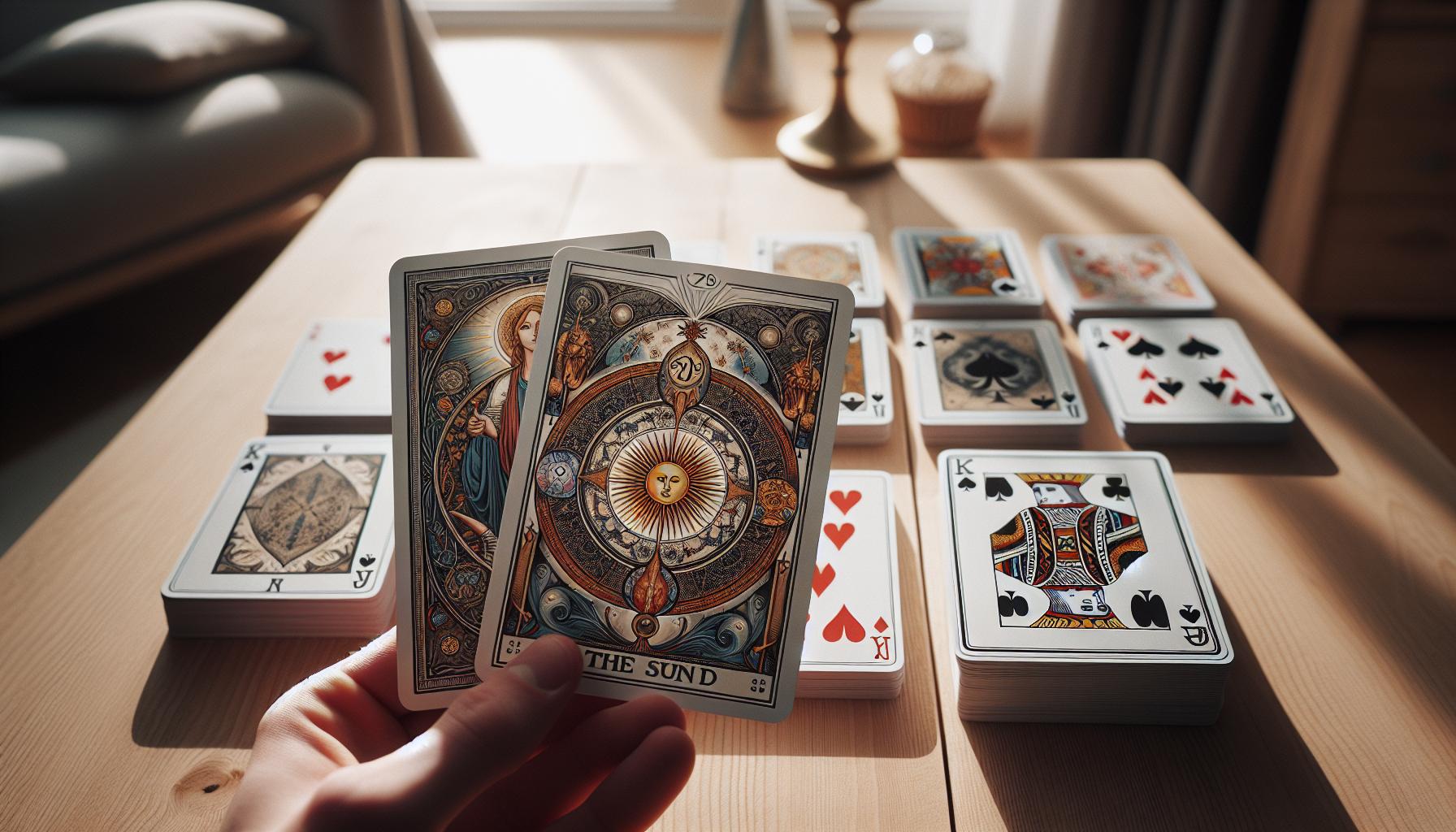
Tarot cards are often compared to other card decks, yet they stand out due to their unique combination of art, symbolism, and spiritual significance. While a standard playing deck or games like Uno may serve simple entertainment purposes, Tarot cards are specifically designed for divination, self-reflection, and insight-gathering. This fundamental difference shapes not just the purpose of the cards but also how they are interpreted within various practices and belief systems.
One of the most notable distinctions is the structure of Tarot decks, which typically consist of 78 cards divided into the Major Arcana and the Minor Arcana. The Major Arcana cards represent significant life lessons and spiritual themes, while the Minor Arcana cards focus on day-to-day interactions and experiences. In contrast, a standard playing card deck has only 52 cards and lacks the layered meanings intrinsic to Tarot. For example, drawing The Fool from the Major Arcana can symbolize new beginnings, spontaneity, and adventure-rich themes that are not easily conveyed with a simple Ace of Hearts.
Furthermore, the interpretative value of Tarot words is enhanced by the cards’ rich symbolism, which varies across different decks, such as Rider-Waite, Thoth, or any number of themed Tarot decks. This diversity allows for an array of readings based on personal intuition and tradition. In comparison, other card games are typically governed by fixed rules and don’t offer the same subjective or spiritual engagement.
When discussing Tarot, it’s crucial to capitalize it, as doing so indicates the reverence and acknowledgment of its complexity and cultural significance. This stands in stark contrast to referencing other card games, which usually remain lowercase unless discussing the game’s name specifically. Essentially, acknowledging Tarot with proper capitalization enriches the conversation and reflects the respect one should bear for this ancient practice. Whether you are a seasoned reader or a curious newcomer, understanding these distinctions can deepen your appreciation for Tarot’s profound role in spiritual exploration.
Common Errors in Capitalizing Tarot Terms
Missteps in capitalizing Tarot terms can cloud the message you’re hoping to convey. It’s paramount to recognize that Tarot is a proper noun and should always be capitalized when referring to the practice or its related elements. However, many enthusiasts and writers inadvertently overlook this rule in their texts, leading to confusion about the respect and significance associated with Tarot as a spiritual tool.
Among common errors is the lowercase usage in phrases like “reading tarot” or “tarot cards.” While referring to the cards, it’s essential to maintain consistency: “Tarot cards” should always be capitalized, as should related terms like “Tarot deck,” “Tarot spread,” and “Tarot readings.” These distinctions emphasize the unique nature of Tarot compared to standard playing cards, reinforcing its cultural importance.
Another frequent mistake involves the different components of Tarot readings. For example, terms like “Major Arcana” and “Minor Arcana” are often seen written without capitalization, but these categories deserve an uppercase treatment to highlight their significance within the Tarot framework. Misusing capitals can undermine the rich heritage and respect that practitioners recognize within these systems of divination. Therefore, it’s beneficial to think of capitalizing these terms as a way to honor the tradition rather than a mere grammatical formality.
To avoid these pitfalls, review your writing with an eye for these specific vocabulary usages. Consider creating a checklist of terms to remember the appropriateness of capitalization, ensuring that your references to Tarot are as insightful and impactful as the messages conveyed in your readings.
Stylistic Choices: When to Capitalize Tarot
Understanding when to capitalize Tarot can be a subtle yet powerful aspect of writing about this mystical practice. As a proper noun, Tarot-whether referring to the deck, the readings, or the practice itself-deserves appropriate capitalization to convey its significance. This simple shift in style can enhance clarity and respect for the art, especially among those who hold it dear.
When referring to Tarot in your writing, the general rule is straightforward: capitalize it when it stands alone or when it is part of a specific term associated with the practice. For example, you would write “I am learning about Tarot” or “The Major Arcana is fascinating.” However, lowercase usage can often sneak in during casual phrases. For instance, writing “reading tarot cards” diminishes the distinction between Tarot and other card games, which can lead to confusion or imply a lack of respect for its unique identity. Instead, aim for clarity: always use “reading Tarot cards.”
Maintaining consistency in your capitalization choices is key. Not only does this reinforce the uniqueness of Tarot, but it also respects its lineage and the practitioners who revere it. You can create a mini-style guide for yourself, ensuring consistent usage of important terms such as Tarot deck, Tarot spread, and Tarot readings. This intentionality in language can elevate your writing and help connect with both skeptics and believers in a respectful manner, fostering a more inclusive dialogue around the craft.
Cultural Significance of Tarot Capitalization
Understanding the cultural significance of capitalizing “Tarot” goes beyond mere grammatical rules; it reflects a deeper respect for this ancient practice. When you capitalize “Tarot,” you acknowledge its identity as a unique art form that has been developed and cherished over centuries. This capitalization signifies not just the card deck itself but encompasses the vast traditions, interpretations, and personal connections that practitioners have with their readings.
In many cultures, Tarot is seen as a sacred tool for divination and self-exploration, allowing individuals to tap into their intuition and gain insight into their lives. By using “Tarot” as a proper noun, writers and practitioners emphasize the importance of the practice, setting it apart from merely “playing cards” or other forms of entertainment. This distinction fosters a sense of reverence and validation for those who engage with Tarot on a deeper spiritual level.
Furthermore, the choice to capitalize “Tarot” can serve as a bridge between different perspectives-inviting both skeptics and believers to engage in meaningful conversations about its significance. As language evolves, the way we approach capitalization in this context can influence how the practice is perceived. By treating “Tarot” with the respect it deserves through capitalization, we encourage more inclusive dialogues and potentially spark curiosity in those who may otherwise dismiss its value.
Capitalizing “Tarot” ensures that discussions surrounding it maintain an air of professionalism and respect. Whether you’re sharing insights in articles, blogs, or communities, adhering to consistent use of “Tarot” reflects an understanding of its cultural weight, enabling you to connect with others-be they curious newcomers or seasoned practitioners-on a shared journey of discovery.
Examples of Correct Usage in Texts
In discussions about Tarot, how you choose to capitalize the term can convey various meanings. Many writers and practitioners capitalize “Tarot” to signify its standing as a respected and unique practice. Here are some examples of correct usage in both casual and formal texts:
When referencing the Tarot deck itself, it’s appropriate to write: “I used the Rider-Waite Tarot to conduct my reading yesterday.” This highlights the specific deck being utilized, maintaining the capitalization of “Tarot” as a proper noun.
In more instructional contexts, such as: “The Tarot is composed of 78 cards, each with significant meanings.” Here, “Tarot” is capitalized to emphasize its identity as a unique system of divination, distinct from other types of card games or decks.
When discussing Tarot spreads, you might say: “In my last Tarot reading, I used a three-card spread to explore my past, present, and future.” This underscores the role of Tarot in structured readings, demonstrating its significance in spiritual practices.
For narrative examples: “She felt a connection to the Tarot during her first reading, as if the cards were speaking directly to her soul.” This usage illustrates how the term encapsulates not just the physical cards, but the experience and spiritual journey associated with their use.
By adhering to these conventions, you foster clarity and respect when discussing Tarot, inviting both novice and experienced users into deeper conversations about its practice.
Exploring Different Styles of Tarot Writing
In the world of Tarot, the way you communicate about this profound practice can vary widely, influenced by personal style, audience, and intent. Each writer brings their unique flair to how they present Tarot concepts, making the written expressions of this mystical art as diverse as the cards themselves. not only reflects individual creativity but also enhances the reader’s experience and understanding of the subject.
One common approach is the narrative style, where writers share personal experiences or relatable anecdotes to connect with their audience. For example, an author might recount a transformative Tarot reading, stating, “During my first encounter with the cards, I was surprised to find the Tower appeared, revealing unexpected truths about my life.” This style invites readers to engage emotionally with the Tarot, making the practice feel accessible and relevant.
Alternatively, educational writing focuses on providing clear, concise information about Tarot techniques, card meanings, and spreads. A writer might say, “The Major Arcana consists of 22 cards, each representing significant life themes.” This direct approach is beneficial for beginners seeking foundational knowledge, as it demystifies complex concepts without overwhelming them.
Another style is the intuitive approach, which emphasizes personal interpretation and creative expression. Writers in this category might describe how to intuitively read cards beyond traditional meanings, saying something like, “When the Ace of Cups appears, I often feel an overwhelming wave of love and emotional clarity, signaling a time of deep connection or potential new beginnings.” Such an approach encourages readers to trust their instincts, nurturing their intuitive abilities and personal relationship with the Tarot.
Each writer’s individual voice contributes to a vibrant community of Tarot enthusiasts, bridging gaps between skeptics and believers. By exploring various writing styles, you not only deepen your own understanding but also cultivate a rich dialogue around this mystical practice, welcoming everyone to share in its transformative power. Whether through storytelling, straightforward education, or intuitive exploration, each style offers a pathway into the enchanting realm of Tarot.
Grammar Resources for Tarot Enthusiasts
Navigating the nuances of language when discussing Tarot can be as intricate as understanding card spreads themselves. For Tarot enthusiasts, maintaining clarity and consistency in writing is essential, especially when it comes to capitalization, which can dramatically affect the tone and interpretation of your text. A solid grasp of grammar and style not only enhances professional credibility but also helps convey respect for this ancient practice.
To aid in your writing journey, consider the following resources:
- The Chicago Manual of Style: This comprehensive guide offers insights into capitalization rules and guidelines for various terms, including Tarot. It’s invaluable for both casual writing and more formal publications.
- Grammarly: An online writing assistant that checks grammar, punctuation, and style consistency. You can customize settings to ensure that specific terms, like ‘Tarot,’ are treated as proper nouns.
- Merriam-Webster’s Dictionary: For definitions and usage examples, this resource can clarify whether to capitalize ‘Tarot’ in your writing, depending on context.
- Writing Tools Blogs: Numerous blogs and websites dedicated to writing offer discussions on style guides and can provide specific posts focused on the esoteric, such as Tarot and its terminology.
Incorporating these resources can pave the way for more polished and professional writing. Regularly referring to style guides can help avoid common pitfalls, such as miscapitalization of terms related to Tarot, like ‘Major Arcana’ or ‘Minor Arcana,’ which are properly capitalized but may sometimes be mistakenly written in lowercase.
Taking the time to learn and apply these grammatical rules will not only enhance your writing but also honor the tradition and significance of Tarot as you share knowledge with others-be they fellow enthusiasts or curious newcomers. Your journey with Tarot expressions, enriched by proper language, will resonate more deeply, fostering a greater connection to the stories and wisdom behind the cards.
Tips for Consistent Tarot Style Guide
Maintaining a consistent style when discussing Tarot not only elevates your writing but also honors the depth of this ancient practice. A well-defined style guide can help ensure clarity and professionalism in your texts. Here are several practical tips to help you create and adhere to a consistent Tarot style guide.
Establish Clear Guidelines
Start by defining key terms associated with Tarot. For instance, always capitalize ‘Tarot,’ ‘Major Arcana,’ and ‘Minor Arcana,’ as these are specific categories within the deck. Create a list of terms and their correct usage to serve as a reference. This will streamline your writing process and reduce the likelihood of errors.
Use Consistent Formatting
Decide on a format for presenting Tarot spreads and readings. For example, if you choose to list card names in italics, such as *The Fool* or *The Lovers*, stick to that format throughout your writing. This consistency helps readers easily identify and engage with the content. You can also format Tarot card meanings as bullet points for easy reference:
- The Fool: New beginnings, adventure, and spontaneity.
- The Lovers: Relationships, choices, and harmony.
Incorporate Examples
Real reading examples can help elucidate your points and foster a deeper connection with your audience. Share snippets from your own readings or case studies. For instance, when discussing a spread, you might write, “In a recent three-card spread focusing on love, The Lovers appeared, suggesting a deep connection is on the horizon.”
Build a Reference Library
Compile a set of resources, like links to reputable style guides or Tarot dictionaries. Having a centralized location for this information encourages continuous learning and can help settle debates about terminology or usage. Resources such as *The Chicago Manual of Style* or established Tarot websites can be invaluable.
By implementing these strategies into your writing process, you will not only produce coherent and engaging content but also foster a greater appreciation for Tarot’s rich symbolism and insights. Remember, clarity and consistency are your allies in conveying the mystical elegance of Tarot while making it accessible to all.
Navigating Debates Around Tarot Capitalization
Navigating the intricacies of capitalization in the context of Tarot can often feel like walking a tightrope. While some may argue that “tarot” should be left in lowercase to reflect its usage as a common noun, many practitioners and writers insist on capitalizing it as a sign of respect for the art form. Understanding this debate can help you better articulate your own perspective and guide your writing practices.
One effective approach is to clarify your position within your own writing. For instance, acknowledge the distinction between “Tarot” as a specific system of divination and the tools that accompany it, such as the deck itself. By making this distinction clear, you not only enhance your credibility but also educate your readers about the nuances of the topic. You might write, “When consulting the Tarot, one should consider both the Major Arcana and the Minor Arcana for a comprehensive reading.” This way, you elevate the significance of the terms while also conveying the stylistic choices you uphold.
Additionally, consider the context of your audience. If you’re writing for a community of seasoned Tarot readers, they may expect a certain level of formality and respect reflected in the capitalization of specific terms. However, if your audience is more general or skeptical, a lowercase approach may seem more approachable. For example, you could say, “Many find that using tarot for daily guidance helps align intentions with their actions.” Here, the lowercase usage makes it feel more accessible.
Ultimately, the goal is to foster a harmonious understanding that respects the tradition of Tarot while inviting new practitioners to engage with it. Whatever choice you make, ensure it serves your audience and your intent. Maintaining a clear rationale for your stylistic choices supports your authority and helps you communicate effectively, demonstrating that Tarot can be both profound and personal.
Final Thoughts on Tarot and Language
In the unfolding dialogue about Tarot and language, the rules of capitalization present a fascinating glimpse into the reverence and respect that this practice commands among its practitioners. Capitalization is not merely a grammatical choice; it reflects the significance and cultural weight of Tarot as a mystical art form. When people refer to “Tarot,” they are invoking a deep, rich tradition that encompasses intuitive guidance, personal exploration, and spiritual growth. Such a collective understanding encourages many to capitalize the term, thereby elevating its status and underscoring its unique nature.
In your own writing, consider how the capitalization of Tarot can shape the perception of your message. For instance, if you are addressing an audience who may be newcomers to the practice, using “tarot” in lowercase could make your writing feel more inclusive and less daunting. Conversely, when discussing the intricacies of the system, particularly in a context where expertise is appreciated, capitalizing “Tarot” reinforces its authority. Consistency in your choices fosters clarity and helps your audience navigate the layers of meaning you wish to convey.
Another aspect worth pondering is the varied expressions of Tarot across different cultures and communities. The nuances of language convey more than mere definitions; they embody the history, traditions, and personal experiences associated with the practice. Embrace this diversity in your writing. By being conscientious about how you use terms like “Tarot” and “tarot,” you foster a respectful conversation that honors both experienced practitioners and those who may approach the subject with skepticism or curiosity.
Ultimately, whether you choose to capitalize “Tarot” or not, it’s essential to remain clear about your reasoning. Your voice as a writer can inspire understanding and respect for this art form, inviting readers to explore its depths with an open mind. The language surrounding Tarot should be a bridge, celebrating its mystical roots while also welcoming newcomers to this insightful practice. By approaching your writing with intention, you not only enhance your credibility but also nurture the curiosity and confidence of your readers.
Frequently asked questions
Q: Is “Tarot” always capitalized?
A: Yes, Tarot is generally capitalized as it refers to a specific set of cards used for divination and guidance. This capitalization reflects its status as a unique noun, distinguishing it from general card references.
Q: Why is capitalization important in Tarot terminology?
A: Capitalization in Tarot terminology is essential for clarity and respect. It helps to denote significance, differentiating between the Tarot as a system and general card games. This also aligns with common grammatical conventions.
Q: Are there exceptions to capitalizing Tarot-related terms?
A: While Tarot itself is always capitalized, terms like tarot deck or tarot reading can vary based on context. If used in a general sense within a sentence, these may not require capitalization. Check the context to ensure grammatical accuracy.
Q: How does cultural significance influence Tarot capitalization?
A: The cultural significance of Tarot underscores the importance of capitalization. It acknowledges the system’s historical and mystical roots while respecting its role in spiritual practices. Proper capitalization is a sign of appreciation for its cultural impact.
Q: What are common mistakes in capitalizing Tarot terms?
A: Common mistakes include failing to capitalize Tarot and incorrectly using lowercase for specific suites or card titles. Always check your text for consistency, especially in terms of titles and names related to Tarot, such as The Fool or Major Arcana.
Q: How should I capitalize Tarot in different contexts?
A: In formal writing, always capitalize Tarot. In informal contexts, like conversations or social media, it may vary, but maintaining the capitalization is often seen as more respectful. Be consistent across all platforms to enhance clarity.
Q: Are there style guides for writing about Tarot?
A: Yes, various style guides provide insights into writing about Tarot. Refer to resources like the Chicago Manual of Style or APA guidelines for standardized practices. Additionally, consider creating a personal style guide to maintain consistency in your work.
Q: How can I learn more about Tarot grammar and style rules?
A: To deepen your understanding of Tarot grammar, explore resources such as dedicated articles on Tarot terminology or comprehensive guides on grammar usage in occult practices. Engaging with the community through forums can also provide valuable insights.
To Conclude
Now that you know the rules around capitalizing “Tarot,” you can confidently express your knowledge in writing. Grammar doesn’t have to be daunting; it’s all about clarity and respect for the art of Tarot. If you’re eager to enhance your Tarot journey, explore our guide on the 4 Tarot suits to deepen your readings, or check out your daily tarot insights to prepare for what lies ahead.
Don’t hesitate to dive into our insightful resources and unravel the mysteries of the cards! Remember, Tarot is not just a tool but a companion in understanding yourself and the universe. Join our newsletter for the latest tips and guides, or share your thoughts in the comments below-we’d love to hear how Tarot has impacted your life. Every step you take enriches your journey, so keep exploring and expanding your intuitive abilities!