In the world of divination, deciding whether to start with Tarot or Oracle cards can significantly shape your spiritual journey. Both tools offer unique insights, yet they cater to different needs and preferences. Are you drawn to the structured storytelling of Tarot, or do you prefer the intuitive freedom of Oracle decks?
Understanding the distinctions between these two can enhance your confidence in choosing the right path. Tarot can provide a deeper dive into specific situations with its rich symbolism and established spreads, while Oracle cards invite personal interpretation and flexibility, often resonating with those seeking a more open-ended approach. As you explore this choice, consider what resonates with your instincts and goals. Are you looking for guidance in specific areas of your life, or do you seek a more general inspiration? This article will guide you through the decision-making process, helping you to select the tool that will support your intuitive development and empower your spiritual practice. Let’s dive in and uncover the best fit for your journey!
Understanding the Difference Between Tarot and Oracle Cards
When stepping into the world of divination, many find themselves wondering about the key distinctions between Tarot and Oracle cards. Both tools offer rich landscapes for exploration, but they do so in uniquely different ways. Tarot is rooted in a structured system, typically comprising 78 cards divided into Major and Minor Arcana, each carrying specific meanings that correspond to various life themes and situations. This structure provides a framework that can guide your inquiries, making Tarot particularly powerful for those seeking detailed insights into their lives. In contrast, Oracle cards are more flexible and can vary widely in the number of cards, themes, and artwork. They often focus on broader themes, allowing for personal interpretation that can connect deeply with the user’s intuition.
When choosing between Tarot and Oracle, consider what feels more aligned with your intentions. If you appreciate direction and a defined set of archetypes, Tarot may resonate with you more. Its structured approach can help pinpoint specific issues, making it possible to yield detailed readings that provide clarity and guidance. Conversely, if you’re looking for a tool that encourages free-flowing insights and exploration of emotions or spiritual guidance, Oracle cards might be the better choice. They can serve as an effortless dive into the subconscious, often prompting inspiration through their whimsical imagery and messages.
To navigate these two paths effectively, it’s essential to recognize your own intuitive style and the context of your questions. Whether you lean towards the methodical nature of Tarot or the expansive freedom of Oracle cards, remember that both avenues promote self-discovery and growth. By embracing either-or even both-you can enrich your journey of understanding and empowerment, unlocking deeper aspects of yourself along the way.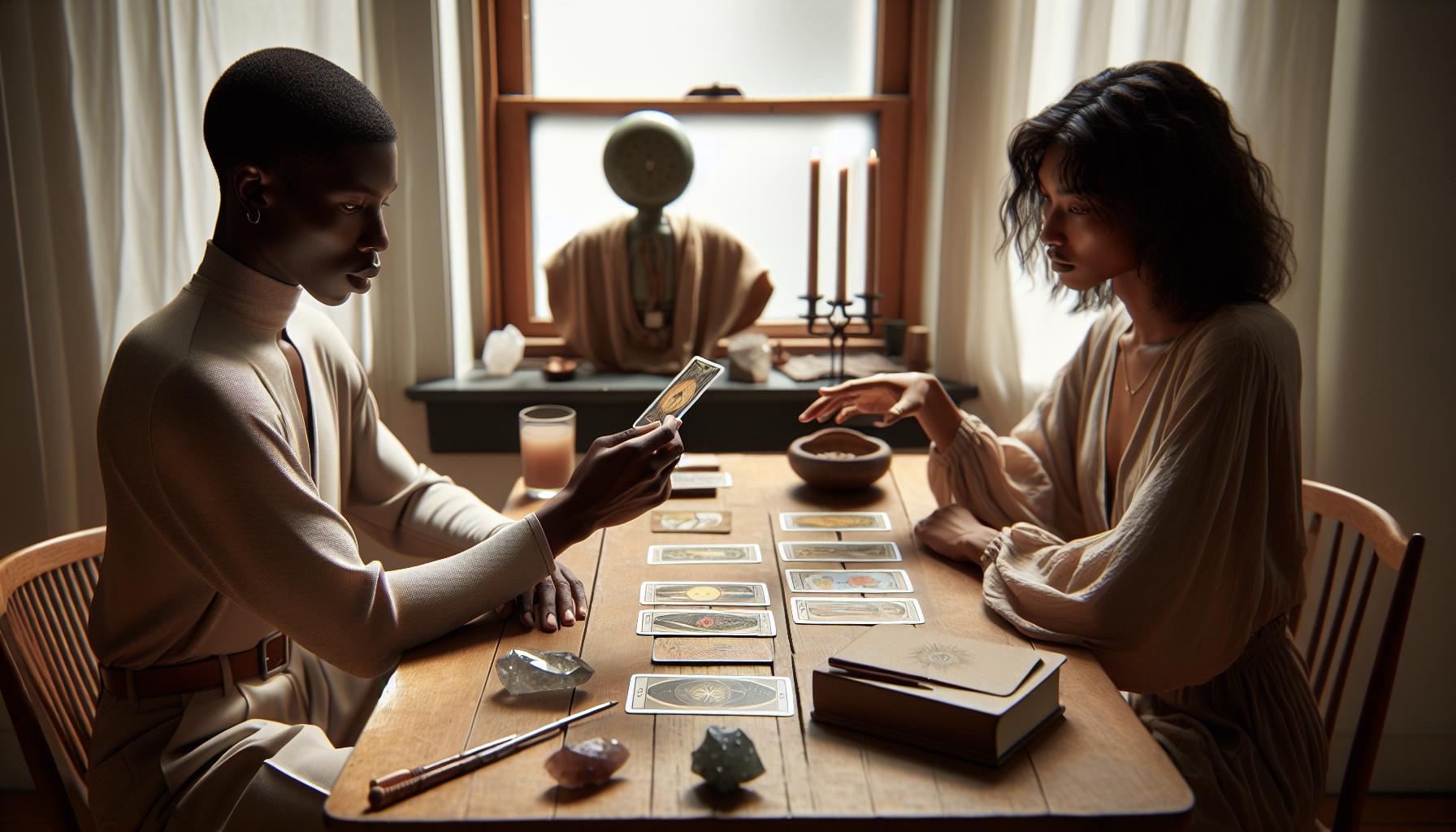
The Unique Magic of Tarot Cards
Tarot cards hold a unique allure that enchants both novices and seasoned practitioners alike. At their core, Tarot is not merely a set of cards but a profound tool for introspection and self-discovery. Each card, whether from the illustrious Major Arcana or the insightful Minor Arcana, radiates specific energies and messages that resonate deeply with various aspects of life. For those uncertain if Tarot aligns with their spiritual journey, understanding this unique magic can provide clarity.
The structured nature of a Tarot deck is one of its most compelling features. With 78 cards, each imbued with rich symbolism, the system offers a pathway for inquiry that can delve into the complexities of your situation. A beginner might start with familiar cards like The Fool, symbolizing new beginnings and potential, or The Empress, representing creativity and abundance. As you explore, you might find yourself developing a personal relationship with these archetypes, allowing for deeper insights into your experiences.
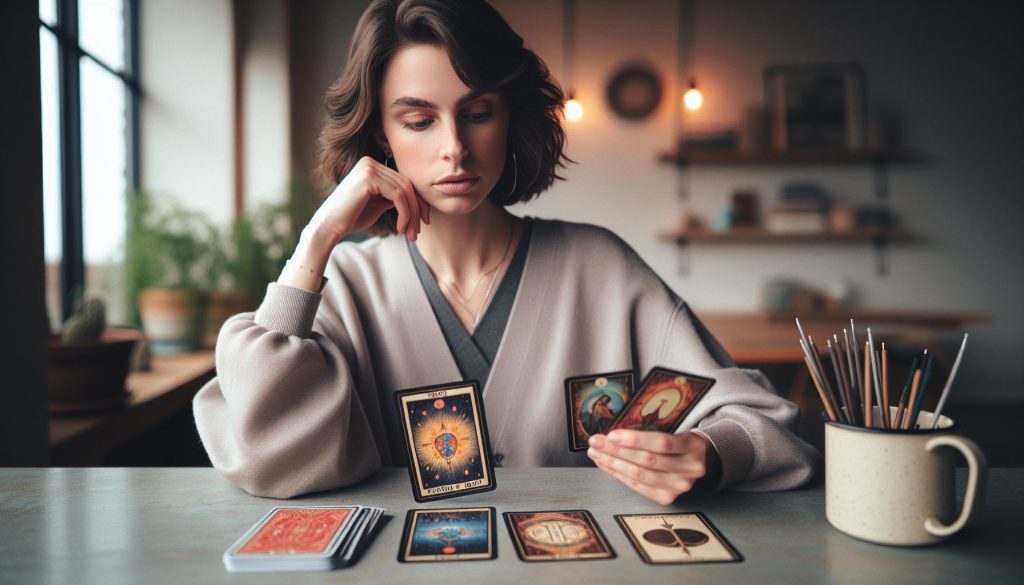
Engaging with Tarot can be transformative. When you set aside dedicated time for a reading-perhaps framing questions about your career, relationships, or personal growth-you’re engaging in a dialogue with your intuition. For example, a simple three-card spread-Past, Present, Future-can reveal how past experiences shape your current circumstances and potential outcomes. This structured approach not only sharpens your insights but strengthens your connection to the cards.
Incorporating Tarot into your practice fosters a sense of empowerment and clarity. It’s a journey of exploration, where after every shuffle and draw, you’ll find new layers of understanding about yourself and the world around you. So, if you’re contemplating whether to embark on this path, let the magic of Tarot guide you toward not just answers, but deeper self-awareness and growth. Embrace this enchanting tool and witness the profound transformations it can bring to your life.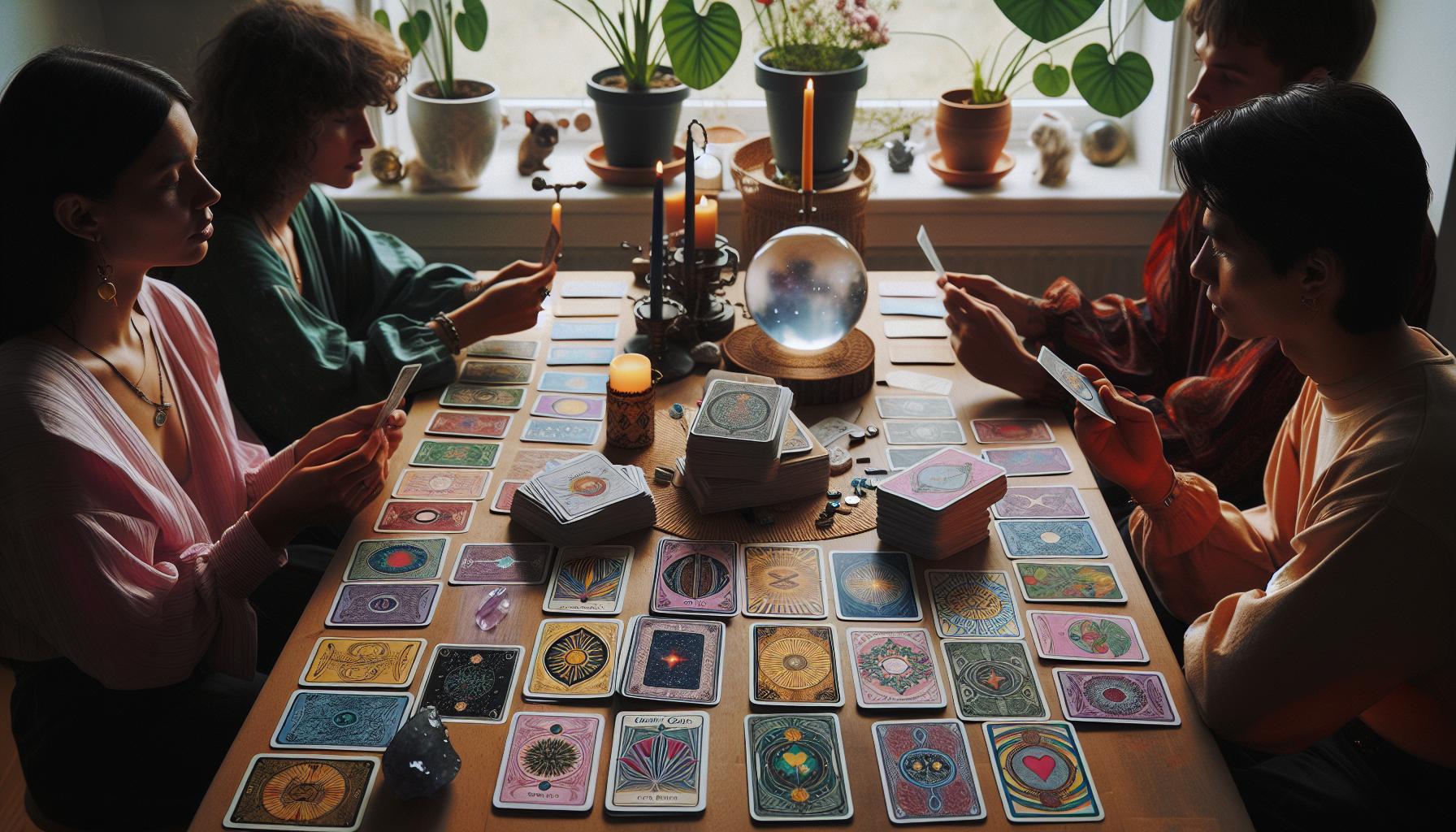
Exploring the Diverse World of Oracle Cards
The world of oracle cards offers a vibrant tapestry of themes, artwork, and interpretations that can feel both limitless and inviting. Unlike the structured format of Tarot, which consists of a specific number of cards with defined meanings, oracle decks can vary significantly in size, design, and purpose. This versatility allows oracle cards to cater to a wide range of spiritual needs and personal preferences, making them an accessible option for anyone, from seasoned practitioners to curious newcomers.
Oracle cards provide a unique opportunity for intuitive exploration. Each deck is typically themed around a certain concept-be it angels, animals, nature, or affirmations. This thematic approach engages your imagination and intuition, allowing you to connect with the messages on a personal level. For instance, if you resonate with nature, a deck featuring nature spirits can inspire reflections on your own journey and relationship with the earth. The straightforward messages, often accompanied by uplifting imagery, invite a more spontaneous and creative dialogue with your inner self.
When incorporating oracle cards into your practice, consider these tips:
- Select a Deck That Resonates: Whether it speaks to you visually or conceptually, choose a deck that ignites your curiosity. Trust your instincts to guide you toward the right choice.
- Embrace Flexibility: Oracle readings are not bound by prescribed spreads. Trust your intuition to draw cards freely, reflect on their meanings, and see how they relate to your current life situations.
- Daily Draws: Consider starting each day with a single card pull to set your intention. Allow its message to inspire and guide your actions throughout the day.
A beautiful aspect of oracle cards is that they can blend seamlessly with other spiritual practices, including tarot readings. By using both, you can deepen your understanding of specific situations-Tarot can give you structured insights, while oracle cards can provide creative inspiration and encouragement. This combination fosters a well-rounded approach to self-discovery.
Ultimately, the diversity of oracle cards allows for explorations that are uniquely personal. Whether you’re seeking clarity, guidance, or simply a spark of creativity, oracle cards can serve as a supportive companion on your spiritual journey, encouraging you to trust your intuition while embracing the magic of possibility.
Key Factors to Consider When Choosing
When considering your entry point into the world of card reading, it’s vital to weigh a few key factors that can greatly influence your experience and growth. Both Tarot and Oracle cards offer unique pathways to insight, but your personal preferences, goals, and intuitive connections will guide your choice. By understanding these factors, you can choose with confidence and set the tone for your spiritual journey.
Personal Resonance with the Deck
The most crucial aspect to consider is whether the deck resonates with you on a personal level. For Tarot, the traditional structure includes 78 cards with specific archetypal meanings organized into Major and Minor Arcana. This can offer a sense of stability and depth in readings, as many people find comfort in the familiar imagery and interpretations. If you appreciate symbolism and enjoy delving into complex narratives, Tarot might spark your interest.
In contrast, Oracle cards vary widely in theme and structure, often encompassing anything from angels to nature spirits. This flexibility allows for a more personal touch-if you’re drawn to a particular theme or artistic style, an Oracle deck might feel like a more intimate choice. Reflect on what kind of imagery and messages resonate with your intuition and emotions. The right deck should feel like it speaks directly to your heart.
Intended Use and Experience Level
Consider how you want to use the cards. Are you seeking structured guidance for specific questions, or are you looking for a tool to facilitate more general self-exploration? Tarot is often regarded as a powerful tool for deep dives into questions about life’s challenges, relationships, and personal situations due to its layered meanings and spreads. If your aim is to explore complex issues or gain clarity on multifaceted situations, starting with Tarot could be highly beneficial.
For those new to card reading or looking for a more relaxed approach, Oracle cards may offer a gentler introduction. Their straightforward guidance can be refreshing, making them ideal for daily affirmations or quick insights. Regardless of your choice, be open to experimenting. You might find a mix of both decks enhances your overall experience, allowing you to enjoy the strengths of each.
Practical Considerations
As you navigate your choice, practical aspects such as your budget and availability also play a role. Oracle decks can often be more affordable and are widely available in bookstores and online, whereas Tarot decks come in various price ranges. Consider exploring several decks in person if you can, as this tactile experience can further inform your decision.
Ultimately, choose based on what calls to you most. Trust your intuition as you explore the vibrant worlds of Tarot and Oracle, and remember that there’s no right or wrong choice-only the one that feels right for you. Embrace the magic of discovery and enjoy the journey ahead.
How to Use Tarot for Personal Growth
Using Tarot as a tool for personal growth can be an enlightening journey, connecting you with your inner wisdom and helping you navigate life’s challenges. At its core, Tarot invites deep introspection, encouraging you to think critically about your choices and beliefs. Each card offers a unique perspective, serving as a mirror reflecting your thoughts and emotions, which can guide you toward healthier habits, improved relationships, and greater self-awareness.
Begin by establishing a regular practice. Set aside a specific time each week to engage with your Tarot deck. This could be as simple as pulling a single card each day and journaling about its meaning in relation to your life. For beginners, starting with a straightforward spread like the three-card spread can be particularly beneficial. In this spread, you can explore the past, present, and future aspects of a situation, giving you a holistic view of your experiences. For instance, if you draw The Two of Swords in the present position, it might highlight a decision you’re struggling to make, inviting you to explore underlying fears and considerations.
Deepening Your Understanding
As you grow more comfortable with the cards, consider expanding your repertoire of spreads. The Celtic Cross is a classic example that dives deeper into complex questions, allowing you to uncover layers of insights. Work with the imagery of the cards intuitively-what emotions do they evoke? How do they relate to your current life chapter? By contemplating cards like The Empress, representing nurturing and abundance, you can ask yourself how you are nurturing your personal goals and relationships.
Another useful technique is to create themed readings based on current life areas you wish to focus on, such as career, relationships, or health. Asking specific questions, like “What do I need to know about advancing my career?” and then interpreting the cards in relation to that question, can yield clear, actionable insights. Don’t hesitate to engage with the cards in a creative way-draw a card and create a story or visualization around it. This can enhance your connection and understanding of the cards and yourself.
Ultimately, the goal of using Tarot for personal growth is to cultivate a dialogue with your inner self. Be open to both the guidance the cards provide and the feelings that arise during your readings. By fostering this relationship, you empower yourself to make informed choices and embrace your unique path with confidence. Embrace your practice with patience and curiosity, and watch as your understanding of both Tarot and yourself blossoms over time.
Harnessing Oracle Cards for Intuition and Clarity
Harnessing oracle cards can be a beautifully empowering experience, especially for those seeking clarity and intuitive guidance. Unlike tarot, which often follows structured meanings within its 78 cards, oracle cards offer a more flexible approach. Typically, an oracle deck consists of anywhere from 30 to 100 cards, each with its own message, artwork, and theme. This variety allows for a broader range of interpretations, making oracle cards highly adaptable to personal intuition and specific situations.
To effectively use oracle cards, start with a simple approach. Pull a card each day and take a moment to reflect on its imagery and message. For example, if you draw a card that symbolizes “letting go,” consider how this advice applies to your life. You might jot down thoughts and feelings in a journal, which can deepen your connection and clarify your understanding. This practice not only cultivates insight but also trains your intuition, allowing you to trust your instincts more over time.
Create a Comfortable Space
Establishing a welcoming environment for your readings is beneficial. Whether it’s a quiet nook in your home or a sunny spot outdoors, a dedicated space for your card practice enhances your connection with the cards. Include calming elements, like candles or crystals, which can create an inviting atmosphere. When you feel relaxed, your intuition can flow more freely.
Using themed spreads can also enrich your experience. For example, if you’re pondering a career change, create a spread with cards dedicated to opportunity, challenges, and guidance. As you interpret each card in relation to your question, you might discover unexpected insights or confirmations. This method encourages not just reflection but action-giving you clear next steps in your journey.
Expand Your Card Interpretation Skills
As you gain confidence, challenge yourself to interpret cards more deeply. Consider elements such as color, symbolism, and your emotional response to each card. This exploration can lead to profound realizations about your current path or areas needing attention. Remember, oracle cards are a tool for nourishing your intuition-allow your feelings to guide your interpretations.
Ultimately, oracle cards can be a gentle, accessible way to foster self-exploration and clarity. Whether a skeptic or a believer, approaching them with an open heart and mind can illuminate your path forward. Each session with your oracle deck can provide a new layer of understanding, contributing to your overall growth and self-awareness, empowering you to navigate life with enhanced insight and confidence.
Comparative Deck Features: Structure, Themes, and Artwork
When delving into the world of tarot and oracle cards, understanding the structural and artistic differences between the two can guide your choice in selecting a deck that resonates with you. Tarot decks typically consist of 78 cards, divided into 22 Major Arcana and 56 Minor Arcana. The Major Arcana holders represent significant life themes and spiritual lessons, while the Minor Arcana focuses on daily events and influences, categorized into four suits akin to a standard playing deck. Each card in tarot has established meanings that have evolved through history, which can make readings feel grounded in tradition.
In contrast, oracle decks vary widely in format, typically comprising anywhere from 30 to 100 cards, each with unique themes and messages. This allows for an expansive range of interpretations that can be deeply personal and flexible. For example, some oracle decks may focus on specific concepts such as angels, nature, or even self-love, inviting users to connect with their intuition rather than relying solely on card positions and traditional meanings. The artwork in oracle decks is often more varied and whimsical, reflecting the diverse themes each deck embraces, which can be visually and emotionally appealing depending on personal preference.
Artistic Expression
The artistic style of the decks can significantly influence your comfort and connection with the cards. Tarot cards often feature detailed and symbolic illustrations that reflect their meanings, fostering a sense of depth and storytelling. For instance, the Rider-Waite tarot deck is renowned for its rich iconography, where even the smallest details hold significance. This can be particularly engaging for readers who appreciate traditional artistry and symbolism.
Conversely, oracle cards can range from minimalist designs to vibrant, abstract illustrations, allowing for a more individualized aesthetic experience. The artwork on oracle cards may evoke feelings and insights based purely on personal interpretation rather than established meanings. This freedom can be liberating for those looking to explore their intuition in a less structured environment.
Choosing Your Path
When considering which type of deck to start with, reflect on what aspects resonate most with you. Do you crave a structured framework that tarot provides, helping you delve into archetypal journeys and significant life lessons? Or do you prefer the openness and diversity of oracle cards, allowing you to explore various themes as they arise in your life? Testing out decks in person, if possible, can help you feel which artwork and structure speak to you most profoundly.
Ultimately, whether you venture into tarot or oracle cards, embracing your personal preferences and intuition will create a more enriching experience. Each type of card offers unique pathways to understanding, self-reflection, and personal growth-leading you beautifully through your spiritual journey.
Practical Tips for Beginners: Which to Start With?
When stepping into the enchanting world of card reading, many beginners find themselves at a crossroads: should they start with tarot or oracle cards? Both paths offer rich opportunities for self-discovery and intuitive growth, but they do so in distinctly different ways. Understanding your personal goals and the type of connection you wish to cultivate with your cards can greatly enhance your experience.
One effective approach is first to explore your intuition. Tarot cards, with their structured 78-card system, often provide a deeper dive into archetypes and life lessons, making them ideal for those who appreciate a well-defined framework. If you’re drawn to storytelling and layered meanings, starting with a classic tarot deck like the Rider-Waite might resonate with you. You can practice pulling a single card each day, reflecting on its meaning, and how it interacts with your current life.
In contrast, if you prefer a more fluid and personal interpretation, oracle cards might be the perfect fit. These decks can range from 30 to over 100 cards and often emphasize themes that speak to your soul-be it self-love, nature, or spirituality. Picking an oracle deck that visually resonates with you can make your intuitive practice feel incredibly personalized. You could start with simple daily affirmations or insights from the cards, allowing your intuition to shape the interpretation without the constraints of established meanings.
Also, consider the aesthetic and emotional connection you have with the decks you explore. Many find it helpful to visit a local metaphysical shop to handle various decks. This tactile experience can reveal which art styles and themes invoke stronger feelings or insights. If you’re keen on community, finding local or online groups can provide guidance and support as you navigate the initial stages of your journey.
As you embark on this exciting exploration, remember that whichever route you choose, both tarot and oracle cards can be gateways to profound personal understanding. Trust your instincts, stay open to the magic, and enjoy the journey of self-discovery that awaits you in the cards.
How Experienced Readers Use Tarot and Oracle Together
To create a rich tapestry of insight and intuitive guidance, many experienced readers weave together the structured depth of tarot with the expansive freedom of oracle cards. This blending allows for a multifaceted approach to readings, enriching the experience and offering diverse perspectives. By understanding how to use both types of cards in conjunction, readers can enhance their intuitive practices and offer more nuanced insights.
One effective method is to use tarot for structured questions and oracle cards for inspirational guidance. For instance, during a session, a reader may pull a few tarot cards to explore the core issues of a situation-perhaps examining obstacles or internal conflicts. After laying out the tarot spread, the reader can then draw an oracle card to provide a more uplifting message or a personal affirmation that encourages the querent to step forward with confidence. This dual approach not only deepens the reading but also allows the querent to gain clarity and emotional support.
Another advantage of using both systems is the ability to validate insights. Experienced readers might find that the imagery or messages from an oracle card can illuminate or affirm what is already revealed in a tarot spread. For example, if the tarot indicates a challenge related to communication, drawing an oracle card focused on “truth” or “expressiveness” reinforces this theme, encouraging the querent to face their fears in communicating openly. This dialogue between the cards helps build a cohesive narrative, ensuring the reader remains grounded in their messages while allowing the querent to engage with their intuition actively.
Furthermore, readers might employ tarot for deeper psychological exploration and use oracle cards for practical advice or clarity. A common practice is to first identify the emotional or situational layers using tarot, and then transition to oracle cards for actionable insights or affirmations. For example, if tarot reveals a significant fear that holds the querent back, an oracle card can be drawn to offer a positive affirmation, such as “You are enough,” instilling courage and opening pathways for personal growth.
In essence, the combination of tarot and oracle cards allows readers to cultivate a dynamic space for exploration, support, and understanding. By harnessing both, readers not only enrich their practice but also empower their querents, nurturing a deeper connection to their own intuition and personal journeys. Whether you are a beginner or a seasoned practitioner, blending these two forms of card reading can unlock new dimensions of wisdom and self-discovery.
Real-Life Examples: Success Stories with Each Card Type
In the world of divination, both tarot and oracle cards have empowered countless individuals to harness their intuition and navigate life’s complexities. Each type offers unique pathways to insight and growth, illustrated by numerous success stories from real users.
One compelling example involves a beginner who felt lost in her career path. After struggling to make a decision, she turned to a tarot reading focusing on her professional life. Pulling the Two of Pentacles and The Fool, she was advised to embrace change and balance her options. Inspired, she decided to pursue a new job opportunity that felt aligned with her passions. This leap of faith led to a fulfilling role in a creative field, illustrating how tarot’s structured guidance can illuminate personal paths.
On the other hand, oracle cards often shine in providing affirmations and support during challenging times. A user shared their experience of using an oracle deck to cope with anxiety. Each morning, they would draw a card, which served as a gentle reminder of resilience. One morning, they pulled “Courage,” and throughout the day, that message helped them face their fears, culminating in a crucial conversation with a loved one. This illustrates the oracle’s gift of clarity and uplifting energy, enhancing a user’s ability to navigate emotional landscapes.
The blend of tarot and oracle can also create transformative stories. A seasoned reader often combines both decks during sessions. For instance, in a reading for a client facing relationship issues, they pulled The Lovers from the tarot followed by an oracle card featuring “Healing.” This combination not only revealed the importance of love and choices but also emphasized the need for healing past wounds. The client left feeling empowered and committed to developing their relationship positively.
Ultimately, the successes seen with both tarot and oracle cards demonstrate their unique strengths and how they can cater to varied personal needs. While tarot offers depth and structure for analytical exploration, oracle cards open channels for intuitive support and inspiration. Whether embarking on a journey with one type or exploring both, many find that these tools can lead to profound insights and positive changes in their lives. Embrace whichever resonates with you, and let your intuition guide the way.
Overcoming Common Misconceptions: Myths about Tarot and Oracle
Many people harbor assumptions about tarot and oracle cards that can cloud their understanding of these powerful tools. Common myths can deter those interested in exploring the world of divination, making it essential to unpack and dispel these misconceptions. Here are some prevalent beliefs and the truths that counter them.
Tarot Cards Are Only for Fortune Telling
One of the most widespread myths is that tarot is solely a tool for predicting the future. While it can certainly illuminate potential outcomes based on current choices and energies, its primary function is to foster self-reflection and personal growth. Tarot cards provide insights into your current situation, helping you understand underlying motivations and potential paths. For instance, a reading that highlights The Tower may indicate upheaval, but it can also serve as a prompt to examine what is no longer serving you and encourage embracing transformation.
Oracle Cards Lack Depth Compared to Tarot
Another misconception is that oracle cards are superficial compared to tarot. In reality, oracle decks often possess their own unique depth and complexity. They can vary widely in structure, themes, and messages. While tarot adheres to a specific structure of 78 cards, oracle decks can include information-rich guidance spanning various topics. For example, a wellness oracle might focus on personal affirmations, fostering emotional healing and empowerment, proving that their wisdom can be just as profound.
Only Experienced Users Should Engage with These Cards
Many potential users feel hesitant to dive in, believing that tarot and oracle readings require extensive experience. However, this is not the case. The beauty of both tarot and oracle cards lies in their accessibility. Beginners can experience meaningful readings by simply trusting their intuition and approaching the cards with an open heart. A novice might draw a card each day to explore its message or build a simple three-card spread to gain insights into past, present, and future influences.
Using Card Readings Is Only for Major Life Decisions
It’s also a misconception that tarot and oracle readings are only relevant for significant life events. In truth, these cards can provide valuable guidance in everyday situations. Whether you’re contemplating a small choice or seeking clarity on daily challenges, the cards can help you tap into your inner wisdom and facilitate decision-making. For instance, pulling an oracle card before starting your day can offer motivational insights or affirmations, enhancing your overall mindset.
By debunking these myths, it becomes clear that both tarot and oracle cards are versatile tools that anyone can use for introspection, clarity, and personal growth. Embrace the journey without fear, and discover the insights waiting within each card.
Further Resources for Your Card Journey: Books, Communities, and More
Embarking on a journey with tarot or oracle cards can be both exciting and daunting. To enrich this exploration, tapping into valuable resources can greatly enhance your experience and understanding. You don’t have to navigate this path alone; there are numerous books, online communities, and workshops devoted to these mystical tools that can support you along the way.
Books to Expand Your Knowledge
Books offer a treasure trove of knowledge and perspectives on tarot and oracle cards. For starters, consider “The Complete Guide to Tarot” by Liz Dean, which breaks down tarot card meanings in a clear and engaging manner. For those drawn to oracle decks, “The Oracle of Mystical Moments” by Catrin Welz-Stein presents not only beautiful imagery but also insightful interpretations. Exploring these texts can deepen your understanding, providing you with practical spreads and guidance on intuitive reading.
Engaging with Online Communities
Joining an online community can demystify your card reading journey. Platforms like Facebook and Reddit host numerous groups where you can ask questions, share insights, and participate in discussions. Look for groups dedicated to beginners, like “Tarot for Beginners” or “Oracle Card Readings,” where members share their experiences and tips. Engaging with others who share your interest fosters a sense of belonging and can enhance your learning curve.
Classes and Workshops to Consider
Participating in classes or workshops, either in-person or online, can provide structured learning opportunities. Websites like Udemy or local metaphysical stores often offer courses on tarot reading and oracle card use. These sessions usually cover the fundamentals, including how to interpret cards, perform readings, and develop your unique reading style. Additionally, many authors and creators of decks host live readings or tutorial sessions, offering insights straight from the source.
Practical Tips
As you explore these resources, remember to keep a journal of your experiences. Documenting your feelings about readings can reveal patterns and insights that deepen your intuition. Whether you are attracted to the structured approach of tarot or the fluidity of oracle cards, surround yourself with supportive resources that resonate with your journey.
Embrace these tools as catalysts for personal growth and self-discovery. Whether you choose tarot or oracle-or blend both-each card holds the potential to illuminate your path. Happy reading!
Faq
Q: What are the main differences between Tarot and Oracle cards?
A: The main difference lies in structure and purpose. Tarot cards typically contain 78 cards in a specific format, including Major and Minor Arcana, focusing on deep life themes. Oracle cards vary widely in number and themes, offering more flexibility and personal interpretation. Each deck serves unique needs and experiences.
Q: Which is better for beginners, Tarot or Oracle cards?
A: Many find Oracle cards more approachable due to less rigid structures and easier themes. However, Tarot’s depth can provide rich insights too. Consider your comfort level with complexity: start with Oracle if unsure, or dive into Tarot if you seek comprehensive guidance.
Q: How do I choose between Tarot and Oracle for personal growth?
A: Choose based on your intention. If you want structure and traditional insights, opt for Tarot. If you’re looking for intuitive and flexible messages, Oracle cards are ideal. Reflect on your personal goals to guide your choice, as both can aid in self-discovery.
Q: Can I use Tarot and Oracle cards together?
A: Yes, combining both can enhance your readings. Use Tarot for deep analytical insights and Oracle for intuitive clarity. For example, draw a Tarot card for context and an Oracle card for advice. This dual approach can enrich your spiritual practice.
Q: How often should I use my Tarot or Oracle cards?
A: The frequency depends on your personal practice. Many use them daily for guidance or weekly for deeper reflections. Establish a routine that feels right for you, ensuring to stay open to the messages you receive, enhancing your connection with the cards.
Q: What should I consider when selecting my first Tarot or Oracle deck?
A: When selecting your first deck, consider the artwork, themes, and your emotional connection. Look for decks that resonate with you personally, as this will make your readings more meaningful. Research different styles to find what aligns with your intuition.
Q: Are there specific rituals to perform before using Tarot or Oracle cards?
A: While not mandatory, creating a ritual can enhance your connection. Consider grounding techniques, such as deep breathing or meditation, to clear your mind. You may also want to set intentions for your readings to focus your energy and ask for guidance.
Q: Can anyone learn to read Tarot or Oracle cards?
A: Absolutely! Reading cards is accessible to everyone, regardless of background. Start by familiarizing yourself with the card meanings and practicing regularly. Trust your intuition, and remember that every reader has a unique style-embrace yours for an authentic experience.
Wrapping Up
Now that you’ve explored whether to start with Tarot or Oracle cards, the choice is yours to make. Remember, both tools offer unique paths to self-discovery and clarity. If you’re still uncertain, try a few readings or explore our guide on 3-Card Tarot Readings to see Tarot’s immediate insights for yourself here.
Don’t hesitate to delve deeper into Tarot card meanings and interpretations; understanding your deck can greatly enhance your experience. For beginners, our resource on Tarot Card Definitions is an excellent next step here.
Embrace your intuition, and allow yourself to be guided by the cards-whether Tarot or Oracle. Sign up for our newsletter for more tips, and start your journey today! Which deck will you choose to connect with? Share your thoughts in the comments below, and let’s continue this magical exploration together!
Get our latest guides, news, and insights highlighted in your Google Search & AI Overviews.