
Congratulations on your new tarot deck! Starting this journey can feel thrilling yet a bit daunting. You might wonder how to truly connect with your cards and unlock their potential as intuitive guides. The first steps you take can shape your entire tarot experience, laying the groundwork for insightful readings and personal growth.
In this guide, we’ll explore essential first steps to help you establish a meaningful relationship with your deck. From cleansing rituals to reflective questions that unveil your deck’s unique energy, each practice serves to deepen your understanding and comfort as you navigate this mystical tool. Whether you’re a curious beginner or looking to refresh your approach, you’ll discover techniques and insights that respect the diverse spirit of tarot. Let’s embark on this enriching journey together, awakening your intuition and inviting the wisdom of the cards into your life.
Understanding Your New Tarot Deck: A Guide
When you welcome a new tarot deck into your life, you’re inviting a world of insight, guidance, and reflection. Every deck carries its own energy and personality, often reflecting the artist’s vision and the archetypal themes of the tarot. Taking the time to understand your new deck is a crucial first step that sets the tone for your readings.
Begin by simply handling the cards. Hold them in your hands, allowing their texture and weight to connect with you. This tactile experience can enhance your sense of familiarity and comfort. As you shuffle the cards, notice how they feel. Are they flexible or stiff? Do they resonate with you? This initial interaction helps establish a connection that can deepen as you continue to work with them.
Next, take a moment to study the imagery. Each card is a window into the subconscious, resonating with symbols and stories. Spend time examining the art and what it evokes within you. Look for colors, figures, and symbols that stand out and note any personal associations you make. For example, the Sun card might evoke feelings of joy and vitality, while the Tower might bring a sense of chaos or necessary change. Your interpretations can differ from traditional meanings, and that’s perfectly okay. Tarot is a personal journey, and trusting your intuition is key.
Finally, explore the significance of the cards in the context of your life. Reflect on how they can relate to your current situation, aspirations, or challenges. Write down your initial impressions and thoughts in a journal, as this will help you track your progress and growth with the deck over time. By embracing this personal exploration, you set a strong foundation for your tarot practice, transforming each reading into a profound journey of self-discovery and insight.
Cleansing and Charging Your Cards
Cleansing your new tarot cards is a vital step that invites clarity and positivity into your readings. Just as we may feel the need to cleanse our spaces of stagnant energy, our tarot decks can also accumulate unwanted energies from the environment and others. By taking the time to cleanse and charge your cards, you can ensure that they resonate with your personal intentions and that their messages are clear and insightful.
There are several methods you can choose from to cleanse your tarot deck, each suited to different preferences and beliefs. Here are a few popular techniques:
- Smoke Cleansing: Passing your cards through the smoke of herbs like sage, cedar, or palo santo purifies them. As you do this, focus on your intention to clear away any negative energy.
- Sound Cleansing: Using a singing bowl or chimes can also dispel negative energy. Gently ring the bowl and let the sound envelop your cards, visualizing them being cleansed.
- Salt or Earth: Some practitioners bury their decks in salt or natural earth for a short period. This method absorbs excess energy, reconnecting the cards with nature.
- Moonlight or Sunlight: Leaving your deck in the light of the moon or sun for a few hours can recharge its energy. The full moon is particularly potent for spiritual work.
- Visualization: Close your eyes and picture white light surrounding and filling your deck with positivity, allowing any negative energy to dissipate.
After cleansing, it’s essential to charge your cards with your personal energy. This can be done instinctively; simply hold the deck in your hands and visualize your intentions, whether it’s clarity, insight, or empowerment. You might want to spend some time meditating with your cards, focusing on your connection and asking them to assist you in your readings.
Consistent practice is key. If you frequently use your tarot deck, consider cleansing it after each session or whenever you feel its energy needs refreshing. For less frequent use, a few times a year should suffice. Building a routine around cleansing will help you establish a deeper connection with your cards, enhancing the overall quality of your insights as you engage with the tarot. Always remember to trust your intuition-what feels right for you will guide you best in your tarot journey.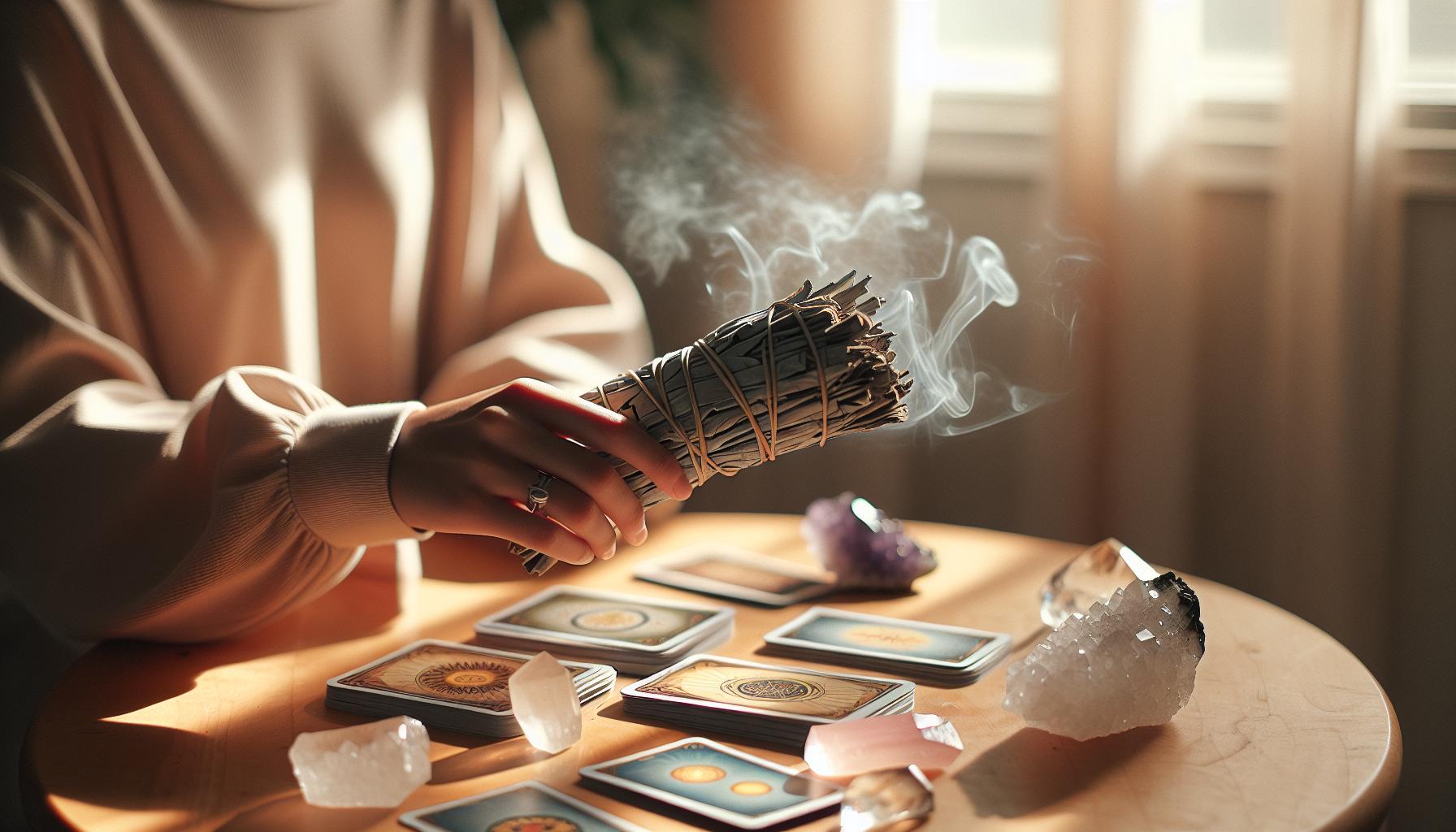
Familiarizing Yourself with Tarot Card Meanings
Understanding the meanings of each tarot card is an essential step in your journey with your new deck. Each card carries its own symbolism, themes, and messages, which can provide profound insights when interpreted correctly. This process is not just about memorizing definitions; it’s about building a connection with the cards, letting their imagery and meanings resonate with your intuition.
Start by exploring the Major and Minor Arcana. The Major Arcana comprises 22 cards that symbolize significant life events and karmic lessons. Cards like The Fool, The Lovers, and The World each convey major archetypal themes. In contrast, the Minor Arcana, divided into four suits (Cups, Wands, Swords, and Pentacles), deals with everyday experiences and challenges. Each suit represents different aspects of life, such as emotions, action, thoughts, and resources.
To familiarize yourself with the meanings, you can use a variety of methods. One effective method is to create a tarot journal. As you draw each card, take time to write down your initial impressions, the traditional meanings, and how the card relates to your personal experiences. This active engagement helps deepen your understanding and makes it easier to recall meanings in future readings. Consider also creating flashcards for each card; one side could display the image, while the other holds keywords and meanings.
Remember, the imagery on the cards often tells its own story. Spend time with each card; observe the colors, symbols, and expressions. What feelings arise as you engage with the image? For example, the Two of Cups, often seen as a symbol of partnership, may evoke different memories or emotions depending on your personal history. Trust these intuitive responses, as they can enrich your readings.
Connecting with your new tarot deck in this way transforms it from a mere tool into a living, breathing part of your spiritual practice. By practicing regularly and reflecting on what each card symbolizes, you cultivate a rich reservoir of wisdom that will guide you through your readings, making your tarot journey both meaningful and insightful.
Choosing Your First Tarot Spread
Choosing a tarot spread can feel as daunting as selecting your first tarot deck, but it doesn’t have to be. This journey should be filled with excitement and curiosity! A tarot spread is simply a layout that organizes the cards in a way that helps guide your interpretation and provides insights on the questions or themes you are exploring. Different spreads serve various purposes, so it’s essential to select one that resonates with your intention for the reading.
Start with a simple spread that gets you comfortable with interpreting the cards. A classic three-card spread is a fantastic choice for beginners. In this layout, each card can represent different aspects such as your past, present, and future, or it can illustrate the situation, action to take, and the outcome. This straightforward approach allows you to hone your skills without feeling overwhelmed. Here’s how you might set it up:
- Card 1: Past influences or lessons that have brought you to your current situation.
- Card 2: The present situation, highlighting what is currently influencing you.
- Card 3: Possible outcomes based on your current path and choices.
As you lay out the cards, take a moment to breathe and center yourself. Focus on your question or intention, allowing it to guide your interpretation. While reading each card, consider both its individual meaning and how it connects with the other cards in the spread. For instance, if you draw The Tower in the past position, it may indicate a significant change or upheaval that has shaped your current circumstances, while a supportive card in the present like The Empress might suggest nurturing opportunities arising from that change.
Once you feel more confident, explore slightly more complex spreads, like the Celtic Cross, which offers deeper insights but may require more practice and familiarity with the cards. No matter which spread you choose, approach it with a sense of discovery. Allow your intuition to guide your interpretations, and remember that tarot is a personal journey-what resonates for you may differ from traditional interpretations.
Incorporate these spreads as part of a regular practice, allowing you to develop your understanding and strengthen your connection with your deck. Over time, you’ll find that your readings become more intuitive and enlightening, enriching your spiritual path and personal insights. Ultimately, choosing your first spread is about what feels right for you, so trust your instincts and let the cards guide your exploration.
Interpreting Your First Reading: Tips and Insights
Your first tarot reading can feel profoundly magical yet a bit intimidating. Understanding how to interpret the cards can unlock rich insights and guidance. Remember, tarot is not just a predictive tool; it’s a way to reflect on your life, thoughts, and emotions. Approaching your reading with curiosity and openness will lead to the most rewarding experience.
As you lay out your cards, focus not only on their individual meanings but also on the story they tell collectively. Each card interacts with the others, creating layers of understanding. Start by grounding yourself-take a few deep breaths and visualize your question or intention. Consider each card’s position and what it represents based on the spread you’ve chosen. For instance, in a three-card spread, if the first card relates to the past and shows The Lovers, it might suggest a significant choice you faced at an earlier stage in your life that still impacts you. The second card, perhaps The Fool, positioned as your present influence, can symbolize new beginnings and embracing the unknown.
Don’t worry about getting everything “right.” Intuition plays a crucial role in tarot reading. Allow your instincts to guide you. If a card evokes a personal memory or feeling, explore that connection-it may lead to insights that traditional interpretations do not cover. For example, if you draw the Ten of Swords, it may evoke personal experiences of completion and end, rather than just despair as commonly understood.
As you finish your reading, take notes. Journaling your interpretations not only helps clarify your understanding for future readings but also tracks how your interpretations evolve. Over time, patterns may emerge in your readings, which can deepen your intuitive abilities. Remember, your journey with tarot is uniquely yours; trust your interpretations and the meanings they hold for you.
Interpreting your first reading is an essential step in your tarot journey. Embrace the process, keep practicing, and allow yourself to grow as both a reader and a seeker of truth. Tarot invites you to delve deeper into your psyche-enjoy the exploration!
Developing Your Intuition for Tarot
Developing a strong sense of intuition is key to unlocking the full potential of your tarot practice. Intuition is not just a mystical gift; it’s an accessible skill that we all possess and can hone with patience and practice. The more you work with your tarot cards, the clearer your inner voice will become, guiding you in your readings and interactions with the cards.
To nurture your intuitive abilities, start by establishing a routine that invites calm and focus. Set aside quiet time where you won’t be interrupted. Consider lighting a candle or using soothing music to create a sacred space. As you shuffle your deck, allow your thoughts to settle. This simple act can help ground you and tune you into the energy of the cards. Allow any feelings or thoughts that arise during this time to flow without judgment.
Engage with Your Cards
Take time to familiarize yourself with each card in your deck. Rather than just memorizing meanings, hold each card and observe what emotions or memories come to you. Ask open-ended questions about the card’s imagery, colors, and symbols. For instance, when you draw the Two of Cups, consider what it means to you personally. Does it evoke memories of friendship or love? This approach helps create a deeper personal connection to the cards, enabling you to interpret them more intuitively.
Practice Intuitive Exercises
Incorporate small exercises into your tarot practice. Here are a few methods to strengthen your intuition:
- Card of the Day: Pull a single card each morning. Reflect on its meaning and how it might apply to your day. By doing this consistently, you’ll begin to notice patterns in how your intuition speaks to you.
- Storytelling: Use a few cards to create a story. Focus on how they interact with each other, rather than their traditional meanings. This can foster creative thinking and enhance your intuitive storytelling abilities.
- Free Writing: After a reading, take ten minutes to write whatever comes to mind about the experience. Don’t censor yourself; this free-form writing can reveal insights buried beneath conscious thought.
Over time, you will likely find that your intuition becomes a reliable source during readings. Trust in your interpretations, as each personal insight can provide crucial context that extends beyond textbook meanings. Remember that every tarot reader’s intuition develops at its own pace, so honor your journey and enjoy the exploration.
Journaling Your Tarot Experiences
is one of the most rewarding practices you can adopt as you embark on your tarot journey. Keeping a dedicated tarot journal allows you to track your growth, understand your intuitive responses, and deepen your connection with your cards. It’s a safe space for reflection, exploration, and creativity, and it offers a way to integrate the insights you gain from your readings into your daily life.
Start by creating a structured yet flexible journaling routine that fits your lifestyle. You might choose to journal after each reading or set aside a specific time each week for reflection and exploration. Use your journal to record the details of your readings, including the cards drawn, the question asked, and your immediate thoughts and feelings. Over time, you will be able to spot patterns and trends that reveal more about your intuitive process and help you understand how the cards resonate with your life experiences.
Consider incorporating prompts to inspire deeper exploration. For instance, after a reading, you might reflect on questions like: What surprised me about this reading? How does it relate to my current life situation? You can also draw a daily card and write about its influence on your day. This practice not only strengthens your interpretation skills but also encourages you to recognize the subtle messages that arise in everyday life.
Additionally, your journal can serve as a creative outlet. Sketch the cards, write poetry inspired by them, or even use them as a springboard for storytelling. By blending your intuitive insights with creative expression, you cultivate a richer relationship with your tarot deck. As your journaling practice evolves, you’ll likely find it becomes a treasured companion in your tarot journey, illuminating your path with clarity and depth.
Building a Personal Connection with Your Deck
To truly unlock the magic within your new tarot deck, cultivating a personal connection is essential. This connection goes beyond simply memorizing card meanings; it invites you to engage with the imagery, symbolism, and energy of the cards in a way that resonates with you. Each time you handle your deck, you create space for intuition and emotion to intertwine with the wisdom of the cards, enhancing your readings and enriching your spiritual practice.
Begin your journey by spending time with your deck in a quiet, comfortable space. Hold the cards in your hands and take a moment to simply breathe. Notice how they feel, notice their weight, and allow yourself to explore your initial impressions. Consider drawing a single card, observing its artwork and colors, and jotting down any feelings or thoughts that arise. This practice not only familiarizes you with the cards but also opens a dialogue between you and your deck.
Another meaningful way to deepen your connection is to integrate rituals or routines into your card handling. Before a reading, you might light a candle or burn some incense to create an inviting atmosphere. You can also set intentions, such as asking your deck to provide clarity or guidance on a specific situation. After each reading, reflect on the experience: How did the cards feel in your hands? Did you notice any intuitive nudges or strong emotions? Documenting these reflections in your tarot journal further cultivates your bond with the cards, as you track how your relationship evolves over time.
Lastly, consider personalizing your deck. This might mean adding your own touches, such as a protective cloth or bag that speaks to you, or even creating a custom spread that aligns with your personality and goals. The more you invest in your deck, the more it becomes a part of your spiritual toolkit, resonating with your individual path and enhancing your tarot practice. Over time, you’ll find that your tarot deck evolves into a trusted friend and guide, ready to assist you in uncovering insights and navigating life’s complexities.
Exploring Different Tarot Deck Styles
When you first dive into the world of tarot, the myriad of deck styles can be both exciting and overwhelming. Each tarot deck has its unique aesthetic, symbolism, and approach to the traditional structure of tarot, allowing you to find one that resonates with your personality and intuitive style. Whether you are drawn to vibrant imagery, intricate symbolism, or a specific theme, is an essential part of making your tarot practice personal and meaningful.
One of the most recognized styles is the Rider-Waite-Smith deck, known for its rich illustrations and intuitive imagery. Each card in this deck tells a story, making it particularly accessible for beginners. The Marseille deck, on the other hand, is more minimalist, often featuring pip cards for the minor arcana that require deeper interpretation. This deck appeals to those who enjoy traditional symbolism and a more straightforward approach to readings. If you’re looking for something more esoteric, the Thoth deck includes intricate artistry that integrates astrological and alchemical symbols, suitable for those who want to delve into advanced tarot concepts.
As you explore different decks, consider how the art and themes reflect your intentions. Here are some tips to help you choose:
- Assess Your Connection: Spend time with different decks. How do the images make you feel? Trust your instincts; a deck that resonates with you can enhance your readings.
- Theme and Imagery: Look for decks that align with your interests-nature, mythology, pop culture, or abstract art can all offer unique perspectives.
- Read Reviews: Communities often discuss and review decks. Engaging with fellow tarot enthusiasts can help you discover lesser-known gems.
- Personalization: Remember, your deck can be modified to suit your style. Consider artistic or protective cases that resonate with you to further enhance your connection.
Selecting a tarot deck is more than just picking up a pretty box; it’s an opportunity to express yourself and form a bond that will guide you through your spiritual journey. Allowing yourself the freedom to explore different styles enriches your practice, making each reading an opportunity for deeper understanding and connection. As you embrace the unique qualities of your chosen deck, you’ll find that it becomes not just a tool for divination, but also a mirror reflecting your inner journey.
Incorporating Tarot into Your Spiritual Practice
can transform your journey, providing a roadmap for self-discovery and insight. The beauty of tarot lies in its flexibility; it’s not just a tool for fortune-telling, but a versatile companion that can enhance meditation, inspire creativity, and foster personal growth. You don’t need to be a seasoned practitioner to start-beginning with some simple practices can deepen your connection with your cards and your spiritual self.
Start by creating a sacred space for your tarot work. This could be a specific corner of your home that you dedicate to your spiritual practices. Decorate it with items that resonate with you-crystals, candles, or meaningful symbols. When you approach your tarot practice in this space, you signal to your mind and spirit that you are entering a place of introspection and connection. Light a candle to focus your energy, or hold a crystal in your hand to ground yourself, allowing for a serene environment that fosters reflection.
Next, consider integrating tarot into your daily routine. You might begin each day with a one-card pull, asking the question, “What energy will I encounter today?” This simple practice provides daily insights and sets a reflective tone for your day. As you pull a card, take a moment to meditate on its imagery and symbolism. For instance, if you draw The Fool, contemplate its meaning of new beginnings and the courage to take risks. Write down your thoughts and how they relate to your day in a journal-this practice not only sharpens your intuitive skills but also documents your growth over time.
Lastly, embody the spirit of tarot through ritual. Create a weekly or monthly ritual where you delve into more extensive spreads to explore specific aspects of your life, such as relationships, career, or self-care. Use this time to interpret the cards deeply, connecting their meanings to your current experiences. For example, the Three of Cups might highlight themes of celebration and friendship. Reflect on how these themes are manifesting in your life and how you can honor them. Throughout these rituals, remember to remain open to the messages you receive-tarot often reflects what you know deep down, illuminating paths you may have overlooked.
By weaving tarot into your spiritual practice, you not only nurture a profound connection with your cards but also embrace a holistic approach to personal development. Let your intuitive journey unfold, and remember that tarot is a reliable guide, ready to reveal insights that empower and inspire you every step of the way.
Advanced Techniques: Rituals and Card Combinations
Creating rituals around your tarot practice can deepen your relationship with the cards and enhance your readings. Rituals allow you to connect with the energies of the cards more profoundly, providing you with insights that transcend surface-level interpretations. By incorporating card combinations into these rituals, you unlock a richer narrative that can reveal layers of meaning relevant to your questions.
To start, consider establishing a monthly ritual where you select a specific theme based on the lunar cycle-such as release during a full moon and intention-setting during a new moon. During these sessions, lay out a spread that focuses on both the overarching theme and specific concerns. For instance, you might use a simple three-card spread (Past, Present, Future) to explore your emotional landscape related to this theme. The cards you pull will not only provide insights into each aspect but also interact dynamically with one another. For example, if you pull the Tower (representing upheaval) in the past position and the Star (symbolizing hope and healing) in the future position, you’ll want to explore how the disruptions of the past lead to a hopeful future. Reflect on the lessons you can extract from the Tower and how they can empower your journey toward the Star.
Additionally, utilizing card combinations is a powerful method to clarify complex situations. When you pull multiple cards, consider how they talk to each other. For instance, drawing the Queen of Cups alongside the Five of Cups invites contemplation on emotional wisdom and recognizing loss. As you meditate on these cards together, ask yourself what feelings arise and how the Queen’s nurturing energy might guide you through feelings of grief or disappointment represented by the Five of Cups. This interactivity can provide new perspectives and healing paths.
Integrate these techniques into your regular practices by keeping a dedicated tarot ritual journal. Use it to not only document your readings but also your reflections on card combinations. Illustrate the connections you discover over time, creating personal meanings that resonate with your experiences. This ongoing exploration will cultivate your intuition and enhance your understanding of tarot’s vast possibilities.
Remember, every tarot reading is a conversation-not just with your cards, but with yourself. Embrace these rituals and combinations as an opportunity for self-discovery and empowerment. Whether you are seeking guidance on a particular issue or striving for spiritual growth, these advanced techniques will help you forge a deeper connection with your tarot deck, making every reading a personal and transformative experience.
Sharing Tarot Readings with Others
can be a deeply enriching experience that allows you to connect not only with the cards but also with the people in your life. Engaging in tarot readings as a shared practice can foster community, promote understanding, and deepen your own intuitive insights. Whether you’re reading for friends, family, or even in a more formal setting, it’s important to approach each reading with mindfulness and respect.
When starting to share your tarot readings, consider keeping a few foundational principles in mind. First, establish a comfortable environment for your readings. This can be as simple as finding a quiet space where you won’t be interrupted. Set the mood with soft lighting and calming music, allowing the atmosphere to reflect the openness and intention you wish to create. It’s also helpful to chat with your querent about their expectations and any specific questions or areas of focus they have in mind. This initial conversation sets the tone and helps tailor the reading to their needs.
Practice active listening during the reading. Encourage those you read for to share their thoughts and feelings about the cards as you go along. This creates a two-way dialogue, making the experience interactive and personal. For example, if you pull the Ace of Cups while discussing a relationship, ask them how they relate to new emotional beginnings. This not only validates their experiences but also empowers them to explore their own intuitive responses to the cards.
Keep your interpretations accessible and non-dogmatic. Remember, tarot can seem mysterious, especially to those new to the practice. When explaining card meanings, use relatable language and examples. Instead of saying the Seven of Swords indicates deceit, you might frame it in terms of strategy or the importance of discernment. This approach demystifies the cards and fosters a supportive environment where both you and the querent can grow together.
Finally, invite feedback after the session. This is invaluable, as it allows you to refine your skills and understand how your readings resonate with others. Encourage them to journal about their experience or share any insights they gained. This not only reinforces their connection to the reading but also enhances your own practice as they return with additional perspectives on the cards in future sessions.
By cultivating a sharing practice around tarot, you transform the act of reading into a collective journey of discovery. Embrace the opportunity to learn from each connection, as every reading will enhance your understanding of both the cards and the rich tapestry of human experience.
FAQ
Q: How do I introduce myself to my new tarot deck?
A: *Introducing yourself to your new tarot deck* can strengthen your connection. Hold the deck, close your eyes, and say a few words about your intentions for using it. Ask the deck what it wishes to share with you. This personal ritual helps establish a profound bond and opens up intuitive channels.
Q: What should I avoid doing with my new tarot deck?
A: When starting with a new tarot deck, *avoid forcing interpretations* and reading for others too soon. Be mindful of using the cards in a way that feels authentic to you. Also, resist comparing your journey to that of experienced readers; instead, focus on your unique experiences and growth.
Q: Can I use tarot cards for general guidance, not just for questions?
A: Absolutely! *Tarot cards are versatile* tools for general guidance. You can draw a card daily to reflect on your energy or seek wisdom on life themes. This method enhances your understanding of the cards and deepens your intuitive practice, encouraging you to learn and grow.
Q: How should I store my tarot deck for the best energy?
A: *To maintain your tarot deck’s energy*, store it in a dedicated pouch or box, preferably lined with a natural fabric. Keep it in a quiet, sacred space away from clutter. Regularly cleanse your cards using methods like incense or moonlight exposure to refresh their energy.
Q: When is the best time to start using my tarot deck?
A: The best time to start using your tarot deck is when you feel *energetically ready and inspired*. There’s no wrong time; some prefer significant life events, while others choose calm moments for reflection. Trust your intuition to guide you towards the right timing for your practice.
Q: How can I practice reading tarot cards by myself?
A: *Practicing tarot reading solo* can involve journal entries where you reflect on your interpretations after each draw. Create small spreads for daily insights and gradually escalate to more extensive layouts. This method builds your confidence and fosters a deeper understanding of the cards.
Q: What are the signs that I am connecting well with my tarot deck?
A: Signs of a strong connection with your tarot deck include feeling *resonance with the card imagery*, intuitive insights flowing during readings, and general comfort while handling the cards. Trust your gut feelings; if readings feel meaningful, it’s a good sign of connection.
Q: Should I consider my emotions when reading tarot cards?
A: Yes, *considering your emotions is vital.* Your feelings can color your interpretations and help you understand the context of each reading. Acknowledge your emotional state, as it may influence the insights you gain and the messages the cards reveal, enhancing your overall reading experience.
In Summary
You’ve explored the essential first steps of using a new tarot deck, and now it’s time to embrace your journey! Remember, each reading deepens your intuition and connection with the cards. As you begin, consider documenting your experiences in a tarot journal or exploring personalized spreads tailored to your questions. For further insights, dive into our guides on “How to Conduct a Tarot Reading” and “Understanding Tarot Card Meanings” to enhance your practice.
Don’t hesitate to share your thoughts or questions in the comments-your journey is unique, and community support can be invaluable. Join our newsletter for exclusive tips and updates on all things tarot, and revisit us for more resources that nurture and empower your spiritual growth. The magic of tarot awaits; unlock your potential today!
Get our latest guides, news, and insights highlighted in your Google Search & AI Overviews.