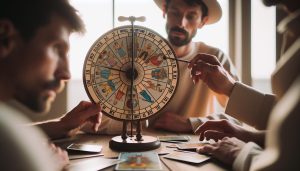
Curious about the accuracy of Tarot cards? You’re not alone. Many seekers turn to Tarot for insight, hoping to unlock deeper truths about their lives. Yet, the question remains-do these mystical cards truly hold the power to reveal our futures, or are they merely reflections of our own thoughts and feelings? In this exploration, we will delve into the perspectives of both science and seasoned readers, demystifying the enigmatic nature of Tarot. Whether you’re a skeptic or a believer, understanding the nuances of Tarot could enhance your personal growth and intuitive journey. Let’s uncover how these cards function, what they can reveal, and how they might guide you in your life’s decisions.
Are Tarot Cards Accurate? Exploring Scientific Perspectives

Exploring the accuracy of tarot cards often leads us into a fascinating discussion that straddles the realms of anecdotal experience and scientific inquiry. While many believers argue about the intuitive nature of tarot readings and their ability to resonate deeply with personal experiences, skeptics often invoke scientific principles that prioritize empirical evidence. Understanding this dichotomy can help demystify tarot, making it more accessible to all, whether you wholeheartedly embrace its magic or approach it with caution.
Scientific perspectives on tarot accuracy typically center around the concepts of intuition, psychology, and cognitive biases. Research in psychology indicates that people can be surprisingly adept at making meaningful connections between seemingly random symbols and their personal situations. This phenomenon, known as the Barnum effect, describes how individuals often perceive vague statements as particularly applicable to their own circumstances. When tarot readers describe card meanings that reflect universal themes-like love, conflict, or decision-making-seekers may find profound relevance in their readings, regardless of the actual predictive accuracy of the cards themselves.
Moreover, studies on subjective validation suggest that our brains are wired to find patterns and meanings, even in randomness. For instance, a tarot reading may draw on rich symbolism and archetypes that resonate with common human experiences, allowing individuals to reflect on their lives and decisions in a new light. The act of engaging with a tarot reading can itself serve as a psychological tool for self-reflection, enhancing clarity and empowering decision-making-even if it doesn’t predict the future with absolute certainty. Thus, while scientific scrutiny may not affirm that tarot cards predict outcomes with measurable precision, they can validate the experience of self-discovery they often inspire.
In conclusion, the conversation surrounding the accuracy of tarot cards showcases a beautiful intersection of spirit and science. By recognizing the psychological underpinnings that contribute to the perceived accuracy of tarot readings, we can appreciate how tarot serves not just as a mystical art, but also as a powerful vehicle for personal insight and growth. Whether you’re a seasoned practitioner or a curious novice, understanding these elements can enhance your journey with tarot, fostering a richer, more rewarding connection with this ancient practice.
The Mystical Art of Tarot: How It Works
Tarot operates on multiple layers, blending intuition, symbolism, and a unique connection between reader and seeker. At its core, tarot provides a framework for exploring personal narratives, using the imagery and archetypes present in the cards to reflect on life’s complexities. When you shuffle and lay out the cards, you create a dialogue with your subconscious, tapping into feelings, thoughts, and experiences that might otherwise remain unexamined.
How Tarot Connects
The power of tarot lies in its ability to resonate with shared human experiences. Each card is rich with symbolism, representing universal themes such as love, conflict, and growth. This resonance is why seekers often find profound meaning in readings, regardless of the reader’s intent or the specific spread used. For example, drawing the Two of Cups may evoke feelings of partnership or connection, speaking to a seeker’s current relationship dynamics or aspirations, even if they weren’t explicitly asking about love.
The experience of a tarot reading is not solely predictive; it often serves as a mirror reflecting your inner thoughts and feelings. Many practitioners emphasize the importance of intention. Before a reading, taking a moment to focus on what you hope to gain clarity on can enhance the experience. This clear intention can guide the reading, allowing the cards to speak to the heart of your questions, whether they concern a personal dilemma or broader life decisions.
Techniques for Reading
Understanding basic card meanings is crucial, but how you interpret them can vary widely based on intuition and context. Here are some practical steps to enhance your tarot reading process:
- Choose a Spread: Common spreads include the three-card spread for past, present, and future, or the Celtic Cross for deeper exploration.
- Set Your Intention: Clearly state what you seek to understand or learn before diving into the reading.
- Shuffle and Draw: As you shuffle, think about your question. When ready, draw your cards and lay them out according to your chosen spread.
- Reflect and Interpret: Look at the cards together. What themes emerge? How do the cards relate to one another? Trust your intuition here.
- Conclude with Action: End the session by considering what steps you can take based on the insights gained. Tarot is powerful, but it’s the action that brings change.
As you explore the mystical art of tarot, remember that it’s a highly personal journey. Each reading can reveal insights that resonate deeply, while also providing a space for self-reflection and empowerment. Embrace each experience as an opportunity for growth and understanding-whether you approach it with skepticism or belief, tarot has much to offer everyone.
Understanding Tarot Readings: What to Expect

When you sit down for a tarot reading, it’s natural to wonder what will unfold. Expect a unique journey that blends intuition, symbolism, and personal reflection. Each card drawn acts as a window into your subconscious, allowing both the reader and seeker to explore emotions and situations that might otherwise remain hidden. Tarot isn’t strictly about predicting the future; rather, it’s a tool for deeper self-discovery and clarity.
As you engage in a reading, be prepared for an experience that is both enlightening and revealing. The cards, steeped in rich imagery and archetypal meanings, resonate with universal life themes. For instance, drawing the Ten of Swords may signal an end to a difficult chapter while simultaneously ushering in new beginnings-encouraging you to reflect on life transitions. This interpretation isn’t fixed; it hinges on your personal context and the intention you set before the reading.
What to Bring to a Tarot Reading
Arriving at a tarot reading with a clear mind and specific questions can enhance the experience. Here are some practical considerations:
- Clarify Your Intentions: Think about what you hope to gain from the session. Whether seeking guidance on relationships, career paths, or personal growth, defining your questions beforehand will help focus the reading.
- Open Mind: Enter with curiosity and openness. Embrace whatever insights arise, even if they challenge your preconceived notions.
- Notebook: Consider bringing a notebook to jot down revelations or advice that resonates with you. This can be a valuable resource for reflection later.
A tarot reading can unfold in various ways depending on the reader’s style. Some may engage in a conversational approach, discussing each card as it’s drawn, while others may prefer a more meditative silence where personal reflections come to the surface. Regardless, expect an intuitive process where the cards act as guides, revealing the paths available to you rather than dictating a fixed destiny.
Ultimately, each tarot reading can serve as a powerful catalyst for change. Whether you’re a skeptic or a believer, the process invites you to explore the depths of your soul and empowers you to make conscious decisions moving forward. Each journey through the tarot is distinctive and offers an enriching experience to all who seek its wisdom.
Skeptics vs. Believers: Insights on Tarot Accuracy
When it comes to tarot readings, the divide between skeptics and believers often inspires lively debate. Many skeptics dismiss tarot as mere chance or psychological manipulation, while believers view it as a profound tool for introspection and guidance. This juxtaposition creates a rich tapestry of perspectives that enhances the experience of those engaging with tarot, regardless of their prior beliefs.
For skeptics, the effectiveness of tarot can be attributed to the psychological principles at play, such as the Barnum effect-where vague statements feel personal-and confirmation bias, which reinforces existing beliefs. They argue that readings can seem accurate because the questions posed are open-ended, allowing for broad interpretations. For instance, if someone receives a card that suggests change, they may be experiencing it in their life, thus feeling a connection to the message. However, this doesn’t necessarily undermine the value tarot may hold for individual exploration and clarity.
On the flip side, believers often recount transformative experiences that have shaped their understanding of themselves and their lives through tarot. These seekers view each card as a prompt for reflection, allowing deeper insights to surface during readings. For example, drawing the Two of Cups may evoke thoughts of relationships, prompting questions about harmony and connection in one’s life. This process can lead to significant personal breakthroughs, showcasing that the validity of tarot may ultimately be determined by individual experience rather than scientific measurement.
It’s essential for both skeptics and believers to approach tarot with an open mind. The beauty of tarot lies in its versatility-offering both a mystical experience and a psychological tool for self-reflection. Whether you engage with tarot as a skeptic or a believer, it invites you to explore your inner landscape in a way that feels authentic, nurturing personal growth and expanding your understanding of life’s complexities. By bridging these perspectives, tarot can serve as a universal language of intuition, accessible to everyone seeking guidance.
Scientific Studies on Tarot: What the Research Says
Research on tarot often navigates the delicate balance between skepticism and spirituality, with various studies examining its perceived accuracy and psychological effects. While some scientists regard tarot readings as products of cognitive biases-where individuals project their feelings and experiences onto the interpretations of the cards-others highlight the potential of tarot as a tool for self-reflection and insight.
One notable area of interest is the psychological mechanics behind tarot. For instance, the Barnum Effect explains why people find tarot readings personally relevant; individuals often interpret vague and general statements as highly specific to their situations. This concept suggests that the context of a reading can lead to insights that feel profound, yet stem from psychological phenomena rather than concrete foresight. A common example can be found in readings that emphasize themes of change or growth, prompting clients to reflect on their own life transitions, thereby attributing personal significance to the reading.
In terms of academic inquiry, a few studies have investigated the effectiveness of tarot readings. For example, research involving participants who received tarot readings compared to control groups has often found that those undergoing readings reported higher levels of emotional clarity or relief from anxiety. These findings indicate that while tarot may not predict the future, it can facilitate reflection and personal insight, which some may define as a form of accuracy in aligning with one’s inner thoughts and feelings.
Ultimately, the conversation around tarot and its validity points to a broader understanding of human psychology. Whether seen through the lens of science as an intriguing phenomenon or embraced by believers as a mystical tool, tarot invites individuals to engage with their intuition and thoughts. This multifaceted nature is what makes tarot accessible-offering profound personal insights while acknowledging the complexities of psychological influences and individual experiences.
Real Experiences: Seekers Share Their Tarot Journeys
Many seekers find that tarot readings are transformative experiences that resonate deeply within them. From the moment they draw their first card, they often feel an invitation to explore their inner thoughts, emotions, and life paths. These readings serve not only as divination tools but also as mirrors reflecting one’s own intuition and wisdom, providing clarity on complex situations.
For instance, consider a young woman named Sarah, who felt lost in her career. During her first tarot reading, she was hesitant, expecting nothing more than vague affirmations. However, as she discussed her ambitions and insecurities with the reader, she drew the Eight of Pentacles. This card, symbolizing dedication and mastery, prompted insights about her work ethic and the importance of honing her skills. The reading not only gave Sarah practical advice-encouraging her to seek out professional development-but also sparked a belief in her potential to shape her future, ultimately leading her to pursue a new job that aligned with her passions.
In another instance, a skeptic named Tom decided to accompany a friend to a tarot reading out of curiosity. Initially doubtful, he found himself intrigued when the reader pulled the Fool card for him. This card represents new beginnings and stepping into the unknown. As the reader connected this imagery to Tom’s life, discussing his fear of change and his penchant for routine, he began to resonate with the message. This prompted him to consider taking a leap into a long-desired adventure: traveling abroad.
Such stories illuminate how tarot readings can evoke profound self-discovery. They invite seekers to engage with their emotions and thoughts, often leading to actionable steps that promote personal growth. As these firsthand experiences reveal, the accuracy of tarot readings may lie not in predicting the future, but in revealing personal truths, helping individuals find meaning and direction amidst life’s complexities. Through these shared journeys, we see that tarot isn’t just about the cards; it’s about the connection established between the reader, the cards, and the seeker’s intuition.
Common Reflections Among Seekers
Seekers often report similar themes in their tarot experiences, such as:
- Clarity and Insight: Many find that specific cards resonate in ways that highlight their feelings or situations.
- Empowerment: Tarot can rejuvenate one’s sense of agency, encouraging personal growth and decision-making.
- Validation: Seers appreciate the affirmation of their feelings or thoughts, often leading to breakthroughs in understanding.
In essence, the journey with tarot is as much about exploration and introspection as it is about receiving guidance. Each card drawn holds potential for reflection, fostering a deeper connection with oneself and the questions at hand. Whether you approach it with skepticism or curiosity, there’s a unique journey waiting within the cards, ready to reveal insights that resonate with your personal story.
The Psychology of Tarot: Why It Resonates with People
The allure of tarot cards goes beyond mere mysticism; it touches on deep psychological themes that resonate with many people. This connection often stems from the cards serving as catalysts for introspection and exploration of one’s subconscious. When individuals draw tarot cards, they embark on a journey of self-discovery, often uncovering layers of understanding about their emotions, desires, and fears. The symbolism inherent in each card invites personal interpretation, allowing seekers to find meaning tailored to their unique life situations.
One powerful aspect of tarot is its ability to externalize thoughts and feelings that may otherwise remain hidden. Through the imagery of the cards, seekers can articulate feelings of uncertainty, anxiety, or hope, creating a dialogue with themselves. For example, the appearance of the Tower card might elicit fears of upheaval, but it can also encourage a person to consider what aspects of their life may require a transformative change. This duality illustrates how tarot helps bridge the internal and external, fostering clarity and self-empowerment.
The psychological comfort provided by tarot can also be significant. For many, engaging with a tarot reading can serve as a moment of reflection and reassurance, often leading to feelings of validation. When individuals see their situations mirrored in the cards, it reinforces their own intuition and insights. Take, for instance, someone facing a challenging decision in a relationship who draws the Lovers card. This not only affirms their feelings about love and choice but might also lead them to explore what they truly value in their relationships.
Moreover, tarot readings can create a sense of collaboration between the seeker, the reader, and the cards. This relationship enhances the experience, allowing skeptics to approach with open minds. For instance, a skeptic may attend a reading with uncertainties yet leave feeling invigorated by the insightful connections made between the cards and their personal journey. By demystifying some of the process and highlighting the psychology behind tarot, seekers can access the rich tapestry of interpretations that lead to personal revelations and growth.
In summary, the psychological resonance of tarot lies in its ability to facilitate introspection, validate emotions, and foster personal connections. Each card not only reflects a potential reality but also opens the door to understanding oneself more deeply, making tarot a powerful tool for anyone willing to engage with it, whether they approach the practice with skepticism or belief.
Debunking Myths: Common Misconceptions About Tarot
Many people find themselves captivated by tarot cards, yet numerous myths and misconceptions can cloud their understanding of this mystical practice. One prevalent belief is that tarot cards can predict the future with absolute certainty. In reality, tarot serves more as a reflective tool than a crystal ball. The cards tap into your intuition, encouraging you to explore your feelings and thoughts. Rather than offering definitive answers, they help you navigate your own decision-making process, highlighting potential outcomes based on your current path.
Another common misconception is that tarot readings require a special gift or psychic ability. Anyone can learn to read tarot cards! It’s fundamentally about developing a connection with the cards and understanding their symbolism. Beginners can start by familiarizing themselves with basic card meanings and practicing simple spreads. A practical approach might involve focusing on daily draws, where you pull one card each morning to reflect on its message throughout the day. This practice not only builds familiarity but also nurtures intuitive skills that make reading more personal and insightful.
Perhaps the imagery of the tarot has led some to think it is connected to dark practices or superstition. This myth can be intimidating, especially for those curious about exploring tarot. The truth is that tarot is rooted in a rich history of psychology and symbolism. It is a tool for clarity and self-reflection, not foreboding. Engaging with tarot can be a sacred experience, promoting mindfulness and personal growth while honoring the reader’s unique belief system.
Moreover, there is often skepticism regarding the overall accuracy of tarot readings. Critics may argue that what validates a reading is mere coincidence or vague statements that can apply to anyone. However, many seekers have reported profound insights through their tarot experiences. The accuracy of a reading often lies in the reader’s ability to interpret the cards in a way that resonates with the individual’s current life circumstances. This instrumental aspect reinforces the relationship between the seeker, the cards, and the reader, emphasizing that accuracy is subjective and varies from person to person.
In summary, overcoming common misconceptions surrounding tarot can open the door to a more enriching experience. By understanding that tarot is a guide for self-exploration, anyone can embrace this practice with confidence and curiosity. Let go of fear and skepticism, and allow the magic of tarot to lead you on a path of discovery and empowerment.
Enhancing Intuition: Learn to Read Tarot Cards
Unlocking the mystical art of tarot reading begins with cultivating your intuition. Engaging with tarot cards is not merely about memorizing card meanings; it’s about forming a personal connection with the cards, allowing your inner wisdom to shine through your readings. Every card carries layers of symbolism and meaning, which can resonate differently based on your feelings, situation, and intent. The journey to reading tarot effectively is an invitation to explore the depths of your intuition and the insights that emerge from this engagement.
Start with a Personal Connection
To enhance your intuitive skills, begin by selecting a tarot deck that resonates with you personally. Each deck has its unique imagery and vibe, and finding one that speaks to your heart can enhance your connection. Spend time handling the cards, shuffling them, and observing the artwork. Consider journaling your thoughts and feelings as you encounter each card. This practice not only deepens your understanding but also allows you to develop your intuitive voice.
Practical exercises, like a daily draw, can be incredibly beneficial. Each morning, pull a single card and reflect on its message throughout your day, asking yourself questions like: What does this card mean to me right now? How does its energy manifest in my life today? Over time, this builds your confidence and allows you to recognize patterns and insights that only you can see.
Listening to Your Inner Voice
As you gain confidence, explore simple spreads like the three-card spread: one card for the past, one for the present, and one for the future. When interpreting these cards, trust your initial instincts. Write down your first impressions before consulting traditional meanings. This dual approach balances the structure of tarot’s established symbolism with your unique perspectives, merging theory and intuition into one cohesive experience.
- Past: Reflect on how this card relates to previous experiences.
- Present: Analyze what you are facing right now.
- Future: Contemplate the potential paths ahead based on your current direction.
With practice, you’ll refine your ability to interpret the cards’ messages through the lens of your own life experiences, consistently honing your intuition.
Integrating Intuition and Knowledge
As you progress, consider diving deeper into the meanings behind each card, including numerological, elemental, and astrological associations. This knowledge enriches your readings and allows for a more nuanced interpretation. For beginners, focusing on the major arcana can build a strong foundation, while advanced readers may explore the minor arcana for increased complexity in their readings.
Remember, tarot is as much about personal exploration as it is about card meanings. Allow yourself the freedom to interpret each reading without judgment. Engage with fellow tarot enthusiasts, share insights, and learn from their experiences. This community can provide invaluable support and inspiration.
Ultimately, the key to effectively reading tarot lies in balancing knowledge with intuition, confidence with curiosity. By embracing your personal journey with the cards, you will find that tarot not only enhances your understanding of yourself but also adds a profound layer of meaning to your life.
Different Types of Tarot Decks and Their Meanings
Exploring the diverse world of tarot decks can significantly enhance your reading experience, making it essential to choose one that resonates with your intuition. Each tarot deck offers unique artwork, themes, and interpretations that speak to different aspects of the human experience. From the traditional Rider-Waite-Smith deck, which features vivid imagery and classic symbolism, to modern decks that incorporate personal, cultural, or even technological themes, there’s a deck for every seeker.
Types of Tarot Decks
- Traditional Decks: These include the Rider-Waite-Smith and Thoth decks. They provide the foundational symbolism and imagery used in many modern interpretations. If you’re starting out, these decks offer a clear path to understanding the core meanings.
- Modern Artistic Decks: Many contemporary decks focus on unique artistic styles, such as the Wild Unknown or Shadowscapes Tarot. Their design might resonate more with your personal aesthetic or philosophical beliefs.
- Cultural and Thematic Decks: These decks draw from specific cultures or themes, such as the Tarot de Marseille or the Native American Tarot. They often provide rich historical contexts and resonate with seekers looking for specific cultural connections.
- Oracle Decks: While not traditional tarot decks, oracle decks can complement tarot readings. They often focus on specific themes or messages, providing additional insights alongside tarot spreads.
Selecting a deck that aligns with your personal style and intuitive sensibility can make a profound difference in your tarot journey. When considering your options, think about the artwork that draws you in and the themes that resonate with your life. A playful, bright deck might better suit your personality, while a darker, more abstract one could speak to deeper introspections.
Understanding Their Meanings
Each type of deck has a specific energy and intention behind it, influencing how you interpret the cards. For example, a traditional deck typically emphasizes the classic meanings associated with the cards, while a modern artistic deck may encourage a more personal interpretation based on the art’s aesthetics. Here are some tips for understanding how different decks can impact your readings:
- Connection: Spend time with the deck. Shuffle the cards and notice your feelings as you engage with them.
- Themes: Identify the themes present in the deck. Are they aligned with what you are seeking to explore in your life?
- Journaling: Keep a journal of your readings to note how different decks resonate with your questions and circumstances.
Ultimately, the right tarot deck can enhance your intuition, support your journey, and deepen your readings. Embrace the exploration of styles and themes as part of your growth. Tarot reading is as much about personal connection as it is about the cards themselves-trusting your instincts will lead you to a deck that feels just right.
Finding Your Tarot Style: Deck Selection Tips
Selecting the right tarot deck can profoundly influence your reading experience, weaving a tapestry of personal connection and intuitive understanding. Each deck acts as a vessel, carrying its unique energy, symbolism, and artistry that resonates with seekers on different levels. Consider what draws you in-whether it’s the intricate imagery, the cultural backgrounds, or the themes that speak to your life’s journey. Embracing this exploration is essential for deepening your connection to the tarot and enhancing the accuracy of your readings.
Explore and Connect
Begin your journey by exploring various decks that catch your eye. Visit local metaphysical shops or browse online stores to see the array of options available. As you handle different decks, pay attention to how you feel. Does the imagery evoke emotions? Do the colors resonate with your energies or beliefs? A deck that feels aligned with your intuition can significantly enhance your comfort and accuracy during readings. For instance, someone who connects deeply with nature might find the Wild Unknown Tarot appealing, while another seeker might gravitate toward a more traditional Rider-Waite-Smith deck for its foundational symbolism.
Reflect on Themes and Intentions
Consider what you want to explore through your tarot practice. Are you delving into personal growth, spirituality, or love? Certain decks emphasize specific themes or motifs, guiding you in your explorations. A cultural deck, like the Tarot de Marseille, might inspire you to reflect on historical contexts, while a contemporary oracle deck could invite practical, modern insights. Take time to journal about your experiences with each deck, noting how their messages resonate with your current life situations. This reflective practice not only enhances your understanding of the cards but also deepens your connection to the stories they tell.
Personalize Your Journey
Your tarot practice should be a personal and unique experience. By choosing a deck that feels like your own, you’re setting the stage for more intuitive interpretations. Experiment with various decks before committing; borrow from friends or attend tarot meet-ups to experience a variety. Once you’ve selected a deck that resonates, take time to familiarize yourself with its nuances. Look beyond traditional meanings, allowing the artwork and themes to guide you in creating a personal lexicon for interpretation. This alignment will empower you to read the cards with greater confidence and clarity.
With the right tarot deck in hand, you may find yourself not only engaged in the practice but also inspired by the profound connections to your own journey, encouraging insights that feel both relevant and accurate. Remember, tarot is a tool for self-discovery and reflection accessible to everyone-its magic lies in the synergy between the seeker and the cards.
Practical Tips for Accurate Tarot Readings
To achieve accurate and meaningful tarot readings, consider a blend of intuition, practice, and mindfulness. Tarot is not just about the cards; it’s also about the relationship you build with them. One effective way to enhance this accuracy is by establishing a clear intention before you begin your reading. Ask yourself what specific question or situation you wish to explore. A focused inquiry helps direct the energy of the reading, making the messages from the cards more relevant and insightful.
Creating a Sacred Space
Setting the stage is essential for a successful reading. Find a quiet, comfortable place where you won’t be interrupted. Decorate your space with items that inspire you-crystals, candles, or meaningful artifacts. This environment will help you enter a meditative state, allowing you to better connect with your intuition. When the atmosphere feels sacred, your readings become more profound and aligned with your true self.
Connecting with Your Deck
Take time to bond with your chosen tarot deck. Before you begin reading, go through each card and observe your initial reactions to the imagery and symbolism. Note any emotions or thoughts that arise; these instinctual responses can guide your interpretations later on. When you shuffle the deck, visualize your question being infused into the cards, enhancing the connection between your inquiry and their meanings.
Practice and Reflection
Like any skill, tarot reading improves with practice. Start with simple spreads, such as a three-card draw, focusing on the past, present, and future regarding your question. After your reading, journal about your interpretations and how they resonate with your life. Reflect on what worked well and what felt off. Over time, this practice will deepen your understanding of the cards and clarify how your intuition speaks through them.
By combining intention, environment, and practice, you open doors to accurate and insightful tarot readings. Trust your feelings and interpretations, and allow the tarot to be a tool for personal discovery and growth. Each session is a dance between the mystical and the practical, inviting you to explore the vast terrains of your inner landscape. Remember, accuracy in tarot lies not just in the cards themselves but in how you engage with them on your personal journey.
Frequently Asked Questions
Q: How can tarot cards provide accurate insights into my life?
A: Tarot cards can offer accurate insights by tapping into your subconscious through intuition and symbolism. Each card’s imagery resonates with personal experiences, helping you reflect on current situations. For best results, approach readings with a clear question and an open mind. Explore more in the section on Understanding Tarot Readings.
Q: What do skeptics argue about the accuracy of tarot cards?
A: Skeptics often argue that tarot cards are not accurate as they view them as mere tools for fortune-telling lacking empirical support. They suggest that any insights gained result from psychology or coincidence rather than mystical powers. For a deeper understanding, see Skeptics vs. Believers.
Q: Why do many people feel that tarot readings resonate with their lives?
A: Many people report that tarot readings resonate deeply due to the universal themes portrayed in the cards, which reflect personal struggles and aspirations. This connection often invokes self-reflection, allowing individuals to see their situations from new perspectives. Discover more in The Psychology of Tarot.
Q: How do I choose the right tarot deck for accuracy?
A: To choose the right tarot deck, consider your personal connection to the artwork and themes of the deck. Different decks will resonate differently with each reader. Experiment with several decks and select one that speaks to your intuition. Check out Finding Your Tarot Style for detailed tips.
Q: Are there scientific studies supporting the accuracy of tarot reading?
A: While scientific studies on tarot are limited, some research suggests tarot may help facilitate self-discovery and instigate cognitive reflection. Thus, while not empirically verified, many seekers find value in tarot as a personal development tool. Refer to Scientific Studies on Tarot for insights.
Q: Can beginners achieve accurate tarot readings?
A: Yes, beginners can achieve accurate tarot readings by focusing on their intuition and gradually learning card meanings. Starting with simple spreads and maintaining a journal of readings can enhance your understanding and accuracy over time. For guidance, see Practical Tips for Accurate Tarot Readings.
Q: What role does intuition play in tarot card accuracy?
A: Intuition plays a vital role in tarot card accuracy. It helps readers interpret the cards’ meanings in context and connect with the client’s energies. Trusting your instincts fosters a deeper understanding and enhances the reading experience. Explore Enhancing Intuition for techniques.
Q: How often should I get a tarot reading for the best results?
A: The frequency of tarot readings varies by individual needs. Some benefit from monthly insights, while others may prefer weekly check-ins. Listening to your intuition and seeking guidance when facing new challenges can optimize results. For more tips, read Understanding Tarot Readings.
To Conclude
While the journey into the accuracy of Tarot cards reveals a blend of personal insight and scientific skepticism, there’s no denying their powerful ability to connect us to our inner wisdom. So, whether you’re a seasoned seeker or just starting, trust yourself and your intuition. We encourage you to explore more about Tarot with our in-depth guides on how to choose the right deck and techniques for cleansing your cards-essential steps in enhancing your reading experience.
Join our community of enthusiasts by signing up for our newsletter for regular insights and updates. As you delve deeper, consider trying a quick Yes or No Tarot reading for immediate clarity on your pressing questions. Don’t let doubt hold you back; embrace the mystery and let Tarot illuminate your path. Share your thoughts in the comments and keep the conversation going! Your journey with Tarot is just beginning, and there’s so much more to discover.
Get our latest guides, news, and insights highlighted in your Google Search & AI Overviews.