Tarot readings have captured the imagination of many, serving as a bridge between the conscious mind and the deeper mysteries of life. But how accurate are these readings, really? This question resonates with those seeking clarity in love, career, or personal growth, sparking curiosity and wonder about their potential insights. Whether you’re a skeptic wondering about the validity of these cards or a believer looking to deepen your understanding, exploring the reliability of tarot can illuminate your path. In this article, we will demystify the art of tarot, examining its accuracy through various lenses and offering guidance on how to maximize the benefits of your readings. Join us as we delve into this fascinating topic and uncover the truths that might be revealed through the cards.
Are Tarots Accurate: Understanding the Value of Readings
Engaging with tarot opens up a world filled with intuition, guidance, and inner reflection, yet many find themselves questioning the accuracy of tarot readings. It’s essential to understand that tarot doesn’t predict the future with absolute certainty; rather, it serves as a powerful tool for self-discovery and insight into one’s circumstances. This isn’t just magic; it’s about tapping into the collective unconscious and your own intuitive feelings. When a reading resonates with you, it’s often because it reflects your current emotional state or unspoken desires.
The value of a tarot reading comes in its ability to highlight options, clarify feelings, and provide clarity on situations that may seem murky. Readers, whether experienced or novice, can draw connections between the cards and their life situations. For instance, a card like The Lovers may not just signify romance; it could also highlight the importance of making choices and balance within relationships. The effectiveness of tarot relies heavily on the reader’s ability to interpret these symbols and the querent’s openness to the insights offered.
To improve your understanding and appreciation of tarot’s accuracy, consider these aspects:
- Intuition Over Certainty: Trust your feelings during a reading. The best insights often emerge from what resonates with you emotionally.
- Context Matters: The context in which a question is asked can significantly affect the reading. Good readers will encourage you to reflect on your position concerning the cards drawn.
- Follow-Up Reflections: After a reading, take the time to reflect on the insights gained. Often, the truths of tarot unfold over time as you incorporate its messages into your daily life.
Embracing tarot as a dynamic conversational partner in your spiritual journey can enhance your understanding of its accuracy and value. By acknowledging its role in prompting self-reflection and actionable insight, you gain not just a glimpse into potential futures but also a deeper connection to your own intuitive wisdom.
The History of Tarot: Origins and Evolution
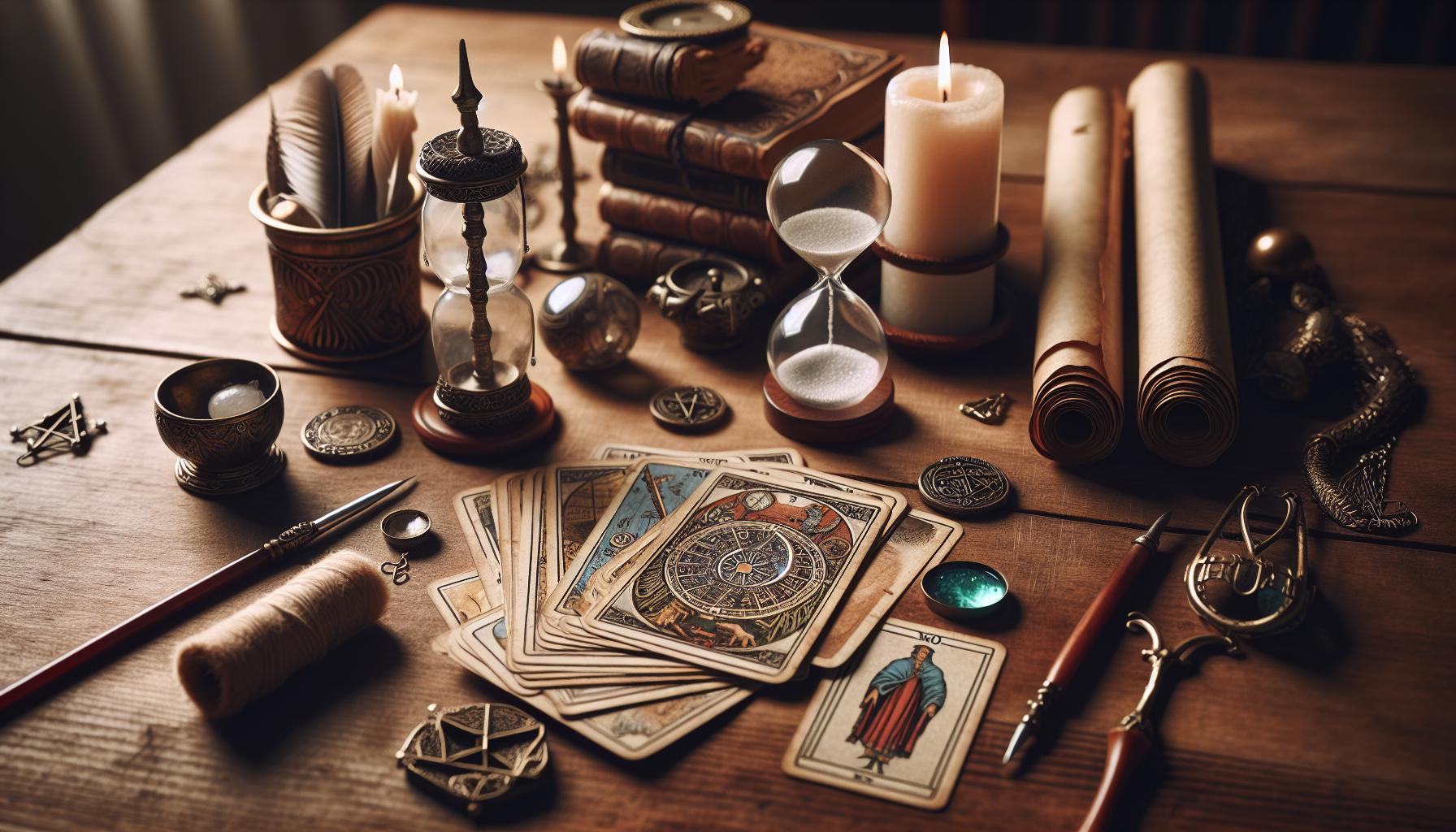
The origins of tarot are as rich and complex as the readings they inspire. Emerging in the 15th century in Europe, tarot began as a card game called tarocchi in Italy, played by the nobility. It wasn’t until the 18th century that tarot cards transitioned into a tool for divination, gaining new layers of meaning and complexity. This evolution was heavily influenced by thinkers like Antoine Court de Gébelin, who proposed that tarot contained ancient wisdom and was linked to Egyptian mythology-though these claims are more reflective of mystical interpretations than historical accuracy.
The structure of tarot decks typically consists of 78 cards, divided into the Major Arcana and Minor Arcana. The Major Arcana features 22 cards, including iconic images such as The Fool and The World, each representing significant life themes and spiritual lessons. The Minor Arcana consists of four suits-Cups, Wands, Swords, and Pentacles-each representing different aspects of life, from emotions to material concerns. This diverse representation allows users to tap into various facets of their experiences during readings, making tarot a versatile tool for insight.
As the practice of reading tarot evolved, various styles and techniques emerged. From the elaborate spreads of the 19th-century occultists to the more intuitive readings favored in modern practices, the methods continue to adapt. Some readers lean heavily on historical symbolism, while others emphasize personal interpretation and intuition-clearly demonstrating that the reliability of tarot readings often hinges on the reader’s engagement with the cards and the querent’s openness to exploration.
For many, the journey with tarot is a personal one, a path of self-discovery as much as prediction. Engaging with this centuries-old practice invites participants not only to reflect on questions of accuracy and reliability but also to embrace the stories and symbolism that have resonated through time. As you explore tarot’s history, consider how these ancient insights continue to illuminate contemporary experiences, reminding us that the cards serve as mirrors reflecting our inner landscape.
The Science of Tarot: Analyzing Accuracy and Interpretation
While many approach tarot with skepticism, a closer examination reveals a deeper layer of understanding regarding its accuracy and interpretive potential. The essence of tarot lies not solely in fortune-telling but in its capacity to unlock insights and prompt introspection. This duality represents both the art and science of tarot readings, where the interpretation of symbols plays a critical role in shaping meaningful narratives.
To analyze the accuracy of tarot, it’s essential to embrace the subjective nature of interpretation. Each card brings forth unique imagery and symbolism, which can resonate differently depending on the reader and the context of the query. Successful readings often rely on the reader’s intuitive connection to the cards, grounding their interpretations in both personal experience and shared wisdom. For example, drawing The Empress may suggest abundance and creativity, yet for one person it may inspire reflections on aspects of motherhood, while for another, it might evoke themes of nurturing in a professional context. This fluidity underscores how accuracy is often a reflection of personal resonance rather than objective certainty.
Moreover, the environment in which the reading occurs can significantly impact the outcome. A calm and focused atmosphere fosters clarity, while distractions can cloud intuition and hinder connections to the card meanings. Readers often emphasize the importance of intention-both the reader’s and the querent’s-when delving into a tarot session. Establishing a clear question or intention prior to the reading can serve as a compass, guiding interpretations and enhancing both parties’ openness to the messages the cards convey.
Ultimately, the science of tarot is as much about interpretation and energy as it is about the cards themselves. By embracing both the mystical elements and practical techniques-like choosing the right spread and focusing on key card meanings-individuals can cultivate a more profound understanding of their readings. For those new to tarot, starting with foundational spreads such as the 3-card spread can be illuminating. This layout promotes exploration into past influences, present circumstances, and future possibilities. Maintaining a journal of readings can further enhance your learning, helping you track your interpretations and the outcomes, thereby building your confidence and refining your intuitive abilities over time.
How Tarot Readings Work: Techniques and Methods

The process of a tarot reading is both an art and a technique, allowing readers and querents to engage in a dialogue of intuition and insight. At its core, a tarot reading is about interpreting the imagery and symbolism of the cards as they relate to the specific questions or intentions presented. This interaction can be deeply nuanced, often leading to profound insights that go beyond mere predictions.
One key method to enhance the effectiveness of a tarot reading is to establish a clear focus from the outset. Before the cards are drawn, both the reader and querent should take a moment to set their intentions. This can involve formulating a specific question or reflecting on a particular area of life where guidance is sought. For instance, if someone is seeking clarity on a career decision, they might ask, “What influences are at play in my current employment situation?” This intentional focus helps to create a more targeted reading.
The choice of card spreads also plays a significant role in how readings are conducted. Different spreads serve various purposes, and selecting the right one can significantly affect the reading’s clarity. Beginners may start with a simple 3-card spread, which allows for a clear examination of past influences, present circumstances, and future possibilities. In contrast, more experienced readers might use complex spreads like the Celtic Cross, which offers a comprehensive view of the querent’s situation. Each card’s position in the spread contributes to its meaning, helping to create a cohesive narrative that resonates with the querent’s life.
A critical element to remember is that the interpretation of the cards is not static; it is dynamic, shaped by both the reader’s intuition and the querent’s energy. Readers often draw upon their personal experiences and knowledge of the card meanings to weave together insights during the reading. For example, drawing the Two of Cups may indicate partnerships or relationships, but its interpretation might shift based on context-suggesting business collaboration to one person and romantic potential to another.
Additionally, the reading environment can enhance the experience. A tranquil and sacred space promotes clarity and connection with the cards, whereas a noisy or chaotic environment can hinder the flow of intuition. Therefore, creating a calming atmosphere and encouraging a reflective mindset throughout the session can lead to more meaningful developments during the reading.
By embracing these techniques-intentional questioning, appropriate spreads, and mindful environments-readers and seekers alike can deepen their understanding of tarot. Ultimately, a successful tarot reading combines the mystical allure of the cards with practical methodologies, paving the way for transformative insights and personal growth.
Common Misconceptions: Debunking Myths About Tarot

Misunderstandings about tarot readings abound, often stemming from popular culture and misconceptions about their purpose. One of the most pervasive myths is that tarot is purely about predicting the future. In reality, tarot serves as a powerful tool for self-reflection and guidance, helping individuals understand their present circumstances and the influences at play in their lives. Rather than providing concrete predictions, tarot readings illuminate potential paths and choices, empowering the querent to make informed decisions.
Another common misconception is that tarot readers possess mystical powers or are able to see the future in a deterministic sense. While many readers draw upon intuition and empathetic abilities to interpret the cards, their skill lies more in the ability to connect with the querent and interpret the symbolism of the cards. It’s important to remember that each card’s meaning can vary depending on the context of the reading and the individual’s circumstances. For example, the Death card, often feared, may symbolize transformation and new beginnings rather than an end.
There is also a belief that tarot can only be understood by “experts,” excluding beginners or those who are skeptical. In fact, tarot is accessible to everyone, regardless of their experience level. Newcomers can start with simple spreads, like the 3-card spread, which provides insights into one’s past, present, and future without overwhelming them with complexity. With practice and exploration, anyone can develop their intuitive skills and deepen their understanding of the cards.
Lastly, some people worry that tarot readings are unequivocally negative or that they may receive “bad” news. In truth, the purpose of a tarot reading is to provide clarity and insight, regardless of the cards drawn. Even challenging messages can offer invaluable lessons and opportunities for growth. Embracing the full spectrum of tarot’s teachings can lead to a richer understanding of oneself and one’s life choices. Cultivating a mindset of openness allows readers and seekers to transform their perceptions of tarot into a tool for empowerment and personal development.
The Role of Intuition: Enhancing Your Reading Experience
To fully appreciate the impact of tarot readings, it’s essential to recognize the pivotal role that intuition plays in enhancing the experience. Intuition acts as a bridge between the symbolism of the cards and the personal insights that can emerge during a reading. Each card carries layers of meaning, often influenced by the reader’s personal experiences and the context of the querent’s life. Tapping into this intuitive flow can transform a seemingly random card draw into a deeply significant message.
When you approach a tarot reading, whether for yourself or someone else, creating a space for intuition to flourish is critical. Start by grounding yourself with a few moments of quiet reflection; this might involve deep breathing or a brief meditation. As you shuffle the cards, allow thoughts and feelings to surface naturally. Pay attention to any strong emotions or images that arise, as these can guide you toward understanding the messages hidden within the cards. Trusting your gut feelings is essential-sometimes, the cards will spark an idea or insight that isn’t explicitly written in the book definitions.
For beginners, it can be useful to start with simple, structured spreads, such as the 3-card spread. This layout helps delineate past, present, and future influences, providing a clear framework for interpretation. As you begin to draw cards, focus not only on the traditional meanings but also on what the visuals and symbols evoke for you personally. For example, drawing the Two of Cups may traditionally represent partnership, but if you associate the colors with a specific memory, that emotional connection could yield a unique interpretation.
As you deepen your practice, consider integrating intuitive exercises, like journaling about your readings. Reflecting on your interpretations and feelings in a dedicated tarot journal can enhance your ability to connect with your intuition during future readings. Over time, you’ll cultivate a stronger relationship with both your cards and your intuitive voice, leading to more profound insights and a richer tarot experience. The key is to remain open, curious, and actively engaged in the reading process, allowing intuition to guide you to hidden truths and connections.
Types of Tarot Spreads: Choosing the Right Layout for Insight
Choosing the right tarot spread can significantly enhance the clarity and depth of a reading, guiding both the reader and the querent toward insightful revelations. While the world of tarot offers an array of spreads, each designed to delve into different aspects of life, understanding their purposes and contexts is key to unlocking the cards’ meanings effectively. Whether you’re seeking guidance in love, career, or personal growth, the spread you select can shape the narrative of your reading.
For those new to tarot, the 3-Card Spread is an excellent starting point. This layout is simple yet powerful, typically representing Past, Present, and Future influences surrounding the querent’s question. By drawing three cards, you create a narrative that connects where they’ve been, the current situation, and potential outcomes. For example, if you pull The Lovers (representing choices or deep connections) for the past, The Hermit (indicating introspection) for the present, and The Star (symbolizing hope and healing) for the future, you can weave a story of past relationship decisions, current solitude for self-discovery, and a bright path leading to renewed emotional connection.
As you become more comfortable with tarot, consider exploring spreads like the Celtic Cross, which offers a more comprehensive view of the querent’s life. This spread typically includes ten cards, each with a specific position representing various influences, challenges, and future possibilities. The Celtic Cross excels at providing context and depth for complex questions. For instance, if addressing a career change, the layout could reveal unforeseen obstacles, underlying motivations, and advice on approaching the transition.
For deeper inquiries, such as those exploring spiritual growth or shadow work, specialized spread options like the Past Life Spread can prove invaluable. This spread looks into karmic influences across lifetimes, helping the querent understand patterns that may be affecting their current life. By identifying these connections, you empower them to break cycles and approach their lives with newfound understanding.
In summary, the effectiveness of a tarot reading often hinges on the chosen spread and its relevance to the querent’s inquiry. By aligning the card layout with specific questions or themes, readers can enhance the accuracy and insightfulness of their readings, making each session uniquely tailored and profoundly impactful. Remember, the goal is to foster a dialogue between the querent and the cards, inviting layers of meaning and personal engagement that resonate on a deeper level.
Real-Life Examples: Tarot Readings That Changed Lives
The transformative power of tarot readings often surprises those who approach the cards, whether with skepticism or enthusiasm. Numerous stories highlight how an insightful reading can alter one’s path, offering clarity during turbulent times or illuminating opportunities that were previously unseen. Here are some compelling examples of how tarot has made a significant impact on individuals’ lives, reinforcing its reliability and value.
One notable case involved a young professional named Emma, who was at a crossroads in her career. Feeling unfulfilled in her current job, she sought a tarot reading for guidance. The reader used a Celtic Cross spread, where The Fool appeared in the position representing her current situation. This card symbolizes new beginnings and adventures. Encouraged by this reading, Emma took a leap of faith and applied for a position in a field she had always been passionate about but had never pursued. Just months later, she secured a job that not only matched her passions but also provided her with greater satisfaction and fulfillment, demonstrating how tarot can validate one’s intuition and inspire action.
In another instance, Mark, a middle-aged individual facing personal struggles, turned to tarot as a way to seek deeper understanding of his emotional challenges. During his session, he drew the Tower card in the position representing fears. This card signifies upheaval and transformation, prompting Mark to confront aspects of his life he had avoided. The reading led him to realize the necessity of change, prompting him to address unresolved issues in his relationships. As a result, Mark began therapy and gradually improved his emotional well-being, showcasing tarot’s ability to encourage personal growth and resilience.
Additionally, Anna, a college student, approached tarot out of curiosity as she faced uncertainty about her future. After an insightful reading using a 3-Card Spread, she was struck by the appearance of The Empress as her card for the future. This card represents abundance and creativity, sparking a sense of hope and purpose. Inspired, Anna decided to explore her artistic talents more seriously and eventually launched a successful online business that combined her studies and her passion. This illustrates how tarot can serve as a beacon, guiding individuals to explore their potential.
These examples underline a critical point: tarot readings often resonate with individuals in uniquely personal ways. While the cards do not predict fixed outcomes, they can provide insight into opportunities and challenges, acting as a catalyst for self-reflection and personal empowerment. When approached with an open mind, tarot can become a reliable tool for navigating life’s complexities and uncovering one’s true path.
Building Trust with Your Reader: Ethical Considerations
Building a trusting relationship with your tarot reader is essential for unlocking the full potential of your readings. Trust fosters open communication, enabling you to explore your thoughts and feelings in a supportive environment. A good reader will prioritize your comfort and respect your boundaries, creating a space where you feel safe to share your concerns without judgment. By establishing this rapport, you set the stage for a more insightful and transformative experience.
To maintain ethical standards, both you and your reader should engage in clear communication about expectations and intentions prior to the reading. Here are some best practices to consider:
- Ask Questions: Don’t hesitate to inquire about the reader’s approach, experience, or the meanings of the cards as they relate to your situation. A reputable reader will be transparent about their methods and invite dialogue.
- Set Boundaries: Clearly express any topics you are uncomfortable discussing. A professional reader will respect these limits and adjust the session accordingly.
- Respect Privacy: Ensure that sensitive information remains confidential. Ethical readers understand the importance of discretion.
It’s also vital to recognize that tarot is not a substitute for professional advice, particularly regarding mental health or significant life choices. Approaching a reading with an understanding mindset-considering it as a tool for personal insight rather than an absolute directive-enhances its effectiveness. For instance, if a reading suggests pursuing a new job opportunity, it’s beneficial to pair that insight with practical steps such as researching companies or updating your resume. This collaborative approach can lead to empowered decisions.
Moreover, it’s essential to foster mutual respect and understanding toward the diverse spiritual perspectives people hold regarding tarot. Readers should encourage clients to share their prior experiences or beliefs about tarot, as this can significantly influence how they interpret the cards. By remaining open and accommodating, both parties can cultivate a respectful bond that enhances the reading experience.
Ultimately, a trustworthy reader will not only provide guidance but also empower you to own your narrative. Emphasizing your agency in the process allows for a richer experience where tarot serves as a catalyst for self-discovery and personal growth. When the ethical foundation of trust is firmly established, tarot readings can reveal profound insights, supporting you on your journey through life’s challenges.
Tips for Beginners: How to Approach Your First Reading
When embarking on your first tarot reading, it’s essential to approach the experience with curiosity and an open mindset. Remember, tarot is not just about predicting the future; it’s a powerful tool for self-reflection and gaining insight into your current path. Many beginners find themselves wondering, “How accurate can these readings really be?” The truth is, accuracy can often stem from the clarity with which you engage in the process. By approaching your first reading with a few practical tips, you can foster a more meaningful experience that resonates with your personal journey.
Start by articulating your intentions. Before the reading, take a moment to reflect on what you wish to gain from it. Are you seeking guidance in a specific area of your life, such as relationships, career, or personal growth? Clearly defining your questions can help you focus the reading, allowing the cards to provide insights that feel directly relevant. While open-ended questions are valuable, having a particular theme in mind can lead to deeper exploration. For example, asking “What should I know about my career path right now?” sets the stage for a more directed inquiry.
It’s also beneficial to choose the right reader. Look for someone whose style resonates with you, whether through personal recommendations, reviews, or online platforms. Don’t hesitate to ask potential readers about their approach, techniques, and how they interpret the cards. A good reader will be eager to share their process and help you feel comfortable. Consider having a brief chat before the session begins to clarify mutual expectations, which can help build a trusting foundation.
During the reading, stay engaged and open to the experience. Listen attentively to the reader as they interpret the cards, and don’t hesitate to confirm your understanding or ask for clarification. Feel free to take notes during the session; this not only helps in later reflection but can also empower you to digest the information at your own pace. Remember, the accuracy of tarot readings often depends on the collaborative energy created between you and the reader.
After the session, take some time to reflect on what you learned. Consider how the insights align with your current circumstances and thoughts. You might find it helpful to journal about the reading, noting down any significant feelings or realizations that arose. This practice can deepen your understanding of the messages conveyed through the cards, enhancing your personal growth and the accuracy of future readings.
In essence, your first tarot reading can be a significant step towards greater self-awareness and clarity. By approaching it with intentionality, openness, and the willingness to engage deeply, you can unlock the rich potential that tarot offers, whether you are a skeptic, a believer, or anywhere in between.
Advanced Techniques: Deepening Your Tarot Practice
Engaging deeply with the Tarot can transform the way you understand your life’s journey and your own intuition. If you’re looking to enhance your practice and deepen your connection to the cards, consider integrating some advanced techniques that not only boost the accuracy of your readings but also enrich your overall experience.
One essential technique is meditative contemplation. Before you embark on a reading, spend a few moments grounding yourself. You can use a simple practice such as closing your eyes, taking deep breaths, and visualizing a light surrounding you. This helps clear any distractions and aligns your energies, creating a receptive state for the messages that arise during your reading. For instance, if you’re focusing on a particular question about your career, visualize the path you hope to take. This mental imagery can help you connect more deeply with the cards related to that aspect of your life.
Incorporating journaling into your tarot practice is another powerful method. After each reading, take time to write down not just the interpretations of the cards but also your personal feelings, insights, and any connections you noticed. Over time, this can help reveal patterns in your readings, making it easier to see how various cards reflect your journey. You might begin to notice that certain cards consistently appear around similar questions, enhancing your familiarity with their meanings and their relevance to your life.
Another effective technique is to practice reverse card meanings. While many beginners focus solely on the upright interpretations, exploring the reversed meanings can add depth to your readings. For example, if you draw the Two of Cups reversed, it may indicate disharmony in relationships, contrasting sharply with its upright meaning of unity and partnership. Understanding both perspectives enriches your ability to offer nuanced insights and aids in recognizing the multifaceted nature of situations that arise in your life.
Finally, consider experimenting with diverse spreads. Beyond the classic three-card spread, try layouts like the Celtic Cross or the Horseshoe spread, which can provide more comprehensive insights into past, present, and future influences. Tailor your spreads to the specific questions you have in mind; this customization will make each reading more focused and impactful.
By incorporating these techniques, you not only increase the reliability and value of your tarot readings but also foster a more intimate relationship with the cards. This deeper engagement can ultimately lead to greater clarity, empowering you to navigate your path with confidence and insight. Remember, tarot is a journey of exploration; the more you practice, the more attuned you become to the wisdom the cards offer.
Exploring Other Divination Tools: Tarot in a Broader Context
Exploring the wider universe of divination tools reveals the rich tapestry of methods available for seeking guidance and understanding. While Tarot is often the first choice for many, it’s empowering to recognize that other practices can complement your readings and offer unique insights. Tools like astrology, runes, and pendulums can enhance your intuitive abilities and broaden your perspective on the questions at hand.
Tarot and astrology share a philosophical foundation rooted in symbolism and archetypes. Consider how the cycles of the zodiac reflect various life themes, much like the cards in a Tarot deck. For instance, when a Tarot card such as the Moon appears, it echoes the qualities of Pisces-intuition, dreams, and the hidden aspects of ourselves. This connection can deepen your understanding of both your Tarot readings and astrological insights. When combined, these tools can provide layers of meaning; for example, you might draw the Ace of Cups during a phase of emotional renewal while the current zodiac season highlights themes of relationships and emotional growth.
Similarly, runes, with their ancient Norse origins, present a different set of symbols and meanings. Each rune carries its own distinct vibration and can be drawn in a spread analogous to Tarot. For example, drawing the rune Gebo could signify a gift or partnership that complements the themes of unity explored in the Two of Cups. Integrating runes into your practice can enhance your readings by providing an alternative lens through which to view your current situation.
If you’re considering using a pendulum for guidance, it adds a tactile and interactive element to your divination practice. You can ask yes/no questions to get immediate feedback on choices, effectively enhancing your decision-making process. For a more comprehensive reading, try combining pendulum work with Tarot. Ask about the significance of a specific card by allowing the pendulum to indicate its relevance, giving you an additional layer of clarity.
Engaging with various divination techniques can enrich your intuitive skills and provide a range of perspectives on your inquiries. Embrace the journey of exploration in these practices, as they each contribute unique insights that can strengthen your understanding of yourself and your world. By appreciating the interplay between Tarot and other divination tools, you empower yourself to navigate life with greater confidence and insight.
Faq
Q: How can I determine if a Tarot reading was accurate?
A: To assess the accuracy of a Tarot reading, reflect on how the insights align with your experiences and feelings. Consider if the reading offers new perspectives or resonates with your current life situation. Keeping a journal of readings can help track patterns and validate accuracy over time.
Q: Are Tarot readings reliable for making important life decisions?
A: Tarot readings can provide valuable insights and guidance, but they should not be the sole factor in decision-making. Use Tarot as a tool for reflection, combined with your intuition and rational thought. Remember, the responsibility for choices ultimately lies with you.
Q: Can anyone learn to read Tarot accurately?
A: Yes, anyone can learn to read Tarot accurately with practice and dedication. Start by understanding the meanings of the cards and practicing intuitive interpretations. Over time, your confidence and accuracy will improve. Engaging with other readers and taking courses can enhance your skills.
Q: What factors influence the accuracy of Tarot readings?
A: The accuracy of Tarot readings can be influenced by the reader’s intuition, experience, and the clarity of the question asked. The energy of both the reader and the querent also plays a role. A focused, open mindset can enhance the reading’s effectiveness.
Q: How should I prepare for a Tarot reading to ensure it’s accurate?
A: To prepare for an accurate Tarot reading, clear your mind and focus on specific questions or areas of your life you want insight into. Being open and honest with the reader about your concerns will help them better connect with your energy.
Q: Do different Tarot decks affect the accuracy of a reading?
A: Different Tarot decks may resonate differently with readers and querents, but they don’t inherently affect accuracy. Choose a deck that speaks to you personally, as your connection to the deck can enhance your intuitive interpretations during the reading.
Q: How often should I get a Tarot reading for insights?
A: The frequency of Tarot readings can vary based on personal preference. Many find it beneficial to seek guidance during significant life transitions, while others may prefer regular monthly or seasonal readings for ongoing insight. Trust your intuition to find the right balance for you.
Q: Is there a difference between Tarot readings and fortune-telling?
A: Yes, Tarot readings focus on personal insight, reflection, and guidance, while fortune-telling often implies predicting the future definitively. Tarot provides a deeper understanding of current situations and potential outcomes rather than fixed predictions.
For more on how Tarot can offer personalized insight and guidance, check out sections about the types of Tarot spreads and the role of intuition within your reading experience.
Wrapping Up
As we’ve explored, the accuracy of Tarot readings often lies in the unique connection between the reader and the cards, alongside the energy and intention brought into each session. Whether you’re a skeptic or a believer, engaging with Tarot can provide powerful insights and reflect aspects of your life that need attention. If you’re curious about enhancing your Tarot knowledge, check out our guide on how to use Tarot cards effectively or join our free daily Tarot reading to experience the magic yourself.
Don’t miss out on the opportunity to deepen your understanding! Sign up for our newsletter for exclusive tips and insights, or start your own journey with a personalized 3-card love reading today. Remember, Tarot is not just about predictions; it’s a tool for self-reflection and empowerment. Dive deeper into this mystical world-your next discovery is just a card away!
Get our latest guides, news, and insights highlighted in your Google Search & AI Overviews.