For many, Tarot card readings spark curiosity and skepticism alike, leaving a desire for the honest truth about their effectiveness. With roots in ancient mysticism, Tarot has evolved into a tool for self-reflection, guidance, and empowerment. But do they really work? Understanding how Tarot can illuminate your path and address your concerns is crucial, whether you’re facing a crossroad in your career, navigating relationships, or simply seeking clarity. This exploration invites you to look beyond the cards and uncover the deeper meanings they hold, fostering confidence in your intuitive abilities. As we delve into the realities of Tarot readings, you’ll gain insights that can enrich your journey, regardless of your experience level. Join me in unraveling the mystery and discovering the transformative power of the Tarot.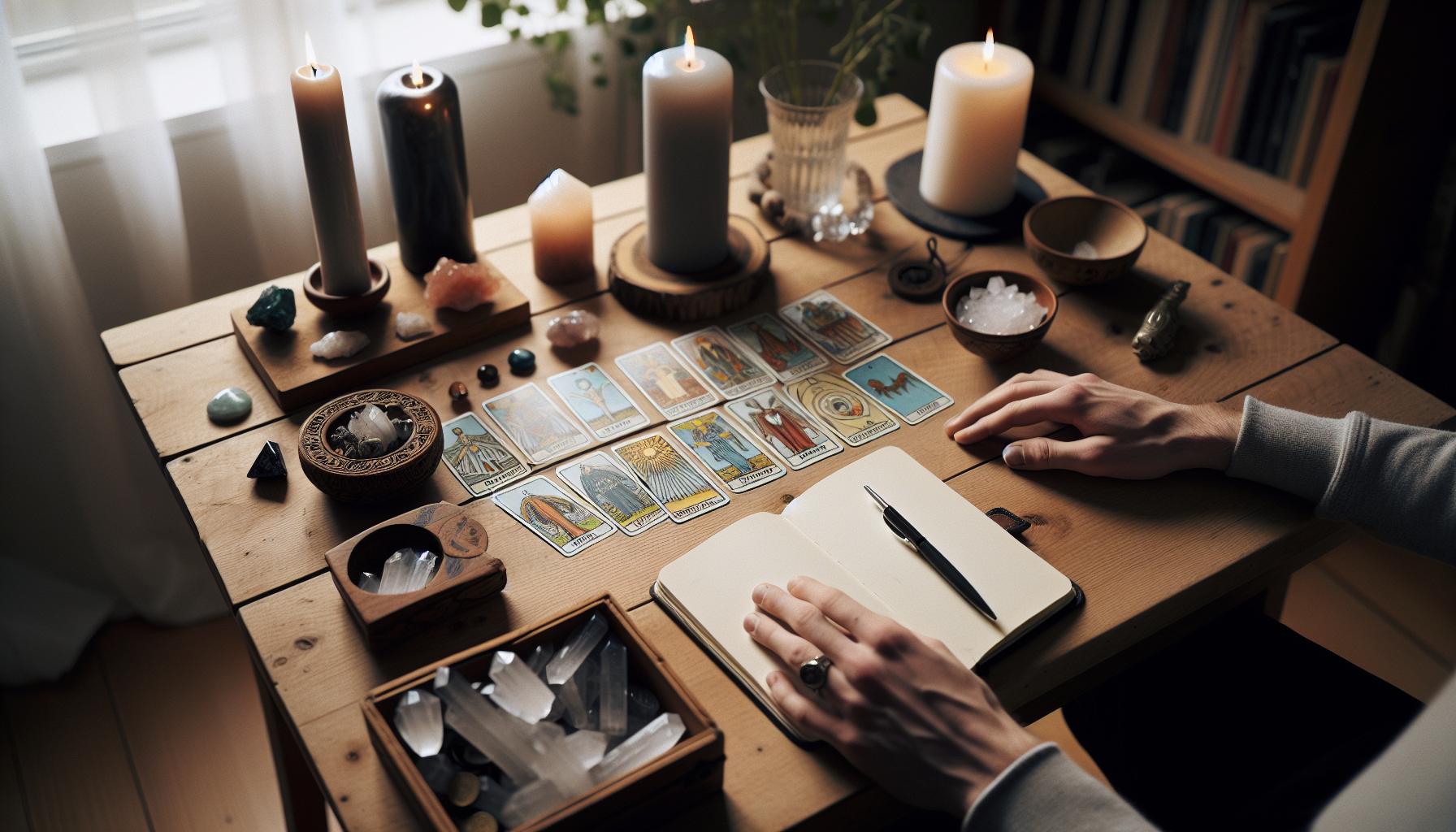
Understanding the Basics of Tarot Card Readings
When exploring the world of Tarot card readings, it’s essential to start with a solid understanding of what Tarot encompasses and how it serves as a tool for insight and reflection. Tarot decks typically consist of 78 cards, divided into the Major Arcana and the Minor Arcana. The Major Arcana cards represent significant life events and themes, while the Minor Arcana focuses on the day-to-day aspects of life. Each card carries its own symbolic meanings and interpretations, which can vary depending on the reader’s intuition and the context of the reading.
To engage with Tarot effectively, one might begin by asking specific questions that reflect personal concerns or areas of curiosity, as this focus helps to direct the reading. A simple yet powerful way to initiate a Tarot session is to relax and shuffle the deck while contemplating the question at hand. Once a select number of cards are drawn-commonly using a spread like the three-card spread-you can start interpreting their meanings in relation to your queries. The positioning of each card also plays a critical role, as cards in specific placements can signify past influences, present circumstances, and future possibilities.
Understanding the basics of Tarot readings extends to recognizing that every card possesses an array of meanings that can shift based on combinations with nearby cards and the reader’s insights. For instance, pulling the Empress might indicate abundance and creativity, while its position beside the Tower may signify turmoil in what could have been a fruitful venture. As you grow more familiar with the meanings and nuances, you’ll develop a more intuitive grasp on how the cards speak to your unique situation.
Finally, it’s worth noting that Tarot readings are not about predicting an unchangeable future; rather, they reflect current energies and possible outcomes. They serve as a mirror, illuminating paths and choices based on the present moment. This dynamic perspective encourages an empowering approach where individuals can reflect, grow, and decide on their journeys with greater awareness and confidence. Whether you’re a beginner or have experience, trust the process as you engage with this ancient art, and allow the wisdom of tarot to bring clarity and insight into your life.
The Psychology Behind Belief in Tarot
Belief in Tarot often stems from a deep-seated human need for understanding and connection. Whether you’re a skeptic or a devoted follower, it’s fascinating to explore why so many people turn to Tarot for insights about their lives. One reason is that Tarot cards can act as powerful reflections of our inner thoughts and feelings, offering a narrative that resonates on a personal level. When a card is drawn, the imagery and symbolism can evoke emotions and intuition that help individuals process their current situations, leading to revelations that might not have surfaced otherwise.
The Psychological Mechanisms at Play
At the heart of Tarot lies the psychology of suggestion and personal interpretation. When reading Tarot, individuals may project their own experiences onto the cards, creating meaning that speaks to their unique circumstances. This phenomenon, known as *confirmation bias*, allows readers to see connections and insights that affirm their beliefs or desires. For example, drawing the Ace of Cups, often associated with new emotions and opportunities, could suggest upcoming love or personal growth. The reader’s personal context influences how they interpret that card, making the experience feel highly relevant and truthful.
Furthermore, Tarot can foster a sense of empowerment and agency in decision-making. By presenting possible futures based on current choices, Tarot encourages individuals to actively engage with their dilemmas instead of feeling passive or overwhelmed. This proactive stance can be therapeutic, as it highlights pathways that may have been overlooked. It transforms uncertainty into an opportunity for exploration, grounding the practice in psychological benefits that extend beyond mere card meanings.
Building Trust in Your Intuition
For many, Tarot serves as a bridge to deeper self-understanding. Engaging with the cards can help cultivate intuition, encouraging individuals to trust their feelings and instincts more profoundly. When a card resonates strongly with a reader-perhaps the *Four of Swords* representing rest and contemplation-they may feel an urge to take a break from their busy lives. Listening to that inner voice often leads to clarity and personal growth, making the Tarot a practical tool for navigating life’s complexities.
In summary, the belief in Tarot readings emerges from a blend of psychological insight and personal reflection. Whether you see them as mystical guides or mere tools for self-discovery, Tarot has the capacity to illuminate paths through its rich symbolism and the resonant stories it tells. As you dive into your own Tarot practice, embrace the process of interpreting the cards as a means to explore your inner landscape, trusting that each reading can offer something unique and valuable.
How Tarot Readings Can Be Interpreted
Understanding how to interpret Tarot readings is essential for anyone exploring this ancient practice, whether you’re a beginner or an experienced reader. Every card in a Tarot deck holds rich symbolism and meaning, which can be shaped by context, the specific spread used, and your intuitive insights. The beauty of Tarot lies in its ability to guide you through your own thoughts and feelings, transforming abstract concepts into practical advice and insights.
When interpreting a Tarot reading, start by grounding yourself in the question or situation at hand. This focus generates more clarity as you engage with the cards. Each card represents a different energy or theme, often categorized into four main suits: Cups (emotions), Wands (actions), Swords (thoughts and conflict), and Pentacles (material aspects). For example, drawing the *Two of Cups* might invite you to reflect on partnerships and relationships, highlighting a need for balance and connection in your life.
Making Connections
The interplay of cards within a spread also influences their meaning. For instance, if the *Three of Swords* appears alongside the *Sun*, it may suggest that heartbreak (often symbolized by the Swords) leads to newfound clarity or joy (represented by the Sun). This layered reading helps you see nuances and provides depth to your interpretation. As you practice, pay attention to how your intuition guides you-don’t dismiss initial feelings about the cards, as they can often lead to deeper insights.
Moreover, understanding the positioning of the cards can add context to their meanings. Most spreads have specific placements, such as past influences, current challenges, or future possibilities. For example, in a simple three-card spread, the first card might represent your past, the second your present, and the third your future. Each position’s significance allows the reading to unfold like a narrative, helping you piece together a story that aligns with your personal experiences.
In sum, interpreting Tarot readings effectively combines an understanding of card meanings, the dynamics between different cards, and trust in your intuitive insights. Each reading becomes a unique journey into your psyche, where you can explore questions, uncertainties, and aspirations. Embrace this process as an opportunity for growth and self-reflection, remembering that Tarot is not merely a tool for divination-it’s a supportive guide for navigating life’s complexities.
The Role of Intuition in Tarot Practice
Engaging with Tarot readings isn’t just about the cards themselves; it’s also about the intuitive process that weaves through each interpretation. Intuition acts as a bridge between the symbols on the cards and the deeper insights that can help illuminate your path. When you sit down for a reading, whether for yourself or someone else, tuning into your intuition can enhance the experience tremendously. It’s as if you have a sixth sense guiding you through the narrative the cards are revealing.
In practical terms, this means allowing your instincts to come into play. For example, when drawing a card like the *Hermit*, which suggests introspection and solitude, you might intuitively feel that this card is urging the querent to not only look inward but to also seek guidance from a trusted mentor. This blend of rational card meanings with intuitive insights honors the individual’s unique situation, making the reading more relevant and supportive.
To cultivate this connection to your intuition, consider the following steps:
- Practice Mindfulness: Before beginning a reading, take a few deep breaths and clear your mind. This helps create a space for intuitive messages to surface.
- Trust Your First Impressions: Often, your initial reactions to the cards are your intuition speaking. Write down or vocalize these thoughts before diving into traditional interpretations.
- Reflect on Personal Experiences: Relating cards to your own life experiences can spark intuitive insights. For instance, if you draw the *Five of Cups*, recalling a moment of loss can help deepen your understanding of its message.
- Invite Dialogue: Engage in a conversation with the cards. Ask them questions and listen to your internal responses. This active engagement can awaken deeper insights and strengthen your intuitive abilities.
Remember, developing intuition is a personal journey that involves practice and patience. Allow yourself to be open to the messages that come through in various forms-be it a thought, a feeling, or an image. As you embrace this process, you’ll find that your readings become more dynamic and profound, offering not just advice but also a deeper understanding of yourself and others. Trust in your intuition can turn Tarot into a deeply meaningful tool for exploration, guidance, and personal growth.
Different Types of Tarot Spreads and Their Uses
Exploring the world of tarot opens up a vibrant tapestry of spreads-each designed to illuminate different aspects of our lives. Understanding the specific structure and purpose of these spreads can enhance both your readings and your connection with the cards. Whether you are a novice or a seasoned reader, knowing which spread to use can transform a simple reading into a profound journey of self-discovery.
Types of Tarot Spreads
- One-Card Spread: Ideal for beginners or daily guidance, this spread allows for quick insights and reflections. Draw a single card to focus on for the day, asking a specific question or simply seeking clarity. For instance, pulling the *Sun* card might suggest positivity and success, tempering any worries about upcoming challenges.
- Three-Card Spread: This versatile spread can represent the past, present, and future or other themes like mind, body, and spirit. When drawing cards within this framework, consider how each card interrelates. For example, drawing the *Tower* (past), *Chariot* (present), and *Star* (future) can tell a story of overcoming turmoil to find hope and direction.
- Relationship Spread: Useful for understanding dynamics in romantic or platonic relationships, this spread typically includes cards for both parties, their feelings, and the relationship’s potential. An example could involve placing cards for each person, then a final card representing the relationship itself; the presence of the *Two of Cups* might indicate a strong emotional bond.
- Celtic Cross: This classic spread offers a comprehensive insight into a situation, covering ten positions including the present moment, challenges, and possible outcomes. It’s great for deep dives into complicated issues. For example, a reading using the *Celtic Cross* might reveal internal struggles vs. external influences, guiding the querent towards resolution.
Choosing the Right Spread
Navigating the myriad of options can seem daunting, but focusing on your intent will guide your choice. Start by asking yourself what you wish to learn from your reading. If you seek clarity in a particular situation, a three-card spread may suffice. However, if you’re looking for a comprehensive view of your life path, consider tackling the *Celtic Cross*.
Remember, each spread serves as a tool-it’s not the spread itself, but how you interpret the cards that matters. Allow your intuition to steer your understanding, using the meanings of the cards as a foundation while welcoming personal insights into your narrative. This blend of structure and instinct enriches your tarot practice, making each reading an opportunity for deeper personal exploration.
Can Tarot Predictions Really Be Accurate?
The ability of tarot predictions to provide accurate insights often sparks a fascinating debate. Many who seek guidance undergo a transformative experience when engaging with the cards, while others remain skeptical about the validity of the readings. The truth is, tarot serves as a mirror reflecting the querent’s subconscious, revealing possibilities rather than certainties. This nuanced understanding forms the foundation for grasping how tarot can be seen as reliable in its own magical way.
When a reader draws cards, they interpret them based on their positions, significances, and the querent’s questions. For example, pulling the Fool card in the context of a job search might suggest new beginnings and taking a leap of faith. The querent is then encouraged to consider their current circumstances and how they align with the potential of that card. This interplay between the reader’s interpretation and the querent’s situation can create a profound sense of relevance, giving the impression of an accurate forecast.
Moreover, the accuracy of tarot predictions can be influenced by the querent’s openness and intuition. Those who approach their reading with curiosity and an open heart may find that the insights resonate deeper. It’s important to harness your intuition; trusting your instincts during a reading allows for personal connections to emerge. Keeping a journal of past readings can help you notice patterns and verify resonances over time, enhancing confidence in the process.
It’s essential to remember that while tarot can offer valuable guidance, it is not a definitive forecast of the future. Life is fluid, and our choices often shape outcomes. Tarot encourages self-reflection and highlights potential paths, ultimately empowering you to make informed decisions. Trusting in the wisdom of the cards, coupled with your unique journey, can yield profound insights that feel accurate and meaningful.
Common Misconceptions About Tarot Readings
Many people harbor misconceptions about tarot readings that can cloud their understanding of this insightful practice. One of the most persistent beliefs is that tarot can predict the future with absolute certainty. In reality, tarot serves as a tool for reflection rather than a crystal ball. The cards present possibilities based on the querent’s current path and energies rather than definitive outcomes. For example, drawing the Tower card might indicate upheaval, but that does not mean disaster is guaranteed; instead, it suggests an opportune moment for transformation and growth if one is willing to embrace change.
Another common misunderstanding is that tarot readings require a “gift” or special abilities. While intuition plays a significant role in interpreting the cards, anyone can learn to read tarot with practice and intention. It’s about developing a personal connection to the cards and understanding their meanings. Beginners can start with basic spreads, such as the three-card spread, to explore relationships, challenges, and advice. This demystification process means that tarot is accessible to everyone, regardless of perceived spiritual abilities.
Additionally, many believe that tarot readings are necessary for decision-making, leading to dependency on readings for every little life choice. While tarot can provide guidance and clarity, it’s essential to remember that it is meant to empower rather than replace personal decision-making. Each reading should be viewed as a stepping stone in one’s journey of self-discovery. Instead of relying solely on the cards, individuals are encouraged to integrate their intuition and judgment alongside the insights gained from a reading.
In addressing these misconceptions, it becomes clear that tarot is a rich, collaborative experience that nurtures both the reader’s and querent’s intuitive abilities. Embracing this understanding fosters a healthier relationship with tarot, allowing for deeper insights and a more fulfilling exploration of one’s personal journey. By letting go of rigid beliefs, individuals can unlock the transformative potential of tarot as a supportive tool, promoting not just divination but growth, reflection, and self-awareness.
Real Life Stories: What Tarot Has Revealed
When it comes to the mystical world of tarot, real-life stories reveal the profound impact these readings can have on individuals. Many come to tarot readings with skepticism, yet find the insights they receive resonate deeply within their lives. For example, a young woman named Sarah faced a crossroads in her career. Unsure whether to pursue a stable job offer or follow her passion for art, she sought guidance through a tarot reading. Drawing the Two of Wands, which symbolizes future planning and potential, along with the Page of Cups, indicating creative opportunities, helped her see that both choices could coexist. This reading empowered her to merge her corporate job with her artistic pursuits, ultimately leading to a fulfilling balance.
In another story, Michael, who faced challenges in his relationship, turned to tarot to seek clarity. His reading revealed the Six of Swords, often interpreted as transition and moving away from difficulties. The cards encouraged him to reflect on his past and communicate openly with his partner. This prompted a heartfelt conversation that not only clarified their feelings for each other but also strengthened their bond. Such experiences highlight how tarot can illuminate paths and encourage self-reflection, fostering healthier relationships.
What makes these examples special is not merely the cards drawn but how individuals interpret and apply these insights. Tarot readings do not provide definitive answers but rather guide individuals to trust their instincts and make empowered decisions. As people share their experiences, they often mention a newfound clarity or a shift in perspective that catalyzes real change in their lives. This alignment with personal truth is where the magic of tarot lies. Whether one approaches tarot with belief or skepticism, the stories reveal its potential as a mirror reflecting deeper truths, urging individuals to take action in their lives.
Ultimately, the resonance of these stories invites us to consider how tarot readings can serve as a supportive tool in our journeys. Each experience is unique, offering valuable perspectives that can inspire and uplift. By sharing these narratives, we can appreciate the diverse ways tarot reveals paths forward, encouraging us to embrace our journeys with confidence and curiosity.
Using Tarot as a Tool for Personal Growth
Exploring tarot as a means for personal growth can open doors to deeper self-awareness and transformation. Many people engage with tarot, initially viewing it as a mystical tool, but often discover it serves as a powerful facilitator for introspection and clarity. The cards act as a mirror, reflecting back insights into our thoughts, feelings, and behaviors, helping us navigate life’s complexities with a clearer perspective.
When using tarot for personal development, one effective approach is to incorporate regular readings into your routine. Start with simple spreads, such as a three-card spread, to explore past, present, and future influences. Pulling cards can invoke questions that prompt deeper reflection. For instance, if you draw the Hermit card, it might be a cue to contemplate feelings of solitude and introspection. Ask yourself questions like, “What do I need to learn from this period of reflection?” or “How can solitude lead me to greater clarity?” This practice encourages you to engage with your intuition, fostering a connection where you learn to trust your inner voice.
Practical Steps for Using Tarot
- Set Intentions: Before a reading, take a moment to formulate specific questions or intentions. This focused approach helps direct the energy and opens a channel for insights.
- Create a Sacred Space: Find a quiet, comfortable place for your readings. Light a candle or burn incense if it helps you feel grounded and open.
- Document Your Journey: Keep a tarot journal to record your readings, interpretations, and any insights gained. Over time, you may notice patterns that reveal much about your personal growth.
- Use the Cards as Prompts: After drawing cards, take time to write or meditate on their meanings in your life, exploring both the direct symbolism and your intuitive responses.
Real-life examples of tarot facilitating personal growth abound. Take Lisa, who felt lost in her career path. Through a series of readings where the Wheel of Fortune appeared frequently, she began to recognize the cyclical nature of life and her evolving goals. This awareness encouraged her to take risks and explore new job opportunities, leading her to a fulfilling position that aligned better with her passions.
Ultimately, engaging with tarot is less about predicting the future and more about unlocking the potential within yourself. It empowers you to confront your fears, embrace your strengths, and chart a course toward your desired life. Whether you are a skeptic or a firm believer, the potential for growth through tarot readings is accessible to all, inviting you to delve into your personal narrative with curiosity and courage.
The Influence of Card Symbols and Meanings
Every tarot card carries its own set of symbols and meanings, which work together to create a rich tapestry of interpretation for readers. Understanding these symbols not only enhances your readings but also deepens your connection to the tarot as a tool for self-discovery and guidance. Each card, from the majestic Major Arcana to the nuanced Minor Arcana, tells a story that is influenced by the imagery, numerology, and elemental associations present within it.
The Power of Symbols
At the heart of tarot reading is the idea that symbols resonate with the subconscious, helping to bring insights and clarity to our lives. For example, the Empress card is adorned with symbols of fertility and abundance, invoking themes of nurturing and creativity. When this card appears in a reading, it may suggest a period where growth-whether in personal projects or relationships-flourishes. Understanding how to relate these symbols back to your life experiences is crucial; consider journaling or meditating on what they personally mean to you.
Interpretation Techniques
One of the best ways to connect symbols to meanings is through contextual interpretation. Rather than strictly memorizing card meanings, consider drawing parallels to your own life. Ask yourself questions such as, “What qualities of the Hanged Man, which symbolizes surrender and new perspectives, can I reflect on during my current struggles?” This approach turns abstract meanings into tangible advice, making the reading profoundly personal and relevant.
Here are a few more practical steps to deepen your interpretation process:
- Link Symbols to Personal Stories: When a card appears, think about a recent experience or emotion that resonates with its symbols.
- Explore Multiple Interpretations: Cards can hold many meanings based on their position in the spread. Be open to exploring various interpretations instead of sticking to one rigid meaning.
- Engage with the Imagery: Spend time gazing at the artwork of each card. Note your initial impressions and feelings; these reflections can reveal insights about your current state of mind.
By embracing the symbols and their meanings, tarot readers can foster a more intuitive relationship with their cards. Recognizing how the symbols resonate personally transforms tarot from a tool of divination into a powerful means of self-reflection, paving the way for deeper insights and personal growth. Whether you approach tarot from a place of skepticism or belief, the symbols serve as a gateway to understanding yourself and navigating life’s challenges with greater clarity and confidence.
How to Choose a Tarot Reader Wisely
Choosing the right tarot reader can significantly impact your experience and insights gained from a reading. Whether you’re a skeptic or a seasoned believer, finding someone who resonates with you is essential. A good tarot reading is not just about the cards; it’s about the connection between you and the reader, the atmosphere they create, and their ability to interpret the nuances of your situation. Here are several key factors to consider when selecting a tarot reader.
Research and Recommendations
Start by doing your homework. Seek recommendations from friends who have had positive experiences or explore online reviews. Look for readers who have a solid reputation and use their own unique styles and interpretations. Many tarot practitioners share their insights through blogs or social media, giving you a glimpse into their approach. Pay attention to how they interact with their audience-do they provide thoughtful insights and engage with queries openly?
- Check credentials: While tarot reading is not a regulated profession, many readers have certifications or have completed extensive study in metaphysical sciences.
- Follow your intuition: When browsing potential readers, trust your gut. Their bio or online presence should resonate positively with you.
Understanding Their Style
Not all tarot readers interpret cards in the same way. Some may focus heavily on traditional meanings, while others blend intuitive insights with card interpretations. Understand their reading style-do they offer guidance towards personal growth, or do they focus more on predictive aspects? This can help set your expectations.
Consider trying out an introductory reading or a short session before committing to a longer one. This allows you to gauge how well the reader communicates and if their interpretation aligns with your experiences.
Compatibility and Comfort
Once you’ve shortlisted potential readers, think about your personal comfort level. A reading can delve into sensitive areas of your life, so it’s crucial to feel safe and understood. Engage with the reader before the reading, whether through email, chat, or a preliminary consultation. This interaction can reveal their approach-are they welcoming, non-judgmental, and respectful of your beliefs and questions?
Additionally, a warm and nurturing atmosphere can enhance the spiritual connection during the session. Pay attention to your feelings during the interaction; your comfort is a good indicator of how the reading may proceed.
Ultimately, the right tarot reader will enhance your understanding of yourself and your life path. By researching, engaging with their style, and ensuring personal comfort, you set the stage for a meaningful and insightful experience, possibly revealing truths that resonate for years to come.
Connecting Tarot to Your Spiritual Journey
Connecting with tarot allows you to delve deeper into your spiritual self, offering a pathway for introspection and self-discovery. Each reading can serve as a mirror, reflecting not just your current circumstances but also the underlying patterns in your life. This journey is unique, inviting both skeptics and believers to explore their spiritual paths with an open heart and inquisitive mind.
When approaching tarot, it’s essential to frame your sessions as opportunities for exploration rather than definitive predictions. Consider your readings as a dialogue with your inner self. For instance, pulling the Page of Cups may tap into your emotional landscape, prompting you to reflect on creative aspirations or new relationships. This connection encourages you to ask yourself deeper questions: What do you truly desire? How can you nurture your intuition? Embrace the chance to jot down thoughts and feelings that arise during your readings, as these insights can illuminate your spiritual journey.
Engaging with Tarot Mythology
Tarot is rich with symbolism and history, each card telling a story that can resonate with personal experiences. By engaging with these symbols, you can cultivate a unique understanding of your own life narrative. For beginners, starting with a simple three-card spread can provide clarity on past influences, present circumstances, and potential futures. This process not only enhances your awareness of your current path but also encourages you to recognize the divine guidance available in every moment.
Moreover, consider your personal beliefs and how they align with the messages received during your readings. If you encounter a card like The Tower, which signifies upheaval, reflect on its implications rather than seeing it as a purely negative omen. It can symbolize necessary transformation, pushing you toward growth, facilitating a deeper connection to your life’s purpose.
Building Intuition Through Practice
As you continue your journey with tarot, intentionally cultivate your intuition. Regular practice enables you to develop a more profound connection with the cards and enhances your interpretive skills. Reflect on the meanings that cards hold for you personally, allowing intuition to guide your understanding rather than strictly adhering to textbook definitions. For example, how does The Empress resonate with your ideas of abundance?
Incorporate daily card pulls or journaling into your routine. This approach creates a space for ongoing dialogue with the tarot, deepening your relationship with the cards and your spiritual path. Remember, tarot can be both a mystical experience and a practical tool for grounding your insights in everyday life.
Ultimately, is about embracing the exploration and allowing yourself to be guided by the cards while trusting your intuition. Each session can provide not just answers but also the questions that lead to profound personal transformation and deeper self-understanding.
Frequently asked questions
Q: Do Tarot card readings really provide accurate predictions?
A: Yes, Tarot readings can provide accurate insights, but their effectiveness often depends on the reader’s intuition and the context of the question. Many users report having relatable experiences based on the readings. For further exploration, consider the section on Can Tarot Predictions Really Be Accurate? in our article.
Q: How can Tarot readings help with personal growth?
A: Tarot readings can serve as powerful tools for self-reflection, helping individuals identify their strengths, weaknesses, and opportunities for improvement. Utilizing Tarot for personal growth involves introspection and applying insights gained during readings to everyday life. For deeper understanding, check out our section on Using Tarot as a Tool for Personal Growth.
Q: What should I expect during a Tarot reading?
A: During a Tarot reading, you can expect a mixture of interpretation and intuition. The reader will draw cards based on your questions, interpreting their symbols in the context of your situation. Approaching the experience with openness can enhance the session’s effectiveness.
Q: Are there specific questions to ask during a Tarot reading?
A: Yes, effective questions are often specific and open-ended, such as, What do I need to know about my career right now? This allows for deeper insights rather than simple yes/no answers. For tips on formulating questions, refer to the article’s sections on Different Types of Tarot Spreads and Their Uses.
Q: Can anyone learn how to read Tarot cards?
A: Absolutely! With practice and dedication, anyone can learn to read Tarot cards. Initiating your journey with basic spreads and interpretations can build a solid foundation. Check our guidance on How to Choose a Tarot Reader Wisely for selecting resources.
Q: Why do people believe in Tarot readings?
A: Belief in Tarot often stems from the psychological effects they produce, such as validation and clarity. Many find that Tarot helps articulate feelings and thoughts they struggle to express. Explore more about the Psychology Behind Belief in Tarot in the article.
Q: How do I choose the right Tarot deck for beginners?
A: Choose a Tarot deck that resonates with you personally, preferably one with clear symbolism and artwork. A well-known beginner deck is the Rider-Waite Tarot, known for its rich illustrations. Insights into selecting the right deck can be found under How to Choose a Tarot Reader Wisely.
Q: What are common misconceptions about Tarot readings?
A: Many people think Tarot readings are purely predictive or mystical, but they’re also about self-exploration and guidance. Understanding Tarot as a reflective process can change one’s perception. For more details, read the section on Common Misconceptions About Tarot Readings.
Final Thoughts
In exploring the question, “Do Tarot Card Readings Really Work?” we’ve discovered that the effectiveness of Tarot is deeply personal and varies from one individual to another. Whether you seek guidance on love, career, or self-discovery, understanding the cards can open new pathways to introspection and clarity. If you’re curious about how to start your own Tarot journey or enhance your current practice, don’t hesitate to visit our Tarot Resources page for valuable tools and insights.
Ready to dive deeper? Consider scheduling a personalized Tarot reading that will give you tailored insights and a fresh perspective on your life’s questions. Plus, don’t miss our daily horoscope updates to stay aligned with the energies surrounding you. Explore more about the enchanting world of Tarot, expand your knowledge, and nurture your intuition.
We invite you to share your thoughts and experiences in the comments below. Whether you’re a skeptic or a seasoned reader, your journey with Tarot is unique and deserves to be heard. Stay connected with us for more mystical content, and remember-Tarot isn’t just about predictions; it’s a guide to help you connect with your own intuitive wisdom.
Get our latest guides, news, and insights highlighted in your Google Search & AI Overviews.