Have you ever found yourself at a crossroads, seeking guidance and clarity? The allure of tarot readings often beckons those in search of deeper insights into their lives. But are tarot readings genuinely effective, or simply a whimsical pastime? In this exploration, we’ll uncover the evidence and expert opinions surrounding tarot, delving into its psychological and spiritual significance. Whether you’re a seasoned tarot enthusiast or a curious skeptic, understanding the nuances of tarot can reveal profound truths about your life’s journey. This article aims to illuminate the mysteries of tarot and address your questions, inviting you to discover whether this ancient practice resonates with your personal experiences and beliefs. Prepare to embark on a journey that balances the mystical with the practical, as we dissect the realities of tarot readings and their impact on our lives.
Understanding the Basics of Tarot Readings
Understanding Tarot readings opens a window to a world where intuition, symbolism, and personal insight converge. At their core, Tarot cards represent archetypal energies and experiences that resonate with our life journeys. Each card carries its own meaning, often reflecting our subconscious thoughts, fears, and aspirations. By tuning into these symbols, individuals can access deep-seated wisdom, allowing them to navigate life’s dilemmas with greater clarity and confidence.
A typical Tarot deck consists of 78 cards, divided into the Major Arcana and Minor Arcana. The Major Arcana cards, such as The Fool and The Lovers, deal with significant life themes and spiritual lessons, whereas the Minor Arcana cards, like the Four of Cups or the Ten of Swords, are more concerned with day-to-day experiences and challenges. Understanding these distinctions can enhance your readings, as Major Arcana cards signal pivotal moments while Minor Arcana cards illuminate the details of your current situation.
When engaging with Tarot, the reading technique plays a crucial role. Common spreads include the three-card spread, which offers insight into the past, present, and future; the Celtic Cross, which provides a more comprehensive view of a situation; and bespoke spreads tailored for specific inquiries. Each spread invites users to interpret the interplay between cards, fostering a dialogue between their personal experiences and the universal themes illustrated by the cards. For instance, drawing the Empress in a love reading can highlight themes of abundance and nurturing relationships, prompting reflection on how these qualities manifest in one’s life.
For those new to Tarot, start with a simple intention for your reading. Ask a clear question or focus on a personal area of interest. Lay out your cards thoughtfully, and take time to contemplate their meanings and interconnections. Remember, the goal of Tarot is not merely prediction but rather an opportunity for introspection and self-discovery. In this way, Tarot serves as a mirror, reflecting your inner landscape and guiding you toward deeper understanding and realization of your potential.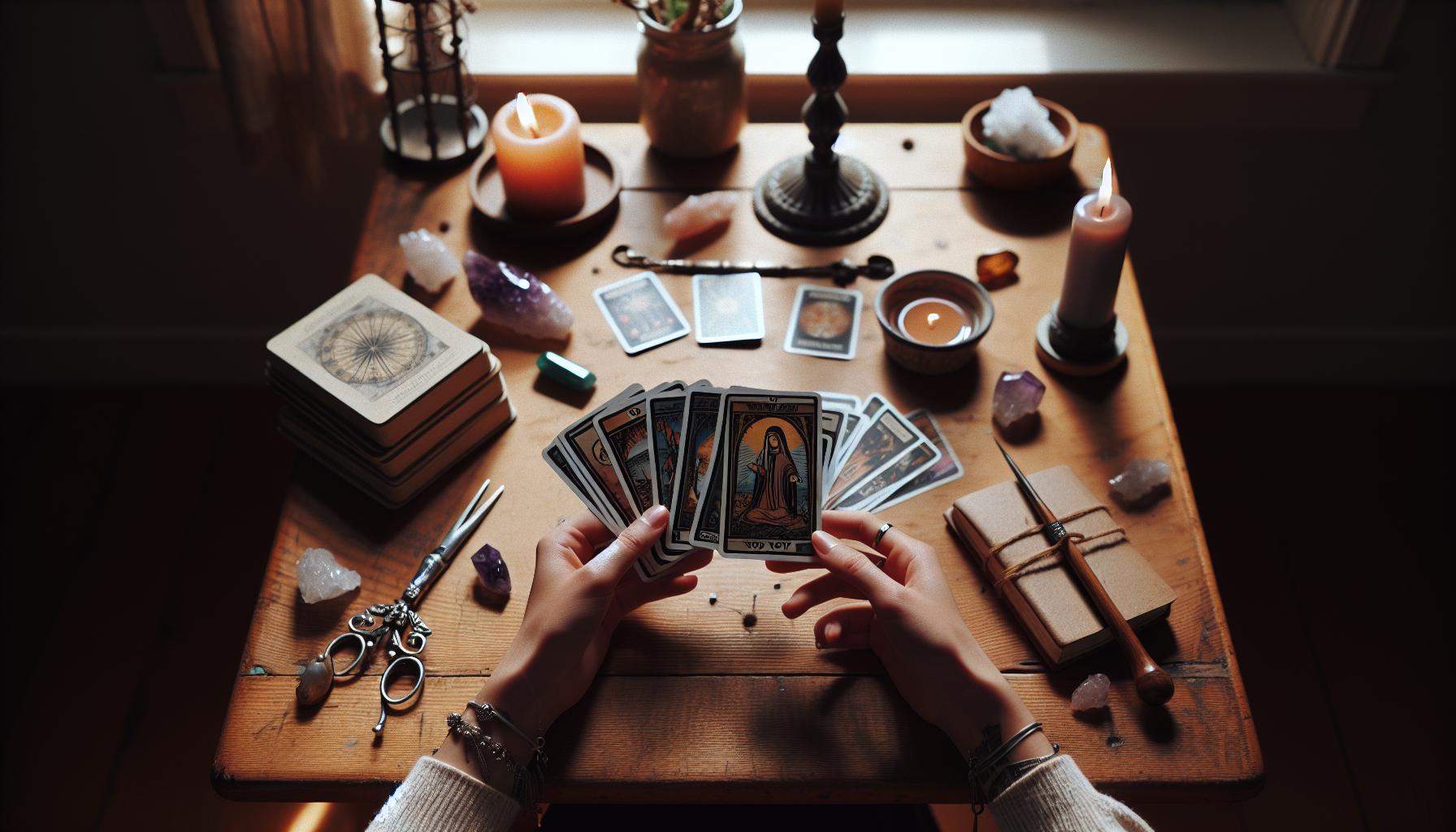
The History and Origins of Tarot Cards
The tarot’s story stretches back centuries, beginning as a simple deck of cards used for games in 15th century Europe. These beautiful creations, featuring elaborate imagery, soon evolved into tools of divination and spiritual exploration. The origins of Tarot are intriguing, as they weave through history, mysticism, and various cultural interpretations.
In its early days, Tarot was not seen as a mystical system but rather as playing cards, likely derived from the Mamluk cards brought to Europe via trade routes. The earliest recognizable Tarot decks appeared in Italy, particularly the Visconti-Sforza deck, which dates back to the 15th century. As these cards spread across Europe, they became layered with meanings that reflected the philosophical and occult ideas of the time, intertwining with the rise of mysticism during the Renaissance.
By the late 18th century, Tarot transitioned into its current role as a means for divination and personal introspection. Figures like Antoine Court de Gébelin and Jean-Baptiste Alliette (alias Etteilla) posited that the Tarot was a repository of ancient wisdom, connecting it to Egyptian mythology and Kabbalistic traditions. This romanticized interpretation morphed the Tarot into a mystical tool, suggesting that each card embodies profound spiritual meanings.
Today, Tarot combines these historical roots with modern interpretations. Many practitioners use it as a form of self-reflection, drawing connections between the archetypal images on the cards and their personal experiences. Understanding the historical journey of Tarot can deepen one’s appreciation for its role in contemporary spirituality, serving as both a guide and a companion on the path of self-discovery.
Embrace the journey of learning about Tarot with an open heart and curious mind. Whether you’re a skeptic or a believer, the historical context of Tarot offers rich layers that can enhance your readings, reminding you that these cards are not merely tools but mirrors reflecting our inner truths.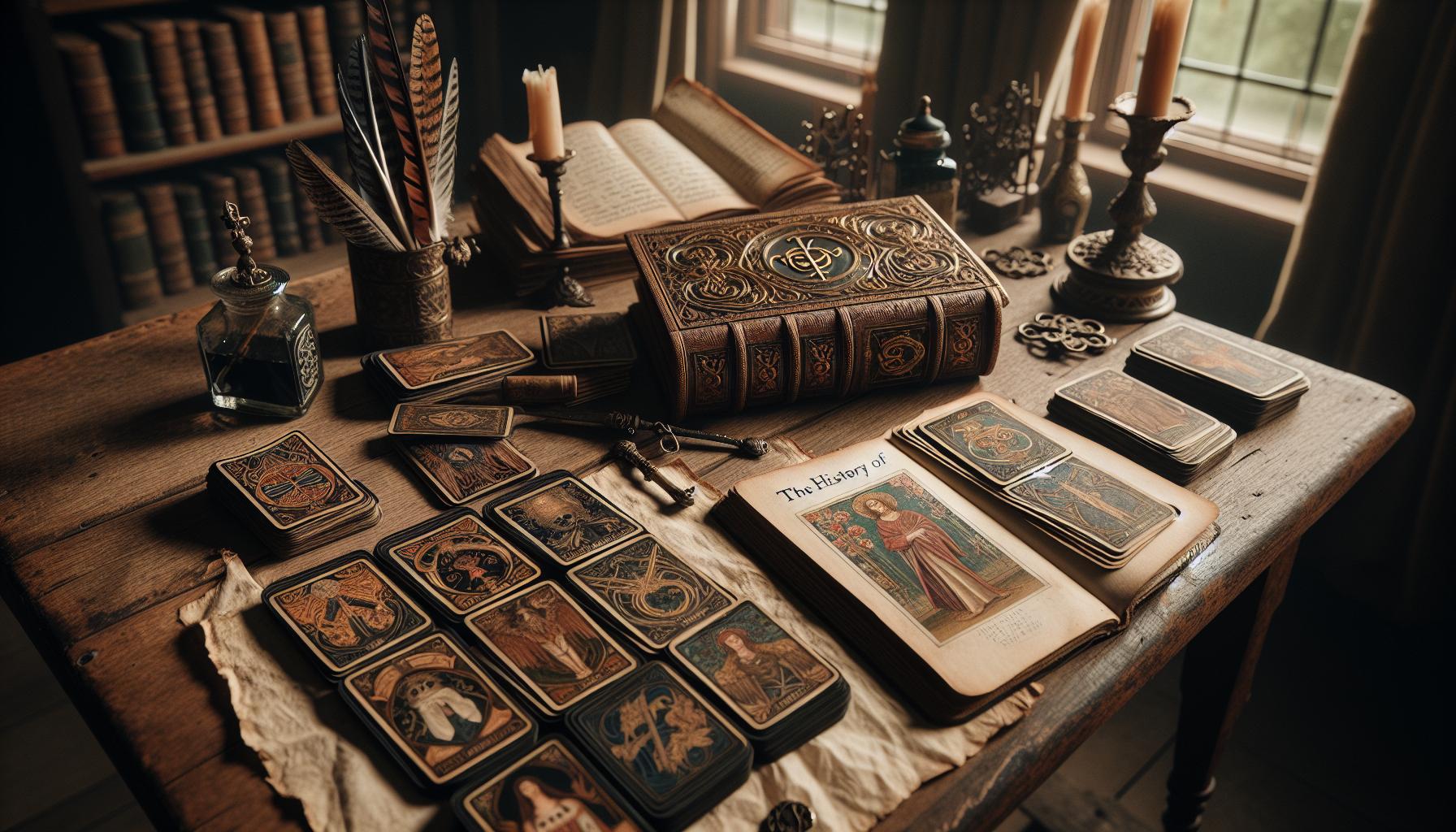
How Tarot Readings Work: Techniques Explained
The enchantment of tarot readings lies not just in the cards themselves but in the techniques employed to interpret their meanings. Each reading is a unique experience shaped by the connection between the reader, the querent (the person seeking insight), and the cards. Understanding the fundamental techniques of tarot readings can empower you to dive deeper into the practice, offering profound insights into your life.
One of the most popular methods of tarot reading is the spread, which refers to the arrangement of cards drawn during a session. Among the multitude of spreads available, the Celtic Cross is particularly notable for its comprehensive coverage of various aspects of a querent’s life. This ten-card layout reveals not only current influences but also challenges, past influences, future outcomes, and potential advice. For beginners, simpler spreads like the Three-Card Spread-focusing on past, present, and future-can provide immediate insights without overwhelming complexity.
When conducting a reading, it’s essential to tap into your intuitive skills. Card interpretation is a blend of traditional meanings and personal insights. Each card in the tarot deck carries symbolism-ranging from the positive vibes of the Sun to the uncertainty of the Tower. As you become more acquainted with these images, allowing your intuition to channel thoughts and emotions connected to the cards is vital. For instance, if during a reading the Queen of Cups appears, one might consider themes of empathy, emotional depth, and nurturing, while also trusting any personal associations that come to mind.
Moreover, the context of the question posed by the querent is crucial. A reading can vary dramatically based on whether the querent is asking about love, career, or personal growth. Thus, engaging in active listening and seeking clarification on their concerns helps tailor the readings, allowing you to draw relevance from the cards that emerge.
By approaching tarot with an open mind and willingness to explore, anyone can cultivate a deeper understanding of themselves and their life journeys through these ancient cards. This journey encourages not only insight and guidance but also a strengthened sense of intuition, a powerful tool for navigating life’s complex tapestry.
Psychology Behind Tarot: Belief vs. Evidence
Many people find themselves drawn to tarot readings, seeking answers to life’s questions through the mystique of the cards. However, the psychology behind believing in tarot-whether seen as an insight tool or mere entertainment-unfolds a captivating landscape of human experience. Our beliefs shape our perceptions, and interestingly, the belief in tarot’s capability to unlock personal truths can, in itself, influence the outcomes experienced during readings.
At its core, the psychology of tarot intertwines with concepts such as confirmation bias and the Barnum effect. Confirmation bias refers to our tendency to seek or interpret information that confirms what we already believe. In tarot, when a reading resonates positively with a querent’s preexisting thoughts or desires, they are more likely to view the experience as meaningful. Similarly, the Barnum effect describes how vague and general statements can be perceived as highly relevant. A card’s interpretation might seem tailored specifically to the querent’s life, despite its broader applicability-this can empower many to feel the reading is distinctly applicable to their unique situation.
Research in psychology has also suggested that the experience of tarot can promote introspection. Engaging with the symbolism of tarot cards can prompt individuals to reflect on their thoughts, emotions, and circumstances. For instance, pulling the Empress card could stir rich emotional landscapes involving nurturing or creativity for someone grappling with personal projects or relationships. This self-reflection can foster personal growth, regardless of the cards’ supernatural claims.
Ultimately, whether one sees tarot as a mystical practice or a psychological tool, the evidence indicates that the act of engaging with the cards can spark meaningful introspection and discussion. Tarot offers a framework for exploration, inviting individuals to confront inner anxieties and aspirations, thus providing an invaluable avenue for self-discovery and personal growth. Embrace this journey without fear or skepticism; allow the cards to be a gentle guide through your unique life tapestry, revealing deeper understandings and new perspectives along the way.
Expert Opinions: What Do Professionals Say?
While the debate about the reality of tarot readings continues, expert opinions provide a nuanced understanding of their value. Many professional tarot readers emphasize that tarot can serve as a mirror, reflecting the querent’s inner thoughts, emotions, and situations rather than predicting fixed outcomes. According to seasoned practitioners, the true power of tarot lies in its ability to facilitate introspection and self-discovery, turning abstract questions into actionable insights.
Insights from Professionals
Professional tarot readers often highlight the importance of context in readings. For instance, a reader might explain that the appearance of the Tower card, typically symbolizing upheaval, could be interpreted as an invitation to assess life changes critically rather than foretelling doom. This perspective suggests that tarot acts as a tool for empowerment-helping individuals navigate their situations with clarity and confidence. A notable tarot expert might recommend viewing cards as prompts for discussion rather than definitive answers to questions, thus encouraging a relationship with the cards that is dynamic and personal.
Bridging Skepticism and Belief
Experts recognize that skepticism about tarot can stem from deeper concerns about the unknown or uncertainty in life. Many tarot readers welcome this skepticism as a healthy aspect of engagement with the practice. They often recommend that newcomers approach tarot readings open-mindedly, allowing for possibilities without rigid expectations. Experienced readers suggest starting with simple spreads-like the three-card past, present, and future layout-to gradually build confidence in interpreting meanings and understanding fluidity in their insights.
Real-World Applications
In practical terms, professionals report numerous instances where clients have experienced profound personal breakthroughs during a reading. For example, someone grappling with career decisions might pull the Ace of Pentacles, suggesting new beginnings in the realm of work or finance. The reader could encourage this individual to explore practical steps to realize this potential, reinforcing the idea that tarot serves not only as a guide but as a catalyst for action.
Ultimately, expert insights encourage both skeptics and believers to engage with tarot as a flexible tool for personal growth. Through a combination of guidance and self-reflection, individuals can find what resonates best for them, allowing the magical and practical to coexist harmoniously. Whether for personal insight or greater decision-making clarity, tarot can indeed illuminate paths forward when approached with openness and curiosity.
Scientific Studies on Tarot and Intuition
While much of the discussion around tarot readings leans towards the mystical, interesting avenues of scientific inquiry are revealing how intuition and cognitive processes intersect with the experience of tarot. Research has shown that the human brain is remarkably adept at pattern recognition. When individuals engage with tarot cards, whether they believe in their supernatural aspects or see them as mere symbols, they often activate underlying psychological mechanisms that facilitate self-reflection and decision-making.
Studies in psychology have focused on how individuals interpret ambiguous situations, which can parallel tarot readings. For instance, the Rorschach inkblot test operates under similar principles: participants project their own meanings onto ambiguous stimuli. Similarly, tarot users may derive personal insights from card images, tapping into their emotions, thoughts, and experiences. This phenomenon highlights how tarot can act as a catalyst for introspection, prompting users to explore their subconscious.
Moreover, the concept of intuition has gained traction in scientific communities. Psychologists recognize that intuition encompasses “subconscious processing,” where the brain assesses information and feelings without our conscious awareness. When readers draw cards and interpret them, they may intuitively connect the imagery and symbolic meanings of the cards to their life experiences. This connection can lead to insightful revelations, underscoring that the process isn’t solely about predicting the future but also about understanding the present and addressing emotions.
Practical Implications of Tarot on Intuition
For those curious about integrating tarot into their lives, practical exercises can enhance this intuitive experience:
- Card Journaling: After a reading, spend time writing about your thoughts and feelings regarding the drawn cards.
- Mindfulness Techniques: Practice being present while interpreting cards, allowing your subconscious to guide your understanding.
- Explore Symbolism: Study the imagery associated with different cards. Note how certain symbols resonate with your current experiences.
By engaging in these practices, seekers can enrich their tarot experiences, making room for personal growth and self-discovery. Whether approached with skepticism or belief, tarot serves as a bridge between intuition and insight, demonstrating that what may feel mysterious can also connect profoundly with our everyday lives.
The Role of Intuition in Tarot Readings
Intuition plays a pivotal role in the art of tarot reading, serving as a guiding light that helps both readers and seekers delve into the depths of their thoughts and emotions. When you lay out the cards, it’s not just about the symbols on the surface; it’s about the internal dialogue and recognition that unfolds as you engage with them. Many tarot enthusiasts describe a visceral connection to the cards, often feeling that they “speak” to them on a personal level. This connection is rooted in an intuitive process, where the subconscious mind synthesizes the imagery and meanings, revealing insights that may not be readily apparent.
In essence, intuition can serve as a channel through which deeper understanding flows. While the tarot cards each embody their own meanings-like the transformative energy of The Tower or the nurturing essence of The Empress-the real magic happens when readers tap into their personal associations with these images. For instance, seeing the Two of Cups might evoke memories of a cherished relationship, guiding the reader to consider themes of partnership and balance in their current life. This experience highlights how intuitive insights can be as much about the present moment as they are about future predictions.
Utilizing intuition effectively in tarot can be cultivated through practice and mindfulness. Here are some actionable steps:
- Start with Intuitive Draws: Rather than relying solely on predetermined spreads, allow yourself to draw cards randomly. Reflect on what each card evokes within you before consulting traditional meanings.
- Trust Your First Impressions: Often, your first instinct about a card signifies your true feelings or thoughts. Learning to trust these impressions can enhance your readings.
- Engage in Intuitive Exercises: Take time periodically to focus on your intuition. Close your eyes, shuffle the deck, and pick a card without looking. Open your eyes, observe the card, and jot down your initial thoughts without any outside reference.
These practices can deepen your connection with the cards, enriching your readings with authenticity. It’s essential to embrace both the mystical and practical aspects of tarot reading, recognizing that every reading is an opportunity to engage with your inner wisdom. The journey of tarot is ultimately about dialogue-between you, the cards, and your intuition. Thus, whether you’re a novice or experienced reader, nurturing your intuitive skills can lead to transformative experiences and greater clarity on your life path.
Skepticism vs. Belief: A Balanced Perspective
Skepticism and belief coexist in the world of tarot, creating a unique landscape where intuition meets analytical thought. Many individuals approach tarot readings with wonder and enthusiasm, looking for guidance through the cards. Conversely, others remain firmly grounded in skepticism, questioning the validity and reliability of such practices. It’s crucial to navigate this space respectfully, understanding that each perspective holds value, and both can coexist in meaningful dialogue.
Embracing Diverse Perspectives
Skeptics often point to the lack of empirical evidence supporting the efficacy of tarot readings. They may argue that interpretations vary widely among readers, suggesting that personal biases overshadow any potential insights. Indeed, it’s important to acknowledge that tarot, at its core, is not a science but rather an art form that intertwines personal interpretation, intuition, and symbolism. For those who practice tarot, the value often lies not in predictive accuracy but in the reflective process it encourages.
On the other hand, proponents of tarot assert that its power lies in its ability to foster self-discovery and intuition. They argue that the cards serve as a mirror, reflecting one’s inner thoughts and emotions. Practitioners frequently share testimonials of how a reading brought clarity to confusing situations or spurred an important realization. For example, someone grappling with a career decision may draw the Seven of Pentacles, prompting them to evaluate their hard work and consider if their efforts align with their long-term goals. In this way, the cards facilitate a deeper conversation with oneself, offering a fresh perspective.
Finding Common Ground
To bridge the gap between skepticism and belief, it can be helpful to adopt a position of curiosity. Approaching tarot with an open mind allows individuals to experience its potential benefits without fully committing to belief. Here are a few practical steps to foster this balance:
- Test the Waters: If you’re skeptical, consider trying a basic tarot reading without expectation. Observe the feelings and thoughts that arise instead of focusing solely on whether the reading “works.”
- Reflect on Intent: Before a reading, set a clear intention. This could be as simple as seeking guidance on a current challenge. This practice can help to center the experience and make it more meaningful.
- Journal Your Thoughts: Keep a record of readings, noting the cards drawn and your interpretations. Over time, you may notice patterns or insights that resonate with your experiences.
By fostering an environment where both believers and skeptics feel welcome, tarot can be a powerful tool for reflection and growth. Embracing this duality acknowledges the complexity of human experience and the many ways we seek to understand our lives. Whether one views tarot through a lens of spirituality, psychological insight, or pure curiosity, the journey remains personal, and the dialogue is always enriching.
Practical Tips for New Tarot Readers
Starting your journey with tarot can be an exciting yet daunting experience. Understanding how to connect with the cards and trust your intuition is essential. Here are some practical tips designed to enhance your tarot reading skills, regardless of your starting point.
First, familiarize yourself with your tarot deck. Take time to look through each card, reflecting on the imagery and symbols. Create a personal connection with your deck by handling it often-shuffle, draw a few cards daily, and engage with the artwork. This practice will help you to internalize meanings and develop your intuitive responses.
Create a Sacred Space
As you prepare for readings, establish a comfortable and sacred space. This can be a quiet corner in your home, free from distractions. Lighting a candle, burning incense, or playing soft music can create an inviting atmosphere conducive to reflection. Setting this physical space helps signal to your mind that it’s time to focus and connect with your intuition.
Start with Simple Spreads
Begin with simple tarot spreads to avoid feeling overwhelmed. The one-card pull is a perfect starting point to gain insight on a specific question or situation. As you grow more comfortable, you can progress to three-card spreads, exploring past, present, and future influences on a topic. For example, if you draw the Three of Cups, it may suggest celebration and community in your current life situation.
- One-Card Pull: Ask a specific question and draw one card for a focused answer.
- Three-Card Spread: Draw three cards to represent past influences, current situations, and potential outcomes.
Trust Your Intuition
While tarot books and guides can provide insights, remember that your interpretations matter most. Trust your gut feelings when drawing cards. If a card evokes a particular thought or memory, explore that connection. For instance, if you pull the Two of Swords and feel torn between two decisions, allow that personal resonance to guide your reading.
Keeping a tarot journal can be invaluable. Document your readings, interpretations, and the feelings that arise during each session. Over time, you may notice patterns that offer deeper insights into your inner world, helping to build confidence in your readings.
With practice, patience, and a little love, tarot can become a meaningful tool for introspection and self-discovery. Embrace the journey, and don’t hesitate to seek out further resources or community support as you hone your skills. Remember, every tarot reader started somewhere-your unique path is just beginning!
Common Misconceptions About Tarot Readings
Many people harbor misconceptions about tarot readings, often rooted in myths or misunderstandings. One common belief is that tarot cards possess supernatural powers, providing definitive answers to life’s questions. In reality, tarot is a tool for self-reflection and guidance, helping individuals tap into their intuition and gain insights into their situations. The cards serve as prompts that can highlight underlying thoughts or feelings, rather than providing specific predictions about the future.
Another frequent misconception is that one must be psychic or have special abilities to read tarot cards. This can be discouraging for beginners interested in exploring tarot. The truth is that anyone can learn to read tarot with practice and patience. It is about developing your intuition and understanding the symbolism of the cards. Starting with simple spreads and keeping a journal of your readings can help build your confidence over time.
Furthermore, some people think that tarot readings are fixed, offering rigid interpretations that cannot be altered. In fact, the interpretation of cards can vary widely, influenced by the reader’s intuition, the context of the question, and the dynamics at play during the reading. Tarot is not about fate; it’s about choices and possibilities. A card drawn in one context can mean something entirely different in another, reflecting the fluid nature of life itself.
Lastly, many often perceive tarot as being solely for entertainment or the mystical realm, dismissing its potential for personal growth and insight. While it is true that tarot can be used for fun, its deeper purpose is to facilitate self-discovery and introspection. Whether you are a curious skeptic or a dedicated believer, exploring tarot can be an enriching journey that opens doors to self-awareness and reflection.
Real-Life Experiences: User Stories and Testimonials
Many individuals who explore tarot readings share transformative experiences that reflect the power of this ancient practice. Whether they approached it with curiosity or skepticism, users often find that tarot provides profound insights and unexpected clarity about their lives. Stories abound where a simple card draw led someone to confront long-standing fears, ignite new passions, or navigate challenging relationships.
One user, Jane, recounted a particularly impactful reading when she was at a crossroads in her career. During her session, she drew the Chariot card, symbolizing determination and control. This card resonated deeply with her situation, prompting her to consider a leap she had been hesitating to take. Inspired by the reading, Jane decided to pursue a promotion at her workplace and committed to additional training, ultimately leading to a fulfilling new role. Her experience showcases how tarot can be an encouraging nudge, reminding us of our innate power and potential.
Similarly, a skeptic named Mark approached his first tarot reading with caution, doubting whether the cards could offer any real guidance. After selecting a few cards related to his love life, he was surprised to see the Two of Cups, which signifies unity and partnership. The reading sparked a discussion about his current relationship dynamics and helped him recognize patterns he had been ignoring. By the end of the reading, Mark expressed how tarot had opened his eyes to possibilities he hadn’t considered, illustrating that even the most doubtful can find value in this reflective practice.
For those new to tarot, hearing these personal accounts can offer a sense of reassurance. It highlights that the journey through tarot is not about divination but rather about self-discovery and growth. Embracing the narratives of others can inspire readers to engage with their decks more intuitively, trusting the wisdom that can emerge from their own unique spreads and situations. As diverse as the experiences may be, the common thread is clear: tarot readings can be real, impactful, and a vessel for meaningful change in our lives.
How to Choose a Trustworthy Tarot Reader
Choosing the right tarot reader can greatly influence your experience and the insights you gain. With so many options available, finding someone who resonates with your energy and expectations is crucial. Start by considering what you hope to achieve from the reading. Are you looking for guidance on a specific issue, or are you more interested in general insights into your life? Knowing your intentions can help guide your search.
When evaluating potential tarot readers, it’s important to look for their experience and expertise. Check their background-how long have they been reading tarot? What styles or methods do they employ? You might also want to read reviews or testimonials from previous clients. A good reader will often have a strong online presence where they share their insights and experiences. Platforms like social media or personal websites can offer valuable insight into their approach and demeanor.
Networking can also lead you to trustworthy readers. Ask friends or community members if they have recommendations. Personal endorsements can provide reassurance and help you feel more secure in your choice. Additionally, consider the reader’s communication style. A warm, approachable reader can create a comfortable atmosphere, conducive to open discussion. If possible, try to have a brief chat with them before your reading to gauge the connection.
Trust your intuition; if something feels off, it’s okay to keep searching. The best readings often come from established rapport and mutual respect. Remember, the magic of tarot isn’t confined to the cards themselves but flourishes in the reader’s ability to understand and reflect your energies and questions. Trusting that you can find the right guide on your tarot journey will enrich your experience and foster personal growth across all facets of life.
Frequently Asked Questions
Q: Are Tarot readings based on any scientific evidence?
A: Tarot readings do not have robust scientific backing as definitive tools for prediction or decision-making. However, many practitioners argue that the insights gained from readings reflect intuitive understanding and psychological principles, connecting them subtly to introspective processes. For more on the intersection of science and Tarot, see the section on Scientific Studies on Tarot and Intuition.
Q: Can anyone learn to read Tarot cards effectively?
A: Yes, anyone can learn to read Tarot cards! With practice and guidance, individuals can develop their intuition and interpret the cards meaningfully. Beginners often benefit from structured resources and community support, which can be found in the Practical Tips for New Tarot Readers section of our main article.
Q: What should I consider when choosing a Tarot reader?
A: Selecting a trustworthy Tarot reader is crucial. Look for someone with positive reviews, a clear understanding of different Tarot techniques, and a style that resonates with your beliefs. It’s helpful to ask about their experience and approach before committing to a reading, as detailed in How to Choose a Trustworthy Tarot Reader.
Q: Can Tarot readings offer real guidance in my life?
A: Many people find Tarot readings provide valuable guidance. They serve as tools for reflection, helping individuals explore their situations and feelings more deeply. While the cards do not predict the future, they can offer fresh perspectives and clarify choices. Check Real-Life Experiences: User Stories and Testimonials for insights.
Q: Are there any common myths about Tarot readings that I should know?
A: Yes, several misconceptions exist about Tarot readings. Many believe Tarot is solely about predicting the future, while it is also about exploring current situations and personal development. Addressing these myths can enhance your understanding, as discussed in the section on Common Misconceptions About Tarot Readings.
Q: How can I improve my Tarot reading skills?
A: Improving your Tarot reading skills requires practice and reflection. Regular readings, journaling your interpretations, and engaging with the Tarot community are effective strategies. For more advanced techniques and resources, explore Practical Tips for New Tarot Readers and seek guidance from experienced practitioners.
Q: Is Tarot reading considered a spiritual practice?
A: Tarot reading is often viewed as a spiritual practice, connecting users with their intuition and broader life themes. While it can be spiritual for some, others may approach it as a psychological tool for self-reflection. This duality is explored in-depth within the Psychology Behind Tarot: Belief vs. Evidence section.
Q: What role does intuition play in Tarot readings?
A: Intuition is central to Tarot readings. Readers often rely on their instinctive insights to interpret card meanings and how they relate to the querent’s situation. Fostering your intuitive abilities can enhance your readings, a topic thoroughly covered in The Role of Intuition in Tarot Readings.
The Way Forward
As we’ve explored, the reality of tarot readings lies in a blend of intuition, spiritual insight, and personal interpretation. Whether you’re skeptical or curious, understanding the varied perspectives on tarot can deepen your appreciation of its unique potential. Ready to discover your own path? Try a free tarot reading to gain personal insights and guidance today. Our interactive tarot experiences, like the popular Celtic Cross spread, can illuminate your journey and spark new questions about your future [2].
Don’t stop here-join our community of tarot enthusiasts! Share your experiences with us in the comments, or consider signing up for our newsletter to receive ongoing insights and tips on enhancing your readings. Explore more fascinating articles on tarot meanings and expert advice to further your understanding [3]. Remember, your intuitive journey starts with a single card-let’s unveil the mysteries together!
Get our latest guides, news, and insights highlighted in your Google Search & AI Overviews.