In today’s digital age, the idea of capturing your tarot reading with a photograph can be tempting. But have you ever wondered about the ethics behind it? Understanding the implications of sharing such personal insights is vital, whether you’re a seasoned intuitive or just starting your tarot journey. This article dives into the critical considerations surrounding the documentation of your readings, exploring the balance between practicality and respect for the sacredness of the tarot practice. Together, we’ll navigate some common concerns, helping you feel more confident in your choices. Read on to discover how to honor your readings while embracing the modern world around you.
Can I Take Photos of My Tarot Reading?
Capturing the moment of a Tarot reading can feel both enchanting and daunting. Many seekers find themselves pondering whether taking photos of their readings is appropriate. To navigate this question, consider the implications of recording these personal and spiritual experiences. Photographs can serve as visuals to reflect upon later, allowing for deeper insight into the messages conveyed by the cards. However, it’s essential to balance this desire with an understanding of ethical considerations and respect for the energy involved in a reading.
Before snapping a photo, it’s crucial to take into account the energy of the reading itself. Tarot cards hold vibrational energy, and capturing that moment can disrupt the flow if not done thoughtfully. If you’re reading for yourself, this may feel more manageable, but if you’re engaging with a client, their comfort and boundaries should take precedence. Always seek their consent before taking any pictures. A simple conversation about the intention behind the photo-whether for personal reflection or sharing online-can help build trust and clarify boundaries.
When photographing the cards, focus on the essence of the spread rather than the individual details. This means capturing the overall layout and aesthetic while respecting the privacy of your reading space. Consider using angles or settings that enhance the atmosphere without including any specific identifiers. For instance, a bird’s eye view of the cards can create a beautiful image that captures the moment without intruding on intimate details. By following these practices, you can document your Tarot experiences while honoring the sacred nature of the practice and the trust placed in you by your clients.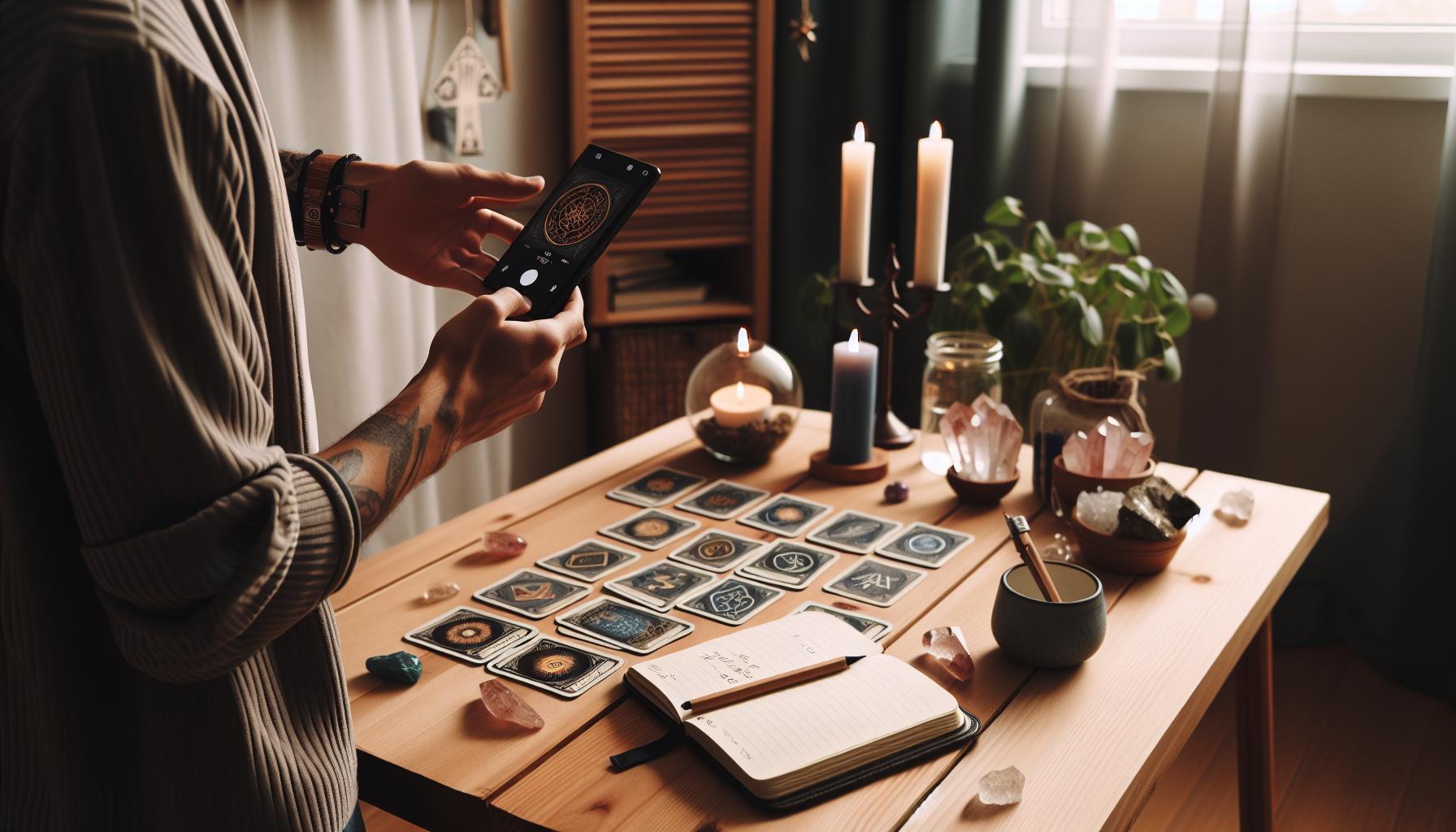
Understanding Tarot Reading Ethics
In the mystical realm of Tarot, ethics play a key role in cultivating trust and respect between reader and querent. Understanding the ethical dimensions of photographing Tarot readings is crucial not just for maintaining the sanctity of the practice, but also for ensuring a comfortable environment for both parties involved. When you take a photo, you are not merely capturing images of cards; you are encapsulating an intimate moment that can often hold profound meaning for the querent. This calls for a mindful approach that honors their privacy and the energetic flow of the session.
One fundamental aspect of Tarot reading ethics is the principle of consent. Always communicate openly with your client about the intention behind taking photos. Let them know if it’s for personal reflection or artistic sharing. This conversation fosters trust and reassures them that their boundaries are respected. If a client is not comfortable with having their reading photographed, it’s essential to honor that choice without question. Not only does this respect their comfort, but it also preserves the sacred space needed for authentic Tarot work.
Additionally, consider the context and the energy at play during the reading. Each Tarot spread holds a vibrational frequency, and interrupting that with a camera flash or sudden movements can disrupt the flow of the session. Instead, approach the act of photographing with intention; seek opportunities to capture the moment in a way that enhances the reading, such as taking a quiet shot once the reading is concluded. This can allow you to reflect back on the key messages revealed, while still respecting the client’s experience.
As you navigate these ethical waters, remember that Tarot is meant to be a healing and enlightening practice for everyone involved. By fostering an atmosphere of trust and mutual respect, and by approaching the act of photography with careful consideration, you can ensure that your readings are both meaningful and ethically sound. Take this wisdom to heart, and you’ll not only document your practice but also deepen the connections you create along the way.
Why Photographing Readings Matters
In the enchanting world of Tarot, each reading serves not only as a tool for insight, but as an intimate experience that can hold significant emotional and spiritual weight for the querent. Capturing this moment through photography can be a meaningful way to document the experience. However, it’s essential to recognize that taking photos goes beyond mere visuals; it taps into the essence of the reading itself. This is why understanding the implications of photographing readings is crucial.
When you photograph a reading, you create a tangible reminder of the insights shared. These images can serve multiple purposes: from allowing the querent to revisit their revelations to providing the reader with a portfolio of their intuitive work. Consider how a photo can encapsulate that particular spread, those specific cards, and the energy of the moment, making it a lasting representation of the connection formed. For instance, a photo of a Three of Cups, which often symbolizes celebration and community, could be a beautiful way for a querent to remember a joyous milestone discussed during the reading.
Moreover, the act of photographing requires careful thought regarding context and consent. Each Tarot session is a sacred exchange, and honoring that sanctity is vital. Engaging in open communication about the intention behind taking photos lays a foundation of trust. Explain how the images might be used-whether for personal reflection or educational purposes-ensuring your client feels comfortable and respected throughout the process. This is not just an ethical consideration; it strengthens the bond between reader and querent, enriching the overall experience.
In summary, photographing Tarot readings matters for many reasons-those intimate snapshots encapsulate insights, foster trust, and can even enhance the spiritual journey for both reader and querent. By approaching this practice with care and respect, you’re not just preserving memories but also honoring the profound and transformative nature of Tarot readings.
Intellectual Property and Tarot Images
In the world of Tarot, each card and spread carries its own vibrational essence, telling a story that is deeply personal to the querent. But when you translate that intimate experience into an image, you enter a realm of intellectual property that requires thoughtful consideration. Protecting the unique interpretations and artistic expressions that come from your Tarot readings is essential, both for you as the reader and for your clients.
When you photograph your Tarot spreads, you are not just capturing a moment; you are presenting a potential intellectual property issue. This is especially pertinent when considering how and where these images might be shared. While you may feel proud of the readings you conduct and want to showcase them, it’s crucial to acknowledge that the artwork on the cards belongs to their respective creators, and your interpretation and spread design can also be seen as a personal creation. This means that if you plan to use these images for professional purposes, such as marketing or educational content, you should clarify ownership rights and the intended use with your clients.
To navigate the complexities of , consider these best practices:
- Get Written Consent: Always ask for permission before photographing a reading. Explicitly outline what the images will be used for-personal, commercial, or educational-to ensure transparency.
- Credit the Artists: If you share photos of your spreads on social media or other platforms, credit the Tarot deck’s creator whenever possible. This acknowledges their artistry and protects you from potential copyright claims.
- Use Watermarks: If you share images online, consider adding a watermark or logo to protect your interpretations and ensure attribution.
By respecting the intellectual property related to Tarot images, you not only safeguard your work but also honor the traditions and creations of others in the spiritual community. This approach fosters a respectful environment where everyone’s contributions are valued, allowing the magic of Tarot to be celebrated and preserved.
Privacy Considerations for Tarot Clients
In the realm of Tarot, the connection between reader and querent is built on trust, openness, and mutual respect. When it comes to taking photos of readings, understanding privacy considerations is crucial, as this ensures the integrity of the querent’s personal journey is honored. The act of capturing a Tarot reading not only immortalizes the experience but can also inadvertently expose sensitive aspects of a person’s life if not handled thoughtfully.
Firstly, consider the nature of the information being shared. Many clients may come to a Tarot reading seeking clarity on deeply personal issues, such as relationships, career choices, or emotional struggles. This context means that any images relating to their reading should be treated with confidentiality. Before snapping a photo, it’s essential to clarify with your client what aspects of the reading they are comfortable sharing, and whether they want specific cards or interpretations photographed or omitted. A simple conversation about their comfort level can go a long way in maintaining that trust and ensuring clients feel safe.
Another important factor is the potential for your images to be shared online or in a public space. For instance, if you post a photo of a reading on social media, even with the best intentions, it could be seen or shared by others who might not understand the context. This not only risks breaching your client’s privacy but could also lead to judgment or unwarranted scrutiny. To mitigate this, you might agree on a general depiction of the reading without revealing personally identifiable details. Instead of focusing on the specific cards, you could highlight the atmosphere or tools used, keeping the sensitive content under wraps.
Additionally, always obtain explicit consent from your client prior to photographing any part of their reading. This ensures not only clarity on what will be shared but also reinforces the boundary of consent that is fundamental to the practice. Remember, the intention behind taking these photos should be to celebrate the reading experience while honoring the querent’s journey, not to commodify or expose their vulnerabilities.
In summary, respecting your clients’ privacy when documenting Tarot readings involves open communication, careful consideration of what is shared, and obtaining consent. By prioritizing these aspects, you nurture a safe and supportive environment that respects the personal nature of the Tarot journey, allowing clients to feel empowered and secure in their experiences.
Respecting the Energy of the Cards
When it comes to capturing the essence of a Tarot reading through photography, one must be deeply aware of the energetic and spiritual implications of the cards. Each card carries its own unique vibration and symbolism, and preserving that energy in a photograph requires a nuanced approach. The act of taking a photo isn’t just about freezing a moment in time; it intertwines with the energy exchange that occurs between reader and querent. This sacred interaction deserves respect and mindfulness.
The energy of the Tarot cards is not merely visual; it’s a living force that is influenced by the thoughts, feelings, and intentions of both the reader and the seeker. When photographing a reading, consider the atmosphere around the session. Lighting plays a crucial role-soft, natural light can enhance the mystical quality of the cards, while harsh lighting may distort their intended energy. Aim to capture the ambiance that reflects the reading’s emotional tone. For instance, if the cards reveal empowerment or clarity, a bright and uplifting setting can resonate well with that message.
Moreover, it’s important to consider the context in which the reading takes place. Many readers use personal items or tools, such as crystals or candles, that contribute to the energetic environment. These elements should also be thoughtfully included in your photography to honor the reading’s overall spirit. When taking a photo, focus on how you can convey the energy of the cards alongside these aspects:
- Position cards to highlight their meanings-showing cards upright versus reversed can convey different narratives.
- Incorporate elements from the reading space, like the table or other spiritual tools, which resonate with the session’s energy.
- Be mindful of your own energy while photographing; ensure that you approach this task with a calm and focused mindset, as your intention will be felt.
Remember that each photo should honor the personal journey of the querent. Discuss with them what aspects resonate most with their experience, as this fosters trust and respect for the reading’s sacred nature. By aligning both the aesthetic and energetic qualities in your photographs, you not only create a beautiful visual record of the session but also maintain a profound respect for the cards and their meanings. Each snapshot can then serve as a heartfelt reminder of the insights gained, preserving the magic of the moment in a thoughtful and respectful manner.
Best Practices for Sharing Tarot Photos
Sharing images of your Tarot readings can be a meaningful way to preserve the experience and engage with a wider audience. However, there are mindful practices you should follow to ensure that your sharing respects both the art of Tarot and the privacy of your clients. First and foremost, always obtain explicit consent from your querent before sharing any photographs. This ensures they feel comfortable and respected, fostering a stronger connection between you and your client.
When sharing photos, consider the purpose behind the post. Are you aiming to educate, inspire, or simply share your practice? Tailor your captions and accompanying messages to reflect that intent. For example, if showcasing a spread that explores personal growth, articulate what insights were discovered without revealing personal details. This approach not only honors your client’s journey but also enriches your audience’s understanding of Tarot.
Another vital aspect to consider is the aesthetics of your photos. A well-composed image can amplify the energy of the cards. Aim for clean backgrounds that don’t distract from the cards themselves. Natural light enhances image quality and showcases the cards’ colors and details beautifully. You might even include your favorite Tarot-related items, such as crystals or candles, to create a visually appealing setting that resonates with the reading’s essence.
Finally, engage with your audience by inviting them to share their interpretations or experiences with similar cards. This promotes a sense of community and encourages others to reflect on their own journeys. Sharing responsibly while highlighting the beauty and depth of Tarot can inspire others, whether they are seasoned practitioners or curious newcomers. Always remember to balance enthusiasm for sharing with the profound respect the Tarot and your clients deserve.
How to Capture the Essence of Your Reading
Capturing the essence of your Tarot reading through photography can be a rewarding experience, allowing you to immortalize insights and share them with a broader community. The key to doing this well lies not just in the technical aspects of photography, but also in your approach to the reading itself and the energy you want to convey.
Start by ensuring that the setting is respectful and conducive to the spirit of the reading. Natural light is your best friend; it enhances the colors and details of your cards without harsh shadows. Choose a clean and simple background that complements rather than competes with your cards. If you do wish to include personal elements like crystals, candles, or meaningful artifacts, arrange them thoughtfully to create a harmonious composition.
When photographing your spread, consider the story behind the cards. Each image should encapsulate what the reading means to you and your querent, focusing on the relationships between the cards. For instance, if you’re depicting a spread related to personal growth, position the cards to illustrate their interconnectedness-the progression from one card’s meaning to another. Use close-ups to highlight specific cards that evoke strong emotions or powerful insights, enabling viewers to connect more deeply with the energy of the reading.
Lastly, think about how you’ll share the images. Captions can provide context, inviting your audience to ponder their interpretations while keeping sensitive details private. By fostering dialogue around the images, you not only celebrate the experience of your reading but also engage your audience in deeper reflections, creating a bridge that connects the personal with the universal. Remember, photography is not just about the image; it’s a medium for storytelling that can inspire and educate others about the meaningful art of Tarot.
Reader’s Consent: Communicating with Clients
Before capturing a photograph of your Tarot reading, it’s crucial to establish open communication with your clients regarding consent. This not only ensures respect for their privacy but also fosters a trusting relationship. Engaging in a brief discussion about the possibility of taking photographs can be enlightening for both parties. Ask your client how they feel about documenting the session. Are they comfortable with their reading being photographed for personal or social media sharing? Seeking their perspective allows you to honor their wishes while simultaneously enlightening them about the intentions behind the capture.
Many clients may appreciate the opportunity to revisit their readings visually, which reinforces their insights and growth. Clarify the purpose of the images-are they to share as a teaching tool, for personal reflection, or simply to enhance your Tarot practice? This understanding can alleviate any concerns your clients may have about privacy. If they agree, you could discuss how their energy and interpretations could be represented visually, ensuring they feel part of the process.
It’s also important to provide reassurances about the treatment of their personal information. Consider creating a simple consent form or verbal agreement outlining how the images will be used. Emphasize that sensitive details will remain confidential, allowing only the essence of the reading to be shared. This transparent approach not only builds trust but also encourages an empowered and collaborative reading environment.
Remember, consent isn’t just a formality; it’s an integral part of the Tarot experience. By prioritizing clear communication, you honor your client’s personal journey and cultivate a respectful practice. This openness fosters a comfortable atmosphere where clients can express their boundaries freely, enhancing the intuitive connection that is so vital in Tarot reading.
Creative Ways to Document Tarot Readings
Capturing the essence of a Tarot reading can be both rewarding and enlightening, allowing clients to reflect on their insights well after the session has ended. However, documenting readings doesn’t have to be limited to photographs. Here are some creative methods to record these moments while respecting the unique energy and ethical considerations involved.
Creative Documentation Methods
- Artistic Journal Entries: Encourage clients to keep a Tarot journal where they can sketch or write about their readings. This method allows for personalization and can capture the emotional essence of the experience. Suggest they include their interpretations and feelings associated with the cards drawn.
- Mind Mapping: Create a mind map of the reading’s themes and messages using colorful pens and visuals. This can help illustrate connections between the cards and their meanings, fostering a deeper understanding of the reading.
- Video Reflections: With consent, clients can record a brief video shortly after the reading. They can discuss their impressions, feelings, and any insights gained. This method not only documents the reading but also captures the immediate energy and emotional responses.
- Sound Recordings: Suggest that clients use a voice memo app to record their thoughts or a recap of the reading. This audio format allows for an expressive and personal way to revisit insights without visual distractions.
Utilizing Symbols and Metaphors
Enhance the meaning of each session by incorporating symbols or metaphors that resonate with the reading’s theme. For example, if a client draws The Chariot, they might create a small collage with images or words that symbolize movement and control. This creative outlet can solidify their understanding and serve as a visual reminder of their intentions.
Digital Platforms for Sharing
If clients are comfortable, consider creating a private group or forum where they can share their experiences with peers. This platform can serve as a support network, allowing them to discuss their readings, share artistic representations, and receive peer feedback, all while maintaining confidentiality.
By exploring these creative avenues to document Tarot readings, both readers and clients can enhance their bonding experience while honoring privacy and personal interpretations. Such practices nurture the deep, intuitive connections that Tarot fosters, allowing the magic of the cards to resonate long after the session ends.
Does Taking Photos Affect Your Reading?
When considering whether to take photos during a Tarot reading, the impact on the reading itself is a vital aspect to ponder. Capturing an image can be a double-edged sword. On one hand, a photograph can serve as a powerful tool for reflection, allowing the client to revisit the moment and connect with the cards long after the session has ended. On the other hand, the act of photographing may inadvertently shift the focus from the intuitive experience of the reading to the physical representation of the cards, which might dilute the energy of the session.
The energetic exchange that occurs during a reading is significant. Tarot cards are not just tools for divination; they are imbued with the emotions and intentions of both the reader and the client. When a photo is taken, it can create a sense of detachment from the experience. For example, if a client spends more time thinking about how the cards will look in a picture rather than absorbing the insights being shared, they may inadvertently block their intuitive flow. This can lead to missing subtle cues or messages that are unfolding in the moment.
However, if both the reader and the client are in agreement about taking photos, there are ways to do so without affecting the integrity of the reading. Establishing a clear intention beforehand can help maintain the focus. For instance, engaging in a brief meditation or grounding exercise before capturing the moment can help everyone involved stay connected to the reading’s energies. Clients can also take photos after discussing the reading, allowing the experience to resonate fully before shifting focus to documentation.
Emphasizing open communication between the reader and client is essential. Before the session, discuss the implications of taking photos and whether it aligns with the client’s comfort level. It’s important to approach this practice with sensitivity, ensuring that capturing the moment does not overshadow the profound insights that emerge during the reading. By honoring the sacredness of the Tarot and being mindful of the energy involved, one can find a harmonious balance between documentation and immersion in the reading experience.
Navigating Social Media with Tarot Images
In today’s digital age, sharing our experiences online has become second nature, but navigating the world of social media with Tarot images requires some careful thought. Posting images of your Tarot readings can be a wonderful way to engage with a community and express your journey, but it’s essential to do so ethically and respectfully. Remember, a Tarot reading is a personal and intimate experience, often filled with profound messages that may not be ready for public consumption.
Before you hit “post,” consider the privacy of those involved in the reading. Always obtain clear consent from clients before sharing any images that feature them or their spreads. This respect for privacy fosters a safe space and builds trust. You might implement a simple system where clients agree to the sharing of images as part of your initial consultation. This way, everyone feels comfortable with what is being shared.
When documenting your reading, aim to share not just the visuals but the insights as well. Rather than merely posting a picture of the spread, accompany it with a brief narrative of what the cards revealed to you or your client. This adds depth and context while also inviting your audience to engage with the reading on a more meaningful level. For example, you might say, “This Three of Cups came up during a reading for a client reflecting on friendship. It sparked a conversation about celebrating community and self-care. What do you feel when you see this card?” Such engagement encourages dialogue and connection within the Tarot community.
Lastly, be mindful of how the energy of your readings translates to social media. Each card carries its own vibrations and messages, so when sharing images, consider the accompanying energy. Use hashtags thoughtfully, select the right time to post, and consider the overall atmosphere of your feed. This mindfulness ensures that your social media presence reflects the sacred nature of Tarot, helping others appreciate the depth of the practice while promoting a positive dialogue around your insights and experiences. By blending respect, engagement, and mindfulness, you create a platform that honors the Tarot while opening doors to connection and learning.
FAQ
Q: Is it ethical to take photos of my Tarot reading?
A: Yes, it can be ethical to take photos of your Tarot reading, but consent is key. Always ask the reader or participants for permission before capturing any images. Respecting their wishes helps maintain trust and ensures the energy of the reading remains intact.
Q: How can I ask my Tarot reader for permission to take photos?
A: You can simply ask, “Would you mind if I took a picture of this reading?” Be clear about your intentions, whether it’s for personal reflection or sharing on social media. This transparency builds trust and prepares everyone for the photo.
Q: What are common concerns regarding taking photos during Tarot readings?
A: Common concerns include privacy issues, distraction from the reading, and the potential for the reader’s intellectual property to be misused. Address these concerns by discussing boundaries and ensuring all parties feel comfortable.
Q: Does taking photos during a reading change the energy of the session?
A: Taking photos might alter the energy flow of a reading, as the focus may shift from the cards to the camera. To maintain the sacred atmosphere, consider taking photos during breaks or after the reading. Reflect on how the process feels for you and your reader.
Q: Can social media sharing of Tarot readings impact the ethical boundaries?
A: Yes, sharing Tarot readings on social media can blur ethical lines if the participants have not consented. Make sure to anonymize readings or gain explicit permission to respect the privacy and comfort of everyone involved.
Q: What should I consider before sharing pictures of my Tarot reading online?
A: Before sharing, think about the privacy of everyone involved, the context of the reading, and whether you have obtained explicit consent. If in doubt, it’s best to err on the side of caution and keep details confidential.
Q: How can I document my Tarot readings without taking photos?
A: You can write notes, create a journal entry, or even sketch the cards. These methods preserve the reading’s essence without the need for photos, allowing for reflection and personal insight without ethical concerns.
Q: Are there best practices for taking photos of Tarot readings?
A: Yes, ensure good lighting, use a respectful framing that captures only the cards (not people unless consented), and be mindful of the reading’s atmosphere. Consider cleansing the space afterwards to maintain the reading’s energy.
For more insights on the ethical implications and best practices in Tarot reading, check out our sections on Understanding Tarot Reading Ethics and Respecting the Energy of the Cards.
The Conclusion
As we’ve explored the ethics of photographing your tarot readings, it’s clear that mindful sharing can enhance the experience for both yourself and others. Remember, the intention you set is crucial-personal reflections can deepen your connection with the cards, but share responsibly. If you’re eager to dive deeper into your tarot journey, check out our guides on the daily tarot reading for personalized insights or try a 3-card spread for immediate clarity on your situation.
Don’t let your curiosity stop here! Join our community for more lessons and insights by signing up for our newsletter. You’ll not only receive expert advice but also stay updated on the latest resources to elevate your tarot practice. Ready to expand your understanding? Explore our career-focused tarot readings to align your professional path with your spiritual journey. Keep engaging with the magic of tarot-your intuition will thank you.
Get our latest guides, news, and insights highlighted in your Google Search & AI Overviews.