When it comes to tarot readings, many enthusiasts wonder about the significance of cards appearing upside down. This intriguing aspect can add layers of meaning to your interpretations, challenging both novice and seasoned readers to deepen their understanding. Exploring whether reversed cards carry unique insights or simply signify confusion is vital in honing your intuitive skills.
Understanding the implications of reversed cards can enhance your readings, helping you recognize subtle nuances in situations and emotions. This journey allows you to connect with the energy of each card in a new way, offering clarity and guidance in areas needing attention. As we delve into whether it truly matters if tarot cards are upside down, prepare to uncover insights that can transform your tarot practice. By the end, you’ll feel empowered to approach each reading with confidence, embracing both the upright and reversed narratives that the cards present.
Does Card Orientation Impact Your Reading?
The orientation of tarot cards-whether they are upright or reversed-can profoundly influence the nuances of your readings. When a card appears reversed, it often signifies a shift in energy, presenting either an internal perspective or a challenging aspect of the card’s upright meaning. This duality can reveal deeper insights, encouraging you to explore both the light and shadow sides of a situation.
Understanding how card orientation plays into your readings can enhance your interpretations significantly. For instance, if you draw the Two of Cups upright, it typically represents harmony and partnership. However, when reversed, it may indicate disharmony, imbalance, or miscommunication in relationships. Recognizing these shifts allows you to provide a more informed and rich reading. It cultivates a dialogue not only with the cards but also with your intuition and the energies at play in the querent’s life.
As you develop your tarot practice, consider this: every time a card presents itself reversed, it might be calling attention to areas where growth is required or where challenges may be present. Many readers find that the energy of reversed cards taps into unresolved issues or hidden motivations, urging a deeper inquiry into the querent’s circumstances. Embrace this complexity; it adds layers to your readings that can help bring clarity to complicated situations.
Whether you’re a beginner or an advanced reader, don’t shy away from reversed cards. Instead, view them as an opportunity to refine your intuitive skills. Experiment with different interpretations, and note how reversing cards alters the energy of your readings. Over time, you’ll find that the orientation of the cards indeed plays a pivotal role, guiding you toward more profound insights and meaningful connections with those you’re reading for.
Understanding the Basics: Upright vs. Reversed

The orientation of tarot cards profoundly shapes the narrative they weave in a reading. When cards are drawn upright, they typically resonate with their traditional meanings-conveying clarity, direct energy, and often positive outcomes. However, once a card appears reversed, its message may take a detour into more complex territory, rich with nuance and introspection. This shift invites deeper exploration and a willingness to look beneath the surface, as reversed cards often reflect inner struggles, blocked energy, or challenges that require addressing.
For instance, consider the Tower card. When upright, it signifies sudden upheaval and transformation-think of radical change or shocking revelations. Conversely, when reversed, the Tower can indicate avoiding necessary change, resisting the lessons that chaos brings, or lingering in complacency. Recognizing these distinctions allows readers to tailor their insights according to the querent’s situation.
To enhance your engagement with reversed cards, it’s beneficial to actively contemplate their implications. One approach is to ask questions that provoke thought and insight, such as, “What internal fears may be holding you back?” or “In what areas might you be facing denial?” This inquiry helps draw out the most relevant and personal interpretations, encouraging a more interactive reading experience.
As you embark on your tarot journey, view reversed cards not as obstacles, but as opportunities for growth and reflection. They challenge us to confront hidden truths, recharge our intuitive faculties, and ultimately deepen our understanding of both the cards and ourselves. Embrace the duality that upright and reversed orientations present, and allow this richness to inform your readings, fostering clearer connections and realizations for those you guide.
The Symbolism Behind Reversed Tarot Cards
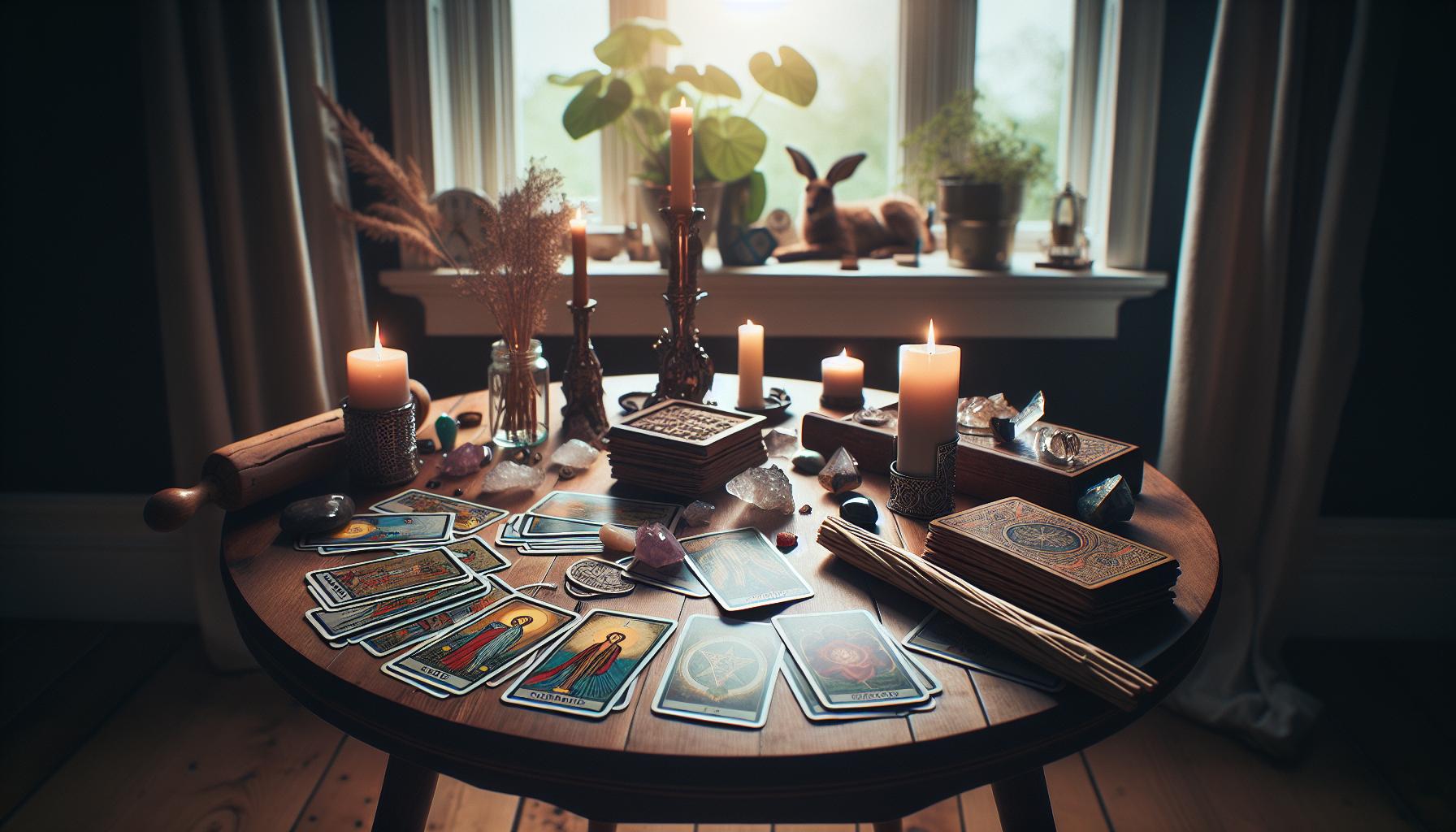
In the world of tarot, the reversal of cards carries profound symbolic meaning, transforming the narrative in unique and often insightful ways. Each reversed card tells a story of its own, inviting you to engage with the depths of the message it conveys. These cards can represent not only challenges and obstacles but also moments of introspection, urging a deeper understanding of oneself and the surrounding circumstances. Rather than dismissing reversed cards as merely “negative,” it’s essential to view them as opportunities for growth and reflection.
When a card appears upside down, it typically indicates a need to confront internal conflicts or unresolved issues. For instance, the High Priestess reversed may symbolize secrets, intuition being ignored, or feelings of disconnection from one’s inner voice. In contrast, the upright High Priestess embodies wisdom and reflection. This inversion encourages you to look inward and consider what might be obstructing your clarity. In this way, reversed cards often highlight areas in life where progress is hindered, suggesting that the querent must engage with these themes to facilitate healing and advancement.
It’s also important to consider that reversed cards may embody the shadow aspects of their upright counterparts. Take the Lovers card as an example: upright, it speaks of harmony and partnership, while reversed, it could indicate disharmony, imbalance, or choices that lead to conflict. This dynamic perspective can be a fruitful avenue for inquiry during a reading. Asking the querent questions such as, “What choices are you avoiding?” or “Where do you feel out of alignment in your relationships?” can draw forth essential insights and guide them toward resolution.
Engaging with reversed cards doesn’t have to be daunting. Instead, think of them as invitations to examine underlying truths and emotions. By integrating the symbolism of reversed cards into your readings, you can enrich the narrative and help others navigate their journeys with greater awareness and understanding. As you build your confidence in interpreting these orientations, remember that every reversed card offers a chance to illuminate the path ahead, fostering a more holistic view of the querent’s landscape. In this way, reversed tarot cards are not merely discordant notes in the symphony of reading, but rather essential harmonies that enhance the overall composition of understanding.
How to Interpret Upside Down Cards

Interpreting reversed tarot cards can feel like a landscape of mystery, filled with potential insights waiting to be uncovered. Each card that appears upside down invites you to flip your perspective, revealing deeper layers of its meaning. When a card is reversed, it often signifies a call to examine the nuances that might not be visible at first glance. It’s less about a strict set of rules and more about embracing the energy that these inverted orientations carry.
To interpret an upside-down card effectively, consider the themes and symbols associated with the upright version, then explore how those themes might manifest in a more interior, challenged, or distorted way. For example, the upright Chariot represents control and triumph through willpower; reversed, it may suggest a loss of direction or struggle with self-discipline. This shift prompts you to ask probing questions: What is preventing forward movement? Where is balance lacking in your life?
It’s also beneficial to think of reversed cards as shadows of their upright selves. An inverted Empress might reflect feelings of neglect in nurturing ourselves or an overemphasis on materialism over emotional connections. These shadows encourage introspection, asking the querent to ponder their relationship with abundance, creativity, and self-care. As you navigate these interpretations, keep in mind that the context of the surrounding cards in the spread can further illuminate the message of a reversed card-often acting as a guide in understanding its place and significance.
As you grow more comfortable with these interpretations, remember they are not fixed meanings but rather flexible narratives that can evolve with each reading. Trust your intuition and allow the unique story of each reversed card to unfold, inviting the querent to engage in self-reflection and dialogue. Over time, you’ll find that these upside-down cards can serve as powerful catalysts for growth, revealing hidden truths and fostering a deeper connection to the self.
Common Mistakes When Reading Reversed Cards
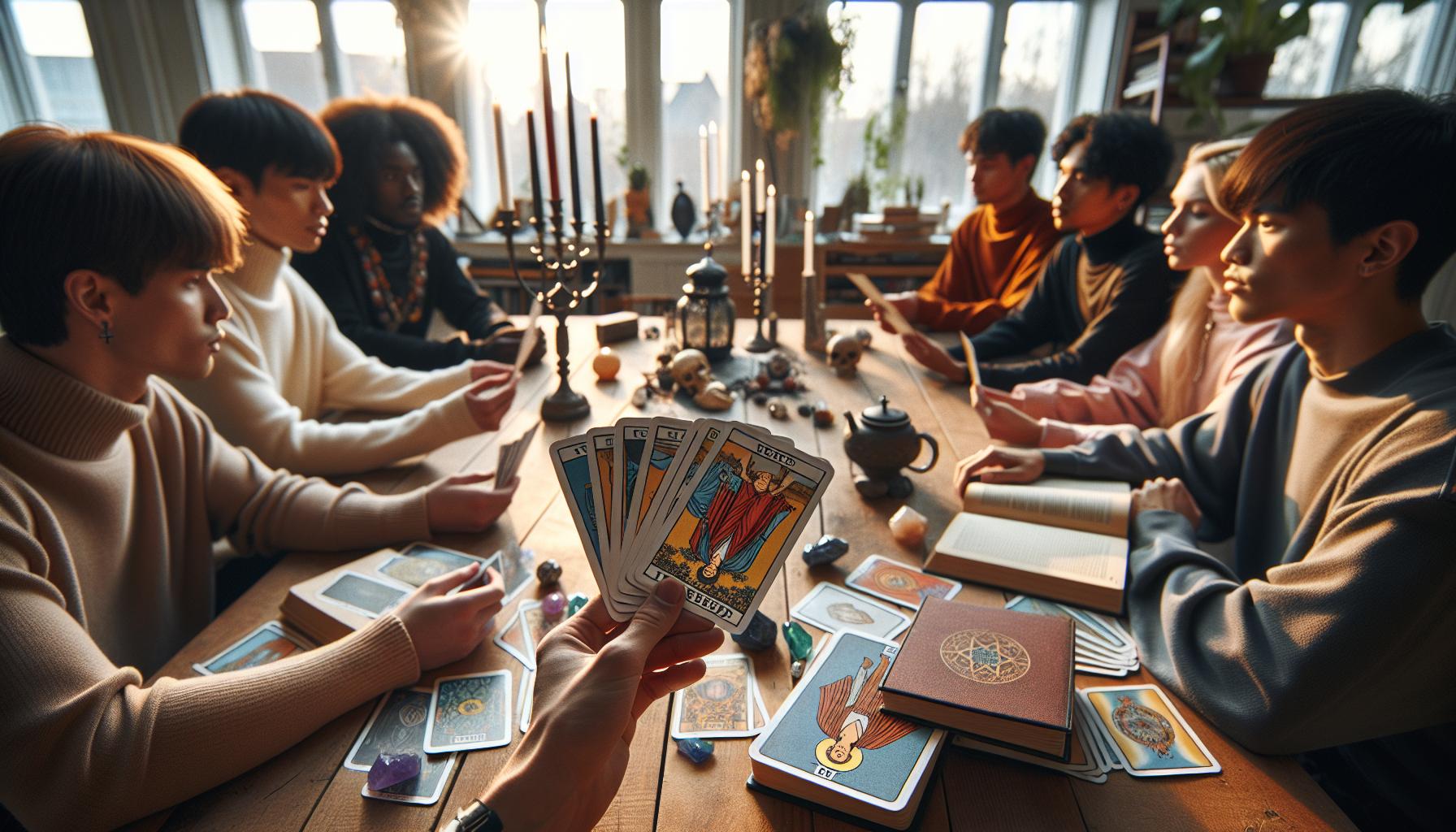
Reading tarot can feel both mystical and daunting, especially when it comes to interpreting reversed cards. Many readers hesitate when an upside-down card appears, often leading to misinterpretations or confusion. One common mistake is treating the reversed card as a strictly negative entity. While it’s easy to focus on the literal implications of reversal, it’s essential to approach these cards with a flexible mindset. A reversed card doesn’t always signify failure or misfortune; it can also indicate internal struggles or hidden aspects of a situation.
Another common pitfall is not considering the context of the spread. Each card’s meaning can shift dramatically based on its position and the surrounding cards. For instance, if a reversed Ten of Cups appears alongside the upright Lovers and Two of Cups, the interpretation may lean toward internal conflicts in relationships rather than an outright negative forecast. Taking a moment to assess the overall narrative the cards are telling, rather than isolating a reversed card, enables a richer, more vibrant reading.
Additionally, many readers may find themselves rigidly adhering to traditional interpretations of reversed cards. Tarot is deeply personal; what resonates with one reader may not resonate with another. Trusting your intuition and allowing your own insights to guide you can help you avoid the trap of feeling overly constrained by established meanings. Engaging in self-reflection and allowing your readings to evolve with your growing understanding can make your interpretations more authentic and empowering.
Finally, don’t overlook the importance of asking probing questions during a reading with reversed cards. Instead of jumping to conclusions, consider what the card might be inviting the querent to explore within themselves. For example, if the reversed Hermit appears, it might prompt inquiries about isolation versus introspection. This twist encourages a conversation that invites deeper exploration and insight. Embracing these practices will enhance your reading experience and help cultivate a more intuitive connection to the tarot.
Different Tarot Decks: Variations in Meaning
Different tarot decks bring unique perspectives to card meanings, especially regarding reversed cards. Each deck, whether traditional like the Rider-Waite-Smith or more modern interpretations, has its own artistic expressions and thematic emphases. This variation can significantly impact how reversed cards are understood and interpreted during a reading.
For instance, in a Rider-Waite-Smith deck, the reversed Fool may symbolize recklessness or a lack of direction, suggesting the querent is avoiding responsibility. In contrast, a more modern deck like the Wild Unknown might frame the reversed Fool as a call to embrace spontaneity without fear, encouraging readers to think about what it means to take risks versus being held back by caution.
To navigate these differences effectively, consider the following:
- Familiarize Yourself with Deck Themes: Each tarot deck incorporates different symbolism, archetypes, and cultural references that can shift card interpretations. Spend time studying the accompanying guidebook or the images themselves to understand how the artist conveys meanings.
- Reflect on Intuition: Allow your personal intuitions and feelings about each card, especially reversed ones, to guide your interpretations. Trust in your understanding of the imagery and how it speaks to you.
- Compare Decks: When uncertain, pull a card from various decks for the same position in a spread. This practice can reveal how different interpretations arise and help solidify your reading perspective.
It’s important to remember that the meanings of reversed cards aren’t rigid despite the variations across decks. For instance, when the King of Cups appears reversed, some decks may lean toward emotional instability, while others might suggest a need for healthier emotional boundaries. By considering these nuances, you can enhance your readings, making them richer and more tailored to the situation at hand.
Ultimately, embracing the diversity of tarot decks empowers you as a reader, inviting exploration and deeper connection with the cards. This openness not only nurtures your growth but also builds confidence in your interpretations, paving the way for more meaningful and intuitive readings.
Advanced Techniques for Reading Reversed Cards
Understanding how to interpret reversed tarot cards can significantly enhance your reading practice. While some readers may shy away from them due to their perceived negativity, reversed cards offer a wealth of insight that can serve as potent indicators of your querent’s past, present, and future.
One advanced technique is to pair the upright meaning of a card with its reversed context. This dual approach helps to create a more nuanced interpretation. For instance, if you draw the Six of Wands reversed, which signifies a lack of recognition or feeling unaccomplished, consider how this contrasts with its upright meaning of victory and success. This can reveal feelings of inadequacy or an internal struggle despite external successes. Encourage your clients to reflect on how the outcomes of their situations may not align with their internal experience, prompting deeper exploration.
Another technique involves weaving together the energies of adjacent cards in a spread. For example, if a reversed card appears next to an upright one, pay attention to how their meanings influence each other. The energy of the upright card can highlight an area where the reversed card’s energy is blocked or distorted. Imagine pulling the Two of Cups upright alongside the reversed Seven of Swords; this combination might point to a relationship marred by distrust while also suggesting an opportunity for healing and reconnection.
To further enhance your readings, embrace the use of symbolism and imagery unique to different decks. Certain decks convey meanings that are more aligned with contemporary interpretations or personal aesthetics. Experiment with various decks, and allow their distinct art and themes to inspire different insights from reversed cards. This can reveal layers of meaning you may not have considered initially.
Lastly, develop a journal practice centered around your experiences with reversed cards. Documenting your interpretations and the outcomes of your readings can provide invaluable data over time, helping you identify patterns and refine your approach. This reflective practice builds confidence and strengthens your intuitive abilities, making your tarot practice increasingly impactful. Remember, reversed cards are not just obstacles; they are windows into understanding the complexities of human experience. By engaging deeply with their potential meanings, you enrich both your understanding and the readings you provide.
Combining Readings: Upright and Reversed Cards
Integrating both upright and reversed cards into your tarot readings can profoundly enhance the depth and clarity of your interpretations. Each card carries multiple layers of meaning, and when they appear together, they create a dynamic interplay that can unveil hidden truths and provide richer insights. By recognizing the inherent relationships between upright and reversed cards, you can develop a more nuanced perspective that benefits both you and your querent.
When conducting a reading, consider the overall narrative formed by the upright and reversed cards. For instance, if the Chariot shows up upright alongside the Four of Cups reversed, the combination highlights a journey of overcoming emotional stagnation or apathy. The Chariot might represent determination and control, suggesting that the querent is ready to take action to move past their feelings of dissatisfaction. Here, the upright card emphasizes the need for initiative, while the reversed card reveals the internal challenges that must be faced.
Another effective method is to examine the thematic connections between the two orientations. An upright card often indicates an area of energy flow, whereas a reversed card can represent blockages or challenges in that same domain. For example, pairing the Four of Wands upright-which symbolizes harmony and celebration-with the Five of Swords reversed, may suggest that while there is joy in a particular setting (like a family gathering), there may also be underlying conflicts that need resolution. This dual interpretation encourages the querent to celebrate their successes while remaining aware of unresolved tensions.
Finally, storytelling plays a crucial role in combining readings. As you interpret the cards, weave a narrative that encompasses the messages of both orientations. This allows the querent to better understand their situation and fosters a space for reflection and growth. Encourage them to engage with the themes presented by the cards, considering how they can align their actions with the insights gained from this deeper, more holistic understanding.
By blending readings from upright and reversed cards, you not only expand your interpretative skills but also enhance the meaningfulness of your tarot sessions. Always approach each unique spread with curiosity and openness, ready to uncover the wisdom that lies within the interplay of the cards.
Practical Tips for New Readers
Engaging with tarot cards can be a transformative experience, but understanding the nuances of card orientation can elevate your readings to new heights. For those starting their tarot journey, grasping the impact of upright versus reversed cards is essential. Here are some practical tips to help you navigate this aspect effectively.
Firstly, familiarize yourself with both orientations. When you draw a card upright, it often reflects a positive aspect or energetic flow of its meaning. Conversely, a reversed card can indicate blockages, inner turmoil, or lessons yet to be learned. To deepen your understanding, try creating a dedicated workbook. Note the card meanings both upright and reversed for quick reference. This will help reinforce your learning and serve as a personal guide when you read.
Another valuable technique is to practice with daily draws. Each morning, pull one card and reflect on its meaning, observing whether it appears upright or reversed. As you do this daily, jot down your thoughts in a journal. Over time, you’ll notice patterns and how different orientations affect your mood, decisions, or experiences throughout the day. This practice will reinforce your intuitive abilities and encourage deeper connections with the cards.
When interpreting reversed cards, it’s crucial to avoid the common pitfall of assuming that a reversed card always denotes negativity. Instead, consider it as an invitation for deeper exploration. Ask yourself: What might this card reveal about my shadow self or my inner obstacles? This mindset shift transforms challenges into opportunities for growth. Engaging with reversed cards this way opens up insights about balance, healing, and the complexity of human experience.
Lastly, don’t hesitate to lean on your intuition. Remember, there’s no one-size-fits-all approach to tarot. As you practice, you’ll develop your unique style and understanding. If a reversed card “feels” different to you in a reading, trust that feeling. Encourage conversations about your interpretations with peers or through online communities. Sharing insights with others creates a rich learning environment where you can cultivate your skills together.
These practical tips should empower you as you navigate the fascinating realm of tarot card orientations, enriching both your readings and your personal journey. Stay curious, stay open, and let each reading reveal the wisdom that awaits.
Real-Life Examples of Reversed Card Readings
Experiencing a reversed card in a tarot reading can be a profound moment of insight, often revealing aspects that may initially seem negative but are rich with potential for growth. One compelling example is the reversed Eight of Swords, which typically symbolizes feeling trapped or restricted. When this card appears upside down, it can indicate a crucial moment of liberation. Someone might recognize that their limitations were self-imposed, prompting them to take actionable steps towards freedom. This shift can foster empowerment and encourage proactive behavior, transforming a sense of victimization into one of agency.
Another illustrative case is the reversed Tower card, which represents chaos and upheaval in its upright position. A reader might interpret its reversal as an opportunity to avert disaster or an invitation to reconsider the impact of drastic changes. For instance, if someone draws this card during a tumultuous period at work, the reading might suggest the potential to negotiate a more stable environment or mitigate conflict before it escalates. Rather than being a sign of inevitability, it can represent a chance to navigate challenges with wisdom and foresight.
A more personal experience could involve the reversed Ace of Cups, which typically signifies emotional new beginnings when upright. Reversed, however, it may reflect emotional blockages or a need to address unresolved feelings. A querent who frequently encounters this card could be encouraged to engage in self-care practices, like journaling or therapy, to explore their inner emotional landscape more deeply. This process not only aids personal healing but can also facilitate honest connections with others, thereby enriching relationships.
It’s essential to approach reversed cards with an open mind and heart, recognizing that they often provide a mirror to our internal struggles and untapped potential. By pondering the complexities behind each reversal and engaging with them empathetically, readers can glean invaluable lessons from their tarot journeys, empowering themselves in the process. Reversed cards are not just obstacles; they are gateways to greater understanding and clarity.
Debunking Myths Around Reversed Tarot Cards
Many people harbor misconceptions when it comes to reversed tarot cards, often seeing them as purely negative indicators or signs of bad luck. However, understanding the true nature of these orientations can enrich your readings and provide deeper insights into your life’s journey. Reversed cards do not function as mere opposites of their upright meanings; rather, they open up a new lens through which to examine the complexities of situations, emotions, and actions.
One common myth is that a reversed card is always a dire warning. For instance, drawing the reversed Death card does not indicate an actual death, but rather a significant transformation or the ending of a cycle that can lead to new beginnings. This interpretation highlights how reversals can signify potential shifts, often demanding self-reflection and growth rather than fear. Another misconception is that only beginners need to worry about this orientation; in reality, even seasoned readers can struggle with misconceptions about reversals, potentially limiting the richness of their interpretations.
It’s also important to consider that some tarot professionals avoid using reversals altogether, believing they complicate the reading unnecessarily. Yet, embracing reversed cards can enhance a reader’s ability to navigate the nuances of their querents’ situations. A reversed Two of Cups, for example, may reflect imbalances in personal relationships, urging both individuals to address underlying issues to restore harmony. By accepting this complexity, readers can guide their clients toward reconciliation and healing, making reversed cards a valuable tool in a comprehensive reading strategy.
As you approach your tarot practice, challenge these myths by engaging with reversed cards as guides rather than obstacles. Explore their meanings actively, and trust your intuition. The narratives that emerge from reversed orientations can lead to transformative insights, helping you and those you read for to embrace the vast spectrum of human experience-both light and shadow. Remember, tarot is not just a tool for prediction; it’s a means for understanding and navigating the intricacies of life.
How to Trust Your Intuition with Card Orientation
To effectively engage with tarot readings, especially involving card orientation, trusting your intuition is essential. Intuitive insight often surpasses rigid interpretations, allowing each card, whether upright or reversed, to resonate with the unique energy of the moment. Start by creating a calm environment where you feel comfortable and free from distractions. This mental space encourages clarity and openness, essential for intuitive guidance.
One practical approach is to first familiarize yourself with the basic meanings of each card. Once you have a solid foundation, pay attention to the feelings and thoughts that arise when you draw a card. For example, if you pull a reversed Five of Pentacles, you might feel a sense of recovery and renewal rather than despair. This emotional response can provide a deeper understanding of the card’s message, guiding your interpretation. Here are a few steps to help harness your intuition effectively:
- Observe your emotions: Notice how you feel about each card’s orientation. Positive feelings might indicate a beneficial message, even in reversals.
- Use journal prompts: Write down initial impressions of reversed cards. Over time, patterns may emerge that enhance your understanding.
- Practice with diverse spreads: Try various layouts and explore how reversed cards influence different aspects of the reading.
Remember, the goal is not to follow a strict set of rules but to weave your insights into the reading flow. Engaging with reversed cards can unveil layers of meaning, adding richness to your practice.
Another effective technique is visualization. When a card appears, imagine its energies swirling around you. For a reversed Chariot, envision a powerful vehicle losing control and then redirecting its path. This mental imagery can help articulate the change of direction that the reversal signifies. Over time, this practice allows you to trust your instincts more deeply, leading to more nuanced and personal interpretations.
Lastly, never underestimate the power of reflection. After your readings, take time to evaluate how your intuitive insights matched with the outcomes. This reflection builds confidence and strengthens your intuitive voice, allowing you to approach future readings with greater assurance in your interpretations. Embrace this journey as uniquely yours-each reading is an opportunity to grow and learn.
FAQ
Q: Does the orientation of Tarot cards affect their meaning?
A: Yes, the orientation-upright or reversed-can significantly alter the meaning of a Tarot card. Upright cards typically represent positive traits or experiences, while reversed cards may indicate challenges, inner conflict, or lessons to be learned. Understanding these nuances enhances your readings and personal insights.
Q: How should beginners approach reading reversed Tarot cards?
A: Beginners can start by familiarizing themselves with the traditional meanings of the cards both upright and reversed. Consider keeping a journal to document interpretations, which helps in developing intuition and understanding personal associations with the cards over time.
Q: Are there specific spreads that work better with reversed cards?
A: Certain Tarot spreads, like the Celtic Cross or the Three-Card Spread, can be effective for utilizing reversed cards. These spreads allow for multi-faceted insights and the exploration of challenges alongside strengths, enriching your readings further.
Q: What common mistakes do readers make when interpreting reversed cards?
A: One common mistake is viewing reversed cards solely as negative. It’s essential to recognize that they can also highlight inner work, vulnerabilities, and the potential for growth. Keep a balanced perspective to avoid tunnel vision in readings.
Q: Can different Tarot decks influence the interpretation of reversed cards?
A: Yes, different Tarot decks can carry unique symbolism and variations in imagery that affect how reversed cards are interpreted. Explore decks that resonate with you personally to discover how they shift or deepen your understanding of reversals.
Q: Why do some readers choose not to use reversed cards at all?
A: Some readers prefer not to invert cards as it simplifies interpretations and maintains a focused narrative within their readings. This approach can be beneficial for beginners or those seeking clarity without the added complexity of reversals.
Q: How can one build confidence in interpreting reversed Tarot cards?
A: Building confidence comes from practice. Engage in regular readings and reflect on each card’s message-both upright and reversed. As you become more familiar with the cards’ energies, your intuitive abilities will grow, aiding your interpretations.
Q: What should I do if I’m unsure about a reversed card’s meaning?
A: If you’re uncertain about a reversed card, consider using a reference guide or your personal notes. Also, trust your intuition-ask yourself what the imagery evokes for you. Intuitive associations can lead to meaningful insights.
The Conclusion
Understanding whether Tarot cards being upside down matters can significantly deepen your readings, unlocking new layers of insight. As you explore interpretations, remember that each card’s energy-whether upright or reversed-offers valuable guidance. If you’re eager to enhance your skills, consider checking out our comprehensive guide on Tarot basics or dive into a free 3-card career reading for personalized direction.
Don’t let questions linger! Share your thoughts in the comments below and connect with fellow Tarot enthusiasts. For more enriching content, subscribe to our newsletter-you’ll receive exclusive insights straight to your inbox. Whether you’re a seasoned reader or just starting out, there’s always more to uncover in the mystical world of Tarot. Embrace your journey, and remember: every card and every position holds a unique message just waiting for you to discover.