Understanding whether a tarot card is reversed is essential for anyone looking to deepen their tarot practice. Reversed cards can signify nuanced meanings that differ from their upright counterparts, often offering insights into challenges, inner conflicts, or hidden truths. This guide will help you navigate the allure of reversed cards, enriching your readings and fostering your intuition.
Have you ever felt uncertain when a card landed upside down? You’re not alone! Many tarot enthusiasts grapple with how to interpret these cards, wondering if they carry weight or simply reflect carelessness in shuffling. By embracing the concept of reversal, you can unlock a more profound layer of understanding in your readings, addressing your concerns directly. This exploration promises to enhance your intuitive skills and build your confidence, making your tarot experience more rewarding. Let’s demystify the art of interpreting reversed tarot cards together, guiding you through practical tips and techniques that are accessible regardless of your skill level.
How Reversed Cards Change Meanings
The orientation of a tarot card-whether upright or reversed-can dramatically alter its interpretation, unveiling deeper insights or highlighting different aspects of the situation at hand. When a card is reversed, it often indicates a need to look within, revealing internal conflicts, hidden issues, or dynamics that may be overlooked if the card were upright. For instance, while the upright “Fool” embodies new beginnings and spontaneity, the reversed version might suggest recklessness or the fear of taking risks, urging you to consider what is holding you back.
Reversed cards can serve as a prompt to explore themes of imbalance or blockage. They often convey the idea that the energy associated with the card is turned inward rather than expressed outwardly. For example, the reversed “Ten of Swords” can signify the end of a painful cycle, indicating a personal transformation rather than a victimization. Here, we’re invited to contemplate our role in the situation and recognize that healing is possible.
It’s also essential to remember that reversed cards do not always have a negative connotation. They can highlight the potential for growth by challenging the querent to confront their shadow side. For instance, the reversed “Devil” may suggest liberation from addiction or unhealthy attachments, portraying a journey from bondage to freedom. Thus, the reversal can symbolize a transition; it is a call to acknowledge and understand one’s limitations and to recognize the potential for overcoming them.
In summary, the way reversed cards change meanings invites readers to delve deeper into personal and situational nuances. Each reversal provides a unique opportunity for reflection, encouraging a more holistic view of the tarot reading. As you cultivate your practice, embrace these reversals as invitations for deeper understanding and self-awareness, transforming potential obstacles into powerful lessons and insights.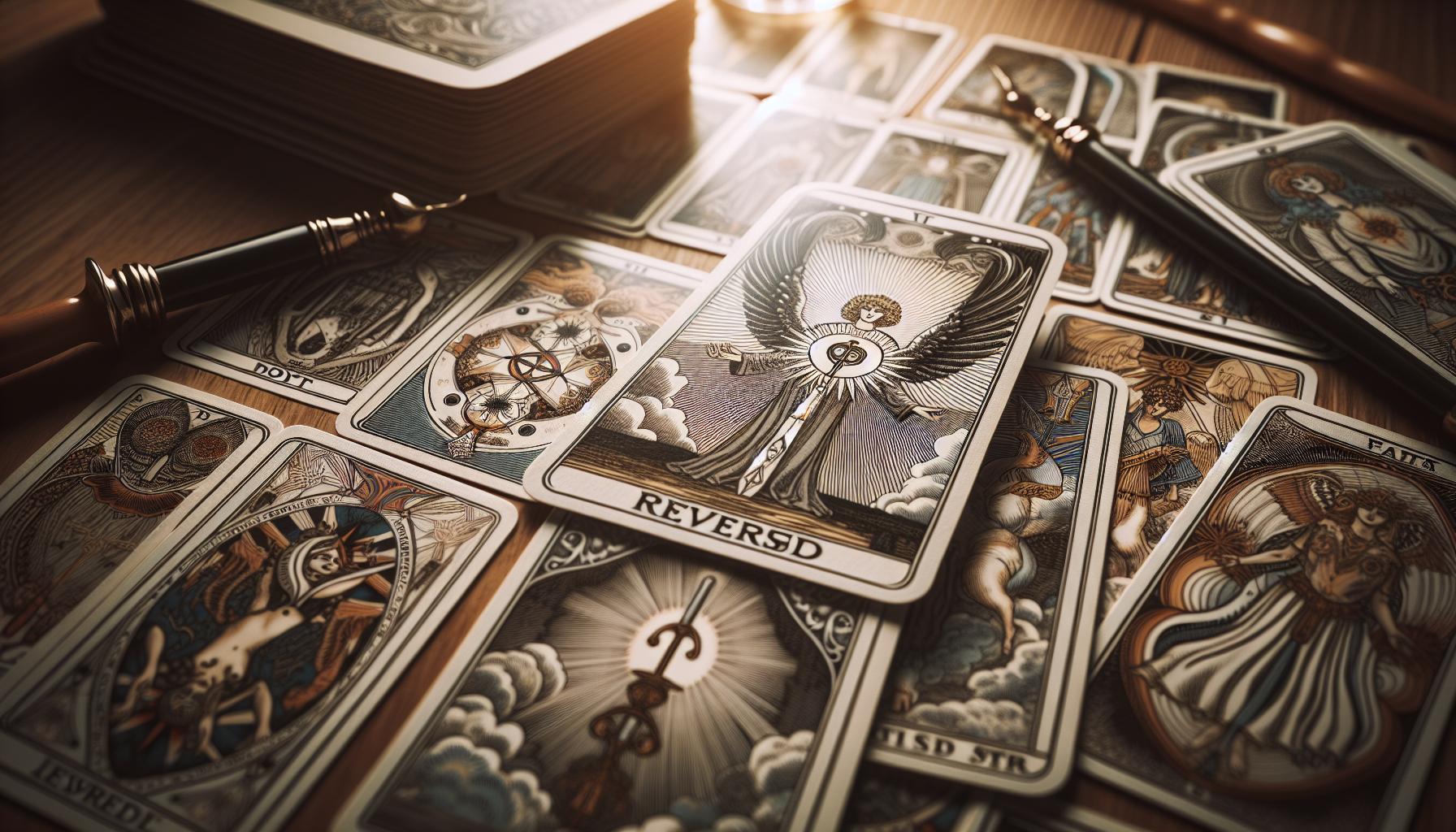
Identifying Reversed Cards in Your Spread
Recognizing reversed cards in your tarot spread is a crucial skill that can enrich your reading experience. Each card in the tarot deck carries its own energy, and when these cards appear reversed, their meanings can shift dramatically, revealing deeper insights into the querent’s situation. Here’s how you can easily identify reversed cards in your spreads and understand their implications more clearly.
First, it’s important to know how to layout the cards. When you draw your tarot cards, take a moment to observe their position. Reversed cards will have their images upside down from your perspective, which might require you to be mindful of the orientation as you set up your reading. To ensure you’re seeing the cards correctly, lay them down in a way that allows you to view all cards from the same angle, minimizing confusion about their direction.
Next, pay attention to the visual characteristics of the cards themselves. Whether you’re using a classic Rider-Waite deck or a modern interpretation, many tarot decks incorporate imagery that suggests opposing themes when reversed. For example, a card that represents conflict when upright might symbolize resolution when reversed. Strong visual cues, like the way symbols are oriented, can help in making an immediate identification of reversals.
To practice identifying reversed cards, consider maintaining a journal of your readings. Document not just what cards are drawn but also their positions and any intuitive feelings you have about their meanings in reverse. Over time, you will develop a more nuanced understanding of how reversed cards manifest in your readings, making it easier to spot them in the future.
Lastly, remember that identifying reversed cards isn’t merely about flipping the physical card. It encompasses recognizing the tonal shift in meanings during your readings. For instance, if you draw a reversed “Death” card, rather than seeing it solely as an ending, you might interpret it as a transformation process that the querent is resisting. This deeper engagement with reversals can enhance your overall reading style, allowing you to provide your querents with richer, more meaningful insights.
Incorporate these tips into your practice, and you’ll start to see reversed cards not merely as obstacles, but as opportunities for profound reflection and personal growth.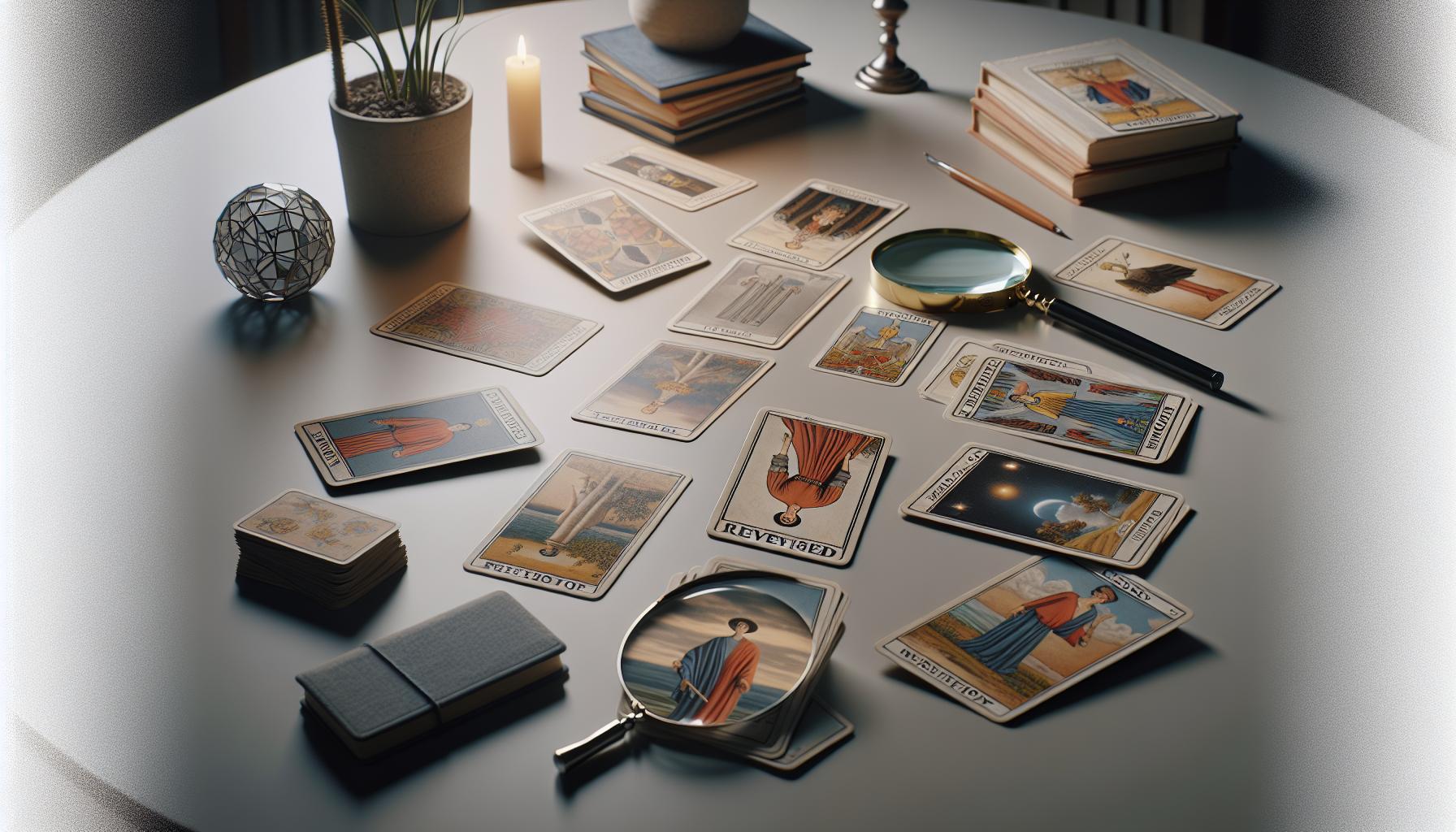
Common Misconceptions About Reversed Tarot
Many individuals new to Tarot find themselves grappling with the concept of reversed cards. One common misconception is that reversed cards inherently convey negative meanings. In reality, reversals can encompass a broad spectrum of interpretations that go beyond mere pessimism. For instance, a reversed “Tower” card could imply a necessary pause, signaling that the upheaval might be an opportunity for growth rather than chaos. Understanding reversals as a potential for deeper insight rather than doom can shift your entire perspective and enhance your readings.
Another frequent misunderstanding revolves around the belief that reversed cards always indicate that the opposite of the upright meaning applies. While this can certainly be the case, it isn’t a hard and fast rule. For example, the reversed “Two of Cups” might not simply mean a disruption in relationships, but rather a calling to focus on self-love and individual healing before external connections can flourish. By embracing the idea that reversals can provide clarity about the querent’s inner world, you can uncover layers of meaning that contribute to a more nuanced interpretation.
Many also wonder if they should ever read with reversed cards at all, fearing that they complicate the reading unnecessarily. However, omitting reversals can limit the depth of your insights. Each card, whether upright or reversed, offers a multifaceted perspective that can lead to a more holistic understanding of the situation at hand. By integrating reversals into your practice, you allow for a fuller exploration of potential challenges and breakthroughs that a querent may be navigating.
Lastly, some believe that experienced tarot readers interpret reversals effortlessly. In truth, mastering reversed meanings is a journey that requires patience and practice. It’s beneficial to regularly engage with your cards, perhaps by journaling about your readings and reflecting on how reversed cards have manifested in real-life scenarios. The more you familiarize yourself with your deck, the more intuitive your understanding will become, empowering you to see all dimensions of the cards in your spreads.
How to Intuitively Recognize Reversed Cards
Recognizing a reversed tarot card can be a nuanced skill, but it is crucial for deepening your readings. Many readers develop their intuitive sense by focusing on the energy and directionality of each card during a spread. To start, pay attention to how you feel when you draw the cards. Reversed cards often resonate with a sense of introspection, challenge, or pause, which can be felt in your gut or emotional response. The more you practice, the more attuned you will become to these subtle shifts.
To help identify reversed cards intuitively, consider these helpful tips:
- Card Orientation: The first step is simply looking for the card’s position. If a card appears upside-down relative to others, it is reversed. This simple visual cue is your first indicator.
- Visual Cues: Familiarize yourself with imagery and symbols on your tarot cards. Some decks have distinct designs or orientations when the card is reversed, such as images that look incomplete or shadowed.
- Journaling: Keep a tarot journal to jot down your interpretations whenever you pull a reversed card. Over time, patterns will emerge, enhancing your natural ability to recognize when a card is in reverse.
- Intuitive Feel: As you lay out your spread, observe any instinctual thoughts or feelings that arise. A reversed card may present itself differently in terms of energy-perhaps feeling heavier or more uncertain, signaling an inward focus.
For example, if you draw the Ace of Cups in reverse, you might notice an immediate sense of emotional blockage or introspection. This intuitive recognition allows you to delve deeper into that card’s meaning, exploring themes of self-love and emotional boundaries rather than simply focusing on joy and new relationships that the upright position may suggest.
Ultimately, developing your ability to intuitively recognize reversed cards is about practice and connection. Trust your instincts, embrace the nuances of your deck, and remember that every reading is an opportunity to deepen your understanding of yourself and your querent. With time, you will find that your method for recognizing reversals becomes an integral part of your tarot practice, enriching not only your readings but also your spiritual journey.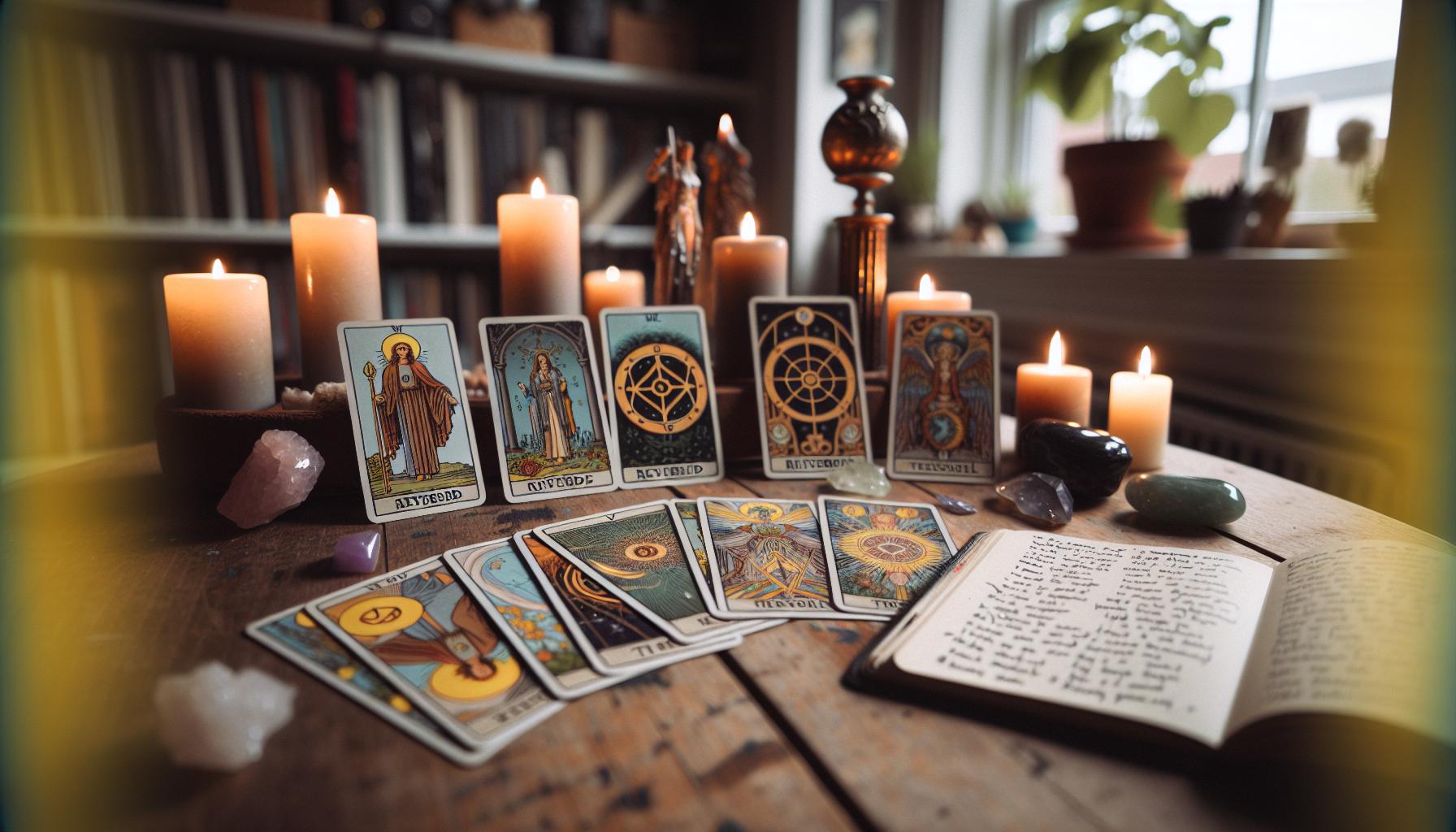
Tips for Interpreting Reversed Cards Effectively
Interpreting reversed tarot cards can offer profound insights, but it requires a blend of intuition, knowledge, and context. One of the first steps is to embrace the idea that reversed cards often represent a different energy or message than their upright counterparts. This shift can signify blockages, inner struggles, or an invitation to pause and reflect. When you encounter a reversed card in your reading, take a moment to center yourself and ask what the card’s inverted position is trying to communicate.
Practical Techniques for Interpretation
Begin by considering the primary meanings of the card in its upright position. Then, explore how those meanings might transform when the card appears reversed. For example, the Two of Swords upright often signifies a stalemate or difficult decisions, while in reverse, it might suggest a breakthrough or the need to confront avoided issues. Keep the following tips in mind as you engage with reversed cards:
- Reflect on the Question: Always tie the card’s meaning back to the context of the question being asked. A reversed card can shift dramatically based on the surrounding cards and the specific inquiry.
- Dialog with Your Deck: Each deck has its unique personality and symbolism. Spend time meditating on each card’s imagery and consider how its reverse might speak to your intuition.
- Embrace Non-Linearity: Reversed cards don’t follow a strict formula. Transition your thinking from “this means this” to “what actively feels true?” Allow your interpretations to emerge organically.
- Record Your Insights: Keep a dedicated journal for reversed card readings. This practice not only solidifies your understanding but also reveals patterns in how reverse positions resonate over time.
Using Real-Life Examples
To illustrate, let’s consider a situation where the High Priestess appears in reverse. This card, when upright, embodies intuition, secrets, and deeper knowledge. However, in reverse, you might interpret it as a caution against ignoring intuition or the potential for misinformation. If this card shows up in a reading about a relationship, it may indicate a lack of communication or hidden feelings that need to be addressed. Engaging with the specific situation at hand is crucial.
Ultimately, interpreting reversed cards is as much about internal dialogue as it is about traditional meanings. Invite your intuition to guide your understanding, experiment with different approaches, and let each reading teach you something new. By integrating these tips into your practice, you’ll not only enhance your readings but also gain confidence in navigating the rich tapestry of tarot meanings.
Reversed Card Meanings for Popular Tarot Decks
Understanding the reversed meanings of tarot cards can significantly enrich your readings, allowing for deeper insights and more nuanced interpretations. Each tarot deck offers unique symbolism and meanings, which can shift dramatically when cards appear in reverse. For instance, in the Rider-Waite-Smith deck, the Four of Cups upright suggests contemplation and apathy, whereas in reverse, it often signals a renewed interest in life and opportunities, or a need to embrace change.
- Rider-Waite-Smith: This classic deck is renowned for its rich imagery. Cards like the Tower reversed can indicate avoidance of disaster or resistance to change, suggesting an opportunity for personal transformation before a crisis hits.
- Thoth Tarot: In this deck, reversed cards may emphasize different aspects of their upright meanings. For example, the Lovers reversed can signify disharmony or a choice that isn’t in alignment with the self, urging a reflection on personal connections and choices.
- Wild Unknown Tarot: This modern deck features stark imagery that shifts meanings in reverse. The Son of Swords reversed might signal confusion or rashness, prompting a consideration of direction and clarity in one’s thoughts and communication.
The context in which you draw reversed cards can dramatically influence their interpretation. If you draw the Five of Pentacles reversed in a finance-focused reading, it might suggest recovery from financial hardship, while in a question about relationships, it could point to healing from past hurts. Maintaining an adaptable approach will enhance your readings and ensure recognition of each card’s unique energy.
Experimentation is key to mastering reversed card meanings. When you engage with your tarot deck, take time to journal your observations around reversed cards, noting any patterns that emerge in your readings. This reflection solidifies your learning and empowers your intuitive process. Ultimately, every reversed card presents an invitation to delve deeper into the narratives at play, guiding you to understand the multifaceted nature of your readings.
The Importance of Context in Reversed Readings
Understanding how context influences the interpretation of reversed cards can transform your tarot readings from basic to profound. Each card has layers of meaning, and when drawn in reverse, its significance can pivot dramatically based on the situation or question at hand. For example, consider the Two of Swords. Upright, it often symbolizes indecision or a stalemate. In contrast, reversed, it might suggest that the querent is finally ready to make a choice, breaking free from internal conflict. This shift not only indicates a change in personal or external circumstances but also highlights the importance of assessing the nuances surrounding each reading.
When interpreting reversed cards, think about the surrounding cards in your spread and the specific question posed. Let’s say you draw the Eight of Cups reversed while focusing on a relationship issue. Instead of simply identifying it as a warning against abandonment or avoidance (as it might suggest upright), you might interpret it as someone hesitating to walk away from a challenging relationship, indicating a fear of change or a struggle to move forward. Contextual details such as the dynamics within the relationship or previous cards surround this draw can deeply enrich your understanding.
Moreover, consider your personal experiences and intuitive feelings when interpreting reversed cards. Each reader brings their unique lens to the table. A reversal might not always fit a textbook definition and could resonate with your own stories or encounters. This process fosters deeper connections to the tarot, making your readings more personal and relevant. Reflecting on your previous readings and journaling can reveal patterns and insights that further refine how you perceive and interpret contextual meanings.
In conclusion, the context in which reversed cards are drawn is vital in guiding their interpretation, enabling you to provide richer, more insightful readings that resonate deeply with the querent. As you build your skills, remain open to learning from each experience, allowing the cards to tell their stories through the lens of your unique understanding.
Creating a Personal System for Reversed Cards
Creating a personal system for interpreting reversed tarot cards can enhance your readings and deepen your intuition. Rather than sticking to strict definitions, allowing flexibility in your interpretations will empower you to connect deeply with the messages the cards convey. Start by considering the overall energy of the card upright and then brainstorm how that energy might shift when the card is reversed. A practical approach is to create a simple framework tailored to your understanding.
To begin establishing your personal system, jot down key themes for each card in both its upright and reversed positions. For example, the upright Fool often represents new beginnings and spontaneity. In contrast, when reversed, it may symbolize recklessness or a lack of direction. Create a dedicated journal where you can document these insights, perhaps even using a color-coding system to differentiate between card meanings and energies. This method helps you visualize and internalize how each card’s meaning transforms in reverse.
Next, practice regularly by pulling a daily card and interpreting it both upright and reversed. Incorporate real-life examples to see how these meanings manifest. If you pull the Five of Cups reversed on a particularly reflective day, consider it a sign of emotional healing or moving on from past grief. Document your thoughts in your journal, noting the context of your life during these readings, which can help you see patterns over time.
Finally, don’t hesitate to engage with other tarot practitioners or online communities. Sharing your interpretations and listening to others can provide inspiration and additional perspectives. Remember, your personal system may evolve as you gain more experience and intuition. Embrace this process as a journey. Tarot is a language of symbols, and the more you interact with it, the more fluent you will become in its meanings-both upright and reversed.
In summary, by , you not only enhance your understanding but also infuse your readings with a sense of authenticity and intuition. Embrace the nuances, remain curious, and let your intuition guide your interpretations.
A Step-by-Step Guide to Reversals in Readings
Understanding how to interpret reversed cards in tarot can greatly expand your readings, adding layers of depth and nuance. Many readers feel intimidated by reversed cards, but viewing them as another aspect of the card’s energy opens a wide range of insights. Here’s a straightforward guide to help you master reversals in your tarot practice.
To identify if a card is reversed, start by establishing a consistent handling method. Shuffle the deck while holding the intention of understanding the energies at play. As you draw cards, be aware of their orientation. A reversed card will appear upside down compared to the upright cards in your spread. Pay attention to the spread itself; some layouts use specific placements for reversed cards, while others treat all cards equally regardless of position.
When interpreting a reversed card, take a moment to consider its upright meaning. For example, the Tower upright often symbolizes sudden change and revelation. In reverse, this may suggest avoiding necessary change or a fear of upheaval. Reflect on how this shift aligns with the querent’s question or life situation. To deepen your understanding, jot down initial thoughts in your tarot journal. This practice builds familiarity with how a card’s energy transforms from upright to reversed.
Consider using a systematic approach for interpretations. For beginners, a simple method may involve categorizing reversals into themes such as delays, challenges, or internal conflict. As you grow more comfortable, explore more advanced meanings, like examining how the reversed card relates to other cards in the spread. Real-life examples can illuminate this process: if you pull the Two of Swords reversed in a decision-making spread, it might indicate indecision or avoidance rather than clarity.
Lastly, don’t forget to trust your intuition. Each reading is unique, and your feelings about a card may evoke insights that traditional meanings do not cover. Engage with fellow practitioners and share interpretations to enhance your understanding. Embrace the journey of exploring tarot reversals, allowing your interpretations to evolve organically. With practice, you will find that managing reversed cards becomes an enriching part of your tarot practice.
Exploring Case Studies: Real Reading Experiences
When working with tarot cards, real-life readings can often highlight the complexities and nuances involved, especially when it comes to reversed cards. One reader recalls a session where she drew the Five of Cups reversed during a relationship reading. Initially perceived as a sign of moving on from past grief or loss, the reversed card also prompted deeper introspection about unresolved feelings. As she discussed the querent’s situation, it became clear that while the querent was attempting to let go, some lingering resentments remained. This case illustrates how a reversed card can serve as a mirror, reflecting not just the desired outcome but also the hidden emotions that need addressing.
Another notable example involved a professional reading where the Knight of Wands appeared reversed. This was during a career-focused tarot session. Typically, the Knight represents enthusiasm and forward momentum, but its reversal indicated a sense of recklessness or scattered energy. The querent, eager for progress, was actually engaging in impulsive decision-making that led to burnout. By discussing the implications of the reversed card, the reader helped the querent recalibrate her approach, emphasizing the need for strategic planning and focus. This underscores the importance of not just identifying a reversed card, but also engaging with its meaning to guide the querent towards more balanced choices.
Ultimately, these experiences highlight the necessity of context when interpreting reversed cards. Every querent brings their unique narrative, and a card’s reversed position can shift significantly depending on the reading’s context. As you develop your own tarot practice, consider how others interpret and integrate reversals. Document your readings, noting not just the cards drawn but also your intuitive reflections. Over time, you’ll find how these case studies can enhance both your understanding and confidence in interpreting reversed cards. Remember, every reading is a collaborative journey, where you and your querent navigate the intricate pathways of meaning together.
Bridging the Gap: Reversed Cards and Intuition
Understanding the connection between reversed tarot cards and your intuition can unlock deeper insights during readings. Reversed cards are often perceived as negative or challenging, but they can also highlight important aspects that need attention or transformation. Learning to bridge the gap between these cards and your intuitive feelings is essential for providing meaningful guidance to yourself or others.
To begin, trust your instincts when you draw a reversed card. Rather than immediately defaulting to a negative interpretation, pause and reflect on what the card’s reversal stirs within you. For example, if you draw the Empress reversed, this could symbolize a blockage in creativity or nurturing. However, it might also prompt you to consider where self-care has been lacking in your life. By tapping into your emotions, you can discover layers of meaning that may not be immediately visible.
Engage with the reversed card’s imagery and symbolism while allowing your intuition to flow freely. Take a moment to meditate on the card’s traditional meanings, then think about how its energy feels when it’s reversed. You might create a short list of emotions and themes that arise in your mind during this process. For instance, the Five of Pentacles reversed might evoke feelings of recovery, resilience, or a need for support. Document these impressions; over time, they will help you recognize patterns and develop your unique way of interpreting reversals.
Additionally, seeking feedback from the querent can guide your intuitive discovery. Ask open-ended questions about their feelings regarding the reversed card. This collaboration often reveals underlying issues or energies that need to be addressed. For example, while interpreting the Lovers reversed, asking how they perceive their current relationships can surface insights about imbalances or disconnections that require attention. This interactive approach fosters a deeper connection between you and the querent, enriching the reading experience.
Ultimately, integrating intuition with your understanding of reversed cards enhances your tarot practice. The interplay of learned knowledge and personal insight creates a rich tapestry of meaning, allowing for more profound and transformative readings. As you develop this skill, remember that tarot is as much about the energy it evokes in us as it is about traditional interpretations. Trust in your intuitive abilities, and you will navigate the complexities of reversed cards with confidence and clarity.
Advanced Techniques for Mastering Reversed Tarot
Exploring reversed tarot cards can seem daunting, but with the right techniques, you can master their meanings and integrate them into your readings seamlessly. A powerful advanced strategy is to develop a reverse card journal. As you encounter reversed cards in your readings, jot down not only the card’s traditional meanings but also your intuitive feelings and the context surrounding the reading. This method creates a personalized resource over time, helping you recognize patterns and nuances in how reversed cards affect various situations.
Another effective approach is to practice dual interpretations for each reversed card. For example, with the Tower reversed, one interpretation may suggest avoidance of change, while another could highlight the potential for recovery and rebuilding. Keep a list of both meanings and practice articulating them during readings. This not only expands your interpretations but also builds your confidence in navigating the complexities of each situation presented.
Enhancing your skills can also involve working with case studies from your own readings or from others’. Choose a few reversed cards you’ve encountered frequently and analyze how they played out in different spreads. Consider questions like: What was the querent’s situation? How did they react to the reversed card? This detailed examination will deepen your understanding and help you refine your intuition.
Finally, meditative practices can serve as advanced techniques. Spend time with each reversed card, allowing its imagery to resonate within you. What feelings arise? What memories come to mind? Committing these insights to paper can aid in forming a deeper connection with the reversed meanings, enhancing your intuitive readings. With these methods, you’ll find that reversed cards become valuable tools for exploring transformation and growth, rather than just challenges to overcome.
Faq
Q: How can I tell if a Tarot card is reversed when reading?
A: To determine if a Tarot card is reversed, you can either physically flip the card over during your reading or set your intention to read with reversals when you shuffle. Observing the direction of the imagery and energy can also guide you in recognizing reversals intuitively.
Q: What does it mean when a Tarot card appears reversed?
A: A reversed Tarot card typically indicates a shift in the card’s meanings, often representing challenges, internal struggles, or delays. The reversal can signify more introspective energy or the need to address the aspects of the card that are being ignored or resisted.
Q: Are reversed cards necessary in a Tarot reading?
A: Reversed cards are not mandatory, but they add depth and nuance to your readings. Some readers prefer to omit reversals to keep interpretations straightforward, while others find them essential for capturing the full range of a card’s potential messages.
Q: How do I develop a personal interpretation for reversed Tarot cards?
A: Creating a personal system for reversed cards involves reflecting on your experiences and how the card’s reversal feels in different contexts. Keep a journal noting your readings, and pay attention to patterns and meanings that resonate with you. This practice will enhance your intuition and understanding.
Q: Can every Tarot card be interpreted as reversed?
A: Yes, every Tarot card can be interpreted as reversed, but the significance varies based on the card and context. Each card has a traditional reversed meaning; however, individual interpretations can differ based on personal intuition. Exploring these meanings can deepen your readings.
Q: How should I approach a reading if I don’t feel comfortable with reversals?
A: If reversals feel daunting, approach your reading focusing solely on upright cards. You might note that the absence of reversed meanings encourages clarity. Alternatively, consider using reversals as a tool for later reflection rather than an initial focus.
Q: What is the best way to practice recognizing reversed cards?
A: To enhance your ability to recognize reversed cards, practice with daily draws using a Tarot deck. Begin by intuitively interpreting each card’s imagery and engage in simple exercises that involve flipping cards randomly to see how they feel reversed compared to facing upright.
Q: Do all Tarot decks have the same meanings for reversed cards?
A: Not all Tarot decks share the same reversed meanings. Each deck’s artwork and symbolism can influence interpretations. Familiarizing yourself with the specific deck you use allows for more coherent readings, particularly when considering reversed card meanings which might vary subtly.
In Summary
Now that you’ve explored how to identify reversed tarot cards, you’re equipped to enhance your readings with deeper insights. Understanding reversals can illuminate hidden meanings and nuances within each card, enriching your tarot practice. Don’t stop here-delve into our Daily Tarot Reading for fresh guidance, or try our 3-Card Tarot Love Reading to gain clarity on your relationships.
Take the next step in your tarot journey today! Consider signing up for our newsletter for tips and exclusive resources to further boost your tarot mastery. Each card holds unique wisdom; let’s uncover more together. If you have questions about reversals or would like to share your experiences, we encourage you to comment below. Remember, tarot is an infinite exploration-keep your curiosity alive!