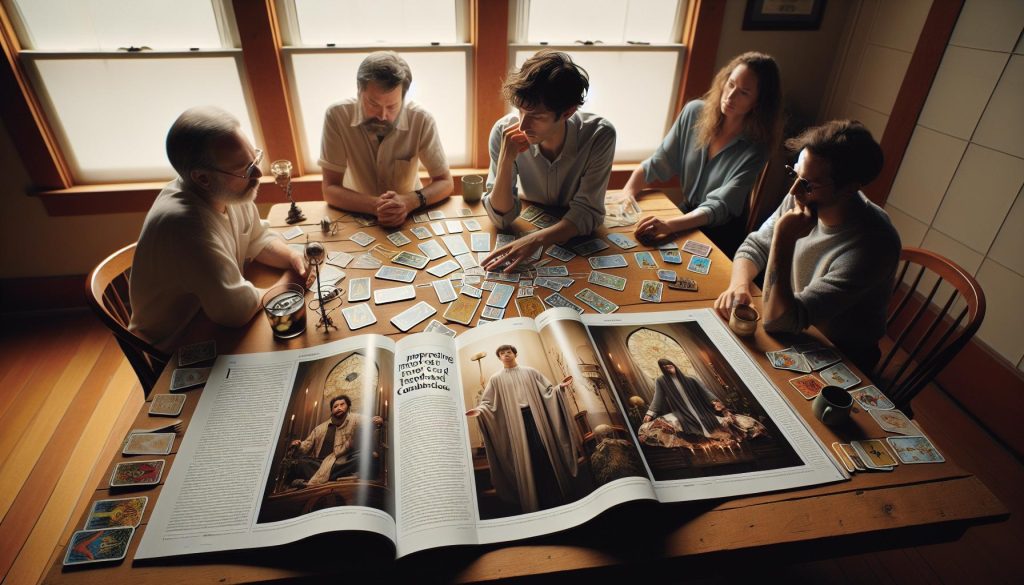
Have you ever pondered what your Tarot cards might reveal when they come together in a reading? Understanding the meaning of card combinations can deepen your insights and enhance your intuitive abilities. Each card tells its own story, but when paired with others, their messages can overlap, creating a rich tapestry of possibilities.
This blend of interpretations not only sheds light on personal situations but also offers guidance in navigating life’s complexities. Whether you’re a beginner looking to decipher your first spread or an experienced reader seeking to sharpen your skills, this exploration will empower you to connect the dots and decode the narratives woven by the cards. Join us as we unlock the mysteries of Tarot combinations, enhance your readings, and cultivate your unique intuitive voice. The journey to understanding your cards together starts here-let’s dive in!
Understanding the Basics of Tarot Card Combinations
Understanding the intricate dance of Tarot card combinations is essential for anyone wishing to dive deeper into their readings. Each card carries its own unique energy and meaning, but when they come together, their collective significance can change dramatically. This interplay can unveil potent narratives and insights about your life’s journey. Remember, the cards do not exist in isolation; their meanings are dynamically modified by the presence of others in your spread.
To effectively decode Tarot card combinations, start by examining the relationship between the cards. Ask yourself how the cards might be conversing. For instance, if you draw the Lovers alongside the Hermit, the message could highlight a need to reflect on personal relationships before making significant commitments. The juxtaposition of cards can reveal tensions or harmonies, guiding you through your questions and concerns with clarity and precision.
When interpreting combinations, consider these key aspects:
- Symbolism: Every card brings distinct symbols and imagery that can deepen the interpretation. Explore what each card traditionally represents and how they amplify or soften each other’s meanings.
- Numerology: Take into account the numbers associated with the cards. Numbers can signify cycles, completion, or new beginnings, adding another layer of understanding.
- Elemental Associations: Links to earth, air, fire, and water can influence how cards interact with each other. For example, pairing a water card with a fire card may suggest tension between emotional depths and fiery passions.
A practical approach when beginning to work with card combinations is to keep a journal. Record your spreads and interpretations, noting how specific combinations resonate over time. This practice not only builds your intuitive muscle but also fosters a personalized language with your deck. Over time, you’ll notice patterns and themes that bring you closer to understanding not just the cards, but your own intuition and inner wisdom.
The Significance of Card Placement in Spreads
Understanding where each Tarot card sits within a spread is crucial for conveying the broader story of your reading. Each position in a spread carries specific meanings, and the cards drawn for those placements significantly alter the interpretation. For example, in a three-card spread representing the past, present, and future, the card that signifies the past might shed light on influences that have shaped your current situation, while the card for the future hints at potential outcomes based on your present actions.
Consider a real-world example: if you pull the Tower in the position for the past, it might indicate a past upheaval that has lingering effects on your current emotional state. Meanwhile, if the present card is the Two of Cups, it suggests healing and partnership are now at play, influenced by that past shake-up. Each card interacts with its position, creating a narrative that guides introspection and decision-making.
Positioning Cards: Context Matters
The context provided by card placements enhances the richness of your interpretation. For instance, cards like the Death card, which typically signifies transformation or endings, might appear less daunting in a position that indicates transition compared to a placement suggesting an imminent challenge or loss. This showcases how the placement can shift the perception of a card’s meaning.
Spreads: Structure and Flow
When starting your journey with Tarot card placements, consider using well-known spreads that have purpose and structure, such as the Celtic Cross or the 3-Card spread. These can help newcomers understand how positional meanings work. Over time, you’ll develop a sense of how to create your own layouts, focusing on the questions you want to answer. By approaching spread creation thoughtfully, you learn to incorporate not only the individual meanings but also the interplay between the cards, enriching your readings and supporting your intuitive growth.
In summary, recognizing the significance of card placements fosters a deeper understanding of Tarot readings. By engaging with each card’s location in relation to others, you create a dynamic and enlightening experience that can provide profound insights into your life’s journey.
Popular Tarot Card Combinations and Their Meanings
Understanding how different Tarot cards interact can illuminate complex situations and reveal deeper insights. While each card alone carries its own significance, their combinations tell a richer story that brings clarity and guidance tailored to your life circumstances. By exploring popular pairings and their meanings, you can enhance your Tarot practice and develop a more intuitive approach to readings.
For instance, the combination of the Two of Cups and the Lovers is a powerful celebration of emotional connection and partnership. This pairing often indicates a harmonious relationship or a deepening bond, emphasizing themes of mutual support and love. In contrast, if you draw the Five of Cups alongside the Star, it can suggest a journey from sorrow toward hope. This combination reflects the healing process, urging you to acknowledge loss while remaining optimistic about future possibilities.
Another notable combination is the Death card with the Fool. Here, change is not to be feared; instead, it invites you to embrace new beginnings with an open heart. This pairing signifies transformation, suggesting that what you perceive as an ending is merely the threshold of a new adventure. Such insights empower you to navigate transitions with confidence.
Utilizing these combinations involves considering the unique context of your reading, such as the question asked and the spread used. For beginners, it might be helpful to start with simple pairs, while more experienced readers can delve into intricate interactions that reflect multiple layers of meaning. Always trust your intuition and allow the connections between the cards to guide your interpretations, creating a personal and meaningful reading experience.
How to Interpret Reversed Cards in Combinations
Interpreting reversed cards in Tarot is a fascinating aspect that adds depth and complexity to your readings. When a card appears upside down, it typically suggests a shift in meaning from its upright interpretation, often indicating internal conflict, blockage, or a new perspective on a situation. This can illuminate challenges, missed opportunities, or hidden aspects that deserve attention. Understanding how to integrate reversed cards with their upright counterparts can enhance your overall reading experience, providing a more nuanced understanding of the underlying energies at play.
To start, consider the context of your question and the specific card meanings. For instance, if you draw the Ten of Swords reversed in combination with the Three of Cups upright, the relevance of these cards may change significantly. The Ten of Swords usually represents endings or betrayal, but in reverse, it can indicate recovery or a new start. Paired with the uplifting energy of the Three of Cups, which celebrates friendship and community, this combination suggests you may be moving past pain toward healing and reconnecting with supportive relationships. Thus, rather than the end of something being solely negative, it can lead to growth and celebration.
Additionally, when interpreting reversed cards in relation to others, look for patterns. If multiple reversed cards appear in a spread, they may indicate a theme of resistance or reflection in your life. For example, a reading with the Chariot reversed alongside the Fool upright could signal a struggle to move forward or fear of taking that leap into the unknown. Here, the implication is clear: while the potential for new beginnings exists, internal hesitation or obstacles need to be addressed first. This duality makes your reading richer, helping you to explore the relationship between action and inaction, as well as the fears that hold you back.
Ultimately, trust your intuition when interpreting reversed cards. They serve as powerful indicators of what might need to be released or acknowledged. Keep a journal of your readings, noting how reversed cards influence combinations over time. This practice will enhance your understanding and strengthen your intuitive connections, fostering a more profound relationship with your Tarot practice. Remember, Tarot is about personal interpretation, and the stories the cards tell you will evolve as your own insights deepen.
Using Intuition in Tarot Reading: A Practical Guide
Incorporating intuition into your Tarot readings can transform them from simple interpretations of card meanings into deeply personal and insightful experiences. To fully harness intuitive insights, begin by creating a calm space for your readings. This environment can help silence distractions and tune into your inner voice. Focus on your breathing, set an intention, and allow yourself to connect with the energy of the cards. Remember, Tarot is not just about the symbols; it’s about the emotions and thoughts they evoke in you.
As you draw your cards, pay attention to your immediate reactions. What feelings do they stir? Do certain colors, images, or numbers resonate with your personal experiences or current life situations? Make a note of any strong sensations or thoughts that arise. This connection to your intuitive insights can reveal deeper layers within the card combinations, providing clarity beyond their standard meanings.
While interpreting combinations, consider how the cards interact. For instance, if you draw the Empress alongside the Moon, think about how these energies might interplay. The Empress embodies abundance and nurturing, while the Moon represents intuition and the subconscious. Together, they could suggest that tapping into your natural gifts and emotional depths could lead to personal growth and new creative expressions. Seeing the cards as a conversation rather than isolated entities allows for richer interpretations.
Lastly, don’t hesitate to document your readings and interpretations over time. This practice not only tracks your progress but also helps to cultivate your intuitive abilities. Return to past readings to observe how your understanding of card combinations has evolved. As you continue to engage with your Tarot practice, trust that your intuition will guide you toward deeper insights, revealing the wisdom embedded in your unique relationship with the cards.
Exploring Major Arcana Combinations for Deep Insight
Understanding how Major Arcana cards interact can deepen your Tarot insights, revealing profound messages and guidance in your readings. Each Major Arcana card carries significant meaning, often linked to life lessons, major events, and spiritual journeys. When these cards appear together, their energy combines in unique ways, creating a rich tapestry of symbolism and interpretation.
Consider the combination of the Fool and the World. The Fool, symbolizing new beginnings and adventures, paired with the World, which represents completion and fulfillment, could suggest that you are embarking on a journey that will ultimately lead to profound personal growth and enlightenment. It may be a prompt to embrace the unknown with optimism, knowing that this exploration is part of a larger cycle in your life.
Another powerful pairing is the High Priestess and the Empress. The High Priestess embodies intuition, mystery, and inner wisdom, while the Empress signifies nurturing, fertility, and abundance. Together, they encourage you to trust your inner voice and embrace your creative potential. This combination might appear when you are in a phase where nurturing your ideas or projects requires deep intuition and emotional connection. Allowing these energies to guide you can enhance both personal and relational growth.
When interpreting Major Arcana combinations, it’s helpful to examine the narrative they create together. Reflect on personal experiences and feelings that arise from these combinations. Ask yourself how these cards resonate with your current life situation. Document your readings for future reference, which can help you notice patterns over time and increasingly inform your intuitive interpretations.
Ultimately, the key to unlocking the wisdom of Major Arcana combinations lies in approaching your readings with an open mind and a willingness to explore. By considering how these cards interact, you not only enhance your understanding of their meanings but also enrich your personal journey through Tarot. Trust the insights you receive; they are reflections of the energies at play in your life, guiding you toward clarity and understanding.
Minor Arcana Pairings: What They Reveal About Your Life
Understanding the connections between Minor Arcana cards can significantly enhance your Tarot readings, revealing insights into your everyday experiences and life challenges. These cards often represent the details and nuances of daily life, touching on emotions, actions, and interactions. When interpreted in pairs, they can highlight the dynamics at play in your current circumstances.
For example, consider the combination of the Two of Cups and the Three of Pentacles. The Two of Cups speaks to partnership, connection, and mutual respect, often indicating a budding relationship or the deepening of an existing one. When paired with the Three of Pentacles, which emphasizes collaboration and teamwork, this combination may suggest that a relationship-whether romantic, platonic, or professional-can flourish through collaborative efforts. It signifies the importance of working together harmoniously, leveraging each other’s strengths to achieve mutual goals.
Another compelling pairing is the Five of Swords and the Six of Swords. The Five of Swords often denotes conflict or tension, signaling a situation where someone may feel defeated or betrayed. In contrast, the Six of Swords symbolizes transition and moving away from turmoil towards calmer shores. This combination might indicate that although a conflict has been painful, there is an opportunity for healing and progress, and it may be time to leave negativity behind and pursue a more peaceful path. It invites reflection on how to resolve conflicts gracefully and and encourages you to prioritize your emotional safety and well-being.
As you explore Minor Arcana pairings, focus on how the meanings of the cards amplify each other. Create a small notebook or journal to jot down interpretations and personal feelings regarding these combinations. This practice can deepen your understanding over time and enhance your intuitive abilities as you become more attuned to the patterns that emerge in your readings. Each pairing is an invitation to not only interpret but also to connect deeply with your experiences, guiding you toward clarity and empowered decision-making in your life.
Common Misinterpretations of Tarot Combinations
Misunderstandings abound when it comes to interpreting Tarot card combinations, often leading to confusion or even misdirection in readings. A common pitfall is taking card meanings too literally or isolated from their context. For example, while the Emperor often signifies authority, control, or structure, its pairing with the Fool-who represents spontaneity and new beginnings-could indicate a need to balance structure with flexibility rather than strictly enforcing authority. This highlights the importance of viewing cards as conversational partners rather than isolated individual statements.
Moreover, many beginners may inaccurately attribute meanings based on personal biases instead of the intuitive or situational context of the reading. If one has had a negative experience associated with a specific card, such as the Tower, it’s tempting to interpret it solely as disaster or upheaval without considering how it might also reflect necessary change or liberation in the context of a question. Instead, embrace each card’s full narrative potential by allowing them to dialogue with each other, revealing layers of meaning that a single interpretation might miss.
Another frequent misconception arises with reversed cards. Some readers see reversed cards as purely negative without exploring their nuanced implications. A reversed Ten of Swords, often associated with betrayal or a painful ending, could instead indicate an opportunity for healing from previous wounds, particularly when paired with uplifting cards like the Star. The synergy between the cards can create a dynamic reading that emphasizes personal growth and resilience instead of a bleak outlook.
Finally, relying solely on traditional meanings can lead to missed insights. Personal associations and the feelings a card evokes during a reading can provide significant guidance. For instance, if the Lovers card appears alongside the Four of Cups, a card of apathy or contemplation, it may indicate a need to reevaluate one’s emotional connections and desires, encouraging a deeper exploration of personal relationships rather than a mere focus on romantic choices. The key to overcoming these misinterpretations lies in cultivating intuition and allowing the combination of cards to guide you, rather than confining the reading to rigid definitions.
Advanced Techniques for Analyzing Card Interactions
To truly unlock the potential of your Tarot readings, mastering the intricacies of card interactions is essential. Every card in a spread acts not just as an individual statement but as a part of a larger conversation. When interpreting the nuanced dialogue between cards, you can uncover layers of insight that a single card alone might obscure.
One highly effective technique involves thematic pairing. This approach encourages you to identify overarching themes between two or more cards. For example, if you draw the Three of Swords (representing heartbreak) alongside the Six of Wands (symbolizing victory), you might interpret this combination as a journey through pain leading to success. You could create a narrative where overcoming emotional challenges paves the way for personal triumph. Using this method, look for central themes like love, conflict, or growth as a way to deepen your interpretations.
Another advanced method is contextual synergy. Encourage yourself to actively consider how the placement of cards within the spread affects their meanings. A Knight of Cups in a position representing advice might suggest the pursuit of romantic interests or creativity, while the same card in a position indicating external influences could indicate someone bringing emotional turbulence. Evaluating how the card’s position alters its context can provide crucial insights.
Don’t shy away from personal insights, either. Tarot is an intuitive practice, and your unique experiences can guide your interpretations. If the card combinations evoke a specific feeling or memory, allow that connection to inform your reading. For example, if the Seven of Cups surfaces alongside the Two of Pentacles, you might feel a sense of confusion from past choices, urging you to focus on solid decision-making ahead.
Finally, ask questions aloud as you analyze the cards. Verbalizing thoughts can clarify your interpretations, tapping into your intuition more effectively. You might pose queries like, “What does this combination say about my current situation?” or “How do these cards interact in terms of my emotional landscape?” Engaging in dialogue with the cards not only fosters a deeper connection but also highlights insights you might otherwise overlook.
By employing these techniques-thematic pairing, contextual synergy, personal insights, and verbal inquiry-you will enhance your ability to interpret card combinations meaningfully and thoughtfully. Tarot reading can be a transformative process, inviting you to explore the intricate tapestry of life through the lens of these powerful archetypes. Embrace the journey with confidence, openness, and a readiness to learn.
Tarot Reading Styles: Choosing the Right Approach
Choosing the right approach to tarot reading can transform your experience and deepen your understanding of card combinations. Each reader brings a unique energy and perspective to the table, which means that there’s no one-size-fits-all method. Instead, consider what resonates with you personally. One effective way to begin is to explore various reading styles that can help you unlock the meanings of your cards together.
Exploring Diverse Tarot Reading Styles
There are several popular tarot reading styles, each offering a distinct framework for interpreting card combinations. Here are a few to consider:
- Intuitive Reading: This style emphasizes connecting with your inner voice and emotions. Trust your instincts as you analyze card combinations. For example, if you notice the Page of Cups alongside the Ten of Pentacles, you might feel guided to explore themes of youthful creativity within established family traditions.
- Traditional Reading: This approach relies on established meanings of the cards and their positions in a spread. For instance, a Five of Swords appearing in a challenge position could signify conflict and discord, whereas in a future position, it might hint at the consequences of current choices.
- Storytelling Approach: Here, you view the cards as characters in a narrative. This method allows you to create a cohesive story from the combinations. For instance, drawing the Two of Cups with the Eight of Wands could tell a tale of a swift romantic encounter leading to partnership.
- Psychological Reading: This style interprets the cards through the lens of personal and collective psychology. If you draw the Devil paired with the Judgment, you might see it as a call to address inner fears before undergoing transformation.
Adapting Techniques Based on Your Development
As you grow more comfortable with tarot, consider integrating multiple styles. Beginners may find intuitive and traditional methods beneficial while building their confidence. More advanced readers can seamlessly combine these techniques, drawing from both emotional resonance and card meanings.
For example, if a novice pulls the Three of Pentacles next to the Fool, they might initially stick to basic interpretations, seeing it as teamwork leading to new beginnings. An experienced reader, however, might explore how the Fool’s carefree spirit influences collaborative projects, encouraging innovation and risk-taking.
In addition to styles, you can enhance your readings with practical exercises. Spend time journaling your thoughts on various combinations, creating a personal lexicon that resonates with you. Engage in discussions with fellow readers or participate in reading exchanges to broaden your understanding and confidence.
Ultimately, whatever approach you choose, maintain a welcoming attitude toward both the cards and yourself. Remember that tarot is a dynamic tool for exploration, offering insights into life’s complexities. Embrace this journey and allow your intuition to guide you as you uncover the myriad meanings behind your cards.
Creating Personal Meaning: Customized Card Connections
Creating a personal connection with your tarot cards can transform your readings from simple interpretations to profoundly insightful experiences. When you start blending your understanding of individual cards with the unique stories they tell together in combinations, each reading becomes a richer tapestry of meaning. This process reflects your journey and experiences, lending a deeply personal touch to your tarot practice.
To cultivate customized card connections, begin by noting your initial reactions to the cards pulled in each reading. What emotions do they evoke? Do any particular images or symbols resonate with you? For instance, if you draw the Two of Cups alongside the Three of Pentacles, take a moment to reflect: does this combination remind you of a collaboration in love or partnership that has flourished through teamwork? Write down your impressions and revisit them frequently; over time, you’ll notice patterns and themes that relate specifically to your life.
Building Your Personal Lexicon
Establishing a personal lexicon of card meanings can deepen your understanding of combinations. Start with each card’s traditional interpretations and then infuse them with your unique experiences. For instance, the Moon card often signifies illusion and uncertainty. However, if you associate it with a particular event in your life filled with fear but also profound intuition, adjust your reading accordingly whenever it appears.
You might find it helpful to create a table or a journal dedicated to card combinations that have specific meanings for you. As you explore, ask yourself questions like:
- What personal experiences do these cards evoke?
- How do the card colors, imagery, and numerology speak to my current life situation?
- What recurring themes emerge from my readings?
This customized approach leads to a more intuitive and personal tarot experience, allowing your insights to feel authentic and directly applicable to your life.
Real-Life Examples of Customized Connections
Consider a scenario where you draw the Chariot and the Nine of Swords. While traditional interpretations might suggest triumph over challenges, your personal connection might lead you to feel these cards reflect a stressful journey towards a goal that causes anxiety. By acknowledging your past struggles with similar situations, you can better understand the current reading as an encouragement to persevere despite fears.
By nurturing these personalized interpretations, your readings become empowering narratives that not only reflect potential futures but also help you process your past. Embrace your intuition and allow it to shape the connections you draw with your cards, and you will find that tarot can be both a mirror and a map through the complexities of your life’s journey.
Case Studies: Real-Life Tarot Reading Examples
Every tarot reading offers a unique glimpse into the intertwining narratives of our lives. The combinations of cards drawn not only reflect the current energies at play but also resonate with our personal experiences, making each interpretation deeply personal and often transformative. Consider the following case studies that illustrate the rich tapestry of meanings that can emerge from card combinations.
In one reading, a client pulled the Three of Swords alongside the Six of Wands. Traditionally, the Three of Swords denotes heartbreak or emotional pain, while the Six of Wands symbolizes victory and recognition. On a surface level, these cards might seem contradictory; however, when the client reflected on a recent experience of overcoming a difficult separation, the reading transformed into a powerful narrative of resilience. The combination revealed not just the pain of loss, but also the triumph of personal growth, suggesting that through navigating heartbreak, the client was emerging stronger and more aware of their worth.
Another example features the Knight of Cups paired with the Four of Pentacles. Here, the Knight of Cups is often associated with romance and following one’s heart, whereas the Four of Pentacles signifies holding on tightly to what one has, often out of fear of loss. The client who drew this combination had been contemplating a new romantic relationship but was hesitating due to past experiences of loss. This pairing highlighted the tension between desire and fear. By acknowledging these emotions, the client gained insight into how their past was influencing their present choices, leading to a deeper understanding of the need for balance between vulnerability and self-protection.
The pairing of the Two of Wands with the Seven of Cups serves as yet another rich example. The Two of Wands indicates planning and potential, while the Seven of Cups brings forth themes of choices and illusions. A client facing a career decision found themselves at a crossroads filled with possibilities. This combination prompted an exploration of not just what they wanted, but also what might be realistically attainable versus merely wishful thinking. The reading urged them to sift through their options carefully and remain grounded in reality, reaffirming the importance of clear vision in achieving long-term goals.
These case studies exemplify how card combinations reveal intricate insights tailored to individual situations. As you engage with your own readings, remember that the power lies within your personal experiences and insights. Allow your intuition to guide you through the narratives your cards present, making each reading not just a forecast of possibilities, but a profound exploration of your journey.
Faq
Q: How do I read multiple tarot cards together?
A: To read multiple tarot cards together, focus on the interactions between their meanings. Start by interpreting each card individually, then look for patterns or themes that emerge when they are combined. Consider their positions in the spread and how they influence one another for a comprehensive understanding. This approach is detailed in the section on Understanding the Basics of Tarot Card Combinations.
Q: What does it mean when the same tarot card appears in a reading?
A: When the same tarot card appears in a reading, it emphasizes that card’s energy and significance. It suggests that the messages or themes associated with that card are particularly relevant to your situation. Reflect on its meaning in the context of the spread and the other cards present, as explained in the Advanced Techniques for Analyzing Card Interactions section.
Q: How can I interpret tarot cards that seem contradictory?
A: When tarot cards appear to be contradictory, look for a deeper narrative that may be present. Each card has layers, so consider their positions and how they might reveal different facets of a situation. Embrace the complexity and use your intuition to find a connecting theme, as outlined in Using Intuition in Tarot Reading: A Practical Guide.
Q: What role do suits play in tarot card combinations?
A: Suits in tarot represent different areas of life, such as emotions or actions. When interpreting combinations, consider how the suits of the cards relate to one another. For example, a combination of Cups and Swords may highlight a conflict between emotions and intellect. This concept ties into the Popular Tarot Card Combinations and Their Meanings.
Q: How can numerology impact tarot card interpretations?
A: Numerology can enhance tarot card interpretations by adding layers of meaning based on the numbers associated with each card. When certain numbers appear together, like multiple Twos, they may suggest themes of balance or partnership. Explore how numerology interacts with your readings as discussed in Creating Personal Meaning: Customized Card Connections.
Q: Can the placement of cards in a spread change their meanings?
A: Yes, the placement of tarot cards in a spread significantly impacts their meanings. Each position typically has a designated significance (like past, present, future), which shapes the interpretation of the cards. This factor is highlighted in the section on The Significance of Card Placement in Spreads.
Q: What should I consider when interpreting reversed tarot cards?
A: Reversed tarot cards often indicate a blockage or a different interpretation of the card’s upright meaning. They may signal a need for reflection or a warning about the energies at play. It’s essential to look at the card’s upright meaning first and then consider how the reversal alters that context, as detailed in How to Interpret Reversed Cards in Combinations.
Q: How do I develop my own meanings for tarot card combinations?
A: To develop your own meanings for tarot card combinations, start by journaling your readings and reflecting on personal experiences related to each card. Over time, you’ll build a database of connections that resonate uniquely with you. This practice is part of the Creating Personal Meaning: Customized Card Connections process.
Key Takeaways
As you explore the fascinating world of tarot and the meanings behind your card combinations, remember that each interpretation deepens your intuitive abilities and connects you more profoundly to your journey. Don’t let uncertainty hold you back-take a moment to reflect on how these symbolic narratives resonate in your life. For further insights, check out our guides on “Understanding Tarot Card Meanings” and “Mastering Tarot Spreads” to enhance your skills even more.
Ready to dive deeper? Subscribe to our newsletter for exclusive tips and insights, or join our community discussions to share your findings and ask questions. Your journey into tarot is just beginning! Embrace the magic, trust your intuition, and remember, the cards are only the beginning-your unique interpretation is what truly brings them to life. Share your experiences below and let’s continue this mystical exploration together!
Get our latest guides, news, and insights highlighted in your Google Search & AI Overviews.