Have you ever drawn a tarot card only to find it reversed, leaving you curious about its hidden significance? Understanding what it means when a card is flipped can reveal deeper insights and shift your perspective, making your readings more nuanced and meaningful. Reversed cards often signify internal struggles, obstacles, or the need for introspection, presenting both challenges and opportunities for growth.
As you delve into the mystical realm of tarot, exploring these flipped meanings can empower you to face personal truths and ignite transformational change in your life. Whether you’re a seasoned reader or just starting your journey, grasping the essence of reversed cards enriches your intuitive skills and expands your spiritual toolkit. Join us as we uncover the flip side of tarot, unlocking the wisdom each reversed card holds for your personal journey.
What Does It Mean When a Card is Reversed?
When a tarot card appears reversed in a reading, it invites a rich layer of interpretation that delves into its more nuanced meanings. Reversed cards essentially reflect the opposite or a less pronounced version of their upright counterparts, highlighting aspects such as internal struggles, delays, or conflicts. This inversion often indicates a turning point or a call to reconsider one’s situation or mindset. For instance, while the upright Fool card symbolizes new beginnings and free-spirited adventures, its reversed form might suggest recklessness or the need to pause and reassess one’s direction.
Beyond mere opposition, reversed cards challenge the reader to think critically about the energies at play. They might indicate that a situation, previously under control, is now complex and requires careful navigation. Consider the Two of Cups; upright, it represents harmonious relationships, while reversed, it may signal misunderstandings or imbalance in partnerships. This fluctuation affects not only individual cards but also how they interact within a spread, adding intrigue and complexity to your readings.
Moreover, understanding the meaning behind reversed cards encourages a deeper connection to intuition and personal insight. Instead of viewing a reversal as a negative omen, embrace it as an opportunity for growth and reflection. The energy of a reversed card can illuminate hidden fears or blocked paths, empowering you to address what may be inhibiting progress. As an intuitive reader, trust your instincts and the emotional resonance of each card; this engagement can enhance your readings and provide valuable guidance to yourself and others.
This transformative perspective allows for a more comprehensive tarot practice. By welcoming reversed cards into your readings, you not only balance the energies present but also foster a space for healing and introspection. Embrace the lessons from the flip side, for they often lead to profound revelations and personal empowerment.
Understanding the Energy of Reversed Cards
When a tarot card appears reversed, it isn’t just a simple flip; it signifies a dynamic shift in energy and meaning that invites both reflection and insight. This alteration can reveal hidden aspects of a situation, offering a space for deeper understanding and interpretation. In essence, reversed cards often highlight internal struggles, unresolved issues, or aspects requiring attention that may have been overlooked when viewing the upright version alone.
One of the powerful aspects of reversed cards is their ability to signify what might be blocking progress or causing confusion in your life. For instance, the upright Chariot symbolizes determination and control, while in reverse, it could point to feelings of being out of control or conflict between opposing desires. Similarly, the Eight of Swords reversed can signal the lifting of restriction and confusion, urging the querent to break free from self-imposed limitations, rather than simply feeling trapped.
Embracing the energy of reversed cards allows for a more holistic approach to tarot readings. It encourages you to explore what you truly want and what internal barriers may be standing in your way. Instead of viewing reversals as negative, think of them as prompts for introspection and change. This practice not only enriches your understanding but also invites moments of revelation. You might consider asking yourself how the reversed cards resonate with your current feelings or life situations.
Remember, each reading is a personal journey. By engaging with the reversed meanings, you open the door to a transformative process that can lead to significant personal growth. This nurturing and exploratory attitude toward reversed cards can serve as a vital tool in your tarot practice, guiding you towards more profound insights and understanding in both readings and life. Embrace these twists of fate as opportunities to grow, evolve, and navigate your path with clarity and intention.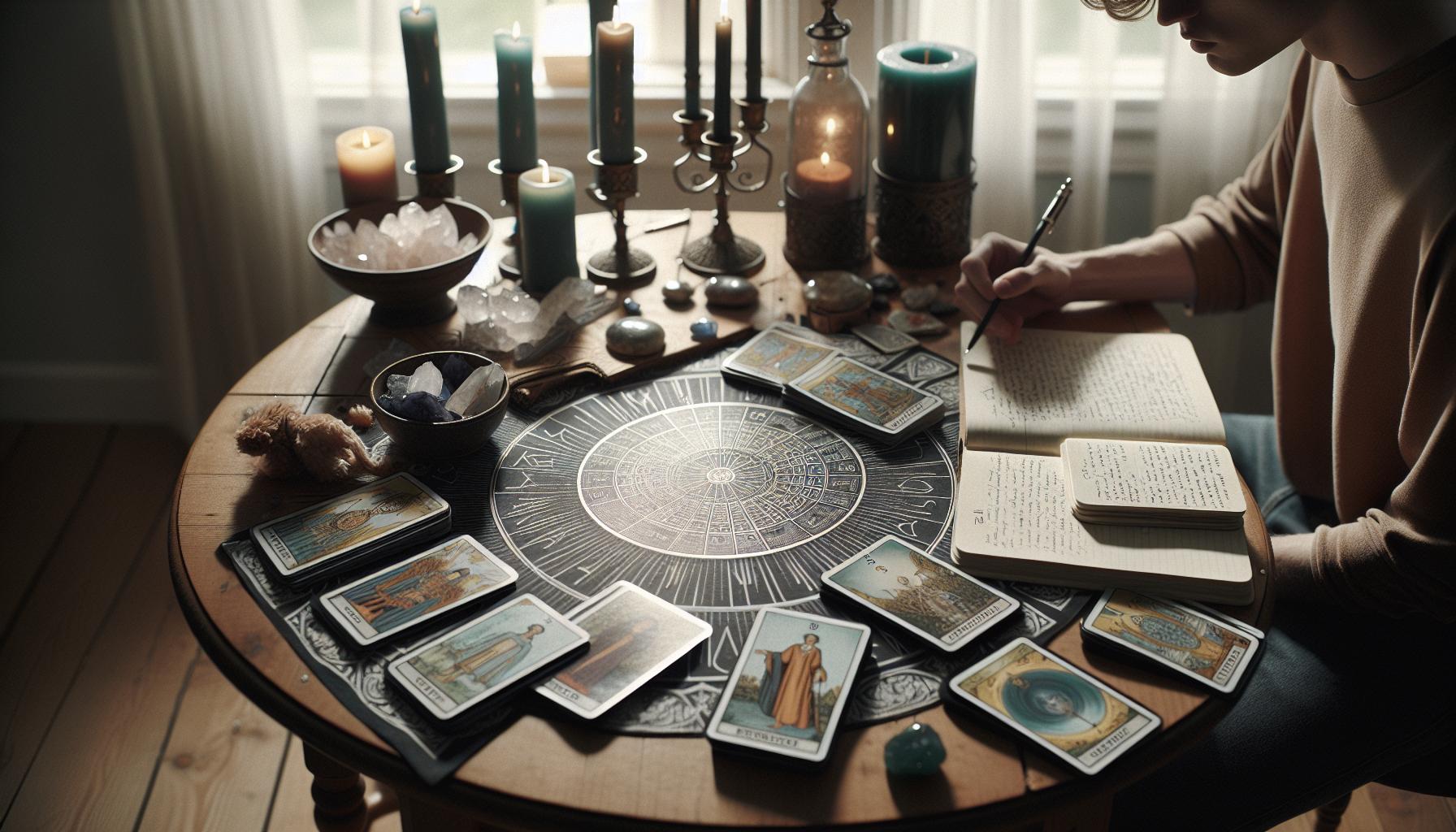
Common Interpretations for Reversed Tarot Cards
When a tarot card appears reversed, it challenges readers to reconsider their interpretations and embrace subtleties that might otherwise be overlooked. Rather than simply indicating negativity, reversed cards often symbolize internal conflict, missed opportunities, or lessons that are coming from within. This shift in perspective encourages a deeper inquiry into one’s circumstances, paving the way for personal growth and transformation.
Key Interpretations of Reversed Cards
Reversed tarot cards can reveal a wide array of meanings depending on the context of the reading and the individual involved. Here are a few common interpretations:
- Blocked Energy: Reversed cards frequently signal energetic blockages or resistance. For example, the Two of Swords reversed might indicate indecision or a fear of confronting difficult choices. This can encourage the querent to take actionable steps to release these blocks.
- Inner Turmoil: Often, reversals point to emotional or psychological struggles. The Five of Cups reversed can highlight the journey of moving past grief or disappointment, nudging an individual to focus on the positive aspects still present in their life.
- Lessons Yet to Learn: A reversed card might indicate a need to revisit lessons not fully absorbed. The Wheel of Fortune in reverse can signal a recurring cycle of fate that requires reflection-perhaps indicating that new perspectives need to be adopted before forward movement is possible.
- Reassessment of Values: Reversals can prompt a reevaluation of one’s priorities or desires. The Seven of Pentacles reversed might suggest feelings of impatience or doubt about whether efforts are yielding the desired results, urging a reconsideration of goals and motivations.
Engaging with these interpretations can be empowering. Rather than viewing reversed cards as mere obstacles, see them as invitations for introspection and reevaluation. They can serve as gentle reminders that sometimes the path forward requires us to reconcile with our inner selves.
Real-life examples can illuminate how these interpretations play out in practice. Imagine pulling the Tower reversed during a reading concerning a relationship; this could indicate turmoil that is internal rather than structural-a reflection of unresolved feelings or miscommunication needing to be addressed. Instead of feeling alarmed, approach the reading with curiosity, exploring what this internal collapse can reveal about the querent’s emotions and beliefs.
Incorporating reversed meanings into your tarot practice will not only enhance your readings but also deepen your connection to the cards, fostering a stronger intuitive sense. Embrace the duality that comes with reversed cards; they are not the flip side of failure, but rather touchpoints on your journey of self-discovery and evolution.
How Reversed Cards Impact Your Tarot Spreads
Incorporating reversed cards into your tarot spreads can transform the way you approach readings, adding layers of meaning and insight that deepen understanding. While many readers may initially view reversed cards as obstacles or negative influences, they actually present opportunities for growth, introspection, and clearer communication within the context of a spread. By embracing this complexity, you can enrich your readings and offer more nuanced guidance.
One way reversed cards impact a spread is by highlighting internal conflicts or areas where the querent may be resisting change. For example, if you draw the Death card reversed in a spread focused on personal transformation, it may indicate fear of letting go or an unwillingness to move forward. This invites both the reader and querent to explore why such resistance exists, allowing for a healing conversation about fears and desires. Assessing these dimensions can lead to breakthroughs that are often overlooked in straightforward interpretations.
Reversed cards also often encourage a re-evaluation of priorities and values. For instance, pulling the Chariot in reverse during a career-focused reading could signal a need to reconsider one’s path or ambitions. Rather than progressing in a defined direction, the querent may find that pausing to assess their true motivations could prove beneficial. This fosters a sense of patience and understanding, reinforcing that sometimes the most powerful strides come from reflection rather than action.
When structuring your tarot spread, consider how to integrate the energy of reversed cards effectively. Use spreads that account for both upright and reversed positions, such as the classic three-card spread where you can distinctly analyze past, present, and future through both orientations. This approach allows for a more comprehensive narrative to unfold, where reversed cards serve as prompts for deeper engagement with emotional and spiritual journeys.
As you practice interpreting reversed cards within your spreads, remember to keep an open mind. Each reversal can serve as a guidepost-an opportunity to redirect focus or shed light on hidden aspects of life’s complexities. Engaging with these cards in this manner not only enhances your readings but also builds a more profound connection to the tarot itself, encouraging both reader and querent to embark on a shared journey of discovery.
The Spiritual Significance of Reversed Cards
Exploring reveals a rich tapestry of meanings that can often go overlooked. Many believe that when a tarot card appears in reverse, it signifies misfortune or blockage. However, a more nuanced interpretation views reversal as a gentle nudge from the universe, beckoning us to look inward, confront our shadows, and cultivate a deeper understanding of our spiritual journey.
Reversed cards can highlight the areas in our lives where we resist change or avoid personal growth. For instance, encountering the Two of Swords reversed may indicate inner conflict that needs resolution. This card serves as an invitation to address the indecision or emotional turmoil rather than ignore it. Embracing this energy encourages deeper self-reflection and ultimately leads to greater clarity and harmony in one’s life.
Moreover, reversed cards often symbolize internal growth, healing, or a need for reassessment. The Hermit reversed, for example, may reveal a tendency to isolate oneself rather than seek connection and guidance. It encourages the querent to reconsider how solitude is serving them. Are they genuinely seeking wisdom in silence, or are they withdrawing out of fear? This reflection can lead to powerful revelations about one’s relationship with others and with oneself.
Ultimately, lies in their ability to challenge us. They ask us to confront what we might ordinarily overlook: our fears, doubts, and limiting beliefs. This transformative process not only enriches our tarot readings but also deepens our connection to our own spiritual paths, enabling us to foster a sense of compassion for ourselves and others. As you develop your intuitive practice, consider the wisdom contained within reversals-a tool for navigating life’s complexities with grace and understanding.
Enhancing Your Readings with Reversed Meanings
Unlocking the potential of reversed tarot cards can dramatically enhance your readings, offering new layers of insight and understanding. While many view reversals with apprehension, recognizing their significance allows you to explore deeper themes, challenges, and growth opportunities within your sessions. Reversed cards often signify introspection, calling on querents to dive into their emotional landscape and confront unseen obstacles.
To effectively incorporate reversed meanings into your readings, begin by establishing a solid foundation of basic card interpretations. Familiarize yourself with both the upright and reversed meanings so that you can swiftly pivot during a reading. Here are some simple techniques to enhance your interpretation process:
- Reflection and Journaling: After each reading, take some time to note how the reversed cards influenced the outcome. What personal themes emerged? This practice not only solidifies your understanding but also builds your intuition.
- Combine Upright and Reversed Meanings: When you draw a card in reverse, consider both meanings. For example, if the Emperor appears reversed, it might signify instability in leadership. However, it could also suggest a need to embrace more personal authority and move away from rigid control.
- Use Visual Cues: During your readings, consider how cards position themselves in relation to others. Reversed cards beside upright ones can create dynamic interactions that offer richer narrative threads to explore.
- Practice Regularly: Conduct short spreads focusing solely on reversed cards. This practice will help you become more comfortable with their meanings and how they can shift the energy of a reading.
Incorporating real-life examples can also deepen your understanding. For instance, if someone pulls the Five of Cups reversed, instead of just focusing on loss, you can encourage them to recognize potential opportunities for healing and acceptance. Ask probing questions: “What lessons can you take from your past experiences?” or “How can you turn your focus towards what is still standing?” This approach not only empowers the querent but also emphasizes the transformative essence of the reading.
Ultimately, embracing reversed cards as allies in your tarot practice will enrich your readings, nudging both you and your querents towards introspection and growth. They invite a dialogue with the universe-inviting us to look deeper, think smarter, and act with greater wisdom. Let each reversal be an opportunity to uncover new insights, allowing the journey to unfold with patience and grace.
Reversed Tarot Cards: A Guide for Beginners
Navigating the world of tarot can be both exhilarating and intimidating, especially when it comes to understanding reversed cards. These cards, flipped upside down, hold unique meanings that can add depth and dimension to your readings. They are not merely negative omens but instead invite you to examine the intricacies of the human experience. For beginners, embracing these reversals can transform your tarot practice, revealing hidden insights that aid in personal growth and self-reflection.
To get started with reversed cards, it’s important to reframe your perspective. Instead of fearing the reversal, consider it a doorway to deeper understanding. For example, the reversed Two of Swords might indicate indecision or inner conflict, but it can also point toward an opportunity for clarity by confronting difficult choices. When approaching a reversed card, always ask yourself what aspect of the card’s upright meaning may need to be addressed. This approach strengthens your intuition and encourages a more nuanced interpretation.
Practical Tips for Beginners
Integrating reversed cards into your readings doesn’t have to be overwhelming. Here are some simple strategies to help you feel more comfortable:
- Start with Familiar Cards: Focus on the cards you already know well. As you encounter reversals, think about the upright meaning and identify how it might shift when turned upside down.
- Journal Your Interpretations: After each reading, take time to write down your thoughts on the reversed cards drawn. What feelings surfaced? What insights does it provide? This practice develops your own intuitive voice.
- Engage with Others: Join a tarot group or community. Sharing your experiences and interpretations can spark new understandings and reinforce your learning.
- Embrace the Questions: Rather than providing answers, reversed cards often encourage you to ask probing questions. For instance, if you draw the Queen of Cups reversed, you might ask, “Where am I neglecting my emotional needs?” This transforms the reading into an introspective journey.
Remember, every reader has their unique style, and your relationship with the cards will evolve over time. Allow yourself to explore the energy of reversed cards without judgment. Each reading can serve as a reminder that life is a tapestry of experiences, some bright and some shadowed. By welcoming the reversed cards, you invite a richer narrative to unfold in your tarot practice, one that resonates with the complexities of life itself.
Advanced Techniques for Interpreting Reversed Cards
Understanding the intricacies of reversed cards can elevate your tarot readings to new heights. These cards often indicate a shift in energy, revealing deeper insights and opportunities for growth. To interpret reversed cards effectively, start by linking the reversed meaning back to the upright interpretation. Consider what aspects of the upright meaning may be stifled or in need of examination. For instance, the reversed Fool may suggest hesitancy or reluctance to take a leap of faith, prompting you to explore fears surrounding risk and new beginnings.
Utilizing Contextual Clues
Another advanced technique involves the context of the spread itself. Look at the surrounding cards to gain clarity on how the reversed card fits into the overall message. For example, a Tower reversed next to a Star could indicate a potential for renewal after a difficult period, hinting at hope and healing despite past chaos. This interplay can illuminate what you need to confront or what strengths you can draw upon, allowing you to harness the energy of the reversed card as part of a broader narrative.
Dialogue with the Cards
Engaging in a dialogue with your cards can also be enlightening. Ask the reversed card specific questions: “What am I avoiding?” or “How can I shift this energy?” This approach not only inspires introspection but also fosters a dynamic relationship with the cards. For example, if you draw the Four of Pentacles reversed, you might be challenged to reflect on your fears regarding security and control, leading to profound personal revelations.
Incorporate Affirmations and Visualizations
To deepen your connection with reversed meanings, consider incorporating affirmations or visualizations during your readings. Create a mantra for each reversed card, like “I release my fear of change” for the Wheel of Fortune reversed. Visualizing how the energy of the card can transform positively can also aid in manifesting a more balanced perspective.
By embracing these advanced techniques, you empower yourself to extract richer, more nuanced insights from your tarot readings. Each reversed card offers a unique gateway to self-discovery, enabling you to navigate the complexities of your inner landscape with confidence and clarity.
Real-Life Examples of Reversed Card Interpretations
When interpreting reversed tarot cards, it’s essential to draw from real-life examples that resonate with the nuanced meanings these cards can convey. Reversed cards often reflect internal struggles, blocked energy, or lessons waiting to be learned, making them crucial for personal development.
Consider the Two of Cups reversed, which may indicate disharmony in relationships. A reader might encounter this card during a spread about partnership. For instance, someone could experience a falling out with a close friend. The reversed card invites them to reflect on miscommunication or unmet expectations. Instead of seeing this as purely negative, they can view it as an opportunity to address underlying issues and foster healing dialogue.
Another example is the Death card reversed, which traditionally signifies resistance to change or transformation. Imagine a client who is hesitant to leave a job that’s no longer fulfilling. Drawing this card could prompt a conversation about their fears regarding the unknown. It encourages them to confront their resistance and consider what aspects of themselves might be holding them back from embracing a new chapter. Instead of fearing the end, they can focus on what new beginnings might arise from letting go.
The Eight of Swords reversed is another poignant illustration. This card might appear in a reading for someone feeling trapped by limiting beliefs. When drawn reversed, it suggests that the individual has the power to free themselves from these constraints. For example, a person might realize that their fears about public speaking are self-imposed. This awareness empowers them to seek help, practice more, and ultimately grow beyond their limitations.
By engaging with these real-world scenarios, readers can gain clarity on how reversed tarot cards provide not just warnings but valuable insights for personal growth and transformation. Each reversed card presents a unique challenge, encouraging reflection and action, ultimately fostering a deeper connection with self and others.
Debunking Myths About Reversed Tarot Cards
When it comes to interpreting reversed tarot cards, many misconceptions can cloud your understanding and dampen your confidence. A prevalent myth is that reversed cards always hold negative meanings. In truth, they offer a broader spectrum of insights that can be transformative. Reversed cards invite introspection, revealing internal conflicts and potential for growth, rather than merely foreshadowing doom and gloom. For example, the Tower card, often seen as a harbinger of chaos and upheaval, can also signify the opportunity to rebuild and reassess priorities when drawn in reverse.
Another common misunderstanding is that reversed cards complicate readings and add unnecessary confusion. However, when embraced, these cards can provide depth and complexity to a tarot spread. They encourage you to delve beyond surface-level interpretations, prompting deeper questions and reflections. A reading featuring the Hanged Man reversed might suggest that one is resisting a necessary pause or reevaluation, offering a chance to pivot and view situations from a fresh perspective. This ability to highlight resistance can lead to significant breakthroughs.
Moreover, the belief that reversed cards are only suitable for advanced tarot readers is simply untrue. Beginners can also benefit from understanding reversed meanings. It’s about adopting a mindset that embraces flexibility and exploration. As you grow more comfortable with your deck, consider journaling your thoughts on reversed cards. For beginners, starting with simple interpretations can demystify their meanings, such as viewing them as invitations to reflect rather than condemnations.
Ultimately, debunking these myths encourages a more holistic and nuanced approach to tarot. Embrace reversed cards as valuable tools for self-discovery and insight. By reframing your perception, you open up a realm of possibilities, transforming potential challenges into stepping stones for personal and spiritual growth.
Navigating Challenges with Reversed Cards
Navigating the world of reversed tarot cards can feel daunting, but with the right perspective, it becomes an opportunity for deeper exploration and insight. Reversed cards often reflect internal struggles or barriers, challenging us to confront issues we might prefer to overlook. For example, when drawing the reversed Emperor, it might indicate a struggle with authority or control, suggesting it’s time to reassess how we assert our power in various aspects of life.
To effectively interpret these nuanced messages, approach each reading with curiosity and openness. Start by asking guiding questions: What does this reversal reveal about my current state? What feelings arise when I consider its meaning? By engaging with the card’s energy on a personal level, insights can unfold organically. Create a simple practice of journaling your reflections during readings-it not only solidifies your interpretations but also fosters your intuitive skills over time.
Additionally, consider the context of your spread. A reversed card’s meaning can shift significantly based on neighboring cards and the overall question being posed. For instance, if the Five of Cups appears reversed next to the Wheel of Fortune, this combination might suggest emerging optimism after a period of loss, highlighting the potential for healing and renewal. Remember, reversed cards do not predict doom; they spotlight areas needing attention and transformation, encouraging proactive steps towards growth.
Ultimately, integrating reversed cards into your practice can enhance your readings and understanding of yourself. Embrace these challenges as catalysts for self-discovery and personal development. With practice and patience, reversed cards will no longer be sources of fear, but rather invaluable tools on your journey.
Embracing Reversals: A Transformational Journey
Embracing the lessons that reversed tarot cards offer can transform our understanding of both the cards and ourselves. Rather than viewing reversals as negative omens, consider them as insightful reflections of inner truths and areas ripe for growth. Each reversed card invites you to delve deeper into your psyche, revealing hidden motivations and suppressed emotions, which can lead to profound personal evolution. For example, a reversed Two of Swords may symbolize indecision or avoidance, prompting you to confront conflicting feelings that require resolution.
To effectively engage with these transformative insights, it’s essential to approach your readings with an open heart. Allow yourself to feel whatever arises when you encounter a reversed card. Instead of moving quickly past perceived negativity, pause and ask: *What lesson is this card offering me?* Maintaining a reflective journal during your readings can significantly enhance this process. Jot down your thoughts each time you draw a reversed card-note your reactions, emotions, and any personal connections to the card’s message. Over time, this practice strengthens your intuitive abilities and helps clarify your path.
Consider the reversed cards within the context of your overall spread. Their meanings can shift dramatically depending on their placement and the surrounding cards. For instance, if the Death card appears reversed alongside the Sun, the reading may convey a hesitation to embrace change despite a clear path to happiness. This juxtaposition can highlight fears surrounding transformation, urging you to evaluate what is preventing your growth.
As you navigate this process, remember that each reversed card is not merely about what’s wrong but rather about what’s possible. Embrace reversals as an opportunity to challenge your perceptions, tap into your inner wisdom, and engage in a journey of self-discovery. Viewing these cards as allies rather than adversaries paves the way for a more enriching tarot practice, ultimately leading to a more authentic and intentional life.
Frequently asked questions
Q: What does it mean if multiple tarot cards are reversed in a reading?
A: When multiple tarot cards appear reversed in a reading, it often suggests a strong theme of inner conflict or blockages in the querent’s life. This can symbolize resistance to change, confusion, or a need for self-reflection. Consider reading these cards in conjunction to identify patterns and deeper insights.
Q: Can reversed tarot cards indicate positive outcomes?
A: Yes, reversed tarot cards can indicate positive outcomes, often signifying a shift in energy or the release of past challenges. For instance, a reversed card may suggest healing, moving past obstacles, or newfound clarity. Emphasize their potential for transformation in your readings.
Q: How do I interpret the reversal of the Fool card?
A: The Fool reversed typically represents recklessness, inexperience, or a lack of direction. It can indicate the need to pause and assess a situation before jumping in. Encourage clients to evaluate their options carefully, highlighting the importance of thoughtful action.
Q: Why are reversed cards often considered negative?
A: Reversed cards are often seen as negative due to societal perceptions that associate them with misfortune or challenges. However, they can also reveal lessons and growth opportunities. Focus on balancing interpretations by discussing potential positive outcomes or necessary transformations they might suggest.
Q: How do reversed cards affect a tarot spread’s overall meaning?
A: Reversed cards can significantly alter a tarot spread’s meaning by introducing themes of caution, reflection, or delayed progress. They can highlight areas needing attention or adjustment, prompting deeper inquiry into specific issues. Always consider the surrounding cards for context.
Q: What are some common myths about reversed tarot cards?
A: Common myths include the belief that reversed cards always mean bad luck or misfortune. In reality, they often indicate areas for learning and growth. Addressing misconceptions helps readers appreciate their depth and potential for insight in various readings.
Q: How can beginners practice interpreting reversed tarot cards?
A: Beginners can practice by focusing on one reversed card at a time, jotting down intuitive feelings and interpretations. Compare these insights with the upright meanings. This method builds confidence and enhances understanding of the cards’ nuances over time.
Q: When should I choose to read with reversed cards?
A: You should read with reversed cards when you want to explore deeper insights into challenges, blockages, or internal issues. They can provide a fuller picture of a situation, especially if the querent is facing significant life changes. Experimenting with both orientations can enrich your practice.
Closing Remarks
Understanding the power of reversed tarot cards is essential for any reader looking to deepen their insights. By embracing the lessons and hidden meanings they unveil, you empower yourself to navigate challenges with clarity. Don’t let confusion hold you back-explore our comprehensive guide on the nuances of reversed cards and enhance your reading confidence.
If you’re intrigued to learn more, consider diving into our resources on 3-Card Tarot Readings for love or career guidance, which offer practical applications of your newfound knowledge. Or, check out our tips on how to cleanse your tarot deck and enhance its energy.
Stay connected with us for more insights and strategies-subscribe to our newsletter for the latest tutorials and tips tailored for both beginner and advanced readers. Your journey into the mystical world of tarot is just beginning; embrace it fully! Join our community by commenting below-share your experiences, questions, and interpretations. Remember, the magic of tarot is best experienced together!