The Three of Swords tarot card often evokes strong emotions, symbolizing heartbreak, sorrow, and emotional turmoil. However, acknowledging this card’s presence can lead to profound healing and growth. Many of us have experienced heartache in various forms-whether from relationships, loss, or disappointment-and understanding the lessons within this card can transform pain into resilience.
In “What Does Three of Swords Mean in Tarot: Heartbreak Heals,” we explore the depths of this complex symbol, offering insights and guidance for those navigating their own sorrow. Through this journey, you’ll discover how the energy of the Three of Swords can lead to clarity and self-discovery. Join us as we delve into the meaning behind this card, empowering you to embrace your feelings and ultimately find healing. Understanding the Three of Swords isn’t just about recognizing heartache; it’s about uncovering the path to emotional strength and renewal.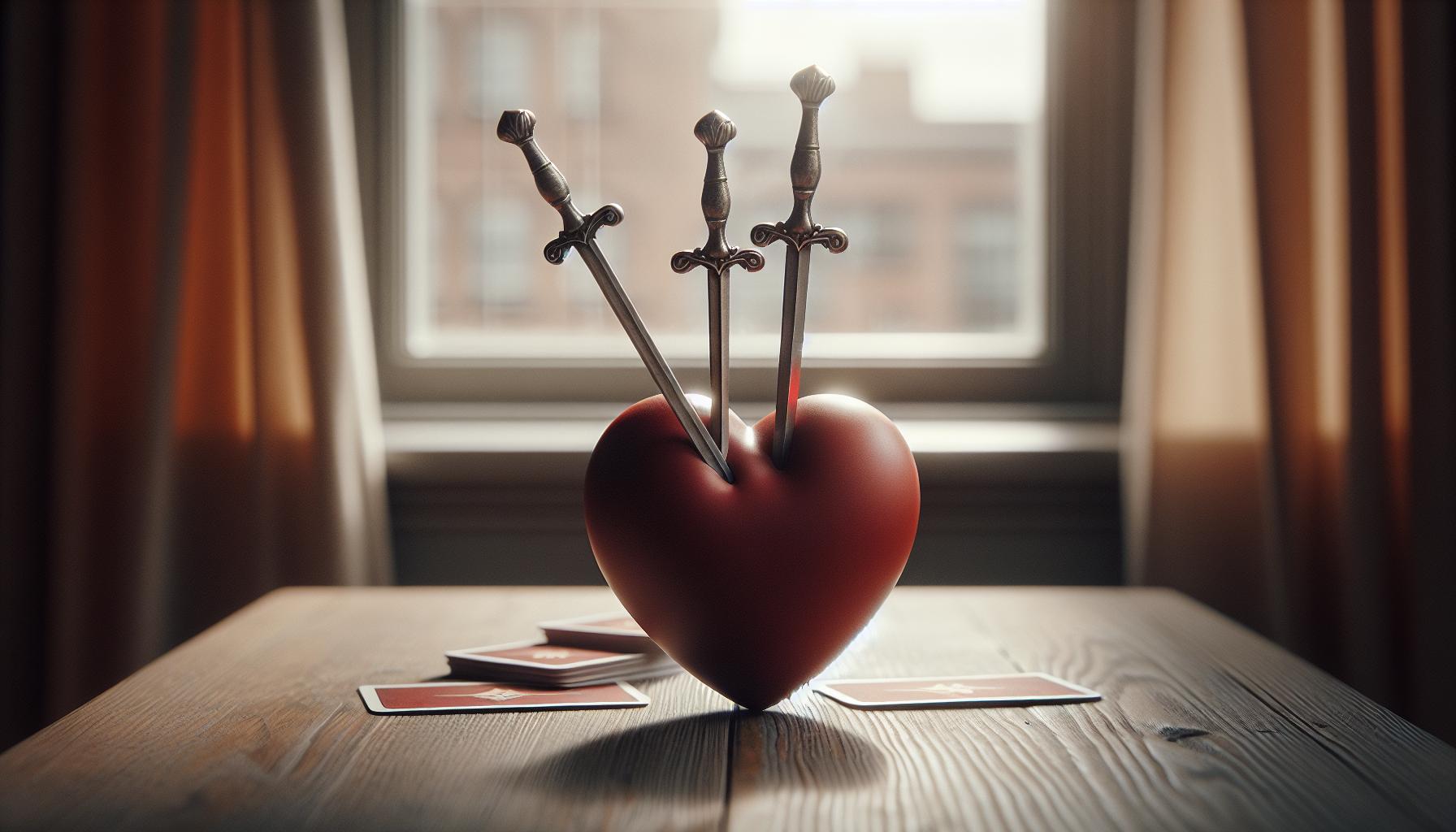
Understanding the Three of Swords in Tarot
The Three of Swords is a card that many approach with wary anticipation, as it often symbolizes heartbreak and emotional turmoil. However, understanding this card within the context of Tarot can reveal profound insights into the nature of pain and healing. The imagery typically features three swords piercing a heart, dramatic and poignant. This stark visual evokes feelings of sorrow, yet it is crucial to recognize that the Three of Swords does not define the end of a story; rather, it marks a significant chapter in one’s personal journey.
When this card appears in a reading, it serves as a powerful reminder that emotional pain is a universal experience. It’s natural to face moments of grief-whether from a relationship ending, loss of a loved one, or betrayal. What makes this card profound is its duality; while it represents heartache, it also offers the potential for insights and growth. In recognizing our emotional wounds, we can engage in the process of healing. The Three of Swords prompts us to reflect: What do we need to learn from this experience? How can we transform our grief into wisdom?
As you navigate the messages of the Three of Swords, consider incorporating reflective practices into your routine. Journaling about your feelings, meditating on your pain, or even exploring creative outlets can help in processing emotions. It’s essential to acknowledge what hurts and allow yourself the grace of healing; this card encourages us to feel deeply and understand the layers of our emotional selves. Remember, it’s in the face of heartbreak that we often find clarity, resilience, and a pathway toward personal transformation. Embrace the journey, knowing that even the sharpest swords can lead to deeper wisdom and renewal.
The Symbolism of the Three of Swords
The imagery of the Three of Swords is striking and often elicits immediate emotional responses. It typically depicts three swords piercing a heart, all set against a backdrop of rain or stormy skies. This powerful symbolism can feel daunting, representing heartbreak, sorrow, and betrayal. However, beneath this raw exterior lies a vital lesson about the complexity of human emotions and the potential for healing. Rather than viewing the Three of Swords solely as a harbinger of pain, it invites us to explore what this heartache can teach us about ourselves and our relationships.
At the heart of the Three of Swords is the theme of heartache as a catalyst for transformation. The swords symbolize thoughts, beliefs, and communication that may lead to emotional distress. This card encourages us to confront painful truths and invites introspection. When we acknowledge our emotional wounds, we open the doors to understanding and healing. It’s through recognizing our pain-whether it be from a broken relationship or a profound loss-that we can begin to heal. Engaging with the swords metaphorically can lead to powerful reflections: What narratives are we telling ourselves about our pain? How can these stories empower us rather than hold us captive?
Moreover, the number three in Tarot is significant. It symbolizes creativity, collaboration, and the synthesis of ideas. In the context of the Three of Swords, it suggests that healing often involves support from others or the need to integrate different facets of our emotional experiences. Seeking connection with friends, family, or a professional can be a vital step toward understanding and overcoming grief. The card’s presence in a reading underscores the importance of community and communication in navigating through sorrow.
Embracing this symbolism can help you move from a place of hurt to one of clarity and renewal. Allow the imagery of the Three of Swords to serve as a reminder that while heartbreak is painful, it is also an opportunity for profound personal growth and understanding. By exploring the depths of our emotions, we can emerge more resilient, enlightened, and connected to ourselves and those around us.
Common Interpretations of Heartbreak in Tarot
Heartbreak, though often painful, can serve as a pivotal moment for personal growth and understanding, especially within the context of the Three of Swords in Tarot. This card is a powerful symbol, depicting not just sorrow but also the potential for transformative healing. When interpreting this card, one must consider it as a dual-edged sword-an indication of emotional distress but also a pathway to clarity.
A common interpretation of the Three of Swords emphasizes the necessity of confronting one’s pain. This card often appears when an individual is grappling with feelings of betrayal, loss, or deep emotional wounds. Instead of shying away from these feelings, the Tarot invites us to sit with them, to analyze what they reveal about our relationships and our inner selves. This reflection can foster a deeper understanding of personal desires and boundaries, enabling us to make empowered choices moving forward.
Moreover, the essence of the Three of Swords teaches us about the impermanence of pain. Each heartache can be viewed as a lesson, suggesting that emotional suffering, while difficult, is a part of the human experience. For instance, it might surface in a reading when someone is finally letting go of a toxic relationship. This process of recognition and release can lead to healing and renewal, making room for healthier connections in the future.
Support and community play a crucial role as well. Engaging with friends, family, or support groups is essential when navigating through the heartache depicted by the Three of Swords. Sharing experiences and listening to others’ stories not only helps validate our feelings but also offers new perspectives that can aid in healing.
In readings, consider the context around the Three of Swords. A spread might reveal underlying patterns or repeated themes, suggesting areas where one has yet to fully heal. Recognizing these can provide clarity and inspire action, guiding one toward paths that embrace emotional well-being over continued suffering. As you explore this card in your readings, remember that heartbreak, while a profound experience, is also a stepping stone towards growth and deeper emotional resilience.
How the Three of Swords Reflects Emotional Pain
The experience of emotional pain can be overwhelming, yet it serves as a crucial aspect of our journey toward healing and self-discovery. When the Three of Swords appears in a reading, it often symbolizes heartache, betrayal, or grief. This card represents the raw emotions we encounter during difficult times, compelling us to acknowledge and confront these feelings instead of burying them deep within. Understanding the layers of pain reflected in the Three of Swords can open paths to healing and personal growth.
In many tarot interpretations, the Three of Swords signifies the necessity of facing our emotional struggles head-on. It serves as a reminder that while it’s natural to want to shield ourselves from pain, true healing begins when we allow ourselves to feel and understand our sorrow. For example, if someone has just experienced a breakup, the appearance of this card might encourage them to reflect on the lessons learned from that relationship. By examining their feelings of heartbreak, they can gain insights into their patterns, desires, and boundaries, ultimately fostering a greater understanding of their needs in future relationships.
It’s essential to recognize that emotional pain is not permanent. Just as seasons change, so do our feelings. The Three of Swords often suggests a transitional phase, hinting that although the hurt is significant now, it is also an opportunity for growth. Each painful experience can teach resilience, self-compassion, and the importance of surrounding ourselves with supportive relationships. Those grappling with grief may find solace in communities or support groups, where shared stories can provide comfort and validation. The act of sharing one’s journey not only aids in processing pain but also emphasizes that they are not alone in their struggles.
When interpreting the Three of Swords in context, it’s helpful to look at surrounding cards in the spread. These additional cards can provide deeper insights into the emotional narrative being conveyed. They may reveal whether the pain is an isolated incident or part of a larger pattern of behavior that needs addressing. This holistic view encourages a proactive approach to healing, allowing individuals to take actionable steps toward overcoming their emotional turmoil. Embracing this process with an open heart prepares the way for renewal and the emergence of healthier, more fulfilling relationships in the future.
Recognizing Healing: The Light Beyond Heartbreak
Experiencing heartbreak is an essential part of being human. When the Three of Swords appears in a tarot reading, it often indicates that you are standing on the precipice of healing but may not fully recognize it yet. The piercing symbolism of this card, often depicted as three swords piercing a heart, can feel overwhelming. However, it also reminds us that through acknowledging our pain, we can begin to mend and grow beyond it.
The journey toward healing requires us to embrace our emotional wounds rather than ignore them. One effective practice is journaling about your feelings. By writing down your thoughts and emotions associated with your heartbreak, you create an opportunity for reflection and understanding. You might also consider vocalizing your emotions through art or poetry, allowing yourself to express what words might not capture. This creative process fosters a deeper connection to your feelings and can encourage catharsis.
Surrounding yourself with supportive individuals-friends, family, or even support groups-can also illuminate the path forward. Sharing your story not only helps normalize your feelings of grief but also strengthens your bonds with others who may have experienced similar pain. Imagine sitting together as others resonate with your journey, validating your emotions and reminding you that you are not alone in this process.
As you navigate through the sorrow depicted by the Three of Swords, remember to acknowledge moments of light, however small they may seem. Engage in self-care practices that nurture your spirit: take leisurely walks, practice mindfulness or meditation, and prioritize activities that bring you joy. Each step you take toward self-compassion is a step away from pain and can help you recognize that healing is not just a destination, but a journey filled with opportunities for personal growth and renewal. Embrace this phase as a transformative opportunity-a chance to learn more about yourself, rebuild your resilience, and ultimately, emerge stronger and wiser.
Different Tarot Spreads Featuring the Three of Swords
When the Three of Swords appears in a reading, it signifies profound emotional challenges, often related to heartbreak or disappointment. To navigate these feelings, tarot spreads can be a powerful tool. They allow you to explore the nuances of your emotional state and the path toward healing. Here are some effective tarot spreads that specifically incorporate the Three of Swords to deepen your understanding of heartbreak and recovery.
1. The Heartbreak Spread
This simple three-card spread is designed to help you dissect the emotional layers of your heartbreak:
- Card 1: What is the root cause of my heartbreak?
- Card 2: How is this heartbreak impacting my life currently?
- Card 3: What steps can I take to begin healing?
For instance, if you draw the Three of Swords as your second card, this may highlight a profound sense of grief or emotional turmoil that is currently affecting your decisions and relationships.
2. The Healing Journey Spread
This five-card spread helps you visualize the healing journey and the emotional landscape that surrounds it:
- Card 1: My current emotional state
- Card 2: What I need to release
- Card 3: What I need to embrace
- Card 4: Guidance from my higher self
- Card 5: Outcome if I follow this guidance
Drawing the Three of Swords as Card 1 may indicate that acknowledging your pain is essential before moving forward. It suggests a need for acceptance as a key part of your healing process.
3. The Emotion Reflection Spread
For those who wish to delve deeper into their emotional responses, this seven-card spread facilitates reflection:
- Card 1: How does my heart feel today?
- Card 2: What past experiences are influencing my current feelings?
- Card 3: What self-care practices can support my healing?
- Card 4: Who can I lean on for support?
- Card 5: What lesson does this heartbreak teach me?
- Card 6: Future insights if I embrace healing
- Card 7: Final guidance for the next steps
If the Three of Swords appears as Card 5, it underscores the lesson of understanding and processing pain-reminding you that heartbreak can lead to important personal growth.
These spreads serve as a guide for interpreting the themes associated with the Three of Swords. Each reading offers a chance to connect with your emotions, channel the pain into wisdom, and support your journey towards healing. By using these spreads, you create a safe space to understand and articulate the complexities of your heartbreak, ultimately fostering personal growth and renewal.
Case Studies: Real Readings with the Three of Swords
The Three of Swords often emerges in tarot readings as a powerful symbol of heartbreak and emotional turmoil. Real-life readings illustrate how this card can bring clarity to painful experiences, guiding individuals through their grief toward healing and growth. Let’s explore some compelling case studies to see how the insights provided by the Three of Swords can lead to profound realizations and paths to recovery.
In one reading, Sarah, a 32-year-old dealing with a recent breakup, turned over the Three of Swords in her three-card spread focused on love and loss. Her first card, representing the past, was the Lovers, which reminded her of the intense connection she once cherished. The Three of Swords, positioned as her present card, brought tears to her eyes. It highlighted her ongoing emotional pain, but also prompted an essential reflection: she began to journal about her feelings and the lessons learned from the relationship. This act of vulnerability and expression allowed her to shift her focus from the heartbreak to personal growth, leading to increased emotional resilience.
Another case involved Mark, a 45-year-old man who experienced significant loss when his mother passed away. In a deeper seven-card reading exploring his grief, he drew the Three of Swords as the card representing his emotional state. The pain depicted by the card reiterated his feelings of sorrow and confusion. However, the spread also included the Star, reminding him of hope and renewal. This juxtaposition helped Mark see that while his grief was profound, it was also a part of a larger healing process. He was encouraged to honor his mother’s memory through acts of love and kindness, making the pain feel more like a guiding force than a burden.
Lastly, in a group workshop, participants engaged in the Healing Journey Spread, where the Three of Swords frequently appeared across various readings. One participant, Lisa, received it as her second card, symbolizing what she needed to release. This prompted a group discussion about communal support. Hearing others share similar stories of heartbreak helped Lisa realize that she wasn’t alone. The collective sharing and understanding acted as a balm for her wounds, illustrating the power of connection in the healing process.
These examples highlight that while the Three of Swords signifies pain, it also serves as an opportunity for deep introspection and healing. Each reading reveals that acknowledging heartbreak can lead to transformative insights, allowing individuals to navigate their emotions with courage and compassion. Embracing these lessons not only fosters personal growth but also builds a supportive community among those who share similar journeys of healing.
Transformative Lessons from Heartbreak in Tarot
Heartbreak, while painful, often serves as a catalyst for profound personal transformation and growth. Within the realm of tarot, the Three of Swords embodies this duality, reminding us that while sorrow is inevitable, it can lead to richer insights and deeper resilience. Recognizing the lessons buried within our grief not only fosters healing but can also illuminate pathways to self-discovery and empowerment.
Embrace Vulnerability
When the Three of Swords appears in a reading, it invites you to confront your feelings without reservation. Viewing vulnerability as strength can lead to breakthroughs in understanding and healing. For example, a client might use this card to explore their pain through journaling, as seen with Sarah. The act of writing allows us to externalize our emotions, making them more manageable and less overwhelming. Vulnerability creates space for reflection, enabling us to derive meaning from heartache.
Reframe Your Narrative
This card often challenges us to shift our perspective on heartbreak from merely suffering to an opportunity for growth. Consider Mark’s experience; recognizing his grief as part of a greater healing journey allowed him to find purpose in his pain. By reframing narratives around loss, we can find ways to honor our experiences while understanding they contribute to our personal evolution. Each painful moment can transform into a lesson, strengthening our emotional fabric.
Connecting with Others
Lastly, the Three of Swords highlights the importance of community during times of grief. In group settings, sharing experiences can create a sense of belonging and understanding. Lisa’s workshop experience illustrated how communal support can act as a balm for emotional wounds. By fostering connections, we validate our emotions and find solace in knowing we are not alone in our struggles.
Through these transformative lessons, the Three of Swords teaches that heartache is part of the human experience, necessary for cultivating resilience, empathy, and deeper connections with ourselves and others. Approach your heartbreak with openness, allowing it to guide you toward healing and transformation.
Navigating Grief: Using Tarot for Emotional Support
It’s often said that pain is an inevitable part of life, yet it’s also a gateway to profound healing and growth. The Three of Swords stands as a powerful reminder of this duality, symbolizing heartbreak while simultaneously illuminating paths to emotional recovery. Using tarot can be a transformative approach to navigating grief, offering not just insights but tools to help you move forward.
Engaging with the Three of Swords in your readings invites you to explore your feelings deeply. Here are practical steps to harness the card’s energy for emotional support:
Reflective Journaling
Journaling offers a safe space to articulate and process your emotions. After drawing the Three of Swords, spend time writing about your experiences related to loss or heartbreak. Ask yourself questions like:
- What specific events or feelings resonate with the imagery of the Three of Swords?
- How do these experiences shape my current beliefs about love and relationships?
- What lessons can I identify within my pain?
This exercise not only fosters expression but can also uncover deeper insights, helping you navigate your emotional landscape.
Creating a Healing Spread
Consider crafting a tarot spread specifically designed for healing from heartbreak. A simple three-card spread could be structured as follows:
- Card 1: What pain am I currently holding?
- Card 2: What do I need to learn from this experience?
- Card 3: What steps can I take to move towards healing?
Once you pull your cards, take time to reflect on their meanings. How do they relate to your current emotional state? This method provides clarity and focuses your journey toward recovery.
Community Connection
The Three of Swords also emphasizes the importance of connection during difficult times. Consider seeking or forming a support group where sharing experiences becomes a collective healing practice. Whether it’s an informal gathering with friends or joining a structured workshop, expressing your journey among empathetic listeners can diminish feelings of isolation and foster a sense of belonging.
By integrating these practices into your life, you can utilize the Three of Swords not just as a symbol of heartache, but as a catalyst for profound emotional healing. Each step you take towards acknowledging your feelings and seeking understanding transforms your grief into a source of strength, resilience, and ultimately, liberation.
The Three of Swords in Context: Love, Loss, and Growth
The Three of Swords serves as a poignant reminder of the complexities of love, loss, and the growth that can stem from them. This card is often associated with heartbreak, symbolizing the pain that comes when relationships falter or when we face significant emotional turmoil. However, within its sorrow lies the potential for transformation and profound understanding. Recognizing this duality can be the first step towards healing and appreciating the lessons that our experiences impart.
To embrace the lessons of the Three of Swords, it’s vital to acknowledge the emotions it stirs. Rather than shying away from feelings of sadness or betrayal, viewing these emotions as teachers can be liberating. For instance, consider journaling about a painful breakup; write down how it felt and what you learned from the relationship. Reflecting on such experiences can illuminate patterns in your love life and help you understand your emotional responses better. Engaging in this process allows you to move from victimhood to empowerment, facilitating growth.
Another approach is to incorporate the Three of Swords into your tarot practice through spreads designed to address the complexities of emotional experiences. A suggested spread might include cards that explore what the heartbreak reveals about your desires, the lessons to be learned from the experience, and how to nurture yourself in the aftermath. Utilizing the card in this way not only promotes self-reflection but also fosters a proactive path toward healing.
Ultimately, the Three of Swords may signify grief, but it equally resonates with hope and resilience. It challenges us to confront our pain, understand its place in our life journey, and find ways to transform that pain into personal growth. By accepting this card as part of your tarot storytelling, you open the door to a deeper understanding of love and loss, setting the foundation for renewed connections and emotional strength in future relationships.
Advanced Insights: Reversals and Shadows of the Three of Swords
The Three of Swords embodies a complex interplay between pain and growth, especially when it appears reversed. When flipped, this card doesn’t merely signify the absence of heartbreak; rather, it invites a deeper introspection into how we’ve dealt with emotional turmoil. Reversals often point to the internalization of pain, manifesting as denial, avoidance, or unhealthy coping mechanisms. If you find this card in a reverse position, it may encourage you to explore what healing truly means for you and identify the barriers you may have constructed against it.
In this context, the reversed Three of Swords can highlight the necessity of addressing unresolved feelings. Ask yourself crucial questions: Are you still carrying emotional baggage from the past? Are you allowing past wounds to cloud your ability to embrace new beginnings? Practicing self-compassion and being gentle with yourself during this explorative phase is essential. A journaling exercise can help-list the emotions linked to your heartbreak and then note any steps you’ve taken to address these feelings. This reflective practice aids in breaking down the barriers that may hinder your emotional growth.
Moreover, shadows of the Three of Swords may reveal the danger of ruminating on old pains without seeking closure or understanding. If the card appears in this state, it might be a sign that you are still caught in a cycle of hurt, which could affect your future relationships. You could benefit from Tarot spreads focusing on forgiveness, self-love, and clarity. One effective spread could involve cards representing your past hurt, your current state, and actionable steps toward healing. This encourages proactive engagement with your pain, helping you understand what you’ve learned and how you can apply those lessons moving forward.
Recognizing the nuances of the Three of Swords in its reversed state is a powerful tool for transformation. Rather than seeing it purely as a card of sorrow, it can illuminate the path towards healing and emotional resilience. Embrace its lessons by allowing yourself to spend time addressing your grief, acknowledging its role in your development. It’s through this engagement that you can navigate beyond heartbreak, crafting a narrative of hope and renewal.
Practical Tips for Embracing Healing Through Tarot
Healing is a journey, and the Three of Swords card serves as a poignant reminder that through heartbreak, we can uncover profound lessons about ourselves. If you’re navigating through emotional pain or seeking to transform your grief into growth, using tarot can be a powerful tool for reflection and healing. Here are some practical tips to help you embrace the healing process through your tarot practice.
Start by creating a safe and inviting space for your readings. Settle in a calm environment where you can focus without distractions. Light a candle or burn some incense to enhance the atmosphere. Having a dedicated healing space helps signal to your mind that you are entering a period of reflection and self-care. Begin your session by grounding yourself. Take a few deep breaths, focusing on your intention for the reading. You might state out loud, “I seek to understand my pain and uncover paths to healing.”
One effective way to engage with the Three of Swords is through targeted tarot spreads. A simple yet insightful three-card spread could be designed as follows:
- Card 1: Identify the source of your heartbreak.
- Card 2: Understand your current emotional landscape.
- Card 3: Explore steps you can take toward healing.
Reflect on each card’s imagery and meanings. Allow your intuition to guide you to any connections between the cards and your feelings. Take notes after your reading; journaling your insights can deepen your understanding and allow you to track your emotional progress over time.
As you work with the Three of Swords, use affirmations to reframe your experience. Each time you draw this card, affirm your ability to heal and grow. For example, you might say, “I acknowledge my pain, and I choose to learn from it.” This practice of affirmations can create a shift in perspective, helping you see heartbreak not as an end but as a transformative opportunity.
Lastly, don’t shy away from involving other healing modalities. Complement your tarot readings with mindfulness practices or creative expression like writing or art. Engage in activities that allow you to process your emotions further. Remember, the tarot is a supportive ally; it doesn’t dictate your fate but rather illuminates pathways to understanding and healing. By embracing this diverse approach, you can unlock the deeper meanings of the Three of Swords, turning heartbreak into a narrative of resilience and growth.
Faq
Q: What is the significance of the Three of Swords in Tarot readings?
A: The Three of Swords signifies emotional pain and heartbreak, often linked to loss or betrayal. It serves as a reminder that while pain is a part of life, it also opens the path to healing and growth. To navigate this energy, consider reflecting on your emotions through journaling or meditation.
Q: How does the Three of Swords represent healing after heartbreak?
A: The Three of Swords not only highlights heartbreak but also points toward healing. It encourages acceptance of your pain, allowing for emotional growth and resilience. Engage with supportive practices like connecting with friends or seeking guidance from Tarot for insight into your healing journey.
Q: Can the Three of Swords have a positive interpretation in Tarot spreads?
A: Yes, despite its painful connotations, the Three of Swords can illustrate the transformative aspect of grief. It can symbolize an awakening to deeper truths within yourself, prompting personal development. When interpreting this card positively, focus on the lessons learned from adversity.
Q: When should I draw the Three of Swords in a Tarot reading?
A: Draw the Three of Swords when reflecting on emotional challenges, relationship issues, or the need for healing. Its appearance may prompt you to confront uncomfortable truths, guiding you toward necessary emotional work and helping you clear the path for future happiness.
Q: What other Tarot cards are commonly associated with the Three of Swords?
A: The Three of Swords is often associated with cards like the Ten of Swords, representing betrayal and endings, and the Six of Swords, symbolizing moving on and healing. These cards can provide a fuller context during readings focused on emotional pain and recovery.
Q: How can I use the Three of Swords for personal growth in my Tarot practice?
A: Utilize the Three of Swords as a tool for personal growth by journaling about your feelings when it appears. Reflect on how each heartbreak has shaped you, noting lessons learned and ways you can move forward. Incorporating these insights in future readings helps harness your emotional intelligence.
Q: What are common myths about the Three of Swords in Tarot?
A: A common myth is that the Three of Swords only represents loss and sadness. In reality, it also emphasizes the importance of vulnerability and the potential for healing. Use this card to challenge misconceptions, illustrating how pain can lead to profound self-discovery and strength.
Q: How can I prepare for a Tarot reading involving the Three of Swords?
A: Before a reading featuring the Three of Swords, center yourself through grounding techniques, such as deep breathing or meditation. Approach the reading with an open heart, ready to explore any difficult emotions that arise. Understanding this card will enhance your intuitive insight and clarity during the session.
Insights and Conclusions
As you reflect on the poignant lessons of the Three of Swords, remember that heartbreak is a vital part of healing and growth. Embrace the clarity this card brings, recognizing it as a pathway to understanding your emotions more deeply. If you’re seeking further insights, explore our guides on Tarot spreads or the Emotional Healing Cards to empower your journey toward renewal.
Don’t let your curiosity stop here-dive into more Tarot meanings or try our free three-card reading for personalized guidance on your current challenges. Your transformation awaits! Join our community newsletter for tips and inspiration, and feel free to share your experiences or questions in the comments below. Your voice matters, and together we can navigate the mysteries of Tarot and life.
Get our latest guides, news, and insights highlighted in your Google Search & AI Overviews.