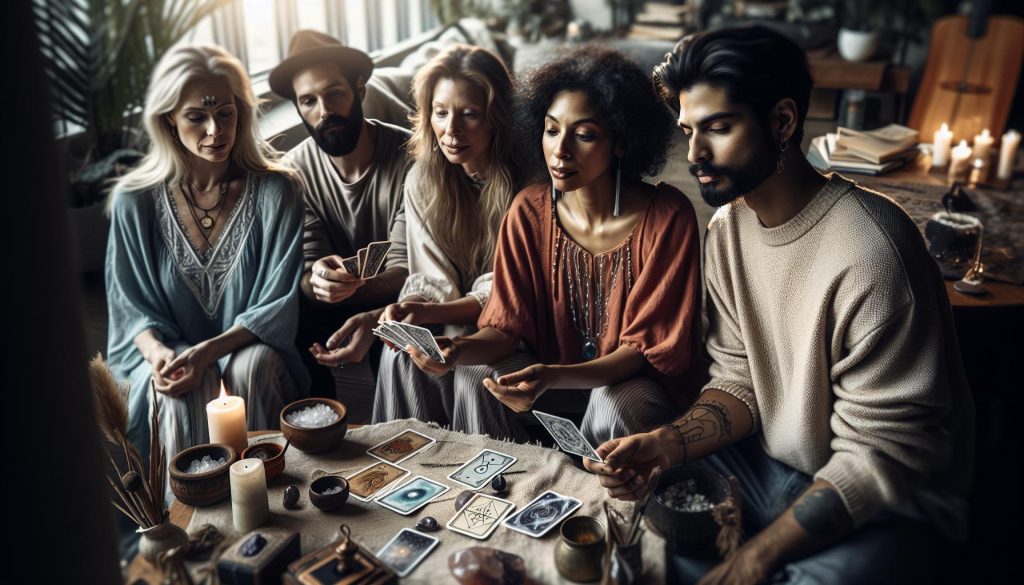
Tarot card readings have intrigued and inspired people for centuries, serving as a powerful tool for self-reflection and guidance. Whether you’re facing a tough decision or seeking clarity in your relationships, many find comfort in the messages conveyed through the cards. But what is it about tarot that fosters such trust and belief?
In our increasingly complex world, individuals often turn to tarot for insight and reassurance, tapping into their intuition while exploring deeper truths. This practice can empower us to navigate life’s uncertainties with confidence. Join us as we delve into the reasons why so many people trust tarot readings, explore their transformative impact, and uncover how they might help you find the answers you seek. The journey might surprise you, leading to newfound understandings and connections within yourself.
Understanding Tarot: What It Is and How It Works

Tarot is much more than a deck of cards; it serves as a powerful tool for self-reflection and insight, often revealing hidden truths about ourselves and our lives. At its core, tarot acts as a mirror, reflecting not just potential future outcomes but also our inner thoughts and feelings. When we engage with tarot, we enter into a dialogue with our intuition, helping us explore complex questions and uncertainties. The cards can ignite our imagination and push us to confront issues we may not wish to face, providing clarity and perspective.
The process of tarot reading typically begins with a question or intention-this focus guides the interpretation of the cards drawn. Each card in a tarot deck depicts rich symbolism and intricate meanings, ranging from personal growth to relationship dynamics. For example, drawing the Tower card might signal unexpected upheaval but can also be an invitation to reassess what truly matters. Acknowledging these subtleties encourages readers to understand their current circumstances and navigate their paths more consciously.
Many people trust tarot for various reasons-some appreciate the ritual involved in the practice, while others find comfort in external guidance during uncertain times. This trust often stems from personal experiences where tarot readings have resonated with their situations, making them feel seen and understood. Furthermore, an open-minded approach to tarot fosters a supportive space for exploring one’s feelings, desires, and fears without judgment.
Ultimately, whether one approaches tarot with skepticism or curiosity, it offers a unique lens through which to examine life’s complexities. With practice and an open heart, anyone can gain valuable insights through this ancient art, reinforcing the belief that the power to shape our destiny lies within us.
The History of Tarot: From Ancient Roots to Modern Mysticism
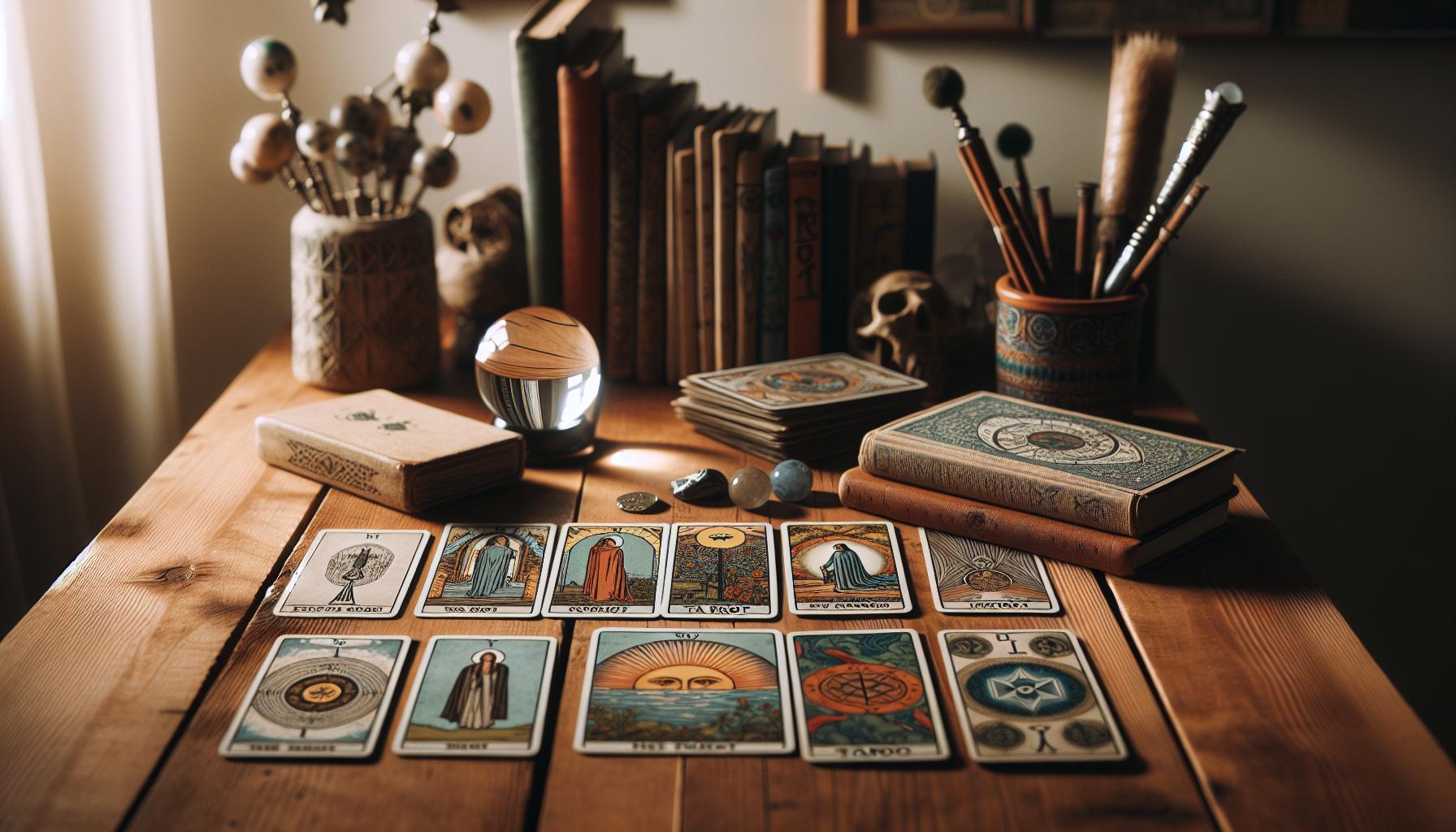
The origins of tarot are as rich and varied as the symbols found within its cards. While many enthusiasts today may conjure visions of mystical fortune-telling, the earliest tarot decks emerged in the 15th century in Europe as playing cards. These early decks, known as tarocchi, were typically used for games rather than divination. They featured intricate artwork and were often commissioned by nobility, reflecting the wealthy cultural fabric of Renaissance Italy.
As time progressed, tarot transitioned from mere entertainment to a tool for divination, heavily influenced by esoteric traditions and spiritual practices. This shift began in the late 18th century when mystics like Antoine Court de Gébelin and later, the famous occultist Éliphas Lévi, began to explore the deeper meanings of tarot. They associated each card with ancient wisdom, numerology, and astrology, positioning the tarot as a window into the subconscious and a guide for self-discovery. This fusion of card reading with mysticism sparked a rise in popularity, leading to the development of specific tarot meanings and the establishment of standardized card interpretations that are still used today.
The embrace of tarot in modern spirituality reflects a blend of skepticism and belief-where some see a mere psychological tool for reflection, others perceive it as a genuine connection to the metaphysical. People trust tarot card readings for various reasons: it provides clarity during confusion, offers guidance when facing difficult choices, and acts as a safe space for personal exploration. Many individuals find solace in the act of questioning their circumstances, seeking a deeper understanding of their lives through the lens of tarot.
To approach tarot with an open mind can be transformative. Each reading presents both a mirror and a map; it reflects our personal truths while guiding us towards future possibilities. It’s essential to recognize that the effectiveness of tarot comes not from the cards themselves but from the insights gained during the reading process. By acknowledging this rich history and the philosophical underpinnings of tarot, readers can better appreciate its place in contemporary life, making space for both skepticism and wonder in their exploration of this age-old practice.
Why People Trust Tarot: Psychology Behind the Belief
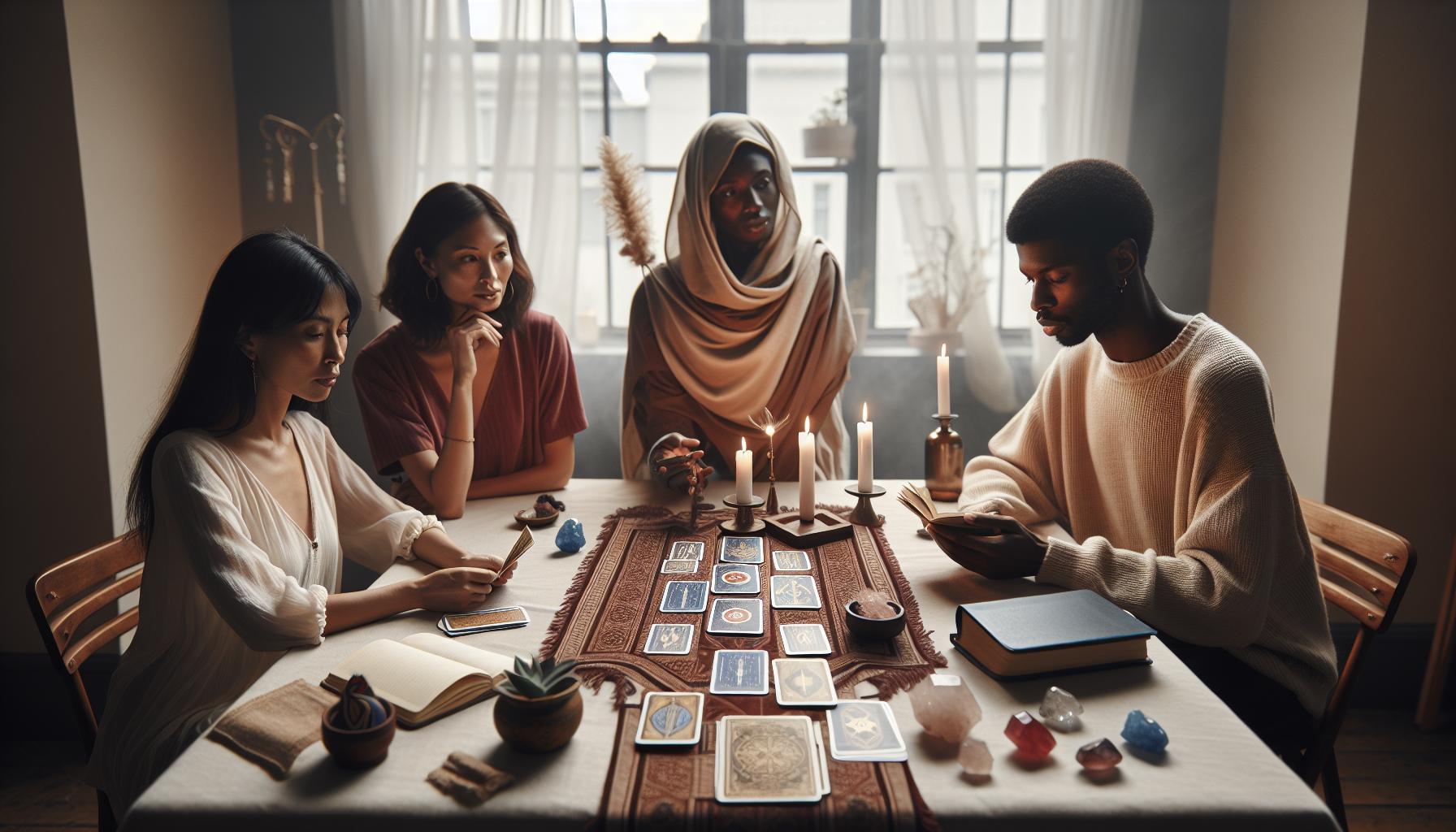
People often find themselves drawn to tarot readings during times of uncertainty or emotional unrest. The psychological appeal of tarot is rooted in its ability to provide clarity and perspective, transforming confusion into actionable insights. When individuals seek guidance through tarot, they engage in a process that encourages self-reflection and introspection. This self-exploratory aspect can offer a sense of empowerment, enabling participants to better understand their thoughts and feelings, and ultimately guiding them toward more constructive decisions.
One significant factor behind trusting tarot lies in the connection it fosters between the reader and the seeker. A skilled tarot reader acts as a mirror-reflecting the seeker’s emotions, desires, and fears back to them. This relational dynamic, combined with the symbolism of the cards, can resonate deeply with personal experiences. For example, drawing the Two of Cups might evoke thoughts about a relationship needing attention, prompting the individual to evaluate their romantic life more critically. Thus, tarot not only reveals insights but also invites seekers to engage with their own intuition and emotional truth.
Another layer of trust stems from the ritualistic nature of tarot reading. Many people find comfort in the structured process of shuffling the cards and laying them out in a specific spread. This ritual acts as a psychological anchor, grounding them amidst chaotic circumstances. By participating in such a tradition, individuals often report feelings of reassurance and release; they are actively doing something to address their worries. Additionally, the symbols in tarot can depict universal themes of life, encouraging seekers to feel connected to a larger human experience rather than feeling isolated in their struggles.
Moreover, tarot often serves as a safe space for exploration. It invites inquisitiveness without judgment, allowing individuals to voice concerns and aspirations they may hesitate to share elsewhere. Through tarot, they can articulate feelings and thoughts, fostering a sense of agency over their narratives. Even skeptics can appreciate this therapeutic aspect, recognizing that the conversations sparked by tarot readings can facilitate deeper understanding and personal growth.
As you navigate your own tarot journey, embrace the process without fear. Each card drawn is an invitation to introspection, offering insights that resonate uniquely with your life. Remember, the key to effective tarot reading lies in your openness to the experience and your willingness to listen to your inner voice, as the cards encourage you to do. Ultimately, trusting in tarot’s potential is about fostering a dialogue between yourself and your intuition, opening pathways to clarity and deeper understanding.
Debunking Myths: Common Misconceptions About Tarot
Misconceptions about tarot often stem from a lack of understanding about its purpose and practice. One prevalent myth is that tarot readings are entirely about predicting the future in a concrete way. In reality, tarot serves more as a tool for introspection and personal growth rather than a crystal ball. The cards illustrate potential outcomes based on current circumstances, choices, and energies. This aspect of tarot encourages individuals to consider their own agency in shaping their future, rather than simply waiting for it to unfold.
Another common belief is that tarot reading requires a special gift or supernatural ability exclusive to certain people. In truth, anyone can learn to read tarot. It’s about developing your intuition and understanding the symbolism of the cards. Beginners can start with a simple deck, learn the meanings of major and minor arcana cards, and gradually practice readings. The key is to approach it with an open heart and a willingness to explore.
Some also perceive tarot as inherently negative or linked to dark forces, which creates fear and resistance to engaging with it. In contrast, tarot is a mirror reflecting your thoughts, feelings, and situations, presenting them in an accessible way. It can illuminate positive paths, reinforce personal strengths, and highlight areas needing attention. The experience can be affirming and empowering rather than foreboding.
Moreover, skeptics often dismiss tarot as mere coincidence or trickery. While the interpretation may seem vague or general, many find that the insights received during a reading resonate profoundly with their personal experiences. It’s important to recognize that tarot is not about crystal-clear predictions but about fostering a dialogue with your deeper self. This connection can reveal underlying truths and inspire real change in one’s life.
Ultimately, breaking down these myths can open the door to a richer understanding of tarot’s role as a tool for growth and reflection. Whether you approach it as a skeptic or a believer, embracing the tarot’s insights can enhance your self-awareness and guide you on your path. Remember, the power lies not just in the cards themselves but in how you choose to interpret and apply their messages in your life.
Types of Tarot Decks: Which One Is Right for You?
Choosing the right tarot deck is a deeply personal journey that can enhance your connection to the cards and your intuitive abilities. With countless decks available, ranging from traditional to modern interpretations, each offers a unique approach to tarot reading. A well-chosen deck can resonate with your own aesthetic and spiritual preferences, making the practice more fulfilling and accessible.
Exploring Different Deck Types
When selecting a deck, consider the two main types: traditional tarot and themed or artistic decks. Traditional tarot decks, like the Rider-Waite-Smith or Thoth, are rich in symbolism and widely used. They feature the standard 78 cards divided into the Major and Minor Arcana, making them a great choice for beginners. These decks offer clear imagery that embodies each card’s meaning, which can guide new readers through their first interpretations.
On the other hand, themed decks allow for a personal touch. For example, you might find decks inspired by mythology, nature, or even pop culture. The Wild Unknown Tarot emphasizes a nature-centric aesthetic, while the Cosmic Tarot integrates astrology and cosmic themes. The key is to choose a deck that resonates with your personal beliefs and interests, making each reading feel more authentic and grounded.
Beginner to Advanced: Decks for Every Level
For those just starting, it’s beneficial to select a deck with straightforward imagery and accompanying guidebooks. The Light Seer’s Tarot and Dreaming Way Tarot are excellent options that provide visual cues along with modern interpretations. As you gain confidence, you might venture into decks with more complex symbolism that requires deeper reflection.
Advanced readers often appreciate decks like Tarot of the Abyss, which utilize unique art styles and profound themes. These decks encourage a nuanced understanding of tarot that can lead to transformative readings. Regardless of your level, always trust your intuition-choose the deck that speaks to you on a personal level.
Building Your Tarot Practice
Once you’ve selected your deck, the journey doesn’t end there. Engage with your cards regularly-meditate with them, conduct daily draws, or practice simple spreads to strengthen your connection. Each card has its own story and energy, inviting you to explore its significance in your life.
As you become more comfortable, consider the emotional tone of the deck. Some decks evoke warmth and positivity, while others may present a more somber or serious aspect of life. Your choice can greatly influence the energy of your readings, helping you find balance between optimism and realism.
Remember, tarot is about exploration and personal growth. Whether you’re a skeptic or a believer, taking the time to find the right deck will open doors to new insights and deeper connections with your own intuition. Trust yourself and enjoy the magical journey ahead!
How to Read Tarot Cards: A Beginner’s Guide
Understanding tarot reading can be both exhilarating and daunting for beginners. The first step is to approach it with an open heart and mind, allowing your intuition to guide you. A good starting point is to familiarize yourself with the structure of a tarot deck, which typically consists of 78 cards divided into the Major and Minor Arcana. Each card holds unique meanings and offers insights into different aspects of life.
To begin reading tarot cards, follow these simple steps:
- Create a Comfortable Space: Find a quiet and comfortable area where you can focus without distractions. This sets the stage for a relaxed and intuitive reading.
- Shuffle the Cards: Take a moment to shuffle your deck while thinking about the question or situation you want guidance on. This not only mixes the cards but also infuses your personal energy into them.
- Choose a Spread: Selecting a tarot spread is crucial. For beginners, a simple three-card spread can be very revealing. These cards often represent the past, present, and future, providing a clear narrative to your inquiry.
- Interpret the Cards: After laying out your cards, look at their imagery and meanings. For instance, if you draw the Two of Cups, it may signify partnership or balance in relationships. Take note of your initial feelings and thoughts about each card, as these insights are significant.
- Trust Your Intuition: While traditional meanings are helpful, your personal interpretations and feelings greatly enhance the reading. Reflect on how the cards relate to your life and the specific question at hand.
- Record Your Readings: Keeping a journal of your readings allows you to track patterns and deepen your understanding of the cards over time.
A real-life example might involve asking the cards for guidance on a work situation using the three-card spread. If you draw the Ace of Pentacles (opportunity), The Tower (sudden change), and The Chariot (determination), you might interpret this as a significant opportunity arising that could lead to a shake-up in your current status but ultimately requires your drive and ambition to navigate successfully.
By taking these steps, you cultivate a practice that not only enhances your understanding of tarot but also builds your confidence in your intuitive abilities. Remember, whether you’re skeptical or a believer, tarot reading can serve as a valuable tool for self-reflection and guidance. Enjoy the journey of discovery!
Popular Tarot Spreads: Choosing the Right Layout
Selecting the right tarot spread can significantly enhance your reading experience, transforming a simple card draw into a profound exploration of your questions and concerns. Each tarot spread serves a unique purpose, guiding you through different layers of insight. Popular spreads range from the intuitive one-card draw to the comprehensive Celtic Cross, each offering distinct advantages depending on your level of experience and the depth of inquiry you seek to explore.
Simple Spreads for Beginners
For those new to tarot, starting with straightforward spreads can help you gain confidence and clarity. One of the most commonly used beginner spreads is the Three-Card Spread. This layout provides a clear narrative arc, allowing you to delve into your query through the lenses of the past, present, and future. To use it effectively:
- Past: This card reveals influences and experiences that have shaped your current situation.
- Present: This card reflects your current situation or challenge.
- Future: This card offers insight into potential outcomes or directions based on your current path.
For example, if you’re contemplating a major life decision, drawing the Two of Pentacles (which signifies balance and adaptability) in the present position may suggest the need for managing various aspects of your life carefully.
Intermediate Suggestions
As you grow in confidence, you might explore more complex layouts like the Four Card Spread. This structure can help you investigate various dimensions of a situation, such as your feelings, thoughts, external influences, and actions to take. The distinct positions facilitate a rounded understanding, merging both personal and external perspectives:
- What you feel: Your emotional response to the situation.
- What you think: Your intellectual perspective or reasoning.
- What is external: Influences or conditions beyond your control.
- What to do: Suggested actions or next steps.
This spread enhances self-reflection and encourages a balanced view, leading to insightful conclusions.
Advanced Spreads for Depth
For those more experienced, the Celtic Cross is a classic and comprehensive spread that can provide deep insights into complex questions. It consists of ten cards positioned to explore not just the current issue but also underlying factors, hopes, fears, and the likely outcome. Each position in the spread has a specific meaning, creating a detailed map of your situation:
| Position | Meaning |
|---|---|
| 1 | The Present Situation |
| 2 | Challenges |
| 3 | Past Influences |
| 4 | Future Influences |
| 5 | Your Goals |
| 6 | Your Near Future |
| 7 | How You See Yourself |
| 8 | External Influences |
| 9 | Hopes and Fears |
| 10 | Outcome |
Engaging with the Celtic Cross can be illuminating, as it encompasses various aspects of your life. As you work with these spreads, remember to trust your intuition and personal experiences. Tarot is ultimately a journey of self-discovery, and each card you draw can lead to profound revelations, whether you’re a curious skeptic or a seasoned believer. Enjoy the exploratory process, and let the cards guide your reflection!
Interpreting Tarot Cards: Tips for Accurate Readings
Approaching the world of tarot can feel overwhelming, especially when you consider the myriad interpretations that can arise from a single card. Yet, the beauty of tarot lies in its ability to offer meaningful insights tailored to your unique circumstances. For those looking to delve into accurate readings, understanding the nuances of card interpretation is essential. Here are some practical tips to enhance your tarot reading experience.
Connecting with Your Cards
Before you even draw a card, take a moment to center yourself. Breathe deeply and set a clear intention for your reading. This focus will guide your interpretation and help you connect more authentically with the energies of the cards. When you draw your cards, allow your intuition to lead the way. The imagery and symbolism within each card can resonate differently with you; trust those feelings. For instance, seeing the Queen of Cups might evoke a sense of nurturing or emotional depth that feels relevant in your current life scenario.
Utilizing Reversals Wisely
One aspect of tarot reading that can complicate interpretations is using reversed cards. While some readers choose to avoid reversals, they can provide valuable insights if you’re comfortable with the concept. For beginners, it might help to consider reversed cards as signifying blockages or alternative perspectives. For example, the Three of Swords reversed can indicate healing from heartbreak-an important shift that speaks to overcoming past pain rather than remaining in despair.
Contextual Awareness
A card’s meaning can shift dramatically depending on the question asked and the surrounding cards in the spread. Always consider the context of your inquiry when interpreting cards. If you draw the Emperor in a career reading, it could symbolize authority, leadership, or control. Yet, in a relationship spread, it might hint at domineering behavior or the need for structure. This flexibility in meaning reflects the tarot’s richness; every reading is a dynamic dialogue between your intuition and the cards.
Reflect and Record
After each reading, take time to reflect on the insights gained. Journaling your thoughts can be incredibly beneficial for understanding patterns over time. Write down the cards drawn, their positions, and your interpretations. Over weeks and months, you may notice trends in your readings that reveal deeper truths about your life. This practice not only solidifies your intuitive understanding but also fosters a personal connection to your tarot cards.
Embrace the learning curve as you explore tarot interpretations. Every reading is an opportunity for growth, reflection, and deeper self-understanding. Whether you’re a curious skeptic or a devoted believer, remember that tarot is a tool for empowerment and insight; it’s here to support your journey.
Exploring Symbolism: The Meaning of Each Card
Understanding the symbolism behind each tarot card is a gateway to unlocking profound insights about your life. Each card in a tarot deck is rich with imagery, colors, and archetypes that convey specific meanings, making them valuable tools for introspection and guidance. Whether you are a beginner or a seasoned reader, connecting with the symbols allows you to tap into the deeper messages the cards offer, fostering a rewarding experience in your tarot journey.
The Major Arcana: Life Lessons and Spiritual Growth
The Major Arcana consists of 22 cards that represent significant life themes and lessons. For instance, the Fool symbolizes new beginnings and the courage to embark on adventures, while the Death card often signifies transformation and the end of a significant life phase rather than literal endings. Engaging with these symbols can prompt you to reflect on your own life transitions and growth areas. Embrace the nuances: the Wheel of Fortune teaches about the cycles of life, encouraging acceptance of both ups and downs.
The Minor Arcana: Daily Insights
The Minor Arcana, composed of four suits-Cups, Pentacles, Swords, and Wands-focuses on day-to-day aspects and emotions. Each suit embodies distinct energy and themes. Cups deal with emotions and relationships, while Swords represent thoughts, conflict, and decision-making. For example, drawing the Three of Cups might evoke celebration and community, prompting you to cherish friendships. Conversely, the Five of Swords might indicate conflict or defeat, serving as a reminder to reassess how you handle disagreements.
Practical Steps for Interpretation
When interpreting cards, start by observing their symbolism. Consider these steps to deepen your understanding:
- Notice Colors and Imagery: Reflect on how the colors and symbols resonate with your emotional state. For instance, a card filled with warm colors may evoke comfort, while cooler tones might instill a sense of calm or detachment.
- Context Matters: Always factor in the question you’re exploring. A card may have different meanings based on your current situation; for example, the Empress may signify fertility in a health reading but represent abundance in a career context.
- Journal Your Insights: Keep a tarot journal to record your thoughts on card meanings and personal associations. This practice helps reveal patterns and deepen your connection with the cards over time.
Embrace the magic of tarot by allowing its symbolism to resonate with your personal experiences. Remember, while each card holds traditional meanings, your intuition and life context will shape their ultimate significance, making every reading a unique journey into self-discovery and wisdom.
The Role of Intuition in Tarot Readings
Engaging with tarot goes beyond the cards’ symbolic meanings; it deeply intertwines with your intuition. This innate sense acts as a compass during readings, guiding you toward interpretations that resonate with your personal experience. Many tarot practitioners-seasoned and newcomers alike-find that their initial interpretations often evolve as they allow their gut feelings to play a role. Trusting your intuitive insights can lead to profound moments of clarity and connection, transforming a surface-level reading into a meaningful exploration of your life.
Begin by grounding yourself in the present. Before you even shuffle the deck, take a moment to breathe deeply and focus on your question or concern. This practice heightens your awareness and opens you to the subtle messages from the cards. When you draw a card, notice what feelings or thoughts arise instantly-these initial reactions can be as insightful as the traditional interpretations. For instance, if you pull the Three of Wands and feel excitement about future opportunities, that emotional response might be even more telling than the card’s standard meanings.
As you grow more comfortable using your intuition, try a simple exercise to enhance your connection with the cards. After pulling a card, spend a few moments writing down your immediate impressions before consulting any guidebooks. This act can help you discern patterns in your intuitive responses over time. You might notice that certain cards trigger specific feelings or insights for you, aiding in more personalized interpretations.
Understanding that intuition is a skill to cultivate rather than a gift you’re born with can also alleviate some pressure. Like any ability, it grows stronger with practice and self-reflection. Keep an open dialogue with your intuition; ask questions, and be curious about the responses you receive. Encourage conversations with fellow tarot enthusiasts, share experiences, and learn from each other. This communal aspect not only enriches your understanding but also fosters a supportive environment where skepticism is welcomed along with belief.
Remember, there is no singular “right” way to interpret the cards-your intuition combined with your understanding of the cards’ meanings creates a unique experience that can offer valuable insights. By trusting your instincts, you invite a personal touch to your tarot journey, making each reading an exploration of both the cards and yourself. Embrace this magical interplay, and you’ll find that tarot becomes not just a tool for divination, but a mirror reflecting your inner wisdom.
Turning Skeptics into Believers: Real Experiences with Tarot
There are countless stories of individuals who approached tarot with skepticism, only to find themselves transformed by their experiences. One common thread among these narratives is the personal connection that people forge with the cards. For instance, a young woman named Sarah initially dismissed tarot as mere superstition. However, after a friend encouraged her to try a reading during a tough time, she was astonished by how the cards mirrored her life circumstances and emotions. The reader pulled the Two of Swords, which symbolized decisions and indecision. This resonated with Sarah’s internal struggles surrounding her career. The reading opened her eyes to the possibility that tarot was more than entertainment; it became a tool for introspection and decision-making, allowing her to explore her feelings and choices more deeply.
Many skeptics also find that their doubts fade away when confronted with the uncanny accuracy of a reading. A business professional named Michael was curious yet dubious. After seeking clarity about a job transition, he participated in a simple three-card spread. The first card represented past influences and revealed The Tower, signifying upheaval. The poignant imagery captured his recent experience of organizational changes at work. The next card, The Chariot, highlighted the need for determination and control, reflecting his current mindset and ambition for a better position. This direct correlation between the cards and his reality convinced him to explore tarot further, urging him to utilize the insights to navigate his career more thoughtfully.
Embracing a hands-on approach can also help skeptics find value in tarot. Start with a personal question or situation you want to explore. Set a calm atmosphere, shuffle your deck, and draw a single card or a simple spread. Reflect on the card’s imagery and symbols-how do they connect to your current emotions or circumstances? This practice can foster a sense of empowerment and curiosity, gradually transforming skepticism into belief.
Ultimately, what many skeptics discover is that tarot serves as a mirror, reflecting their inner landscape and offering guidance when faced with uncertainty. By approaching the cards with an open mind and heart, anyone can engage in a process that encourages self-exploration and personal growth, paving the way for a deeper understanding of themselves and the world around them.
Incorporating Tarot into Daily Life: Practical Applications
Incorporating tarot into your daily routine can be a transformative experience, offering insights that empower you to navigate your life with greater clarity and confidence. Many find that limiting their tarot use to occasional readings overlooks the potential for the cards to serve as a consistent source of guidance, reflection, and even meditation. Whether you’re a seasoned reader or just starting, daily practices can ground your spiritual journey and provide a gentle nudge towards self-discovery.
One effective method is to set aside a few quiet moments each morning to draw a single card. This practice not only allows you to connect with your deck but also sets the tone for your day. As you reflect on the card’s imagery and traditional meanings, consider how it relates to your current circumstances or feelings. For example, drawing the Page of Cups might inspire you to approach the day with creativity and an open heart, encouraging you to express your emotions freely. Keep a journal to record your daily card reflections; over time, you’ll begin to see patterns and insights emerge, helping deepen your understanding of your personal narrative.
Using Tarot for Decision-Making
Tarot can also serve as a powerful tool when faced with important decisions. When you’re at a crossroads, consider using a simple three-card spread to explore your options. Begin by clearly formulating your question, such as “What should I prioritize this week?”
- First Card: Represents the current situation and influences.
- Second Card: Identifies potential obstacles or challenges.
- Third Card: Offers guidance on the best course of action.
For instance, if you draw The Lovers for your current situation, your choices may revolve around relationships or partnerships. If the second card is The Devil, it might signify temptations or unhealthy attachments that you need to confront. Finally, if you draw The Star, this suggests that optimism and hope should guide your decisions moving forward. By examining the cards together, you’ll craft a clearer picture that can inform your choices.
Creating a Ritual
Incorporating tarot into a broader spiritual practice can enhance its effects. Many practitioners find value in combining tarot readings with rituals, such as lighting a candle, burning sage, or meditating. Each of these practices can create a sacred space, making your tarot experience more intentional and profound. Consider choosing a card that resonates with your goals for the month or a specific intention you want to set-this practice can be particularly grounding during moments of doubt.
Ultimately, the more you integrate tarot into your daily life, the more you will discover its potential as a dynamic tool for introspection and growth. Embrace the journey with openness and curiosity, and trust that the cards can guide you on your path, no matter where you stand on your spiritual journey.
Frequently asked questions
Q: What are the benefits of Tarot card readings?
A: Tarot card readings offer insights and clarity on personal issues. They help individuals explore their emotions, gain guidance on decisions, and enhance self-awareness. Many find that Tarot fosters a sense of empowerment by illuminating potential paths and outcomes, making it a valuable tool for personal growth.
Q: How do people choose a Tarot reader?
A: People typically choose a Tarot reader based on recommendations, online reviews, or personal connection. It’s essential to find someone who resonates with you and has a style that matches your needs-whether that’s a focus on intuition or traditional interpretations. A good rapport can enhance the reading experience.
Q: Can Tarot readings really predict the future?
A: Tarot readings are not so much about predicting the future as they are about offering guidance and insights into potential outcomes based on current circumstances. They empower individuals to make informed choices and recognize that the future is shaped by present actions and decisions.
Q: Why do some people trust Tarot despite skepticism?
A: Many people trust Tarot due to its ability to provide profound personal insights and emotional validation. The psychological aspects of Tarot, like enhanced self-reflection and intuition, help individuals process complex situations, fostering a belief that the cards hold meaningful messages relevant to their lives.
Q: How can I prepare for a Tarot reading?
A: To prepare for a Tarot reading, it’s advisable to reflect on your questions or concerns ahead of time. Bring an open mind and a willingness to explore various interpretations. Consider what areas of your life need clarity, and don’t hesitate to express your intentions to the reader for a more tailored experience.
Q: What should I expect during my first Tarot reading?
A: In your first Tarot reading, expect a welcoming environment where the reader will guide you through the cards drawn. You’ll discuss your questions or concerns, and the reader will explain the meanings of the cards and how they relate to your situation, aiding in your understanding and reflection.
Q: How can I incorporate Tarot into my daily life?
A: You can incorporate Tarot into your daily life by doing daily card pulls to set intentions or reflect on your day. This practice enhances your understanding of life’s ebb and flow and helps focus your energy on areas that need attention. Regular journaling about your readings can deepen your insights.
Q: Is there a right or wrong way to interpret Tarot cards?
A: There isn’t a universally “right” or “wrong” way to interpret Tarot cards. The interpretations often depend on context, intuition, and personal experience. It’s crucial to trust your instincts and understand that different readers may have varied approaches, allowing for a rich tapestry of meanings inherent in each card.
Insights and Conclusions
As we explore the intriguing world of tarot card readings, it’s clear that many find comfort and clarity in these mystical tools. Whether you’re a believer or just curious, remember that tarot offers insights that can resonate deeply, guiding you through life’s many questions. If you’re eager to dive deeper, check out our article on the meanings of the four tarot suits, where you can learn how Cups, Wands, Swords, and Pentacles each play a role in your reading [[1]].
Feeling inspired? You might want to try a 3-card tarot reading for immediate insights into your career or daily energies-you’ll be surprised how much guidance a simple spread can offer [[2]] [[3]]. Don’t hesitate to share your thoughts, experiences, or questions in the comments below; we love hearing from you!
Explore the mystical world of tarot further, embrace your intuition, and uncover the magic waiting for you. Remember, the journey into tarot is not just about seeking answers-it’s about discovering yourself. Join our community, sign up for our newsletter, and let’s navigate this enchanting path together!
Get our latest guides, news, and insights highlighted in your Google Search & AI Overviews.