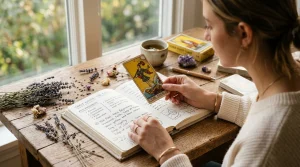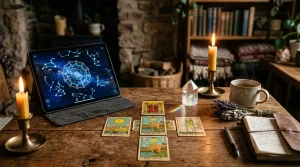
Have you ever felt a pull toward the mysteries of Tarot, wondering how these 78 cards could guide you through life’s twists and turns? Learning Tarot is not just about interpreting symbols; it’s about tapping into your intuition and gaining insights that enhance your emotional and spiritual journey. This guide, “How to Learn Tarot: Fast Track to Reading Mastery,” is designed for everyone-from the curious beginner to the aspiring expert.
As you embark on this exploration, you’ll discover that Tarot readings can illuminate your path, clarify your thoughts, and empower your choices. Each card tells a story, and with the right approach, you’ll learn not just to read them, but to connect with them deeply. Together, we’ll demystify the process through clear, step-by-step instructions and relatable examples, making it accessible to skeptics and believers alike. Join me on this transformative journey and unlock the powerful wisdom of Tarot, enriching both your life and the lives of those around you.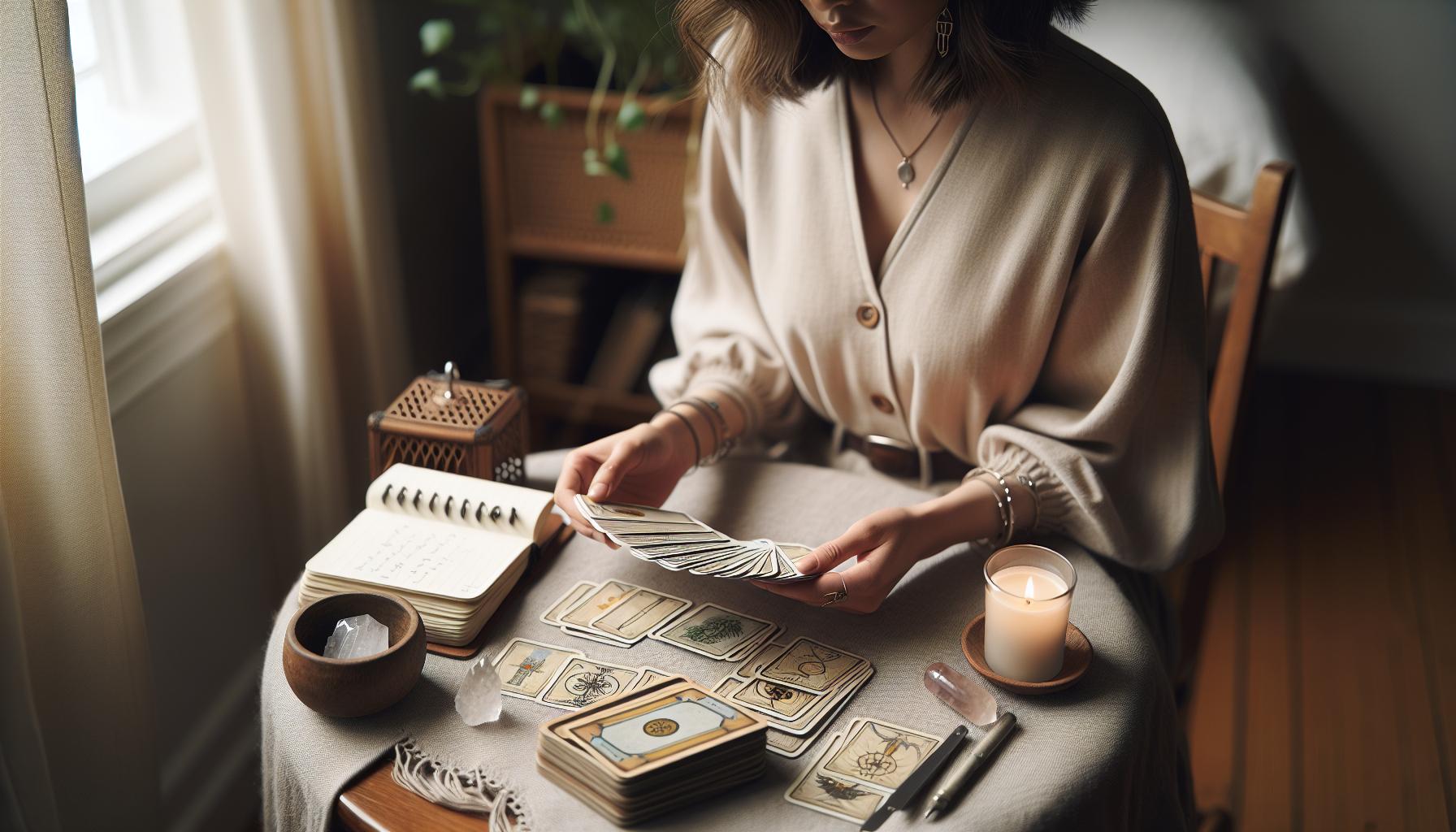
How Tarot Works: Understanding the Basics
Understanding how tarot works is essential for anyone looking to incorporate this powerful tool into their personal practice. At its core, tarot is a means of tapping into your intuition and the collective unconscious. Each card in the tarot deck is rich with symbolism and meaning, helping you explore your thoughts, feelings, and life situations in a deeply reflective manner. As you shuffle and lay out the cards, you’re not just engaging with physical objects; you’re inviting insights from within, creating a unique narrative that resonates with your current journey.
A typical tarot deck consists of 78 cards divided into two main sections: the Major Arcana and the Minor Arcana. The Major Arcana cards, such as The Fool, The Tower, and The World, represent significant life themes and deep spiritual lessons. In contrast, the Minor Arcana delves into the day-to-day aspects of life, categorized into four suits: Cups, Wands, Swords, and Pentacles. Each suit corresponds to different areas of life; for example, Cups often signify emotions and relationships, while Swords relate to thoughts and challenges. By understanding the overarching themes within these categories, you can begin to interpret experiences reflected in the cards.
The act of reading tarot is both an art and a skill that develops over time. Start by focusing on one card at a time. Ask yourself open-ended questions about what the imagery, colors, and symbols evoke for you personally. For instance, if you draw the Three of Cups, think about its potential meanings related to friendship, celebration, or community in your life. Combining your reflections with traditional meanings enriches your readings and connects you more intimately with the cards’ energies.
Different tarot spreads serve different purposes, aiding in various facets of inquiry. For beginners, the three-card spread is a powerful way to explore a situation by examining past influences, present circumstances, and future possibilities. As you gain confidence, you can experiment with more complex spreads, such as the Celtic Cross, which offers a more comprehensive view of a life situation. Remember, there’s no right or wrong way to interpret the cards-trust in your intuition, and allow your readings to guide you toward understanding yourself better.
Choosing the Right Tarot Deck for You
Choosing the perfect tarot deck is not just about aesthetics; it’s about finding a tool that resonates with your spirit and intuition. The right deck can enhance your readings, encourage your growth, and deepen your connection to the cards. With countless styles, themes, and interpretations available today, it’s essential to approach this decision with both thoughtfulness and excitement.
When considering a tarot deck, start by reflecting on your personal interests. Do you feel more drawn to traditional imagery, such as the Rider-Waite-Smith deck, known for its clarity and iconic symbolism? Or do you gravitate towards contemporary themes, like the Wild Unknown Tarot, which features beautiful illustrations and a more abstract approach? Explore different options and notice which imagery speaks to you most deeply.
It’s also helpful to physically handle the decks. If possible, visit a bookstore or metaphysical shop to see the cards in person. Pay attention to how the cards feel in your hands-do they inspire you, or do they feel foreign? A deck should invoke a sense of comfort and connection. Once you find a deck that resonates, spend some time getting to know it. Shuffle the cards, draw a few at random, and see how their meanings align with your life experiences.
Don’t overlook the importance of the accompanying guidebook. Some decks come with detailed books that delve into the meanings of each card, offering insight and context that can enrich your readings. Others may have a more minimalist approach, expecting you to rely on your intuitive interpretations. Consider what level of guidance you prefer as a beginner or as you progress in your tarot journey.
Finally, remember that many readers develop multiple decks over time. Each deck can offer unique perspectives and insights, allowing you to expand your understanding of the tarot. Whether you choose a single deck or a collection, trust that your intuition will guide you toward the right tools to foster your journey into the rich and rewarding world of tarot reading.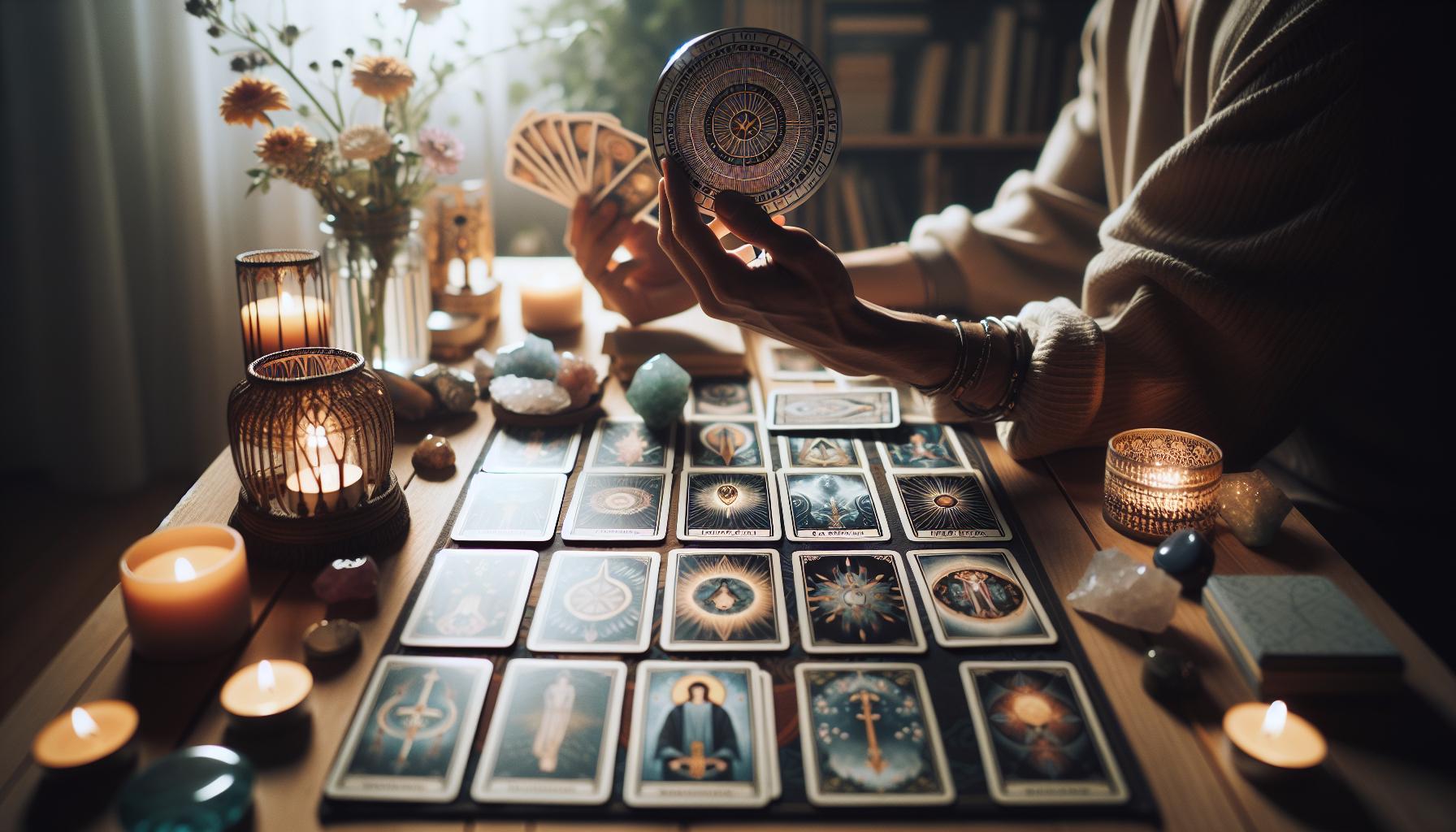
Essential Tarot Card Meanings to Master
Understanding the essential meanings of tarot cards is crucial for anyone looking to deepen their tarot reading skills. Each card is imbued with symbolism that opens the door to insights about your life and the world around you. Among the 78 cards, there are fundamental meanings that every reader should master to establish a solid foundation in their practice. These core definitions serve as building blocks, helping you decipher complex spreads and navigate the nuances of intuition.
Core Cards to Know
To get started, focus on the Major Arcana, which consists of 22 cards that represent significant life themes and lessons. For example:
- The Fool: New beginnings, adventure, and spontaneity. This card encourages you to embrace the unknown.
- The Lovers: Relationships, choices, and harmony. It often signifies a deep connection with another person or a choice to be made.
- The Death Card: Transformation and endings. It symbolizes the end of a cycle, making way for new beginnings, rather than a literal death.
Next, familiarize yourself with the Minor Arcana, which reflects day-to-day events and choices. This set is divided into four suits: Cups, Pentacles, Swords, and Wands-each associated with specific aspects of life.
Practice with Real Readings
A practical approach to mastering these meanings involves applying them in real readings. When you draw a card, take a moment to feel its energy and consider its basic meaning. For example, if you pull the Seven of Cups, this card typically signifies choices, dreams, and illusions. Reflect on how this may pertain to decisions in your life-could it pertain to an overwhelming number of options you’re facing? Engage with the imagery, ask yourself questions, and relate the card to your personal experiences.
Building Intuitive Connections
To deepen your understanding, start journaling your insights. Create a section in your tarot journal for each card where you note its meanings, any intuitive feelings it evokes, and installation of context from your daily life. This not only reinforces your memory but also builds a personal relationship with each card. As you grow, your interpretations can evolve, reflecting your life’s journey and deepening your intuitive practice.
Mastering these essential tarot card meanings is the first step on your path to reading mastery. Trust in your process, and remember that patience and practice will amplify your confidence and skill. Whether you’re reading for yourself or others, these foundational understandings will guide you in unlocking the deeper messages that tarot has to offer.
Reading Tarot: Key Techniques for Beginners
Reading tarot can feel like stepping into a mystical world, but it doesn’t have to be daunting. The key to becoming a confident reader is to embrace practical techniques that simplify the process and resonate with your natural intuition. Whether you’re curious about your own path or seeking guidance for others, starting with solid methods will elevate your tarot practice.
One of the best techniques for beginners is to establish a sacred space for each reading. This doesn’t have to be elaborate-a quiet, comfortable area where you won’t be interrupted is sufficient. Consider lighting a candle or using essential oils to create a calming atmosphere. Once settled, take a few deep breaths to clear your mind and focus your intention. This mindfulness allows the cards to speak more clearly to you.
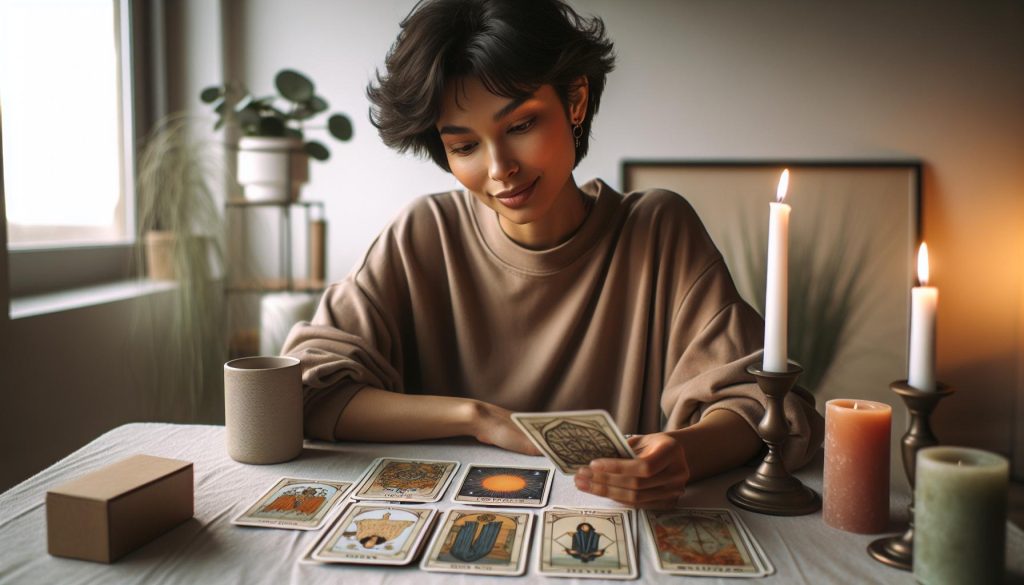
When you begin to draw cards, it’s helpful to think of a specific question or theme to focus on. This could be anything from love and relationships to career decisions. After you shuffle and cut the deck, pull three cards. Use the first card to represent the past influences on your question, the second to signify the present situation, and the third to indicate potential outcomes or advice. This simple three-card spread can reveal a lot and is a fantastic starting point for developing your interpretative skills.
Engaging with the imagery of each card is crucial. As you lay them out, take a moment to observe their colors, symbols, and feelings they evoke in you. Ask open-ended questions like, “What is this card trying to tell me about my situation?” or “How can I apply this insight to my life?” This practice not only enhances your intuitive connections but also personalizes each reading, making the messages more relevant to your life.
Finally, keep a tarot journal where you document your readings, card interpretations, and any insights gained. Reflecting on your experiences over time will help you see patterns and deepen your understanding of the cards. Remember, the more you interact with the tarot, whether through readings for yourself or others, the more naturally the wisdom will flow. Trust in your journey, and allow the cards to guide you along the way.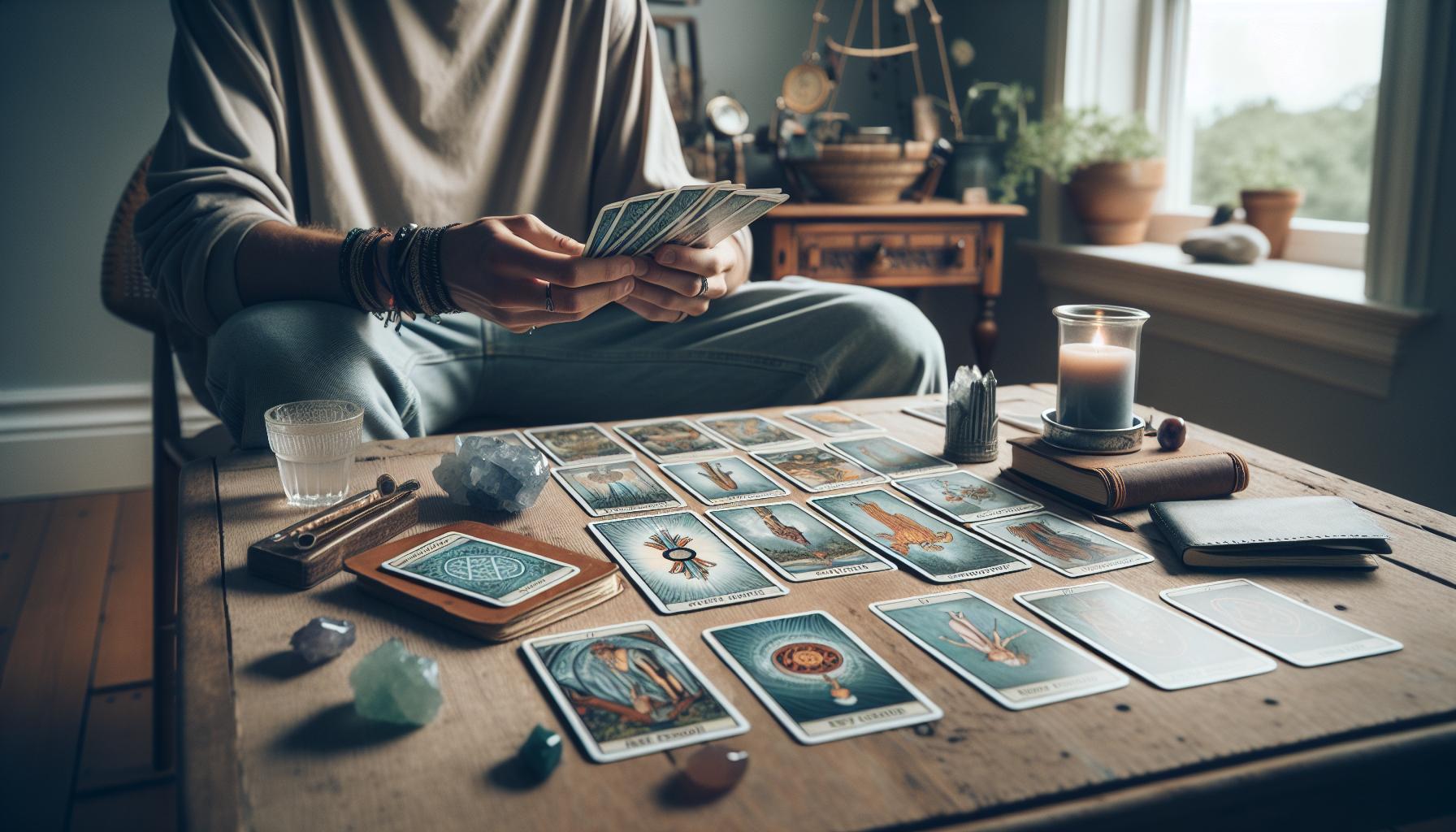
Interpreting Major and Minor Arcana Cards
Understanding the distinction between Major and Minor Arcana cards is essential for any tarot enthusiast looking to deepen their readings. The Major Arcana represents significant life themes and transformations, while the Minor Arcana delves into everyday experiences and challenges. Each card serves as a window into your inner world and the circumstances surrounding you.
Major Arcana Cards
Major Arcana cards are numbered from 0 to 21 and symbolize profound influencers in our lives, such as the Fool, the Magician, and the World. Their presence in a reading suggests pivotal life events or internal shifts. For instance, pulling the Tower card can indicate surprising changes or upheaval, urging you to embrace transformation despite initial discomfort. When interpreting these cards, consider the context of your question-each card carries potent advice or warnings that resonate deeply with our life path.
Minor Arcana Cards
Minor Arcana cards are divided into four suits: Cups, Pentacles, Swords, and Wands, each relating to different aspects of life. For example:
- Cups deal with emotions and relationships.
- Pentacles focus on material aspects and finances.
- Swords represent thoughts, challenges, and communication.
- Wands embody creativity, action, and inspiration.
Each suit has numbered cards (1-10) and face cards (Page, Knight, Queen, King). If you draw the Three of Swords, for instance, it might reveal emotional struggles or heartache, inviting careful reflection and healing. When analyzing Minor Arcana cards, think about their numerical significance and suit associations, as they provide insight into less monumental but equally important situations in your life.
Combining both Major and Minor Arcana readings enhances the depth of your interpretations. A spread that includes both can highlight how everyday situations are influenced by larger life themes. For example, if you pull a Major Arcana card alongside a Minor one, it might indicate how a personal transformation (Major) is affecting your relationships or work life (Minor).
As you practice interpreting these cards, pay attention to your initial responses to their imagery and messages. Journal about your findings and reflect on how they apply to your life. With time and experience, you’ll develop a unique relationship with each card, building confidence in your tarot journey. Let your intuition guide you, for even the most experienced readers learn something new with every pull.
Exploring Popular Tarot Spreads and Their Purposes
Tarot spreads are essential tools that help you structure your readings and channel the insights of the cards more effectively. Different spreads can shed light on various aspects of your life, whether it’s about decision-making, relationships, or personal growth. Each spread serves a unique purpose and addresses specific questions, making it easier for both beginners and seasoned readers to dive into their tarot practice.
One of the most popular spreads is the Three-Card Spread. This simple yet versatile layout can represent the past, present, and future regarding any situation. For instance, if you ask about a relationship, the first card might reveal past influences, the second your current feelings or status, and the third your future potential. It’s an excellent way for beginner readers to get comfortable interpreting multiple cards in relation to each other without feeling overwhelmed.
For more complex inquiries, the Celtic Cross Spread is widely used among experienced tarot practitioners. It consists of ten cards that explore a broad spectrum of influences and outcomes surrounding a central question. Each card has its specific position-like your current situation, challenges, and potential outcomes. This in-depth layout can provide rich insights, making it particularly valuable for deep dive readings.
If you are looking to assess your day-to-day life or current energy, the Daily Draw is a straightforward and effective approach. Simply pull one card each morning to set an intention or receive guidance for the day ahead. Over time, this practice not only enhances your familiarity with the cards but also builds a deeper connection with your intuition.
As you explore these spreads, remember to tune into your feelings and thoughts as you interpret the cards. Let each spread guide you, igniting your intuition and helping you unfold the layers of your inner landscape. Ultimately, the best spread is one that feels right for your question and reading style-trust your instincts, and don’t hesitate to create your layouts as you grow more confident in your abilities.
Enhancing Your Intuition through Tarot Practices
Enhancing your intuitive abilities through tarot is both a transformative and enriching experience. By tapping into the symbolism of the cards and your personal insights, you can unlock deeper connections to your inner self and the energies around you. A vital first step is to establish a consistent practice that makes room for reflection and connection. This will help you become more attuned to your intuition and the messages offered by the tarot.
One effective way to heighten your intuition is through daily card draws. By pulling a card each morning, you set an intention for the day. Take a moment to journal about your interpretations and feelings related to that card. This could be as simple as noting how its energy manifests in your daily encounters. Over time, you’ll notice patterns and deepen your understanding of how specific cards relate to your experiences.
Additionally, engaging in guided meditation with your tarot deck can significantly enhance your intuitive skills. Begin by selecting a card that resonates with you. Close your eyes, breathe deeply, and visualize the imagery of the card. Allow thoughts and feelings to arise naturally. What emotions does it evoke? How does it relate to your life? This meditative practice cultivates a relationship with the imagery and meanings of the cards, making them more than mere symbols; they become personal guides.
Finally, consider practicing readings with friends or family, which fosters a collaborative learning environment. As you share interpretations, listen to their insights, and offer feedback, you expand your own understanding of the cards. Each person’s perspective can provide you with diverse interpretations, enhancing your ability to tap into intuitive knowledge.
By incorporating these practices into your tarot routine, you’ll create a supportive framework that nurtures your intuition. Remember, intuition is a skill that can be honed with patience and practice-trust in your journey and enjoy the profound insights that tarot can reveal.
Common Mistakes New Readers Make and How to Avoid Them
New readers often approach Tarot with a blend of excitement and trepidation, making common mistakes that can lead to confusion or frustration. One prevalent error is relying too heavily on standardized meanings found in guidebooks without considering personal intuition. While these resources are valuable for understanding the foundational concepts, each reader brings unique perspectives and experiences to their interpretations. Embrace your intuition by journaling your insights and feelings related to each card. This practice helps to create a personal connection and reinforces your understanding beyond the written definitions.
Another frequent pitfall is reading too many cards at once, which can overwhelm beginners. Starting small is key. Focus on a single card or a simple three-card spread exploring the past, present, and future. This approach can provide clear insights without the clutter of too many variables, allowing you to develop confidence in your interpretations. As you grow more comfortable, you can gradually explore more complex spreads.
Additionally, many new readers tend to disregard the importance of context in their readings. Tarot cards should not be viewed in isolation but rather as part of a narrative woven through the reading. Consider the question or situation at hand and how each card relates to it. For example, if you’re reading about a career decision and draw the Eight of Pentacles, reflect on how its themes of diligence and craftsmanship pertain to your work life. Realizing the interconnectedness of the cards helps you construct a more cohesive and relevant reading.
Lastly, it’s vital to cultivate a relaxed mindset when reading. A rushed or anxious approach can cloud your intuition and lead to misinterpretations. Before beginning a reading, take a few deep breaths, center yourself, and perhaps even set an intention for the session. This practice fosters a calm space for insights to emerge naturally.
By actively avoiding these common mistakes, you can create a more effective and enriching Tarot practice. Allow your intuitive voice to flourish, engage deeply with each card, and remember that learning Tarot is a journey filled with personal discovery and growth.
Advanced Tarot Techniques: Beyond the Basics
In the realm of tarot, the journey from novice to adept reader is not merely about memorizing card meanings or following laid-out spreads; it’s an invitation to deepen your understanding and mastery of this rich, intuitive art. As you expand your practice beyond the basics, you’ll find that incorporating advanced techniques can transform your readings into profound experiences of insight and connection.
Deepening Your Intuition
One of the most powerful ways to enhance your tarot practice is by cultivating a deeper connection with your intuition. Try meditative practices that involve drawing a single card each day. Spend time contemplating its imagery, emotions, and messages without relying solely on traditional interpretations. Write in a tarot journal, noting any personal symbols or thoughts that arise. This practice not only develops your intuition but also creates a personalized lexicon of meanings that resonates with your unique experiences.
Layered Card Interpretations
Advanced readers often employ layered interpretations, where multiple facets of each card are explored. Consider a card’s position in the spread, its elemental association (Fire, Water, Air, Earth), and its relation to neighboring cards. For example, if the Two of Cups appears alongside the Death card in a relationship spread, you could interpret this as a transformative partnership that requires letting go of old patterns. This method encourages a more nuanced and comprehensive understanding of each reading, allowing for richer insights.
Incorporating Numerology and Astrology
Another layer of depth can be added through numerology and astrology. Each card not only has its inherent meaning but is also influenced by its number or astrological association. For instance, the strength of the number Seven (the Chariot) can indicate spiritual journeys, while the zodiac influences (like the Tower’s connection to Mars) can provide context for exploring conflict or upheaval. Learning to weave these elements into your readings will enhance the information gleaned from the cards.
Experimenting with Spreads
While common spreads like the Celtic Cross serve as great foundations, exploring or creating your own unique spreads can propel your readings to a new level. Consider designing a spread that addresses your specific life questions or circumstances, such as a spread focusing on personal growth, career changes, or emotional healing. Tailoring your spreads allows you to dig deeper into the areas of your life that matter most, providing clarity that is both personal and impactful.
By integrating these advanced techniques into your practice, you empower yourself as a reader and become more adept at deciphering the complex messages of the tarot. Remember, the journey is as important as the destination, and each reading brings you closer to mastering your intuitive voice. Embrace the magic and mystery of tarot; it is a tool for profound personal exploration and growth.
Tarot for Self-Reflection: Using Tarot as a Tool for Growth
Using tarot as a tool for self-reflection can open doors to profound personal growth, helping you navigate the complexities of life with clarity and insight. Each card in the tarot deck serves not only as a reflection of archetypal themes but also as a mirror for your own thoughts, emotions, and experiences. When you engage with the tarot this way, you are not merely seeking answers; you are embarking on a journey of self-discovery that can illuminate hidden aspects of your psyche and guide your personal evolution.
One effective method for using tarot in self-reflection is through daily draws. At the start of each day, pull a single card and take a moment to contemplate its imagery and meaning. Ask yourself how this card relates to your current emotional state or what lessons it may impart for the day ahead. Consider journaling your thoughts about the card and observing how its influence manifests throughout your day. For example, if you draw The Hermit, it may encourage you to seek solitude and introspection, prompting you to carve out time for yourself to reflect on your goals and desires.
Another enriching practice is to design a spread specifically aimed at self-reflection. A simple three-card spread can effectively address the past, present, and future concerning a specific issue. This approach allows you to visually see how past experiences shape your current situation and what potential outcomes you could work towards. Lay the cards out in a row, noting how each card interrelates. If the past card is the Five of Cups, it may indicate unresolved grief that needs attention, while the present card, the Ace of Wands, could suggest the spark of new beginnings. The future card might reveal an opportunity for growth, represented by the Empress, suggesting nurturing and creativity as your path forward.
Finally, integrating affirmations with your readings can amplify their impact. After interpreting your cards, formulate an affirmation that resonates with their messages. If your spread highlights themes of self-acceptance and healing, you might affirm, “I embrace my journey and welcome growth.” Reciting affirmations like this strengthens your commitment to personal growth and helps solidify the insights gained from your tarot practice into actionable steps.
By approaching tarot as a tool for self-reflection, you cultivate not only a deeper understanding of the cards but also a much richer relationship with yourself. Embrace the transformative power of tarot; it invites you to explore your inner landscape and supports you as you navigate the path of personal development.
How to Read Tarot for Others: Building Confidence
When it comes to reading tarot for others, confidence is your best ally. Many budding readers hesitate to share their insights, fearing judgment or uncertainty about their interpretations. Yet, the truth is that tarot is as much about connection and intuition as it is about the cards themselves. Start by understanding the purpose of your reading. Is it to provide guidance, clarity, or comfort? By grounding yourself in the intention behind the reading, you can approach the session with more assurance.
To build confidence, begin with familiar spreads that serve clear purposes. The three-card spread is a fantastic starting point, allowing you to explore a past, present, and future narrative in a straightforward format. This method helps streamline your thoughts and invites a clearer dialogue with your querent. As you lay down the cards, take a moment to observe their imagery and associations; let your instincts inform your interpretation. For instance, if the past card is the Three of Swords, it might suggest recent heartbreak that your client is working through, while the present card, the Sun, gleams with positivity, indicating a new chapter is beginning. This narrative flow helps both the reader and the querent see the bigger picture and fosters mutual trust in the reading.
Practice is essential. Consider hosting reading gatherings with friends or fellow tarot enthusiasts where you can read for each other in a supportive environment. For each reading, encourage feedback. Ask your friends how your insights resonated with them. Such interactions not only improve your skills but also normalize the experience of reading for others, transforming it into an enjoyable practice rather than a daunting task. Remember, everyone has a unique perspective, and what may seem unclear to you could hold significant meaning for the person receiving the reading.
Lastly, embrace your individuality. Your life experiences shape how you interpret the tarot, bringing a unique voice to your readings. Acknowledge any nervousness as a natural part of the process, and remind yourself that the cards can be a guide, not an absolute authority. As you gain experience, your confidence will naturally grow, making each reading a richer experience for both you and your querent.
Integrating Tarot into Daily Life: Tips and Rituals
Integrating tarot into your daily life can transform not just how you read the cards, but how you navigate your own journey. By making tarot a part of your everyday routine, you can enhance your intuition, cultivate mindfulness, and gain insights that deepen your understanding of yourself. Here are some practical tips and rituals to weave tarot seamlessly into your life.
Start Your Day with Intention
Begin each morning by drawing a single card from your deck. This simple practice provides guidance and sets a thematic focus for your day. Take a moment to reflect on the card’s imagery and meaning, asking yourself how it might influence your interactions or decisions. For example, pulling the *Ace of Cups* may encourage you to embrace new emotional experiences or connections. Write a few notes in a journal about your thoughts regarding the card; this not only reinforces the day’s intention but also helps track your progress over time.
Create a Weekly Ritual
Set aside a specific day each week for a deeper tarot session. This could involve a larger spread, such as a weekly forecast, where you lay out cards to represent different areas of your life, such as love, career, and personal growth. For instance, with a three-card spread focusing on these aspects, you might pull the *Three of Pentacles* for career, indicating collaboration and team efforts will be beneficial that week. Use this time to reflect on your goals and how each card relates to your current circumstances.
Incorporate Meditation and Reflection
Pair meditative practices with your tarot readings to enhance your intuition. After a reading, spend a few moments in silence, allowing thoughts and feelings to settle. Consider journaling about your experiences and insights from the cards. You could also visualize how the energy of the cards plays out in your life. This mindful approach deepens the connection you have with your readings and allows for greater clarity in your interpretations.
Connect with Nature and Your Deck
Take your tarot deck outside for a change of scenery and energy. Choose a calm spot where you can connect with nature; perhaps lay your cards on the grass or a rock. This practice not only refreshes your perspective but allows the natural world to influence your readings. As you shuffle your deck, think about the elements around you and how they mirror the energies of the cards. This strengthens your intuitive bond with both the tarot and the environment.
By incorporating these rituals into your daily life, tarot becomes a living, breathing practice rather than a standalone activity. Remember, the goal is to create a space where you can easily access the insights tarot offers, empowering you to become the architect of your own narrative. Each card drawn is a opportunity for reflection and growth – welcome them into your daily routine, and watch how they can illuminate your path.
Q&A
Q: What are the best resources for learning Tarot?
A: The best resources for learning Tarot include books, online courses, and video tutorials. Seek reputable authors like Rachel Pollack or Arthur Edward Waite, and explore platforms like Udemy or YouTube for visual guides. Engaging with a community through forums or local Tarot groups can also enhance your learning experience.
Q: How long does it take to become good at reading Tarot?
A: The timeline to become proficient at reading Tarot varies; most beginners start feeling comfortable after 3-6 months with consistent practice. Regularly reading for yourself and others, and engaging in study can significantly accelerate your learning. Remember, mastering Tarot is an ongoing journey.
Q: Can I read Tarot for myself, or should I read for others first?
A: You can absolutely read Tarot for yourself! In fact, self-reading is a great way to build confidence and deepen your understanding. Start with simple spreads for personal reflection. Over time, transition to reading for others to enhance your skills and gain diverse perspectives.
Q: Why is it important to memorize Tarot card meanings?
A: Memorizing Tarot card meanings is crucial as it builds a solid foundation for effective readings. Understanding each card’s symbolism allows you to interpret their combinations and themes in a reading, enhancing accuracy and insight. Consider creating flashcards or using apps to reinforce your memory.
Q: How do I interpret a Tarot card in a reading?
A: To interpret a Tarot card, first consider its position in the spread and the question at hand. Reflect on its symbolism, colors, and associated meanings. Use your intuition to connect the card’s message to the querent’s situation, combining analytical thought with your personal insights for deeper understanding.
Q: What are the most common Tarot spreads for beginners?
A: Some of the most common Tarot spreads for beginners include the Three-Card Spread (Past, Present, Future), the Celtic Cross, and the One-Card Pull. These spreads are simple yet effective, allowing you to gain insights with varying complexity while you build your foundational skills.
Q: How can I enhance my intuition while reading Tarot?
A: Enhancing your intuition while reading Tarot involves regular practice, meditation, and journaling your readings. Spend time in quiet reflection before a reading to attune yourself. Trust your instincts and feelings towards the cards, as they can guide your interpretations.
Q: Is it necessary to follow a strict ritual for Tarot readings?
A: No, it is not strictly necessary to follow a ritual for Tarot readings. However, establishing a personal ritual can help create a focused, sacred space for your practice. This might include cleansing your cards, lighting candles, or setting intentions, which can enhance the clarity and energy of your readings.
To Wrap It Up
As you embark on your journey to mastering Tarot, remember that each card holds a story, and every reading is an opportunity for personal insight and growth. Take what you’ve learned in “How to Learn Tarot: Fast Track to Reading Mastery” and apply it-practice regularly to deepen your intuition and enhance your connection with the cards. If you’re eager to continue exploring, check out our comprehensive Tarot Card Definitions and engage with our interactive forum where you can share your readings and ask questions.
Don’t miss your chance to enhance your skills further! Sign up for our newsletter for exclusive tips and resources, and visit our blog for enlightening articles that will inspire your Tarot journey. Whether you’re starting out or refining your abilities, the world of Tarot is rich with wisdom waiting for you. Dive deeper today, and let your intuition guide you!
Get our latest guides, news, and insights highlighted in your Google Search & AI Overviews.