Have you ever been curious about the insights hidden in the tarot cards? Whether you’re seeking guidance for personal growth or just exploring a new hobby, learning to read tarot can be a transformative experience. In this beginner’s guide, we’ll simplify the process of connecting with the cards, encouraging you to trust your intuition and discover your unique reading style. As you embark on this journey, remember that tarot is not just about predictions; it’s a powerful tool for introspection and reflection. By the end of this article, you’ll have the foundational skills to start your tarot reading practice and unlock the wisdom it offers. Curious to dive in? Let’s explore the first steps together!
How Tarot Can Enhance Your Intuition
Understanding the art of tarot is not just about the cards but also about tapping into your inner guidance. Tarot can profoundly enhance your intuition by helping you connect with your subconscious mind, allowing you to interpret the world around you in more meaningful ways. As you start your journey with tarot, you’ll notice that the cards act as mirrors reflecting your thoughts and feelings, helping you to gain insights that might elude you in day-to-day life. By engaging with the symbolism and narratives within the tarot, you are invited to explore your instincts and emotions, honing your intuitive skills over time.
One powerful way to enhance your intuition through tarot is to engage in personal readings. Begin with a simple three-card spread addressing a situation in your life. As you lay the cards, pause and observe any immediate feelings or thoughts that arise. What does each card evoke in you? For instance, if you draw The High Priestess, which represents intuition and inner wisdom, consider what your intuition is telling you about your current circumstances. Note these reflections in a journal; this practice not only records your growth but also strengthens your ability to interpret your intuition.
Moreover, incorporating meditative practices can serve as a foundation for developing your intuition. Before a reading, take a few moments to quiet your mind. Focus on your breath and imagine the energy flowing through you. Set a clear intention for your reading. This process helps you create a receptive mindset, allowing your intuitive insights to flourish as you interpret the cards. The more you practice this alignment of mind and spirit, the easier it becomes to trust and act upon your intuitive nudges.
Tarot is a personal journey, and it’s essential to honor your path. Engage with the cards regularly, share your experiences with others, or even collaborate on readings to expand your perspective. With patience and practice, you’ll find that your intuition becomes a reliable guide-not just in tarot, but in all aspects of your life. Remember, your connection to your intuition deepens with every card you draw and every insight you uncover. Embrace the journey, and let the tarot illuminate your path to greater self-awareness.
Essential Tarot Decks for New Readers
Choosing the right tarot deck can feel overwhelming, especially for those just beginning their tarot journey. With countless designs, themes, and artistic styles available, it’s crucial to find a deck that resonates with you personally. A well-chosen deck not only enhances your connection to the cards but also helps you to interpret their meanings through your unique lens.
When selecting a tarot deck, consider starting with some tried-and-true classics. The Rider-Waite-Smith Tarot is often recommended for beginners due to its rich symbolism and comprehensive guidebooks. Each card features vivid imagery that can spark intuitive insights, making it a perfect springboard for new readings. Another popular choice is the Thoth Tarot, known for its intricate art and profound esoteric symbols, ideal for those who want to explore deeper meanings as they develop their skills.
If you find yourself drawn to a particular theme or aesthetic, don’t hesitate to explore decks like the Animal Totem Tarot or The Wild Unknown Tarot. These decks not only offer distinct artwork but also invite you to engage with the cards on a personal level. Oftentimes, beginner readers find greater ease in connecting with themes that align with their interests or experiences.
As you embark on this magical journey, it’s important to remember that the best deck for you is one that feels right in your hands. Spend some time flipping through the cards, feeling their energy and observing your reactions. Trust your instincts; if a deck resonates with you, it’s likely the perfect choice for your tarot exploration. Embrace this opportunity to discover a deck that not only serves as a tool for divination but also as a companion on your path to self-discovery and intuitive growth.
Understanding Tarot Card Meanings
Understanding the meanings of tarot cards is a vital step in developing your skills as a reader. Each of the 78 cards carries its own unique symbolism and interpretation, creating a rich tapestry of knowledge to draw from. Whether you’re looking for insight into your personal life, relationships, or future endeavors, these meanings provide a framework for deep understanding and intuitive exploration.
To start, it’s essential to become familiar with the two main categories of tarot cards: the Major Arcana and the Minor Arcana. The Major Arcana consists of 22 cards that represent significant life themes and spiritual lessons, such as The Fool, Death, and The Lovers. For example, The Fool symbolizes new beginnings and spontaneity, making it a great card to reflect on when you’re contemplating a fresh start. The Minor Arcana, on the other hand, encompasses 56 cards divided into four suits: Wands, Cups, Swords, and Pentacles. Each suit corresponds to different aspects of life, such as creativity, emotion, conflict, and material concerns. As you delve into each card’s meaning, try keeping a personal journal with your interpretations and reflections; this practice can deepen your understanding and enhance your intuitive skills.
When interpreting the cards, context is crucial. Consider the question posed during the reading, the position of each card in a spread, and how they relate to one another. A card that may seem negative in one context could offer a hopeful message in another. For instance, the Three of Swords often signals heartbreak or sorrow, but in a broader context, it can teach valuable lessons about healing and personal growth.
As you become more comfortable with basic meanings, experiment with different interpretations. Your intuition plays a critical role; allow yourself to feel what the cards might be communicating beyond textbook definitions. Engage with the imagery of the cards, notice the colors, and let the symbols resonate with your personal experiences. Perhaps the imagery on the Two of Cups reminds you of a cherished friendship, lending a different shade to its themes of connection and partnership.
Ultimately, understanding tarot meanings is both a skill and an art. Approach each reading with an open heart and mind, and embrace the journey of discovery within yourself and the cards. With practice, your intuition will flourish, leading to more profound insights and fulfillments in your tarot practice.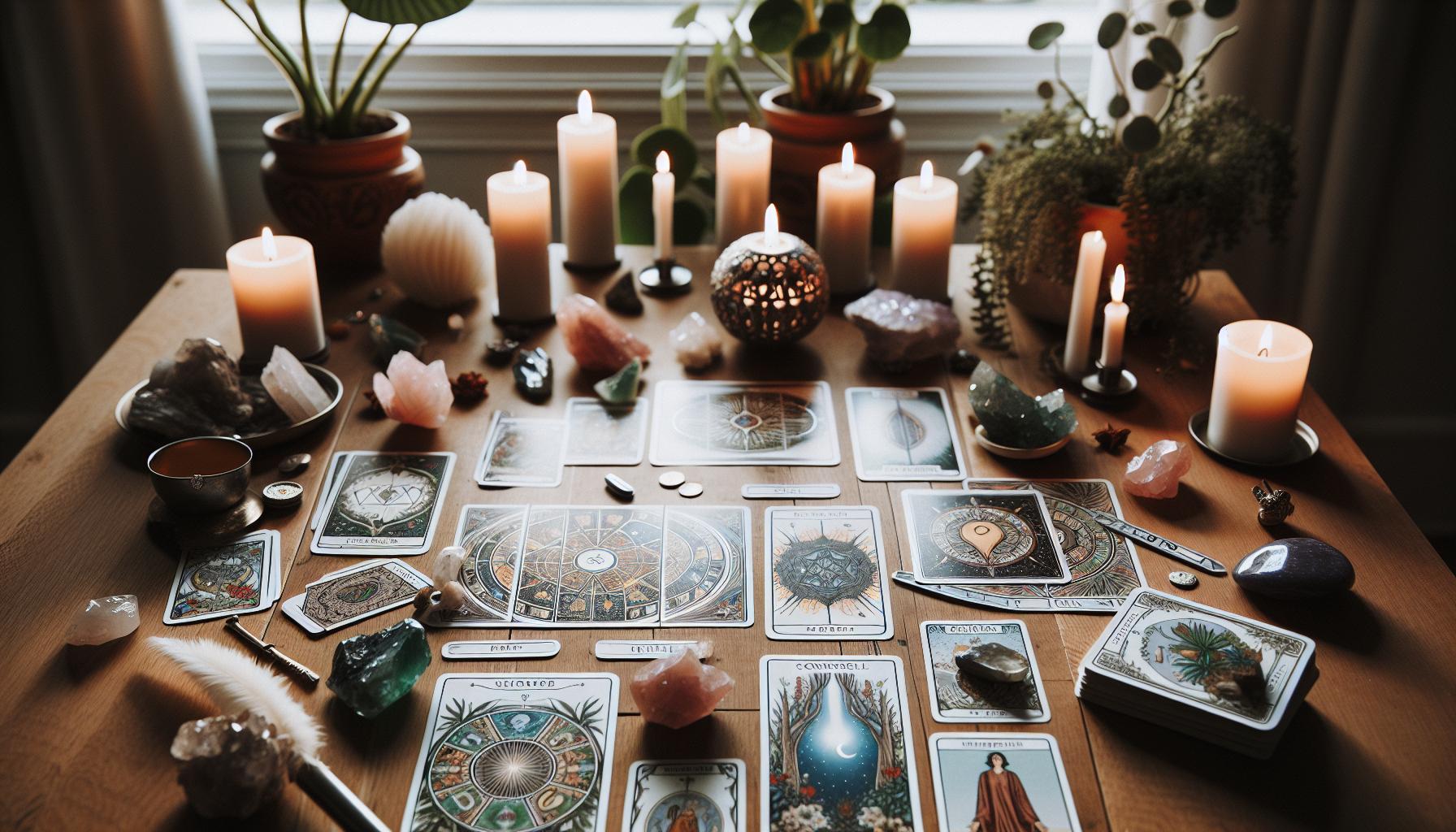
Exploring Different Tarot Spreads
Exploring various tarot spreads can greatly enrich your reading experience, offering different ways to tap into the insights each card possesses. A tarot spread is essentially a specific layout in which your cards are arranged, and each position within that layout holds a particular meaning. This structured approach allows you to focus your questions and organize your thoughts effectively, making it easier to weave together the narrative that the cards reveal.
Beginner-Friendly Spreads
For those just starting, the three-card spread is an excellent choice. This simple yet powerful layout can represent the past, present, and future or explore a situation from three different perspectives. For example, if you’re seeking guidance about a relationship, you might pull one card to represent your feelings, another for your partner’s feelings, and a third for the potential future of the relationship. This approach makes it easy to interpret the cards in relation to one another, enabling you to draw connections and deeper meanings from their placement.
Another accessible option is the Celtic Cross, often regarded as the classic tarot spread. Although it might seem intimidating at first, breaking it down can help demystify the process. The Celtic Cross includes ten positions covering various aspects of a question-ranging from immediate influences to long-term outcomes. Each position acts like a piece of a puzzle that contributes to the overall understanding of your query, making it a versatile tool for more complex situations.
Advanced Spreads for Deep Insights
As you gain confidence, experimenting with more elaborate spreads can deepen your practice. One such spread is the Relationship Spread, which can be a great tool to not only explore romantic partnerships but also friendships or familial connections. By placing cards in designated areas that represent each person’s feelings, challenges, and shared outlook, you can uncover the dynamics that might not be immediately apparent.
Another advanced option is the Year Ahead Spread, where you draw cards for each month of the upcoming year. This extended forecast can help illuminate themes you may encounter in your life journey, allowing you to prepare emotionally and mentally for what lies ahead.
Remember, the key to effective tarot reading is not just in knowing the spreads but in engaging with them intuitively. Allow your personal interpretations to emerge as you reflect on the cards’ imagery and meanings within the context of the positions they occupy. Over time, as you practice with different spreads, you’ll cultivate a deeper understanding of both the cards and your intuitive responses, making tarot a truly personalized tool for guidance in your life.
Setting Up Your Tarot Reading Space
Creating a nurturing environment for your tarot reading is essential to establishing a connection with the cards and your intuition. The space around you influences your mindset, so setting up a serene and inviting area is key to fostering clarity and focus during your readings. A few thoughtful touches can transform any space into your personal tarot sanctuary.
To begin, choose a quiet area where you feel comfortable and undisturbed. This could be a cozy corner of your living room, a dedicated room, or even a spot in your garden, if the weather permits. Make sure this space is clean and organized, as clutter can create distraction. You might want to consider soft lighting, perhaps using candles or a small lamp to create a warm ambiance. This subtle change can shift your energy and signal your mind that it’s time for introspection.
Next, think about what you want to include in your setup to enhance your experience. Here are a few suggestions:
- Table or Surface: Have a dedicated table or flat surface to spread your tarot cards. This gives you plenty of room to work and allows for easy visibility of your spread.
- Decorative Elements: Personalize your space with items that inspire you-crystals, plants, or meaningful photographs can amplify your intuition and create a welcoming atmosphere.
- Cleansing Tools: Incorporate elements for cleansing your space, such as incense, sage, or essential oils. Smoky or aromatic air can clear away negativity and enhance your spiritual connection.
- Notebook and Pen: Keep a journal handy to jot down insights or thoughts during your reading. This practice can reinforce your learning and track the themes that emerge over time.
As you prepare your tarot reading space, also remember to take a moment for personal rituals. You might wish to meditate briefly, breathe deeply, or even chant a mantra to center yourself before diving into the cards. Approaching your reading with intention can significantly enhance the clarity and depth of your insights. Each time you sit down in this dedicated space, your mind will associate it with the act of reading, which builds your confidence and openness to receive messages from the tarot.
Creating a tarot reading space is not just about aesthetics; it’s about crafting an energetic environment that resonates with you. This personal touch invites both humility and magic into your practice, making it a more fulfilling journey as you explore the world of tarot.
Preparing Yourself for a Reading
Before you even shuffle the cards, the space within you matters as much as the space around you. Your emotional and mental state significantly influences the quality of your tarot reading. It’s essential to take a moment to cultivate an internal landscape of calm and focus. This preparation enhances your ability to connect with the cards and your intuition.
Start by grounding yourself. You can do this through simple breathing exercises. Take a few deep breaths: inhale deeply for a count of four, hold for a count of four, and exhale for a count of four. Repeat this until you feel a sense of presence and alertness. This practice not only calms any anxiety but also helps center your energy. As you breathe, visualize any worries or distractions melting away, clearing the mental clutter that could interfere with your insights.
Next, set your intentions. Reflect on what you wish to gain from your reading. Are you looking for clarity on a specific situation, or are you simply seeking guidance for the week ahead? Defining your intention can guide the reading process and allow the cards to speak to your specific needs. You might even consider writing your intention down in a journal as a personal commitment to your process.
In addition, consider incorporating a brief ritual to anchor your reading. This could be lighting a candle, anointing your hands with essential oils, or even selecting a crystal that resonates with you. Each of these elements can serve as a tangible connection to your spiritual practice. For example, holding a piece of amethyst can enhance intuition, while a piece of citrine might promote positivity and clarity as you begin your session.
Remember that preparation is not just about creating an environment; it’s about fostering a receptive mindset. This deeper connection to your inner self not only opens the door to intuitive insights but also makes the tarot experience rich and rewarding. Each time you prepare in this way, you are building a stronger relationship with the cards and your intuition, setting the stage for a meaningful reading that can illuminate your path.
How to Formulate Questions for Tarot
Formulating effective questions for your tarot reading can significantly enhance the clarity and relevance of the insights you receive. A well-crafted question serves as the guiding compass, allowing the cards to focus on the specific areas of your life that require attention. Instead of asking broad or vague questions, aim for clarity and specificity, as this can invite deeper understanding from the cards.
To start, consider the distinction between open-ended and closed questions. Open-ended questions often yield richer insights, as they invite the cards to explore nuances and complexities. For example, rather than asking, “Will I get the job?” you might ask, “What should I focus on to increase my chances of getting the job?” This approach encourages exploration and offers guidance rather than a simple yes or no answer.
When formulating your questions, try to align them with your intentions and feelings. Reflect on what truly matters to you-perhaps you seek insights into a relationship, career path, or personal growth. Use transformative language that emphasizes action and choice, such as “How can I nurture my relationships?” or “What steps can I take to improve my financial situation?” This style of questioning not only empowers you but also allows for the cards to offer constructive advice.
Additionally, consider the context and current life situations to ensure your queries resonate with your present circumstances. If you’re in a transitional phase, a question like “What insights can I gain to best navigate my current changes?” can provide valuable insights tailored to your unique journey. By keeping your questions focused, intentional, and relevant, you’ll foster a more profound connection to your readings, opening doors to self-discovery and empowerment.
In summary, crafting thoughtful questions is a pivotal step in your tarot practice. By inviting insights rather than answers, you make your tarot sessions a powerful tool for exploration and personal growth. Embrace the process of inquiry as a journey-each question you pose is an opportunity to learn and align more closely with your true self.
Interpretation Techniques for Beginners
When delving into the world of Tarot, one of the most rewarding aspects is learning how to interpret the cards. Each card holds a wealth of meaning, and as a beginner, the goal is to cultivate a personal understanding that resonates with your intuition. Start by viewing each card as a character in a story-the story of your reading. Think about what each character brings to the narrative and how their attributes apply to your question.
Connecting with Card Meanings
To build a foundation, familiarize yourself with the core meanings of the cards. A good starting point is to use a Tarot guidebook or an app that provides insights into each card’s symbolism, keywords, and imagery. As you study, consider creating a dedicated Tarot journal. In it, write down your impressions, feelings, and thoughts about each card. This practice will not only reinforce your memory but also help you discover personal associations that are unique to your experiences.
Here are some effective ways to enhance your interpretation skills:
- Visual Association: When you pull a card, take a moment to gaze at its imagery. Notice the colors, symbols, and characters. How do these elements speak to your current situation? This visual approach can provide a deeper emotional connection to the card.
- Intuitive Insights: Allow your intuition to guide you. Don’t feel pressured to stick strictly to textbook meanings. If a phrase or emotion comes to mind as you look at a card, trust that intuition-it’s a valuable part of your interpretation process.
- Storytelling: As you draw multiple cards for a spread, think of them collectively as a story. What narrative unfolds from their positions? How do their meanings interconnect? This can particularly help in reading spreads like the three-card layout (past, present, future).
Practicing with Examples
Consider a simple three-card spread focusing on a personal issue, such as a career change. If you pull the Queen of Pentacles, Knight of Swords, and The Fool, you might interpret the Queen as embodying nurturing and resourcefulness, suggesting you need to foster your skills as you consider the change. The Knight of Swords indicates a need for swift action and determination, while The Fool encourages you to embrace new beginnings and be open to possibilities. Together, these insights encourage you to develop your skills, take bold steps, and embrace the fresh opportunities ahead.
As you practice, remember that interpretation is a skill that develops over time. Be patient with yourself, celebrate your progress, and embrace the journey of discovery that Tarot offers. Each reading is an opportunity to connect deeper with yourself and the world around you, opening channels for intuition and understanding.
Common Mistakes to Avoid in Tarot Reading
Many newcomers to Tarot might feel overwhelmed by the possibilities and nuances of card reading, and it’s easy to fall into common traps that can hinder your practice. Recognizing these pitfalls can help you cultivate a more fulfilling and insightful Tarot journey.
One of the primary mistakes beginners make is relying too heavily on the traditional meanings of the cards without allowing their intuition to come into play. Each Tarot reading is unique, influenced by the question asked, the context of the reading, and your personal feelings at the moment. To avoid this, take a moment to connect with the imagery and symbolism of the cards in front of you. Reflect on what resonates with you personally rather than defaulting to textbook definitions.
Another frequent error is asking vague or overly complex questions. The clarity of your question greatly impacts the quality of the guidance you receive. Instead of asking, “What does my future hold?” consider narrowing it down to “What should I focus on in my career over the next six months?” This specificity will lead to more meaningful insights.
Many new readers also forget to reflect on their emotional energy before a reading. Your mindset can greatly influence the outcome. If you’re feeling anxious or distracted, take a few moments to ground yourself. Practices like deep breathing or a brief meditation can help clear your mind, making it easier to connect with your intuition and the messages the cards offer.
Lastly, it’s important not to rush through the reading. Patience is key in Tarot practice. Beginners often feel pressured to arrive at immediate conclusions instead of taking their time to let the meanings unfold. Embrace the process and allow each card’s significance to manifest, sometimes revealing insights that may not emerge right away. As you develop your skills, remember that every reading is a learning experience, bringing you closer to the nuances of this ancient practice.
Tips for Developing Your Tarot Intuition
Developing your Tarot intuition can significantly enhance your reading experience, allowing you to connect more deeply with the cards and their meanings. One powerful way to cultivate this intuitive ability is to create a personal relationship with your Tarot deck. Spend time handling the cards, exploring their imagery, and meditating on each one. This isn’t just about memorizing the meanings; it’s about understanding how they resonate with you personally. As you draw a card, ask yourself what feelings and thoughts arise. This practice can help you unlock a unique perspective that goes beyond textbook definitions.
Another vital step in enhancing your intuition is to practice mindfulness before each reading. Your emotional state can greatly influence your interpretations, so it’s important to center yourself. Engage in breathing exercises or light meditation to clear your mind of distractions. This preparation will not only sharpen your focus but also allow your intuitive insights to flow more freely. When you begin the reading, approach it with an open heart and mind, ready to receive whatever messages the cards may offer.
Additionally, consider keeping a Tarot journal. Documenting your readings, insights, and personal interpretations can help you track your progress and deepen your understanding over time. In your journal, include the questions you asked, the cards you drew, and any intuitive impressions you received. Reflecting on past readings can reveal patterns and themes, helping you build your intuitive skills gradually.
Lastly, trust in your instincts. Beginners often doubt their feelings or interpretations, but remember that there’s no “right” answer in Tarot – only insights that resonate with you and the situation at hand. If a particular image or feeling stands out during a reading, take note of it. Your intuition is a valuable resource, and the more you practice trusting it, the stronger it will become. By embracing these practices, you’ll not only enhance your Tarot skills but also discover a deeper connection to your own intuitive wisdom.
Practicing Tarot Reading with Friends
can be a delightful and enriching experience, fostering both connection and confidence in your abilities as a reader. Engaging in this collaborative approach allows you to share interpretations, explore different perspectives, and learn collectively. The atmosphere can be both relaxed and supportive, making it an ideal setting for developing your skills.
Start by gathering a small group of friends who are open to exploring Tarot, whether they are beginners or seasoned enthusiasts. You can set a cozy space with good lighting, comfortable seating, and perhaps some calming music in the background to create a welcoming environment. Encourage everyone to bring their own decks, as using different decks can offer varied interpretations and insights. Here’s how you can structure your reading sessions:
1. Establish a Purpose
Begin each session by discussing the goals of your practice. Are you focusing on personal insights, relationship dynamics, or more general guidance? Establishing a clear intent helps channel the energy of the reading.
2. Set a Theme
Select a theme for the readings, such as exploring a specific question or an area of life like career or relationships. For example, you might choose to ask, “What do we need to know about our friendship?” This theme can make the readings more meaningful and relatable for everyone involved.
3. Take Turns Reading
Allow each person to take turns being the reader and the querent (the person asking the question). When it’s your turn to read, shuffle your deck and draw cards based on the chosen theme. Share your interpretations with sensitivity and openness. If a friend is reading for you, engage actively by discussing the meanings together and sharing your thoughts about the cards drawn.
4. Reflect and Discuss
After each reading, make some time for reflection and discussion. Ask questions like, “What resonated with you?” or “Did any card surprise you?” This dialogue helps to deepen understanding and build confidence. It’s also a chance to practice your intuitive interpretations while learning from each other’s viewpoints.
Practicing with friends not only enhances your reading skills but also solidifies friendships through shared experiences. As you cultivate a non-judgmental environment, everyone can feel free to express their thoughts and emotions. You might even want to keep a collective Tarot journal where you can record insights and patterns that emerge over time, creating a shared resource for your learning journey. Embrace the magic of collaboration, and watch as your intuitive capabilities flourish alongside your friendships.
Resources for Deepening Your Tarot Knowledge
To truly embark on your Tarot journey, it’s invaluable to gather resources that will deepen your knowledge and enhance your reading skills. The world of Tarot is vast and varied, filled with numerous books, online courses, and communities that cater to all skill levels. Engaging with these resources can illuminate your understanding of card meanings, spreads, and intuitive practices.
Books for Foundational Knowledge
Investing in a few well-regarded Tarot books can provide you with comprehensive insights. Consider starting with:
- The Ultimate Guide to Tarot Card Meanings by Liz Dean: A great beginner-friendly book that covers the meanings of each card with context.
- Tarot for Self-Care by Minerva Siegel: This book guides you through using Tarot for personal reflection and emotional well-being.
- The Tarot Bible by Sarah Bartlett: An excellent all-in-one resource covering card meanings, spreads, and practical exercises.
These texts not only explain the symbolism and traditional interpretations of the cards but also encourage personal introspection and intuitive reading.
Online Courses and Workshops
Participating in online courses can offer a structured way to learn. Platforms such as Udemy or Skillshare often host courses taught by experienced Tarot readers. Look for classes that cover:
- Basic Tarot spreads and interpretations
- How to read intuitively versus traditionally
- Specialized topics like love readings or decision-making spreads
Engaging in live workshops or webinars can also connect you with instructors and fellow learners, enriching your experience with interaction and feedback.
Tarot Communities and Forums
Joining Tarot communities, both online and offline, can greatly enhance your learning. Websites like Reddit (r/tarot) or dedicated Tarot forums provide spaces for discussion, sharing experiences, and asking questions. These communities often host challenges, group readings, and interpretation discussions where you can practice and refine your skills.
Consider also local groups that may offer meet-ups or workshops. Engaging with others who share your passion can promote a deeper understanding and foster friendships within the Tarot community.
Embrace these resources, and remember that Tarot is not just about learning the cards but also about personal growth and insight. Each step you take in expanding your knowledge will strengthen your intuition, making your readings richer and more meaningful.
Frequently Asked Questions
Q: What are the best tarot cards for beginners to start with?
A: The Rider-Waite-Smith deck is often recommended for beginners due to its rich imagery and comprehensive guidebooks. Tarot decks with clear illustrations and accompanying guides help in learning card meanings and enhancing intuition. Explore different decks and choose one that resonates with you for a more personal experience.
Q: How can I practice tarot reading effectively?
A: Practicing tarot reading can be as simple as doing daily draws for yourself. Create a routine, ask a question, and reflect on the card’s meaning. Consider joining tarot groups or reading for friends to gain different perspectives. Use practice spreads from your resource section to enhance your skills.
Q: What is the significance of the Major Arcana in tarot reading?
A: The Major Arcana cards signify significant life themes and spiritual lessons. They represent fundamental archetypes and pivotal moments in your journey. When these cards appear in readings, they often highlight areas of deep importance in your life or major transitions. Understanding them enhances your tarot interpretations, as detailed in your section on card meanings.
Q: How should I set intentions before a tarot reading?
A: Setting clear intentions before a reading is crucial. Take a moment to ground yourself, breathe deeply, and focus on the question or theme you want guidance on. Write your intention down or say it aloud. This practice aligns your intuition with your reading, making your insights more profound.
Q: Can I read tarot for others as a beginner?
A: Yes, you can read tarot for others as a beginner! Start with friends or family who are supportive. In your readings, be honest about your level of experience. This openness can cultivate trust and create a positive environment for learning. Refer to your sections on interpretation techniques for additional support.
Q: What common mistakes should newbies avoid in tarot reading?
A: Beginners often rush interpretations or let their biases influence readings. To avoid this, always trust the card’s symbolism over personal opinions. Also, practice does not mean perfection; embrace each reading as a learning experience. Regular reflection on your readings will sharpen your skills, as suggested in your common mistakes section.
Q: How can journaling improve my tarot reading skills?
A: Journaling your tarot readings helps track your progress and deepen your understanding. Write down each card’s meanings, your interpretations, and the questions asked. This practice encourages reflection on your intuitive insights and patterns over time, leading to more accurate readings. Experiment with prompts related to the sections in your article on developing intuition.
Q: What resources can deepen my tarot knowledge beyond beginner basics?
A: Consider books by experienced tarot readers, online courses, and tarot podcasts. Joining online communities or workshops can also provide practical insights. Look for materials linked in your resources for deepening knowledge. This ongoing learning will enrich your understanding and confidence in reading tarot.
Future Outlook
Now that you have the essential steps to start reading Tarot, you’re on the path to unlocking your intuitive powers. Remember, each card holds a unique message; don’t hesitate to explore their meanings further. If you’re eager to deepen your practice, check out our guides on understanding the Four Tarot Suits and Tarot Card Definitions to enrich your readings further.
Take the leap and pull out your deck today-connect with your inner wisdom and begin interpreting the cards! If you have questions or need guidance, don’t hesitate to leave a comment below or sign up for our newsletter for expert tips and community support. Your Tarot journey awaits, and magic is just a shuffle away-embrace it!
Get our latest guides, news, and insights highlighted in your Google Search & AI Overviews.