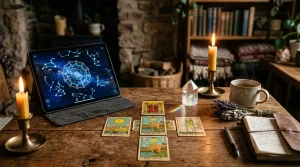
Have you ever wondered about the stories hidden within the Tarot cards? “Para Leer Las Cartas del Tarot: Método Profesional” invites you to uncover these insights, offering a professional approach that respects both seasoned practitioners and curious beginners. Tarot is more than mere divination; it’s a powerful tool for self-discovery, providing clarity and guidance in our lives.
As you embark on this journey, you’ll learn how to interpret the cards to reflect your unique experiences, fears, and aspirations. Whether you’re seeking answers about relationships, career paths, or your spiritual journey, the Tarot can illuminate the way forward. This method emphasizes building your intuitive skills, enabling you to connect with the cards meaningfully and authentically. So, are you ready to explore the magic and wisdom of Tarot? Let’s dive in and empower your understanding of this ancient art, one card at a time.
Understanding the Tarot Card System: A Beginner’s Guide
The Tarot card system is an intricate blend of symbolism, intuition, and storytelling that can unlock deep insights into our lives. Each deck typically consists of 78 cards, subdivided into the Major Arcana and Minor Arcana. Understanding these two sections is essential for anyone eager to delve into the Tarot. The Major Arcana comprises 22 cards that represent significant life themes and spiritual lessons, like the Fool, the Magician, and the World. In contrast, the Minor Arcana contains 56 cards, divided into four suits: Cups, Pentacles, Swords, and Wands. These suits reflect everyday experiences and challenges we face, allowing for a more nuanced interpretation.
When starting your journey with Tarot, it’s beneficial to familiarize yourself with the basic layout of the cards. Each card carries its own set of meanings, which can change depending on whether it appears upright or reversed. Use simple keywords to jump-start your understanding; for instance, Cups often symbolize emotions and relationships, while Swords relate to thoughts and conflict. Keeping a Tarot journal can be an excellent way to record your interpretations and personal feelings about each card, solidifying your connection to the deck.
To get the most out of your readings, practice using a variety of spreads. A simple three-card spread can address questions about the past, present, and future, providing clarity on a situation. As you progress, try more complex spreads like the Celtic Cross or the Horseshoe, which offer deeper insights into various aspects of life. Remember, the goal of Tarot is not solely to predict the future but also to aid in self-reflection and understanding.
As you explore the Tarot card system, trust your intuition. Each reader’s connection to the cards is unique, influenced by personal experiences and emotions. Allow yourself to engage with the imagery and narrative of the cards; they can evoke feelings and insights that go beyond traditional meanings. Embrace your journey with an open heart and mind, knowing that Tarot is a tool for empowerment, self-discovery, and exploring the connections we share with the universe.
Essential Tarot Card Meanings for Every Reader

To become proficient in Tarot reading, understanding the essential meanings of the cards is foundational. Each Tarot card offers a unique set of insights that can illuminate various aspects of your life and decision-making. By familiarizing yourself with these meanings, you can approach your readings with confidence and clarity.
Start with the Major Arcana cards, which carry profound life lessons and archetypal themes. Here are key interpretations for some pivotal cards:
- The Fool: Represents new beginnings, adventures, and spontaneity. It encourages embracing the unknown.
- The Magician: Symbolizes manifestation and resourcefulness. It reminds you to harness your skills to create your reality.
- The High Priestess: Stands for intuition and deeper knowledge. Trust your gut feelings and inner wisdom during explorations.
- The World: Indicates completion and fulfillment. It celebrates achievements and the sense of wholeness.
In the Minor Arcana, you will find more nuanced interpretations that relate to daily life. Each suit has its characteristics:
Cups
Represents emotions, relationships, and connections. Key interpretations include:
- Three of Cups: Celebration and friendship, showcasing joy in social gatherings.
- Five of Cups: Loss and disappointment, focusing on grief but also the possibility of moving forward.
Pentacles
Associated with material aspects, work, and financial matters. For example:
- Ten of Pentacles: Legacy and long-term success, suggesting stability and wealth.
- Two of Pentacles: Balance and adaptability, highlighting the need to manage multiple responsibilities.
Swords
Reflects thoughts, challenges, and conflicts. Consider:
- Eight of Swords: Feeling trapped and restricted, often a perception rather than reality.
- Queen of Swords: Clarity and independence, representing strong communication and intellect.
Wands
This suit embodies inspiration, action, and ambitions. Key cards include:
- Knight of Wands: Energy and enthusiasm, symbolizing bold movement towards goals.
- Four of Wands: Celebration and harmony, often linked to homecoming or joyful gatherings.
As you decode the meanings of the cards, remember that their interpretations can shift based on the context of your question and their position in a spread. Incorporate these insights actively in your readings, using them to guide your discussions and reflections.
A practical exercise to help solidify your understanding is to create a Tarot journal. Each time you draw a card, note its meanings, your intuitive impressions, and personal associations. Over time, this practice will deepen your connection to the cards and enhance your readings, making the Tarot not just a divination tool but a vital part of your personal growth journey.
How to Choose the Right Tarot Deck for You
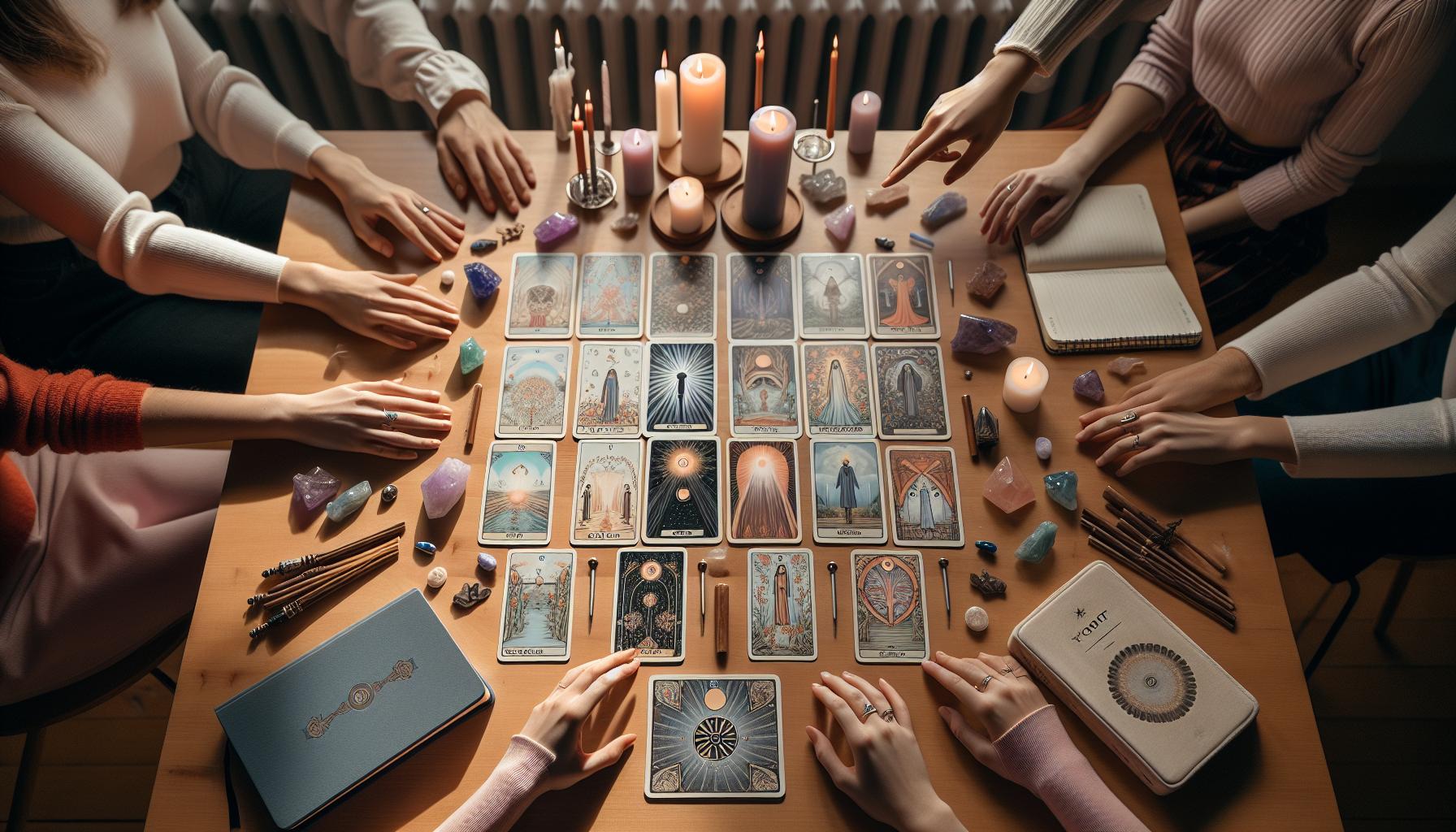
Choosing the right Tarot deck is a personal journey that reflects your unique intuition and aesthetic preferences. With a plethora of decks available, each boasting its distinct artwork, symbolism, and themes, finding the one that resonates with you can greatly enhance your reading experience. Start by considering what draws you to the Tarot. Are you captivated by traditional imagery, or do you prefer modern interpretations? The right deck not only aligns with your tastes but also speaks to your inner self.
When exploring different decks, pay attention to the artwork and how it makes you feel. As you browse, hold the deck in your hands if possible-feel its energy. Does it inspire you? Does it evoke emotions or memories? Many readers suggest that the best deck is one that you are instinctively drawn to, so trust your intuition. Familiarize yourself with the various themes: some decks focus on folklore and mythology, while others adopt a more minimalist or abstract style. A few well-known classics like the Rider-Waite or the Thoth deck offer rich symbolism, perfect for beginners eager to delve deeper into traditional Tarot meanings.
Considerations When Choosing Your Deck
- Art Style: Choose a style that resonates visually and emotionally with you.
- Card Size and Quality: Ensure the cards feel comfortable in your hands; thicker, well-made cards can last longer.
- Guidebook: Some decks come with comprehensive guidebooks that provide insights into card meanings, which can be particularly helpful for beginners.
- Purpose: Consider what you intend to use the deck for-learning, personal reflection, or professional readings-and select accordingly.
After selecting a deck, consider how to make it your own through cleansing and connecting rituals. Many readers perform a cleansing ritual, such as smudging with sage or placing the deck under moonlight, to release any previous energies. This prepares the deck for your unique readings and establishes a personal connection. Additionally, journaling your experiences with the deck can deepen your understanding and build a personal narrative around the cards.
In essence, your Tarot deck is a companion on your intuitive exploration. Finding the right one can transform your readings from simply interpreting cards to a profound dialogue with your inner self. Embrace the journey of choosing your deck as part of your overall Tarot learning experience. Each selection can bring you closer to the mysteries of the cards and enrich your readings.
Basic Spreads for Accurate Tarot Readings
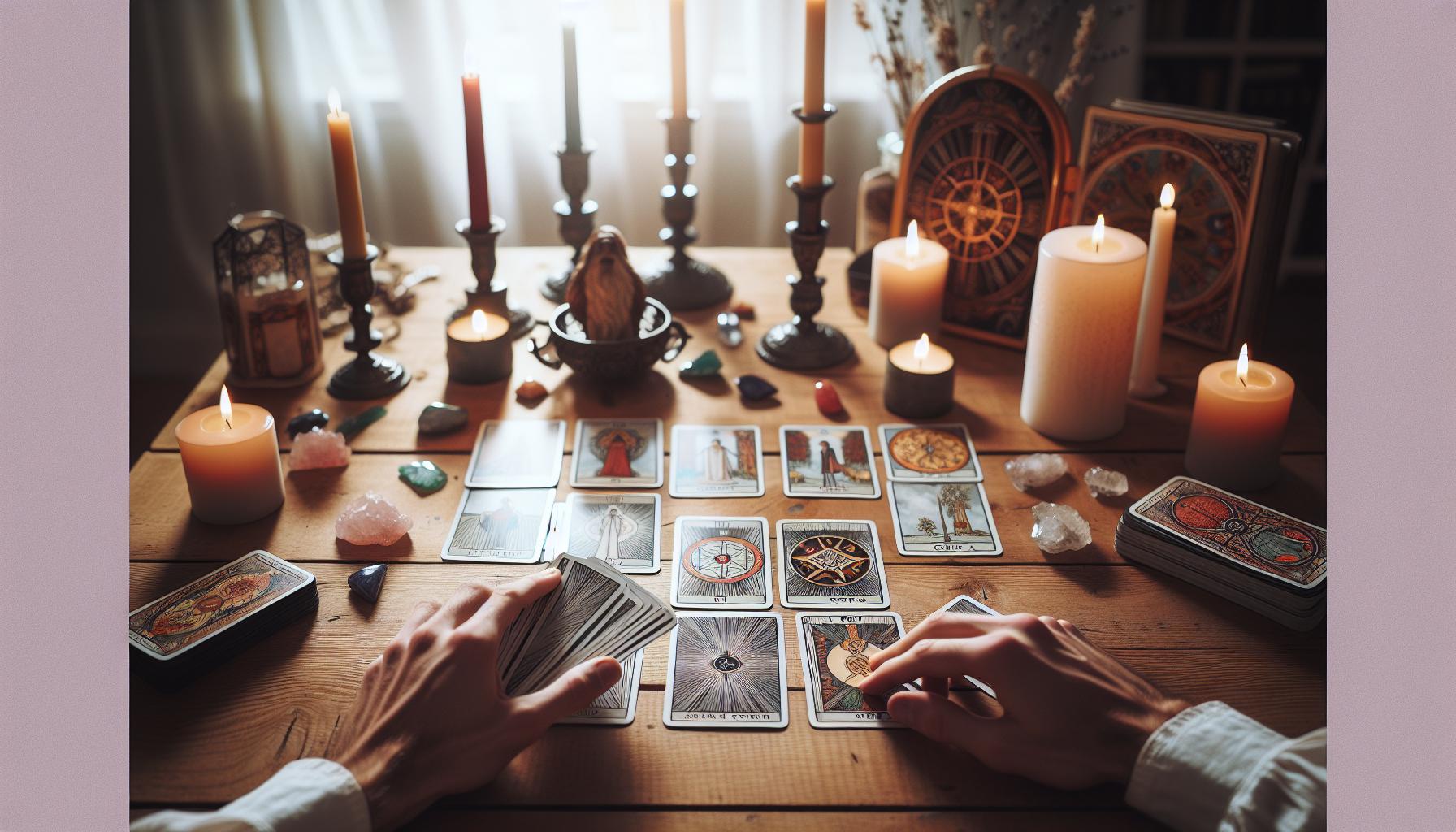
When embarking on your journey with Tarot, learning how to use basic spreads effectively can vastly enhance your readings. Tarot spreads are layouts that help organize the cards and their meanings, providing structure to your interpretation. Whether you are a novice or an experienced reader, understanding a few foundational spreads can reveal deeper insights into your inquiries.
One of the most popular spreads for beginners is the single-card draw. This approach is straightforward: shuffle, focus on your question, and draw one card. The card you pull serves as a direct answer or insight into your situation. This method is excellent for quick insights and daily guidance, allowing you to connect with the energy of the card deeply.
Another essential spread is the three-card spread. This versatile layout can be used for various purposes, such as exploring past, present, and future influences concerning your question. To use this spread, shuffle your deck while concentrating on your query, then draw three cards from the top of the deck.
Three-Card Spread Example
- Card 1: Represents the past influences or events related to your question.
- Card 2: Reflects the present situation or your current feelings about the issue.
- Card 3: Offers insight into the future or potential outcomes based on your current path.
For a more complex reading, consider the Celtic Cross spread, which, while more advanced, can provide a comprehensive overview of your situation. This layout consists of ten positions that encompass various aspects of your inquiry, including challenges, strengths, and external influences. Each position reveals specific insights, helping to weave a detailed narrative from your cards.
When performing any Tarot reading, keep the following tips in mind:
- Set a clear intention: Before you shuffle, focus on what you want to learn or uncover.
- Trust your intuition: Your first impressions of the cards often provide the most relevant insights.
- Journaling your readings: Documenting your thoughts and card meanings can deepen your understanding over time.
By starting with these basic spreads, you’ll build confidence in interpreting the cards and develop a stronger connection with your interpretations. Each reading allows the opportunity to expand your intuitive practice, revealing layers of meaning that speak directly to your personal journey. Embrace the process, and remember, the key to accurate readings lies in your heartfelt connection to the Tarot.
Interpreting Major Arcana Cards: A Deep Dive

When venturing into the world of Tarot, understanding the Major Arcana is crucial. Comprising 22 cards, the Major Arcana represents significant life events, lessons, and spiritual journeys. Each card is rich with symbolism and meaning, offering profound insights into your current life circumstances and potential future paths. By diving into these cards, you can grasp the broader themes influencing your readings and personal growth.
The Fool, for example, is often the first card of the Major Arcana, symbolizing new beginnings and spontaneity. When this card appears in a reading, it encourages you to take a leap of faith and embrace adventure. In contrast, The Tower card signifies sudden upheaval and transformation. While it may seem alarming, its presence indicates necessary change that can lead to renewal-an opportunity for growth and liberation from old patterns.
To interpret these cards effectively, it is beneficial to consider their individual meanings alongside their position in the spread. Reflect on what the card evokes within you. Does it spark joy, fear, or curiosity? Allow these emotions to guide your understanding. For instance, the presence of The Empress may call you to nurture yourself or explore creativity, while The Hermit suggests a need for introspection and personal reflection.
Key Tips for Interpreting Major Arcana Cards
- Look for Patterns: Notice which Major Arcana cards appear frequently in your readings, as they may reflect recurring themes in your life.
- Integration: After interpreting each card, think about how its meaning integrates with the other cards in the reading. This weaving of narratives enhances the depth of your insight.
- Trust Your Intuition: Each card comes with established meanings, but your personal interpretation can yield unique insights. Trust your gut feeling about the cards.
- Practice: The more you engage with the Major Arcana, the more you’ll feel its nuances. Consider creating a journal where you document your readings and reflections on each card.
As you deepen your understanding of the Major Arcana, remember that these cards serve as guides on your spiritual journey. They illuminate the transformative experiences of life, encouraging you to embrace lessons that may not always feel comfortable but are essential for personal evolution. By acknowledging the significance of each card, you empower yourself to navigate life’s complexities with wisdom and confidence.
Exploring Minor Arcana: Suits and Significance
When delving into the world of Tarot, the Minor Arcana offers a treasure trove of insight into the everyday experiences and challenges we face. Comprised of 56 cards divided into four suits-Cups, Wands, Swords, and Pentacles-these cards reflect the nuances of our daily lives, emotions, actions, and relationships. While the Major Arcana addresses overarching themes and significant life lessons, the Minor Arcana hones in on the details, providing guidance on how to navigate your personal path.
Each suit carries its own significance and resonates with different aspects of life.
The Suits and Their Meanings
- Cups: Representing emotions, relationships, and connections, the Cups are all about love, intuition, and feelings. Encountering a card like the Two of Cups in a reading might highlight a budding relationship or rekindling of an existing bond.
- Wands: Reflecting creativity, action, and ambition, Wands symbolize our drive and energy. The Ace of Wands, for instance, can suggest the ignition of a new creative endeavor or the beginning of a passionate project.
- Swords: Associated with the mind, conflict, and challenges, Swords delve into truth and intellect. A card such as the Three of Swords, although painful, can encourage deeper understanding and clarity about life’s challenges.
- Pentacles: Grounded in the material world, Pentacles focus on finances, health, and practical matters. The Ten of Pentacles, with its associations with legacy and wealth, may advise you to consider your long-term financial goals.
To add depth to your Tarot practice, think about how the meanings of each suit interact with your life experiences. For example, if you find many Wands appearing in your readings, perhaps your creativity and ambitions are at the forefront, prompting you to take action. Alternatively, a steady influx of Cups may call for introspection about your relationships.
Using the Minor Arcana in Readings
When conducting readings, place the Minor Arcana cards in context through basic spreads. For instance, a three-card spread can illustrate past, present, and future influences. If you draw the Six of Cups in the past position, it may suggest nostalgia and learning from previous relationships that shape your current emotional landscape encapsulated by present cards like the Lovers.
- Practice Mindfulness: While interpreting cards, remain aware of your thoughts and feelings. This introspection will enrich your understanding and enhance your intuitive responses.
- Experiment with Different Spreads: From one-card draws to more complex layouts, experimenting with various spreads will reveal new layers in your readings and reveal insights you might otherwise overlook.
- Reflect and Journal: Keep a Tarot journal. Document each reading, noting the meanings of drawn cards and any patterns you observe. This will help solidify your understanding and intuition over time.
As you explore the Minor Arcana, remember that these cards are not just symbols. They are mirrors reflecting our thoughts, feelings, and experiences. By engaging with them regularly, you cultivate a deeper understanding of yourself and the world around you, enhancing your journey toward personal growth and insight. Each reading can guide you through everyday dilemmas, helping you navigate with wisdom and clarity.
Advanced Techniques for Intuitive Tarot Reading
When delving into the art of Tarot reading, tapping into your intuition can transform your practice from rote interpretation into a profound communicative dance with the cards. Intuitive reading encourages a fluid, personal connection with the Tarot, allowing you to unlock deeper meanings that standard interpretations might overlook. Here are some advanced techniques to enhance your intuitive practice.
Engage Your Senses
A powerful way to sharpen your intuitive abilities is to fully engage your senses during the reading. Before you begin, take a few moments to ground yourself. Pay attention to the environment-notice any sounds, smells, or sensations around you. This sensory awareness can help clear your mind and create a conduit for intuitive messages. When you draw a card, take a moment to feel its texture and weight. Ask yourself how the card resonates in your body; does it evoke warmth, tension, or ease?
Use Symbolism and Imagery
Instead of relying solely on traditional meanings, spend time interpreting the imagery on the cards. Each deck uniquely presents symbols and artistic elements that can spark intuitive insights. For example, if you encounter the Moon card, consider not just its meaning of intuition and illusion, but also how the phases of the moon might reflect changes in your or your querent’s emotional landscape. Journaling about the symbols that resonate with you personally can deepen your connection to the cards and enhance your intuition.
Free-Flowing Association
As you draw cards, allow your mind to wander freely, creating associations that arise without judgment. For instance, if you pull the Eight of Swords, let your thoughts flow-what do you feel when you look at this card? Perhaps it reminds you of a time when you felt trapped, which may lead you to reflect on how that situation can inform a present dilemma. Free writing for a few minutes after each reading can help you capture these insights and track patterns over time.
Practice Reflection and Meditation
Engaging in regular meditation can significantly enhance your intuition. Focus on your breath, clearing your mind, and inviting clarity. After meditation, pull a card and reflect on its message and any thoughts that surface. This practice fosters a receptive mind, making room for intuition to flourish. Additionally, consider meditative Tarot spreads where each card pulled acts as a focal point in a meditative session, encouraging a dialogue between your inner self and the messages of the cards.
By embracing these techniques, you invite a deeper interaction with the Tarot that honors your personal insights. Remember, the journey into intuitive Tarot reading is both a practice and a path-allow yourself the grace to explore, grow, and understand what these cards reveal about your life and the lives of those you read for. Each session can become a rich tapestry of meaning, guiding you with clarity and wisdom.
Common Mistakes in Tarot Reading and How to Avoid Them
When embarking on the journey of Tarot reading, avoiding common pitfalls can greatly enhance both your practice and the insights you gain. Many beginners, in their eagerness to decode the cards, make mistakes that can lead to confusion or misinterpretation. Understanding these missteps and learning how to navigate around them is key to developing a successful reading practice.
One prevalent error is over-relying on traditional meanings without personal reflection. While tarot card meanings provide a solid foundation, each card can carry unique significance based on your circumstances or the energy of the reading. For instance, the Three of Swords typically symbolizes heartbreak, but in a different context, it could reflect emotional clarity or necessary endings. To avoid this mistake, spend time journaling your intuitive thoughts about each card during and after your readings. This personal touch can highlight meanings that resonate on a deeper level.
Another common misstep is asking vague or overly broad questions. General inquiries can yield uncertain results, often leading to frustration. Instead, focus on specific topics or situations. For example, instead of asking, “What does my future hold?” try “What should I prioritize in my career right now?” This precision helps the cards provide clearer guidance, making your readings more impactful.
Additionally, many novices feel pressure to provide definitive answers. Remember, Tarot is a tool for guidance, not a crystal ball offering absolute predictions. Approaching readings with flexibility and an open mind invites richer insights. Use phrases like, “This card suggests…” or “You might consider…” instead of absolute statements. This encourages a more interactive session, allowing both you and the querent to explore possibilities rather than fixed outcomes.
Finally, one must not overlook the importance of creating a conducive environment for readings. Distractions or negative energies can cloud your intuition. Setting up a dedicated, peaceful space-lit with candles or surrounded by calming items-can enhance your focus. Incorporate practices such as grounding or cleansing the space before readings, fostering a more conducive atmosphere.
By addressing these common mistakes, you can cultivate a more meaningful and fulfilling Tarot reading experience, empowering you and others on their personal journeys.
Ethics and Boundaries in Tarot Reading Practices
Maintaining ethical standards and clear boundaries in Tarot reading is essential for fostering trust and ensuring a supportive environment for clients. A significant aspect of these practices involves understanding your role as a reader. Tarot is not just a tool for divination; it is a means of connection and guidance. As a reader, you’re not merely interpreting cards but also holding space for individuals to explore their feelings and thoughts. This invites responsibility, as the insights shared can influence a person’s decisions and emotional wellbeing.
To uphold ethical practices, it’s important to:
- Respect confidentiality: Always safeguard the personal information shared with you during readings. Clients should feel secure knowing their thoughts and feelings will not be disclosed.
- Set clear boundaries: Clearly communicate your limits regarding what you will and won’t discuss during a session. For instance, it’s wise to avoid giving medical or legal advice, as these areas require professional expertise.
- Encourage informed decision-making: Emphasize that your readings are meant to offer guidance, not absolute predictions. Use language that promotes personal empowerment, like “You might consider…” rather than “You must do this.” This respects the client’s agency in their life choices.
- Maintain professional integrity: Avoid making overly broad claims about outcomes. Instead, focus on providing actionable insights that acknowledge clients’ unique contexts.
Creating a Safe Space
It’s crucial to cultivate an atmosphere conducive to open dialogue. Setting up your reading space with intention can significantly enhance the experience for both you and your client. Use elements like candles, calming colors, or spiritual symbols to create a welcoming environment. Also, grounding techniques, such as deep breathing exercises or even a brief moment of silence at the beginning of a session, can center both you and your client, fostering a respectful and tranquil space for exploration.
Responding to Diverse Beliefs
As a Tarot reader, you will encounter individuals from varied backgrounds and belief systems. It’s vital to approach each reading with respect and open-mindedness. Whether a client is skeptical, curious, or devoutly spiritual, meeting them where they are can enhance their comfort and trust in your guidance. Listen actively and adapt your interpretations to align with their perspectives, which can lead to more meaningful and encouraging sessions.
Ultimately, navigating the ethical landscape of Tarot reading requires mindfulness and integrity. By committing to these principles and creating an environment where clients feel safe and respected, you not only enhance the quality of your readings but also contribute positively to the Tarot community.
Using Tarot for Personal Growth and Reflection
Exploring the Tarot can be a transformative journey, one that unlocks doors to personal growth and deeper self-reflection. Each card serves as a mirror, reflecting not just our circumstances but also our inner landscapes-inviting us to confront fears, acknowledge desires, and clarify intentions. By engaging with Tarot regularly, you’ll find it becomes more than just a deck of cards; it evolves into a powerful tool for introspection and self-discovery.
To begin using Tarot for personal growth, consider incorporating a simple daily draw into your routine. Each morning, pull a single card and reflect on its meaning in the context of your day. Ask yourself questions like: What energies does this card invite today? How might I encounter challenges, or what opportunities lie ahead? For example, if you draw The Fool, it suggests new beginnings and encourages you to embrace spontaneity. You might take this as a sign to approach a situation with fresh eyes and an open heart.
Journaling Your Insights
Keeping a Tarot journal can amplify your reflections. After each reading, jot down your thoughts, feelings, and the actions you plan to take based on the insights. This practice helps solidify your understanding of each card’s significance in your life and tracks your personal development over time. You may notice patterns emerge, revealing areas that require attention or growth. Reflecting on your entries can provide clarity during difficult times.
Creating Intention-Driven Spreads
When you’re ready to delve deeper, try utilizing specific Tarot spreads designed for personal growth. The Three Card Spread, for example, can highlight past influences, present challenges, and future possibilities. By focusing on these aspects, you allow the cards to guide you toward actionable steps for improvement. Remember, it’s essential to set clear intentions before your reading-for instance, “What do I need to release to foster my personal growth?” This helps narrow your focus and enhances the effectiveness of your reading.
Incorporating these practices into your life allows Tarot to become a supportive guide on your journey, encouraging you to navigate your emotions and experiences with greater awareness and intention. Embrace the insights the cards offer, knowing they are merely tools to assist you in uncovering the wisdom that resides within you.
Incorporating Meditation and Ritual in Your Readings
Integrating meditation and ritual into your Tarot practice can significantly enhance your readings and deepen your intuitive connection with the cards. Imagine sitting in a peaceful space, surrounded by your chosen items for a reading, feeling your energy shift as you prepare to engage with your deck. This intentional approach invites clarity, focus, and a sacred atmosphere that supports your insights.
Begin by creating a comfortable environment. You might light a candle, burn incense, or play soft music to set the mood. This helps signal to your mind and spirit that you’re entering a sacred space. When you’re ready, take a few moments to center yourself through meditation. Close your eyes, breathe deeply, and allow your thoughts to settle. Visualize the energy of the issue or question you want to explore. This can be a simple mantra or affirmation, like “I seek understanding” or “I embrace wisdom.” By fostering this calm, you prepare your mind to receive messages more clearly.
Creating Rituals for Your Practice
Rituals can be tailored to enhance your individual connection with the Tarot. Here are a few practices you might consider:
- Card Cleansing: Before your reading, cleanse your deck to remove any past energies. This can be done by passing the cards through the smoke of sage or placing them under the light of the moon overnight.
- Grounding Exercises: After your meditation, take a moment to ground yourself. Visualize roots extending from your feet into the Earth, anchoring you to stability and clarity.
- Intention Setting: Write down what you hope to uncover during the reading on a piece of paper. This act solidifies your focus and directs the energy of your reading.
After establishing your environment and rituals, proceed with your reading, allowing the cards to guide you. You might find that your insights are more profound and resonant when you combine these meditative practices with the Tarot. As you wrap up, take time to reflect on what you’ve learned. Consider journaling about the experience, capturing not just the meanings of the cards but also the feelings and thoughts that arose during your ritual.
Incorporating meditation and ritual into your Tarot practice transforms it from a simple card reading into a sacred journey of self-discovery. Each time you bring these elements together, you cultivate a deeper relationship with your cards, enhancing both your intuitive skills and the spiritual significance of your readings.
Continuing Your Tarot Education: Resources and Communities
To truly deepen your Tarot practice, it’s essential to explore the wealth of resources and communities available to you. The journey of learning Tarot is ongoing, and connecting with others who share your interest can be both inspiring and enriching. Whether you are a beginner looking for guidance or an advanced reader seeking to refine your skills, numerous avenues exist to enhance your knowledge and confidence in reading Tarot cards.
Finding the Right Resources
Start by exploring a variety of books and websites dedicated to Tarot education. Some key titles to consider include “The Ultimate Guide to Tarot” by Liz Dean, which provides comprehensive insights into card meanings and interpretations. Online platforms such as Astrology Answers offer guides and articles ranging from the basics of Tarot to more intricate techniques for advanced readers[2]. Joining online courses can also be beneficial, as they often provide structured learning and interactive elements. Platforms like Udemy or skillshare have diverse offerings that cater to different learning styles.
Engaging with Communities
Participating in Tarot communities can significantly enhance your learning experience. Look for local meetups or workshops where you can practice readings and receive constructive feedback. Online forums, such as Reddit’s r/Tarot or dedicated Facebook groups, can supply camaraderie and a wealth of knowledge shared by enthusiasts at all levels. Engage in discussions, ask questions, and even share your own insights-community input can lead to profound realizations and techniques that you might not have discovered alone.
To further your education, consider attending Tarot conferences or spiritual festivals where workshops are led by experienced practitioners. These events are not just about learning; they also provide a chance to network and find mentors who can guide your progress. Additionally, many Tarot readers offer mentorship programs that can personalize your learning path.
Utilizing Online Tools
There are also a plethora of mobile apps and digital tools designed to assist you in your Tarot journey. Apps like “Labyrinthos” or “The Tarot Guide” offer card meanings, daily draws, and quick reference guides right at your fingertips.
Don’t overlook the importance of practice in your learning process. Regularly journaling your readings, reflecting on your interpretations, and noting patterns over time can solidify your understanding of the cards and hone your intuitive skills. By integrating these resources and community interactions into your Tarot study, you’ll gain not just knowledge but also a welcoming support system that encourages your growth and exploration in this mystical practice.
Frequently asked questions
Q: What is the best way to start reading tarot cards professionally?
A: To start reading tarot cards professionally, beginners should first choose a tarot deck that resonates with them. Familiarize yourself with the meanings of both the Major and Minor Arcana. Practice regularly, alongside journaling your insights, to build confidence. Consider joining local tarot communities for support and guidance.
Q: How can I improve my tarot reading skills?
A: Improving your tarot reading skills involves consistent practice and study. Work with different spreads to enhance your interpretation abilities, and incorporate meditation to strengthen your intuitive connection. Joining classes or workshops can also offer valuable tips and insights from experienced readers.
Q: What are common misconceptions about tarot reading?
A: A common misconception about tarot reading is that it forecasts fixed futures. Instead, tarot serves as a tool for guidance and reflection, helping individuals understand their choices and emotions. Educating clients on the intention behind readings fosters a healthier perspective on the tarot’s purpose.
Q: Can tarot readings be used for personal development?
A: Yes, tarot readings can be profoundly beneficial for personal development. They encourage self-reflection, help identify patterns, and provide insights into emotional and spiritual growth. Regularly using tarot as a journaling or meditation tool enhances self-awareness and decision-making skills.
Q: What steps should I take to establish ethical practices in tarot reading?
A: Establishing ethical practices in tarot reading involves setting clear boundaries with clients regarding confidentiality and intent. Always seek consent before discussing sensitive topics, and be honest about your capabilities. Consider reading about ethical guidelines shared in professional tarot communities for deeper understanding.
Q: How can I choose the right tarot spread for my reading?
A: Choosing the right tarot spread depends on your query’s complexity. For general questions, try a three-card spread; for more detailed queries, consider a Celtic Cross. Understanding different spreads and their specific purposes will enhance your readings and provide clarity in interpretation.
Q: What tools can enhance tarot reading sessions?
A: Tools to enhance tarot reading sessions include journals for tracking readings, crystals for energy alignment, and meditation aids such as candles or incense. Incorporating personal rituals can also deepen the reading experience and help establish a comfortable environment for both reader and client.
Q: How often should I practice reading tarot cards?
A: Aim to practice reading tarot cards daily or weekly to strengthen your skills and intuition. Regular practice not only builds familiarity with card meanings and spreads but also enhances your ability to connect with clients. Keeping a reading journal can help track your progress over time.
The Way Forward
As you explore the magical world of Tarot through “Para Leer Las Cartas del Tarot: Método Profesional,” remember that each card offers a unique insight into your life’s journey. Whether you’re a seasoned reader or just beginning, these methods empower you to tap into your intuition and navigate the complexities of love, dreams, and destiny. Don’t wait to deepen your understanding-start your Tarot journey today by visiting our comprehensive guides on how to choose a Tarot deck and cleansing your cards.
Join our community of Tarot enthusiasts by signing up for our newsletter, where you’ll receive exclusive tips and resources designed to enhance your readings and connect you with like-minded souls. Embrace this opportunity to unlock the mysteries of Tarot, and remember, the power to interpret the cards lies within you. Dive deeper, ask questions, and share your experiences in the comments below-your journey continues here!
Get our latest guides, news, and insights highlighted in your Google Search & AI Overviews.