Have you ever wondered how to tap into your inner wisdom and gain clarity on life’s choices? Learning to read tarot for yourself can be a transformative experience, empowering you to access your intuition and explore the deeper meanings behind your experiences. In “Cómo Leer el Tarot Para Uno Mismo: Guía Completa,” you’ll discover not just the meanings of each card, but also practical techniques for conducting readings that resonate with your personal journey. Whether you’re seeking guidance on relationships, career paths, or personal growth, this guide will provide you with the tools to interpret the cards confidently and meaningfully. Embrace the mystique of tarot as we demystify the process, welcoming both beginners and seasoned practitioners alike. Let’s embark on this journey together and unlock the secrets that the tarot holds for you!
Understanding the Basics of Tarot Reading
The journey into Tarot reading is an exploration of intuition, symbolism, and self-discovery. Many people initially perceive Tarot cards merely as tools for divination, but their true power lies in their ability to facilitate personal reflection and insight. Each card represents a myriad of archetypes, emotions, and life situations, encouraging you to dive deep into your subconscious and reveal truths that may be hidden from your everyday awareness.
To start, it’s essential to understand that every Tarot reading is ultimately a personal experience. While there are traditional meanings associated with each card, your intuition will guide how you interpret them as they relate to your unique questions or situations. This personalized interaction transforms what might seem like a simple card spread into a profound dialogue between you and the cards. Keep in mind that Tarot is as much about the questions you ask as it is about the answers you receive. Formulating open-ended questions can open doors to more insightful responses, allowing you to explore feelings and perspectives that may otherwise go unexamined.
When approaching your first reading, set a comfortable space that invites reflection. This might be a quiet corner in your home, adorned with your favorite crystals or candles, where you won’t be disturbed. Engaging in a brief meditation before picking your cards can help clear your mind and center your thoughts, ensuring you’re open to any messages the cards may convey. Remember that it’s not just about predicting the future-it’s about understanding your present and how it influences your path forward.
As you shuffle the deck, think about your question or the area of your life you wish to explore. Whether you’re seeking clarity on a relationship, career, or personal growth, the cards will reflect what you need to know at that moment. With practice, you will learn to trust your intuition and the insights you gather from each reading, leading to a deeper connection with both yourself and the Tarot cards themselves. Embrace the learning process with patience and curiosity, allowing your Tarot journey to unfold naturally, guiding you toward greater self-awareness and empowerment.
Choosing the Right Tarot Deck for You
Selecting the right Tarot deck is a journey as personal as the Tarot readings themselves. With an array of styles, themes, and artworks available, the ideal deck should resonate with your own aesthetic and spiritual inclination. Not only does the design matter, but the imagery, symbols, and overall energy of the deck play crucial roles in your intuitive connection with the cards.
One effective approach to find your deck is to consider the types of themes that resonate with you. Here are some popular categories to think about:
- Traditional Decks: These often include classic representations like the Rider-Waite-Smith. They are ideal for beginners as they come with extensive resources and meanings associated with each card.
- Artistic Decks: Decks by artists can be visually captivating and emotionally stirring. Look for designs that inspire you, such as the Wild Unknown Tarot or the Lumina Tarot.
- Themed Decks: There are decks that play on specific themes, such as nature, mythology, or even popular culture. If you have a passion for a certain genre, check if there’s a corresponding tarot deck.
- Oracle Cards: While not Tarot in the traditional sense, they often function similarly. Many readers enjoy incorporating Oracle cards with their Tarot readings for added depth.
To choose the right deck, try visiting a local metaphysical shop where you can physically handle the cards. Observe how they feel in your hands-do they inspire excitement or comfort? Additionally, you could spend time exploring decks online, watching walkthrough videos, or reading reviews to get a feel for their interpretations and artwork before making a decision.
Ultimately, your Tarot deck should feel like an extension of your intuition. Whether you are drawn to the vibrant colors of a more modern deck or the somber tones of a traditional one, the connection you forge with your cards is what will enhance your readings. Allow yourself the freedom to explore different decks until you discover the one that speaks to your soul, empowering your journey of self-exploration and insight.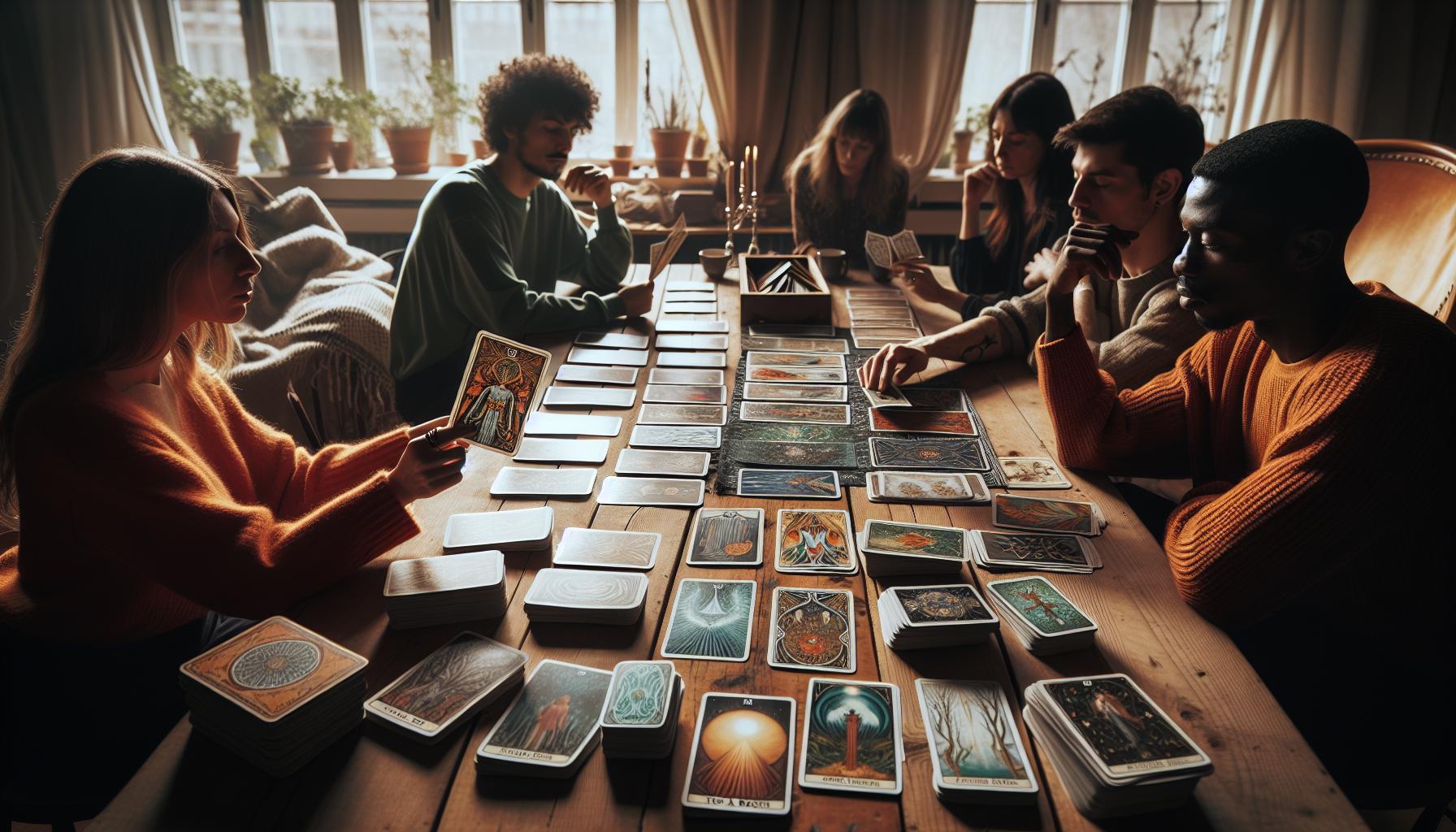
Setting the Stage for Your Reading
Creating the right environment for your tarot reading can significantly enhance the experience, whether you’re seeking insights into your own life or contemplating a meaningful question. A well-prepared space helps you align with your intuitive self, promoting clarity and focus. Consider these components to set the stage effectively.
Start by choosing a quiet and comfortable space where you won’t be disturbed. This could be a sacred corner of your home, a peaceful outdoor Setting, or any place that feels inviting to you. Dim the lights or use soft, ambient lighting to create a soothing atmosphere. Some people find that soft music or nature sounds can help foster a tranquil environment, while others prefer complete silence-choose what resonates best with you.
Next, consider the physical setup. Gather your tarot deck, a clean cloth to lay the cards on, a journal for notes, and any personal items that bring you comfort, like crystals, candles, or incense. Lighting a candle or burning some incense can symbolize the beginning of your reading. You might visualize this as inviting positive energies and intentions into your space.
It’s also helpful to take a moment for a personal ritual before diving into the cards. This could include deep breathing exercises, a brief meditation, or reciting an affirmation that sets your intention for the reading. For example, you might say, “I seek clarity and guidance from the cards.” These practices ground you and open your heart and mind to the messages you are about to receive.
Finally, if you are working with a specific question, write it down and keep it in front of you as a focal point during your reading. This helps maintain clarity and purpose throughout the process. By creating a sacred space and intending to connect deeply with your intuition, you’ll find that your tarot readings become more insightful and meaningful. Step into your reading with an open heart, ready to receive the wisdom that awaits you.
Essential Tarot Card Meanings Explained
Understanding the meanings of tarot cards is crucial for anyone looking to read the tarot cards on their own. Each card carries its own unique symbolism, emotions, and deeper meanings that can help guide your reflection and insights. With 78 cards divided into the Major Arcana and Minor Arcana, the tarot offers a multifaceted perspective on life’s journey.
The Major Arcana
The Major Arcana consists of 22 cards that represent major life themes and lessons. Each card is a powerful archetype that embodies significant energies. For example, the Fool symbolizes new beginnings and adventures, urging you to embrace spontaneity. On the other hand, the Tower serves as a warning of upheaval and sudden change, prompting introspection about the structures in your life. These cards are often the focal point of a reading, as they indicate the larger forces at play.
The Minor Arcana
The Minor Arcana, comprising 56 cards, delves into everyday experiences and challenges. These are further divided into four suits: Cups, Pentacles, Swords, and Wands, each associated with different aspects of life.
- Cups: Emotional experiences, relationships, and connections.
- Pentacles: Material aspects, financial matters, and physical realities.
- Swords: Intellectual challenges, conflict, and communication.
- Wands: Creativity, ambition, and action.
Each suit contains numbered cards (Ace to 10) and four court cards (Page, Knight, Queen, King) that offer more specific interpretations based on position and context. For example, the Ace of Cups signifies emotional beginnings, while the Three of Swords often points to heartbreak or sorrow.
Developing Your Understanding
To deepen your understanding, consider keeping a tarot journal where you can document your readings and reflect on the meanings as they relate to your life experiences. This practice helps reinforce your intuition and enhances your ability to interpret the cards accurately. Engaging with the cards daily through meditation or reflection can also foster a deeper connection with their meanings.
By familiarizing yourself with the essential tarot card meanings, you build a solid foundation that empowers you to interpret the cards confidently and intuitively in your readings. The beauty of tarot lies in its ability to reflect back your inner insights, encouraging personal growth and clarity along your journey.
How to Formulate Your Questions
Crafting the right questions for your tarot reading can transform your experience and lead to meaningful insights. A well-phrased question serves as a guiding light, helping you navigate the often complex messages the cards deliver. The key is to ask open-ended questions that encourage exploration rather than simple yes-or-no queries. For example, instead of asking, “Will I get the job?”, consider reframing it to, “What can I do to enhance my chances of getting the job?” This invites a more comprehensive understanding of your circumstances.
Types of Questions to Consider
When formulating your questions, think about different aspects of your life you wish to explore. Here are some categories to guide your inquiries:
- Personal Growth: “What do I need to focus on for my personal development right now?”
- Relationships: “How can I improve my relationship with [Name]?”
- Career: “What should I consider before making a change in my career?”
- General Guidance: “What messages do I need to hear at this moment in my life?”
Each of these types encourages reflection and deeper understanding, allowing the tarot to guide you in a constructive way.
Refining Your Questions
Once you identify the area you wish to explore, refine your questions until they feel clear and focused. Aim to be specific enough to guide the reading while leaving room for interpretation. A question like, “What should I know about my current path?” is broad but precise enough to allow for rich insights.
It’s also beneficial to write your questions down before the reading. This not only helps clarify your intention but also serves as a helpful reference during your session. You can revisit these questions later to track your progress and any insights gained from the readings.
Embracing Intuition
Finally, trust your intuition when formulating your questions. Often, the most powerful queries arise from your gut feelings or concerns. Let your emotions and thoughts guide you; if a question resonates deeply, it’s likely to yield profound insights. Remember that tarot reading is a personal journey, and the questions you come up with should reflect your unique experiences and aspirations. As you practice, you’ll hone your ability to ask questions that open doors to self-discovery and clarity.
Step-by-Step Guide to Doing a Solo Reading
To embark on a tarot reading journey by yourself, you’ll discover a practice that awakens your intuition and offers profound insights into your life. The beauty of solo tarot readings is that they empower you to explore your thoughts and feelings without outside influence. Here’s a straightforward guide to help you navigate your reading.
Start by setting up your space. Choose a quiet area where you won’t be disturbed. Consider lighting a candle or burning some incense to create a serene atmosphere. This is your sacred space, so make it comfortable and inviting. Once settled, take a few deep breaths to center yourself and release any distractions lingering in your mind.
Next, shuffle your deck mindfully while focusing on your question or the area you wish to explore. As you shuffle, feel free to ask your question aloud or silently; this helps to imbue the cards with your intent. After shuffling, draw your cards. Beginners might find it helpful to start with a simple three-card spread: one card for the past, one for the present, and one for the future. This layout provides a clearer narrative of your situation.
Interpreting the cards is crucial. Each card carries its own meaning, so refer to a guidebook or a resource if necessary. Look at the imagery on the cards and see what emotions or thoughts they evoke for you. For example, if you draw the Ace of Cups in the present position, consider its associations with new beginnings in love or emotional fulfillment. Reflect on how these meanings relate to your situation.
Lastly, conclude your reading by journaling your insights. Take note of your feelings, thoughts, and any revelations that emerged during your session. Writing helps solidify your experience and allows you to revisit it later for deeper understanding. As you continue to practice solo readings, you’ll develop trust in your intuition, making each reading an enriching part of your personal growth.
By following these steps, you’ll not only unlock the wisdom of the tarot but also strengthen your connection to your inner self, creating a meaningful emotional dialogue that can guide you on your path.
Exploring Popular Tarot Spreads for Beginners
Engaging with tarot can be an enlightening experience, especially when you start exploring popular tarot spreads designed for beginners. These spreads not only help structure your reading but also guide you in interpreting the messages from your cards. One of the most accessible introductions to tarot spreads is the three-card spread, which can reveal insights about the past, present, and future of a specific situation or question.
- Three-Card Spread: As mentioned, this straightforward spread is perfect for new readers. Each card pulled corresponds to a point in time, offering clarity on how past influences are impacting your current situation and where you might be heading. For instance, if you pull the Tower in the past position, it suggests significant changes that may still affect your present.
- Celtic Cross: This more complex spread can provide a comprehensive look at different aspects of your life. It includes ten cards positioned to show influences, challenges, and potential outcomes. While it may require a bit more study, it is invaluable for deeper readings.
- One-Card Draw: If you’re short on time or seeking specific guidance, a one-card draw can be very powerful. Simply ask your question, draw a card, and contemplate its message. This practice fosters a direct connection with your intuition and the card’s significance.
Embarking on these spreads, begin by formulating clear questions. Instead of vague prompts, ask specific questions like, “What do I need to know about my career right now?” Remember, the clarity of your question can significantly influence the reading’s outcome. When laying out your cards, take your time to observe them closely. What feelings or images arise? Trust your instincts-this is your unique reading, and your interpretations matter.
As you gain comfort with these foundational spreads, embrace the opportunity to evolve your practice. Document your experiences and findings, as this will not only enhance your understanding of the cards but also boost your confidence as a reader. With each reading, you’re not just uncovering insights-you’re crafting a narrative that honors your personal journey.
Deepening Your Intuition with Tarot
Engaging with the art of tarot reading offers a pathway to deepen your intuition and connect with your inner wisdom. One profound way to enhance your intuitive skills is through regular practice. As you handle your cards, let yourself tune into your feelings and reactions. Each card has a unique energy that can resonate with your current life experiences, and paying attention to your gut reactions will bolster your understanding.
Begin by creating a ritual that feels comfortable to you. This might involve a quiet space where you can reflect, lighting a candle, or even playing soft music. Set your intention for your reading-what are you hoping to discover or understand? Taking a moment to center yourself can significantly enhance your connection with the cards.
A practical exercise is to journal your readings. After you draw your cards, write down your immediate thoughts and feelings. Over time, you may notice patterns or themes emerging that align with your personal journey. For instance, if you consistently draw the Queen of Cups while exploring emotional topics, it may indicate a call to nurture your emotional well-being.
As you progress, don’t shy away from experimenting with different interpretations and meanings for the cards. Allow your understanding to evolve organically. Trust that your intuition is your most powerful guide; it’s not about memorizing definitions but rather about listening to what the cards speak to you in the moment. This balance of study and intuitive insight will enrich your tarot practice, making it a truly personal tool for guidance and self-reflection.
Interpreting Reversed Tarot Cards
Understanding the nuances of reversed Tarot cards can deepen your readings and unveil new layers of meaning. While many readers find reversed cards challenging at first, they often hold significant insights that can enrich your understanding of situations. A reversed card typically suggests a blockage, delay, or the opposite of the card’s upright meaning. Instead of fearing reversals, consider them an opportunity for deeper reflection and awareness.
Common Interpretations of Reversed Cards
When a card appears reversed, it invites you to explore the shadow aspect of the card’s message. For instance, the upright strength of the Ten of Cups may represent emotional fulfillment and harmony in relationships. However, when reversed, it might signal family discord or an unhappy home environment. This shift encourages you to examine where these issues might stem from and what actions are necessary for healing.
To help navigate these meanings, here’s a brief overview of what reversed cards can imply:
- Blocked energy: The card’s energy may be present but obstructed or mismanaged.
- Inner conflict: There could be turmoil or indecision within, urging you to address your internal struggles.
- Delayed outcomes: Situations may not progress as anticipated, calling for patience and introspection.
- Opposite meanings: Often reversed cards reflect the opposite of their upright interpretation, providing a counterpoint to what you may have expected.
Integrating Reversed Cards into Readings
When you draw a reversed card, take a moment to pause and observe your emotional reaction. Are you feeling resistance or curiosity? Engage with your intuition by asking questions like, “What does this reversal reveal about my current situation?” or “How can I address the challenges this card presents?” This practice not only develops your intuitive skills but also transforms potential negative interpretations into powerful lessons.
For example, suppose you pull the Devil reversed in a reading. While upright it often symbolizes temptation or addiction, when reversed, it can indicate liberation from those very chains. This reversal prompts you to reflect on what areas of your life you might be able to free yourself from self-imposed limitations or toxic relationships.
Incorporating reversed cards into your practice encourages a richer, more comprehensive understanding of the situations you face. Embrace them as guides that challenge your perspective, inviting you to dig deeper and align with your genuine self. With time and practice, interpreting reversed cards will become a natural and insightful part of your Tarot journey, enhancing not only your readings but also your personal growth.
Advanced Tarot Techniques for Personal Growth
Unlocking the full potential of tarot reading for personal growth can be an enlightening and transformative journey. Advanced techniques can elevate your practice, allowing you to explore deeper aspects of your psyche and gain valuable insights. By employing these strategies, you can foster greater self-awareness, heal emotional wounds, and even enhance your decision-making abilities.
One effective method is to incorporate meditative practices with your tarot readings. Before you begin, take a few moments to ground yourself. Close your eyes, take deep breaths, and visualize your intentions. This prepares your mind to receive messages from the cards without distractions. For example, after drawing cards, meditate on their meanings. Visualize the images from the cards as a story unfolding, inviting your subconscious to reveal hidden messages and connections.
Another advanced technique is to create a tarot journal specifically focused on personal growth. Document each reading, noting not only the cards drawn but also your emotional responses, thoughts, and any patterns over time. This practice fosters reflection and allows you to track your progress. For instance, if the Tower card consistently appears, consider what upheaval you might be resisting and how you can embrace change. Over time, reviewing your entries can reveal profound insights into your personal development.
Utilizing guided spreads can also deepen your readings. A common beginner spread might merely focus on past, present, and future, but more advanced layouts can include elements like blockages, strengths, and lessons. For example, a five-card spread could elaborate on these additional themes: what you need to release, what you need to embrace, your current emotional state, a challenge, and a strategy for moving forward. This structure encourages a more holistic view of your circumstances, leading to richer insights.
Finally, consider integrating intuition exercises into your practice. Before you draw a card, pause and guess what it might be based on your current life situation. This not only sharpens your intuitive skills but also builds confidence in your ability to interpret the cards. You may find that your initial thoughts resonate deeply with the reading, revealing your intuition’s power.
By adopting these advanced tarot techniques, you invite a new depth to your readings. Embrace the journey of self-discovery and personal growth, and remember that tarot is a tool for reflection and understanding-accessible to all who seek its wisdom.
Common Mistakes to Avoid When Reading Tarot
Reading tarot is a profound and personal journey, but it can also come with its pitfalls. Many new readers may struggle with common missteps that can cloud their intuition and interpretation. Avoiding these mistakes is essential for cultivating clarity and confidence in your tarot practice.
One prevalent error is over-relying on standard interpretations or guides without allowing for personal intuition to take the lead. While understanding the meanings of the cards is important, pushing aside your own feelings and insights can prevent a more authentic reading. Instead, treat the tarot cards as a conversation with your inner self. For example, if you draw the Five of Cups, reflect on how its themes of loss resonate with your current life situation rather than simply interpreting it as loss based on a guidebook. Embrace your intuition by journaling your thoughts after each reading, focusing on your emotional responses and unique connections with the cards.
Another common mistake is asking vague or overly broad questions. To get the most insight from your readings, formulate specific questions that guide your reflection. Instead of asking, “What is my future?”, try asking, “What steps can I take to improve my relationships?” This clarity helps create a more meaningful dialogue with the cards and leads to a more enriching experience. You can practice refining your question-formulating skills by starting with the broader topic, then narrowing down to specific issues or concerns.
Additionally, many beginners make the mistake of reading too quickly or jumping to conclusions about their interpretations. Take your time with each card, and allow the imagery and symbolism to unfold naturally. Engage with the visuals-what do they evoke for you? Consider keeping a tarot journal to capture these contemplations. Regularly reviewing your entries can illuminate patterns and help solidify your understanding, transforming reading into a deeper exploration of self.
Lastly, be mindful of the energy you bring to your readings. Entering a session with skepticism or anxiety can impact your connection with the cards. Create a calming space that encourages focus and positivity. Incorporate rituals, like lighting a candle or meditating briefly before a reading, to ground yourself and set a welcoming tone for clear insights.
By being aware of these common pitfalls and taking conscious steps to avoid them, you are not only opening yourself up to richer tarot experiences but also fostering a greater connection with your own intuition and personal growth.
Integrating Tarot Into Your Daily Life
Incorporating tarot into your daily routine can transform the way you engage with both your inner self and the world around you. By treating each card as a key to insight, you create a personal practice that not only enhances clarity but also connects you with your intuition. Start small; even a single card draw in the morning can set the tone for the day ahead. This simple act allows you to reflect on the themes of the card, prompting you to consider its relevance to your daily challenges and opportunities.
Daily Card Draw
A daily card draw is an excellent way to make tarot a consistent part of your life. Each morning, shuffle your deck and pull one card, noting it in your journal. This practice cultivates awareness and mindfulness. For example, if you draw the Page of Cups, you might approach your interactions with openness and creativity. Reflect on how this concept applies to your day, and watch for ways you can embody this energy, be it through artistic endeavors or compassionate conversations.
Connect with Tarot Through Rituals
Establishing rituals around your tarot practice can enhance its significance. Create a space that feels sacred-perhaps a small altar where you can display your cards, candles, or crystals. Dedicate time each week to go deeper, exploring your feelings and circumstances with a more complex spread, like the Celtic Cross. Use these moments not just for seeking guidance but for gratitude and intention-setting, acknowledging your growth and aspirations.
Group Readings and Sharing Insights
Sharing your tarot practice with others can deepen your understanding and bring fresh perspectives. Consider forming a small group where members can exchange insights after readings. This collaborative environment allows you to see how different interpretations arise from shared experiences. Engaging with a community can also foster accountability, encouraging you to make tarot a consistent part of your life.
By weaving tarot into your daily activities, you empower yourself to navigate life’s complexities with confidence and clarity. Remember that the journey with tarot is personal; there’s no right or wrong way to integrate it. Trust your instincts, be patient with yourself, and embrace the transformation that this vibrant practice can bring to your daily living.
Q&A
Q: How can I connect with my Tarot cards on a personal level?
A: Connecting with your Tarot cards requires intention. Start by choosing a deck that resonates with you. Spend time handling the cards, meditating on their imagery, and journaling your thoughts. This creates a personal relationship, enhancing your intuitive readings. Refer to the section on Choosing the Right Tarot Deck for You for deeper insights.
Q: What should I do if I receive a card I don’t understand?
A: It’s natural to encounter unfamiliar cards. When this happens, look up the card’s traditional meaning and consider your feelings and intuition. Journaling your impressions can also reveal personal insights. Explore the Essential Tarot Card Meanings Explained section for guidance on interpreting specific cards.
Q: Can Tarot reading help with decision-making?
A: Yes, Tarot can be an excellent tool for decision-making. By formulating questions related to your choices, you can gain clarity and perspective. Use spreads that focus on outcomes or insights to guide your decisions effectively. Refer to the Step-by-Step Guide to Doing a Solo Reading for structured approaches.
Q: How often should I do a Tarot reading for myself?
A: The frequency of Tarot readings is personal. Some practitioners read daily for guidance, while others prefer weekly or monthly sessions. It’s important to tune in to your intuition and need for clarity. Consider exploring Integrating Tarot Into Your Daily Life for practical advice on cultivating a regular practice.
Q: What are common misconceptions about Tarot reading?
A: Many misconceptions exist, such as Tarot predicting the future definitively. Instead, Tarot serves as a reflective tool that provides insights and perspectives rather than certainties. Educating yourself through the Common Mistakes to Avoid When Reading Tarot section can help dispel these myths.
Q: How can I improve my intuition while reading Tarot?
A: Improving your intuition requires practice and patience. Engage regularly with your cards, journal your interpretations, and explore meditation techniques to heighten your awareness. The section on Deepening Your Intuition with Tarot offers exercises and tips to enhance your intuitive abilities.
Q: What types of spreads are best for beginners?
A: Beginners often find simple spreads effective, such as the three-card spread or a past-present-future layout. These formats allow for clear insights without overwhelming complexity. Explore the Exploring Popular Tarot Spreads for Beginners section for detailed layout instructions tailored for new readers.
Final Thoughts
As you step into the world of Tarot, remember that each card offers a unique reflection of your personal journey. With your newfound skills from “Cómo Leer el Tarot Para Uno Mismo: Guía Completa,” you can confidently explore your intuition and gain valuable insights into your life. Don’t wait to deepen your practice-cycle through your Tarot deck today and discover the stories waiting within each card.
If you’re eager to expand your Tarot knowledge further, check out our guides on interpreting card meanings link to Tarot card definitions or try our interactive 3-Card Tarot reading link to 3-Card Reading. These resources will enhance your understanding and support your spiritual exploration. Join our community by signing up for our newsletter and share your experiences or questions in the comments below!
Your journey in Tarot is just beginning, and every reading is a step towards self-discovery and clarity. Embrace this opportunity for growth-Tarot is truly for everyone.