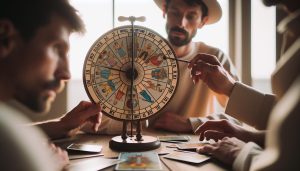
Have you ever wondered if Tarot card reading is more than just a mystical art? For many, Tarot serves as a powerful tool for insight and guidance, helping to illuminate paths in times of uncertainty. Whether you’re seeking clarity on a personal decision or exploring deeper spiritual questions, understanding the true nature of Tarot can be transformative.
In this exploration, we’ll uncover evidence, anecdotes, and expert opinions to reveal whether Tarot readings genuinely work or if they’re simply clever illusions. Prepare to delve into the rich tapestry of symbolism, intuition, and personal reflection that Tarot offers, as we demystify the cards and their profound connections to our lives. Whether you’re a curious skeptic or a seasoned reader, this journey promises valuable insights and a deeper appreciation for the art of Tarot.
Does Tarot Card Reading Really Work? The Science Behind Tarot
Engaging with Tarot can feel like stepping into a realm of possibilities and insights, but does it really work? The effectiveness of Tarot card reading often sparks curiosity and debate, resting at the intersection of spiritual belief and psychological exploration. While some people view Tarot as a profound and mystical art, others ask if there is any empirical evidence to support its claims. This section delves into the science behind Tarot, aiming to bridge the gap between skepticism and belief.
The Psychological Lens on Tarot
While traditional science often overlooks tarot as a serious tool, psychological researchers suggest that Tarot can serve as a valuable framework for introspection. When individuals engage in a Tarot reading, they may invoke the principles of projection-clients project their thoughts and emotions onto the cards, enabling them to confront personal issues that might be otherwise suppressed. This self-reflection can provide clarity and foster a deeper understanding of one’s situation, much like therapeutic techniques such as free association. The power of suggestion plays a crucial role here, as a well-crafted reading can encourage individuals to contemplate their choices and life paths in new ways.
Confirmation Bias and Personal Interpretation
Another aspect of Tarot’s perceived effectiveness lies in the concept of confirmation bias. This psychological phenomenon occurs when individuals filter information in a way that confirms their existing beliefs. A Tarot card reading may resonate deeply not necessarily because it predicts the future but because it aligns with the querent’s current thoughts or emotions, prompting them to focus on specific aspects of their life. For example, drawing the “The Tower” card may evoke feelings of disruption, yet it could also signal the opportunity for transformation. Recognizing this mechanism can help readers understand that the insights provided by Tarot are often reflections of their own inner landscapes rather than messages set in stone.
The Role of Intuition
Intuition plays a substantial role in Tarot readings. Many practitioners emphasize that effective readings often come from a place of intuitive understanding rather than mere card meanings. This blend of intuition and symbolism creates a personalized experience. For those skeptical about the mystical aspects of Tarot, the act of choosing cards and interpreting them can also serve as a prompt for conscious choice-making, encouraging a proactive rather than passive approach to challenges. Clients might find themselves more attuned to their desires and fears after a session, fostering a sense of empowerment.
In summary, whether one believes in the mystical properties of Tarot or views it as a psychological tool, the results often highlight personal growth and understanding. As Tarot walks the line between spiritual guidance and psychological insight, it invites both skeptics and believers to explore the narratives that shape their lives. This dual perspective enriches the Tarot experience, making it not just a tool for foresight but a mirror reflecting the profound layers of the self.
Understanding Tarot: History and Basics
The rich tapestry of Tarot history is as intriguing as the cards themselves. Originating around the 15th century in Europe, Tarot was initially created as a playing card deck. It wasn’t until the late 18th century that the cards began to be associated with mysticism and divination. This shift transformed Tarot from a pastime enjoyed in social settings to a tool for spiritual insight and personal reflection. The decks evolved, most notably with the influential Rider-Waite-Smith deck designed by Arthur Edward Waite and illustrated by Pamela Colman Smith in 1909, which popularized the imagery we now commonly associate with Tarot.
Exploring the basics of Tarot involves understanding its structure. A standard deck comprises 78 cards, divided into the Major Arcana and the Minor Arcana. The Major Arcana, which includes 22 cards like The Fool and The Lovers, represents significant life lessons and spiritual themes. In contrast, the Minor Arcana consists of 56 cards divided into four suits (Cups, Pentacles, Swords, and Wands), each reflecting everyday situations, challenges, and experiences. This division allows readers to glean insights not only about major life events but also about the smaller, yet equally important, day-to-day occurrences.
Utilizing Tarot cards goes beyond simple fortune-telling; they serve as mirrors reflecting your thoughts and feelings. When you draw a card, it isn’t about predicting a fixed outcome but rather tapping into your intuition and inner wisdom. For instance, if you draw the Six of Cups, it may invite you to reflect on childhood memories or the importance of nostalgia in your current life. This process can foster deeper self-awareness and empower you to make informed choices.
As you engage with Tarot, keep in mind that interpretation can be highly subjective. Each reader brings their unique perspective to the cards, influenced by personal experiences and emotional states. This feature not only enriches the reading but also means that what resonates with one person may differ for another. By embracing this diversity, you become an active participant in your Tarot journey, cultivating a practice that is personal and transformative.
Understanding the history and structure of Tarot equips you with the context needed to navigate its more mystical aspects. Whether you’re a skeptic or a believer, the cards hold the potential to illuminate your path, serving as a guide to self-discovery and reflection. Embrace the journey; the more you explore, the more profound your insights may become.
How Tarot Cards Are Used for Insight
Using Tarot cards for insight can be an enriching experience, tapping into the subconscious in ways that traditional problem-solving methods may not. Rather than simply predicting the future or determining an outcome, Tarot serves as a personal mirror, reflecting your thoughts, feelings, and inherent wisdom. This unique form of self-exploration facilitates a deeper understanding of your situations and relationships, allowing you to navigate life’s complexities with greater clarity.
The versatility of Tarot spreads contributes significantly to their ability to provide insight. A three-card spread, for instance, can shed light on the past, present, and future concerning a specific question. Each card tells a different part of the story, encouraging introspection. To conduct a three-card reading, think of your question, shuffle the deck, and draw three cards in succession. As you interpret, consider what each card individually represents, but also how they relate to one another. For example, drawing the Three of Swords (often associated with heartbreak) followed by the Empress (symbolizing nurturing) can suggest a journey from pain to healing through self-care and support.
Another effective method is the single-card draw for quick insights or daily guidance. This technique can be particularly helpful for beginners or those looking to build intuitive skills. Draw a card in the morning, meditate on its meaning throughout the day, and see how its themes manifest in your experiences. For instance, if you draw the Knight of Wands, you might be encouraged to embrace passion and adventure, resulting in a more spontaneous approach to your daily tasks.
Tarot is not about fixed outcomes but about enhancing self-awareness and empowering decision-making. By approaching the cards as tools for reflection rather than divination, you can unlock profound insights into your life. Remember, your interpretations of the cards matter; they’re a dialogue between you and your inner self. Engage with the imagery and messages of each card, allowing them to guide you through your thoughts, questions, and life choices. This ongoing conversation with the cards fosters a powerful, intuitive practice that is both personal and transformative.
Common Misconceptions About Tarot Reading
Many people approach Tarot reading with a mix of intrigue and skepticism, often grounded in common misconceptions that can overshadow its true purpose. One prevalent belief is that Tarot is strictly about fortune-telling or predicting the future. While some may use it in this manner, the essence of Tarot lies in self-exploration and personal insight. Instead of offering definitive answers or forecasts, Tarot invites you to engage with your own intuition and understanding of your circumstances. By interpreting the imagery and meanings of the cards, you can unlock layers of insight about your internal landscape, relationships, and life decisions.
Another misconception is that only gifted individuals can read Tarot accurately. This notion can discourage newcomers and perpetuate the idea that Tarot is an exclusive domain. In reality, anyone can learn to read Tarot! It’s about cultivating your intuition and nurturing your connection to the cards. Beginners can start with simple spreads, like a single-card draw for daily guidance, and gradually build their skills. The more you practice, the more attuned you become to your own interpretations and the nuances of each card. This process fosters a personal dialogue between you and the tarot rather than relying on an external authority.
Many also view Tarot readings as fixed predictions, which can lead to dependency on the cards for decision-making. This undermines the empowering aspect of Tarot, which encourages you to reflect on your choices rather than dictate them. Remember, the cards do not control your fate; they serve as a mirror to your thoughts and feelings. Instead of seeking certainty, aim for clarity and understanding through your readings. Embrace the notion that every card drawn opens up a narrative filled with potential, providing you with tools to navigate your path.
Finally, some skeptics dismiss Tarot as mere superstition or a parlor trick. However, there’s a psychological dimension to Tarot that can genuinely foster personal growth. Engaging with the cards can spark meaningful conversations with yourself, leading to realizations that may not surface otherwise. Whether you’re a believer or a skeptic, consider approaching Tarot with an open mind, allowing this ancient practice to enhance your self-awareness and intuition. As you explore this mystical yet accessible tool, you might find that it unlocks insights that truly resonate with your experiences and aspirations.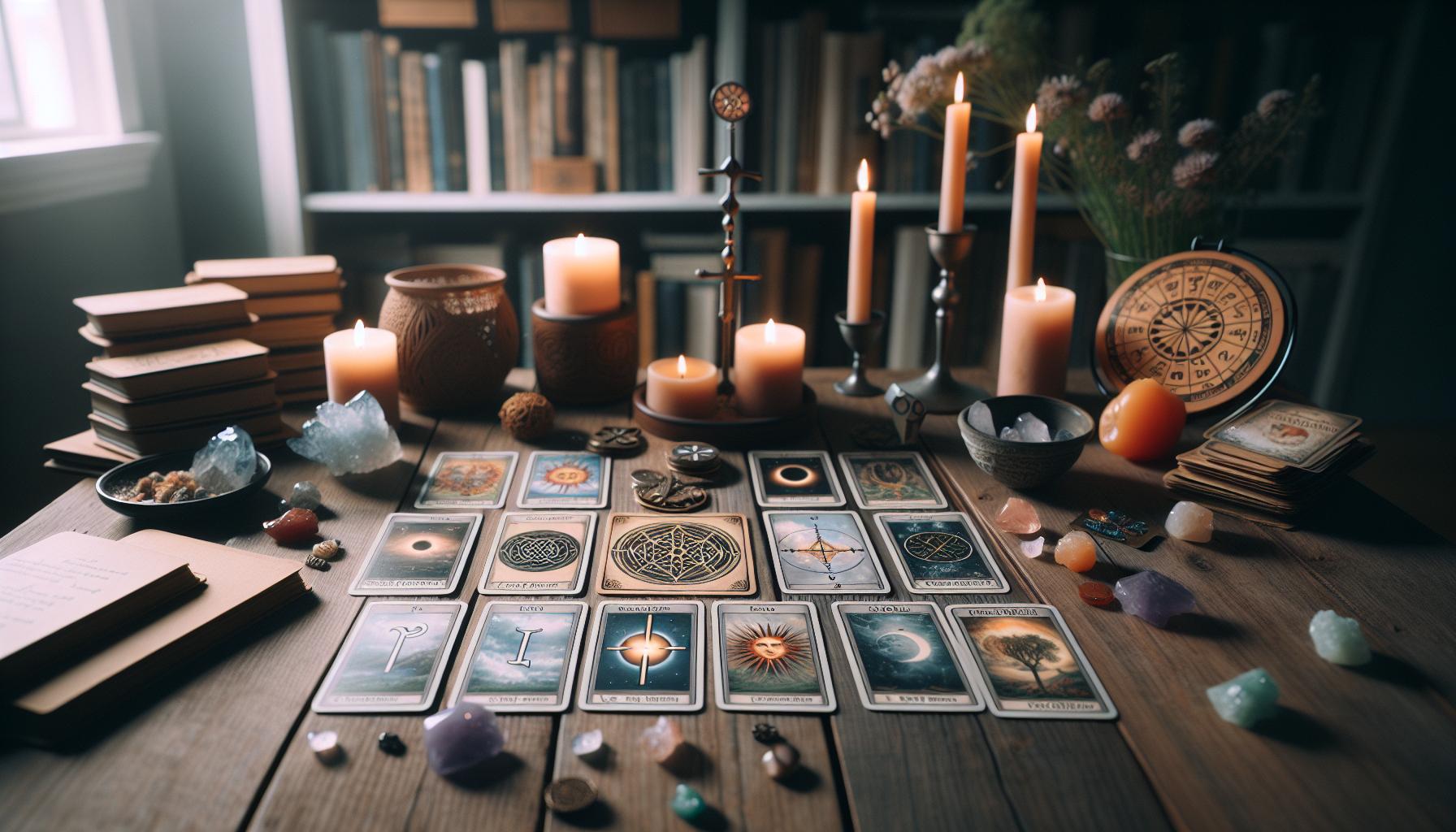
The Different Tarot Spreads and Their Purposes
Understanding the various Tarot spreads is essential for tapping into the depth of insight that Tarot offers. Each spread serves a unique purpose, allowing practitioners to explore different aspects of their lives, from relationships to personal growth. Whether you’re a beginner or a seasoned reader, knowing which spread to use can enhance your Tarot experience.
One of the most popular and versatile spreads is the Three-Card Spread, perfect for beginners. It typically represents the past, present, and future. For example, you could draw:
- Card 1: The Lovers (past influences on relationships)
- Card 2: The King of Cups (current emotional state)
- Card 3: The Six of Swords (future transition).
This spread helps to quickly gain insight into a situation by allowing you to see how past events shape the present and what potential future outcomes might arise based on current choices.
As you become more comfortable, you might explore the Celtic Cross Spread, a more complex layout that provides in-depth analysis. In this spread, the first ten cards cover diverse aspects such as your current situation, challenges, past influences, and potential outcomes. For instance, a card like The Tower could signify a sudden upheaval, while The Star might suggest hope and renewal lying ahead. This comprehensive approach allows readers to dissect layered issues, making it an excellent choice for specific guidance in complicated situations.
For those interested in pinpointing their focus, Single-Card Draws can offer daily insights. Each morning, select one card to set the tone for your day. Let’s say you pick The Sun; this card radiates positivity and success, suggesting you approach the day with optimism, enhancing your mindset.
Ultimately, the choice of spread should align with what you seek from the reading. By engaging with these varying layouts, you cultivate a personal connection to the cards and their meanings, inviting transformation into your life. Remember, Tarot is not just about the cards drawn but about the conversation you foster with your inner self through their interpretations.
Psychological Effects of Tarot Card Reading
Engaging with Tarot cards can profoundly affect our psychological landscape, serving as a reflective tool that encourages deeper self-exploration. Many find that the images and symbols on the cards act as mirrors, helping them confront their thoughts and emotions in a safe environment. When a reader draws cards, they often enter a meditative state that fosters intuition and creativity, prompting insights that might not arise in everyday thought patterns.
Research suggests that the act of interpreting Tarot can stimulate the subconscious, allowing individuals to tap into their instincts and deeply held beliefs. For example, drawing the Queen of Cups can prompt reflections on emotional nurturing and intuition, encouraging the reader to evaluate their relationships or self-care practices. This process often leads to personal epiphanies, where individuals discover connections between their current dilemmas and past experiences.
Moreover, Tarot readings can provide a sense of agency. When faced with uncertainty, people appreciate the opportunity to see their situations from different angles, as Tarot encourages the exploration of multiple pathways and outcomes. For instance, a simple Three-Card Spread-representing past, present, and future-can illustrate how one’s choices affect life’s trajectory, empowering individuals to take proactive steps rather than feeling like passive victims of fate.
The psychological effects of tarot are not just limited to contemplation; they can also mitigate anxiety and stress. Engaging with the cards can be a grounding practice, much like mindfulness or other healing rituals. Many readers report feeling a sense of calm following a Tarot session, as the practice helps to clarify confusing emotions and decisions. This emotional release can pave the way for more constructive actions and healthier coping mechanisms. By facilitating conversations with our inner selves, Tarot becomes a powerful tool for mental wellness.
Can Tarot Readings Predict the Future?
When contemplating whether Tarot readings can predict the future, it’s essential to first understand the nature of the insight they provide. Tarot does not forecast with absolute certainty; rather, it offers a lens through which we can examine potential outcomes based on the current trajectory of our lives. Each card drawn serves as a reflection of the energies surrounding a situation, helping individuals to identify possibilities rather than set-in-stone destinies.
One common approach during a reading is to utilize specific spreads designed to explore different aspects of a question. For example, in a simple Three-Card Spread, cards may represent the past, present, and future. This method allows a reader to highlight how past actions influence present circumstances and what potential futures may arise depending on current decisions. By recognizing recurring themes – such as the presence of the Wheel of Fortune (representing change and cycles) – individuals can better prepare themselves for what lies ahead, acknowledging that the future is not predetermined but shaped by their choices.
It’s also important to address the psychological aspect of Tarot readings. Many people find comfort in the idea that the cards provide guidance during uncertain times. The act of interpreting cards can stimulate inner reflection, helping individuals clarify their thoughts and feelings about the situations they face. This process can lead to insights that feel intuitively predictive, though they stem from a combination of personal intuition and the contextual clues within the cards.
While some may approach Tarot solely with skepticism, it can be highly beneficial to remain open-minded. Tarot encourages a dialogue about personal agency and empowerment. By contemplating the messages of the cards, one can devise strategies to navigate obstacles or seize opportunities rather than passively waiting for them to manifest. Ultimately, Tarot serves as a tool for exploration – a chance to tap into intuition and gather insight about potential paths, rather than a crystal ball offering definite predictions.
Real-Life Experiences: Transformative Tarot Stories
In the world of Tarot, where intuition and symbolism intertwine, real-life experiences often illuminate the profound impacts these readings can have on individuals. Many who venture into the realm of Tarot report transformative journeys, discovering clarity, wisdom, and unexpected insights that shape their paths forward. These experiences serve as powerful reminders of Tarot’s potential as a tool for reflection and growth, rather than mere fortune-telling.
Take, for example, a young woman named Sarah, who felt lost in her career. During a reading, she drew the Two of Pentacles, symbolizing balance and adaptability. As her reader unpacked the meaning, it became clear that she needed to prioritize her commitments and seek a more harmonious work-life approach. Inspired by this insight, Sarah re-evaluated her obligations, leading to a more fulfilling job that acknowledged both her work and personal passions.
Another compelling story comes from a man named David, who sought clarity regarding a long-standing relationship. A simple Three-Card Spread revealed the Lovers, indicating deep connections, but also the Tower, suggesting upheaval. This duality forced David to confront the reality of his situation: while love was present, change was necessary for growth. Empowered by this realization, he initiated a difficult but necessary conversation with his partner, ultimately leading to a healthier dynamic between them.
These personal accounts emphasize the significant role Tarot plays in facilitating self-discovery and navigating life’s challenges. To embrace this tool effectively, consider the following tips:
- Approach with an Open Mind: Be receptive to messages, even if they deviate from your expectations.
- Reflect on the Cards: Spend time understanding not just what cards represent, but how they resonate with your own life experiences.
- Journal Your Readings: Documenting interpretations and feelings can reveal patterns and promote deeper insights over time.
Ultimately, Tarot speaks to a universal desire for guidance and understanding. Each reading can serve not only as a reflection of potential futures but also as an invitation to engage deeply with who you are. Embrace the journey, and let the cards lead you to transformative revelations that expand your world.
Tips for Beginners: How to Start Reading Tarot
Starting your journey with Tarot can feel both exciting and intimidating, but embracing this ancient art is all about curiosity and openness. Many first-time readers wonder if they need special skills or intuition, but the truth is that Tarot is accessible to everyone. The cards serve as a mirror, reflecting your inner thoughts and feelings, guiding you toward deeper understanding and insight.
Begin with the right tools. A Tarot deck typically consists of 78 cards divided into the Major Arcana and Minor Arcana. Choose a deck that resonates with you-this might be one with vibrant imagery or a deck that speaks to your personal experiences. Take time to familiarize yourself with the cards: look at the images, read their meanings, and reflect on what each represents in your life.
To read Tarot effectively, start with three simple steps:
- Set Your Intention: Before you begin a reading, ground yourself and focus on the question or area of your life that needs clarity. This helps align the reading with what you genuinely seek.
- Shuffle and Draw: Shuffle your cards while thinking about your intention. When you feel ready, draw the cards that call to you. Trust your instincts-there’s no wrong way to choose.
- Interpret with Reflection: Look at the cards you’ve drawn and note your immediate feelings and thoughts. Each card’s meaning can shift based on its position in a spread and how it relates to your question.
As you begin reading, consider starting with a simple one-card draw for daily insights, or a three-card spread to explore past, present, and future influences. These methods help build your confidence without overwhelming you with complexity. Remember, it’s about exploring possibilities and not about predicting fixed outcomes.
Lastly, keep a Tarot journal. Document your readings, insights, and any patterns you notice over time. This personal record allows you to track your growth and deepen your understanding of the cards. As you progress, you may find your intuitive abilities sharpening, opening doors to more complex spreads and interpretations.
The world of Tarot is vast and mystical, yet it remains a practical tool for introspection and personal growth. Trust the process, and allow the cards to guide you on your unique path. Whether you approach this practice skeptically or with open arms, every reading is an opportunity for discovery and connection.
Enhancing Your Tarot Skills: Advanced Techniques
To truly deepen your Tarot practice, you’ll want to explore advanced techniques that enhance both your intuitive skills and the richness of your readings. One impactful approach is to focus on intuitive interpretation. While traditional meanings of cards provide a solid foundation, the true magic lies in your personal connections to each card. Spend time with them-meditate on their imagery, jot down any feelings or memories they evoke, and let these insights inform your readings. This practice not only makes each session more meaningful but also sharpens your ability to read between the lines of everyday situations.
Incorporating Numerology and Astrology
Integrating other metaphysical systems can also enhance your Tarot skills. Consider exploring numerology-understanding the significance of numbers on your cards can add layers of meaning. For instance, a card numbered 7 often signifies introspection and contemplation. Moreover, adding an astrological lens can enrich your interpretations. Each Tarot card has astrological correspondences that can help you understand the timing or deeper significance of a question. When you draw the High Priestess, for example, you might reflect on her association with the Moon, evoking themes of intuition, cycles, and hidden truths.
Experimenting with Advanced Spreads
As you become more comfortable with basic spreads, challenge yourself with more complex layouts. The Celtic Cross is a classic, offering insights into past influences, present circumstances, and future possibilities. Alternatively, try the Relationship Spread, which helps explore dynamics with loved ones. This spread often involves multiple cards representing each person and the relationship itself, providing a detailed view of interactions and challenges. Engaging with these advanced layouts can deepen your understanding and add richness to your readings.
Practicing Self-Readings and Group Sessions
Don’t shy away from self-readings. These allow you to explore your own life deeply, balancing personal insight with the objectivity you develop in group readings. When practicing with others, try a reading circle where each participant reads for another. This collaborative approach encourages different perspectives and interpretations, enhancing confidence and creativity in your readings. Note the communal energy; sometimes, group readings can invoke insights that solo sessions cannot achieve.
Lastly, keep challenging your intuitive abilities. Trust that the insights you feel during readings are valid. As you gain experience and confidence, you will find your unique voice in the Tarot realm, transforming your practice into not just a method of divination but a profound journey of inner exploration and self-discovery.
Maintaining Ethical Practices in Tarot Readings
Engaging in Tarot card reading is not just about the cards; it encompasses the ethical responsibilities that come with interpreting insights for yourself or others. Each reading holds the potential to influence lives, making it essential to approach this mystical art with care and respect. First and foremost, it’s vital to establish a clear boundary around your reading sessions, ensuring that both the reader and the querent feel safe and understood. Begin by discussing any topics that may be triggering or off-limits, so everyone is aware of the boundaries and content of the reading.
Informed Consent
One of the cornerstones of ethical Tarot practice is obtaining informed consent. Before the reading, clarify the purpose and nature of the session. This dialogue not only empowers the querent but also ensures they have a clear understanding of what to expect. Encourage them to ask questions about the process, which can alleviate anxiety and foster a more open, trusting relationship.
Respecting Free Will
Tarot readings should never dictate a person’s choices or future. As a Tarot reader, your role is to offer guidance, not prescriptions. Emphasize that the insights provided are reflections of current energies and potential outcomes, not absolutes. For instance, if a reading suggests a particular path, remind the querent that every decision is ultimately theirs; they have the power to change their trajectory at any moment.
Confidentiality and Trust
Weave a fabric of trust by maintaining strict confidentiality about what is shared during sessions. This builds a safe space for vulnerability, encouraging deeper introspection. If a querent shares sensitive information, remind them of your commitment to discretion-this not only fosters trust but is also an ethical obligation.
Self-Care and Inner Reflection
Lastly, maintaining ethical practices also involves the reader’s self-care and clear mindset. Before and after each session, engage in rituals that center your energy-whether it’s grounding exercises, meditation, or a few moments of quiet reflection. This practice ensures that you approach each reading with clarity and intention, enabling you to provide the most honest and compassionate insights.
In every Tarot reading, the aim is to support, enlighten, and guide while upholding the sacred trust placed in you by your querents. By adhering to these ethical practices, you not only enrich the reading experience but also contribute positively to the broader community of Tarot and its transformative possibilities.
Exploring Alternative Views: Skepticism vs. Belief in Tarot
Skepticism and belief in tarot weave a complex tapestry in the realm of spirituality. For many, tarot is a profound tool for self-discovery and reflection, while others view it with skepticism, questioning its validity and benefit. Understanding both perspectives can enhance your practice and deepen your connection to tarot, regardless of where you stand.
Believers often see tarot as a conduit for intuition and insight. Tarot readings can serve as moments of clarity, offering guidance during uncertain times. For example, a simple three-card spread can reveal the past influences, present circumstances, and future potentials surrounding a specific question. Believers embrace the idea that the cards can resonate with their situation, helping them identify choices or hidden feelings they may not have acknowledged. This interaction with the cards fosters a sense of empowerment and introspection, encouraging individuals to explore their paths more consciously.
On the flip side, skeptics often argue that tarot lacks scientific backing and relies heavily on subjective interpretation. They may view the practice as mere entertainment or psychological projection, where the meanings attributed to the cards stem from the reader’s intuition rather than any mystical insight. While this skepticism can deter some from exploring tarot, it also invites deeper inquiry into how personal beliefs shape our experiences. Engaging skeptics in dialogue about their concerns can not only demystify tarot but also build a bridge for understanding its potential as a reflective tool.
Whether you are a skeptic or a believer, it’s important to approach tarot with an open mind. Consider conducting personal experiments with tarot; set intentions, pull cards, and reflect on their relevance to your life. Engaging in this practice can lead to personal breakthroughs or reinforce skepticism, helping you carve a path that honors your unique relationship with tarot. Remember, the magic of tarot lies not only in its cards but in the stories, insights, and transformations it can inspire within each of us.
Frequently asked questions
Q: What does the tarot reading process involve?
A: Tarot reading typically involves shuffling the deck while focusing on a question, then drawing cards to interpret their meanings. The reader analyzes the placement of the cards and their symbolism to provide insights and guidance based on the querent’s query. Understanding various spreads, like the Celtic Cross, can enhance the reading’s depth.
Q: Can anyone learn to read tarot cards effectively?
A: Absolutely! Anyone can learn to read tarot cards, regardless of prior experience. Starting with the basics, such as card meanings and practicing simple spreads, builds confidence. Engaging with communities and resources can further enhance your learning journey.
Q: How can tarot readings help with decision-making?
A: Tarot readings can clarify options and enhance intuition when faced with decisions. By reflecting on the card meanings, readers gain new perspectives on their choices, helping to evaluate desires versus fears. Using a decision-making spread can specifically target this need.
Q: Are there scientific studies on the effectiveness of tarot readings?
A: While scientific studies on tarot are limited, many explore the psychological impact of readings. People often report feeling empowered or validated after a session. This is linked to the interpretative nature of tarot, which can enhance self-awareness and reflection, rather than predicting the future.
Q: What are common misconceptions about tarot card readings?
A: Many believe tarot readings are solely about fortune-telling. In reality, readings focus on introspection and personal growth. Understanding that tarot serves as a tool for insight rather than a definitive answer can shift perceptions and encourage a more open-minded approach.
Q: How do tarot cards reflect personal situations and emotions?
A: Tarot cards often symbolize aspects of the self, such as feelings, challenges, and desires. When drawn, the cards mirror the querent’s situation, providing insights that prompt reflection on their emotional landscape and thought processes, enhancing self-awareness and growth.
Q: Can tarot readings provide insight into relationships?
A: Yes, tarot readings can offer valuable insights into relationship dynamics. By analyzing cards related to love and communication, querents can uncover underlying issues or gain clarity on their feelings, enabling them to navigate their relationships more consciously.
Q: How do I know if a tarot reader is credible?
A: To assess a tarot reader’s credibility, consider their experience, background, and client reviews. Trust your intuition-an open and respectful approach fosters a positive reading environment. You can also look for certifications or community memberships to validate their skills.
Final Thoughts
As we reflect on the insights from “Does Tarot Card Reading Really Work? Shocking Truth,” it’s clear that tarot is not just a mystical art but a valuable tool for personal growth and clarity. If you’ve been hesitant to explore tarot due to skepticism, remember that the cards can serve as mirrors, reflecting your inner truths. For those eager to dive deeper, consider trying a daily tarot reading for daily guidance or check out a 3-card spread for focused insights into specific questions.
Don’t let uncertainty hold you back! Embrace the journey of self-discovery with tarot and feel empowered to trust your intuition. Join our community by signing up for our newsletter for more resources, tips, and special offers on tarot consultations. Your next revelation is just a card away-explore our site for more tools that can enhance your tarot experience and unlock the potential that lies within you. We can’t wait to help you on this exciting path!