Flipping tarot cards isn’t just a motion; it’s a sacred practice that connects you with the energies of the universe. Whether you’re a curious beginner or a seasoned reader, mastering the proper technique can enhance your readings and deepen your intuitive understanding. Many readers struggle with how to approach this crucial step, leading to questions about consistency and accuracy in their interpretations.
By learning the right way to flip your tarot cards, you can create a more meaningful connection with your deck, ensuring each reading feels authentic and insightful. This guide will provide you with practical tips and techniques that demystify the process, allowing you to approach your tarot practice with confidence and ease. Discover how flipping cards can transform not only your readings but also your relationship with this powerful spiritual tool. Continue on this journey to unlock the full potential of your tarot practice!
Understanding the Basics of Tarot Card Flipping

Flipping tarot cards is more than just a physical action; it embodies the intention and energy you bring into your reading. Each flip is a connection between you and the universe, revealing insights and guidance tailored to your inquiries. As you begin this journey, understanding the basics of this technique can transform your practice and deepen your readings. The essence of flipping lies in the ritualistic quality – it’s about creating a space for reflection and intuition.
When flipping cards, the first step is to center yourself. Take a moment to breathe deeply, allowing your mind to clear. You might want to hold the deck and infuse it with your personal energy by shuffling while asking a question or setting an intention. Using your dominant hand, gently flick or lay the cards face down on your chosen surface, ensuring they are well-mixed. Remember, the way you physically treat the cards mirrors your respect and energy towards them – a light touch reflects openness, while a firmer flip conveys decisiveness.
Technique also plays a role in how you interpret the cards post-flip. When you reveal a card, do so with an open heart and mind. Uncover it slowly, allowing its imagery to resonate with you. It can be helpful to view the card from different angles or distances. This multifaceted approach can unveil various meanings and connections. Engage with the card: what emotions does it evoke? What narrative unfolds when paired with surrounding cards?
As you become more familiar with flipping techniques, consider incorporating varied methods, like the one-handed flip or the card spread, to keep your practice dynamic. Each card’s energy is unique; your flipping method should reflect your personal style and the nature of your inquiry. Ultimately, embracing these foundational practices will enhance your confidence as an intuitive reader, making each reading not only a ritual but a journey of discovery.
Essential Tools for Successful Card Flipping
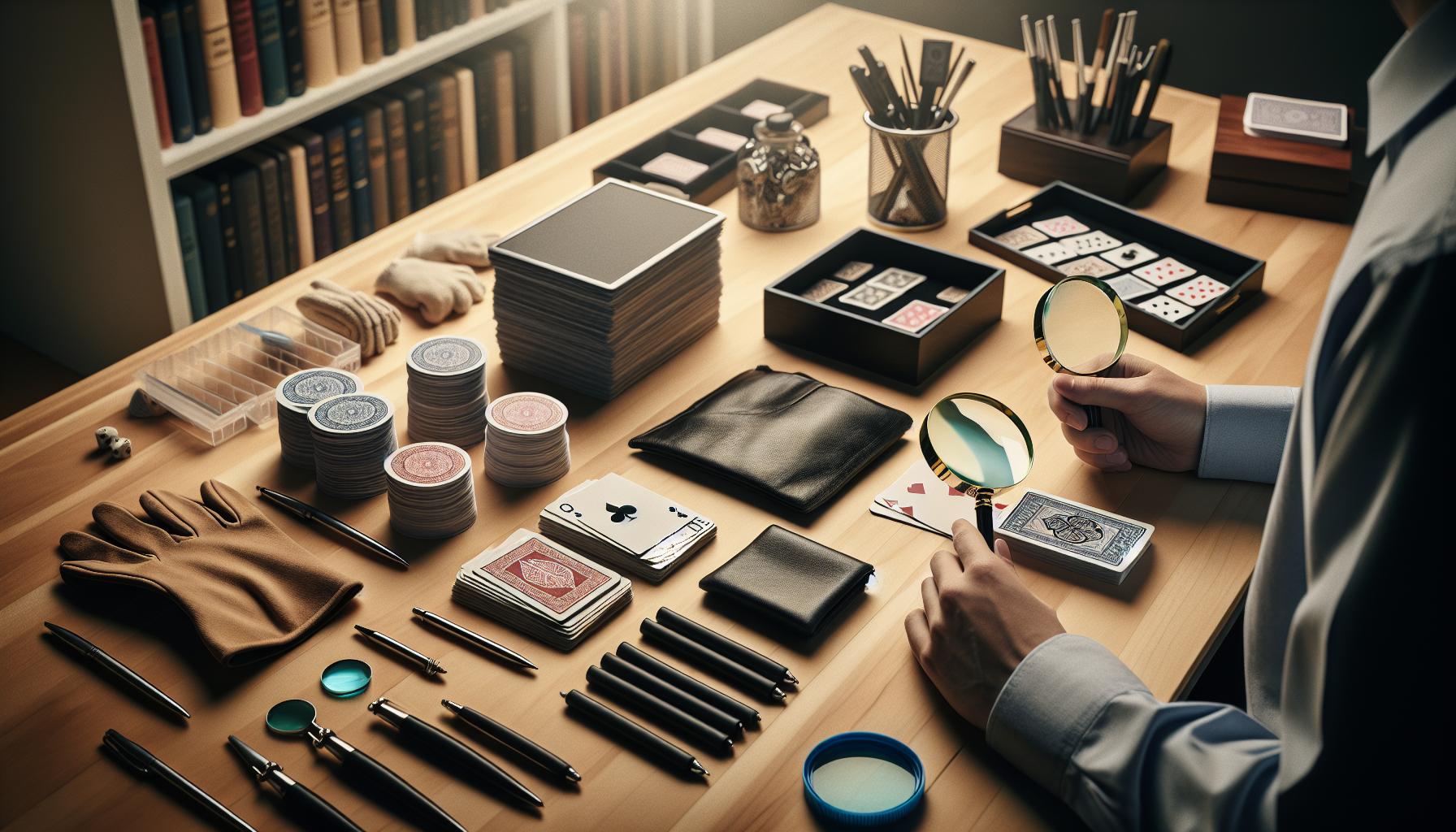
To embark on a successful journey of tarot card flipping, it’s important to equip yourself with the right tools and mindset. These essentials will not only facilitate the physical aspects of flipping cards but also enhance the spiritual experience, allowing for deeper connections and insights during your readings.
First and foremost, choose a tarot deck that resonates with you. The images and symbols should evoke personal meaning, as a connection to the deck fosters comfort and clarity during your readings. Beyond the deck, consider creating a sacred space that complements your practice. This can be a dedicated table or a quiet corner adorned with items that inspire you-crystals, candles, or meaningful artwork. Such elements can elevate the energy of your readings, making each flip a profound interaction with the universe.
Physical Techniques and Accessories
For a smooth card flipping experience, ensure your deck is in good condition; well-worn cards can lead to cluttered energy during readings. Regularly cleansing your cards-by using sage, sound, or simply the intention of clearing-can refresh their energy. Additionally, having a cloth or mat to place your cards on can help prevent damage and create a respectful environment for the cards.
When it comes to the actual technique, practice different flipping methods to find which one feels most natural. Here are a few examples to explore:
- One-Handed Flip: For a more fluid motion, try flipping with one hand while holding the rest of the deck in the other. This allows for quick and deliberate reveals.
- Two-Handed Flip: Holding the deck with both hands can provide more control and intention, promoting a meditative quality during the flip.
- Spread Technique: Instead of flipping a single card, lay out several cards at once in a spread. This approach offers a narrative that unfolds collectively rather than individually.
Ultimately, let your intuition guide your technique. Each reader develops their own unique style, and experimenting with different approaches will help you discover what resonates best with you. The tools you select and the techniques you apply form a harmonious blend that elevates your tarot readings from mere practice to a spiritual dialogue.
Step-by-Step Guide: How to Flip Tarot Cards

To truly connect with the magic of tarot, mastering the technique of card flipping is essential. This skill elevates your readings, moving them from mere practice to powerful spiritual dialogues. Flipping tarot cards isn’t just about the physical action; it embodies a deeper intention that enhances the overall reading experience. Here’s a clear, practical guide to help you develop this important skill.
Begin by holding your tarot deck in your dominant hand, with the card faces facing away from you. Take a moment to ground yourself-breathe deeply and set your intention for the reading. This helps create a focused energy as you prepare to flip the cards. Start with a One-Handed Flip: gently slide a card from the top with your fingers and allow it to pivot up and outwards. This technique is fluid and can bring a spontaneous element to your reading, allowing for quick insights.
Next, try the Two-Handed Flip. In this approach, hold the deck in both hands, with thumbs on top and fingers underneath. Press down slightly with your thumbs and release a card with your fingers. This method promotes intention and control, giving you the opportunity to connect more deeply with the meaning of the card as you reveal it. As you flip, pay attention to your feelings and thoughts; these can be valuable clues for interpreting the card.
For a more comprehensive view, consider the Spread Technique. Rather than flipping one card at a time, lay out a few cards in a predetermined spread pattern. Each card’s position has significance, weaving together a narrative that unfolds through your connection with the imagery. For instance, if doing a three-card spread for past, present, and future, take your time to observe the relationships between each card. This method enriches the reading, allowing multiple insights to emerge simultaneously.
Practice regularly with these techniques, allowing your intuition to guide your movements. Over time, you’ll refine your personal style and develop a rhythm that feels natural, enhancing your overall tarot experience. Remember, flipping tarot cards is a blend of art and practice-each reader has a unique flair. Trust your instincts, enjoy the process, and let the tarot’s wisdom unfold before you.
Mastering the Art of Card Placement
Understanding the placement of tarot cards can transform your readings from simple interpretations into profound insights. Each card carries a unique meaning, but its significance can shift dramatically based on its position within a spread. When you master card placement, you not only cultivate a deeper connection with the tarot but also enhance the clarity and resonance of your readings.
Begin by familiarizing yourself with common tarot spreads, such as the three-card draw or the Celtic Cross. Each spread has a specific intent, determining what aspects of life are being explored. For example, in a three-card draw, you might designate positions as past, present, and future, offering you a timeline to reflect upon. As you place the cards, consider their meanings within the context they’re positioned. This context-rich environment allows you to see not just individual card meanings but also how they interact and influence one another.
Key Considerations for Card Placement
- Intention: Always start with a clear intention. Ask yourself what you seek to discover or understand through this reading. This clarity will guide your placement choices.
- Position Meaning: Each position in your spread conveys different meanings. For instance, in a relationship spread, the ‘You’ position may reflect your current emotional state, while the ‘Partner’ position reveals their perspective.
- Image Connections: As you place each card, notice the imagery and symbolism. Some cards may resonate with each other, creating dialogues that enhance your interpretation.
Experiment with your card placements, and take notes on how different configurations affect your readings. If a card that symbolizes challenge is positioned next to one representing support, for instance, you might find a deeper lesson about overcoming obstacles. Trust your intuition as you shuffle and place the cards; let the process feel organic and aligned with your energy.
To deepen your practice, integrate a ritualistic approach when placing your cards. Create a sacred space, light a candle, or play soft music to cultivate the right atmosphere. These elements contribute to a grounded experience, allowing your intuition to flourish. With time, your confidence in card placement will grow, leading to more insightful and enriching tarot sessions. Embrace the journey of learning and discovery, and remember: each card placement is an opportunity to delve deeper into the mysteries of your life.
Reading Your Cards: Techniques for Interpretation
To engage deeply with your tarot readings, understanding how to interpret your cards is essential. This process is not just about memorizing meanings but involves connecting with the symbolisms and stories that emerge during your session. Each card tells a story, influenced not only by its own imagery but also by its neighbors and the context of the reading.
Begin by examining each card’s symbolism and the feelings it evokes in you. What colors stand out? What symbols resonate? For instance, if you draw the Ace of Cups, it often signifies new emotional beginnings or love, but its interpretation deepens significantly based on what cards surround it. If paired with the Tower, it might present a scenario of love emerging after a tumultuous change. Always trust your instinct; the best interpretations often arise from your initial emotional reactions.
Utilize a variety of techniques to enrich your understanding. Consider starting with basic interpretations before transitioning into a more holistic view. Ask yourself questions like:
- What is this card generally known for?
- How does this card relate to the specific question I asked?
- What is the emotional tone of this card in this position?
Engaging with your cards through dialogue can deepen your insights. For beginners, journaling your thoughts and interpretations after each reading can provide clarity and track your growth over time. This practice cultivates your voice as a tarot reader, allowing you to hear and understand your inner guides.
Lastly, remember that there is no ‘right’ answer when interpreting tarot; flexibility and openness are keys. As you advance, consider engaging with advanced techniques, such as exploring reversed meanings or incorporating numerological aspects behind each card. As you grow more familiar with your deck, you’ll find it becomes a trusted companion in your journey of self-discovery and reflection, regardless of your previous experience or belief system regarding the mystical. Tarot is an accessible tool for everyone, inviting you to explore, understand, and connect with your intuition deeply.
Advanced Flipping Techniques for Experienced Readers
When diving into advanced flipping techniques for tarot card readings, it’s important to remember that the way you handle and present cards can significantly influence the energy and insight you gain from them. Experienced readers often develop specific methods that resonate with their style, enhancing their connection to the cards and the messages they convey.
One of the primary techniques involves intentional flipping, where each card is revealed with purpose and awareness. Instead of just turning over a card, pause and focus on your question or intention. As you flip, visualize the card’s energy flowing into you. This intentional energy can amplify your intuition and lead to deeper interpretations.
Additionally, mastering the timing of flips can enhance the narrative of your reading. For instance, flipping cards one at a time allows you to build suspense and reflect on each card before moving onto the next, integrating the meanings as you go. This technique also provides space for emotional reactions and insights to surface, which can be incredibly valuable for readings that require deeper emotional contemplation.
Consider incorporating a layered reveal technique. For example, when doing a three-card spread, begin by flipping the first card and meditating on its meaning before revealing the next. This method helps to establish a foundation for the reading and creates a dynamic flow of energy that can lead to surprising revelations.
As you grow in your practice, remember that the physical connection to your cards matters-experiment with how you hold and flip them. Whether you prefer a smooth wrist motion or a more deliberate hinge at the fingers, find what feels authentic to you. Engaging with your cards in a way that feels personal and aligned with your natural movements will always enhance the reading experience.
Ultimately, each technique you adopt is a tool to deepen your practice. Recording your experiences with these techniques and reflecting on how they resonate with your readings will guide you in refining your personal style. Tarot is an evolving journey; the more you experiment with advanced flipping techniques, the more you invite new insights and connections into your readings.
Common Mistakes and How to Avoid Them
Flipping tarot cards can feel like a sacred art, but many beginners trip over common pitfalls that can diminish their readings. One prevalent mistake is rushing through the flips, treating them as a mere mechanical action rather than a meaningful moment of connection. Each card flip is an opportunity to engage with the energy it represents. Instead, take a deep breath before flipping the card, allowing your intuition to settle and focus on your question or intention. This moment of pause not only enhances the significance of each card but also aligns your energy with the messages you seek.
Another frequent error is neglecting to randomize or shuffle the cards properly. Many readers stick to familiar patterns or fail to cleanse the deck, which can lead to repetitive readings that feel stale or uninsightful. To avoid this, incorporate a ritual before each reading: shuffle the cards with intent, even mixing them in a way that feels intuitive to you. Whether it’s the traditional overhand shuffle or a more playful riffle, engaging with your deck in a personal way can refresh its energy and your connection to it.
Misinterpretation of card meanings due to insufficient study is also quite common. Each card is dense with layers of meaning that can shift depending on the context of your question and the surrounding cards. Avoid the trap of relying solely on memorized meanings; instead, allow yourself to explore the imagery and symbols in the cards. For instance, if you draw the Three of Swords, instead of jumping to heartache, consider its parallels to clarity and truth which may reveal insights specific to your reading. Utilizing various resources, such as intuitive guides or study groups, can deepen your understanding and enrich your readings.
Finally, many new readers struggle with overthinking their interpretations or second-guessing their instincts. Trusting your intuition can be daunting, yet it is essential for effective card reading. Embrace the understanding that your first impressions of a card often hold the most profound truth for you. To cultivate this trust, keep a journal of your readings, noting your immediate feelings about each card and juxtaposing your notes with traditional interpretations over time. This practice not only builds confidence but also enhances your personal relationship with the tarot.
By addressing these common mistakes-rushing card flips, improper shuffling, inadequate study, and doubting your intuition-you can open the door to more meaningful and insightful tarot experiences. Each flip can become a powerful moment of discovery and connection, enriching your personal journey with the tarot.
Enhancing Your Intuition: Flipping Tips
When it comes to flipping tarot cards, enhancing your intuition can dramatically elevate your readings. Each card is not just a symbol but a gateway to deeper meanings and connections. A key technique for accessing this inner wisdom is to cultivate a mindful approach before each flip. Rather than mechanically flipping cards, pause for a moment. Close your eyes, take a deep breath, and set a clear intention for your reading. This practice helps you align your mind and spirit, allowing more space for intuition to guide you.
Engaging with your cards can also flourish through tactile experiences. As you handle your deck, allow your fingers to roam over the surface of the cards, feeling their texture and weight. This sensory engagement helps to ground your thoughts and can evoke insights from the cards even before you turn them over. Try a practice where you randomly select a card from the deck, observe it without flipping, and jot down your initial feelings and thoughts. This pre-flip connection can pave the way for a more informed interpretation when you finally reveal the card.
Another way to enhance your intuition is to develop a personal relationship with each card. While traditional meanings of the cards provide essential guidance, your unique experiences and emotions associated with specific cards can lead to rich interpretations. For example, if the Queen of Cups is one of your favorite cards, you might associate her with nurturing and emotional clarity. Keeping a tarot journal to document these associations can deepen your understanding and confidence, allowing you to weave personal insights into your readings.
Lastly, consider incorporating rituals that resonate with you before flipping cards. This can be anything from lighting a candle, playing soothing music, or even employing crystals that resonate with your question. Such rituals create a sacred atmosphere and signal to your subconscious that this is a moment for deeper reflection and intuition. Remember, tarot is about exploration, and trusting your instincts can unlock profound insights. Every flip can be a step into the mysterious journey of self-discovery, so embrace it with open curiosity.
Exploring Different Tarot Spreads and Their Uses
When diving into the world of tarot, understanding the diverse range of tarot spreads is crucial. Each spread serves a unique purpose and guides the reader in different ways, enhancing the overall experience of flipping and interpreting cards. Whether you’re a beginner looking for straightforward guidance or an advanced reader seeking deeper insights, finding the right spread can elevate your tarot practice and help you connect more profoundly with your intuition.
Start with the Three-Card Spread, one of the simplest and most versatile options available. It’s perfect for beginners asking straightforward questions. This spread can represent the past, present, and future or explore different aspects of a single issue-the flexibility allows for rich interpretations. For instance, if you’re contemplating a career move, you might draw three cards to symbolize past experiences associated with your job, your current feelings about it, and potential future opportunities.
For those seeking deeper analysis, the Celtic Cross Spread is a classic choice. Comprising ten cards, this spread provides a comprehensive look at both the external and internal influences affecting the querent’s situation. This spread is particularly useful for readers looking to explore complex issues or when numerous factors play a role in decision-making. While flipping the cards, focus on the relationships between them, as cards in this spread often provide clarifying messages about your life path and choices.
If you want to concentrate on relationships, consider using a Relationship Spread, which typically consists of six to ten cards. It allows you to investigate the dynamics between you and another person, revealing underlying strengths, weaknesses, and growth opportunities. During your reading, flip the cards with intention, considering how each card illustrates emotional exchanges or unresolved tensions, guiding you toward clarity and understanding.
Experimenting with these spreads can enhance your intuitive abilities. As you flip the cards, reflect on their meanings in the context of the spread. Notice how the positions inform your interpretations and encourage an ongoing dialogue with the cards. Remember, the key to effective tarot reading lies not just in the cards themselves, but in your ability to synthesize their messages and apply them to your life. Embrace the learning curve as you weave together your personal experiences, the symbols on the cards, and the specific energies of each spread-this is where true understanding flourishes.
Integrating Spiritual Practices with Card Flipping
Engaging with tarot cards isn’t solely about mechanical flipping; it’s about infusing your practice with spiritual awareness and intention. When you integrate spiritual practices into your card flipping routine, you create an environment that is ripe for meaningful insights and deeper connections. This can elevate your readings from mere card interpretations to profound realizations about your life journey.
Begin by establishing a sacred space. This sets the tone for your reading and enhances your connection to the cards. Light a candle or burn sage to clear the energy around you. As you prepare your space, take a moment to set your intention for the reading. Surround yourself with elements that inspire you, such as crystals that resonate with your energies, or any personal items that carry significant meanings. This mindfulness can help open your intuition, allowing the cards to reveal more than just their traditional meanings.
Before flipping the cards, consider incorporating breathwork or meditation. A simple practice like closing your eyes, taking three deep breaths, and grounding yourself can center your mind. Visualize your question or issue at hand as you breathe. This helps in aligning your energy with the cards, ensuring that when you flip them, you’re not just reacting but interacting with them from a space of clarity and focus. Remember, each card is a repository of potential wisdom-it’s asking for your engagement, not just your eyes.
When flipping the cards, approach each with reverence. Hold the card briefly, appreciate its imagery, and allow your intuition to respond to its energy. It’s also beneficial to develop a ritual for when you read-this could be a phrase you say, a simple affirmation, or even a gesture. For instance, before you interpret each card, you might say, “I open myself to the wisdom within this card.” This kind of intention helps to merge personal insight with the knowledge held within the cards, leading to richer interpretations.
Ultimately, integrating spiritual practices with tarot card flipping is about enhancing your connection to both your intuition and the cards. This journey requires patience, but it rewards you with a deeper understanding of both the tarot archetypes and your own life situation. Embrace the process as an ongoing dialogue-every reading is a chance to deepen your self-connection and refine your intuitive abilities.
Troubleshooting: What to Do When Cards Don’t Connect
When you’re engaged in tarot readings, it can sometimes feel like you’re speaking a different language, especially when the cards just don’t seem to connect with your intuition or the question at hand. This can be a frustrating experience, leaving you unsure about the effectiveness of your practice. If you find yourself in this situation, know that you are not alone; many tarot readers encounter this challenge. The good news is that there are several strategies to help restore the connection and enhance your readings.
First, reassess your question. Clarity is crucial in tarot; if your inquiry is vague or overly complex, the cards may struggle to provide meaningful guidance. Try rewriting your question in a simpler, more direct manner. For example, instead of asking, “What should I do about my career and love life?” consider splitting it into two distinct questions: “How can I improve my career?” and “What should I focus on in my love life?” This specificity allows for clearer insights from the cards.
Another essential factor to consider is the energy of your environment. Ensure that your reading space feels calm and conducive to reflection. You might find it beneficial to cleanse the cards, whether by using smoke from sage or incense, or even by simply placing them in the sunlight for a while. You can create a calming atmosphere by playing soft music or incorporating elements like crystals that resonate with your energy. This can help facilitate a more profound connection between you and the cards.
Lastly, don’t underestimate the importance of your own mindset. If you’re feeling anxious or distracted, it can impede your ability to interpret the cards. A quick meditation or a few deep breaths can ground you before you begin the reading. Try to approach each card with an open heart and mind, allowing their imagery and symbolism to inspire your intuition rather than forcing a meaning. Remember, sometimes the cards need a moment to reveal their full narrative; patience is key.
By focusing on these aspects-clarifying your inquiry, creating a conducive environment, and nurturing the right mindset-you can overcome the disconnect and unlock deeper insights in your tarot practice. Trust in the process; every reading is a step toward deepening your understanding of both the cards and yourself.
Deepening Your Practice: Rituals for Card Flipping
Engaging with tarot through rituals can significantly enhance your card flipping experience and deepen your reading practice. Rituals serve not only to cleanse and prepare your space but also to foster a deeper connection with your cards and your intuitive self. They create an atmosphere conducive to insightful readings, transforming a simple card flip into a spiritually enriching experience.
Begin by setting your intention. This can be as simple as a quiet moment of reflection before you shuffle your deck. Ask yourself what you hope to gain from your reading today. This clarity is pivotal, as it aligns your energy with the cards. Write your intention on a piece of paper and keep it near your reading space as a reminder.
Next, consider the physical environment where you read. You might like to establish a sacred space by incorporating elements that resonate with you. Here are a few suggestions:
- Cleansing Tools: Use sage, palo santo, or even a crystal bowl with water and salt to cleanse your cards.
- Personal Items: Include photographs, mementos, or items that hold spiritual significance to you.
- Ambiance: Soft lighting and calming music can reinforce a peaceful atmosphere.
As you prepare to flip the cards, take a moment to meditate or engage in deep breathing. This practice helps ground your thoughts and connects you to the present moment. Visualize a light surrounding you, protecting your space and inviting positive energies.
For the card flipping process itself, you might want to develop a unique ritual that feels right for you. Some people prefer to knock on the deck before cutting the cards, while others may like to hold their hands over the spread and envision energy flowing through them. Whatever feels natural will enhance your intuition!
Finally, reflect on your readings regularly. Journaling can deepen your understanding and improve your skills. Record not just the card meanings but your feelings and insights during the reading. Over time, this practice creates a rich tapestry of experiences and wisdom that will inform your future readings.
By integrating these rituals into your card flipping process, you create a sacred practice that honors both the tarot and your unique intuitive journey, fostering a more profound understanding of the cards and their messages.
Faq
Q: What is the best way to shuffle tarot cards before flipping them?
A: The best way to shuffle tarot cards is by mixing them in a way that feels intuitive to you. You can use the overhand shuffle, where you hold the deck in one hand and pull small groups of cards from the top and let them fall into the other hand. This method connects you to the energy of the cards, enhancing your reading experience.
Q: How do I determine the right position for flipping tarot cards?
A: When flipping tarot cards, place them face down in a comfortable position. A smooth, non-glossy surface is ideal to prevent slipping. Position the cards in a way that allows you to easily reach them and encourages an open, inviting energy flow, as detailed in the section on Mastering the Art of Card Placement in the original article.
Q: Should I focus on my question while flipping the cards?
A: Yes, focus on your question’s intent while flipping the cards. This mindfulness helps to direct the energy and intention into your reading, making the cards more relevant to your inquiry. Revisit the Step-by-Step Guide: How to Flip Tarot Cards section for more insights on focusing your energy.
Q: What should I do if I flip the cards in the wrong direction?
A: If you accidentally flip a card in the wrong direction, acknowledge it as part of the reading. Each orientation can hold meaning-upright cards might represent positive aspects, while reversed cards can indicate challenges. Embrace this unexpected turn to deepen your interpretation.
Q: How can I avoid common mistakes when flipping tarot cards?
A: To avoid common mistakes, ensure your space is quiet and free of distractions. Take a moment to ground yourself and set your intentions before flipping the cards. Utilize tips from the Common Mistakes and How to Avoid Them section of the article for improved execution.
Q: What is the significance of the order in which I flip tarot cards?
A: The order in which you flip tarot cards can impact their interpretation. Typically, cards drawn earlier can affect the context and meaning of those drawn later. Consider exploring different tarot spreads to see how arrangement influences your readings, as discussed in the Exploring Different Tarot Spreads and Their Uses section.
Q: Should I use any rituals before flipping tarot cards?
A: Incorporating rituals before flipping tarot cards can enhance your intuitive connection. Simple practices like lighting a candle or meditating for a few minutes can set the stage for clarity and openness. Check the Deepening Your Practice: Rituals for Card Flipping section for more detailed ideas.
Q: Can I flip cards if I’m feeling negative energy?
A: Yes, you can flip cards even when feeling negative energy. Acknowledging your feelings can provide insight into your reading. Try to cleanse your cards with a simple ritual, like waving them through incense smoke, to refresh their energy before you begin.
Concluding Remarks
Mastering the technique of flipping tarot cards is a pivotal step on your journey to becoming a skilled reader. Remember, practice not only enhances technique but also builds your intuition and confidence. If you’re eager to dive deeper, explore our guide on 3-Card Tarot Career Readings, where you can learn how to apply these skills for professional insights [[1]].
Feeling uncertain about your readings? Don’t hesitate to check our resources on daily horoscopes for personalized guidance that complements your tarot practice [[2]]. Join our community of seekers-your voice matters! Share your experiences or questions in the comments below.
Ready to unlock even more tarot secrets? Try our instant Yes or No Tarot reading tool for quick answers [[3]]. Embrace your spiritual journey; every card flipped opens a door to greater understanding. Your path in tarot is just beginning-explore, engage, and elevate your practice today!