Have you ever wondered what secrets lie within a simple deck of Tarot cards? Each card is a window into the subconscious, offering profound insights into our lives, relationships, and personal journeys. In “How to Interpret Tarot Cards: Develop Your Intuition,” we will explore the intersection of intuition and Tarot, guiding you to unlock your innate ability to interpret cards with confidence and clarity.
Many people find themselves intrigued by Tarot’s promise of guidance and wisdom, yet they often feel overwhelmed by the variety of interpretations and meanings. This guide aims to demystify the reading process, providing you with practical techniques and insights that resonate with your personal experiences. Whether you’re a complete novice or seeking to deepen your practice, you’ll discover how to enhance your intuitive skills while fostering a personal connection to the cards. Join us as we embark on this mystical journey, where the power of Tarot can transform your understanding of yourself and the world around you.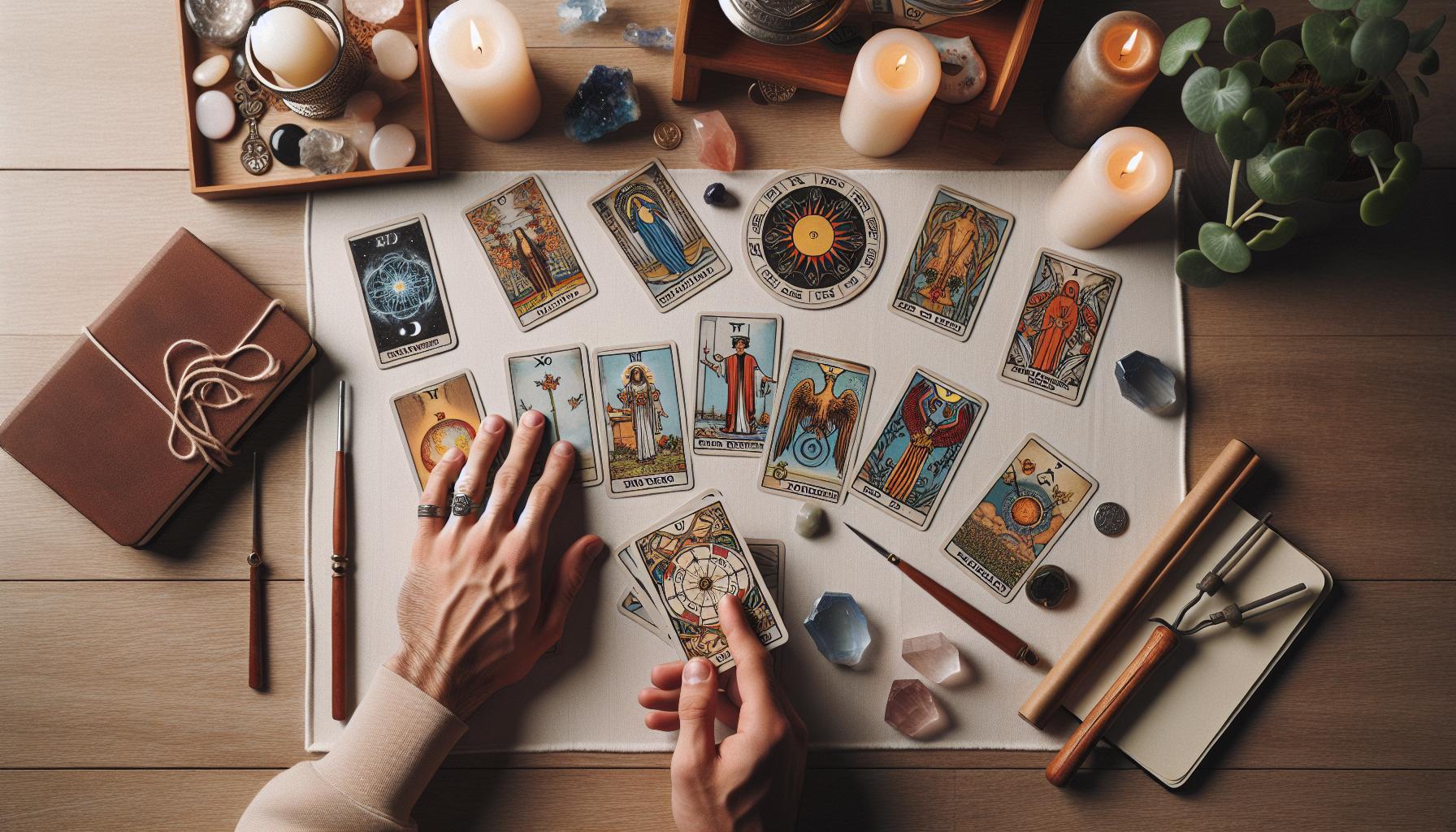
How Tarot Cards Work: Understanding the Basics
Understanding how tarot cards work is essential for anyone looking to unlock the potential of this powerful tool. At its core, the tarot is a deck of 78 cards that are rich with symbolism and archetypes. Each card represents a unique aspect of human experience and collective unconscious. When you draw cards during a reading, you are engaging in a dialogue with your intuition and the deeper realms of consciousness. This interaction can illuminate paths, reveal hidden truths, and guide personal growth.
In a tarot reading, the cards are typically divided into two main sections: the Major Arcana and the Minor Arcana. The Major Arcana consists of 22 cards that chronicle significant life lessons and spiritual experiences. Each card, such as The Fool or The Lovers, represents pivotal moments and themes in the journey of life. The Minor Arcana, containing 56 cards, focuses on day-to-day situations and challenges, divided into four suits representing different elements: Wands (fire), Cups (water), Swords (air), and Pentacles (earth). Understanding the significance of each suit is crucial for interpreting their messages.
When interpreting cards, it’s helpful to consider their positions within a spread. For example, a three-card spread might reveal past influences, present circumstances, and future possibilities. As you develop your familiarity with different spreads, you’ll gain insights into how to contextualize each card’s meaning based on its placement and the question or issue at hand. This layered approach adds richness to your readings.
As you embark on your tarot journey, remember that the cards serve as a reflective tool; their imagery and meanings can unlock your intuition and spark your inner wisdom. Take time to connect with each card, allowing your initial impressions and insights to guide your interpretations. This process is not only about understanding the cards intellectually but also about allowing your feelings and instincts to inform your readings. Over time, you will find that incorporating your unique perspective enhances your ability to tap into the cards’ wisdom, making your readings more personal and impactful.
Choosing the Right Tarot Deck for You
Finding the right tarot deck can be a transformative step on your tarot journey. With so many options available, it’s easy to feel overwhelmed. However, the perfect deck for you is one that resonates with your personal style and intuitive preferences. A well-chosen deck can enhance your readings and deepen your connection to the cards, making the process of interpretation more fluid and insightful.
To start, consider your aesthetic preferences. Tarot decks come in various artistic styles, from whimsical and colorful illustrations to minimalist designs. Look for images and symbolism that speak to you personally. For instance, if you find comfort in nature, a deck featuring earthy elements may enhance your intuitive understanding during readings. Think about whether you prefer traditional imagery, like the Rider-Waite-Smith deck, or something modern and innovative, such as the Modern Witch Tarot. Your initial attraction to a deck often speaks volumes about how intuitively you will connect with its messages.
Next, reflect on your goals with tarot. Are you looking to use it for personal growth, introspection, or maybe deepening your understanding of complex situations? Different decks can cater to various intents. For example, if your focus is on personal development, decks that include detailed guidebooks can offer additional insights and exercises to enhance your practice. Conversely, if you’re drawn to quick intuitive readings, you might prefer a deck with straightforward symbols and imagery that allow for immediate connection, such as the Wild Unknown Tarot.
Additionally, don’t overlook the tactile experience! Handling a deck can reveal much about its suitability. Many practitioners suggest conducting a simple test: hold and shuffle a few decks before making a decision. Notice how the cards feel in your hands. Are they slippery, or do they have a comforting texture? This physical connection is often key to unlocking your intuitive abilities. Finally, trust your gut. If a particular deck calls to you, it’s likely the right choice for your journey, even if you can’t articulate why.
Choosing your deck is just the beginning. Remember, it’s about building a relationship with your cards that reflects your unique intuition. As you explore and connect with your chosen deck, the interpretations will flow more freely, enhancing both your readings and your personal journey.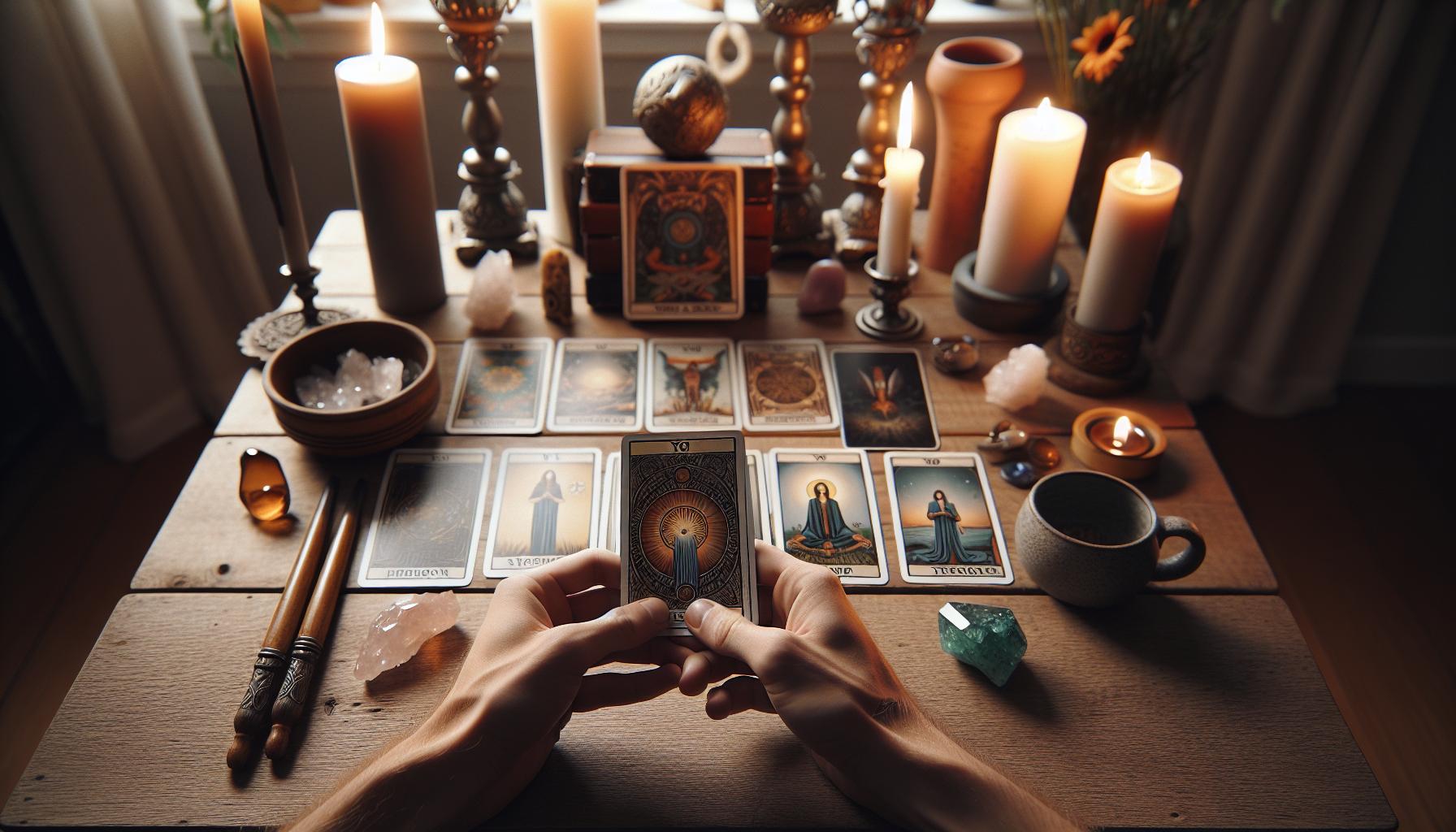
Key Tarot Card Meanings: A Beginner’s Guide
Understanding the meanings behind each tarot card can be both an exhilarating and daunting task. With 78 cards in a standard deck, including the 22 Major Arcana and 56 Minor Arcana, each card carries its own unique message and symbolism, offering profound insights when interpreted. As you embark on your journey with tarot, remember that your personal intuition is your most powerful tool. Think of this guide as a way to spark your interpretive abilities and create a foundation for deeper exploration.
Major Arcana Key Meanings
The Major Arcana cards often reflect significant life themes and long-term influences. Here are a few key cards to begin with:
- The Fool (0): Signifying new beginnings, adventure, and spontaneity. This card encourages you to take risks and embrace the unknown.
- The Magician (I): Represents manifestation and the power of will. The Magician reminds you that you have the tools to create your own destiny.
- The Empress (III): Symbolizing fertility, abundance, and nurturing. This card indicates a time for personal growth and comfort in your surroundings.
- The Lovers (VI): A card of relationship, harmony, and choices. It embodies the importance of connection and the power of decisions.
- The World (XXI): Represents completion, fulfillment, and the end of a cycle. It encourages you to celebrate achievements and recognize your journey.
Minor Arcana Key Meanings
The Minor Arcana delves into day-to-day events and can highlight specific aspects of your life, divided into four suits: Wands, Cups, Swords, and Pentacles. Here’s a quick overview:
- Wands: Associated with inspiration, action, and creativity. Cards like the Ace of Wands signify new opportunities and enthusiasm.
- Cups: Linked to emotions, relationships, and intuition. The Two of Cups represents connection and partnership.
- Swords: Reflects thoughts, challenges, and conflicts. The Three of Swords often symbolizes heartbreak or emotional pain.
- Pentacles: Represents material aspects and the physical world. The Ten of Pentacles denotes financial security and family heritage.
To foster your interpretation skills, consider maintaining a tarot journal. After each reading, jot down your thoughts, feelings, and any intuitive hits you experienced regarding the cards. Reflect on how the cards relate to your life and the questions you pose. This practice will not only enhance your understanding of card meanings but also strengthen your connection with your intuition.
As you learn and grow with tarot, remember there’s no single way to interpret the cards. Each reading is a unique experience influenced by your personal context and feelings. Trust yourself and allow the cards to resonate with your inner voice, illuminating your path to understanding and growth.
How to Create a Sacred Space for Readings
Creating a sacred space for your tarot readings is an essential step to enhance your intuition and focus your energy. This environment not only supports your spiritual practice but also invites clarity and inspiration during your sessions. Consider it a personal sanctuary where you can connect deeply with the cards, yourself, and the universe’s wisdom.
Begin by selecting a quiet corner in your home that feels right-a place where you won’t be disturbed. To set the tone, you might want to incorporate soothing elements. Soft lighting can create a calming atmosphere; consider using candles or fairy lights. Additionally, incorporating meaningful objects, such as crystals, symbols, or personal artifacts, can help elevate the energy in your space.
As you prepare to read, take a moment to cleanse your environment. You might choose to smudge with sage or palo santo, or simply open a window to let in fresh energy. Establish your intention for the reading; this could be as simple as asking the universe for guidance or clarity. You may want to create a small altar with your tarot deck, some crystals, and perhaps a few inspiring quotes or images that resonate with you.
Lastly, consider enhancing your space with sounds that promote tranquility-gentle music, chimes, or even the sound of nature can foster an open atmosphere. Remember to arrange your cards and materials in a way that feels intuitive and comfortable for you. With your intentions set and your sacred space prepared, you’ll find it easier to tap into your intuition and unlock deeper meanings within the cards. Trust that this setting will nurture your journey as you explore the rich world of tarot.
Essential Tarot Spreads for Beginners
Starting your journey with tarot can feel overwhelming, but one of the easiest ways to dive in is by using tarot spreads designed specifically for beginners. These arrangements of cards lead you through the process of interpreting messages and insights, helping you build confidence in your intuitive abilities. Whether you’re seeking clarity on a specific question or looking to explore your life’s path, the right tarot spread can unlock a world of guidance.
Single Card Spread
The simplest of all spreads, the single card draw is perfect for quick insights or daily guidance. This method doesn’t require extensive preparation; simply shuffle your deck, focus on your question or intention, and draw one card. Reflect on its imagery, keywords, and placements. For example, if you draw The Fool, it may suggest new beginnings and a call to embrace adventure.
Three-Card Spread
A step up from the single card, this spread allows for more depth. Traditionally, the positions of the cards can represent the past, present, and future, or your situation, challenge, and advice. When you lay out three cards, consider their relationships to each other. For instance, drawing The Lovers, followed by The Hanged Man, and ending with The World might suggest a journey from important choices to enlightenment and fulfillment.
Celtic Cross Spread
For those feeling ready to explore more advanced configurations, the Celtic Cross is an iconic ten-card spread that offers a comprehensive overview of your situation. It addresses various aspects like your present self, immediate challenges, and potential outcomes. While it may take time to interpret, breaking it down card by card unveils a holistic view of your query. Trust your instincts; if a particular card resonates, pay attention to its significance in context.
Utilizing these essential spreads allows you to cultivate a more profound connection with the cards. Remember, there are no strict rules in tarot; the most crucial element is your intuition. As you practice, keep a journal to note your readings and interpretations. Over time, you’ll discover recurring themes and symbols that speak to you, enhancing not only your tarot practice but your personal growth as well. Embrace the magic of tarot with an open heart, and enjoy the journey of discovery as you learn to interpret the cards.
Developing Your Intuition: Techniques and Exercises
To truly connect with your tarot cards and develop your intuitive abilities, immersing yourself in experiential techniques is key. Trusting your gut feelings and allowing them to guide you will transform your readings from mere interpretations to profound insights. Here are some practical exercises to help you tap into your intuition.
Start with Daily Card Draws. Each morning, pull a card from your deck and reflect on its meaning throughout the day. Rather than relying solely on traditional interpretations, allow your personal feelings and experiences to shape your understanding. Ask yourself questions like: “What does this card mean to me today?” or “How does this card relate to my current circumstances?” This practice hones your ability to recognize intuitive messages and strengthens your connection to the cards.
Engaging in Meditative Visualization can also be profoundly helpful. Find a quiet space, close your eyes, and take a few deep breaths. Visualize your card in detail-its colors, figures, and symbols. Allow feelings and thoughts to emerge as you immerse yourself in this imagery. This meditation not only calms your mind but opens the door to deeper insights about the card’s relevance in your life.
Another beneficial practice is Journaling. Maintain a tarot journal where you record your readings, thoughts, and intuitive hits. Write about how each card resonates with you and note any recurring themes or messages. Over time, you’ll identify patterns that may deepen your understanding of both your intuitive process and the cards themselves. This technique fosters a nurturing relationship between you and your tarot deck, and it cultivates a rich archive from which you can draw future insights.
Lastly, don’t underestimate the power of Group Readings or discussions with fellow enthusiasts. Sharing your interpretations allows you to hear different perspectives and insights, which can broaden your understanding and inspire you. A community environment can also encourage you to trust your instincts, as discussing how others perceive the same cards can affirm your intuitive thoughts or challenge you to think differently.
By incorporating these exercises into your tarot practice, you will enhance your intuitive skills, build confidence, and foster a richer connection with the cards. Remember, the journey of learning tarot is as much about self-discovery as it is about seeking answers-embrace it with an open heart and mind.
Common Challenges and How to Overcome Them
Learning to interpret tarot cards can be a deeply enriching experience, but it often comes with challenges that can deter even the most enthusiastic beginners. One common hurdle is the fear of misinterpretation-many readers worry that they won’t grasp the true meaning of a card, especially when a card aligns less with traditional meanings and more with personal insights. To tackle this, it’s essential to approach each reading as a unique interaction rather than a rigid exercise in memorization. Consider the context of your question, your emotional state, and the energies at play. This holistic approach allows for more intuitive interpretations that resonate with your own feelings and experiences.
Another frequent challenge is the feeling of being overwhelmed by the deck’s symbolism and the multitude of interpretations for each card. When faced with too many options, clarity can be lost. To overcome this, simplify your learning process. Start with a few key cards each week, dive deep into their meanings, and practice interpreting them in different contexts. Keeping a dedicated tarot journal can serve as a useful tool to track your evolving insights and personal connections with each card. Over time, this focused study will help you build confidence in your ability to interpret the cards intuitively.
Additionally, many readers struggle with fluctuating levels of intuition during readings, finding that some sessions flow naturally while others feel forced. This can be disheartening and may lead to self-doubt. Remember, tarot reading is as much about the heart as it is about the head. If you encounter a block, try re-centering yourself with grounding techniques, such as deep breathing or light meditation. When your mind is calm, your intuition can thrive. You may also want to explore varied methods of reading-like tarot spreads or even oracle cards-to explore your intuitive style more freely.
Lastly, encountering skeptical or challenging questions from querents can make readers second-guess their interpretations. Instead of feeling pressured to provide concrete answers, embrace the dialogic nature of tarot. Approach questions with an open heart and a willingness to explore possibilities rather than just giving definitive answers. This mindset not only enhances your reading but also fosters a comfortable space for intuition to flourish. Whether you are a curious newcomer or a seasoned reader, remember that every challenge in tarot is an opportunity for personal growth and deeper understanding. Embrace the journey!
Interpreting Tarot Card Combinations and Patterns
Understanding how to interpret combinations and patterns in tarot cards can be a transformative skill in your reading practice. Each card carries its own unique meaning, but when cards are read together, they create a narrative that can reveal deeper insights and connections. Consider this a dance where each card complements and influences the other, revealing a bigger picture beyond isolated meanings.
One effective way to begin interpreting card combinations is to look for themes that emerge when two or more cards are drawn. For instance, if you pull the Two of Cups alongside the Lovers, you might interpret this combination as a strong partnership or a deep meaningful connection in a romantic sense. This pairing signals unity and mutual respect, suggesting that love or partnership is at the forefront of the querent’s concerns. Conversely, drawing the Three of Swords with the Tower might indicate that unexpected upheaval could stem from emotional pain, illustrating the need for reassessment and healing.
Moreover, the placement of cards in a spread can also inform how their meanings interact. In a typical three-card spread representing the past, present, and future, observing how the past influences both the present and future requires sensitivity to the subtleties of each card. For example, a Past call of The Fool can speak to carefree beginnings, while a Present card of Ten of Wands may suggest current burdens stemming from those initial choices. This creates a narrative arc, where understanding the past lightens the load of the present.
As you gain confidence in interpreting combinations, pay attention to recurring patterns in your readings. You might notice that certain cards, when positioned together in different readings, yield similar themes. Consider keeping a tarot journal to log these experiences; write down specific card pairings, your interpretations, and how they unfolded in each reading. Over time, this practice deepens your understanding and enhances your intuition.
Remember, tarot reading is as much about the heart and intuition as it is about the mind. Trust the insights that arise from combinations, and allow your intuition to guide you in drawing connections between the cards. Whether you’re reading for yourself or others, interpreting card combinations can enrich the reading experience, providing clarity and opening pathways to deeper understanding. Embrace this explorative journey, knowing that with practice, your interpretations will become both sharper and more resonant.
Using Tarot for Personal Growth and Self-Discovery
Tarot cards are not just a tool for divination; they are mirrors reflecting your inner thoughts, emotions, and desires. Engaging with tarot can open pathways to self-discovery and personal growth, illuminating aspects of your life that require attention or understanding. Each card drawn can inspire introspection, allowing you to confront issues you may not have been aware of and to embrace your personal journey more fully.
To utilize tarot for this purpose, start with simple, focused questions during your readings. Instead of asking vague questions like, “What does my future hold?” narrow it down to “What do I need to learn about my current emotional state?” or “How can I better nurture my relationships?” These types of inquiries encourage clarity, helping to frame your readings as tools for reflection. When you draw cards, take a moment to observe your immediate reactions to them. What emotions arise? How do the images or symbols resonate with your personal experiences? This initial response is often the key to unlocking deeper meanings.
Reflection and Journaling
Keeping a tarot journal can significantly enhance your journey of self-discovery. After each reading, write down the cards you drew, your interpretations, and any insights that emerged during the session. Note how the reading relates to your life, feelings, or recent events. Over time, patterns will emerge that provide clarity and outline your personal growth journey. For instance, pulling the Empress frequently might indicate a strong call to nurture your creative side or focus on self-care, while the Five of Cups may suggest a need to confront feelings of loss.
Engaging in regular tarot practices, even outside of formal readings, can further deepen your intuitive connection. Try meditating on a specific card each week, allowing its meanings to unfold in your life. Reflect on how its themes manifest in your daily experiences. This process bridges the gap between the spiritual and the practical, making insights from the cards accessible and actionable.
Ultimately, using tarot for personal growth is about fostering a compassionate dialogue with yourself. Approach each reading with curiosity and openness, allowing the cards to guide you gently. Trust that your intuition will grow stronger as you engage more deeply with the tarot, transforming it into a valuable ally on your path to self-discovery. Embrace this journey as an exploration of your inner landscape, knowing that each insight gained can lead to profound personal transformation.
Advanced Techniques: Timing and Predictive Readings
The art of tarot is not limited to introspection and self-discovery; it also has a profound capacity for predicting timing and unfolding future events. When you delve into this advanced aspect of tarot reading, you engage in a dance with the energies at play in your life. This practice requires not only an understanding of the cards but also an intuitive grasp of the cycles and rhythms that govern our experiences.
To effectively incorporate timing into your tarot readings, consider utilizing specific spreads designed for this purpose. One popular method is the Astrological Spread, which aligns tarot cards with zodiac signs and houses to reflect various areas of your life and the timing related to them. Another useful spread is the Wheel of Fortune Spread, where each card represents a time frame, helping to shed light on when certain influences may peak or wane. This can provide clarity on when to take action or when to stay patient, creating a bridge between your current situation and future possibilities.
Understanding key cards associated with timing is also vital. For example, the Wheel of Fortune signifies cycles and change; its presence in a reading can indicate significant shifts aligning with astrological events. The Judgment card, reflecting rebirth and evaluation, can suggest a pivotal moment where the time to act is near. Conversely, cards like the Hanged Man may illustrate periods of waiting or contemplation, advising you to pause before diving into new ventures.
As you refine your ability to interpret timing in tarot, practice by conducting readings focused on specific questions related to your future. Ask questions like, “When is the best time to pursue this opportunity?” or “What influences will affect my decision-making in the coming months?” Allow the cards to reveal patterns that can inform your decision-making process. The insights gained from such readings can empower you, providing not only foresight but also a deeper understanding of the currents that flow through your life: embracing opportunities as they arise while being mindful of the timing involved.
Through consistent practice, you will develop a nuanced perspective on how timing intertwines with your readings. This deepens your intuitive connection and enhances your role as a reader, allowing you to guide yourself and others with greater confidence and clarity. Remember, the journey of mastering tarot is as much about the personal growth you experience as it is about the readings themselves-approach it with an open heart and a curious mind.
Ethics of Tarot Reading: Respecting Boundaries and Consent
Respecting boundaries and obtaining consent are foundational principles in the practice of tarot reading. These ethical considerations not only foster trust between the reader and the querent but also create a safe space for exploration and insight. Clear communication is key; whether you’re reading for yourself or someone else, establishing boundaries helps ensure that the experience is comfortable and consensual.
When preparing for a reading, it’s vital to discuss what the querent hopes to achieve. This could range from questions about love or career to more profound inquiries about life direction. Start by asking questions such as:
- What topic would you like to explore today?
- Are there specific areas of concern you want to focus on?
- How much depth would you like to go into regarding these topics?
These inquiries empower the querent and help tailor the reading to their needs, ensuring that both parties are aligned on expectations.
In addition, it’s essential to respect the querent’s comfort level with the information revealed. If sensitive or difficult topics arise, it’s your responsibility as a reader to navigate these issues thoughtfully. For instance, if a card like the Death card is drawn-often misunderstood as a purely negative omen-take a moment to clarify its meaning in the context of transformation and renewal. Approach such discussions with empathy, allowing the querent to feel safe voicing their concerns or questions.
Moreover, always seek permission before sharing insights gained from a reading, especially if it involves others or deeply personal information. A simple, “Is it okay if I share something I’m sensing about this?” allows the querent to establish their comfort level, making the reading more about their journey and less about the reader’s ego.
By committing to these ethical practices, you not only enhance the quality of the reading but also foster a respectful and trusting relationship with your querent. This thoughtful approach can transform tarot from a mere tool into a catalyst for meaningful personal development and understanding. Remember, your role as a reader is not just to interpret the cards, but to support the querent’s own intuition and insights along the way.
How to Trust Your Intuitive Insights
Trusting your intuitive insights while reading tarot can open up profound pathways for understanding and connection. It’s not uncommon for beginners to grapple with self-doubt as they interpret the cards, fearing that their interpretations might not be valid. However, developing trust in your intuition is a crucial part of becoming a confident tarot reader. Remember, your intuition is like a muscle that strengthens with practice, patience, and positive reinforcement.
To cultivate that trust, start by creating a space for reflection. After each reading, take some time to jot down your impressions and insights. Use a dedicated journal to note what you felt in response to each card as you drew it. Over time, you’ll begin to recognize patterns in your intuitive hits; the cards might trigger specific thoughts, feelings, or memories that can inform your readings. Reflecting on these experiences can help reinforce your belief in the validity of your intuitive perceptions.
Engaging in beginner-friendly exercises can also boost your confidence. Try pulling a single card each day and meditate on its meaning. Ask yourself questions like, “How does this card resonate with me today?” or “What message is it delivering?” This practice can help foster a deeper connection with the cards while honing your ability to discern insights. Sharing these experiences with a supportive community or a trusted friend can validate your feelings and insights, further building your trust.
Lastly, remember that intuition isn’t about getting the “right” answer; it’s about cultivating a dialogue with the cards. Trust that the insights you receive-whether they come as sudden realizations, emotions, or mental images-are valid and worthy of exploration. With time and practice, your confidence will grow, and you will find an enriching sense of partnership with the tarot. Embrace each reading as a unique opportunity to discover not just the answers the cards reveal but also the wisdom you hold within.
Frequently Asked Questions
Q: How can I improve my Tarot reading skills?
A: To improve your Tarot reading skills, practice regularly by conducting readings for yourself and others. Reflect on your interpretations and use a journal to record experiences. Engaging with Tarot communities can also enhance your understanding through shared insights and techniques.
Q: What are some common mistakes beginners make in Tarot reading?
A: Common mistakes include relying too heavily on guidebooks rather than trusting intuition, overthinking card meanings, and not creating a calm environment for readings. Ensure you approach each reading with an open mind and focus on the context of the question asked.
Q: How can I connect with my intuition while reading Tarot?
A: To connect with your intuition, start with deep breathing and centering techniques before a reading. Then, allow your intuition to guide your interpretations rather than strictly adhering to card meanings. Practice daily meditation to strengthen this connection over time.
Q: Should I read reversed Tarot cards?
A: Reading reversed Tarot cards can provide deeper insights. Some readers view reversals as opposing energies or challenges. It ultimately depends on your comfort level; practice with both methods to see which resonates more strongly with your intuitive style.
Q: How can I use Tarot for self-reflection and personal growth?
A: Use Tarot as a tool for self-reflection by asking open-ended questions about your feelings and goals. Analyze the cards drawn to gain insights into your thought patterns and habits. Regular journaling about your readings can enhance your understanding of personal growth.
Q: What is a good way to cleanse my Tarot deck?
A: To cleanse your Tarot deck, place it in moonlight or sunlight for a few hours, or use smoke from sage or incense. You can also use sound, such as a singing bowl, to clear energy. Perform cleansing regularly to maintain the deck’s vibrational essence.
Q: How do I prepare for a Tarot reading?
A: Prepare for a Tarot reading by creating a sacred space away from distractions. Set a clear intention about what you wish to gain from the reading. Ground yourself with breathing exercises and have your deck ready, ensuring it’s cleansed and resonates with your energy.
Q: Can Tarot help with decision-making?
A: Yes, Tarot can assist with decision-making by offering insights into your situation and the potential outcomes of different choices. Formulate a specific question to guide your reading. Reflect on the cards that appear, considering both intuitive feelings and traditional meanings.
Closing Remarks
As you embark on your journey of Tarot interpretation, remember that developing your intuition is a personal and transformative experience. Each card holds unique meanings and can reveal insights about your life when approached with an open heart and mind. If you’re ready to deepen your understanding, explore our guides on specific Tarot spreads and the symbolism of individual cards-your next reading could spark profound revelations!
Don’t hesitate to join our community of Tarot enthusiasts; share your insights in the comments and connect with others who share your passion. If you found this article helpful, consider subscribing to our newsletter for more tips on mastering the Tarot, resources, and exclusive content to enhance your practice. Your intuition is your most valuable tool-unlock its potential today and transform your readings into an empowering journey of self-discovery!