Have you ever pulled a Tarot card and wondered what it truly means? Tarot readings are not just mystical predictions; they serve as powerful tools for self-reflection and insight. Understanding your spread can illuminate your path, offering clarity during uncertain times and helping you align with your deepest desires. Whether you’re a curious beginner or a seasoned enthusiast, interpreting your Tarot reading opens a door to personal growth and understanding.
In this exploration, we’ll demystify card meanings, highlight popular spreads, and provide practical tips to enhance your intuitive skills. You’ll gain confidence in interpreting the messages the cards convey, allowing you to harness Tarot’s wisdom for your decision-making and self-discovery. So, let’s embark on this journey together, and unlock the secrets your cards hold!
Understanding Tarot Readings: A Beginner’s Guide
Understanding tarot can feel like stepping into a world of mystique and wonder, yet at its core, it offers a powerful tool for insight and guidance. Every card in a tarot deck has its unique symbolic meaning, and when laid out in a spread, these cards weave a narrative that can help illuminate your path. As beginners, embracing this journey can require a little patience and practice, but it’s equally an invitation into a rich, reflective partnership with your intuition.
To start interpreting your tarot reading, focus on the question you posed before drawing the cards. This question serves as the lens through which to view the spread. Each position in your tarot spread has a specific meaning, often relating to aspects of your life such as past influences, present circumstances, and future possibilities. Understanding the context of your spread-whether it’s a classic three-card spread or a more complex Celtic Cross-will help you decipher the narrative that unfolds from the cards.
When you encounter the Major Arcana cards, consider them as signposts marking significant life themes or lessons. For example, The Fool might suggest new beginnings, while The Tower can indicate sudden change or upheaval. In contrast, Minor Arcana cards reflect everyday events and situations, often categorized into suits like Cups (emotions), Pentacles (material aspects), Swords (thoughts), and Wands (actions). A combination of these cards can deepen your understanding of the current influences surrounding your question.
In approaching your reading, take a moment to connect with your intuition. Ask yourself how the imagery and emotions evoked by the cards resonate with your question. Were certain cards particularly striking? Did they evoke any strong feelings? Keeping a tarot journal can also be beneficial; jot down your initial thoughts and feelings about each card and your overall spread. This practice encourages a deeper reflection that can enhance your intuitive abilities over time.
As you gain confidence, remember that each reading is a conversation-not just a prediction of the future, but a reflection of your inner landscape. Allow your readings to guide, inspire, and challenge you, creating a richer dialogue with your inner self. By integrating what you learn from each session, tarot can become a beloved guide in your life’s journey, enriching your understanding of self and others along the way.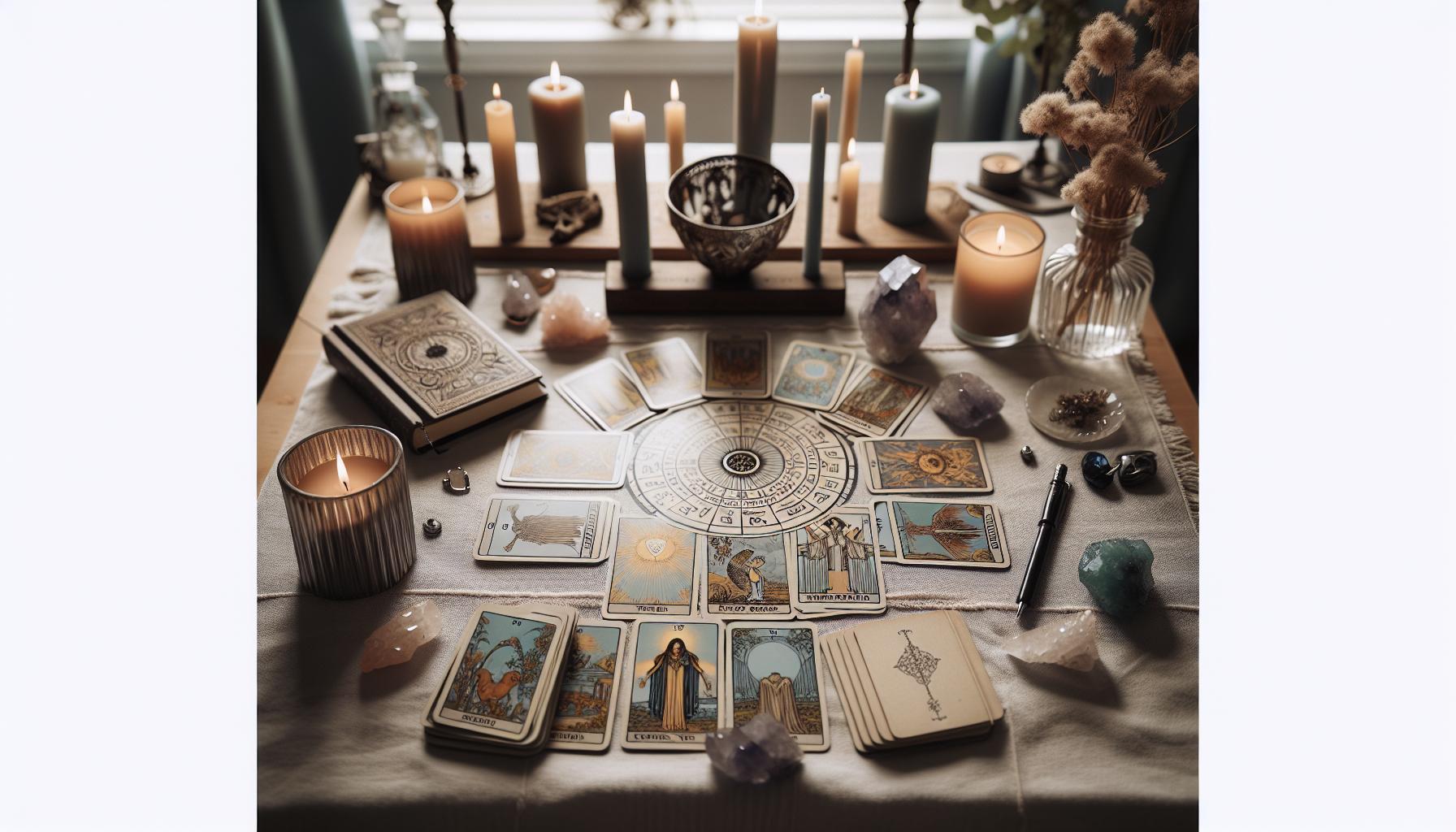
The Key Elements of Your Tarot Spread
Understanding how to interpret can greatly enhance your reading experience and deepen your connection to the cards. Each card drawn represents not just a singular message, but also contributes to a broader narrative influenced by its position in the spread. By paying attention to the layout and meanings associated with specific placements, you can glean greater insights into your life’s situations.
Card Positions and Their Meanings
Every tarot spread is designed with specific positions that hold distinct meanings. For example, in a three-card spread, the first card often represents the past, the second card reflects the present, and the third card offers a glimpse into the future. This simple structure allows readers to trace the evolution of a situation over time. As you explore more complex spreads, like the Celtic Cross, you will encounter various positions, such as obstacles, motivations, and external influences, each unlocking different aspects of your query.
The Importance of the Cards
The type of cards drawn-whether Major or Minor Arcana-also adds depth to your reading. Major Arcana cards highlight key life lessons and significant influences, while Minor Arcana cards delve into day-to-day experiences and emotions. For instance, if The Lovers appears in your spread’s position related to relationships, it might signify a pivotal choice or deep connection. Conversely, drawing a card like the Five of Cups in a similar position could indicate feelings of loss or regret in your current relationship narrative.
Interactions and Themes
Beyond individual meanings, pay attention to how the cards relate to one another. Noticing themes or repeating symbols can provide a richer understanding of your situation. For instance, if multiple cards dealing with action (like Wands) appear alongside emotional cards (like Cups), it could suggest a need to balance your proactive tendencies with emotional well-being. Documenting these patterns in a tarot journal can help clarify how various elements interact and influence your reading.
By approaching your tarot spread with an open mind and a willingness to explore its layered meanings, you cultivate a more profound dialogue with yourself, allowing the tarot to guide you in navigating life’s complexities. Embrace this journey with curiosity, and watch as the insights unfold to shed light on your path ahead.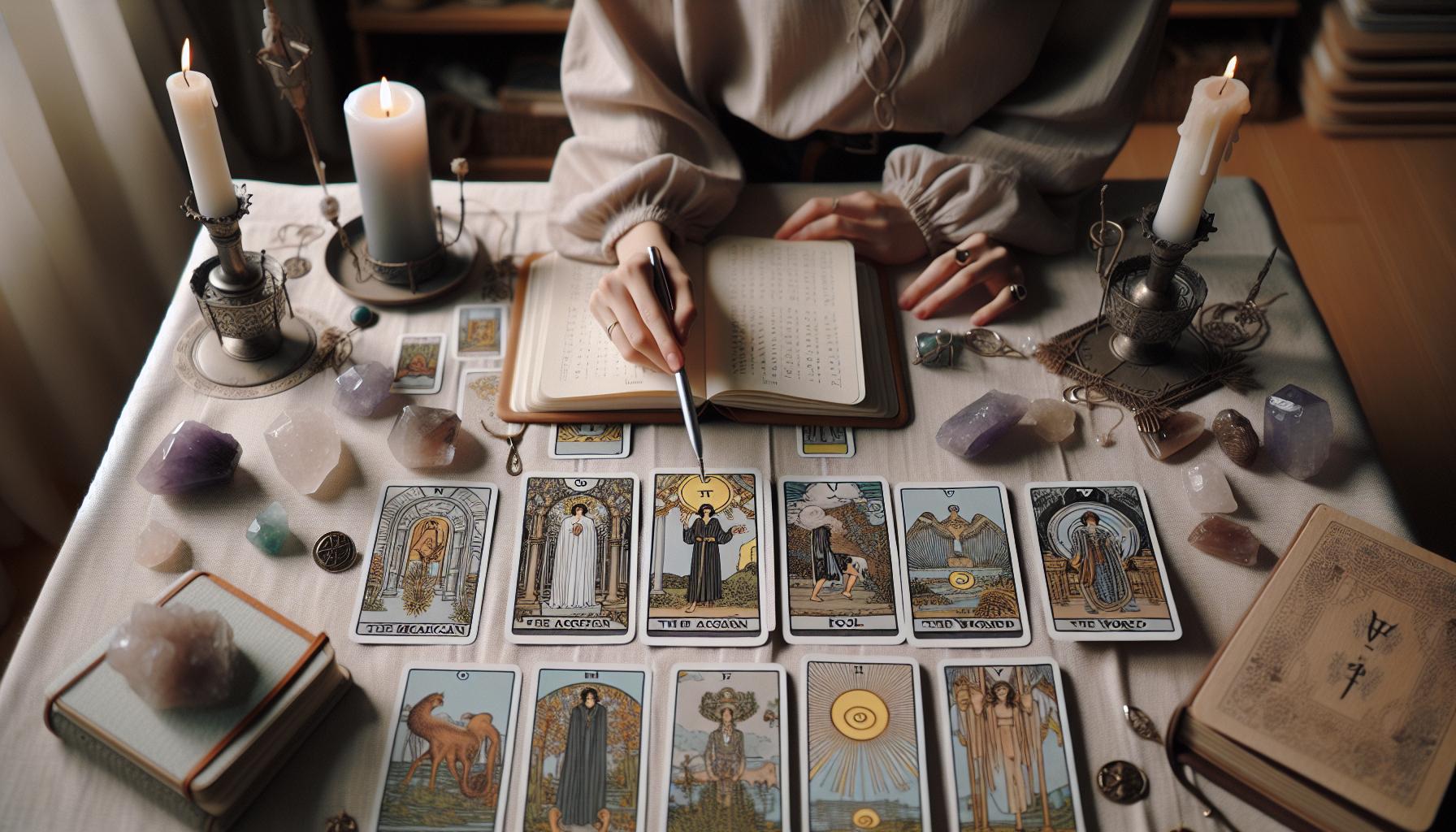
How to Interpret Major Arcana Cards
Understanding the Major Arcana is a transformative step in your tarot journey. These 22 cards represent significant life events or deep spiritual lessons, fundamentally shaping your reading. Unlike the Minor Arcana, which typically addresses day-to-day issues, the Major Arcana provides insights into overarching themes and influences that can guide significant change or reflection in your life.
To interpret these cards effectively, begin by acknowledging their inherent meanings and symbolism. Here are a few key cards to consider:
- The Fool: Represents new beginnings and the courage to embark on a new journey, filled with potential but also uncertainty.
- The Magician: Signifies mastery and manifestation, encouraging you to harness your skills to transform ideas into reality.
- The High Priestess: Embodies intuition and the unconscious mind, highlighting the importance of inner wisdom and secrets yet to be revealed.
- The Wheel of Fortune: Reflects cycles and destiny, indicating that change is inevitable and opportunities may arise unexpectedly.
When these cards appear in your spread, consider not just their meanings in isolation, but also the context in which they are placed. For example, if The Moon appears alongside The Lovers, it might suggest confusion or illusion within a relationship, urging you to explore deeper truths.
A practical approach is to keep a tarot journal, where you can document your insights as they develop. Note how specific Major Arcana cards resonate with your personal experiences, and over time, you will start to recognize recurring themes and lessons in your readings. Integrating these insights into your daily life can help enhance your understanding of your spiritual path.
By fostering your connection with the Major Arcana, you encourage a dialogue with the cards, guiding yourself through life’s complexities with confidence. Embrace each card as a teacher, inviting you to explore the larger narrative of your existence and offering profound reflections on your journey ahead.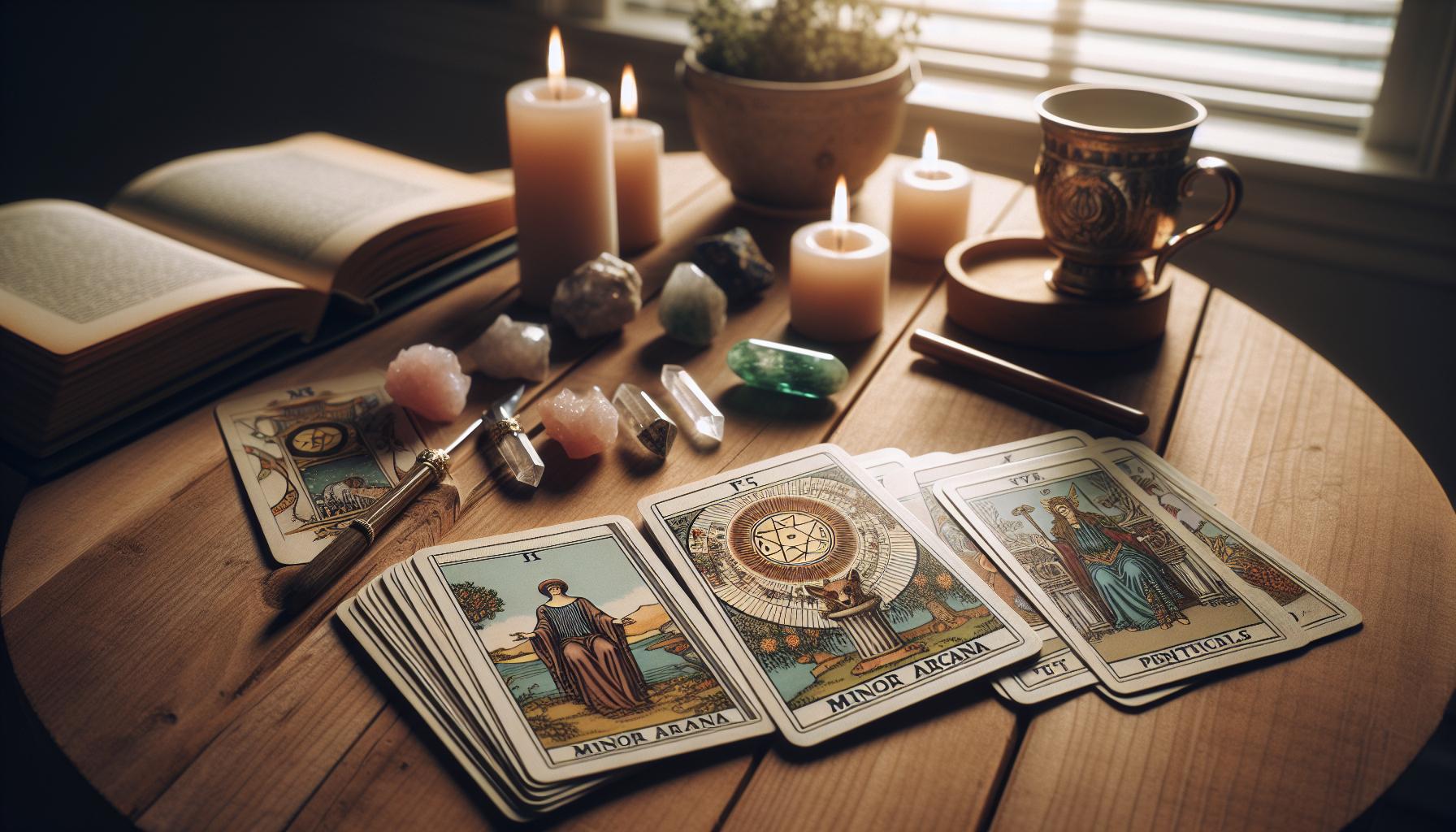
Decoding Minor Arcana Cards and Their Meanings
The Minor Arcana consists of 56 cards that delve into the more nuanced aspects of daily life, human emotions, and experiences. These cards can be grouped into four suits-Cups, Pentacles, Swords, and Wands-each reflecting a specific element of our lives. Understanding the meanings and symbolic interpretations of these cards is essential to unpacking the messages they bring during readings.
Cups represent emotions and relationships, embodying the water element. When you draw a Cup card, such as the Two of Cups, you may be invited to explore partnerships and intimacy. This card can suggest a harmonious union or the need for emotional balance. Pentacles, associated with the earth element, focus on material matters and practicality. Drawing the Three of Pentacles often highlights collaboration, indicating that teamwork is essential for achieving your goals. Then there are the Swords, symbolizing conflict, thoughts, and challenges. A card like the Five of Swords could indicate tension or defeat, urging you to reassess your approach in a situation. Finally, Wands represent inspiration and action, connecting with the fire element. The Ace of Wands can signal new beginnings and opportunities for creative pursuits or ambition.
To enhance your interpretation skills, consider the following practical approach. As you work with a Tarot deck, begin by familiarizing yourself with each suit and its themes. Create a dedicated tarot journal where you can document your insights and reflections on each card as you encounter them. Ask yourself questions like: What emotions does this card invoke? How does it relate to my current life situation? Gradually, you’ll develop a deeper understanding of the nuanced meanings behind each Minor Arcana card.
Remember, the context of your reading greatly influences interpretation. For instance, if you draw the Seven of Cups next to the Eight of Pentacles, it may suggest a struggle between dreams and the hard work necessary to realize them. Stay open to your intuitive responses; the more you engage with your cards, the more your unique interpretations will flourish. This journey leads you to integrate Tarot insights smoothly into daily life, empowering you to navigate challenges with clarity and confidence.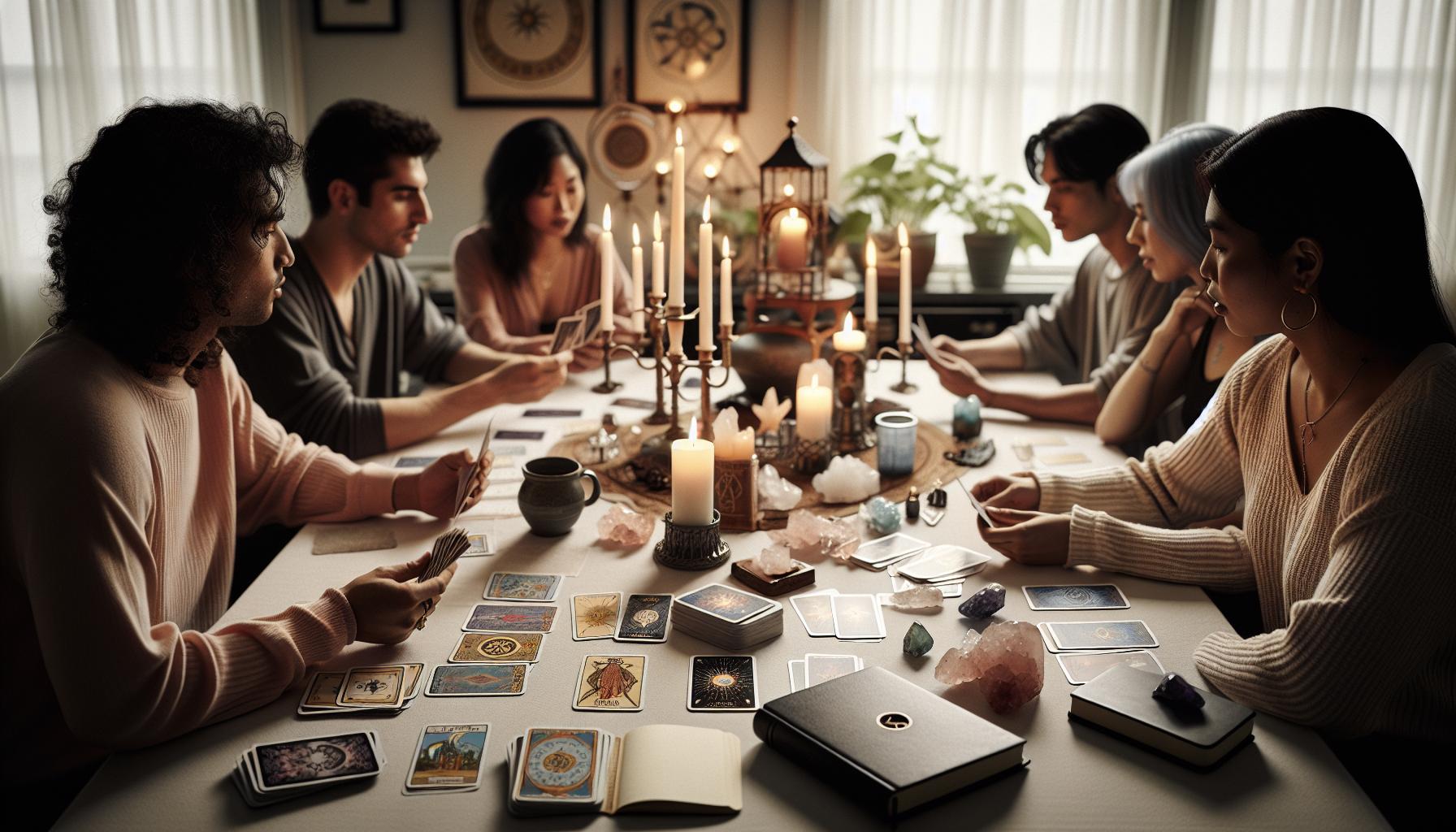
Exploring Different Tarot Spreads and Their Uses
Exploring different tarot spreads is a fascinating journey that opens up a world of insight and understanding. Each spread serves a unique purpose, allowing readers to delve deep into various aspects of their lives or questions. Whether you’re a beginner seeking clarity or an advanced reader looking to refine your skills, knowing how to choose and use spreads effectively can transform your tarot experience.
One of the most popular spreads is the Three-Card Spread. This simple yet versatile layout can provide clarity on a situation by focusing on the past, present, and future. For instance, if you’re seeking guidance on a career decision, you might draw a card that represents past influences, one that reflects your current challenges, and a third that reveals potential outcomes. This three-card setup offers a comprehensive view, making it an excellent starting point for newcomers to tarot.
As you grow in your practice, consider exploring the Celtic Cross Spread. This more complex layout comprises ten cards, each placed in a specific position that corresponds to different aspects of your inquiry-from immediate influences to long-term outcomes. The Celtic Cross can unveil deeper layers of meaning and perspective, acting as a powerful tool for unraveling multifaceted issues. For example, a reading on relationship dynamics can highlight both internal feelings and external forces impacting the connection.
When using these spreads, always take time to reflect on the relationship between the cards. For example, if your Three-Card Spread reveals the Ace of Cups in the past position, the Four of Swords in the present, and the Ten of Pentacles in the future, you might interpret this as a journey from an emotional beginning, through a period of rest or contemplation, towards a promising legacy filled with abundance and security.
Remember, the key to using any spread is to trust your intuition. After you lay out your cards, take a moment to breathe and open yourself to the symbols and feelings that arise. Each card is not just a static symbol; it interacts with the others, creating a narrative unique to your inquiry. Embrace the magic of tarot, and let each spread be a guide on your path to insight and self-discovery.
Reading Reversed Cards: What They Reveal
Understanding the nuances of reversed cards in tarot can significantly enhance your readings. When a card appears reversed, it invites a deeper exploration of its meaning and can indicate a shift from the traditional interpretation associated with that card. Rather than merely suggesting a negative spin, reversed cards often call attention to internal processes, obstacles, or lessons that might be difficult to confront.
For instance, consider the Loss card, typically representing endings or bereavement. When drawn upright, it may indicate a necessary closure. However, in reverse, it can suggest resistance to loss, a refusal to let go, or the fear of change. This reversed position serves as a prompt to reflect on what might be preventing healing or growth. Similarly, the Lovers card usually symbolizes harmony and partnership. If reversed, it might highlight issues such as disharmony, choices between paths, or even the necessity of self-love before engaging in a relationship.
To effectively read reversed cards, it’s helpful to adopt a specific approach:
- Context Matters: Pay attention to the positions of the cards in your spread and the question at hand. The surrounding cards can alter the interpretation
- Reflect on the Blocked Energy: Reversed cards may indicate that the energy of the upright interpretation is blocked. What is preventing progress in the situation?
- Encourage Dialogue: Use reversed cards as a tool for reflection rather than judgment. Ask yourself or your querent what they might be avoiding, and how they can turn the energy in a more positive direction.
By approaching reversed cards as opportunities for introspection, you foster a more holistic and constructive tarot practice. They can be challenging but also rewarding, guiding you on a path toward greater understanding of both yourself and the situations you encounter. Remember, every card, whether upright or reversed, is a part of your unique journey, revealing insights that guide you toward clarity and personal growth.
Common Misconceptions About Tarot Predictions
Many people approach tarot with a mix of fascination and skepticism, often influenced by misconceptions that shape their understanding of what tarot readings can truly offer. One of the most pervasive myths is that tarot cards can predict the future with absolute certainty. In reality, tarot serves more as a mirror of our current energies, thoughts, and feelings rather than a crystal ball revealing fixed outcomes. Each card drawn brings forward themes and possibilities, inviting reflection and exploration rather than indisputable predictions.
Another common misunderstanding is that tarot is purely a mystical practice reserved for a select few. In truth, tarot is accessible to everyone, regardless of spiritual background or experience level. Beginners can start with simple spreads and interpretations while developing their intuitive skills over time. The cards invite you to engage with your inner voice, making them a useful tool for self-discovery and personal growth rather than mystical fortune-telling reserved for the gifted. Embracing this perspective allows anyone to find value in the cards, transforming what can feel like a daunting experience into an empowering journey.
Additionally, many believe that a reading must be performed by an experienced practitioner to yield meaningful insights. While skilled readers can offer depth and nuance, anyone can learn to interpret their own cards. It’s about personal connection to the symbols and meanings behind each draw. For example, when drawing the Two of Cups, which represents partnership and harmony, a beginner might reflect on their current relationships and how they feel about them, rather than relying solely on an expert’s interpretation. This process encourages personal engagement and reinforces the notion that tarot is a personal journey, unique to each reader.
Ultimately, it’s essential to understand that tarot readings are not about fate but rather about exploration and insight. By dispelling these misconceptions, you empower yourself to delve into the wisdom the cards offer, using them as a guiding tool in your personal and spiritual journey. Embrace the flexibility of tarot; it’s less a rigid roadmap of destiny and more a dynamic compass guiding you through the pathways of your life’s experiences.
Practical Tips for Enhancing Your Interpretation Skills
Understanding the deeper meanings behind your tarot readings can enhance your ability to interpret your spreads and connect with the cards on a personal level. One powerful tip is to approach each card not just as a stand-alone symbol but as part of a larger narrative shaped by the context of the reading. This means considering the position of each card in the spread and how they interact with one another. For instance, if the Three of Swords appears alongside the Lovers in a spread, the pain (Three of Swords) might reflect challenges within a relationship (Lovers), emphasizing themes of heartbreak and choices.
To build your confidence in interpretation, keep a tarot journal. Record not only the cards drawn during each reading but also your thoughts and feelings about their meanings. Over time, you will start to notice patterns and develop personal associations with specific cards that resonate with your experiences. This practice allows you to integrate your intuition into your readings, making them more meaningful. Remember, the insights you uncover are uniquely yours, which enhances your connection to the tarot.
Another helpful strategy is to use community resources. Engage with online forums or local tarot groups where you can share interpretations and ask questions. Discussing readings with others can provide fresh perspectives and new insights you might not have considered on your own. Additionally, reading books or watching videos from experienced tarot readers can introduce you to different methods of interpretation and deepen your understanding of the cards’ nuances.
Lastly, don’t shy away from intuition. Each time you read the cards, take a moment to tune into your feelings. Ask yourself how the imagery resonates with your current situation or emotions. For example, if you draw the Eight of Cups, which often signifies leaving something behind, consider what aspects of your life need reevaluation and whether it’s time to move on. Embracing intuition in this way not only strengthens your interpretation skills but also transforms your tarot practice into a deeply personal journey of discovery.
Engaging Your Intuition During a Reading
Tuning into your intuition during a tarot reading transforms not just the experience but the insights you gain from the cards. Intuition acts as a bridge between your conscious understanding of the tarot’s symbolism and the deeper, often more personal messages that the cards hold for you. Engaging your intuition begins with creating a calm, focused space where you can connect with the energy of the cards without distractions.
Start your reading by centering yourself. Take a few deep breaths and set a clear intention for your reading. Ask a specific question or simply open your mind to whatever messages the universe wishes to convey. Hold your deck and feel its energy; allow yourself to be present in the moment. As you shuffle, pay attention to any feelings or images that arise. Are there particular cards you feel drawn to? This instinctive attraction is a powerful form of intuition, guiding you toward the messages that matter most at that time.
When interpreting your spread, pay attention to how each card resonates with your current emotional state or life situation. For instance, if you draw the Five of Cups, which is often associated with loss and regret, consider how these themes manifest in your life right now. Rather than solely adhering to traditional meanings, ask yourself questions like, “What emotions does this card evoke for me?” or “Does this remind me of a specific situation?” Allow these personal connections to unfold naturally, making your reading more relatable and significant.
Lastly, incorporate visual elements of the cards to enhance your intuitive insights. As you lay out your spread, notice the colors, imagery, and symbols present. Each element can convey profound messages that sometimes escape verbal language. For example, a card featuring dark, stormy skies may reflect inner turmoil, while bright colors might suggest joy and enlightenment. This process isn’t just about rational interpretation; it’s an exploration of the layers of meaning associated with your feelings and thoughts as they relate to the cards. Engaging in this way cultivates a richer, more rewarding tarot reading experience.
Real-Life Examples: Interpreting Your Spread
Interpreting your tarot spread can feel daunting, especially when you’re just beginning to explore the cards’ meanings. A tangible way to make sense of your readings is to dive into real-life examples that illuminate how different cards can play out in various situations. Let’s walk through an illustrative reading that combines both the structure of your spread and the intuitive insights that come with personal exploration.
Imagine you’ve drawn a three-card spread focusing on a career question. The cards drawn are the Two of Swords, the Eight of Pentacles, and The Chariot. At first glance, these cards convey a narrative: the Two of Swords signals a decision that must be made, often highlighting a challenging choice you’re facing. Perhaps you’re at a crossroads, contemplating whether to accept a new job offer or stay in your current position. This card encourages you to weigh your options thoughtfully and listen to your inner voice.
Next, the Eight of Pentacles often reflects a commitment to hard work and skill development. This card suggests that regardless of the decision at hand, focusing on honing your skills is crucial at this stage. You might consider enrolling in a course, seeking mentorship, or dedicating yourself to mastering a new aspect of your current role. In the context of your decision, this tells you that whatever path you choose, diligent effort will pave the way for success.
Lastly, The Chariot represents triumph through determination and control over your circumstances. This powerful card reassures you that with the right decision and hard work, you can drive your career in the direction you desire. It speaks to the potential for successful outcomes if you harness your willpower and focus.
When interpreting this spread, consider how each card resonates with your personal situation. What specific decisions are you grappling with? How do the themes of diligence and control resonate with your current feelings or experiences? Engaging with these questions helps translate the symbolism into concrete advice, making your reading feel relevant and actionable.
Remember, tarot is not just about predefined meanings; it’s about how those meanings connect with your personal narrative. Every reading offers a chance to reflect on your life deeply and can empower you to make informed decisions moving forward. The interplay between the cards can provide clarity and affirmations that align with your intuition and life path. Don’t shy away from these connections-embracing them can truly enhance your tarot experience.
Advanced Techniques for Seasoned Readers
Exploring deeper layers in your tarot practice can transform a reading from a simple question-answer session into a profound journey of self-discovery and insight. For seasoned tarot enthusiasts, the key to unlocking this depth lies in advanced techniques that weave together intuition, symbol interpretation, and an understanding of personal and collective energies.
Start by combining multiple spreads. Instead of relying solely on one layout, consider drawing several spreads that tackle various aspects of the same question. For example, if you’re seeking guidance on a personal relationship, you might first use a three-card spread for immediate insights, then follow up with a Celtic Cross to explore underlying influences and potential outcomes. This layered method can reveal complex dynamics that a single spread might overlook.
Additionally, practice integrating numerology and astrology into your readings. Each tarot card has intrinsic numerological meaning, which can provide additional context. For example, the number associated with The Fool (0) symbolizes potential and new beginnings, while The Emperor (4) represents structure and authority. When interpreting a spread, consider how these numbers interact. Furthermore, correlating cards with astrological influences can deepen your understanding; for instance, recognizing that The Tower resonates with Mars energy can highlight themes of conflict or assertiveness in your reading.
Finally, engage in active journaling post-reading. Document not just the card meanings as you interpret them, but also your emotional responses and intuitive nudges. This practice creates a rich tapestry of insights that you can refer back to, helping you identify patterns over time. For instance, if you consistently pull cards like The Hermit during introspective inquiries, you may uncover insights about your personal growth and need for solitude.
Embrace these advanced techniques to refine your readings further. Remember, each card you encounter in your tarot practice is a mirror reflecting back your inner world, and the journey to understanding it is uniquely yours. Keep questioning, exploring, and expanding your practice as you connect more deeply with both the cards and yourself.
Integrating Tarot Insights into Daily Life
Incorporating insights from your tarot readings into your daily life can be a transformative experience. Tarot isn’t just a tool for understanding the present or predicting the future; it’s a mirror reflecting your inner self and guiding you along your personal journey. By creating intentional practices around your readings, you can turn abstract insights into actionable steps that enhance your daily reality.
One effective method is to establish a daily or weekly tarot ritual. Consider pulling a single card each morning to set the tone for your day. For example, if you draw The Sun, it might inspire you to embrace optimism and share joy with others. You can jot down your interpretation in a journal alongside your reflections as the day progresses. By the evening, reevaluate how that card’s energy manifested in your actions and interactions. Over time, this practice can deepen your understanding of the cards and their relevance to your everyday situations.
Additionally, consider using tarot as a decision-making tool. When faced with choices, draw a spread that outlines your options and potential outcomes. For instance, a three-card spread-one for each choice and one for the overall guidance-can provide clarity and highlight hidden aspects of your dilemma. If you pull the Two of Swords, for example, you might recognize a need to confront your emotions rather than ignore them. This approach empowers you to make informed decisions aligned with your true self.
Balancing your spiritual insights with practicality can also extend to your relationships. Use your tarot readings to reflect on dynamics with friends or family by exploring spreads that focus on interactions and emotional undercurrents. If you find a recurring theme such as the presence of the Lovers card, it may prompt discussions about commitment or harmony in your connections. Such reflections encourage open communication and deeper understanding, fostering stronger ties with those around you.
Incorporating these practices into your life allows you to embrace the wisdom of tarot while remaining grounded in your everyday experiences. Engage with your readings actively, and empower your intuition to guide you through both mundane and significant moments in life. The more you integrate these insights, the more you’ll find tarot becoming a beloved companion in your quest for self-discovery and fulfillment.
Frequently asked questions
Q: What is the significance of each position in a tarot spread?
A: Each position in a tarot spread serves a distinct purpose, representing various aspects of your query. For instance, the past position reflects influences that have led to the current situation, while the outcome position offers insights into possible future developments. Understanding these positions enhances your interpretation skills. Explore more in the section on The Key Elements of Your Tarot Spread.
Q: How do I interpret the cards’ imagery during my reading?
A: Interpreting card imagery is essential for deeper insights. Focus on the symbols, colors, and numbers present in each card, as they convey messages related to your question. Use your intuition to connect these elements to personal experiences or emotions. This mindfulness can enrich your overall reading experience.
Q: Why are reversed tarot cards significant in a reading?
A: Reversed cards often indicate blocked energy or contrary meanings compared to their upright positions. They can highlight challenges, obstacles, or internal conflicts you might face. Pay attention to these aspects for a well-rounded interpretation. To understand further, refer to Reading Reversed Cards: What They Reveal.
Q: What should I do if I don’t resonate with a card’s meaning?
A: If a card’s meaning doesn’t resonate, consider reflecting on your intuition. Ask yourself how the card might relate to your situation in a different context. Tarot is a personal tool, and interpretations should adapt to your experiences. This flexibility aligns with the emphasis on personal connection in our readings.
Q: How can I enhance my intuition during a tarot reading?
A: To enhance your intuition, create a calm environment and take a few moments to breathe deeply before starting. Ground yourself by focusing on your question, and allow your feelings and thoughts to flow without judgment. Engaging your intuition is crucial, as discussed in Engaging Your Intuition During a Reading.
Q: Can tarot readings provide insight into specific life areas, like love or career?
A: Yes, tarot readings can provide valuable insights into specific life areas. When formulating your question, specify the area of focus, such as love or career. This approach ensures that the reading caters to your needs, allowing for a more targeted interpretation of the cards involved.
Q: How do I interpret my tarot reading if the cards seem contradictory?
A: If you encounter contradictions in your tarot reading, approach them as layered messages. Each card might reflect different facets of your situation. Consider the broader context of your question and what each card brings to the narrative. This multi-dimensional approach can lead to deeper insights.
Q: When is the best time to conduct a tarot reading for clarity?
A: The best time for a tarot reading is when you feel uncertain or seek guidance on an important issue. Conduct a reading when you have clarity of thought about your question, ideally in a quiet space. This focus maximizes the effectiveness of the insights you receive from your spread.
To Conclude
Understanding your tarot reading is just the beginning of your journey into self-discovery and empowerment. Reflect on the insights you’ve gained about your situation, and remember that each card in your spread holds a wealth of knowledge tailored uniquely to you. If you’re eager to deepen your connection with tarot, explore our comprehensive guides on specific cards and advanced spread techniques.
Don’t forget to sign up for our newsletter to stay updated on the latest tarot resources and tips. Ready to dive even deeper? Consider booking a personalized tarot consultation, where we’ll unravel the mysteries together. Your path to clarity and insight is just a click away, so don’t hesitate-your new understanding awaits! Join the conversation below and share your thoughts or experiences; we love hearing from our community!