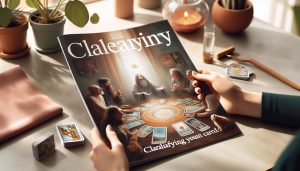
As the popularity of tarot cards grows, the question arises: are they a closed practice, and does their use constitute cultural appropriation? Understanding this topic is vital, as it touches on respect for cultural heritage and the ethical use of spiritual practices. Many enthusiasts feel drawn to tarot for its insights and guidance, yet it’s important to navigate this interest with sensitivity and awareness.
The rich history of tarot spans various cultures and traditions, and acknowledging this complexity can enhance your personal journey with the cards. By exploring the intersections of cultural respect and personal spiritual practices, we can deepen our relationships with tarot, making it a more enriching and respectful experience. Join us as we unpack these crucial concerns, empowering everyone-skeptics and believers alike-to engage with tarot in a way that honors its origins while fostering inclusivity and mutual understanding. Your tarot journey can be both enlightening and respectful, leading to a greater appreciation of this mystical tool.
Understanding Tarot Cards: Origins and Cultural Significance
The history of Tarot cards is as rich and intricate as the imagery that adorns each card. Originating in the 15th century in Europe as playing cards, Tarot has evolved into a profound tool for divination and self-exploration. Initially created for entertainment, Tarot began to intertwine with mysticism by the late 18th century, largely influenced by esoteric traditions that sought a deeper symbolic meaning in the cards. This transition from simple leisure to a spiritual practice invites a broader conversation about cultural significance and respect.
Understanding Tarot’s cultural roots involves acknowledging the influences from diverse traditions, including Kabbalah, astrology, and various mythologies. Each of these influences has shaped how cards are interpreted today. The images and symbols on the cards are often reflective of historical, social, and spiritual contexts that can enrich reading experiences. When engaging with Tarot, it’s important to recognize these origins and to approach them with reverence. This appreciation can foster a sense of connection to the broader tapestry of human experience, making Tarot a practice not only of personal insight but also of shared heritage.
In the contemporary landscape, many practitioners come to Tarot with varying degrees of understanding and intention. Some view it purely as a spiritual tool, while others may see it as a means of psychological introspection or a creative outlet. This diversity in practice raises questions about who has the right to use Tarot and how it can be utilized responsibly without appropriating cultural symbols. Being mindful of this can help practitioners to ground their work in respect and awareness, creating a more inclusive atmosphere within the Tarot community.
Ultimately, the cultural significance of Tarot calls for a thoughtful engagement that honors its rich history while also allowing for personal reinterpretation. By valuing the origins of the cards and recognizing their symbolic meanings, practitioners can create a meaningful connection to Tarot that enhances both spiritual practice and community understanding. Through this lens, Tarot can be a bridge that connects disparate cultural ideas and practices, encouraging everyone to explore and find their unique place in a shared spiritual journey.
The Debate on Cultural Appropriation in Tarot Practices
The conversation around cultural appropriation in Tarot practices often elicits passionate reactions, reflecting a deep concern for respecting the roots and traditions from which Tarot has emerged. While Tarot has been embraced by a wide array of practitioners, the question emerges: is this ancient practice being appropriated by those who might lack an authentic connection to its cultural origins? Understanding this debate involves recognizing the multifaceted nature of Tarot and the diversity of those who engage with it.
When Tarot cards were birthed in 15th century Europe, they were originally used as playing cards. Over centuries, they evolved, intertwining with mysticism and esoteric traditions, absorbing influences from Kabbalah, astrology, and various mythologies. Practitioners now utilize Tarot for different purposes-some for divination, others for psychological insight or creative exploration. This varied use often leads to a blend of traditions, where personal interpretations can sometimes overshadow authentic practices. To navigate this landscape responsibly, it is crucial to engage with the history and symbolism embedded in the cards. Practitioners should aim to honor these origins, recognizing that the meanings of the cards are steeped in cultural heritage.
Practical steps can empower students and practitioners to respect these traditions while exploring Tarot’s vast possibilities. Here are some ways to approach Tarot practices with cultural sensitivity:
- Educate Yourself: Take the time to learn about the historical and cultural origins of Tarot. Understanding its roots can foster a deeper appreciation for its symbolism and purpose.
- Engage with Authentic Voices: Seek knowledge from seasoned practitioners who honor the cultural significance of Tarot traditions. Read books, attend workshops, or participate in discussions that highlight diverse perspectives.
- Practice Mindfulness: Be aware of the symbols and imagery you choose in your Tarot practice. Integrate culturally relevant symbols mindfully and respectfully, considering their significance and impact.
- Encourage Inclusivity: Create spaces where diverse voices can share their Tarot experiences. This fosters an environment of respect and learning, enhancing communal understanding.
Ultimately, the debate on cultural appropriation in Tarot is vital for the future of this practice. As the community grows, it can cultivate an ethos of respect while appreciating the adaptability of Tarot across various cultures. This approach not only honors the tradition but also enhances the personal connections practitioners form with the cards, making for a more enriching and inclusive Tarot experience for all.
Who Uses Tarot Cards? Exploring Diverse Perspectives
Many individuals find themselves drawn to Tarot, not just for its mystical allure but also for its versatility across various life contexts. From artists seeking creative inspiration to therapists using Tarot for psychological insight, the embrace of these cards spans a broad spectrum of uses. This diversity enriches the conversation about Tarot’s place in contemporary culture, especially regarding the sensitive topic of cultural appropriation.
Practitioners come from all walks of life, infusing their unique backgrounds and intentions into their Tarot practices. For instance, a business coach may utilize Tarot to help clients visualize their goals and navigate challenges, blending practical life coaching techniques with the reflective insights Tarot provides. Artists and writers often turn to Tarot for inspiration, using the archetypes within the cards to unlock new ideas and overcome creative blocks. Meanwhile, educators have begun incorporating Tarot into personal development workshops, encouraging participants to explore their intuition and self-awareness.
Understanding who uses Tarot can help demystify the practice and put to rest misconceptions that it is solely a tool for esoteric or spiritual individuals. Indeed, many are casual readers, using Tarot as a means to reflect on their daily lives or to foster deeper connections with friends and loved ones through shared readings. Others may advance their Tarot skills through structured study, engrossing themselves in the symbolism and history of the cards. This varied approach fosters a community that welcomes both skeptics and believers, creating a space where different perspectives can coexist and thrive.
Personal Connection to Tarot
For many, the personal connection to Tarot is a key aspect of its appeal. People engage with Tarot not just to predict the future or find answers, but to explore their internal landscapes. This introspective use encourages individuals to honor their own experiences while remaining aware of the broader cultural significance of the symbols they engage with. Practitioners are encouraged to personalize their readings, grounding their interpretations in their realities rather than solely relying on traditional meanings.
- Empowerment: Many users find empowerment through self-reflection facilitated by Tarot insights.
- Community: Tarot gatherings, both online and in-person, create inclusive spaces where shared experiences can foster a sense of belonging.
- Education: Educational resources, such as books and courses, enable more people to engage with Tarot meaningfully and respectfully.
Embracing the spiritual depth of Tarot while recognizing its accessibility for all can help foster a respectful dialogue surrounding its cultural roots and contemporary usage. By understanding the diverse perspectives and intentions behind these practices, practitioners can cultivate a more inclusive, respectful relationship with Tarot and each other.
Are Tarot Practices Exclusive or Inclusive?
The world of Tarot is an expansive realm that invites individuals from various backgrounds to step in. At its core, Tarot is not inherently an exclusive practice; rather, it provides tools for self-exploration, empowerment, and connection. This openness has fostered a rich diversity among its users, uniting skeptics and believers in a shared quest for introspection and insight. The essence of Tarot lies in its ability to resonate with one’s personal journey, allowing individuals to develop their own interpretations and practices while being mindful of the cultural heritage that underpins the cards.
Inclusivity in Tarot is exemplified by the myriad ways people engage with the cards. From casual readers using Tarot for personal reflection to professional practitioners who blend Tarot with other modalities like coaching or therapy, the spectrum of use is broad. For instance, someone might use the imagery of the Tower card not just to reflect on upheaval but as a catalyst for creativity during challenging times. This adaptable approach encourages individuals to create meanings that are relevant to their lives, fostering a sense of belonging in a community that values personal growth and shared experiences.
However, while Tarot is accessible, practitioners must remain vigilant about the cultural roots of the symbols and imagery they explore. Acknowledging where these symbols originate-from the historical, esoteric, and cultural significances-helps maintain respect for their power. This can involve researching the history of Tarot, understanding its journey through various cultures, and being mindful of how these elements are incorporated into personal practice. By adopting an attitude of curiosity and respect, practitioners can create an inclusive atmosphere that honors the past while embracing the future.
As the Tarot community continues to grow, it’s essential to cultivate spaces that welcome everyone, regardless of their level of experience. Regular group readings, workshops, and discussions can help build connections, where both novices and seasoned practitioners feel valued. Establishing ethical guidelines around Tarot reading can also promote inclusivity, ensuring that all participants are treated with dignity and respect. Ultimately, the goal is to create an environment where Tarot serves as a bridge, bringing people together in shared exploration and understanding, rather than a barrier that separates or excludes.
Navigating the Fine Line Between Inspiration and Appropriation
Navigating the complexities of Tarot practice requires an awareness of the delicate line between drawing inspiration from various cultural elements and engaging in appropriation. As practitioners of Tarot, it’s important to recognize the roots of the symbols and imagery within the cards, many of which stem from rich, diverse cultural histories. These histories are not mere artistic choices; they carry significant meanings and teachings that deserve respect and understanding.
To engage with Tarot ethically, consider a few guiding principles:
- Research the Origins: Invest time in understanding where the symbols, archetypes, and myths in your Tarot deck originate. Each card’s imagery often holds deep historical significance, and knowing its background can enrich your readings.
- Honor the Spiritual Traditions: Acknowledge the spiritual practices that inform Tarot. This includes understanding how various cultures perceive divination and the sacredness of their practices. Approaching these traditions with reverence fosters a connection to their authentic meaning.
- Personalize Your Practice: While you may find inspiration in the works of others, ensure you’re integrating those influences in a way that reflects your own journey. Create meaning that resonates personally rather than adopting wholesale practices from another culture.
- Collaborate and Communicate: Engage with diverse communities within the Tarot space. Share and learn from different perspectives, fostering dialogue about the ethical implications of Tarot. Collaborating with practitioners from various backgrounds can create a more inclusive and respectful practice.
It’s also beneficial to be mindful of your audience. For instance, when offering readings, be transparent about your relationship to the cultural elements you’re drawing upon. If you find yourself using imagery or concepts from traditions outside your own, consider framing them with context or disclaimers that acknowledge their origins.
Ultimately, the journey of exploring Tarot can be a profound one-rich with symbolism and wisdom. By staying informed and respectful, you not only deepen your own understanding but also contribute to a Tarot community that values inclusivity and cultural sensitivity. Embrace the mystery of the cards while maintaining an ethical grounding, ensuring your practice is as enriching for you as it is for those you guide.
Tarot Ethics: Respecting Cultural Traditions in Readings
Approaching Tarot readings requires a deep respect and understanding of the cultural origins of the cards and the traditions they encompass. Tarot is not merely a collection of mystical images; it is steeped in history and meaning derived from various spiritual practices. Practitioners must recognize that many Tarot symbols come from historical contexts, often intertwining with religious and cultural significance. By honoring these roots, we can engage with Tarot in a way that is both respectful and insightful.
One practical step to ensure ethical Tarot practice is to actively research the origins of the symbols and concepts in your readings. For instance, if you are using a tarot deck inspired by a specific culture, take time to learn about the traditional meanings and beliefs associated with those symbols. Understanding their significance allows you to approach your readings with greater depth and adds an authentic dimension of respect for the cultures involved. This is particularly important when interpreting cards that might symbolize concepts unique to a culture or community.
Another essential aspect is to maintain transparency when conducting readings. If you draw upon cultural symbols that are not your own, consider providing context to your clients. This could involve explaining the background of a particular card or image and acknowledging its origins. Engaging your clients in this dialogue not only enriches their experience but also fosters a more collaborative atmosphere, where everyone appreciates the shared journey of learning and discovery.
Moreover, it is vital to personalize your Tarot practice. While inspiration from diverse cultures can enhance your readings, ensure that you adapt and mold this influence in a way that reflects your own understanding and experiences. For example, when interpreting the High Priestess card, you might draw from its associations with intuition and the feminine divine but infuse it with your personal insights or experiences. This creates a unique reading that honors both your roots and those of the symbols you utilize.
In summary, ethical Tarot practice revolves around respect, understanding, and personal engagement. By committing to research, fostering transparency, and personalizing your practice, you contribute to a Tarot community that values inclusivity and cultural sensitivity. Together, we can ensure that the journey into the mystical world of Tarot is one that celebrates the depth of its traditions while remaining accessible to all seekers.
How to Honor Tarot’s Roots in Modern Practices
Engaging with Tarot in today’s world doesn’t have to mean abandoning the deep cultural roots from which it originates. Instead, it can be an opportunity to celebrate and honor those traditions while also making space for personal interpretation. The key to respecting Tarot’s profound heritage lies in a mindful approach. First, immerse yourself in the history of Tarot by learning about the symbols, archetypes, and cultural contexts that have shaped its development. This foundational knowledge enriches your practice and fosters a deeper connection with the cards.
To genuinely honor Tarot’s roots, consider using decks that resonate with the original themes and aesthetics of the cards. Choosing decks that reflect true historical or cultural origins can provide insights that contemporary interpretations may overlook. When utilizing a deck inspired by a specific tradition, engage with its cultural significance-research the mythology, art, and beliefs that inform the imagery. For example, if using a deck rooted in Native American symbolism, take the time to explore the relevant tribal histories and community perspectives surrounding that symbolism.
Another impactful practice is to create a dialogue around the cards you pull in readings. If a particular card resonates with specific cultural meanings that differ from your own, share that context during your readings. This not only enhances your clients’ experience but also promotes an understanding of the differences in interpretation based on cultural context. Educate yourself and others about the influences that shape each card; this openness also allows for a collaborative learning environment.
Moreover, as you cultivate your individual style within your Tarot practice, remember to embrace a personal reflection of both the practice and its traditional roots. This could mean incorporating personal experiences that tie back to the meanings of the cards, blending intuition with historical significance. For instance, when reading The Empress, which represents fertility and nurturing, you might draw on your own understanding of motherhood or creativity, enriching the reading while respecting the archetype’s origins.
Ultimately, honoring the roots of Tarot in modern practices is about respect, education, and personal connection. By acknowledging the historical and cultural dimensions of the cards, providing context in your readings, and allowing your own insights to inform your interpretations, you create a practice that is both respectful of its origins and relevant to contemporary seekers. This approach not only deepens your relationship with Tarot, but also enriches the community around it, fostering a space that celebrates inclusivity and cultural awareness.
Finding Your Path: Personalizing Your Tarot Experience
Finding your own path in Tarot can be a deeply enriching experience, especially as you navigate questions around cultural appropriation and personal expression. It’s essential to approach this journey with both curiosity and respect, recognizing that your unique experiences and insights can add meaning to your practice while also honoring the traditions inherent in Tarot.
Start by choosing a Tarot deck that resonates with you on a personal level. This doesn’t have to align strictly with historical or cultural themes; instead, consider what images, colors, or stories draw you in. Reflect on your own background and perspectives-do certain symbols speak to your life experiences or heritage? For instance, someone with a strong connection to nature might be drawn to a deck that emphasizes earth-based symbolism, allowing them to incorporate personal narratives into their readings.
Once you’ve chosen a deck, deepen your connection by engaging with the cards beyond their surface meanings. Spend time reflecting on the imagery, the emotions they evoke, and what they represent in your life. Consider journaling your experiences and insights; write about how each card relates to your personal journey. This practice can cultivate a more intuitive understanding of the cards, enabling you to interpret them in ways that feel authentic to you. For example, if you pull The Star card, instead of solely thinking about hope and renewal, you might explore how it reflects your dreams for the future based on your past experiences.
Additionally, make your readings a dialogue. When doing a reading for yourself or others, share not only the meanings of the cards but also the cultural contexts that inform them. Discuss how these traditional interpretations can blend with personal insights. This approach not only enriches the reading experience but also fosters awareness of different perspectives in Tarot. Encourage an open conversation about the meanings and origins of the cards, which can help everyone involved feel more connected and respectful of their varied backgrounds.
Lastly, remember that personalizing your Tarot experience is about balance. Embrace your intuition while remaining aware of the roots and cultural narratives of the practice. This respectful blend allows you to create a space where your interpretations breathe new life into the Tarot while honoring its deep history. Your journey through Tarot isn’t just about the cards; it’s about how you weave your voice into this ancient tapestry, creating an inclusive and meaningful practice that resonates with both you and those you read for.
Engaging with Tarot: Spiritual vs. Commercial Use
Engaging with Tarot can generate a fascinating conversation about the balance between spiritual depth and commercial interests. In today’s world, Tarot is available to various audiences, from devout practitioners who seek spiritual insight to casual users exploring its allure out of curiosity or entertainment. This dual nature invites deeper consideration of how Tarot is experienced and understood across different contexts.
One way to navigate the spiritual versus commercial use of Tarot is by focusing on intentions. Before a reading, whether for oneself or others, ask the fundamental questions: What am I hoping to gain from this experience? and How can I ensure the reading remains respectful and meaningful? A practice grounded in transparency about your intentions sets a tone for authenticity. For instance, readings intended for self-discovery and guidance may evoke more profound personal reflection, while those framed more for entertainment may lead to lighter interpretations.
The current market offers a wide array of decks, each with unique artwork and themes, catering to various tastes. Recognizing this variety allows for enriched engagement. Choosing a deck that resonates personally can elevate the experience from mere commercial purchase to a spiritual tool. For example, beginners might gravitate towards decks with clear symbolism, such as the Rider-Waite-Smith deck, which provides straightforward imagery for interpretation. More seasoned practitioners might explore less conventional decks that align with personal spirituality or cultural heritage.
Moreover, consider the impact of commodification on the Tarot community. Many professional readers provide their services online, and advertising Tarot readings can shift focus from personal growth to profit. Engage in conversations about the ethics of charging for readings, ensuring that practitioners acknowledge the cultural origins while respecting those traditions. Offering sliding scales for services, or donating a portion to related cultural initiatives, exemplifies a commitment to a respectful practice that harmonizes with both spiritual and commercial realms.
Ultimately, the experience of Tarot can be a bridge connecting diverse paths. By fostering a space where readers can explore both spiritual motivations and the realities of commercial practices, everyone involved can contribute to a community that appreciates the nuances of Tarot’s vast potential while honoring its rich traditions.
Creating an Inclusive Tarot Community
Building a community around Tarot that is inclusive and respectful requires intentional effort and an openness to different perspectives. The essence of Tarot is deeply rooted in various cultural traditions, and as practitioners, we hold a responsibility to honor these origins while embracing diverse voices within the Tarot conversation. By fostering a welcoming environment, we can ensure that the practice of Tarot remains accessible and relevant to everyone, irrespective of their background or belief systems.
One effective approach to create an inclusive Tarot community is actively seeking out and amplifying underrepresented voices. This can be done by supporting artists and writers from diverse backgrounds who contribute to Tarot culture. Consider creating spaces for dialogue, whether through online forums, workshops, or local meet-ups, where practitioners can share their experiences and insights. Highlighting different cultural interpretations of Tarot can enrich our collective understanding and broaden our appreciation of its significance beyond Western-centric narratives.
Another vital aspect is to address and discuss the ethical considerations surrounding Tarot practice. Openly engage with the topic of cultural appropriation and its implications. Encourage community members to reflect on their intentions when using Tarot and to ask themselves questions such as: How am I honoring the cultures that inform my Tarot practice? and What steps can I take to support and respect those traditions? Educational resources, such as articles and discussion groups about cultural awareness in Tarot, can provide valuable insights and tools for practitioners at all levels.
Creating guidelines for ethical practice within the Tarot community can also promote inclusivity. For instance, establishing expectations around sensitivity to cultural symbols and practices will help newcomers navigate the complexities of Tarot without unintentionally causing harm. Practitioners can share their personal stories of how they engage with the Tarot ethically, offering real-life examples that others can learn from.
In sum, building an inclusive Tarot community starts with respect, education, and an openness to learning from each other. By embracing this approach, we not only honor the rich tapestry of Tarot’s cultural heritage but also nurture a shared space where all practitioners, whether seasoned readers or curious newcomers, can interact, grow, and find their pathways together.
Resources for Ethical Tarot Practice and Cultural Awareness
Navigating the delicate waters of Tarot practice requires a commitment to ethical engagement and cultural awareness. Tarot has rich historical roots across diverse traditions, and as practitioners, acknowledging these origins while embracing the transformative potential of the cards is essential. To foster a respectful and inclusive Tarot community, there are several resources and strategies practitioners can utilize.
One key approach is to immerse yourself in literature that discusses the cultural and historical contexts of Tarot. Books such as *The Tarot: History, Symbolism, and Divination* by Robert M. Place provide deep insights into the evolution of Tarot and its ties to various cultures. Engaging with such texts can help practitioners appreciate the roots of Tarot beyond the superficial interpretations often seen in modern practice. Moreover, follow authors and creators from a variety of backgrounds on social media-this not only diversifies your feed but also introduces you to unique perspectives and practices.
Participating in workshops and webinars led by experienced Tarot practitioners can also enhance your understanding. These events often highlight cultural sensitivity and ethical reading practices, providing practical frameworks and discussions on avoiding cultural appropriation. Local and online communities, such as those found on platforms like Meetup or Facebook, can serve as safe spaces for sharing experiences, asking questions, and exploring diverse Tarot methodologies. Engaging in dialogue with these groups fosters a sense of belonging while promoting shared learning.
Utilizing tools like the Tarot Ethics Guidelines can be extremely helpful. Establishing personal guidelines, such as being mindful of the symbols you use and understanding their meanings within the context of the originating cultures, honors the diverse histories that inform Tarot. Create a self-reflection checklist that includes questions like: Am I aware of the cultural significance behind the cards I’m using? and How can I incorporate respectful practices in my readings?
Finally, consider reaching out to cultural representatives or experts when incorporating specific cultural elements into your Tarot practice. Their insights can guide respectful usage and prevent misrepresentation. By prioritizing education and community engagement, we can cultivate a Tarot practice that is inclusive and respectful, ensuring that the wisdom of Tarot is accessible to all while honoring its profound cultural significance.
Future of Tarot: Evolving Practices Amidst Cultural Sensitivity
The Tarot landscape is undergoing significant transformation, driven by a growing awareness of cultural sensitivity and inclusivity. As practitioners and enthusiasts increasingly recognize the complex origins of Tarot, there is a collective movement towards a more ethical practice that honors its diverse heritage. This evolution reflects a broader societal shift towards acknowledging and respecting cultural histories, leading to a richer and more conscious engagement with Tarot.
In the future, we can anticipate a more integrated approach to Tarot that celebrates its multifaceted roots while ensuring that interpretations and practices are respectful. Practitioners are encouraged to explore the historical contexts of the cards, not merely as tools for divination but as artifacts that carry centuries of cultural significance. By incorporating diverse perspectives, Tarot can become a bridge connecting various traditions, highlighting commonalities rather than differences. This might involve more collaboration among practitioners of different backgrounds, fostering dialogues that share insights about their respective practices.
To navigate this evolving landscape, individuals can take proactive steps to enhance their understanding of Tarot’s origins. Engaging with educational materials-such as documentaries, books, and lectures from practitioners with varied cultural backgrounds-can deepen one’s appreciation of the traditions behind each card. Additionally, participating in community events, whether online or in person, can provide diverse viewpoints and facilitate conversations about cultural appropriation versus inspiration. This collaborative spirit not only enriches individual practices but also promotes a sense of community within the Tarot world.
Moreover, as new decks are created and marketed, there is an opportunity for artists and writers to honor cultural diversity thoughtfully. It’s essential for creators to consult cultural representatives when drawing from specific traditions, ensuring their work is informed and respectful. This can prevent misrepresentation and foster a sense of accountability within the Tarot community. Practitioners should feel empowered to question the narratives that inform their readings and seek to integrate knowledge that honors all contributors to the Tarot tapestry.
Ultimately, the future of Tarot lies in a balance between maintaining its magical allure and embracing a conscious awareness of cultural sensitivity. By approaching the practice with humility and openness, Tarot can evolve as a tool for personal growth and collective empowerment, inviting practitioners of all backgrounds to explore its depths while respecting its origins. Engaging with Tarot in this way creates a vibrant, inclusive community where all voices are heard, and every reading is an opportunity for connection and understanding.
Q&A
Q: Are Tarot cards traditionally used in specific cultures?
A: Yes, Tarot cards have roots in European culture, particularly in Italy and France. While originally created for playing games, they evolved to encompass *mystical* and *spiritual* meanings, often reflecting the cultural context of their time. Understanding these origins is crucial to appreciate Tarot’s development and significance throughout history.
Q: What constitutes cultural appropriation in Tarot practices?
A: Cultural appropriation in Tarot occurs when individuals outside of its originating cultures adopt its practices without understanding or respecting its historical and cultural significance. This can dilute the practice, leading to misinterpretations and superficial uses. Engaging thoughtfully with Tarot helps to honor its rich background.
Q: How can one practice Tarot respectfully considering its cultural significance?
A: To practice Tarot respectfully, educate yourself about its history, include diverse perspectives, and honor its roots. Consider focusing on ethical practices, such as acknowledging the origins and meanings of the cards. This approach fosters a deeper connection to the art of Tarot while promoting inclusivity within the community.
Q: Are there any specific resources for learning about ethical Tarot practices?
A: Yes, numerous resources exist for learning about ethical Tarot practices. Books, online courses, and community discussions often focus on cultural awareness and sensitivity. Additionally, exploring articles like those that delve into the ethical dimensions of Tarot can guide respectful engagement with the practice.
Q: Why is it important to discuss inclusivity in Tarot communities?
A: Discussing inclusivity in Tarot communities is essential to create spaces where diverse voices and perspectives are welcomed. This dialogue fosters understanding and respect, allowing practitioners to learn from one another and enrich their experiences. An inclusive community also helps combat the potential for cultural appropriation.
Q: How does one differentiate between cultural inspiration and appropriation in Tarot?
A: Differentiating between inspiration and appropriation in Tarot involves assessing intent and context. *Inspiration* respects the original meanings and acknowledges cultural sources, while *appropriation* often strips away context and understanding. Engaging with Tarot through mindful exploration promotes appreciation rather than misappropriation.
Q: Can Tarot readings be effective without cultural context?
A: While Tarot readings can still provide insights without deep cultural context, understanding its origins enhances their depth and relevance. Knowledge of the historical and cultural significance of the cards enriches interpretations, making them more meaningful and empowering for both the reader and the querent.
Q: How can Tarot practitioners build a more ethical practice?
A: Tarot practitioners can build a more ethical practice by educating themselves about the historical roots of the Tarot, actively seeking diverse perspectives, and engaging in conversations about cultural sensitivity. Establishing connections with practitioners from various backgrounds and respecting their insights can greatly enhance the integrity of Tarot use.
The Way Forward
As we conclude our exploration of whether Tarot cards constitute a closed practice of cultural appropriation, it’s vital to reflect on how these mystical tools can be used respectfully and knowledgeably. Understanding the origins and cultural significance of Tarot enhances your connection, allowing you to honor the practices of the past while enriching your own spiritual journey. If you’re eager to dive deeper, check out our detailed guide on the meanings of specific Tarot cards and how to interpret them here.
Remember, your Tarot practice can be both personal and inclusive. Embrace the diversity of interpretations and practices while remaining conscious of their roots. Don’t hesitate to engage with our community by sharing your thoughts in the comments or exploring more articles on related topics like good luck Tarot cards here. Sign up for our newsletter for the latest insights, tips, and exclusive content that can empower your spiritual exploration. Your journey with Tarot doesn’t end here-keep questioning, learning, and connecting!