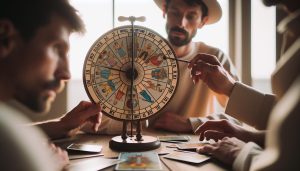
In the rich tapestry of spirituality, tarot cards often inspire debate, especially within the Catholic faith. Many wonder: can one engage with tarot while adhering to Catholic beliefs? This exploration is vital, as it touches on deeper issues of faith, intuition, and the boundaries of spiritual practice. The Catholic Church warns against divination, suggesting it contradicts our reverence for God. However, the allure of tarot lies not just in fortune-telling but in its potential for personal insight and self-reflection. Understanding the Church’s position on tarot can provide clarity for both believers and skeptics, fostering a nuanced discussion about spirituality and the use of symbols for personal growth. As we delve into this topic, we invite you to consider your own beliefs and experiences, and how they relate to the mystical journey that tarot represents.
Are Tarot Cards Inherently Against Catholic Beliefs?

The question of whether tarot cards are inherently against Catholic beliefs often provokes a variety of opinions, ranging from staunch opposition to more nuanced views. The Catholic Church traditionally teaches that tarot, along with other forms of divination, detracts from the honor and reverence owed to God, viewing such practices as contrary to the faith. This is rooted in Scripture, where practices of divination are discouraged, emphasizing reliance on God rather than seeking knowledge from esoteric sources. The Catechism of the Catholic Church explains that engaging in practices like tarot can undermine the moral fabric of faith and encourages believers to maintain a stance of faith unclouded by superstitions or alternative spiritual practices [3].
Despite this, the perception of tarot is evolving. Some Catholics see tarot as a symbolic tool for self-reflection rather than as a means to predict the future or communicate with supernatural entities. This perspective frames tarot as an art form rich in imagery and archetypes, which can stimulate introspection and personal growth, thus blending spirituality with self-discovery. For instance, a reading can reveal unconscious thoughts, helping readers to align their personal journeys with their faith [2].
It’s important to approach the conversation around tarot with an open mind. While the Church’s formal stance remains largely negative, individuals navigating their spiritual paths can find value in the reflective aspects of tarot. Understanding cards as a form of art and psychology-when used responsibly-can create a dialogue between traditional beliefs and contemporary spiritual practices. Ultimately, the integrity of one’s faith, practices, and intentions plays a key role in determining whether tarot is a divisive issue or a bridge to deeper self-understanding within a Catholic framework.
Historical Context of Tarot Cards in Religion

The origins of tarot cards are woven into a rich tapestry of history, religion, and cultural exchange that stretches back centuries. Initially emerging in the 15th century as a card game in Italy, tarot has evolved significantly, intertwining with various spiritual practices and beliefs. As you delve into the historical context of tarot, it’s important to recognize how it transitioned from a leisurely pastime to a tool of divination often scrutinized by religious institutions, including the Catholic Church.
In the early years, tarot was primarily used for games such as tarocchi, and it contained artistic and allegorical imagery that was often reflective of the culture and society of its time. As tarot cards began to gain popularity, particularly through the influence of mystics like Éliphas Lévi and Arthur Edward Waite in the 19th and early 20th centuries, interpretations of the cards transitioned. They became associated with esoteric knowledge, symbolism, and the mystical aspects of life, drawing connections to various religious and spiritual traditions-including Kabbalah and ancient Egyptian mythology-often leading to the belief that tarot possesses inherent spiritual significance.
Despite these associations, the Catholic Church has maintained a firm stance against tarot, viewing it as a form of divination that contradicts its teachings. The Church’s condemnation stems from a biblical context, where divination practices are prohibited in favor of a direct reliance on God. Saints and theologians have historically expressed concerns that engaging with tarot cards can divert believers from their faith and foster reliance on supernatural forces rather than divine guidance. The Church teaches that practices like tarot undermine moral convictions and distract from a true relationship with God, promoting an atmosphere of skepticism regarding such methods.
However, amidst the opposition, a nuanced perspective has emerged, allowing some to explore tarot as a purely symbolic or psychological tool for self-reflection and personal insight. Recognizing tarot’s artistic dimensions and archetypal imagery can enable individuals to engage with these cards in a way that fosters personal growth without straying into superstition. This evolution invites a broader dialogue in which believers can contemplate how traditional boundaries of religious practice intersect with modern spiritual creativity, all while remaining aligned with their faith. The historical interplay between tarot and religion thus continues to inspire contemplation and debate about the nature of divination, spirituality, and the human psyche.
The Catholic Church’s Official Stance on Tarot
The Catholic Church’s relationship with tarot cards is a complex interplay of tradition, doctrine, and the evolving landscape of spirituality. From the Church’s perspective, tarot is often classified as a form of divination-practices that are expressly forbidden in Catholic teachings. This prohibition is rooted in the belief that engaging with tarot can lead individuals away from a direct relationship with God. Instead of seeking answers or guidance through worldly symbols and rituals, the Church encourages its followers to rely solely on divine Providence and prayer.
Historically, the Church has viewed practices like tarot as potential gateways to superstition and false beliefs. Saints and theologians have cautioned that engaging with tarot might foster dependence on supernatural forces rather than trusting in God’s will. The Church emphasizes that scripture presents divination as contrary to its teachings; passages in the Bible reinforce the idea that one should seek wisdom from God alone, steering clear of practices that could dilute faith or moral convictions.
However, the rigid stance on tarot does not account for the myriad ways in which individuals might interact with these cards today. While the Church maintains that the use of tarot for predicting the future or seeking advice is inappropriate, some within the faith community advocate for a more nuanced understanding. They view tarot as a symbolic tool for reflection and self-discovery rather than a means of fortune-telling. This perspective allows for the exploration of inherited cultural practices while remaining deeply rooted in one’s faith.
For Catholics interested in tarot, it is vital to approach the cards with an understanding of their historical context and intended use. By viewing tarot not as a source of divination but as a means of engaging with one’s inner life, some believers find a way to appreciate the artistic and psychological aspects of the cards without conflicting with their religious values. This dialogue between tradition and modern practice invites a broader discussion on spirituality and personal insight, helping individuals balance their faith with their explorations of the mystical.
Spiritual vs. Superstitious: Understanding the Divide
Many people wonder about the dividing line between spirituality and superstition when it comes to practices like tarot reading. At its core, the distinction hinges on intent and understanding. Spirituality is about seeking personal growth, insight, and a deeper connection with the self, while superstition often relies on fear and a misguided interpretation of external forces controlling one’s fate. This tension is particularly palpable in the context of religious beliefs, such as those held by the Catholic Church, which largely views tarot as a potentially harmful practice.
Engaging with tarot can be a deeply personal journey, one that fosters self-reflection and clarity. The tarot cards, rich with symbolism and archetypes, can serve as mirrors to our inner lives. For example, a beginner might draw the Two of Cups, which traditionally represents partnership and mutual respect. This could invite reflection on personal relationships, leading to valuable insights about how one interacts with others. When approached with mindfulness, tarot can enhance personal growth rather than detract from it.
To navigate the divide effectively, it is essential to maintain a mindful and respectful approach. Here are some helpful strategies:
- Set Intentions: Before a reading, clarify your purpose. Are you seeking guidance, understanding, or simply curiosity? Intent shapes the experience.
- Reflect on Symbolism: Each card carries deeper meanings. For instance, the Tower might symbolize sudden change, but it can also indicate liberation from old patterns.
- Practice Mindfulness: Stay grounded throughout your readings. This keeps the focus on self-exploration and reduces the risk of slipping into superstitious beliefs.
By viewing tarot as a tool for self-discovery, practitioners can dodge the potential pitfall of superstition. This perspective allows for a richer engagement with the cards that respects both personal intuition and one’s spiritual beliefs. It invites a communal exploration-inviting both skeptics and believers into a shared space of curiosity and respect. Remember, tarot can be a bridge between the mundane and the divine, offering insights that resonate with your faith journey rather than detracting from it.
How Tarot Fits into Modern Spiritual Practices
Exploring the intersection of tarot with contemporary spirituality reveals a fascinating landscape where ancient practices meet modern self-exploration. For many, tarot serves as a conduit for personal insight and growth, transcending its origins in divination to become a toolkit for spiritual reflection. The symbolism embedded in the cards can provide profound revelations about one’s experiences and emotional landscape, inviting users to engage with their inner selves in a unique and meaningful way.
One of the most appealing aspects of tarot in modern spiritual practices is its adaptability. Rather than being confined to strictly predictive uses, tarot can be utilized in various contexts, such as meditation, journaling prompts, or even group discussions. By drawing a card daily, individuals might reflect on its meaning and how it relates to their lives, much like a spiritual exercise. For instance, pulling the Empress may encourage contemplation on themes of nurturing and creativity, prompting reflection on how these qualities manifest in personal relationships or projects.
Moreover, tarot practices are often inclusive, welcoming individuals from diverse backgrounds and belief systems, including those within Catholicism who seek to integrate these practices into their spiritual life. Many practitioners view tarot as a method of enhancing their relationship with the divine, using the cards to prompt deeper conversations with God or to meditate on biblical themes through archetypal imagery. This perspective allows for a coexistence of faith and tarot, encouraging an exploration of spirituality that both respects personal beliefs and embraces new forms of understanding.
To make tarot a beneficial part of your spiritual journey, consider these practical approaches:
- Intentional Readings: Before a reading, set clear intentions. Ask yourself what you hope to learn or understand during your session.
- Symbolic Connections: As you work with each card, pay attention to its imagery and symbolism, relating it to your own life experiences.
- Group Sharing: Engage with others in a sacred space to share insights gained from tarot readings, promoting communal understanding and support.
Ultimately, tarot can be a bridge that supports individual growth while honoring one’s beliefs. It invites exploration, providing insights that can illuminate one’s path in a loving and non-judgmental manner, ensuring that all seekers-be they skeptics or believers-can find value and meaning in its rich tapestry of symbols.
Exploring Catholic Perspectives on Divination
The conversation around divination, particularly through practices such as tarot, is nuanced within the Catholic community. Many Catholics find themselves grappling with traditional doctrine while navigating their personal spiritual journeys. The Catholic Church maintains a firm stance that divination practices, which include tarot, compromise the worship and trust that believers owe to God. This view originates from a broader theological assertion that any attempt to foresee the future or gain secret knowledge through supernatural means undermines faith in divine providence and guidance.
That being said, an intriguing phenomenon occurs when individuals choose to approach tarot as a tool for self-exploration rather than a means of predicting the future. For Catholic practitioners, this can manifest as a desire to understand oneself more deeply, aligning intuitive insights from tarot with spiritual quests for guidance and clarity. Tarot cards can serve as prompts for meditation or reflection on personal struggles, virtues, and life choices, creating an opportunity for encounter with God in a personal, introspective way.
Moreover, many who engage with tarot do so within a context of community, where shared interpretations and discussions can lead to profound insights. Engaging in tarot readings as a group can not only enhance understanding of the symbolism within the cards but also cultivate emotional and spiritual support among participants. This collective exploration allows for dialogue that can bridge the gap between established religious beliefs and contemporary spiritual practices, emphasizing the importance of personal intention and context in how tarot is perceived and utilized.
As individuals seek to integrate tarot into their lives, it’s essential to approach this practice with discernment. Acknowledging the Catholic Church’s teachings while also understanding the value of introspection and personal reflection can lead to a balanced perspective. Practitioners might consider the following steps:
- Intentional Use: Before engaging in a tarot practice, reflect on the purpose of the reading. Ensure that the focus is on personal growth rather than seeking answers outside of divine guidance.
- Symbolism Reflection: When drawing cards, spend time contemplating their meanings and how they relate to your life experiences, allowing room for spiritual insights to emerge organically.
- Group Discussions: Organize sharing circles with fellow believers to discuss insights gathered from tarot readings, fostering a respectful environment for diverse perspectives.
Ultimately, while the Catholic stance on tarot as a form of divination remains clear, there is room for personal interpretation and growth. By framing tarot within the context of self-reflection rather than as a tool for divination, many Catholics find a way to engage with this ancient practice that respects their faith while also exploring their spiritual journeys in new and meaningful ways.
Navigating the Tarot Card Debate within Christianity
Navigating the intersection of tarot and Christianity can feel complex, especially for those who hold both sacred beliefs close to their hearts. Many individuals practicing tarot, including those from a Catholic background, report an enriching experience when approaching tarot not as a means of divination, but as a tool for personal growth and spiritual insight. This approach allows practitioners to engage with the symbolism of the cards in ways that resonate with their faith, fostering a dialogue between traditional beliefs and contemporary spiritual practices.
Understanding the richness of tarot can begin with recognizing that the cards themselves are often a reflection of universal human experiences-love, fear, struggle, and triumph. For example, when a beginner draws The Empress card, it may evoke reflections on creativity and nurturing qualities within oneself. By focusing on such interpretations, individuals can align readings with their spiritual journeys, using these symbols to meditate on virtues and life choices rather than seeking to predict an uncertain future.
Setting intentions prior to reading can further harmonize tarot practices with Christian beliefs. By framing the reading as a reflective tool-thinking about the questions or themes one wishes to explore-users can cultivate a sense of empowerment and personal clarity. Here’s a simple approach:
- Choose Your Intention: What aspect of life do you wish to explore? It could be anything from resolving a personal conflict to understanding a deeper calling.
- Draw Cards Mindfully: Select cards that resonate with your questions. Take time for personal interpretation rather than relying solely on traditional meanings.
- Reflect and Journal: After your reading, write down thoughts and insights. This helps integrate your experiences and offers a tangible reflection of your spiritual journey.
Moreover, group settings can provide a collaborative environment where diverse interpretations and perspectives flourish. Engaging with fellow believers in structured discussions about tarot experiences can deepen understanding while respecting the inherent significance of faith. By creating a space for open conversation, practitioners can affirm their beliefs while exploring how tarot can enhance their introspective practices.
Ultimately, this debate within Christianity does not necessitate an absolute stance against tarot. Many find that it can be harmonized with a Christian way of life when used responsibly and with clear intentions. Embracing tarot’s rich symbolism and personal introspection can foster a deeper connection to one’s spirituality while recognizing the foundational beliefs that guide one’s faith journey.
The Role of Intuition in Tarot and Faith
Exploring your intuition can add a profound layer to your tarot practice, seamlessly blending with personal belief systems, including Catholic faith. Intuition is not about defying religious teachings; rather, it is a tool that can enhance your understanding of yourself and your spiritual journey. When engaged in a tarot reading, whether for yourself or another, tapping into your intuitive feelings about the cards can provide meaningful insights that resonate with your life experiences.
For instance, when you draw The High Priestess card, you might initially think of intuition and inner wisdom. However, as you reflect further, feelings about your current emotional state may surface, leading you to ponder the balance between your spiritual beliefs and personal revelations. This personal connection can act as a bridge between your intuitive insights and your faith, allowing you to interpret the card’s message in a way that aligns with your values.
To cultivate your intuitive skills in tarot while respecting your beliefs, consider adopting the following practices:
- Spend Time with the Cards: Regularly handle your tarot deck, allow your intuition to guide your feelings about each card. Notice any emotional responses or connections that arise.
- Focus on Visual Cues: When reading, pay attention to colors, symbols, and imagery that stand out to you. These can often connect to your current life themes.
- Practice Mindfulness: Before a reading, take a moment of silence to ground yourself. Setting an intention for clarity can help your intuition flow more freely during the session.
By approaching tarot readings as a shared dialogue between your inner self and the universe, you can fine-tune your intuitive abilities while remaining aligned with your spiritual beliefs. The cards can serve as mirrors reflecting personal insights, guiding you rather than predicting your future. This practice honors both your intuitive capabilities and your commitment to your faith, allowing you to navigate your spiritual path with confidence and clarity.
Ultimately, the blend of intuition and tarot can empower you, helping you weave together your spiritual insights and personal truths. Whether you’re a skeptic or a believer, embracing your intuitive gifts can create a rich tapestry of understanding within your practice.
Stories of Catholics Who Practice Tarot
Many Catholics have found themselves drawn to tarot cards despite the traditional teachings of the Church. Their stories reveal a complex relationship with this form of divination, blending personal faith and intuition in unique ways. For some, tarot serves not as a means of predicting the future but as an insightful tool for personal reflection and spiritual growth.
One notable example is a young woman from a Catholic background who began exploring tarot during a challenging period in her life. Initially hesitant, she approached the cards with the understanding that they could offer guidance rather than definitive answers. As she shuffled her deck, she focused on her intentions, drawing cards that resonated deeply with her experiences, such as The Fool, which encouraged her to embrace new beginnings. This process allowed her to reflect on her faith, interpreting the cards through a lens that honored both her Catholic beliefs and her intuitive insights.
Another story comes from a Catholic pastor who embraces tarot readings as a form of spiritual counsel for his congregation. He emphasizes that the Tarot is not an act of divination in the conventional sense but rather a tool for discussion and reflection. During group sessions, he uses tarot cards to facilitate conversations about personal challenges and growth, paralleling the themes found in the Bible. By framing tarot within a faith-based context, he helps participants see how the messages of the cards can complement their spiritual journeys.
For those considering tarot in conjunction with their Catholicism, it’s essential to approach it with an open mind. Engaging with the cards can lead to profound personal insights and deeper connections to one’s faith. Here are some practical tips for integrating tarot into your spiritual practice:
- Set Clear Intentions: Before each reading, take a moment to meditate on what you hope to gain from the session.
- Reflect on the Messages: After drawing cards, think about how their meanings relate to your life experiences and beliefs.
- Journal Your Insights: Document your thoughts and feelings after each reading to track your spiritual journey and growth.
These experiences illustrate that tarot can coexist with Catholic beliefs when approached thoughtfully. Each card can act as a bridge, encouraging introspection, personal growth, and a deeper understanding of one’s faith. Embracing this tool can empower individuals to honor both their spiritual and intuitive sides, enriching their journeys in meaningful ways.
Addressing Concerns: Is Tarot a Sin?
Many people wondering about the moral implications of tarot cards often ask, “Is tarot a sin?” This question touches on significant concerns relating to faith, spirituality, and the practice of divination. For Catholics, the Church explicitly teaches that engaging with tarot cards can conflict with core beliefs. According to the Catechism, all forms of divination, including tarot reading, are considered sinful because they contradict trust in God’s providence and violate the First Commandment, which admonishes against seeking knowledge of the future through means deemed contradictory to faith in God [1][3].
However, the cultural landscape is evolving. Some Catholics find value in tarot as a tool for personal reflection rather than a means of predicting the future. By framing their readings as a process of introspection and growth, they navigate the potential conflicts with their faith. For example, a person might use tarot cards to explore emotions, life choices, or spiritual questions, rather than to foretell specific outcomes. This approach encourages users to focus on their interpretation and personal growth, aligning their inquiries with self-discovery rather than divination.
It’s essential for individuals to examine their intentions when using tarot. Respecting the necessity of maintaining a faithful life while exploring personal insights can help mitigate concerns about sin. Engaging with tarot thoughtfully and with clear intentions-such as seeking understanding or clarity about one’s life-can mesh with one’s spiritual journey without drawing the ire of traditionalist views. For those who are hesitant, starting with a simple practice, such as journaling reflections after a reading, can provide insights into how the cards relate to their faith and personal experiences.
Ultimately, the journey of faith is deeply personal. Individuals wrestling with the idea of tarot within their Catholic beliefs might find reassurance in understanding that the practice can be navigated with mindfulness, respect for their foundation of faith, and an open heart. Tarot does not inherently lead one away from God; rather, it can foster deeper introspection and a richer understanding of one’s path, provided it is approached with care and respect for one’s beliefs.
Benefits of Tarot for Self-Reflection and Growth
Many individuals, regardless of their religious background, find tarot to be a fascinating tool for self-reflection and personal growth. At its core, tarot serves as a mirror, reflecting our thoughts, emotions, and experiences back to us. This introspective aspect can be particularly beneficial for those who wish to explore their spirituality while remaining aligned with their faith, including Catholics navigating the complexities of tarot’s relationship with their beliefs.
Utilizing tarot for self-reflection involves approaching the cards not as prophetic instruments but as prompts for deeper inquiry. For example, someone might draw the Two of Cups, symbolizing connection and harmony. Instead of focusing solely on romantic implications, a person could reflect on their relationships with family and friends. They might ask themselves:
- How am I nurturing my relationships?
- What connections in my life need more attention?
- Am I fostering harmony in my community and among my loved ones?
This method of questioning transforms the tarot into a spiritual guide, encouraging personal growth through insights rather than predictions.
Cultivating Mindfulness
Engaging with tarot thoughtfully fosters mindfulness, helping individuals become more present and aware of their thoughts and feelings. By setting an intention before a reading-such as seeking clarity on a specific issue-users can tune into their inner selves. This practice can aid in understanding recurring patterns in one’s life, thus promoting emotional healing and self-awareness.
Steps for a Mindful Tarot Reading:
- Set Your Intention: Before you begin, take a moment to meditate on what you would like to explore. This could be a question about your career, relationships, or personal growth.
- Draw Your Cards: Choose a simple spread, such as a three-card spread representing the past, present, and future.
- Interpret with Curiosity: Look at the imagery and meanings of the cards drawn. What emotions do they evoke? How might they relate to your current situation?
- Reflect and Journal: After interpreting your cards, jot down your thoughts and feelings. This process helps solidify insights and can be revisited in the future for further contemplation.
Real-Life Applications
Many Catholics are discovering that tarot can complement their faith by enhancing personal reflection without contradicting their principles. A Catholic practitioner might incorporate prayer before a reading, asking for guidance and clarity. The aim is to align the insights gained from the cards with their understanding of God’s will in their lives.
By embracing tarot as a tool for reflection rather than divination, individuals can navigate their spiritual questions while remaining grounded in their faith. This approach fosters growth, understanding, and a deeper connection to one’s self. In essence, when practiced thoughtfully, tarot can coexist with a robust spiritual life, promoting introspection, mindfulness, and personal evolution without undermining one’s beliefs.
Finding Balance: Tarot as a Tool for Spirituality
Many people overlook the potential for tarot to serve as a bridge between spirituality and self-reflection, particularly for those within the Catholic community. When approached with intention, tarot can facilitate meaningful exploration and personal growth without conflicting with one’s faith. This balance is attainable by viewing the tarot not as a divination tool predicting the future, but rather as a series of archetypes reflecting our inner landscape and guiding us in our personal journeys.
To integrate tarot into spiritual practice, start by focusing on your intentions. Before a reading, spend a moment in prayer or meditation, inviting clarity and insight into your session. For instance, if you draw the Three of Cups, which symbolizes celebration and community, you might reflect on how you connect with others in your life. Ask questions like, “What brings me joy in my friendships?” or “How can I contribute to my community?” This reflective process turns the tarot into a personal guide, helping you find answers that resonate with your values and experiences.
Engaging with tarot can also enhance mindfulness-a crucial aspect of both spiritual and mental well-being. Setting a clear intention before drawing cards encourages introspection and self-awareness. When reflecting on the imagery and symbolism of the cards, you might notice patterns or insights about your behaviors and relationships that you hadn’t recognized before. This practice can cultivate emotional healing, reinforcing the idea that self-exploration is a vital aspect of one’s spiritual journey.
For many Catholics, the key to finding harmony lies in how they frame their interactions with tarot. By incorporating rituals-such as lighting a candle, reading scripture, or invoking the guidance of saints-before or during a reading, individuals can create a sacred space that honors both their faith and their curiosity. This dual approach allows tarot to coexist within a Christian framework, promoting growth, understanding, and a deeper connection with oneself and God. Ultimately, this practice can evolve into a valuable spiritual tool that harmonizes intuition with faith, encouraging a richer, more nuanced spiritual life.
Q&A
Q: Is it sinful for Catholics to use tarot cards?
A: The Catholic Church generally teaches that tarot cards and similar divination practices contradict a person’s duty to God. While using tarot might not be explicitly labeled as a sin, engaging with these practices can lead to spiritual confusion and is discouraged within the faith [1].
Q: Can Catholics find value in tarot readings?
A: Some Catholics may derive personal insight and reflection from tarot readings, even while recognizing the Church’s stance. Tarot can be seen as a tool for self-exploration, as long as it is approached with caution and a strong understanding of one’s faith [3].
Q: Are tarot cards linked to witchcraft according to Catholic beliefs?
A: Yes, tarot cards are often associated with witchcraft and divination, which the Catholic Church opposes. Such practices can distract from the teachings of the Church and the relationship with God, making them contentious within the faith [1].
Q: What are the historical connections between tarot and Catholicism?
A: Tarot cards originated in Italy, where they included many symbols that derived from Catholic iconography. This historical context adds a layer of complexity to their use within Catholic frameworks, sparking debate about their spiritual implications [3].
Q: What should Catholics consider before using tarot cards?
A: Catholics should carefully consider the potential conflicts between tarot practices and their faith. Reflecting on the motivations behind seeking tarot insights and ensuring that it doesn’t undermine their relationship with God is crucial to maintaining spiritual integrity [1].
Q: Are there any official Church documents discussing tarot cards?
A: While there may not be comprehensive Church documents specifically addressing tarot, the general teachings on divination and superstition in the Catechism of the Catholic Church unequivocally reject such practices, emphasizing trust in God over occult methods [1].
Q: Can practicing tarot lead to a conflict with Catholic doctrine?
A: Yes, engaging in tarot can create a spiritual conflict for Catholics, as it may encourage reliance on divination rather than faith in God. It’s essential to navigate these practices thoughtfully, understanding both personal and doctrinal implications [1].
The Way Forward
Understanding the Catholic Church’s stance on tarot cards can deepen your spiritual journey and relationship with faith. While many find tarot intriguing, the Church advises against such practices, viewing them as contrary to trusting in God’s plan. This insight empowers you to seek alternative paths for guidance that align with your beliefs.
If you’re curious about exploring spirituality without the use of tarot, consider reading our articles on prayer and divine providence or engaging with our community discussions on faith-based decision-making. Don’t hesitate to share your thoughts and experiences in the comments below-your insights could truly inspire others facing similar dilemmas.
For ongoing support and resources, sign up for our newsletter to stay updated on faith, spirituality, and Catholic teachings. Embrace your journey with confidence, knowing there are many pathways to spiritual fulfillment that honor your beliefs and values.