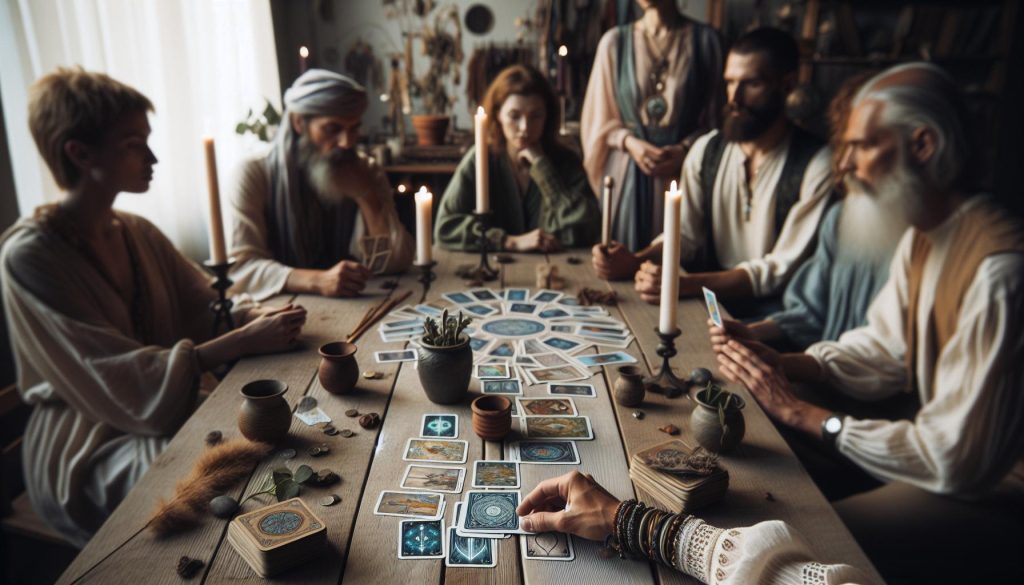
Are Tarot cards merely tools of magic, or do they serve a deeper psychological purpose? This question intrigues many on their spiritual journey, as Tarot blends mystical symbolism with personal insight. Whether you seek clarity in decision-making or a deeper understanding of your emotions, Tarot offers a unique reflection of your inner world.
In exploring this topic, you’ll uncover how Tarot can be both a mystical practice and a powerful psychological tool, helping you tap into your intuition and navigate life’s complexities. As you delve into the meanings behind the cards and their potential effects on your mindset, you’ll find that Tarot is accessible to skeptics and believers alike. Join us on this exploration to uncover the transformative potential of Tarot and how it can guide you toward greater self-awareness and empowerment.
Understanding Tarot Cards: Magic or Psychological Tool?
Curiosity surrounding tarot cards often ignites a debate: are they vessels of mystical insight or reflections of our psychological state? The answer, perhaps unsurprisingly, lies somewhere in between. Tarot cards can be perceived both as magical tools, steeped in history and symbolism, and as psychological instruments that unlock the deeper layers of our subconscious. By exploring this duality, we can better appreciate the multifaceted nature of tarot.
At their core, tarot cards serve as a bridge between the conscious and the unconscious. Each card is rich with archetypal symbols and meanings that resonate with our personal experiences and emotions. When you draw a card, it acts as a mirror, reflecting back to you your hopes, fears, and desires. This can prompt profound self-reflection, making the process feel magical as insights unfold. For example, drawing the Fool card may lead you to contemplate new beginnings and risks you’re considering, while the Tower may force you to confront upheaval in your life. The magic, then, lies not in the cards themselves, but in the revelations they inspire.
The Psychological Perspective
From a psychological standpoint, tarot can be seen as a valuable tool for self-exploration and personal growth. Many practitioners emphasize that anyone can read tarot-not because they possess a mystical gift, but because they can learn to interpret symbols and trust their intuition. This democratizes tarot as an accessible practice for everyone, regardless of belief or background. For instance, beginners can start with simple spreads like the 3-card spread to explore past, present, and future situations, allowing them to gain clarity on issues they may be grappling with.
Using tarot often encourages individuals to engage in introspection. With careful study of card meanings and reflecting on personal situations, readers can better understand their motivations and choices. This exploratory process can bring to light internal conflicts or aspirations that might not have been apparent beforehand.
Blending Magic and Psychology
Acknowledging both the magical and psychological aspects of tarot enhances the practice. While some people may experience profound mystical moments during a reading, others may find comfort in the structured, psychological insights it offers. This inclusivity encourages a broader audience to engage with tarot, helping it evolve beyond traditional perceptions. The key is to view tarot as a flexible tool that can adapt to an individual’s needs, providing both mystical depth and psychological value.
In essence, tarot cards can be both magic and psychological tools, offering unique paths toward understanding ourselves and our experiences. By engaging with them openly and without preconceived notions, anyone can embark on a journey of discovery, empowerment, and personal growth. Whether you see them as enchanting artifacts or reflections of your psyche, the value lies in their ability to foster connection, insight, and transformation.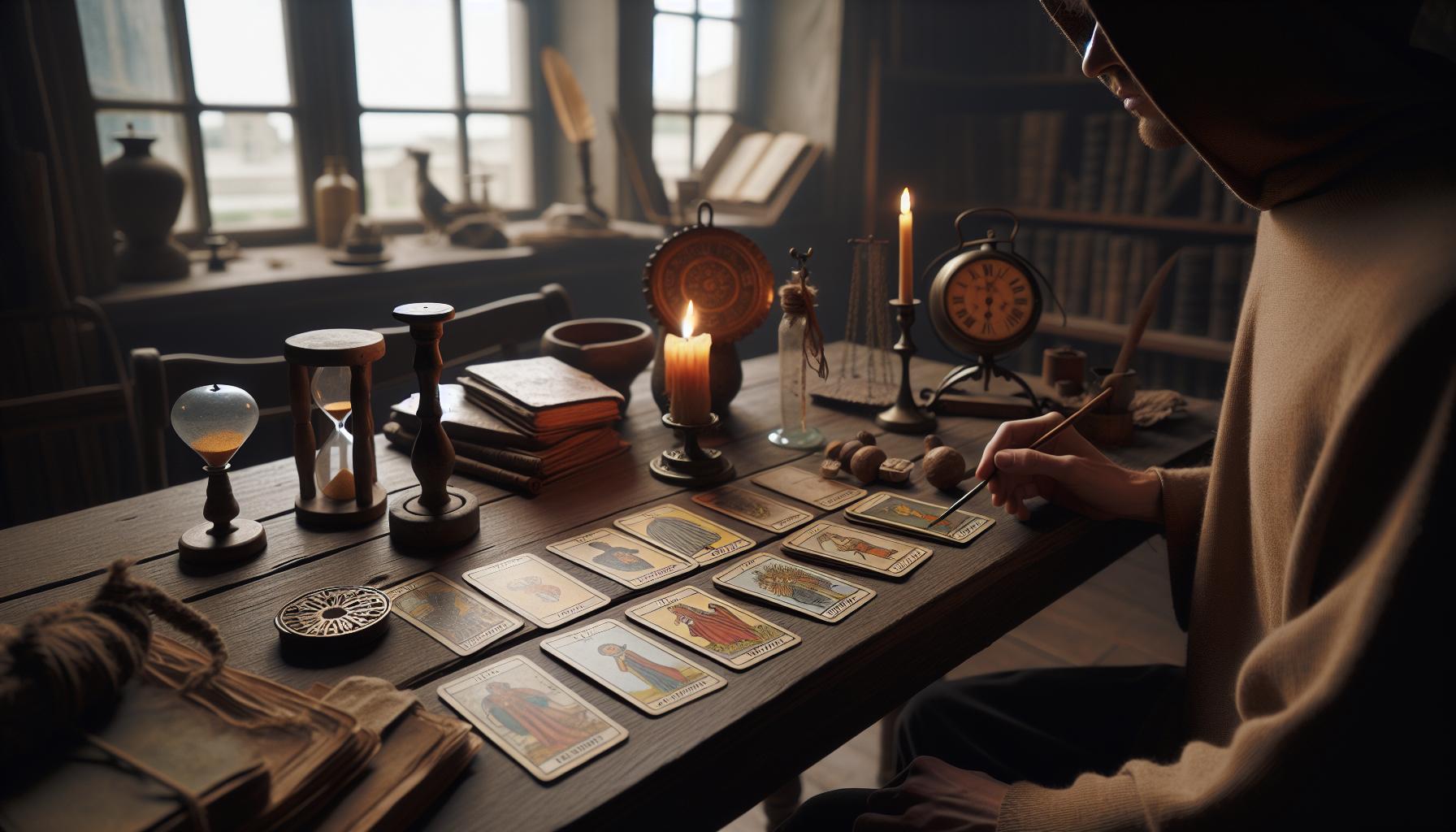
The Historical Roots of Tarot: From Divination to Self-Reflection
Exploring the historical journey of tarot cards reveals a fascinating blend of mysticism and practicality. Originally believed to date back to the mid-15th century Italy, tarot cards were not initially designed for divination or self-reflection but rather as playing cards for social games. Over time, they evolved into a rich tapestry of symbolism and meaning, reflecting the cultural and spiritual landscapes of different eras. This transformation from mere entertainment into a tool for introspection and guidance illustrates the cards’ deep-rooted connections to human experience and consciousness.
The migration of tarot from Europe to the mystical practices of the Renaissance played a crucial role in its metamorphosis. Scholars and mystics of the time began to ascribe esoteric meanings to the cards, associating them with Kabbalistic symbols, astrological influences, and alchemical principles. Each card began to embody complex concepts, enabling users to explore not just the physical world but also their inner psyche. As tarot became synonymous with divination in the 18th and 19th centuries, it solidified its place as a medium through which individuals could seek guidance, confront fears, and embrace personal growth.
Today, tarot embodies both its historical origins and contemporary interpretations, bridging the mystical with the psychological. When individuals draw cards, they are not only participating in a ritualistic tradition but also engaging in a profound act of self-reflection. For instance, pulling the High Priestess card might inspire contemplation of one’s intuition and inner wisdom, while the Death card may represent transformation and rebirth. These insights can facilitate a deep exploration of one’s life circumstances, relationships, and aspirations, challenging the reader to embrace change and cultivate self-awareness.
As you delve into your tarot practice, consider the cards as both a historical artifact and a tool for personal insight. Each reading can be approached with respect for its rich legacy, allowing you to draw upon the wisdom of the ages while nurturing your own intuitive abilities. Whether you view tarot through the lens of mysticism or psychology, engaging with its historical roots can enhance your understanding and appreciation of the cards’ power to illuminate the path ahead. Remember, tarot is an inclusive practice meant for everyone, inviting both skeptics and believers to uncover the layers of meaning within their own experiences.
How Tarot Cards Work: The Mechanics Behind the Mystic
Tarot cards serve as a fascinating intersection between mysticism and psychology, functioning not just as tools for divination but as catalysts for self-exploration and understanding. At the heart of how tarot works is the concept of symbolism; each card is imbued with layers of meaning and archetypes that resonate with different facets of our lives. When engaging with tarot, you invite these symbols into a dialogue, encouraging insights that can illuminate your experiences and concerns.
The mechanics of tarot involve both the physical act of drawing cards and the intuitive process of interpretation. When you shuffle and lay out cards, you are not merely randomizing a deck; you are engaging with your subconscious mind, allowing it to guide your choices. This blend of chance and intuition leads to personal revelations, as the cards selected reflect your current emotional or spiritual state. The act of interpretation can vary widely depending on the reader’s personal insight and the context of the question posed, which can range from practical life matters to profound existential queries.
To enhance your reading experience, consider the following tips:
- Set a Clear Intention: Before you draw cards, take a moment to focus on your question or the area of your life you’re seeking insight into. This intention acts as a compass, guiding your understanding of the cards.
- Choose Your Spread: The layout of the cards-known as a spread-can significantly impact the reading. Beginners might start with simple spreads, like the 3-card spread, which represents the past, present, and future.
- Trust Your Intuition: While there are traditional meanings for each card, your personal intuition plays a vital role in interpreting their significance in your life. Pay attention to your feelings and reactions as you reveal each card.
For those new to tarot, initiating this journey can feel daunting. However, it’s important to remember that each reading is a unique experience, reflecting your personal context and emotional landscape. For instance, pulling the Four of Cups might typically suggest contemplation or apathy, but in the context of your current situation-perhaps a decision about a job change-it could also encourage you to seek out new opportunities instead of succumbing to stagnation.
Ultimately, the magic of tarot lies in its potential to bridge the inconspicuous with the profound, merging mystical decryption of symbols with psychological insights. Whether you perceive tarot as a purely magical tool or a psychological framework, allowing yourself to explore its depths can lead to significant personal growth and clarity. In this practice, you become both the questioner and the seeker, using the cards to navigate the intricate tapestry of your inner and outer worlds.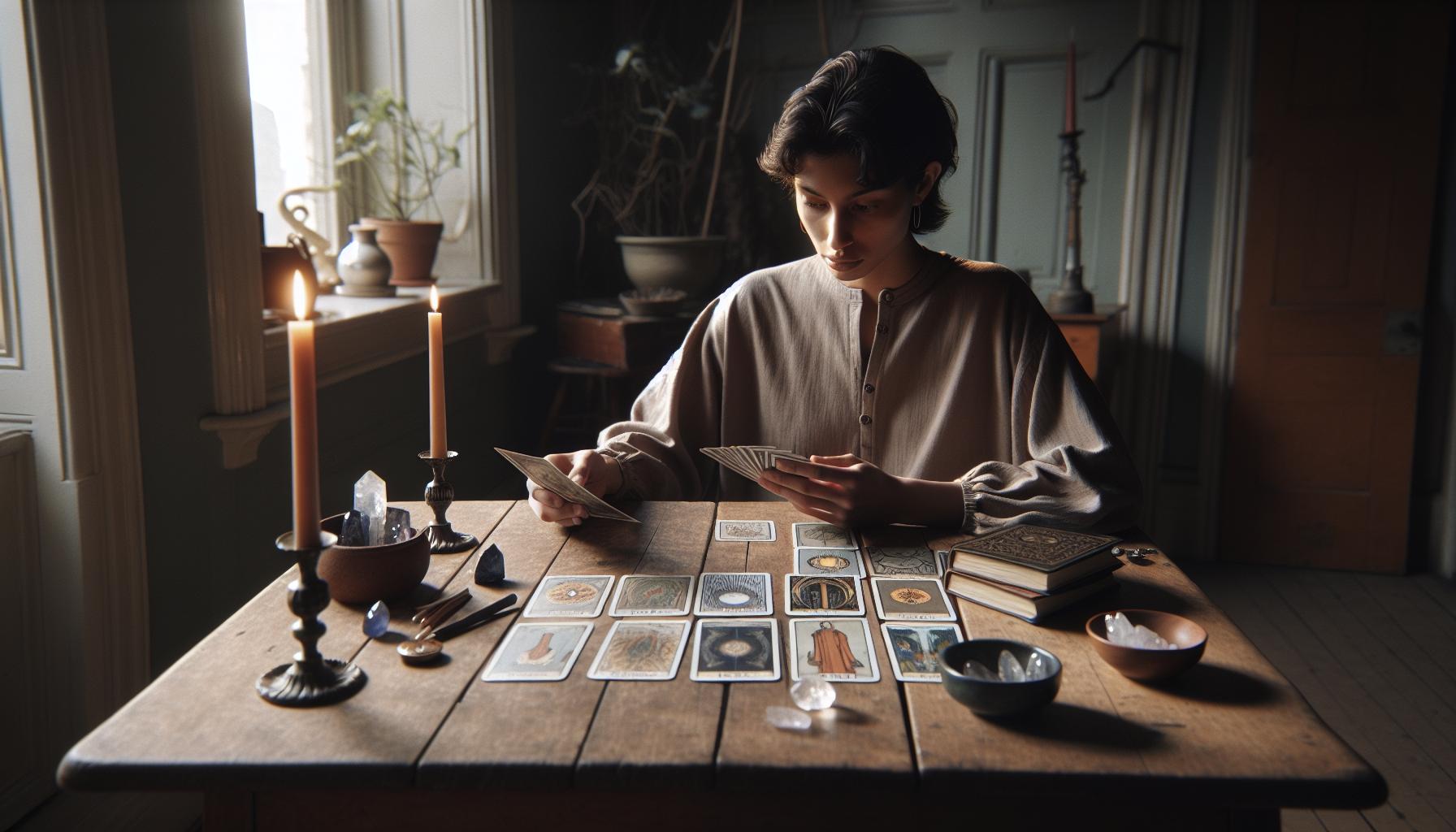
The Power of Intuition: Can Anyone Read Tarot?
Anyone can read tarot cards, and the journey into this mystical practice is filled with wonder and self-discovery, regardless of your background or beliefs. The real magic of tarot lies not solely in the cards themselves but in your unique intuition and the personal insights that emerge from your readings. When you approach tarot with an open heart and mind, you create a receptive space where your intuition can flourish.
The first step in harnessing this power is to foster a connection with your deck. Spend time with your cards-shuffle them, examine the imagery, and contemplate their meanings. This familiarization enhances your intuitive ability, allowing you to read not just the symbols but also your emotional and mental responses to them. Each card serves as a mirror reflecting aspects of your life, experiences, and inner self, facilitating a profound conversation with your intuition.
Developing Your Intuitive Skills
Building a bridge between your intellect and intuition is key. Start with simple readings and gradually deepen your practice. Here are some practical steps to strengthen your intuitive skills:
- Journal Your Readings: After each session, write down your interpretations, feelings, and revelations. Not only does this help clarify your thoughts, but it’s also an excellent reference for tracking your growth.
- Practice Mindfulness: Meditation and mindfulness techniques can help quiet the mind and enhance your intuitive abilities. Spend a few minutes each day focusing on your breath or visualizing your cards to strengthen your connection.
- Explore Different Spreads: Use various card spreads to explore different aspects of your life or questions you may have. As you practice with different layouts, like the Celtic Cross or a simple three-card spread, notice how your intuition guides your interpretations and feelings.
Each reading is a collaborative effort between you and the cards. For instance, if you pull the High Priestess, you may feel a strong pull toward introspection and intuition. Trusting that instinct could lead you to insights about your emotional landscape or help you identify areas where you need to listen to your inner voice more closely.
Ultimately, anyone can learn to read tarot, as it is as much about understanding symbols as it is about tapping into your intuitive abilities. By allowing yourself to engage deeply with your deck, practicing regularly, and trusting your instincts, you will not only enjoy the process but also uncover the rich tapestry of insights available within each reading. Remember, tarot is for everyone, and your journey is uniquely yours.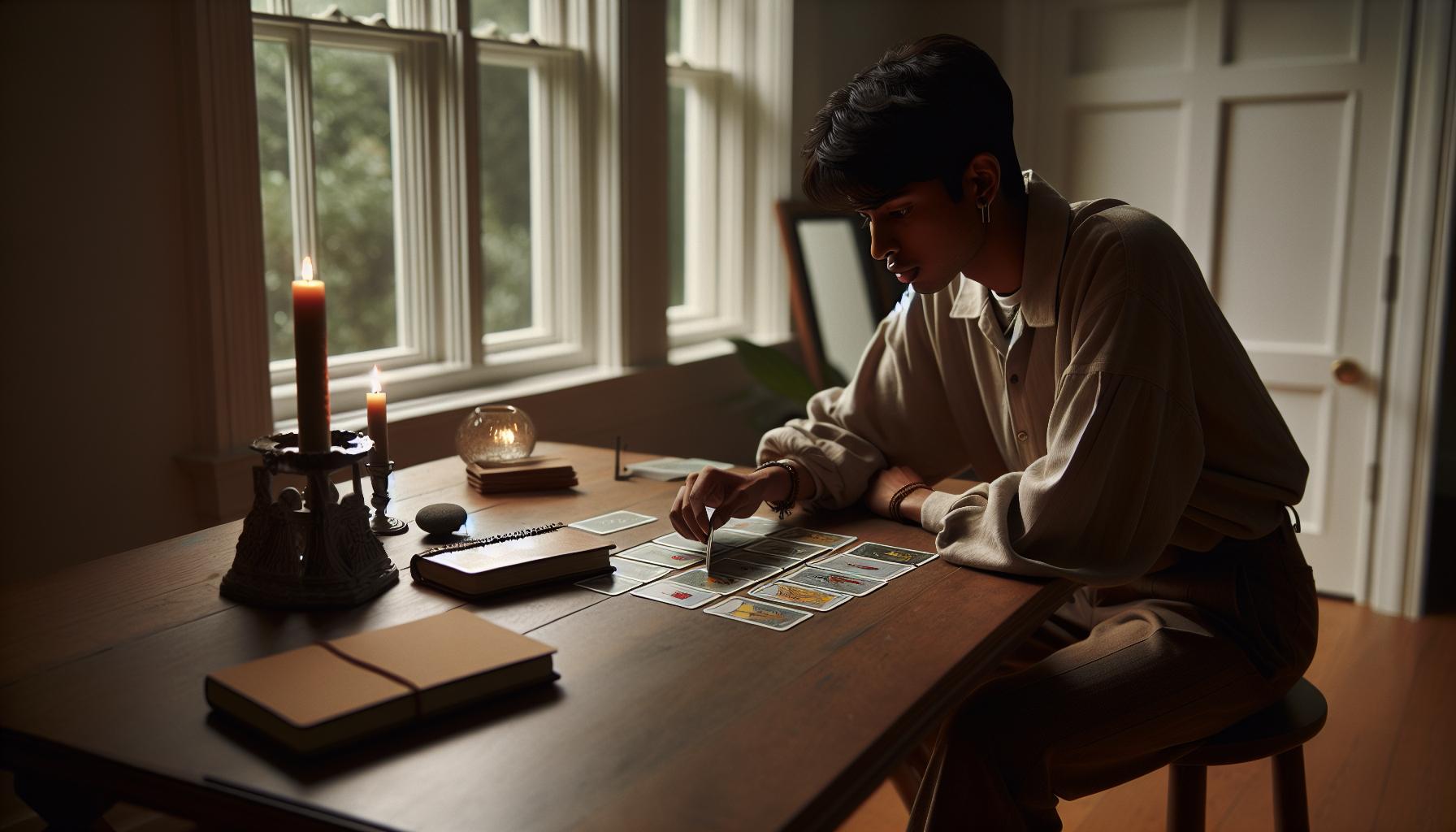
Psychological Insights: Tarot as a Mirror for the Mind
Tarot cards act as a powerful tool for self-reflection, enabling individuals to explore their thoughts, emotions, and the underlying patterns of their lives. Far from being just mystical symbols, each card serves as a mirror, reflecting personal experiences and offering insights that may not be immediately apparent. For instance, when you draw the Tower, this card often signifies upheaval or chaos. Instead of viewing it solely as a negative omen, consider how it might represent a challenge in your life that calls for growth or change. This perspective shifts the focus from prediction to introspection, prompting a deeper understanding of your current situation.
Using tarot in this way encourages a dialogue between the conscious mind and the subconscious. The imagery and symbolism of the cards can evoke feelings, thoughts, and memories that users might not actively confront. By engaging with the cards, you allow your intuition to guide you through personal narratives, uncovering insights that can lead to clarity and healing. For example, drawing the Moon card might highlight fears or uncertainties that you’ve been avoiding, encouraging you to explore these hidden aspects of your psyche. This exploration often leads to moments of revelation that feel more personal and authentic than typical problem-solving methods.
Practical Reflection Techniques
To harness the psychological benefits of tarot, consider integrating the following practices into your readings:
- Start with a focused intention: Before each reading, take a moment to reflect on what you wish to understand. This could be a question about a life decision or simply a desire for self-discovery.
- Use the cards as prompts: After you lay out your cards, choose one as the focal point for a journaling exercise. Write about your emotional response to the card and what it reveals about your situation.
- Discuss your findings: Sharing your insights with a friend or a tarot community can provide new perspectives and help solidify your understanding of the insights gained.
These techniques promote a deeper connection with your inner thoughts and feelings, making the tarot not just a ritual of reading but a valuable tool for personal psychological growth. By viewing the cards as mirrors of your mind, you create a safe space to explore and understand the complexities of your emotional world. Each session can serve as a stepping stone toward greater self-awareness, ultimately enhancing your ability to navigate life’s challenges with confidence and grace.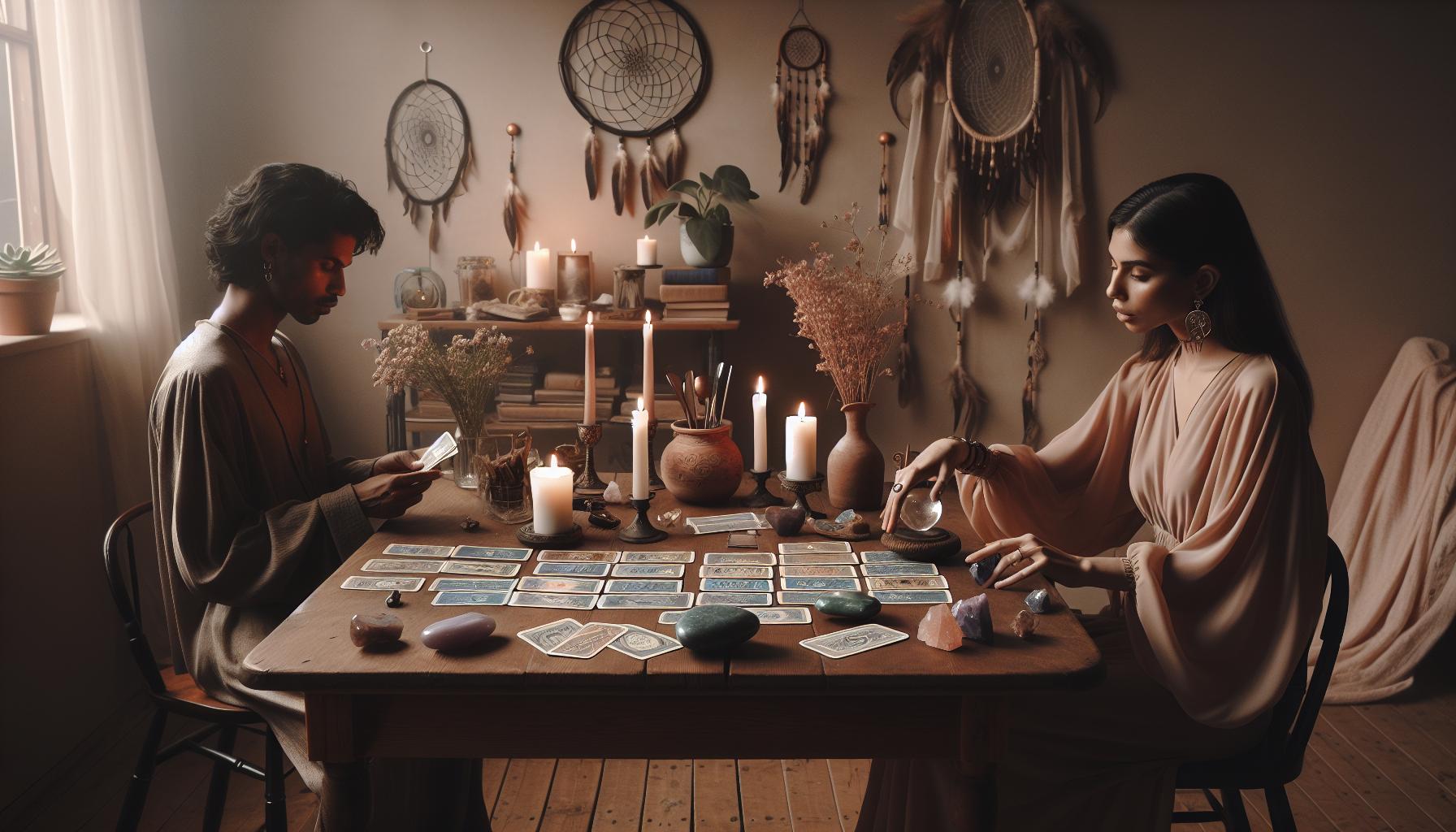
The Role of Rituals: Enhancing Your Tarot Experience
Creating a personal ritual around your tarot practice can transform your sessions from simple readings into powerful experiences of self-discovery and reflection. By establishing a consistent routine, you not only honor the practice but also signal to your subconscious that this is a sacred time to connect with your intuition and explore your inner landscape. Rituals can range from the straightforward to the elaborate, ensuring that you find a pace and style that resonates with you.
To begin enhancing your tarot experience through rituals, consider incorporating specific elements that create a dedicated space for your readings. This could be as simple as setting a comfortable area in your home where you can lay out your cards free from distractions. Bring in items that hold personal meaning-perhaps a favorite candle for illumination, crystals for their energy, or incense for a soothing atmosphere. Each item can help set the tone of the session, making it feel more intentional and focused.
Another key aspect involves engaging your senses. Before you begin, take a moment to breathe deeply and ground yourself. Visualize your intentions for the reading. As you shuffle your cards, pay attention to the textures and colors, allowing your mind to settle into the moment. You might even find value in using a specific spread each time you read for a particular question or intention. For instance, a three-card spread might represent the past, present, and future, while a Celtic Cross can give a comprehensive insight into a complex situation.
Consider also the power of closure. After a reading, take some time to reflect on what the cards have communicated to you. Journaling your thoughts not only reinforces the insights gleaned from the cards but can also clarify your feelings and thoughts about your situation. This process of reflection transforms what may seem like abstract symbols into tangible advice and understanding that you can carry with you into the world.
By making rituals a part of your tarot practice, you cultivate a deeper connection to yourself and your cards. Such practice not only honors the mystical aspects of tarot but also enhances psychological insights, allowing you to navigate your personal journey with clarity and empowerment. Remember, the most important element in any ritual is that it feels genuine to you. Let your intuition guide you, and soon you’ll find a rhythm that enriches your experience with each session.
Debunking Myths: Common Misconceptions About Tarot
In a world where skepticism often greets the mystical arts, tarot cards frequently find themselves shrouded in misunderstanding. Many people view tarot as mere fortune-telling or a tool strictly for the esoteric, but this perspective overlooks the deep psychological insights and personal growth opportunities that tarot can provide. By confronting common misconceptions, we open the door to a richer understanding of tarot’s role in both the mystical and psychological dimensions of life.
One prevalent myth is that tarot cards are inherently magical and that they can predict the future with certainty. In reality, tarot readings are less about divination and more about reflection. Think of tarot as a tool for dialogue with your subconscious. Each card drawn is a symbol that can mirror your thoughts, experiences, and feelings. It’s not about fate being set in stone but rather about exploring possible paths and gaining clarity on your current situation. For example, drawing the Tower card might signify upheaval, but it also invites introspection on how to rebuild and move forward.
Another misconception is the belief that only certain individuals have the ability to read tarot cards effectively, as if tarot reading requires a unique mystical gift. In truth, anyone can learn to read tarot with practice and patience. Start with a basic understanding of the cards-familiarizing yourself with their meanings and how they interact can empower you to interpret them in a way that resonates with your experiences. As you deepen your practice, you’ll develop your intuition, allowing personal connections to flourish, regardless of your starting point.
Lastly, many dismiss tarot as unscientific or superstitious. While it’s true that tarot may not fit into conventional scientific frameworks, it can still offer valuable psychological benefits. Engaging with tarot prompts self-reflection and encourages you to explore your emotions and motivations. This process not only fosters greater self-awareness but can also serve as a catalyst for personal growth and decision-making. Establishing a regular tarot practice can help integrate these insights into everyday life, making tarot a meaningful complement to your self-care toolkit.
By debunking these myths, we can appreciate tarot cards as versatile instruments-not just for divination but for deep personal exploration and psychological insight. Whether you approach them as magical artifacts or psychological tools, the most important aspect is your openness and willingness to discover what they reveal about your own journey.
Practical Techniques: Choosing Your First Tarot Deck
Choosing your first tarot deck can be an exciting yet daunting task, especially for those new to the practice. There are countless decks available, each offering distinct artwork, themes, and interpretations. The key to finding the right deck lies in the connection you feel towards it. Trust your intuition; the perfect deck for you should resonate on a personal level, sparking curiosity and a sense of comfort.
Start by exploring different tarot themes. Traditional decks like the Rider-Waite Tarot are popular for their historical significance and well-known imagery, making them a great choice for beginners. For those seeking something more modern or artistic, various indie decks showcase unique illustrations and concepts that might capture your attention. Consider the artwork: Does it evoke the feelings or ideas you’re hoping to explore? A visually appealing deck will enhance your reading experience and encourage regular practice.
Once you have a few decks in mind, consider how they handle the interpretations of the cards. Some decks stick closely to traditional meanings, while others offer more contemporary or subjective interpretations. Reading reviews or watching unboxing videos can provide insights into how illustrated cards convey meaning. If you are drawn to a deck, check if it includes a guidebook or resources to help you understand the cards better. A good guidebook can bridge the gap between the deck’s imagery and your readings, providing valuable context and guidance as you begin your journey.
In addition to aesthetics and interpretations, think about how your chosen deck feels in your hands. A deck should be comfortable to shuffle and hold, as this physical connection can enhance your intuitive readings. If possible, visit a local metaphysical shop or tarot event to handle the decks before buying. The tactile experience can further inform your choice, helping you find a deck that feels like an extension of yourself.
Lastly, reflect on your intention for using tarot. Are you looking for guidance, self-reflection, or something else entirely? Clarifying your purpose can steer you towards a deck that aligns with your goals. Remember, there is no wrong choice; each deck holds the potential for discovery. Whichever you choose, allow yourself the freedom to explore and grow with it, knowing that your journey with tarot is uniquely yours.
Popular Tarot Spreads: Finding Clarity in Your Readings
When it comes to tarot readings, using specific spreads can significantly enhance the clarity and depth of your insights. Each tarot spread serves a unique purpose, guiding both novice and experienced readers through complex questions and situations. These structured layouts help organize your thoughts, illuminate underlying themes, and provide context to the cards drawn, whether you view tarot as a mystical tool or a psychological one.
Common Tarot Spreads to Explore
Here are a few popular spreads that cater to various needs:
- One-Card Spread: Ideal for quick insights or daily guidance, this spread involves drawing a single card. It prompts reflection on your day ahead or addresses a specific question, laying the groundwork for habitual practice.
- Three-Card Spread: This versatile layout can represent past, present, and future or can focus on three aspects of a situation such as problem, action, and outcome. It encourages deeper exploration of each card’s meaning while establishing a narrative around your inquiry.
- Celtic Cross: A classic and comprehensive spread, the Celtic Cross delves into your current situation, influences, goals, and potential outcomes. It’s an excellent choice for complex queries, helping you see how various factors intertwine in your personal journey.
- Relationship Spread: Great for understanding dynamics between two people, this spread typically involves positions that cover feelings, challenges, and future potential. It offers an intimate look at relational energy, guiding you through interpersonal complexities.
Utilizing these spreads not only brings structure to your readings but also fosters a more profound connection with the cards and enhances your intuitive powers. As you become more comfortable with the meanings behind each card and their placements in these spreads, you’ll start to see tarot not just as a mystical tool but as a valuable psychological resource that can mirror your thoughts, feelings, and circumstances.
Real-World Examples
To illustrate, imagine using a three-card spread to explore your career path. In this case, you might draw:
- Past: The Eight of Pentacles (indicating hard work and skill development)
- Present: The King of Swords (representing clarity, intellect, and leadership)
- Future: The Chariot (symbolizing determination and success through challenges)
Each card tells a story, showing how your past efforts have shaped your current abilities, and indicating a future where focus and willpower lead you to success.
By regularly integrating different spreads into your tarot practice, you not only sharpen your intuition but also cultivate a deeper understanding of your personal journey, bringing forth greater wisdom and clarity regardless of your belief in the mystical aspects of tarot.
Emotional Impact: How Tarot Influences Personal Growth
Tarot can serve as a transformative tool for personal growth, inviting deep emotional exploration and understanding. Each card offers a symbolic reflection of our inner experiences, encouraging us to face our fears, desires, and aspirations. For many, engaging with tarot is not merely about predicting the future; it’s a way to gain insights into our current circumstances and emotional state, guiding us on our personal journeys.
When we draw a card, we can view it through various lenses-what it represents emotionally, the lessons it imparts, or how it relates to our questions and life situations. For example, the Three of Swords often signifies heartbreak or sorrow. While this can initially feel painful, reflecting on this card can lead to significant insights about processing grief or letting go of past wounds. By acknowledging these feelings, we create space for healing and growth.
Moreover, regular tarot practice can cultivate a heightened sense of self-awareness. Taking the time to sit with your cards, perhaps even journaling about your feelings and interpretations, allows you to connect deeper with your intuition. Each reading can highlight patterns in your thoughts or behaviors, helping you understand how past experiences shape your present and influence your decisions. This process can be especially empowering; recognizing the role of your emotions in shaping your reality can spur positive change.
Ultimately, whether you perceive tarot as a mystical tool or a psychological resource, its emotional impact is undeniable. It encourages a dialogue with oneself-a safe space to explore complex feelings without judgment. This journey towards understanding not only enhances personal development but also fosters resilience, empathy, and clarity in navigating life’s challenges. Engaging with tarot can, therefore, be a nurturing journey, inviting you to embrace every facet of your emotional landscape as you grow and evolve.
Integrating Tarot into Daily Life: Tips for Regular Practice
Incorporating tarot into your daily life can be a rewarding practice, weaving together the mystical and psychological aspects of these cards. Whether you’re a seasoned reader or just beginning your journey, there are simple yet impactful ways to engage with tarot regularly. By making tarot a part of your daily routine, you can enhance your intuition, foster self-reflection, and gain clarity in your life.
Start by establishing a regular reading practice. Set aside a few minutes each day, perhaps in the morning before you begin your routine or in the evening as a way to unwind. A daily card draw can serve as a focal point for your reflection. For example, select one card each morning and contemplate its meaning throughout the day. You might draw the Knight of Cups, which encourages you to follow your heart and tap into your emotions as you navigate your daily challenges. Keep a journal to record your thoughts and insights; this will not only help anchor your reflections but also reveal patterns in your readings over time.
Creating Rituals Around Your Readings
Rituals can significantly enhance your tarot practice, making it feel more intentional and sacred. Develop a simple yet meaningful routine before your readings. Create a calm space-perhaps lighting a candle or burning incense-to signal to your mind that it’s time to connect with your cards. You might also consider a grounding exercise, such as taking a few deep breaths or visualizing a protective light surrounding you. This sets the tone for deeper introspection and intuitive exploration.
To broaden your practice, explore different tarot spreads as you become more comfortable. Start with simple three-card spreads focusing on the past, present, and future. As you gain confidence, delve into more complex layouts that address specific areas of your life, such as love, career, or personal growth. For example, a five-card spread designed to uncover obstacles and opportunities can offer comprehensive insights into your current situation, helping you to navigate life’s complexities more effectively.
Daily Integration and Mindfulness
Integrating tarot into your day also means staying mindful of the cards’ messages. As you go about your activities, think back to your daily draw and how it might relate to your experiences. Did you draw the Ace of Wands? Look for opportunities to ignite passion or creativity in your tasks. Interpreting your card in real-time can deepen your understanding and appreciation of its significance.
Finally, always approach your tarot practice with an open, curious mindset. It’s a journey of self-discovery, one that invites you to explore and challenge your perceptions. By maintaining a balance of ritual, reflection, and mindfulness, you’ll find that tarot becomes a powerful tool-not merely a means of divination, but a channel for profound personal growth and emotional understanding. Whether you view tarot as a mystical guide or a psychological mirror, integrating it into your daily life will unlock new dimensions of insight and empowerment.
Exploring Skepticism: Understanding the Divide in Beliefs
The fascinating world of tarot invites a range of beliefs, sparking spirited discussions about its nature. Some view tarot cards as mystical instruments, capable of unveiling hidden truths and foretelling futures, while others see them merely as psychological tools, unlocking insights through self-reflection. This divide often stems from personal experiences and cultural perspectives, making it essential to approach the conversation with respect and openness.
For skeptics, tarot’s allure may feel elusive or even dubious. Some individuals question how a deck of cards can genuinely influence their life’s trajectory. Yet, many who engage with tarot find that the symbols and stories within the cards resonate with their current situations, facilitating profound inner dialogue. The process of interpreting a tarot reading can serve as a powerful catalyst for understanding one’s thoughts and feelings, regardless of whether one believes in a mystical connection. A simple spread, such as a three-card draw, can allow even a non-believer to reflect on their past, present, and future in meaningful ways.
If you’re curious about incorporating tarot into your exploration-whether from a mystical or psychological perspective-start simply. Choose a card that resonates with you and contemplate what it might reveal about your current mindset or situation. Notice how this practice can foster awareness and clarity, even if you remain skeptical about its supernatural claims. Ultimately, tarot can bridge the gap between the mystical and the psychological, serving as both a source of insight and a mirror for self-exploration, irrespective of one’s stance.
As you navigate this rich terrain, embrace your perspective. Engage with tarot through an experimentation lens-try readings, journal your reflections, and observe the emotional responses that arise. Remember, whether you approach these cards as a vehicle for mystical guidance or as psychological prompts, the essence of tarot lies in fostering personal growth and expanding self-awareness. In this way, it becomes a tool for everyone, inviting all to explore the layers of their existence, fears, and aspirations.
Faq
Q: Are Tarot cards considered a form of magic?
A: Tarot cards are often perceived as mystical due to their historical ties to divination and magic. However, whether they are truly magical can depend on personal belief. They can serve as tools for introspection and guidance, blending psychological insights with spiritual practices.
Q: How do Tarot cards function psychologically?
A: Tarot cards can reflect your subconscious thoughts and feelings, acting as a mirror to your mind. By interpreting the imagery and symbols, you gain insights into your personal situations and emotions, facilitating self-discovery and psychological growth [1].
Q: Can beginners effectively use Tarot cards?
A: Yes, beginners can use Tarot cards effectively. Starting with simple spreads and focusing on intuition allows newcomers to gradually build understanding. Engaging with the imagery and personal feelings tied to each card can enhance readings [2].
Q: What is the significance of rituals in Tarot?
A: Rituals can enhance the Tarot experience by creating a focused mindset for readings. Simple practices like cleansing the deck or setting intentions can help establish a spiritual connection, making readings more profound and personal.
Q: How can skeptical views on Tarot be addressed?
A: Addressing skepticism involves recognizing Tarot as a psychological tool rather than purely a mystical one. Framing Tarot as a method for personal reflection and decision-making can help bridge the gap for skeptics, emphasizing its value in self-exploration [3].
Q: What types of questions should I ask during a Tarot reading?
A: Effective Tarot questions are open-ended and focused on personal issues or future possibilities. Instead of asking yes/no questions, consider what you seek to understand or change in your life, enhancing the reading’s depth and relevance.
Q: How can Tarot readings impact personal growth?
A: Tarot readings can catalyze personal growth by revealing hidden patterns and insights. By prompting reflection on life choices and emotions, they help individuals to set goals and foster self-awareness, guiding them towards positive change.
Q: Are Tarot cards suitable for daily use?
A: Yes, Tarot cards can be integrated into daily life. Daily pulls can offer guidance and set intentions for the day, helping you stay aligned with your goals. Regular practice can deepen your understanding and enhance intuitive skills over time.
Insights and Conclusions
As we conclude our exploration of whether tarot cards are magic or a psychological tool, remember that the value of tarot lies in its ability to illuminate your inner self, regardless of your beliefs. Each card you draw can serve as a powerful guide to navigate your life’s journey, offering insights not just into the mystical, but also into your everyday choices and challenges. If you’re curious to deepen your understanding, why not try our free 3-Card Tarot Reading for immediate insight into your situation? Explore the world of tarot further by checking out our comprehensive Tarot Card Definitions or discover the answers you seek with our Instant Yes or No Tarot Reading.
Don’t let your questions linger-engage with the cards today and unlock the powerful wisdom they hold for you. Share your thoughts or experiences in the comments below; your journey could inspire others! For those ready to dive deeper, consider signing up for our newsletter for exclusive tips and insights on enhancing your tarot practice. Remember, the magic of tarot is not just in the cards, but in your ability to listen to their messages. Your journey awaits, embrace it now!
Get our latest guides, news, and insights highlighted in your Google Search & AI Overviews.