In a world where uncertainties abound, the allure of tarot cards beckons both skeptics and believers alike. At their core, tarot readings serve as a mirror to our lives, offering insights that resonate on both scientific and spiritual levels. This exploration delves into whether tarot readings hold genuine value, examining the intersection of intuition and empirical evidence. By understanding how tarot can illuminate our paths, you may discover not only guidance in your personal journey but also a way to connect more profoundly with your inner self. Whether you’re curious about how a simple card spread can reveal your subconscious thoughts or interested in the psychological effects of tarot on decision-making, this journey promises to enrich your understanding. Join us as we unravel the mysteries of tarot readings and uncover the truths that resonate with our human experience.
Are Tarot Cards Legit? Understanding the Debate
Many people wonder whether tarot cards hold any legitimacy, fueled by a blend of skepticism and curiosity. At their core, tarot cards serve as a powerful tool for self-reflection and guidance, but the essence of their effectiveness often lies in one’s belief and interpretation. A significant part of the debate hinges on whether tarot readings are merely random card pulls with coincidental meanings, or if they tap into deeper intuitions and insights. Those who advocate for tarot often cite its historical use in divination and its effectiveness in connecting individuals with their subconscious thoughts and feelings. This perspective posits that the symbols and archetypes represented in the cards resonate with universal human experiences, allowing users to unlock personal truths and navigate life’s challenges.
From a scientific standpoint, skepticism surrounding tarot is rooted in the demand for empirical evidence. Critics argue that there is no measurable outcome linked to tarot as a predictive tool, emphasizing that fortune-telling lacks a scientific basis. However, many practitioners counter that science may not fully encapsulate the nuances of human experience. They highlight that the real power of tarot lies not in predicting the future, but in sparking introspection and offering alternative perspectives on current situations. In this sense, the act of reading tarot can be seen as a psychological exercise akin to cognitive therapy, where individuals explore their thoughts and feelings through the lens of the cards.
The spiritual realm offers a contrasting viewpoint, viewing tarot as a sacred language of symbols revealing the interconnectedness of all things. Practitioners often describe their readings as a way to tune into the collective unconscious and access wisdom beyond their conscious mind. This approach welcomes a broad spectrum of interpretations and encourages an open-minded exploration of what the cards can reveal, making tarot accessible for believers and seekers alike.
Ultimately, the discussion surrounding the legitimacy of tarot cards is as varied as the individuals who engage with them. Whether a user approaches tarot with skepticism or an open heart, tarot invites exploration and self-discovery, proving to be a valuable tool for many on their personal journeys. Through this lens, tarot becomes less about divination and more about understanding oneself-a journey that can be embraced by all, regardless of their initial beliefs.
The Science Behind Tarot: Studies and Findings

Many people find themselves captivated by tarot cards, not just for their mysticism but also for the intriguing intersection between science and spirituality they represent. While traditional science often seeks empirical evidence, the impact of tarot readings-whether understood through psychological principles or anecdotal evidence-offers rich soil for exploration. Research in psychology suggests that the process of engaging with tarot can facilitate profound self-reflection and emotional processing, which speaks to a broader understanding of human cognition and intuition.
The Psychological Perspective
Studies have shown that engaging with symbolic systems can enhance personal insight. The practice of interpreting tarot cards taps into cognitive and emotional aspects, analogous to techniques used in art therapy or guided imagery. In a tarot reading, the images serve as powerful prompts that can evoke memories, feelings, and insights. For example, when a card like The Tower appears, it may resonate with troubling life changes, prompting the reader to reflect on their experiences and emotional responses, ultimately fostering greater self-awareness. This mirrors research indicating that metaphorical representations-much like those found in tarot-can help individuals process complex feelings and situations.
Symbolism and Meaning
Moreover, the symbolic language of tarot reflects universal themes-transformation, conflict, resolution. This alignment with archetypal narrative structures suggests that the insights gained from readings can be intuitively understood, regardless of conscious belief in their mystical origins. Research in cognitive psychology supports the notion that our brains are wired to recognize patterns and derive meaning even in randomness, a phenomenon known as apophenia. Thus, the structured randomness of a tarot spread can lead to genuine insights, as individuals connect their circumstances with the archetypal symbols represented by the cards.
Complementary Insights
While direct empirical data on the efficacy of tarot as a predictive tool is limited, the supportive role it can play in encouraging introspection and personal growth is increasingly recognized within therapeutic contexts. Practitioners often report that clients experience profound moments of clarity and insight during tarot readings, suggesting that the interactive process serves as a catalyst for dialogue about life’s challenges. By emphasizing narrative and interpretation over strict fortunes, tarot can be viewed as a complement to modern psychological practices.
Embracing the mysteries of tarot doesn’t demand blind faith but invites a thoughtful consideration of its potential benefits. For those curious about the blend of science and spirituality, tarot may serve as a bridge-an engaging tool for understanding oneself in a deeper context. Whether skeptics or believers, everyone can appreciate the introspective journey that tarot encourages, fostering a rich dialogue that honors both individual experiences and broader psychological principles.
Spiritual Interpretations: What Do the Cards Say?
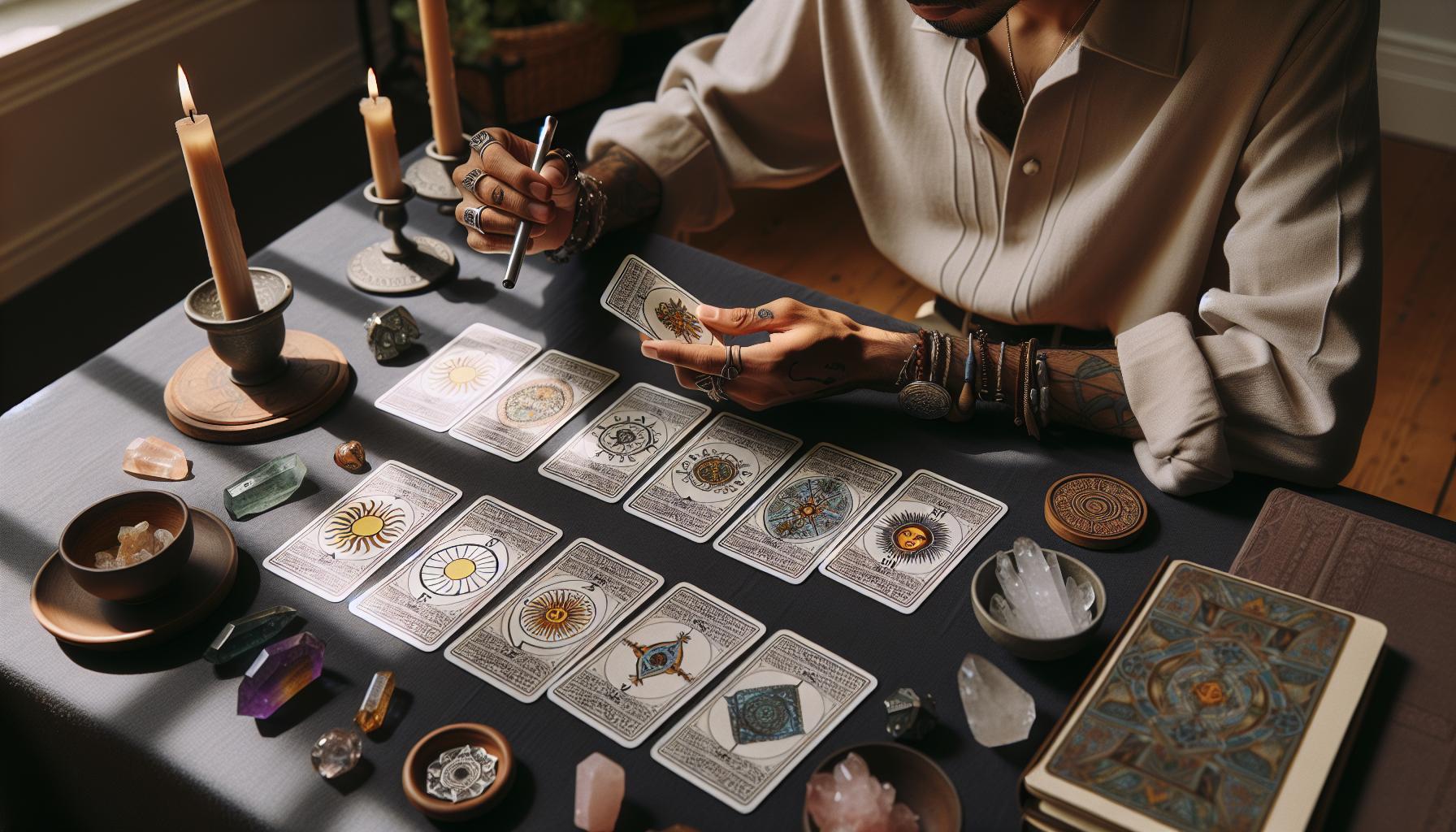
The rich symbolism of tarot cards connects deeply with our intuitive selves, creating a conversation between the cards and the soul. Each card serves not merely as a predictor of future events, but as a mirror reflecting our inner psyche, emotions, and spiritual journey. Engaging with these images can lead to profound insights and self-discovery, as they invite us to explore layers of meaning within ourselves. For instance, the imagery on the Four of Cups may illustrate feelings of stagnation and contemplation, urging one to examine complacency in different life areas, while the Knight of Wands may inspire themes of adventure and passion.
Understanding what the cards convey requires welcoming a personal interpretation that resonates with your life experiences. When faced with the Page of Pentacles, you might sense a call to focus on new opportunities or education, reflecting your current desires and goals. Similarly, the Death card, often misunderstood, signifies transformation rather than an end; it’s a powerful reminder of the cyclical nature of life and the importance of letting go of what no longer serves you.
Interpreting the Cards
When interpreting the cards, consider both the traditional meanings and your intuitive response to the imagery. Here are some basic steps for beginners:
- Pick a Card: Select one card daily to focus your energies.
- Journal Your Feelings: Write down your first thoughts and feelings about the card.
- Connect to Life Situations: Reflect on how the card’s theme relates to your current life circumstances.
- Research Traditional Meanings: After your reflection, check the card’s widely accepted meanings for additional layers of comprehension.
Through this practice, the cards reveal their wisdom slowly. For those advancing in their practice, consider spreads that focus on specific aspects of life-like the Celtic Cross for personal challenges or the Three-Card Spread for a quick assessment of past, present, and future influences.
The beauty of tarot lies in its flexibility and the personal evolution it can inspire. By balancing spiritual depth with practical technique, tarot facilitates a deeper connection to our higher selves and the universe. Whether you’re seeking guidance, clarity, or a deeper understanding of your path, tarot can serve as a nurturing tool in your spiritual toolbox. Embrace the journey with an open heart, and allow each card to guide you toward your truth.
Common Misconceptions About Tarot Reading

Many people often harbor misconceptions about tarot reading, stemming from fear, mystery, or misinformation. One of the most common myths is that tarot cards predict an inevitable future. In reality, tarot is a tool for insight and reflection rather than a guarantee of what will happen. The cards can illuminate possible paths and emotions, helping individuals explore their current situations and motivations. For example, drawing the Tower card may evoke fear of upheaval, but it can also be an invitation to let go of old patterns and embrace new beginnings.
Another frequent misunderstanding is that only certain individuals possess the ability to read tarot effectively. This belief can deter many curious souls from exploring tarot for themselves. In truth, anyone can learn to read tarot cards with practice and patience. The practice encourages listening to one’s intuition and interpreting the images personally. Beginners can start with simple spreads like the three-card spread, examining their past, present, and future in a relatable context. This framework allows anyone to connect with the cards meaningfully.
Additionally, some perceive tarot as an anti-science practice, dismissing its relevance in modern spiritual discussions. While skepticism is natural, there is room for acknowledgment of both spiritual insight and scientific rationality. Evidence shows that engaging with tarot can promote self-awareness and psychological exploration, much like other therapeutic tools. Scientific studies have indicated that activities which involve symbolism and reflection-like creative expression through art or journaling-can yield therapeutic benefits that enhance personal development.
Finally, it’s vital to debunk the notion that tarot reading is inherently negative or scary. While some cards may suggest challenges, they also offer opportunities for growth and transformation. For instance, the Death card signifies not an end, but a transition, prompting reflection on personal evolution. Embracing the full spectrum of card meanings allows for a more balanced and empowering experience with tarot, enabling readers to utilize its power for guidance and introspection on their journeys.
How to Read Tarot Cards: A Beginner’s Guide
To embark on your journey with tarot reading, it’s essential to realize that this ancient practice combines art, intuition, and personal reflection. When you draw a card, it can serve as a mirror to your inner thoughts and emotions, providing insight into your current life situation. So, let’s delve into how you can start reading tarot cards effectively, embracing both the science behind this practice and its spiritual significance.
Begin with a deck that resonates with you personally. When you hold your cards, notice how they feel in your hands and how the imagery speaks to you. There are many decks available, from traditional Rider-Waite to more modern interpretations. This connection is crucial, as it fosters a deeper understanding of the cards’ meanings and enhances your intuition.
Once you’ve selected your deck, familiarize yourself with the card meanings. A great way to do this is by breaking the deck into the two main categories: Major Arcana and Minor Arcana. The Major Arcana cards (22 in total) represent significant life themes, while the Minor Arcana (56 cards) reflects daily experiences and challenges. Here are a few key cards to start with:
- The Fool: Beginnings, spontaneity, and a leap of faith.
- The Magician: Manifestation and resourcefulness.
- Three of Cups: Celebration and friendship.
- Eight of Swords: Feeling trapped or restricted.
Next, practice simple spreads to start interpreting the cards. A popular choice for beginners is the three-card spread, which can represent your past, present, and future. To conduct this, shuffle your deck while focusing on a question or situation, then draw three cards.
After you lay them out, consider their positions and meanings. For example, if you pull The Fool in the past position, it may suggest that you recently embarked on a new journey or made bold choices. In the present, it could indicate that you’re being invited to embrace new beginnings, while in the future, it might suggest an upcoming opportunity for growth.
While reading, be sure to engage with your intuition. Look beyond the standard card definitions-allow your personal meaning and the context of your question to shape your interpretations. This engagement fosters a richer and more insightful reading, making tarot not just about divination, but a profound exploration of self.
Remember, tarot reading evolves with practice. Start as a novice, and over time, you will develop your unique style, blending context, intuition, and card meanings to enhance your readings. Respect the balance of both scientific understanding and mystical experience, knowing that your journey with tarot can deepen self-awareness and enrich your spiritual path.
Advanced Tarot Techniques: Deepening Your Reading Skills
To elevate your tarot reading skills, exploring advanced techniques can deepen your understanding and enhance your connections with the cards. As you grow more comfortable with foundational practices, you can incorporate methods that amplify intuition, enrich interpretations, and cultivate a more nuanced reading approach. This journey not only enhances your skills but also increases your personal investment in the tarot experience, bridging the science and spirituality of the practice.
One effective method for advanced readers is to utilize *significator cards*. These are specific cards that represent the querent (the person asking the question) or the key issue at hand. Selecting a significator can provide clarity and focus in your readings. You might choose a card that aligns closely with the querent’s personality or current situation, which can serve as a centerpiece for your spread, guiding your interpretations of surrounding cards by adding a contextual layer.
Engaging with *symbolism and numerology* can also deepen your readings. Every tarot card carries rich imagery and historical symbolism that can be explored for additional meaning. For instance, the presence of the *Three of Cups* often symbolizes celebration and unity, but its connection to the number three invites deeper reflection on aspects of growth, creativity, and communication. By examining not just the individual card meanings but also their connections through numerology and symbolism, you can uncover layers that resonate with both the querent’s situation and your intuitive insights.
Another powerful technique is to practice *thematic spreads* that focus on specific areas of life or intentions. For example, you could create a spread centered around personal growth, where each position corresponds to different aspects like obstacles, allies, and lessons learned. A suggested structure could be:
Thematic Spread for Personal Growth
- Position 1: Current state
- Position 2: Challenges faced
- Position 3: Resources available
- Position 4: Potential for growth
When interpreting your cards in this spread, consider how they interact within their thematic context. This invites a comprehensive view rather than isolated interpretations, urging you to weave a narrative that resonates intimately with the querent’s journey.
Incorporating *meditative practices* into your tarot sessions can elevate your connection to the cards. Before beginning a reading, take a moment to ground yourself through breathwork or visualization. For example, imagine each card’s imagery unfolding before you, inviting insights and intuitive flashes that may diverge from traditional meanings. This blend of contemplation with active reading can yield profound revelations that resonate on both personal and universal levels.
Remember, the enchantment of tarot lies in its ability to reflect not only external situations but also the vast landscapes of the inner self. As you adopt these advanced techniques, remain open to the mysteries of your intuition and the wisdom the cards provide, and you’ll find that your readings can become not just predictive but transformational experiences.
The Role of Intuition in Tarot Readings
Understanding the blend of intuition and Tarot readings can transform the experience from a cold analysis of card meanings into a vibrant dialogue with the universe. While many beginners approach Tarot with a strict focus on card definitions, seasoned readers know that the essence of a Tarot reading often lies beyond these predefined meanings. Intuition acts as a bridge, connecting the reader to their subconscious, the energy of the querent, and the spirit of the moment.
When engaging with the cards, allow yourself to be present in the reading. Take a moment to breathe deeply, calming your mind to access your intuitive insights more freely. As you lay the cards out, observe not just what each card represents in isolation, but how they interact with one another. Does a particular card evoke a feeling or memory? Perhaps the imagery stirs a vivid thought that feels relevant. This personal connection is your intuition at work, guiding your interpretation in ways that a simple memorization of meanings cannot.
To practice harnessing your intuition in Tarot, consider conducting a simple exercise: choose a card at random and spend a few minutes reflecting on it without consulting a guidebook. Ask yourself questions like: What emotions arise as I look at this card? What personal experiences does it remind me of? How does it relate to my current life situation? This process helps strengthen your intuitive muscles and opens pathways to deeper understanding during actual readings.
Additionally, sharing readings with friends or fellow enthusiasts can provide you with fresh perspectives. Hearing how others interpret the same cards can expand your intuitive approach, blending different insights into your reading style. Remember, the goal of Tarot is not merely to predict future events but to foster self-reflection, healing, and growth. By incorporating intuition into your readings, you create a rich, nuanced experience that resonates on both a personal and spiritual level, enriching the understandings for both you and the querent.
Real-life Experiences: Testimonials from Tarot Users
Many individuals have transformative experiences when they engage with Tarot cards, viewing them as tools for self-discovery, guidance, and even healing. User testimonials often illustrate how a single Tarot reading can lead to profound insights, clarity, or direction in life. For instance, one user shared that after a particularly challenging period, a Tarot reading focused on the Wheel of Fortune led them to embrace change, prompting them to pursue a long-abandoned passion. This connection with a card traditionally associated with cycles and fate empowered them to take risks they had previously avoided, leading to unexpected opportunities.
Experiences with Tarot can also resonate on a deeply emotional level. A user recounted feeling overwhelmed by anxiety before a reading, yet was comforted when the Temperance card appeared. This card, symbolizing balance and moderation, encouraged them to slow down and find inner peace. The reader’s interpretation emphasized taking small steps towards mental wellness, which helped them create a manageable self-care routine. This highlights how Tarot not only provides insights but also reassurance, framing the querent’s experiences in a new light.
In another instance, someone skeptical about Tarot was convinced after a reading centered on the High Priestess. They were astounded when the reader tapped into their subconscious concerns about a major life decision. The High Priestess symbolizes intuition and inner knowledge, and the reading prompted them to trust their instincts over external opinions. This individual found validation in their feelings, mainstreaming tarot as a legitimate exploration of their inner thoughts.
These narratives underscore the broader themes surrounding Tarot use: it acts as a catalyst for reflection, a way to explore personal truths, and a means to navigate life’s complexities. Each story serves as a reminder that, whether approached as a spiritual tool or a psychological one, Tarot cards can provide unique perspectives and meaningful support on one’s personal journey. As Tarot continues to bridge science and spirituality, the testimonials of users affirm its potential to foster growth, understanding, and connection.
Comparing Tarot to Other Divination Tools
When exploring divination tools, comparing Tarot cards to other methods reveals intriguing contrasts and similarities. Tarot is a profound system of symbolism and archetypes, offering deep insights into personal circumstances. However, it exists alongside various other divination practices such as astrology, runes, and oracle cards, each providing unique perspectives on guidance and self-discovery.
Tarot vs. Astrology
Astrology interprets the influence of celestial bodies on human affairs, relying on a person’s birth chart to analyze personality traits and potential life paths. While both Tarot and astrology seek to provide guidance and insight, their approaches differ significantly. Tarot tends to focus on the present and immediate future, using the cards selected to reflect current energies and concerns. Astrology, on the other hand, emphasizes long-term trends influenced by planetary movements, which can be seen as more predictive in nature. For someone looking for direct answers to pressing questions, Tarot may feel more accessible, while astrology might resonate with those interested in a broader context of life patterns.
Tarot vs. Runes
Runes are an ancient alphabet used in Germanic languages, with each symbol holding specific meanings and energies. Like Tarot, runes can be cast or drawn to seek guidance, but they often have a more straightforward interpretation style. Tarot readings can be rich with storytelling and emotional depth, while rune readings may feel more concise and focused. A beginner might find Tarot’s imagery captivating, but those who appreciate the simplicity of symbols may prefer runes. Runes often emphasize fate and destiny, whereas Tarot is deeply intertwined with personal insight and psychological exploration.
Tarot vs. Oracle Cards
Oracle cards are less structured than Tarot, often featuring a range of themes and images tailored to specific messages. This flexibility allows oracle cards to cater to a diverse audience, while the Tarot maintains a consistent structure with its 78 cards divided into Major and Minor Arcana. Beginners might find oracle cards easier to use due to their straightforward messages, but as one develops a deeper understanding of symbolism, the rich layers within Tarot can be more rewarding. Users might also appreciate that oracle cards can cover a variety of topics, making them versatile for different types of inquiries.
Ultimately, each divination tool offers its own set of benefits, and individual preferences will vary. Whether one resonates more with the storytelling nature of Tarot, the cosmic alignment of astrology, the traditional sensibility of runes, or the versatility of oracle cards, the key is to choose a system that speaks to you personally. This exploration not only enhances your intuitive abilities but also enriches your spiritual journey, regardless of the path you choose.
How to Choose a Tarot Deck That Resonates with You
Choosing the right Tarot deck is a deeply personal journey, akin to finding a companion on your spiritual path. With a myriad of options available, each deck tells a unique story through its artwork, symbolism, and themes. The right deck can resonate with your intuition, helping you unlock insights and gain clarity. Here’s how to navigate this exciting exploration.
To begin, consider your emotional response to a deck’s artwork. Visual appeal is crucial; the imagery should evoke feelings that inspire you. Spend some time browsing through various decks online or in a local shop. Pay attention to what draws you in-the colors, the illustrations, or even the overall theme. For instance, traditional decks like the Rider-Waite are rich with archetypal imagery, while modern decks may offer contemporary designs or specific themes, such as nature or mythology. Choose a deck that speaks to you.
Next, think about your reading style. Are you more analytical, or do you prefer intuitive readings? If you enjoy a structured approach, pick a deck with clear symbolism that you can learn from over time. Conversely, if you lean towards intuitive readings, consider an artistically abstract or thematic deck that allows for personal interpretation. Real-life experience can be enlightening-for example, the Wild Unknown Tarot is favored by those who seek visual and intuitive depth, while the Thoth Tarot is appreciated for its esoteric symbolism and detailed interpretations.
Finally, reflect on your spiritual journey. Are you drawn to decks that reflect your current beliefs or challenge your perspectives? A deck that aligns with your spiritual values can enhance your practice. Many readers find that as they grow and evolve, so does their connection to their deck. It’s perfectly acceptable to have multiple decks, each serving a different purpose depending on the questions asked or the insights sought.
Embrace this journey of selection as part of your practice. Each deck has the potential to guide you in unique ways, supporting your intuition and personal growth. Trust your instincts; the right Tarot deck is out there, waiting for you to discover it. Happy exploring!
Ethics in Tarot Reading: Responsible Practices
Ethical practices in tarot reading are essential for ensuring the well-being of both the reader and the querent. As practitioners, we have a responsibility to create a safe space for exploration and insight, where the focus remains on empowerment rather than dependency. This journey isn’t about giving absolute answers but about supporting individuals as they navigate their paths.
One fundamental ethical principle is the importance of informed consent. Before a reading, explain what the querent can expect. Encourage them to ask questions and express any concerns. This transparency fosters trust and respect, critical elements in any reading relationship. Additionally, it’s vital to maintain boundaries-ensure that your sessions are focused on guidance rather than prophecy. Offer clarity about what tarot can and cannot do. For example, tarot should never be used to make definitive decisions about health, legal issues, or other serious matters without consultation with professionals.
Another crucial aspect is confidentiality. As a tarot reader, you often become privy to personal and sensitive information. It’s imperative to respect this confidentiality and not disclose any details of the readings outside of the session. Practicing discretion upholds your integrity and the trust placed in you by your clients.
When interpreting cards, strive for an approach that fosters empowerment. Use your intuitive skills to provide insights that encourage healing, understanding, and growth. For instance, rather than predicting doom and gloom from a card like the Tower, reframe it as an opportunity for transformation and shedding old patterns. This positive perspective allows querents to engage with their situations actively, feeling more in control rather than passive recipients of fate.
Ultimately, being an ethical tarot reader means combining your spiritual and intuitive practices with a grounded sense of responsibility. Embrace every session as a chance to uplift and support others while fostering your growth. This balance between mysticism and accessibility not only enhances your readings but also enriches the spiritual community as a whole.
The Future of Tarot: Evolving Perspectives and Trends
As we look towards the future, it’s clear that tarot is evolving in a world increasingly open to diverse spiritual practices. While skepticism about tarot’s legitimacy persists, many are beginning to embrace its capacity for personal insight and growth. The fusion of science and spirituality is creating a fertile ground for innovative approaches to tarot, encouraging both practitioners and seekers to explore its depths more meaningfully.
One emerging trend is the integration of technology with traditional practices. Tarot apps and online readings are becoming more popular, providing easy access to tarot for a broader audience. These digital tools can cater to both beginners and advanced users, offering a range of options-from simple one-card pulls to complex multi-card spreads. Moreover, online platforms foster community and discussion about tarot interpretations, making it easier for enthusiasts to share insights and experiences. This accessibility allows tarot to be experienced as an intuitive practice rather than just a mystical ritual, which can help demystify it for skeptics.
Another significant trend is the growing recognition of the psychological and therapeutic benefits of tarot. Mental health professionals are beginning to include tarot as a tool for exploration in therapeutic settings. It offers clients a unique way to reflect on their feelings and experiences, promoting a narrative-based approach to self-discovery. Many practitioners assert that tarot can help individuals visualize their challenges and opportunities in a safe, non-threatening way. This perspective positions tarot not merely as a divination tool but as a valuable resource for personal development.
Additionally, the conversation around ethics in tarot reading is becoming paramount. With a focus on empowerment, practitioners are increasingly committing to transparent practices that respect clients’ autonomy and well-being. This shift encourages ethical guidelines surrounding consent, confidentiality, and professional integrity, ensuring that tarot remains a supportive and constructive practice.
In this evolving landscape, the future of tarot seems bright. As it continues to adapt, there is an exciting opportunity for a broader acceptance of its insights and methodologies. Both the spiritual community and the wider public can look forward to a richer, more nuanced understanding of tarot that honors its history while embracing innovation and inclusivity. Ultimately, whether approached with reverence or curiosity, tarot offers a unique lens through which we can explore our lives, our choices, and our connections to the universe around us.
Faq
Q: How do Tarot cards work in terms of intuition and spirituality?
A: Tarot cards work as tools for intuition, allowing readers to tap into their subconscious and spiritual insights. Each card has meanings that resonate with personal experiences, prompting reflection and deepening connection to one’s inner guidance. Learning to interpret these meanings can enhance spiritual growth and self-awareness, as discussed in the Role of Intuition in Tarot Readings section.
Q: Can Tarot readings predict the future or just reflect current situations?
A: Tarot readings primarily reflect current situations, offering insights into patterns and potential outcomes. While they cannot predict the future with certainty, they provide guidance based on present circumstances. Understanding this can help you approach readings with an open mind, as covered in The Science Behind Tarot: Studies and Findings.
Q: Why do people believe in Tarot readings despite scientific skepticism?
A: Belief in Tarot readings often stems from personal experiences that resonate with individuals on a spiritual level, even when scientific validation is lacking. This belief is rooted in the psychological benefits, such as clarity and emotional support, as highlighted in the Real-life Experiences: Testimonials from Tarot Users section.
Q: What should I consider when choosing a Tarot deck for readings?
A: When choosing a Tarot deck, consider your intuitive connection to the artwork and the deck’s themes. Look for decks that resonate with your personal beliefs and interests, which is essential for effective readings. Tips on selecting a deck can be found in How to Choose a Tarot Deck That Resonates with You.
Q: How can I tell if a Tarot reading is legitimate?
A: A legitimate Tarot reading should feel relevant and insightful to your life. Trust your intuition about the reader’s interpretation. Ethical practices, like clear communication and mutual respect, as discussed in Ethics in Tarot Reading: Responsible Practices, also indicate a trustworthy reading.
Q: Are there any scientific studies supporting the effectiveness of Tarot readings?
A: While scientific studies on Tarot are limited, some research explores the psychological aspects of divination. These studies often focus on how card readings can facilitate introspection and personal insight, providing emotional support rather than empirical predictions, as indicated in The Science Behind Tarot: Studies and Findings.
Q: How do Tarot readings compare to other forms of divination?
A: Tarot readings differ from other divination tools in their structure and symbolism. Each Tarot card carries specific meanings that correspond to archetypes, enabling deeper psychological insights. For a comparative analysis, refer to Comparing Tarot to Other Divination Tools.
Q: Can anyone learn to read Tarot cards effectively?
A: Yes, anyone can learn to read Tarot cards effectively with practice and patience. Start with fundamental interpretations and gradually develop your intuitive abilities. Resources in How to Read Tarot Cards: A Beginner’s Guide can help you build confidence in your reading skills.
To Conclude
As we wrap up our exploration of the realities behind tarot card readings, remember that both scientific and spiritual perspectives offer valuable insights into this ancient practice. The unique blend of intuition and guidance from your tarot cards can provide clarity into various aspects of your life. Don’t hesitate to dive deeper-explore our articles on the fundamental meanings of tarot cards and discover which cards bring good luck to your journey.
Take the next step in your tarot journey today! Whether you’re a seasoned reader or just starting out, our instant Yes or No tarot reading tool is at your fingertips, ready to offer guidance. Embrace the magic of tarot; your intuition is your greatest ally, and we’re here to support your path. Join our community by signing up for our newsletter for more insights, tips, and exclusive content. Share your thoughts in the comments, and let’s keep this conversation going! Your spiritual adventure awaits-don’t miss out on what the cards have to tell you!