Have you ever wondered if tarot cards truly hold the power to reveal insights about your life? This age-old practice frequently triggers curiosity and skepticism alike. In “Do Tarot Cards Open Doors? Separating Myth from Reality,” we will explore how tarot serves as a tool for introspection and guidance, rather than some mystical oracle. Many people fear that tarot might lead them astray or seek to expose hidden dangers in their lives. However, the essence of tarot lies in its ability to reflect your inner thoughts and feelings. By understanding the cards and their meanings, you can unlock layers of personal insight that often lead to profound self-discovery. Whether you’re a curious skeptic or a seasoned reader, this exploration will empower you to engage with tarot in a way that is both practical and enlightening. Join us as we demystify the allure of tarot and learn how it might just open the doors to your own intuitive journey.
Do Tarot Cards Really Work? Understanding Their Purpose
Harnessing the wisdom of tarot cards can be an enriching experience, often sparking curiosity about their actual efficacy. Many people approach tarot with questions about its validity: Do these cards really work? Can they provide insights that lead to personal transformation? The answer lies in understanding the core purpose of tarot. It’s a tool for reflection and self-discovery, tapping into the unconscious mind to illuminate pathways that might otherwise remain hidden.
When you engage with tarot, you’re not merely reading cards; you’re connecting with your intuition. Each card acts as a mirror, reflecting your current experiences, concerns, and aspirations. As expressed by tarot practitioners, these cards offer a gateway to meditative contemplation, allowing you to explore complex emotions and scenarios in your life. For instance, drawing the Two of Cups may encourage you to consider relationships in your life, while the Tower might illuminate areas where chaotic change is needed. These interpretations are subjective, inviting personal reflection and narrative building around your unique life’s context.
Importantly, the practice of tarot is not confined to a mystical realm but is rooted in accessible techniques that anyone can learn. Identifying different spreads-such as a three-card spread for past, present, and future or the more complex Celtic Cross-can provide structured insights. This accessibility means that whether you’re a skeptic or a believer, tarot offers a format to engage with your life’s challenges and triumphs. Many users report that even a simple reading helps clarify their thoughts, serving as a catalyst for change and action.
In summary, the power of tarot cards resides in their ability to facilitate introspective dialogue and inspiration. By weaving together intuition, personal narrative, and the imagery of the cards, tarot serves as both a mirror and a map for navigating life’s journey, allowing for clarity and healing within a supportive framework of exploration and understanding.
The Historical Origins of Tarot Cards Explained
The origins of tarot cards are as rich and varied as the interpretations they invite. Emerging in the 15th century, tarot was initially developed in Italy as a card game called tarocchi, not as a tool for divination. The first tarot decks included a standard set of four suits, akin to modern playing cards, and a unique fifth suit comprised of 21 triumph cards, known as the trionfi, alongside one card termed il matto, or “the fool.” This initial structure laid the groundwork for the 78-card decks we see today, which have evolved to gain spiritual significance and are widely used for introspective practices.
The Transition from Game to Divination
While tarot started as a game for entertainment among the Italian nobility, by the 18th century, it began to attract the attention of mystics and esoteric groups. This marked a significant transition from mere gameplay to the realm of the metaphysical. Practitioners began attributing specific meanings to the cards, seeing them as reflections of life’s journey and spiritual lessons. In this way, tarot cards became a bridge to the unconscious mind, fostering insight and contemplation about one’s personal circumstances. Such interpretations are often influenced by a person’s individual experiences, making each reading unique.
A Global Journey
The journey of tarot didn’t remain confined to Italy. As it spread across Europe, various cultures infused their traditions and symbolism into the decks. For instance, the iconic Rider-Waite-Smith deck, created in the early 20th century, popularized imagery that remains foundational in contemporary tarot interpretations. The inclusion of vibrant illustrations and archetypal symbolism helped demystify tarot, making it more accessible to a broader audience, even those initially skeptical of its mystical aspects.
This historical tapestry demonstrates that tarot is more than just a mystical tool; it is a reflection of human experience, culture, and the quest for meaning. Understanding tarot’s origins can empower readers to see beyond skepticism and appreciate its value as a means of self-discovery and personal growth. Whether or not one believes in its fortune-telling abilities, the process of using tarot encourages introspection and can provide profound insights into daily life. As you explore tarot, consider how it can serve as a mirror, reflecting your innermost thoughts and feelings while guiding you on your unique spiritual path.
Common Myths About Tarot Cards Debunked
Many people are intrigued by tarot cards yet hesitant due to the myriad of misconceptions surrounding them. One of the most prevalent myths is that tarot cards are tools for predicting the future, leading many to view them as foreboding or mystical objects. In reality, tarot serves as a guiding framework for self-reflection rather than a crystal ball. Each card drawn reflects insights into your current circumstances, feelings, and potential paths, allowing you to navigate your choices with greater awareness.
Another common belief is that one must possess psychic abilities to interpret tarot cards effectively. This notion can be quite off-putting for newcomers. The essence of tarot reading lies in intuition and personal interpretation, rather than supernatural talents. Anyone can learn to read tarot; the key is developing a relationship with the cards and understanding their meanings. Practicing mindfulness and paying attention to your feelings and thoughts during a reading can deepen this connection, making the experience more enriching.
Many also assume that tarot reading should only be performed by a gifted professional. However, this belief excludes the joy and empowerment that comes from personal practice. Whether in a solo session or with a friend, engaging with tarot can lead to profound insights. Reading for oneself can build confidence and enhance intuition over time. You might start with simple one-card draws to reflect on your day or more complex spreads for deeper inquiries about life choices.
Additionally, there’s a myth that you must receive your first deck as a gift. While many experienced readers value this tradition, it is not a requirement. Purchasing your own deck allows you to choose one that resonates with you personally, opening the door to a more meaningful practice. Tarot is about creating your path, and your intentions set the tone for your readings. By demystifying these apprehensions, you can approach tarot as a valuable tool for self-discovery and personal growth. Remember, every reader’s journey is unique-embrace your own exploration with an open heart.
How Tarot Cards Can Enhance Intuition
Engaging with tarot cards can open up a world of intuitive insights that may surprise you. Rather than relying solely on structured meanings or predictions, tarot encourages a personal relationship between the reader and the cards. Each card acts as a mirror, reflecting not just the external world but also your inner thoughts and emotions, enhancing your intuitive faculties. This unique form of self-exploration can lead to a deeper understanding of your feelings and the situations you face.
To harness the power of tarot for enhancing intuition, start by developing a routine that allows you to connect more deeply with your cards. Here are some practical steps to get you started:
- Daily Draw: Pull a single card each morning. Consider what the card means to you personally and how it may relate to your day ahead. This practice helps you to tune into your intuitive responses.
- Reflective Journaling: After each reading, write down your interpretations and feelings about the cards. Over time, this will cultivate a rich dialogue between you and the tarot.
- Mindfulness: Approach readings with a calm and open mind. Set aside distractions and create a sacred space for your practice. Reflective silence can boost your intuitive abilities.
As you embark on this journey, you will notice that your intuition will begin to flourish. For example, during a reading, if the Three of Cups appears and you feel a rush of joy or nostalgia, allow that feeling to guide your interpretation. It might resonate with a celebration in your life or a reunion with friends, amplifying your ability to trust these inner impressions.
Tarot is not just about divination; it is a powerful tool for self-discovery that allows you to tap into your deeper instincts. The more you practice, the more naturally your intuition will guide your interpretations and decisions, transforming the way you view yourself and the world around you. With each reading, you become not only a recipient of insight but also an active participant in your journey of growth and understanding.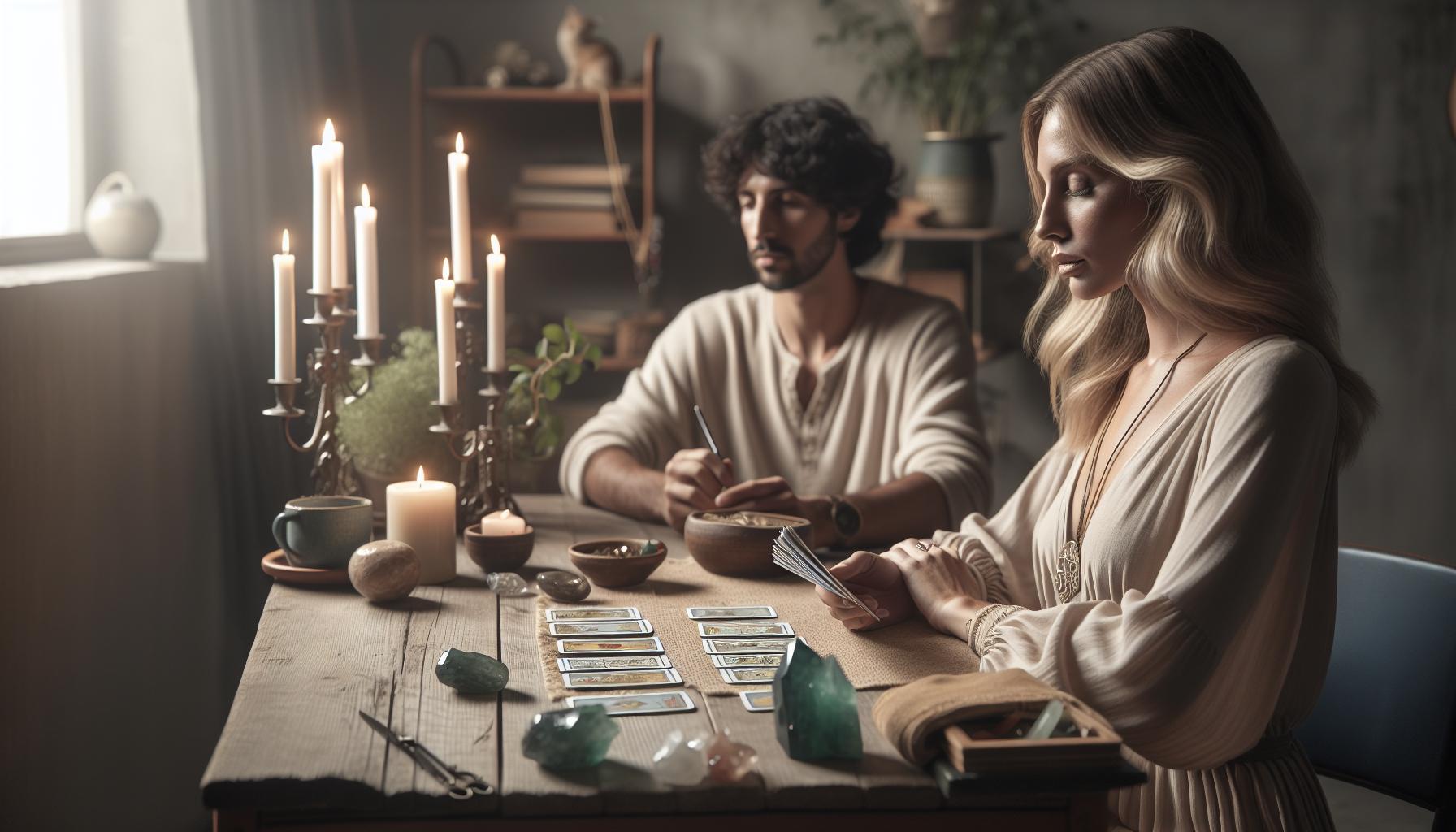
The Mechanics of Tarot Readings: How They Work
There’s a fascinating interplay between chance and intuition when it comes to tarot readings. Many people wonder about the mechanics behind how these cards can seem to “speak” to their lives in meaningful ways. At its core, tarot works by tapping into the subconscious mind, using a physical form- the cards- to prompt reflection and insight. Each card in the deck carries its own set of meanings, yet it’s the unique lens through which the reader interprets them that brings the reading to life.
To conduct a tarot reading, begin by selecting a deck that resonates with you. Shuffle the cards while focusing on a specific question or theme. The act of shuffling is more than mere preparation; it serves to blend your energy with the cards. Once you pull cards, whether you opt for a single card draw or a complex spread like the Celtic Cross, each card’s position adds depth to the interpretation. For instance, in a three-card spread where you ask about past influences, present circumstances, and future possibilities, the cards illuminate different layers of the inquiry.
Understanding the symbols on the cards is essential. Each image is steeped in archetypal meanings and personal associations. Take the time to familiarize yourself with the imagery and traditional interpretations. For example, the Two of Cups often signifies partnerships but can manifest as different types of connections depending on context-romantic, platonic, or even professional.
In practical terms, establish a ritual for your readings to enhance focus. This might involve lighting a candle, closing your eyes for a moment of meditation, or setting an intention. Such practices give your readings a sense of sacredness and invite a deeper connection with your intuition. As you grow more comfortable, remember that your intuition is your greatest guide-allow personal insights to drive your interpretations, creating a dialogue between you and the cards that is uniquely yours. With time, you’ll find that these mechanics will not only illuminate your path but also reveal the profound wisdom inherent within yourself.
Types of Tarot Spreads and Their Meanings
Understanding the various types of tarot spreads is essential for any practitioner, as they serve different purposes and can provide unique insights into your queries. Whether you’re new to tarot or a seasoned reader, knowing which spread to use will help enhance your readings and deepen your connection with the cards. Each spread is designed to address specific questions or themes, offering a framework that provides clarity and focus.
Common Tarot Spreads and Their Purposes
One of the simplest yet profound spreads is the Three-Card Spread. This layout typically represents the past, present, and future, allowing you to reflect on how past experiences might be influencing your current situation and future possibilities. For example, if you draw the Seven of Swords for the past, it may indicate a time of deceit or strategic thinking. In the present position, if you draw the Justice card, it may suggest a call for balance or truth. Finally, a Two of Wands in the future position could indicate new opportunities on the horizon.
Another widely used spread is the Celtic Cross, known for its depth and complexity. This ten-card layout covers a range of influences-your current situation, challenges, subconscious influences, and potential outcomes among them. For instance, a card like the Tower in the challenge position might indicate upheaval, while a Star in the hopes and fears position suggests a yearning for healing and hope amidst uncertainty. The richness of this spread lies in how each card interacts with the others, weaving a detailed narrative about your situation.
For those exploring deeper relationships, the Relationship Spread is invaluable. This spread typically examines both parties’ feelings, perceptions, and the relationship’s potential outcome. This could involve drawing cards like the Lovers to signify a deep connection or the Five of Cups to indicate feelings of loss or regret. Understanding these dynamics can help both partners navigate their feelings and strengthen their bond.
Choosing the Right Spread
When selecting a spread, consider your question and the level of detail you need. Beginners might find two- or three-card spreads manageable and insightful, while individuals looking for comprehensive guidance may prefer something like the Celtic Cross. Trust your intuition! Each approach offers a unique lens through which to interpret the cards, presenting an opportunity for reflection and insight.
These tarot spreads not only help clarify your thoughts but also deepen your understanding of your life’s journey, allowing you to open doors to new possibilities. Embrace the exploration and let your intuition guide you in discovering the power and magic of tarot.
Interpreting Tarot Card Symbols: A Beginner’s Guide
Understanding tarot card symbols can feel like unraveling a rich tapestry woven from myth, meaning, and personal intuition. Each card in the tarot deck is a mini-story, filled with visual cues and symbols that speak to different facets of life and the human experience. When you draw a card, you’re not just looking at an image; you’re engaging with layers of interpretation that can guide your insights and reflections.
To begin interpreting tarot symbols, it’s essential to familiarize yourself with the major archetypes represented in the tarot. The four suits-Cups, Swords, Wands, and Pentacles-each relate to different aspects of life: emotions and relationships (Cups), thoughts and challenges (Swords), action and creativity (Wands), and the material world (Pentacles). Here’s a simple breakdown of what each suit typically represents:
- Cups: Emotions, intuition, and relationships.
- Swords: Intellect, conflict, and decision-making.
- Wands: Inspiration, willpower, and action.
- Pentacles: Material aspects, health, and finances.
In addition to understanding the suits, each individual card within these suits also carries specific meanings. For example, the Two of Cups symbolizes partnership and deep emotional connections, while the Five of Swords often indicates conflict or defeat in intellectual endeavors. It can be helpful to keep a reference guide or a notebook to jot down your impressions and meanings as you become more familiar with the deck.
When you are ready to conduct a reading, take a moment to set an intention and ground your energy. After drawing your cards, begin by observing not just what the symbols represent, but also how they resonate with your current life situation. Look at the colors, images, and overall feelings the card evokes. For instance, a card featuring bright colors may suggest positivity or forward motion, while darker hues might indicate introspection or challenge. Consider questions like, “What is this card trying to tell me?” and “How does it relate to my current circumstances?”
Finally, incorporate your intuition into the reading process. Allow your instincts to guide you as you interpret symbols; what may be true for one person may not be for another. If you find yourself drawn to a certain image or symbol, take time to explore that feeling. Tarot reading is as much about personal interpretation as it is about learned meanings. By practicing regularly and trusting your instincts, you will become more confident in navigating the symbolic landscape of the tarot. Remember, each reading is a step on your journey of self-discovery, and every card drawn offers an opportunity to look deeper into your own life and experiences.
Tips for Reading Tarot Cards with Confidence
Reading tarot cards can feel daunting, especially for beginners. Yet, the beauty of tarot lies in its accessibility-anyone can develop their intuition and knowledge over time. Embrace this journey as an exciting exploration of both the cards and yourself. Start by creating a calm, inviting space for your readings. This not only helps set your intention but also allows you to connect more deeply with your cards.
To bolster your confidence, familiarize yourself with key meanings of the cards and their associated symbols. Each card carries multiple interpretations, which can shift based on your questions and energies present during the reading. For instance, if you draw the Three of Wands, it typically signifies exploration and foresight. Reflect on how this resonates with your current circumstances. Taking notes or maintaining a tarot journal can be extremely beneficial as you begin to document your interpretations and insights. This practice will help reinforce your growing understanding while allowing you to track your intuitive leaps.
Trust Your Intuition
With tarot, your intuition is your most powerful tool. When interpreting a spread, don’t rush to memorize textbook meanings-allow your feelings about each card to surface. If a particular image or color strikes you, explore its significance in your life. Instead of solely focusing on the traditional meanings, consider questions like, “How does this relate to my situation right now?” or “What message is this card sending me personally?” Your interpretations will become richer as you lean into your instincts.
Practice Regularly
As with any skill, practice is key. Dedicate time to draw a daily card and reflect on its relevance to your day. This routine can fortify your connection with the deck and sharpen your interpretive skills. You could also explore different tarot spreads-these arrangements of cards can provide diverse insights depending on the questions you’re asking. For example, a simple three-card spread might cover past, present, and future, offering a quick snapshot of a situation.
Remember, every reading is an opportunity for growth and self-discovery. By fostering a warm, non-judgmental attitude towards your practice, you open doors not only to the tarot but also to a deeper understanding of your own life and choices. Embrace the journey with curiosity and an open heart, knowing that the tarot is a tool for personal empowerment and reflection.
The Role of Energy and Intention in Tarot
Creating a successful tarot reading experience is often rooted in the energy and intention you bring to the table. When you approach the cards with a clear purpose, you invite deeper insights and a more meaningful connection to the universe. Intention-setting is not just a ritual; it’s a way to focus your mind and energy to align with the messages that the tarot can provide. For example, before starting a reading, take a moment to reflect on what you truly wish to understand or explore. This practice can transform the reading from a simple card draw into an enlightening session rich with relevance and clarity.
The energy you exude during a reading influences how you interpret the cards. If you’re feeling anxious or distracted, it may cloud your intuition and the insights you receive. Conversely, when you embody a calm, open mindset, you’re more likely to intuitively grasp the nuances of each card and how they relate to your situation. Consider creating a serene environment by lighting a candle or using crystals as focal points to channel your energy positively. This not only enhances the atmosphere but also helps you tune into your inner voice, facilitating a more profound connection with the tarot.
Incorporating intention into your tarot practice can also take the form of specific questions or themes. Instead of asking vague questions like, “What’s in my future?” try honing in on particular areas of concern, such as, “What steps can I take to improve my self-care?” This specificity guides the reading, allowing the cards to provide clearer and more actionable insights. Moreover, documenting your feelings and outcomes in a tarot journal following each reading can further strengthen your understanding of how intention affects your interpretations over time.
Ultimately, the relationship between your energy, intention, and tarot cards creates a powerful dynamic that can open doors to deeper self-discovery and empowerment. By intentionally creating a supportive reading environment and clearly articulating your focus, you empower the cards to reveal their wisdom. Remember, tarot is not just about predicting the future; it’s a reflective tool that encourages you to explore your inner landscape and make informed choices with confidence. Embrace this journey with curiosity and an open heart, knowing that you hold the keys to your own insights and revelations.
How to Choose the Right Tarot Deck for You
Choosing the right tarot deck can feel like a deeply personal journey, much like selecting an instrument or a favorite book. Each deck carries its own unique energy and symbolism, resonating differently with individual readers. When you first immerse yourself in the world of tarot, it’s essential to find a deck that not only feels right in your hands but also speaks to your intuition. This connection can significantly enhance your readings, allowing the cards to become powerful tools for insight and self-reflection.
Start by considering the artwork. Do certain images or styles resonate with you? Whether it’s vivid colors, intricate illustrations, or minimalist designs, the aesthetic appeal will play a significant role in your relationship with the deck. Many find that a deck that reflects their own tastes and preferences encourages a more profound engagement with the material. For instance, the classic Rider-Waite deck, known for its rich imagery and symbolism, is often favored by beginners for its accessibility and depth. However, as you explore, you may be drawn to decks that incorporate themes of nature, mythology, or cultural diversity, aligning better with your personal journey.
Next, think about the themes that intrigue you. Are you interested in decks that focus on specific aspects of spirituality, healing, or daily guidance? Some decks emphasize the mystical aspects of tarot, while others might be more practical in their approach. For example, decks like The Numinous Tarot or Thea’s Tarot present diverse representations and contexts, fostering a more inclusive understanding of the cards that might resonate with your worldview and enhance your readings.
Lastly, consider how you feel when you hold the deck. This tactile connection is vital; it’s about comfort and instinctively knowing this is the right instrument for your practice. In-person shops can provide the opportunity to shuffle and feel different decks, but many also find joy in browsing online galleries. Pay attention to how a particular deck’s imagery sits with you; does it invoke curiosity, peace, or excitement? Ultimately, the most important factor is how the deck aligns with your intuitive practices and your spiritual path. Your tarot deck should feel like a companion, ready to open doors to new understandings as you explore the depths of your own intuition and wisdom.
Aligning Tarot Use with Your Spiritual Journey
Embracing tarot as a tool for spiritual growth can be a profound and transformative experience. When you approach tarot with intention, it opens pathways to self-discovery and personal insight. Each card is a mirror reflecting your inner thoughts, desires, and even fears, helping you navigate your spiritual journey with clarity and depth. The act of seeking guidance from the cards can encourage a deeper understanding of your life’s purpose, prompting you to explore aspects of yourself that may have been overlooked.
To align tarot practice with your spiritual journey, start by setting clear intentions before each reading. Ask yourself what guidance you seek – be it clarity on a personal issue, insight into your emotional state, or understanding your spiritual path. This focused intention acts like a beacon, guiding the cards you draw and the insights you receive. Additionally, keeping a tarot journal can amplify your connection to the cards. Document your feelings before and after readings, along with the meanings of the cards drawn. Over time, patterns may emerge, revealing how the tarot speaks to your unique spiritual narrative.
Consider integrating specific tarot spreads that align with your spiritual goals. For instance, a spiritual journey spread can illuminate lessons you’re currently experiencing and pinpoint areas that need attention. This spread typically involves a series of cards representing your current state, obstacles, and advice from your higher self. By regularly practicing such spreads, you can create a ritual that deepens your meditation and reflection, allowing the tarot to act as a guidepost on your journey.
Finally, remain open to the idea that tarot can be a companion rather than a definitive roadmap. Whether you’re a skeptic or a believer, the beauty of tarot lies in its flexibility. Feel free to adapt card meanings to better suit your experience, and seek inspiration from interpretations that resonate with your own intuition. The goal is not just to predict the future but to enhance your self-awareness and spiritual growth. Trust that this intuitive process will unfold in a way that feels right for you, affirming that the journey with tarot can open doors to new facets of understanding and empowerment on your spiritual path.
Real-Life Stories: Transformative Experiences with Tarot
Many individuals have stepped into the realm of tarot with skepticism, only to emerge with profound insights that transformed their lives. These real-life stories highlight how tarot acts not merely as a fortune-telling tool but as a mirror reflecting inner truths and guiding personal growth.
For instance, consider the case of a woman named Sarah, who sought a tarot reading during a tumultuous period in her life. Facing a crossroads in her career, she arrived with a mix of hope and doubt. As the cards were laid out, a prominent card, the Two of Wands, emerged, symbolizing planning and decisions. The reading prompted Sarah to explore her true ambitions rather than following a safer path. Inspired by this, she revamped her approach to work, aligning her job with her passion. Over time, Sarah found increased fulfillment and even started her own business-a leap she attributes to the clarity gained through her tarot reading.
Another compelling story comes from John, a man who initially dismissed tarot as mere superstition. However, after a friend’s insistence, he reluctantly agreed to a reading. The Death card, often feared, appeared in his spread, signaling transformation and change. Instead of viewing this card with trepidation, John learned it was about letting go of the past to embrace new beginnings. Following the reading, he took steps to leave behind toxic relationships and embarked on a self-improvement journey that ultimately led him to a healthier, happier life.
These experiences underscore a key aspect of tarot: it serves as a conduit for self-reflection and empowerment. Through the layers of symbolism within the cards, individuals can unlock insights that may have eluded them. Whether through structured spreads or intuitive readings, tarot encourages a dialogue between the seeker and their inner self, revealing paths previously unseen. By sharing these transformative stories, we foster a deeper understanding of how tarot can indeed open doors-not to fateful predictions but to profound personal evolutions.
Frequently Asked Questions
Q: Do Tarot cards really have the power to open new opportunities?
A: Yes, Tarot cards can serve as a tool to open new opportunities in your life by providing insight into your current circumstances and potential paths. They stimulate self-reflection, guiding you to recognize choices you might not have considered.
Q: How can I use Tarot cards to unlock my potential?
A: To unlock your potential with Tarot, regularly conduct readings focused on your goals. Use spreads that encourage exploration of strengths and weaknesses, aligning your actions with your aspirations. Reflect on the messages and symbols presented in your readings.
Q: Are there specific Tarot spreads that help in decision-making?
A: Absolutely! Try the Three-Card Spread or the Celtic Cross. These spreads provide clarity on past influences, present situations, and future possibilities, effectively guiding your decision-making process. Each position helps you evaluate your options thoughtfully.
Q: Can I invite change into my life through Tarot readings?
A: Yes, Tarot can be a powerful catalyst for change. By engaging with the cards during your readings and setting clear intentions, you can inspire yourself to take actions that align with your desired changes. Reflect on your readings to motivate transformative steps.
Q: What role does intention play in a Tarot reading?
A: Intention is crucial in Tarot readings; it shapes the outcome and focus of your inquiry. Before drawing cards, articulate your purpose and desires clearly. This practice directs the reading toward unlocking the insights that resonate with your life path.
Q: Is there a difference between using Tarot for self-discovery versus divination?
A: Yes, using Tarot for self-discovery focuses on personal insights and understanding your inner world, while divination often seeks guidance on external events or decisions. Both methods are valid, but self-discovery may foster deeper personal growth.
Q: How can Tarot readings enhance my spiritual journey?
A: Tarot readings can enhance your spiritual journey by providing a tool for introspection and clarity. Through the exploration of archetypes and symbolism, you can uncover deeper truths about yourself, ultimately facilitating growth and evolution on your path.
Q: What common misconceptions exist about Tarot and its effectiveness?
A: A common misconception is that Tarot cards predict an unchangeable future. In reality, Tarot provides guidance based on current energies and choices, empowering you to shape outcomes rather than resigning to fate. Embrace the cards as a reflective tool rather than a fortune-telling device.
Future Outlook
As we’ve explored, tarot cards can serve as powerful tools for self-reflection and clarity, but they won’t simply unlock doors without effort on your part. If you’re curious about how you can deepen your tarot journey and start interpreting your cards with confidence, check out our related articles on “Understanding Card Meanings” and “Creating Your First Tarot Spread.”
Now is the perfect time to enhance your intuition and embrace the magic within you! Don’t hesitate to leave your thoughts or questions in the comments below-your journey matters, and we’re here to support you. For regular insights and updates, consider signing up for our newsletter, where we share tips, spreads, and exclusive content tailored just for you.
Harness the energy of tarot in a way that resonates with you, and remember, the doors you choose to open are ultimately yours. Explore, learn, and let the cards guide you-not as a prediction of fate, but as a mirror reflecting your own wisdom. Happy reading!