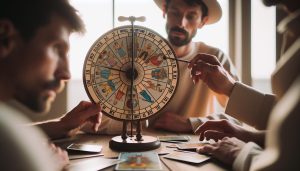
Many people wonder if tarot cards can summon demons, a concern fueled by misconceptions and cultural portrayals. In truth, tarot is a valuable tool for self-reflection and guidance, not a gateway to the supernatural. Understanding this helps demystify the practice and reveals how tarot can empower you on your personal journey.
As you explore this topic, you may find that fears surrounding tarot often stem from a lack of knowledge. By unpacking these common fears and addressing the realities of tarot readings, you can gain clarity and confidence in your intuitive abilities. This article invites you to explore the true purpose of tarot – fostering deeper understanding, personal insight, and connection with your inner self. Together, we will navigate these often misunderstood aspects of tarot, helping you to embrace its wisdom without fear. Join us in debunking the myths and discovering how tarot can serve your spiritual growth, no matter where you stand on the spectrum of belief.
Understanding the Nature of Tarot Cards and Their Myths
When exploring the world of tarot cards, many people encounter a swirl of myths and misconceptions that can cloud their understanding. Embarking on a tarot journey can be a deeply insightful experience, yet the fear of connecting with something sinister often deters newcomers. It’s important to clarify that tarot cards, in their essence, are tools of reflection and self-discovery, not gateways to dark forces.
Tarot cards originated in the 15th century, primarily as playing cards, and evolved into instruments of divination and spiritual introspection by the 18th century. Each card is imbued with rich symbolism and meaning. The imagery often draws on archetypal themes, reflecting a spectrum of human experience-from love and joy to conflict and transformation. For many, these symbols serve as mirrors, guiding users to understand their lives and feelings better.
The Nature of Tarot
In recognizing tarot’s purpose, it becomes apparent that the culture surrounding it often exaggerates its potential for harm. Many people associate tarot with the occult or even demonology, largely due to sensational portrayals in media and literature. However, it’s crucial to differentiate between the imaginative narratives and the grounded practices of tarot reading.
Understanding that tarot cards are non-sentient objects, one can approach them without the fear of summoning negative energies. Instead, tarot readings can be seen as dialogues with one’s own intuition, facilitated by the evocative images on the cards. In fact, professional readers maintain that ethical practices, grounded intention, and an open heart are central to a meaningful tarot experience.
The true essence of tarot lies in its ability to empower individuals. It’s a way to navigate life’s uncertainties with clarity and wisdom, rather than a means of invoking spirits or demons. By approaching tarot with curiosity and respect, practitioners can unravel the myths and harness the positive energies that the cards can inspire.
The Historical Connection Between Tarot and Spirituality

The tarot’s historical journey intertwines significantly with spirituality, often reflecting humanity’s quest for deeper understanding and connection. Originating in 15th-century Italy as a simple card game known as “tarocchi,” tarot cards gradually evolved into profound instruments of spiritual exploration. By the 18th century, they became associated with mysticism and divination, as seekers began to recognize the rich symbolism embedded within the cards. This transformation hints at a deeper connection, one where the tarot serves as a bridge between the mundane and the divine.
Adherents often view tarot as a means to access intuitive insights and reflect on life’s mysteries. Each card resonates with archetypal themes-love, conflict, triumph, and transformation-allowing individuals to confront their own experiences through the lens of the cards. For instance, drawing the Death card may evoke initial fear; however, its deeper meaning speaks of transformation and the cyclical nature of life, encouraging users to embrace change rather than dread it. This perspective empowers individuals to seek answers and guidance, rather than functioning as a conduit for malevolent forces.
Moreover, the association between tarot and spirituality reflects the broader human desire to connect with something greater than oneself. Many practitioners engage in tarot readings as a form of meditation, focusing on personal growth and self-discovery rather than invoking spirits or demons. When approached with intention, tarot readings foster a supportive dialogue with one’s inner wisdom. This alignment with spirituality invites individuals to acknowledge their intuitive abilities, allowing them to navigate uncertainties with greater clarity and confidence.
Understanding these connections helps mitigate the fears surrounding tarot as a tool for summoning dark forces. Instead, it’s beneficial to approach tarot as a guide, an ally in self-exploration. Embracing this perspective can demystify tarot cards, inviting both skeptics and believers to engage with them in a meaningful way. By fostering an open heart and mind, practitioners can harness the positive energies inherent in tarot, ultimately transforming their fear into empowerment and personal insight.
Do Tarot Cards Really Summon Demons?

Many people wonder if tarot cards can summon demons, often fueled by sensationalism and myths perpetuated in popular culture. The truth is, tarot cards are a tool for introspection and guidance, not a gateway to malevolent forces. While tarot can evoke deep emotions and stir one’s subconscious, its primary purpose is to serve as a mirror for the self, reflecting personal insights and guiding individuals through life’s complexities.
Tarot cards consist of archetypal images that resonate with universal human experiences. When an individual engages in a tarot reading, they are not conjuring spirits but rather tapping into their intuition and the symbolism present in the cards. Each card has its meanings and can evoke thoughts and feelings that may illuminate one’s situation. For example, pulling the Tower card might signal upheaval, but it encourages users to examine areas in their lives that require change, rather than indicating a dark force at play.
Additionally, spiritual practitioners often emphasize the importance of intention when using tarot. Approaching a reading with a clear purpose and a mindful mindset significantly influences the outcome. Think of it as a conversation with your inner self; the cards provide insights based on your current state and questions. This relational dynamic underscores that tarot is about understanding oneself rather than inviting external entities.
To demystify any fears about negative energies, consider grounding practices before and after a reading, such as meditation or connecting with nature. Many users find it helpful to establish a safe, sacred space for their readings, using protective crystals or lighting candles to create a positive atmosphere. This not only reinforces their sense of safety but also enhances their connection to the reading process.
Ultimately, exploring the question of whether tarot summons demons simply reinforces the need for openness and education. By recognizing tarot as a tool for self-discovery and personal empowerment, individuals can alleviate fears and embrace the potential for growth and insight that tarot offers. Remember, approaching tarot with curiosity and a light heart invites deeper understanding and a more enriching experience.
Common Misconceptions About Tarot and Fear

Many people harbor fears and misconceptions about tarot cards, often influenced by sensational portrayals in media and cultural myths. At the heart of these apprehensions lies the belief that engaging with tarot can summon malevolent spirits or open doors to negative energies. However, it’s crucial to understand that tarot cards primarily serve as tools for reflection and insight. They act as mirrors to our thoughts, emotions, and circumstances rather than conduits for supernatural forces.
One common myth is that tarot reading is inherently linked to dark magic or the occult, which can provoke fear even in those merely curious about the practice. In reality, tarot is a form of introspection and a way to access one’s intuition. When laying out a spread, the cards are not summoning spirits; instead, they reflect the querent’s inner psyche. Each card has its own set of meanings and archetypal stories that can provide powerful insights into personal situations. For instance, drawing the Death card, which often evokes fear, can signify transformation and new beginnings rather than literal doom.
To counteract these misconceptions, it’s beneficial to adopt practical steps to enhance your comfort with tarot. Establish a positive atmosphere for your readings. This might include setting intentions, lighting candles, or incorporating protective crystals, which create a sense of safety and sanctity. Grounding techniques, such as deep breathing or meditation, before and after readings can help dispel lingering fears and center your energies. Viewing tarot as a conversation with yourself rather than an invocation of external forces fosters a more empowering experience.
When introducing others to tarot, encourage openness and curiosity. Share your personal experiences, emphasizing how tarot has guided you rather than harmed you. Invite skeptics to participate in a straightforward reading where they can see firsthand that tarot is not about summoning demons, but about engaging with the self in a meaningful way. By reframing tarot as a pathway to understanding rather than a source of fear, people can embrace its potential for personal growth, making room for a more informed and compassionate exploration of this ancient practice.
Tarot Readings vs. Summoning: The Crucial Difference
When discussing tarot and its associations, it’s essential to clarify the significant distinction between tarot readings and the concept of summoning. While popular culture often sensationalizes tarot as a mystical practice that invokes spirits or demons, this perception misses the essence of what tarot truly represents. Tarot cards serve as tools for self-exploration and introspection rather than mechanisms for supernatural invocation.
A tarot reading involves interpreting the symbolism and meanings inherent in the cards drawn, offering insights into one’s personal journey, emotions, and life circumstances. Each card represents an archetype or concept that resonates with aspects of our lives, providing guidance and reflection. For example, the Four of Swords can symbolize a time of rest and contemplation, urging one to take a step back and recharge. This process is inherently reflective, helping the querent navigate their thoughts and feelings without any external forces at play.
In contrast, the notion of summoning typically carries the implication of calling upon external entities, often with the intention of gaining power or influence over situations beyond one’s control. This practice can evoke fear and apprehension because of its associations with darker elements in folklore and fiction. It’s important to recognize that tarot readings do not operate on this principle; they do not beckon energies or spirits, but rather act as a mirror reflecting one’s inner landscape. By understanding this difference, individuals can approach tarot with a sense of safety and empowerment.
Additionally, if you’re new to tarot and concerned about these misconceptions, it may be helpful to structure your readings thoughtfully. Start with a simple spread, such as a three-card pull representing past, present, and future. This straightforward approach demystifies the process and allows for immediate, personal insights that remain grounded in your reality. Remember, your intention significantly shapes the experience; nurturing a sense of mindfulness and openness can pave the way for rich, beneficial interactions with the cards. Engaging with tarot in this way fosters a more profound, personal relationship to the practice-one that invites understanding and compassion rather than fear.
The Role of Intention in Tarot Practices
Setting an intention before a tarot reading can profoundly affect the depth and clarity of the insights you gain. Think of intention as the lens through which you view the cards; it sharpens your focus, giving your reading a clearer direction. Instead of drifting aimlessly through the cards, having a specific intention allows you to engage deeply with the symbols and messages presented, making the reading more relevant and impactful. It’s a practice that invites mindfulness and reverence into the tarot experience, pushing away any fears linked to supernatural associations.
When you set an intention, you may choose to frame it around a particular question or area of your life. For example, you could begin with “What do I need to know about my career right now?” This focused approach can help you harness the profound guidance the cards offer rather than getting lost in broader interpretations. After all, tarot works best as a personal exploration tool, enabling you to connect the archetypes represented by the cards to your unique situation.
To incorporate intention-setting into your practice, consider these steps:
Steps for Effective Intention-Setting:
- Find a quiet space: Before your reading, take a moment to breathe, center yourself, and create a tranquil environment.
- Articulate your intention: Write it down or say it aloud. This act reinforces your focus and commitment.
- Visualize the outcome: Picture how the insights from your reading might manifest in your life as you engage with the cards.
- Remain open: While it’s important to have a direction, staying receptive to unexpected messages is key, as tarot often reveals insights we might not consciously seek.
Embracing this practice not only elevates your readings but also shifts the perception around tarot from something fear-inducing-often associated with mysticism and dark forces-into a nurturing practice of self-discovery. Instead of conjuring demons, you are welcoming clarity, wisdom, and empowerment into your life. By filtering your reading through intention, you reduce anxiety and create a sanctuary where personal growth can flourish. Thus, approaching tarot with an open heart and mind allows you to reveal the beautiful potential within, making it accessible to everyone, regardless of their beliefs or previous experiences with the cards.
Exploring the Positive Energies in Tarot Reading
The vibrant colors and intricate symbols of tarot cards do more than ignite curiosity; they serve as powerful conduits for positive energies and transformative insights. Engaging with tarot opens a channel to self-exploration and personal empowerment, inviting practitioners to immerse themselves in a journey of discovery rather than fear. Rather than summoning anything ominous, tarot invites uplifting energies that promote clarity, understanding, and growth.
When approached with respect and intention, tarot can illuminate blind spots in our lives and provide guidance on our paths. Each card carries its own unique energy-like the bright spark of the Ace of Wands, which often symbolizes inspiration and new beginnings, or the nurturing essence of the Empress, representing growth, creativity, and abundance. By focusing on these positive symbols, users can harness the cards to nurture their intuition, helping them navigate their emotional landscapes and life’s dilemmas.
Connecting with Positive Energies
To truly tap into the uplifting potential of tarot, consider these practical steps:
- Choose Your Deck Wisely: Select a deck that resonates with you personally. The artwork and symbolism should bring you joy and inspiration, rather than evoke fear or unease. Some decks focus on themes of light and positivity.
- Set a Purposeful Intention: Before a reading, clearly define what you seek. Instead of a vague inquiry, opt for specific questions such as, “What guidance can I receive about my personal relationships?” This clarity opens the doors to deeper insights.
- Maintain a Ritualistic Approach: Create a routine that comforts you, whether it’s lighting a candle, playing soft music, or meditating before your reading. This sets a sacred space for receiving positive energies.
- Reflect on Your Readings: After drawing your cards, take time to journal your thoughts and feelings. Write down any intuitive hits or reflections on how the messages resonate in your life, reinforcing the positive energies in your practice.
Filtering Through Positivity
While some may fear the unknown aspects associated with tarot, it’s important to remember that the focus should always be on personal growth and positive outcomes. By viewing tarot as a tool for enhancement rather than a vehicle for negativity, practitioners can shift their mindset from apprehension to openness. Embrace the idea that tarot serves as a mirror-reflecting both the light and shadow aspects within us, encouraging balance and understanding.
Ultimately, exploring the positive energies in tarot is an enriching experience that can demystify the cards and transform how we relate to them. With each reading, you open a conversation with your intuition, encouraging healing, insight, and empowerment. Whether you’re a seasoned reader or a curious newcomer, nurturing this aspect of your tarot practice can foster a deeper connection with the energies that guide us all.
How to Approach Tarot with an Open Mind
Engaging with tarot can be a transformative experience, providing insights that foster personal growth and deeper self-understanding. However, many newcomers approach with apprehension, often fueled by misconceptions and fears about the cards’ energies. The belief that tarot cards could summon demons is a pervasive myth, rooted more in folklore than in practice. By approaching tarot with an open mind, you can dispel these fears and embrace the tools for empowerment and clarity that tarot offers.
Begin your journey by setting aside any preconceived notions about what tarot entails. Understand that tarot is not about predictions carved in stone, but about exploring possibilities and illuminating paths. When you trust that the cards can reflect your current state and guide you rather than dictate your future, you open yourself up to a vast realm of insight. Each card you draw can act as a mirror, reflecting your inner thoughts, feelings, and potential actions, rather than channels to summon supernatural forces.
Creating a welcoming atmosphere can enhance your openness when working with tarot. Establish a sacred space for your readings, free from distractions. This could mean finding a quiet corner, lighting candles, or even playing calming music. Incorporating these sensory elements helps to ground your practice and signals to your subconscious that this is a time for reflection and connection.
It’s also vital to engage with the cards themselves on a personal level. Instead of viewing them as mysterious objects imbued with fear, approach them as tools that can express your thoughts and feelings. Spend time getting to know your deck – what energies do the images convey? How do they resonate with your experiences? This relationship with the cards will empower you to interpret their meanings in a way that aligns with your unique journey.
Remember, you are the one in charge. Your intention behind the reading is paramount. Ask questions that promote self-reflection, such as, “What do I need to learn from this situation?” or “How can I cultivate the energy I want in my life?” When you frame your exploration in this way, tarot becomes an ally in your journey rather than a source of fear or anxiety. Embrace the mystery of the tarot, not as a force of the unknown, but as a valuable companion in your quest for understanding and self-discovery.
Navigating Your Fears: Tips for New Tarot Users
Stepping into the world of tarot can be both exciting and intimidating, especially for those who harbor fears about the nature of the cards. A prevalent concern among newcomers is the belief that tarot cards have the power to summon demons or tap into malevolent forces. This myth, however, is entirely unfounded and often rooted in cultural misunderstandings. Understanding the true essence of tarot is essential to navigating these fears and embracing the potential this practice offers.
To ease into your tarot journey, start by creating a personal connection with your deck. Handle each card carefully, taking the time to reflect on the imagery and symbols present. Ask yourself questions about how these images resonate with your experiences or feelings. This practice not only humanizes the cards but also allows you to perceive them as mirrors reflecting your inner thoughts rather than gateways to the supernatural. Consider journaling your impressions; this simple act can help solidify your relationship with the cards.
Setting a comfortable, safe space for your readings can also significantly reduce anxiety. Whether it’s a cozy corner of your room or a favorite outdoor spot, making this space sacred will create a sense of tranquility. Try incorporating elements that soothe you-lighting candles, playing soft music, or using incense. By establishing a ritual around your readings, you signal to your subconscious that this time is meant for reflection and not for fear.
Lastly, focus on your intention when conducting a reading. Rather than approaching the cards with dread, frame your questions positively. For example, instead of asking, “What will go wrong in my life?” try “What lessons can I learn from my current challenges?” This shift in perspective reinforces the idea that tarot is a tool for self-discovery and empowerment, firmly placing you in control of the narrative. Embrace the process as an act of courage and curiosity, allowing tarot to guide you rather than intimidate you. By doing so, you’ll transform any lingering fears into powerful insights.
The Importance of Ethical Tarot Reading
Engaging in tarot reading carries with it a profound responsibility, particularly when it comes to approaching the subject with integrity and care. Ethical tarot reading is essential to fostering a positive experience for both the reader and the querent (the person receiving the reading). This means embodying respect, consent, and honesty in every card interpretation. Many newcomers may wonder how this applies directly to their fears about tarot, including the myth that it can summon negative forces. Understanding the role of ethics can help alleviate those concerns and empower individuals to approach tarot without apprehension.
A core principle of ethical tarot reading is the importance of intention. Approach each reading with a clear, respectful mindset. Instead of predicting doom or relying on fear-based questions, frame queries in ways that seek growth and understanding. For example, shifting from “What will go wrong?” to “What can I learn from my current situation?” opens possibilities for insight rather than anxiety. Ethical readers know how pivotal this shift is in creating a safe space that invites clarity rather than fear.
Another crucial aspect is transparency. Communicate openly about your process, the meanings of the cards, and how to interpret them in context. If a querent expresses fear, acknowledge it. Reassure them that tarot is a tool for self-reflection, not a method for summoning or foretelling disasters. This reassurance helps dispel myths of malevolence and grounds the practice in a more accessible reality. Moreover, always respect personal boundaries; if a querent is not comfortable delving into certain topics or questions, it’s imperative to navigate those scenarios with sensitivity.
Ultimately, ethical tarot practice fosters trust not only with the querents but also within one’s own intuitive skills. It encourages a mutual exchange of energy, where both the reader and the querent feel empowered. By embracing this ethical framework, tarot becomes less about foreboding predictions and more about navigating life’s complexities with a guiding hand, creating an environment where fears dissipate and insight flourishes.
Real-Life Tarot Experiences: Insights from Practitioners
Many tarot practitioners have shared transformative experiences that debunk the notion of tarot cards as instruments of malevolence or demon summoning. A common theme among these stories is the idea that intention and mindset play a crucial role in what can be achieved during readings. When approached with an open heart and a desire for self-discovery, tarot cards can serve as powerful tools for navigating life’s challenges and fostering personal growth.
One practitioner recounts her initial fears before her first reading, which were rooted in societal myths about tarot and the occult. However, once she established a clear intention-to seek insights about her life path-she found that the cards revealed enlightening perspectives rather than ominous prophecies. For example, during a spread focused on her career, she drew The Fool, symbolizing new beginnings and adventures. Instead of feeling apprehensive about potential risks, she was empowered to embrace opportunities, leading to a rewarding career transition.
Additionally, another reader emphasizes the importance of context. In her practice, she encounters individuals who arrive with fear-driven questions, often concerned about “what will go wrong.” She encourages them to reframe their queries toward self-reflection. By shifting their focus from fear of the unknown to exploring potential lessons, clients have reported feeling more grounded and confident in their decisions. This approach often allows practitioners to use challenging cards-like The Tower, which represents upheaval-as invitations to discuss necessary change and resilience, rather than foretellers of doom.
Tarot’s transformative potential is amplified by the safe space created by ethical practice. When a reader approaches their work with care, compassion, and clarity, clients feel more at ease and are likely to engage more deeply. Many experienced practitioners recommend starting with simple spreads-like a three-card pull for past, present, and future-to ease new users into the practice. By seeing how the cards resonate within their personal narratives, clients often dismiss the fear of demon summoning and uncover the art of intuitive guidance.
Ultimately, real-life tarot experiences reflect a broader understanding that tarot is not about summoning external forces but about tapping into one’s inner wisdom. Practitioners remind us that these cards, far from being cursed objects, are mirrors to the self-illuminating paths, revealing truths, and encouraging growth, which can only flourish when approached with respect and an open mind.
Demystifying the Spiritual Aspect of Tarot Use
The spiritual aspect of Tarot often brings confusion and fear, primarily driven by myths and misconceptions about its origins and purposes. Many people wonder if Tarot cards are tools for summoning dark forces or demons, but the truth is much simpler and more grounded. At their core, Tarot cards are a means to facilitate personal reflection and self-discovery. They serve as mirrors, reflecting our inner thoughts, desires, and fears, rather than conduits for external spirits or entities.
Understanding the role of intention is crucial when approaching Tarot. The energy you bring into your reading shapes your experience. For instance, when someone steps into a reading with a mindset of fear, they may project that anxiety onto the cards, skewing interpretations. However, if the focus shifts to curiosity and self-awareness, the reading can transform into a profound exploration of potential paths and personal growth. Practitioners often emphasize formulating questions that invite insight, such as “What can I learn from this situation?” rather than fear-driven queries. This approach opens the door to deeper understanding and healing.
To engage with Tarot in a positive way, consider starting with simple card spreads. For beginners, a three-card spread-representing past, present, and future-can be a gentle introduction. Each card drawn provides a point of reflection, allowing for exploration of personal narratives and emotional landscapes. For example, drawing The Empress might encourage introspection about nurturing aspects in your life, while The Devil could highlight areas where you feel trapped. By viewing the cards this way, you’ll find that they illuminate paths toward enlightenment rather than promoting fear of malevolent entities.
In essence, demystifying the spiritual aspect of Tarot requires a shift in perception. Instead of focusing on the possibility of summoning demons, consider Tarot a form of guidance-a tool for self-exploration. When we approach it with respect and an open mind, we can tap into our intuition and embark on a meaningful journey of personal growth. By dispelling these myths, we empower ourselves and others to embrace the nurturing, insightful nature of Tarot.
Q&A
Q: How do Tarot cards work?
A: Tarot cards function as a tool for introspection and guidance, offering insights based on symbols and archetypes. When shuffled and drawn, they reflect the querent’s current situation and potential paths, facilitated by the reader’s intuition. Explore the role of personal intention in readings for deeper understanding.
Q: Can using Tarot cards attract negative energies?
A: Using Tarot cards does not inherently attract negative energies. The outcome of your reading often depends on your intentions and mindset. Staying positive and reflective during a session can channel beneficial energies instead. Check the “Role of Intention in Tarot Practices” for helpful tips.
Q: Are there specific Tarot cards associated with evil?
A: While some Tarot cards, like The Devil, can evoke fear due to their imagery, they symbolize challenges rather than evil. They often represent aspects of materialism or temptation, inviting reflection rather than fear. Understanding these symbols is key to demystifying Tarot.
Q: What should I do if I feel scared of Tarot cards?
A: If you feel scared of Tarot cards, it’s essential to approach them with an open mind. Familiarize yourself with their meanings and the intention behind readings. Consider starting with beginner-friendly resources or guided sessions to build confidence. Navigate your fears as discussed in our article.
Q: Is it safe to read Tarot cards alone?
A: Yes, reading Tarot cards alone can be safe and insightful. Set a calm environment, focus on your intentions, and trust your intuition. Reflect on your readings in a journal to track your insights. For more tips, refer to our section on “Navigating Your Fears: Tips for New Tarot Users.”
Q: What is the difference between Tarot reading and summoning?
A: Tarot reading is a reflective practice focusing on personal insight, whereas summoning often implies invoking spirits or entities. Tarot does not require channeling external forces, making it a safer choice for self-discovery. Check out “Tarot Readings vs. Summoning: The Crucial Difference” for more details.
Q: How do I choose a Tarot deck if I’m a beginner?
A: When choosing a Tarot deck as a beginner, consider selecting one that resonates with you visually and emotionally. Decks with clear imagery and beginner guides are ideal. Explore our section on “How to Approach Tarot with an Open Mind” for more guidance.
Q: Can my Tarot reading be influenced by external factors?
A: Yes, external factors like your mood, environment, and current life events can influence a Tarot reading. Creating a peaceful space and grounding yourself can enhance clarity. For managing influences, refer to “Exploring the Positive Energies in Tarot Reading.”
In Conclusion
As we’ve explored, tarot cards are tools for introspection and guidance, not gateways to malevolent forces. Understanding their purpose helps dispel the myths surrounding them. If you’re curious about honing your skills further, check out our guides on Tarot for Beginners and Advanced Card Interpretations to deepen your practice.
Before you go, share your thoughts in the comments below-how do you view tarot? Don’t forget to subscribe to our newsletter for more insights into this mystical journey. The world of tarot is vast, and there’s always more to discover. Explore our resources and let your intuition guide you! There’s profound wisdom waiting just for you.