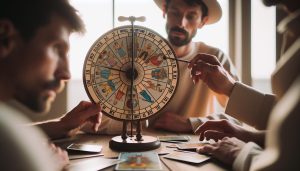
Have you ever wondered if tarot readings carry any real weight, or are they simply luck and intuition wrapped in mystique? As we blend ancient wisdom with modern understanding, this exploration into “Do Tarot Readings Really Work? Science Meets Intuition” aims to uncover the validity of tarot through a balanced lens. Many people seek guidance during pivotal moments in their lives, and tarot can offer profound insights and reflections on decision-making. Whether you’re a skeptic or a seasoned believer, understanding the intersection of science and intuition in tarot can illuminate your path to self-discovery. Join us as we delve into the enchanting world of tarot, demystifying its practices while respecting its rich history and diverse interpretations. Prepare to discover how the cards can not only reveal patterns about your life but may also connect intuitively with the underlying truths that guide you. Your journey into the heart of tarot starts here, inviting you to explore its potential and find clarity in your own experiences.
Exploring the History of Tarot Readings
The origins of tarot readings are as fascinating as the cards themselves. While the precise beginnings remain shrouded in mystery, the tarot is believed to have emerged during the 15th century in Europe, primarily as a card game known as tarocchi. It wasn’t until the 18th century that tarot decks began being used for divination and spiritual insight. This shift marked the transformation of tarot from a pastime into a tool for reflection and intuition, bridging the gap between play and profound personal discovery.
Historically, tarot was heavily influenced by various cultural and esoteric traditions. The most commonly used tarot decks, such as the Rider-Waite-Smith, were infused with symbolism rooted in Kabbalistic mysticism, astrology, and alchemical traditions. These symbols provide rich layers of meaning, offering insights into the human experience. As the tarot gained popularity, it became associated with the esoteric and the occult, appealing to those seeking answers beyond the mundane.
The Evolution of Tarot’s Purpose
In modern times, tarot readings are often seen as a way to tap into one’s subconscious mind and explore potential futures, rather than strictly for fortune-telling. Many practitioners view tarot as a form of introspection that encourages self-discovery and personal growth. Each card serves as a mirror, reflecting aspects of the reader’s current life situation, emotions, and choices. This psychological perspective aligns with contemporary practices in spirituality, where the emphasis is placed on intuition and self-awareness rather than prediction.
As tarot has evolved, it has become more accessible, inviting individuals from all backgrounds to engage with its rich tradition. Today, tarot is embraced by a diverse community, including those who approach it as a spiritual tool and others who view it as a psychological exercise. With this expansion, the dialogue surrounding tarot continues to grow, merging ancient wisdom with modern understanding, and welcoming both skeptics and believers alike into its captivating fold.
Understanding How Tarot Works: Science vs. Intuition
When exploring the intersection of tarot readings with science and intuition, it’s intriguing to recognize how these two seemingly contrasting realms can coexist and enrich our understanding of this ancient practice. At its core, tarot is widely seen as a tool for tapping into our subconscious, providing insights that can aid in personal reflection and decision-making. While scientific study often focuses on observable phenomena, the intuitive aspect of tarot embraces the personal and subjective experiences that defy strict empirical analysis.
The intuitive nature of tarot brings forth a unique element that is often overlooked in scientific inquiry: the ability to connect with one’s inner voice. When you draw a card, its imagery and symbolism can evoke deep feelings and memories, offering a narrative that resonates on a personal level. This process allows individuals to engage in introspection, examining their lives through the lens of the cards. For instance, if a seeker draws the Tower card, traditionally associated with upheaval, it may prompt them to reflect on areas in their life where change is needed. This connection can lead to profound realizations that inform future actions, showcasing how intuition plays a vital role in the reading process.
Moreover, many practitioners argue that the effectiveness of tarot is enhanced by the reader’s ability to cultivate an atmosphere of openness and trust-key ingredients for intuitive exploration. Intention becomes a pillar of the reading experience; by approaching a tarot session with a clear purpose, both reader and seeker can navigate the complexities of emotion and circumstance with clarity. Real-world examples abound, from someone using a simple three-card spread to clarify a relationship decision, to more complex layouts that dive into life paths, illustrating how tarot facilitates conversations between the conscious and unconscious mind.
While skepticism surrounds the validity of tarot as a predictive tool, it can be beneficial to view tarot readings as a blend of science and intuition-a psychological exercise that encourages personal growth and self-awareness. Engaging with tarot encourages individuals to validate their feelings and experiences, fostering a deeper understanding of self that is both scientific in its examination of thought patterns and intuitive in its reliance on emotional resonance. This approach reaffirms that tarot is not merely about predicting the future; it’s about illuminating the paths we can take, aligning our actions with our values and dreams. Through this synthesis, tarot becomes an accessible tool for everyone, regardless of belief systems, ready to offer insights whenever we choose to engage with it.
The Psychological Impact of Tarot Readings
The allure of tarot readings often lies in their remarkable ability to tap into our psyche, revealing insights that can feel both profound and oddly personal. Whether you’re a skeptic or a believer, the psychological impact of these readings can play a pivotal role in how you view your life’s challenges and decisions. Research suggests that engaging with tarot can serve as a powerful form of introspection, allowing individuals to externalize their internal dilemmas and frame them in a narrative that feels both poignant and meaningful.
When drawing cards, individuals are confronted not only with symbols but also with the stories those symbols evoke. For instance, encountering The Lovers card can conjure reflections on relationships and choices, stirring emotions that might have remained hidden. This process invites a dialogue between the conscious and subconscious, prompting the seeker to explore feelings they may not have been fully aware of. It’s not uncommon for a reading to spark an “aha” moment-a sudden clarity that allows one to see their situation from a new perspective. This intrinsic connection can significantly boost emotional well-being, fostering a sense of control amid uncertainty.
Another compelling aspect of tarot is its role in validating personal experiences. Many people face situations that leave them feeling isolated or uncertain. A reading offers not just guidance but also reassurance that their feelings are legitimate and deserving of attention. The stories told through cards often resonate with shared human experiences, making the seeker feel seen and understood. For example, if someone draws the Five of Cups, often interpreted as dealing with loss or disappointment, the reading can become a platform for exploring grief and acceptance. This emotional processing can lead to healing and growth, as it encourages individuals to confront and work through difficult feelings rather than suppress them.
In addition, fostering a trusting environment during a tarot session can enhance this psychological effect. A safe space where questions arise naturally encourages deeper exploration and candidness. Practitioners who create an atmosphere of openness empower seekers to articulate their concerns freely, leading to discussions that uncover hidden patterns in their lives. As a result, the impact of tarot readings transcends mere prediction; it evolves into a tool for self-discovery and emotional clarity. Ultimately, by enabling individuals to articulate their thoughts, tarot can play a transformative role in navigating life’s complexities-reminding us that we hold the keys to our own insights, even amidst uncertainty.
Debunking Myths: Facts About Tarot Effectiveness
The effectiveness of tarot readings often sparks debate, drawing both fervent believers and staunch skeptics. Many perceive tarot as mere fortune-telling, relegating it to the realms of superstition or entertainment. However, a closer examination reveals that tarot can serve as a potent tool for self-reflection and decision-making, transcending the label of prediction.
To begin, it’s essential to understand that tarot readings do not inherently predict the future with absolute certainty. Instead, they provide a framework through which individuals can explore their feelings, thoughts, and circumstances. Consider the scenario where someone draws the Two of Swords, a card symbolizing indecision and inner conflict. Rather than forecasting a specific outcome, this card invites the individual to introspect about their current situation and the choices they face. This process not only illuminates underlying issues but also empowers the seeker to take proactive steps towards resolution.
Myth vs. Reality
- Myth: Tarot predicts specific future events.
- Reality: Tarot reflects current energies and can suggest possible outcomes based on present choices.
- Myth: Tarot readings are only for the superstitious.
- Reality: Tarot can be a valuable tool for anyone seeking clarity, regardless of their spiritual beliefs.
Many tarot practitioners emphasize that effective readings hinge on the seeker’s openness and willingness to engage with the process. For instance, if a client approaches a reading solely for entertainment, they may miss deeper insights available during the session. However, those who allow themselves to explore the meanings of the drawn cards often experience profound revelations about their lives.
Furthermore, studies in psychology suggest that engaging with symbolic systems like tarot can facilitate emotional processing. When a client is confronted with complex feelings or situations, the act of interpreting cards can help externalize and clarify internal conflicts. This is not just mysticism; it’s a psychological mechanism at work, promoting healing and understanding.
Ultimately, the effectiveness of tarot lies not in mystical predictions but in its unique ability to guide self-exploration and personal insight. Whether through structured spreads or open-ended readings, tarot empowers individuals to reflect on their life paths, facilitating a deeper connection to their intuition and decision-making processes.
User Experiences: Real-Life Tarot Reading Stories
Many individuals approach tarot readings with a mix of curiosity and skepticism, often wondering if there’s real value in the process. Personal stories of transformation and insight can illuminate how tarot readings function not only as a mystical experience but also as a practical tool for personal growth. One such story involves a woman named Laura, who found herself at a crossroads after losing her job. Feeling lost, she sought the guidance of a tarot reader who used a three-card spread to address her current situation, challenges, and potential outcome.
In the reading, the first card revealed the Eight of Cups, symbolizing a need to move away from what no longer served her. This card resonated deeply, prompting Laura to reflect on her previous employment and underlying dissatisfaction she had felt for years. The second card, the Three of Pentacles, indicated collaboration and teamwork, urging her to consider her skills in a community-centered project she had always been passionate about. Finally, the Fool suggested a leap of faith, inspiring her to take the courageous step towards self-employment. By the end of the session, Laura felt empowered and equipped with a clearer vision of her future, transforming her fear into actionable steps toward fulfillment.
Another compelling anecdote comes from a man named Ben, who approached tarot with significant skepticism. Initially viewing it as a gimmick, he accompanied a friend to a reading purely out of curiosity. During the session, the reader drew the Judgment card, stirring feelings in Ben that he had long buried. The reader encouraged him to explore his past decisions and how they influenced his current relationships. This prompted a deep introspection and ultimately inspired Ben to reconcile with a family member he had been estranged from. By confronting long-held beliefs and emotions through the lens of the reading, he experienced a significant emotional release and reconciliation, reshaping his outlook on familial connections.
These stories emphasize an important aspect of tarot: the role of personal agency. Tarot readings can serve as a catalyst for self-reflection, revealing insights and prompting questions that guide individuals. By remaining open and engaged, seekers can explore their inner landscapes, fostering a transformative experience that aligns with their personal journeys. Each reading is unique, as the interpretations hinge on a combination of the symbols, the reader’s intuition, and the seeker’s openness to the process, establishing a partnership that invites growth and understanding.
In conclusion, real-life experiences offer powerful illustrations of how tarot readings can yield not just observations, but actionable insights. Whether a person enters a reading with belief or skepticism, the potential for personal discovery and illumination remains an intrinsic part of the experience. Tarot, thus, serves not only as a feedback mechanism for one’s thoughts and feelings but also as a tool for enhancing one’s self-awareness and clarity in life’s decisions.
Different Tarot Spreads: Choosing the Right One
Choosing the right tarot spread can significantly enhance your reading experience, providing clarity and insight into your questions. Different spreads cater to various needs and levels of complexity, making it essential to select one that resonates with your current situation or inquiry. Whether you’re a beginner or a seasoned reader, understanding the purpose behind each spread will empower you to gain deeper insights.
Common Tarot Spreads
- The One-Card Spread: Ideal for beginners or quick daily guidance, this spread encourages you to focus on a single question and draw one card that reflects insights or advice relevant to your situation. For example, pulling the Two of Swords may indicate a need for a decision, representing inner conflict that deserves your attention.
- The Three-Card Spread: A versatile and popular choice, this spread usually represents the past, present, and future or can be tailored to explore a specific question about challenges, actions, and outcomes. An example might involve drawing the Empress for the past, indicating nurturing influences; the Eight of Wands for the present, reflecting swift changes; and the Wheel of Fortune for the future, suggesting cycles and turning points.
- The Celtic Cross: A more complex and insightful spread, the Celtic Cross typically consists of ten cards that reveal various aspects of your situation, including challenges, influences, and future outcomes. This spread is especially beneficial for exploring in-depth questions or when facing significant life changes.
Selecting the Right Spread
To select the most effective spread for your needs, consider the following steps:
- Define Your Question: Be clear about what you wish to understand. This focus will guide you toward the most suitable spread.
- Assess Your Experience Level: If you’re new to tarot, starting with simpler spreads like the One-Card or Three-Card options allows you to build your confidence. As you become more comfortable, try more intricate spreads such as the Celtic Cross.
- Trust Your Intuition: Sometimes, the visual appeal or a personal connection to a particular spread can be your best guide. Trust what feels right for you in the moment.
Exploring different tarot spreads not only enriches your reading experience but also aligns your inquiries with the appropriate tools. Whether you seek immediate advice from a simple pull or profound insights from a comprehensive layout, each spread offers a unique pathway to connect with your inner wisdom and the universal energies around you. Remember, tarot is a personal journey-embrace your exploration with an open heart and mind.
Enhancing Your Intuition Through Tarot Practice
Developing your intuition is a transformative journey that can enrich your tarot practice and deepen your understanding of yourself and the universe. When you approach tarot not just as a tool for divination, but as a means to connect with your inner self, you open the door to profound insights that go beyond the cards themselves. Each reading can serve as a mirror, reflecting your thoughts, emotions, and life experiences back to you, allowing you to access your intuition more readily.
One effective way to enhance your intuitive abilities is through regular, mindful practice. Start by creating a calm and sacred space where you can focus without distractions. As you shuffle your deck, set an intention for the reading, whether it’s to seek guidance on a specific issue or to explore general insights into your life. Consider a simple exercise where you draw a card each morning. Take a moment to meditate on its imagery and meaning, noting any thoughts or feelings that arise. This daily practice not only familiarizes you with the cards but also helps you tune into your intuitive responses.
Developing Intuitive Practices
- Keep a Tarot Journal: Document your readings, thoughts, and any intuitive hits you receive. Over time, patterns will emerge that highlight your unique connection with the cards.
- Practice Mindfulness: Engage in mindfulness or meditation exercises to quiet your mind and attune to your inner voice. A clear mind enhances intuitive insights during readings.
- Trust Your Instincts: During readings, if a particular image or card combination resonates with you personally, honor that feeling. Your intuition often knows more than you realize.
Exploration of your intuition can also benefit from collaborative exercises. Join a tarot group or find a reading partner with whom you can share insights, challenge each other’s interpretations, and discuss the intuitive hits you experience during readings. This interaction not only validates your experiences but also encourages new perspectives, expanding your understanding of the cards and fostering growth in both readers.
As you cultivate your intuition through these practices, remember to be patient with yourself. Intuitive development is a gradual process, and each step taken enhances your connection with the tarot. The more you practice, the more confident you will feel in interpreting the cards, which enriches not just your readings but your life overall. Embrace this journey, welcoming both the known and the mysterious aspects of your intuitive gifts.
The Role of Intention in Tarot Readings
Setting your intention before a tarot reading is akin to tuning a radio to the right frequency-it allows you to connect more deeply with the insights the cards can provide. When you approach a tarot reading with a clear intention, you create a sacred container for exploration and understanding. This focus not only enhances your receptivity to the messages within the cards but also influences the direction and depth of the reading itself.
To harness this power, begin by reflecting on what you wish to understand or achieve. Are you seeking clarity about a specific situation, emotional healing, or perhaps guidance for a future decision? Formulate your question thoughtfully, as it will act as the compass directing your reading. For instance, instead of asking, “Will I be successful?” you might refine your intention to, “What steps can I take to achieve my goals this year?” This specificity will invite more targeted insights.
During the actual reading, maintain an awareness of your intention. Hold it gently in your mind as you shuffle the cards and while interpreting their meanings. This process can be enhanced by creating a ritual-perhaps lighting a candle or using crystals that resonate with your intention, thereby enriching the environment. When you interpret the cards, consider how their traditional meanings relate to your specific question. For example, if you draw The Chariot while focusing on ambition, reflect on how the themes of determination and control come into play in your journey.
Ultimately, your intention serves as a bridge between the mystical and the practical-the science of tarot reading merges with the art of personalization. By consistently setting and revisiting your intentions, you create a more profound dialogue with your intuition and the universe. Each reading becomes not just an exploration of the cards, but a powerful tool for personal growth and insight, making the tarot experience notably transformative.
How to Interpret Tarot Cards: A Practical Guide
Understanding how to interpret tarot cards is a journey of self-discovery, intuition, and meaning that transcends mere card reading. Each card in a tarot deck holds a wealth of symbolic imagery and significance, offering insights that can help illuminate your path. Whether you are a beginner or have some experience, there are fundamental principles to guide your interpretation.
Start with the card meanings-familiarize yourself with both the upright and reversed interpretations of each card. The Major Arcana represents major life themes and lessons, while the Minor Arcana deals with the everyday challenges and experiences. For example, The Fool signifies new beginnings and potential, while The Tower might indicate sudden upheaval or revelation. Keep a tarot guidebook handy, as it can serve as a reference tool when you’re unsure.
As you lay out your cards in a spread, pay attention to their positions. Each position has its own meaning, such as past influences, current situations, or future outcomes. For instance, if The Lovers appears in a position relating to your emotional state, contemplate how this card’s themes of relationships and choices apply to your current feelings or circumstances.
Connecting the cards with your intuition is equally important. Trust your gut feelings and initial reactions when you see a card. For example, if you draw the Seven of Cups, which often relates to choices and illusions, reflect on what choices you currently face in your life. How do you feel about them? What are your instincts telling you? This intuitive interpretation can often reveal hidden insights that traditional meanings alone may miss.
In practice, consider recording your readings in a journal. Document the cards drawn, their positions, and your interpretations. Over time, you’ll notice patterns and deeper meanings emerging, enhancing your understanding. Whether you approach tarot through a lens of skepticism or belief, remember that this practice is about exploration, self-reflection, and personal growth. Every reading can be a stepping stone toward greater clarity, whether you’re using tarot for guidance or as a tool for creative inspiration.
Engage with the tarot community for further learning. There are numerous online forums and groups dedicated to sharing insights and experiences, allowing you to deepen your understanding and interpretation skills. Tarot does not demand perfection; instead, it invites you to embrace the journey of discovery, making it a practice that is not just about the cards, but about fostering a deeper connection with yourself and the world around you.
Skepticism and Belief: Finding Balance in Tarot
In the realm of tarot readings, navigating the dualities of skepticism and belief can be both challenging and enriching. Many who approach tarot hold differing views-some regard it as a powerful tool for insight and reflection, while others dismiss it as mere entertainment or superstition. Understanding this spectrum invites us to explore both perspectives constructively.
Firstly, embracing skepticism can lead to a meaningful dialogue about the efficacy of tarot. Many skeptics argue that without empirical evidence, tarot readings lack credibility. However, the subjective experience of a reading can still hold significant value. For instance, skeptics may not believe in the mystical aspects, yet they can acknowledge that tarot encourages self-reflection. By framing tarot as a tool for narrative exploration rather than prophecy, individuals can appreciate its psychological aspects without needing to fully invest in its mystical claims.
Conversely, those who believe in the intuitive power of tarot often find profound guidance in readings, fostering a sense of connection with their inner selves. It’s important to cultivate a balance between these perspectives. Practicing gratitude for both belief and skepticism can deepen your understanding of tarot. If you find yourself leaning more towards skepticism, consider engaging with tarot not as a definitive answer to life’s questions, but as a springboard for introspection and decision-making. This approach aligns well with the idea that tarot can hold space for multiple interpretations, allowing room for both heartfelt intuition and critical thinking.
Moreover, sharing experiences can further bridge the gap between skeptics and believers. Many individuals have reported moments of unexpected clarity or resolution following a tarot session, regardless of their initial stance. If you are new to tarot or cautious about its mystical implications, try keeping a journal where you record your thoughts before and after readings. This practice can illuminate patterns in your reactions and decisions, demonstrating how tarot serves as more than mere divination-it’s part of a broader journey of self-discovery.
By respecting both sides of the tarot experience and fostering an open-minded approach, you encourage a deeper connection with yourself and your readings. Remember, whether you approach the cards with skepticism or belief, the goal remains the same: to enhance your awareness and spark meaningful conversations with your intuition. This journey is not about asserting truths but exploring possibilities.
Future Trends: The Evolution of Tarot in Modern Society
As the world becomes increasingly interconnected through technology and social media, tarot readings are experiencing a renaissance, evolving to meet contemporary needs and perspectives. The revival of interest in personal spirituality and self-discovery has paved the way for tarot to adapt, blending ancient practices with modern sensibilities. Many people now engage with tarot not just as a mystical tool but as a canvas for personal storytelling and psychological insight.
One of the most notable trends is the integration of tarot into mental health and wellness practices. Therapists and life coaches are increasingly incorporating tarot readings as a way to facilitate conversations about emotions, challenges, and personal growth. This approach underscores tarot’s potential as a reflective tool, helping individuals to explore their inner landscapes and foster self-awareness. By framing tarot not merely as fortune-telling but as a means of self-expression, practitioners can guide clients towards insights that resonate on a personal level, enhancing the reading’s relevance and impact.
Moreover, the accessibility of digital platforms has transformed how people experience tarot. Online readings, apps, and social media have made it easier than ever to connect with the cards, from guided readings on platforms like Instagram to personalized apps that offer daily draws and insights. This shift democratizes tarot, allowing individuals across the globe to engage with it on their own terms, fostering a diverse community of seekers, practitioners, and enthusiasts. With a wealth of resources at one’s fingertips, novices and seasoned readers alike can expand their understanding and practice of tarot without geographical limitations.
As society continues to navigate complexity and change, the role of intention in tarot readings becomes increasingly significant. Practitioners are encouraging a deeper focus on setting intentions prior to readings-whether for clarity, guidance, or empowerment. This conscious approach aligns well with the growing trend of mindfulness, encouraging individuals to engage with tarot not just as a ritual, but as a mindful practice that serves their needs and aspirations. Embracing this perspective allows practitioners to cultivate a more meaningful relationship with the cards and offers a structured way for users to navigate their questions or concerns.
In conclusion, as tarot finds its footing in modern society, it becomes essential to honor both its historical roots and its evolving role as a tool for introspection and connection. Whether one approaches tarot with skepticism or belief, its potential for enhancing self-understanding and fostering personal growth makes it a relevant and valuable practice in today’s context.
Resources and Tools for Aspiring Tarot Readers
Aspiring tarot readers often find themselves enchanted by the mystical allure of the cards while simultaneously confronting a wealth of information that can be overwhelming. Fortunately, there are numerous resources and tools available to guide both beginners and seasoned practitioners on their tarot journeys. By embracing a balanced approach that melds intuition with practical technique, anyone can cultivate their unique connection with the tarot.
Getting Started with Tarot
One of the simplest ways to begin your tarot practice is to invest in a quality tarot deck. While many seekers gravitate towards popular choices like the Rider-Waite-Smith deck for its iconic imagery, it’s crucial to choose a deck that resonates with you personally. Spend time browsing different decks-often, intuition will lead you to the one that feels just right. Once you have your deck, take the time to familiarize yourself with each card. Record your initial thoughts and feelings about the cards in a dedicated tarot journal. This not only serves as a personal insight tool but also helps solidify your interpretations over time.
Educational Resources
To deepen your understanding, consider utilizing various educational resources tailored for different skill levels. Online courses, books, or tarot podcasts can provide structured learning paths. Books like “The Ultimate Guide to Tarot” or “Seventy-Eight Degrees of Wisdom” by Rachel Pollack delve into the intricacies of tarot meanings and card combinations. Many websites offer free tutorials and interactive courses, allowing you to learn at your own pace. Here’s a quick list of useful educational tools:
- Online Platforms: Websites like Biddy Tarot or Tarot Academy offer excellent beginner courses.
- YouTube Channels: Many tarot readers host channels with free readings, tutorials, and tips.
- Social Media Groups: Platforms like Facebook have vibrant communities where you can ask questions and share experiences.
Practical Techniques for Readings
When you’re ready to conduct a reading, start with simple spreads. The 3-card spread, which typically represents the past, present, and future, is an excellent starting point. Keep in mind that the way you ask your question and the intentions you set can greatly influence the clarity of your reading. Here’s a quick guide to help:
- Frame Your Question: Instead of asking, “Will I get the job?”, try, “What can I learn from my job search?”
- Shuffle and Draw: Shuffle your deck while focusing on your intention. Draw three cards and lay them out.
- Interpret Each Card: Consider the meanings of the cards individually and how they relate to one another. Write down your insights!
Connecting With Others
Lastly, connecting with fellow tarot enthusiasts can greatly enhance your learning experience. Group meetups, either in-person or virtual, allow for shared insights and diverse perspectives. Forums and social media can serve as spaces for open discussions, providing opportunities to express your thoughts, ask questions, and receive constructive feedback.
As you journey through the tarot world, remember that the practice is deeply personal. Trust your instincts and enjoy unfolding the layers of meaning in each reading, drawing from both the wisdom of the cards and your intuitive insights.
FAQ
Q: How do Tarot readings provide clarity in decision-making?
A: Tarot readings can enhance decision-making by offering new perspectives. Each card reflects various aspects of life, guiding you to explore your feelings and intuition. This process can help clarify your thoughts and priorities, allowing you to approach decisions with greater confidence and insight.
Q: What scientific studies have been done on the effectiveness of Tarot readings?
A: While specific scientific studies directly on Tarot are limited, researchers in psychology explore intuition and decision-making, often paralleling Tarot’s insights. Understanding psychological principles behind belief and perception can shed light on why many find Tarot effective, combining both science and personal experience.
Q: Can Tarot readings predict the future?
A: Tarot readings do not predict the future in a deterministic manner. Instead, they reveal potential outcomes based on current energies and choices, acting as tools for self-reflection. This allows you to consider possible futures rather than fixed destinies, emphasizing free will over fate.
Q: How can someone prepare for their first Tarot reading?
A: To prepare for your first Tarot reading, consider writing down questions or areas of life you wish to explore. Relax and clear your mind before the session. Being open and receptive to whatever the cards reveal can significantly enhance your experience and understanding.
Q: Is there a difference between Tarot cards and other divination tools?
A: Yes, Tarot cards differ from other divination tools like runes or pendulums in their structure, symbolism, and method of interpretation. Tarot’s rich imagery and complex spreads provide layered interpretations, often focusing more on psychological insights than magical forecasts.
Q: How does intuition play a role in Tarot readings?
A: Intuition is vital in Tarot readings as it guides both the reader and the querent in interpreting the cards. Personal insights and gut feelings can enhance the understanding of the situation, leading to a more meaningful and relevant reading experience.
Q: Why do some people remain skeptical about Tarot readings?
A: Skepticism about Tarot readings often arises from a lack of understanding of their purpose and methodology. Some individuals view them as purely entertainment or question the validity of spiritual practices. Engaging with the process and reflecting on its benefits can help bridge this gap.
Q: How can I choose the right Tarot spread for my needs?
A: Selecting the right Tarot spread depends on your query’s complexity. For specific questions, simple three-card spreads may suffice, while broader life inquiries benefit from more elaborate spreads, like the Celtic Cross. Tailoring your spread to the situation enhances the reading’s depth and relevance.
Future Outlook
In exploring whether tarot readings truly work, we’ve revealed how intuition and science can intertwine, offering insights that resonate on multiple levels. If you’re curious about diving deeper, why not explore our interactive tarot tools? You can get a personalized Yes/No reading or even a daily tarot draw to guide your day-discover these experiences through our links! Remember, every card drawn is an invitation to uncover wisdom and clarity within your own journey.
Don’t let doubt hold you back; take the next step today! Sign up for our newsletter to stay updated on your tarot journey or check out our comprehensive tarot guide for beginners and advanced readers alike. Share your experiences in the comments below, or connect with others in the community. Your path to understanding the magic of tarot starts here-embrace it and empower your intuition!
Get our latest guides, news, and insights highlighted in your Google Search & AI Overviews.