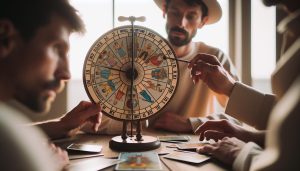
Have you ever wondered how Tarot works beyond its mystical allure? At its core, Tarot is a profound psychological tool that can illuminate your inner world and guide you through life’s challenges. Understanding how Tarot functions taps into your intuition, allowing for personal reflection and growth. Many people approach Tarot with skepticism or curiosity, questioning its ability to provide insights or predict outcomes. However, by delving into the psychological truths behind each card and how they resonate with our subconscious, you can uncover powerful revelations about your desires, fears, and aspirations. This exploration not only demystifies the Tarot but also illustrates its accessibility to anyone, regardless of their spiritual beliefs. Join us as we navigate the fascinating interplay between Tarot and psychology, and discover how this ancient practice can empower you to transform your life and enhance your intuitive abilities.
How Tarot Influences the Mind: A Psychological Overview
Engaging with Tarot offers a unique lens through which we can better understand our psychological landscapes. At its core, Tarot is not just a tool for fortune-telling; it acts as a mirror reflecting our innermost thoughts, fears, and desires. This is due in part to the way Tarot cards evoke deep emotional responses and stimulate our intuition. By presenting archetypal imagery and narratives, Tarot taps into the subconscious, promoting a dialogue that fosters introspection and personal growth.
When we draw cards, we often encounter symbols that resonate with our current life situations, even if we’re unaware of how exactly they connect. For instance, a card like The Tower may evoke feelings of upheaval, prompting the individual to explore areas in their life where they feel unstable. This process can unearth latent concerns and guide emotional processing. Such reflections encourage us to articulate our thoughts and feelings, creating a safe space for exploration. In this context, Tarot can serve as a therapeutic tool, facilitating a deeper understanding of our psychological states.
Moreover, Tarot readings encourage a narrative approach to our lives. Crafting a story around the drawn cards helps to contextualize our experiences, making complex emotions more comprehensible. The act of storytelling is inherently human, empowering us to frame our challenges and triumphs in a way that feels manageable. As we explore patterns in our readings, we may discover recurring themes that highlight unresolved issues or recurring strengths, thus catalyzing personal transformation.
For those interested in practical application, incorporating a regular Tarot practice can facilitate ongoing self-discovery. Start with simple spreads, like a three-card layout that addresses past, present, and future influences. Allow yourself the freedom to contemplate the imagery and the feelings they bring. As you become more familiar with your intuitive responses, you’ll find that Tarot not only reveals insights about your mental and emotional health but also enhances your decision-making skills, empowering you to navigate life’s complexities with greater confidence. This supportive practice transforms Tarot into a valuable ally on your journey toward self-awareness.
The Science Behind Tarot: Psychology Meets Mysticism
Engaging with Tarot can often feel like stepping into a realm where psychology intertwines with mysticism, creating a rich tapestry of insight. At its core, Tarot is more than a mere divination tool; it functions as a psychological mirror, enabling deep self-reflection and fostering emotional understanding. Research in psychology suggests that the human mind responds profoundly to symbols and archetypes, which are fundamental components of Tarot. Each card carries layers of meaning that resonate on both conscious and subconscious levels, making them powerful tools for introspection.
When you draw a Tarot card, you’re tapping into a rich cultural and psychological history. For example, the Fool card, often seen as the beginning of a journey, may spark thoughts about new beginnings and the courage to embrace uncertainty. This symbolism can prompt individuals to explore their own life decisions and the fears surrounding them. By examining the narrative and emotional responses to these archetypal representations, one can gain clarity about their current life situation. The process encourages analytical thinking and emotional expression, creating a dialogue that helps in understanding personal challenges and aspirations.
Moreover, the act of interpreting Tarot requires a degree of intuition-a skill that blends well with psychological insights. Using Tarot for decision-making can be particularly empowering. When you lay out a spread, such as a three-card interpretation focusing on the past, present, and future, you’re not just forecasting events but also reflecting on the emotional and psychological influences that have shaped your journey. This personalized approach links back to concepts in psychology where narrative therapy highlights the power of storytelling in personal development.
To fully harness the psychological benefits of Tarot, consider establishing a consistent practice. Start simple: use a basic three-card spread and allow yourself to freely associate with the imagery and meanings as they arise. Keep a journal of your readings to track how your perceptions evolve over time. This practice not only reinforces your connection to your intuitive self but also enables you to recognize patterns in your thoughts and feelings, facilitating a deeper understanding of your emotional landscape. By combining this reflective practice with the rich symbolic language of Tarot, individuals can embark on a transformative journey that promotes healing and self-awareness.
Debunking Myths: What Tarot Is and Isn’t
Many believe that Tarot is a mystical tool meant solely for fortune-telling. However, this perception often oversimplifies the richness and depth of Tarot practice. In reality, Tarot serves as a psychological and emotional exploration tool, a means for self-reflection rather than a prophecy of predetermined outcomes. Recognizing this distinction is vital in understanding what Tarot truly is and isn’t.
Misconceptions About Tarot
One common myth is that Tarot readings are exclusively about predicting the future. While some may use Tarot in this way, a significant number of practitioners view the cards as a way to gain insight into current situations, emotions, and potential paths forward. When you draw a card, it prompts introspection and discussion about your desires and fears. For example, drawing the Empress card might evoke thoughts on nurturing or abundance, encouraging you to consider how these themes manifest in your life today, rather than focusing on what may happen tomorrow.
Another misconception is that Tarot works only on a psychic level. In truth, Tarot reading can incorporate psychological principles, using the imagery and symbolism of the cards to access your subconscious. This interaction can facilitate deeper understanding of your thoughts and feelings. Engaging with a three-card spread-representing the past, present, and future-allows for a structured exploration of your experiences and perceptions, guiding you to insights about your emotional states and choices.
The Accessible Nature of Tarot
Foreign to many is the idea that Tarot is for only a select few or requires extensive training to understand. In reality, Tarot welcomes everyone, regardless of experience level. Beginners can start with simple spreads, such as the aforementioned three-card draw, to build confidence in their intuitive abilities. Keeping a journal of readings enhances this experience, tracking insights and interpretations over time, turning what might seem like abstract symbols into personalized guidance.
Ultimately, embracing the truths behind Tarot can demystify the process. Instead of a magical tool with fixed meanings, view Tarot as an interactive system that invites conversation with your inner self. By reshaping these myths, you empower yourself to engage with Tarot in a nurturing, constructive way-one that enhances self-reflection and emotional understanding without the need for supernatural assumptions. This shift opens up Tarot to anyone seeking personal growth and clarity, making it a valuable tool for both skeptics and believers alike.
How Tarot Readings Facilitate Self-Reflection
When engaging with a Tarot reading, many find themselves navigating a rich landscape of self-discovery. Tarot acts as a mirror reflecting our internal thoughts, emotions, and questions, illuminating aspects of our lives that we may not have fully explored. Each card drawn serves as a prompt for reflection, guiding us to delve deeper into our motivations, desires, and fears. This process transforms what could be a simple card reading into a meaningful dialogue with oneself.
One of the most powerful ways Tarot facilitates self-reflection is through its use of symbolism. Each card embodies unique archetypes and imagery that resonate on personal levels. For instance, pulling the Seven of Cups may evoke feelings about choices and fantasies, inviting you to assess which aspirations align with your true self. As you consider the meaning behind this card in the context of your life, it opens the floor to introspection: What are my dreams? Are they rooted in reality or fantasy? This active engagement allows you to unearth hidden desires and confront uncertainties.
In practice, structured spreads-especially simple ones like the three-card draw-can enhance this reflective process. A layout consisting of positions representing the past, present, and future can help clarify how personal history influences current circumstances. For example, if you draw the Tower for the past position, it might highlight a significant upheaval that shaped your beliefs and reactions. This context allows you to understand patterns and move forward with greater awareness.
To maximize the introspective potential of Tarot, consider journaling your readings. After each session, take notes on the cards drawn and your immediate reactions. Reflect on how these insights resonate over time, creating a personal narrative of growth. With consistent practice, Tarot becomes not just a tool for occasional reflection, but a trusted companion in your journey of self-awareness. Each reading fosters a deeper understanding of your inner landscape, providing clarity and guiding your personal evolution along the way.
Embracing Tarot as a facilitator of self-reflection opens the door for anyone-whether skeptic or believer-to engage meaningfully with their own psyche. The cards become allies in the quest for better understanding, empowering you to confront your truths and aspirations without judgment. This enriching experience allows you to harness intuition and insight, nurturing both spiritual depth and practical wisdom in your everyday life.
Understanding Tarot Spreads: A Psychological Perspective
When you lay out the cards in a Tarot spread, you’re not just arranging images; you’re creating a dynamic framework for introspection and understanding. Each position within a spread captures a specific aspect of your inquiry, translating abstract thoughts into tangible insights. This structured approach allows both beginners and seasoned practitioners to engage deeply with their concerns, helping them uncover patterns, motivations, and pathways forward.
Types of Spreads and Their Psychological Impact
There are many types of Tarot spreads, each designed for different purposes, from broad analyses to focused inquiries. A popular choice is the three-card spread, where each position might represent the past, present, and future. This simple structure encourages you to reflect on how your past influences your current situation and what it might lead to down the road. For instance, if you pull the Empress for your present, it might suggest a time of growth and creativity, inviting you to explore how nurturing aspects of your life can flourish.
More intricate spreads, like the Celtic Cross, offer a comprehensive look at complex situations, examining internal conflicts and external influences. Each card’s placement within the spread aligns with different psychological themes-such as what challenges you face or what hidden influences might be at play. This allows you to engage in richer dialogues with yourself, examining not just what the cards mean, but how they resonate with your life experiences.
Creating Your Own Spreads
To maximize the potential of Tarot spreads, consider designing your own based on personal contexts. Start by reflecting on key questions you have in your life. For example, you might want to create a spread focused on career transitions. You could lay out positions for “current fulfillment,” “obstacles,” and “potential paths.” This personalized touch enhances the connection you feel with the cards, as they directly address your particular situation.
For beginners, it’s helpful to keep spreads simple. As you build confidence, gradually incorporate more cards and complex meanings. Pay attention to how certain cards interact with one another-this interplay can reveal deeper insights into your subconscious thoughts and feelings.
Integrating Reflection into Your Practice
After conducting a reading, take time to jot down your interpretations and feelings about each card. This journaling practice not only reinforces your insights but also tracks your emotional and psychological growth over time. You may find that revisiting earlier notes sheds new light on current struggles, illustrating how your understanding evolves alongside your experiences.
Ultimately, the beauty of Tarot spreads lies in their ability to act as both a psychological tool and a spiritual guide. They invite you to explore your inner landscape, providing a safe space for inquiry and healing. Through thoughtful engagement, you can transform the mystical experience into a practical pathway for personal development and self-awareness.
Intuitive Decision-Making: Tarot as a Guidance Tool
Tarot can serve as a powerful tool for intuitive decision-making, acting as a mirror that reflects your subconscious thoughts and feelings. When faced with a significant choice, it can be challenging to sift through emotions and biases. By engaging with the Tarot, you create a space to unlock insights that may not be readily apparent, allowing for clarity and direction in your thought processes.
How Tarot Provides Clarity
Each card in the Tarot deck carries deep symbolism and nuances, which can provide different perspectives on your situation. For instance, drawing The Fool might encourage you to embrace new beginnings, suggesting that it could be time to take a leap of faith. Conversely, pulling The Hermit could signal a need for introspection before making a decision. These interpretations help you identify where your mindset may be leading you, opening avenues for consideration that you may not have previously explored.
When using Tarot for decision-making, consider following these steps for a more structured approach:
- Set Your Intention: Clearly define the decision or question at hand before laying out the cards.
- Choose Your Spread: A simple one-card draw works for quick insights, while a three-card spread can provide context, examining past, present, and potential future outcomes.
- Reflect on Each Card: Take time to contemplate how the imagery and meanings relate to your question. What emotions arise? What memories does it invoke?
- Journaling: Write down your thoughts and interpretations. This not only aids in reflection but also allows you to track how your feelings may shift over time.
Integrating Intuition with Insight
Trusting your intuition is key when using Tarot as a guidance tool. Each time you draw a card, pay attention not just to traditional interpretations but also to any immediate feelings or thoughts that surface. For example, if you pull the Ten of Swords while contemplating a job change, you might feel a sense of relief instead of despair, suggesting you are ready to let go of a toxic work environment.
In this way, Tarot works in tandem with your intuition, helping to bridge the gap between rational analysis and emotional wisdom. By reflecting on the cards and acknowledging your instincts, you empower yourself to make decisions that resonate deeply with your authentic self.
Ultimately, utilizing Tarot as a guidance tool can transform the decision-making process into a more empowered experience. Whether you’re a seasoned practitioner or a curious beginner, the cards can help illuminate your path and nurture your intuitive abilities, making the mystical experience one that inspires confidence and clarity.
The Role of Archetypes in Tarot Interpretation
Understanding the power of archetypes within Tarot can transform your reading experience. Archetypes, the universal symbols and themes found across cultures and texts, operate as a foundational framework in Tarot interpretation. Each card embodies these archetypes, helping to tap into shared human experiences and emotions. For example, The Magician represents manifestation and resourcefulness, while The Empress embodies nurturing and abundance. By recognizing these archetypes, you can uncover deeper meanings and insights while reading the cards.
When interpreting tarot spreads, ask yourself how the archetypal energies of the drawn cards resonate with your current life situation. For instance, if you draw The Tower, it might symbolize sudden upheaval or change. Reflecting on its archetype can guide you through its sometimes chaotic message. Consider personal contexts: Are you facing unexpected challenges that force change? Recognize that this archetype serves as a catalyst for growth, as uncomfortable as it may feel.
To make these archetypes more accessible, start by creating a simple chart of key cards with their archetypal meanings. For instance:
| Card | Archetype | Key Meaning |
|---|---|---|
| The Fool | Innocence, New Beginnings | Embracing adventure, open to possibilities |
| The High Priestess | Intuition, Mystery | Exploration of the subconscious, inner wisdom |
| The Lovers | Choice, Union | Relationships and harmony, critical choices |
| The Hermit | Introspection, Guidance | Seeking truth within, quiet solitude for reflection |
Harnessing the insights gained from archetypes can vastly improve your readings. When conducting a tarot session, pay attention not just to the cards but also to your intuitive responses to their archetypes. Notice how certain cards evoke feelings or memories tied to their universal themes. This integration enhances your clarity and confidence, allowing the Tarot to serve as a reflective tool for personal development and deeper self-awareness.
Empowering yourself through your understanding of archetypes makes Tarot a rich, accessible practice for everyone. Whether you’re a beginner or looking to deepen your skills, remember that the archetypes not only tell stories; they resonate with your own journey, making Tarot a transformative experience that fosters emotional understanding and spiritual growth. Embrace this journey of exploration, and let the archetypes guide you toward insight and clarity in your life’s path.
Tarot and Emotional Healing: Uncovering Inner Truths
Engaging with Tarot can be a profound journey towards emotional healing, offering a unique way to uncover inner truths and support personal growth. As you draw cards, you embark on a reflective process that encourages self-discovery and insight into your emotional landscape. Each card acts as a mirror, reflecting your thoughts, feelings, and experiences. This connection can lead to significant revelations and a deeper understanding of your emotional patterns.
When approaching a Tarot reading for emotional healing, it’s beneficial to set a clear intention. Ask yourself what aspects of your emotional life you want to explore-be it grief, anxiety, or relationship dynamics. This targeted focus allows the cards to guide you more effectively. For example, if you’re grappling with feelings of loss, drawing The Five of Cups can highlight your grief while also inviting you to consider the aspects of your life that remain abundant, promoting a balanced perspective.
Practical Tips for Healing with Tarot
- Create a Safe Space: Set up a comfortable, quiet area where you can reflect without interruptions. Light a candle or use calming scents that promote relaxation and openness.
- Use Spreads Designed for Healing: Consider spreads that center around emotional healing, such as the “Healing Circle” spread, which allows you to explore your current emotional state, obstacles, and potential paths forward. A simple three-card spread can also be illuminating:
– Card 1: What am I feeling right now?
– Card 2: What thoughts or beliefs contribute to these feelings?
– Card 3: What can I do to heal or move forward?
- Reflect on the Messages: As you interpret the cards, note not only the traditional meanings but how they resonate with your personal experiences. For instance, drawing The Star may suggest hope and renewal, prompting you to envision how you can nurture optimism in your life.
- Incorporate Journaling: Document your readings and insights in a journal. Write down what emotions surfaced, how the card meanings align with your experiences, and any action steps you feel inspired to take.
The Transformative Power of Tarot
Many find Tarot to be an enlightening resource for emotional healing. By encouraging introspection and facilitating honest self-dialogue, Tarot becomes a valuable tool for personal transformation. The visuals and symbols of each card allow for a rich exploration of emotional depth. Over time, as you continuously engage with Tarot, you’ll cultivate a more profound connection to your intuition and the messages within, fostering resilience and healing in your emotional journey.
Utilizing Tarot for emotional healing not only helps in understanding one’s feelings but also empowers individuals to navigate their emotional landscapes with confidence. Embrace this practice with an open heart, and allow the insights gained through the cards to guide you toward greater emotional clarity and healing.
Building Your Tarot Practice: Tips for Beginners
Building a Tarot practice can be one of the most enriching journeys in your personal development. Whether you’re drawn to Tarot for self-reflection or for its potential as a decision-making tool, starting your practice doesn’t have to feel intimidating. It’s an invitation to explore your intuition and deepen your understanding of yourself through the unique language of the cards.
Begin by selecting a Tarot deck that resonates with you. Each deck has its own artistic interpretation and energy, which can significantly influence your readings. Spend some time getting familiar with the imagery and symbolism of the cards. Many beginners find it helpful to keep a Tarot journal where they can jot down their impressions of each card as they progress.
Tapping into the intuitive aspects of Tarot reading can be nurtured through practice. Start with simple spreads, like a three-card spread for past, present, and future insights. Pulling just three cards allows you to develop your skills in interpreting the cards without feeling overwhelmed. For example, if you pull The Fool, The Empress, and The Tower, consider how these cards reflect your journey: the leap of faith, nurturing energy, and unexpected change. Pay attention not only to the traditional meanings but also to what feelings and thoughts each card evokes for you personally.
Additionally, consider setting a regular time to engage with your Tarot practice. Routine can cultivate a deeper connection with the cards and provide space for meaningful reflections. During your sessions, create an environment that feels safe and inviting-maybe light a candle, play soft music, or incorporate calming scents. This intentionality sets the stage for you to dive deep into your thoughts and feelings, prompting further insights into your life.
Lastly, don’t hesitate to seek community. There are numerous online forums and local meet-ups where you can connect with fellow Tarot enthusiasts. Sharing experiences and insights can enhance your learning and provide new perspectives on interpretations. Remember, Tarot is a tool for self-exploration-embrace the journey, stay curious, and trust your intuition as you build and deepen your practice.
Advanced Techniques: Deepening Your Tarot Skills
As you delve deeper into the world of Tarot, embracing advanced techniques can significantly enhance your skills and confidence. One captivating approach is to explore the relationship between Tarot cards and psychological archetypes, which can deepen your understanding of yourself and your readings. Each major arcana card embodies universal themes and experiences, helping you connect personal challenges to these larger narratives. For instance, drawing The Hermit may prompt reflections on solitude and introspection, suggesting a need to withdraw for personal clarity.
Engaging with Advanced Spreads
Once you’re comfortable with basic spreads, experiment with more complex layouts. The Celtic Cross offers a comprehensive view of a situation, addressing past influences, present circumstances, obstacles, and future outcomes. Each position tells a different story, allowing for rich, layered insights. While reading, pay attention to how cards interact with one another, as their combined meanings can reveal deeper truths. For example, if The Lovers and The Tower appear together, reflection on sudden changes in relationships or the need to confront choices may arise.
Developing Intuitive Practices
Tarot is as much about intuition as it is about established meanings. To nurture your intuitive abilities, try a practice where you shuffle your deck and allow your thoughts to wander freely. Take note of the emotions or images that surface without looking at the cards. After grounding your thoughts, draw a card and see how it relates to your earlier reflections. This exercise can strengthen your trust in intuitive insights, making your readings more personal and profound.
Journaling and Reflection
Maintaining a Tarot journal can significantly enhance your learning experience. After each reading, jot down your interpretations, feelings, and any recurring themes. Over time, you’ll identify patterns that resonate with you personally, enabling you to tailor your practice. Include drawings of card spreads and responses to questions. This record will serve as a valuable resource for evaluating growth and discovering new interpretations as your skills and understanding evolve.
Engage actively with your Tarot practice by combining technique, intuition, and reflection. The journey through Tarot is expansive and personal, and by embracing these advanced practices, you elevate your connection to the cards and the insights they have to offer.
Engaging with Skeptics: The Rational Benefits of Tarot
Tarot is often seen through a mystical lens, but it can also provide tangible benefits that even skeptics can appreciate. Engaging with Tarot allows individuals to explore their thoughts and feelings in a structured yet open-ended way, facilitating introspection and personal growth. Rather than being mere fortune-telling, Tarot serves as a psychological tool that encourages self-exploration and reflection. This can be incredibly beneficial for anyone, regardless of their belief system, providing a framework for grappling with life’s complex issues.
A key aspect lies in how Tarot prompts deeper thinking. During a reading, the imagery and symbolism of the cards can surface unconscious beliefs and patterns, guiding individuals toward insights they may not have initially recognized. For example, if someone draws the Two of Swords, they might reflect on feelings of indecision in their life. This visualization can spark conversations with oneself about choices, fears, and the underlying reasons for their indecision. Engaging with such imagery often leads to clarity, even among those who might dismiss the mystical aspects of Tarot.
Moreover, the repetitive act of engaging with Tarot can serve as a form of mindfulness practice. Much like journaling or meditation, it encourages individuals to slow down and consider their emotional landscapes. As readers track their daily or weekly readings, they develop a greater awareness of their mental states and responses to external events. This can cultivate emotional intelligence and resilience, equipping skeptics with practical tools for life’s challenges.
Finally, welcoming Tarot into one’s life can alleviate anxiety and stress by providing a sense of control in uncertain situations. Drawing cards can be a proactive way to confront dilemmas, framing them in a more manageable context. Rather than predicting the future, Tarot highlights choices and possible outcomes, empowering individuals to take charge of their destinies based on informed decisions. In this way, Tarot becomes a bridge between ancient wisdom and modern psychology, offering rational benefits that are both profound and accessible.
Personal Stories: Transformative Experiences with Tarot
The journey with Tarot can lead to remarkable transformations, resonating with both the skeptic and the believer. Many people discover how Tarot readings can illuminate hidden truths and facilitate profound personal growth. Consider the story of Emma, a young professional feeling increasingly overwhelmed by her career choices. During a Tarot session, she drew the Hanged Man, a card symbolizing suspension, reflection, and new perspectives. This card prompted Emma to pause and reflect on her situation, ultimately leading her to take a step back and assess her priorities. She realized that her pursuit of success was overshadowing her happiness.
Another experience comes from John, who approached Tarot with skepticism. Initially, he sought it out for entertainment but soon found himself deeply connected to the insights revealed during readings. One day, he drew the Eight of Cups, which signifies leaving behind what no longer serves you. This image resonated with John as he confronted a draining relationship. Engaging with the symbolism of the cards helped him navigate his emotions and decide to prioritize his well-being, highlighting Tarot’s ability to encourage necessary change.
For those new to Tarot, starting your own journey can seem daunting. Here are some practical steps to help foster transformative experiences:
- Choose a Deck: Find a Tarot deck that speaks to you. Its imagery and symbolism will guide your readings.
- Create a Sacred Space: Dedicate a quiet area for your readings to help cultivate a meditative mindset.
- Ask Open-Ended Questions: Formulate questions that encourage deeper insight rather than simple yes/no answers.
- Journal Your Readings: Keep a record of your cards and interpretations. This helps track your growth and understanding.
As you embark on your Tarot journey, remember that it’s not merely about predicting the future; it’s a powerful tool for self-discovery. Each card holds layers of meaning, inviting you to explore your thoughts and emotions. Whether through personal reflection or shared insights from others, Tarot can serve as a bridge to clarity, personal empowerment, and emotional healing, fostering a deeper connection to oneself.
FAQ
Q: How does Tarot use psychological principles in readings?
A: Tarot readings leverage psychological concepts like projection and symbolism. By interpreting cards, individuals project their thoughts and feelings, facilitating self-reflection. This process resonates with Carl Jung’s ideas on archetypes, allowing seekers to connect deeply with their subconscious and enhance personal insight. For a deeper understanding, see The Role of Archetypes in Tarot Interpretation.
Q: Can Tarot help with decision-making?
A: Yes, Tarot can assist in decision-making by offering diverse perspectives. The cards can clarify your options and highlight underlying feelings or fears. This process encourages intuitive thinking, helping you align choices with your values. Explore more about this in Intuitive Decision-Making: Tarot as a Guidance Tool.
Q: What psychological benefits can one gain from Tarot readings?
A: Tarot readings can promote emotional healing, reduce anxiety, and improve self-awareness. Through guided interpretation, users can confront fears and gain clarity on their life situations. The act of discussing the cards’ meanings fosters a supportive environment for personal growth and reflection.
Q: How do Tarot spreads influence the interpretation of a reading?
A: Tarot spreads determine the card layout, influencing the interpretation by providing context to each card’s meaning. Different spreads-like the Celtic Cross or Three-Card Spread-offer varied insights, helping readers focus on specific queries or challenges. For practical examples, check Understanding Tarot Spreads: A Psychological Perspective.
Q: What is the significance of archetypes in Tarot?
A: Archetypes in Tarot represent universal patterns of human experience, guiding interpretation and reflection. Each card embodies specific themes-like The Fool representing new beginnings-making it easier for users to relate personal experiences to broader narratives, enriching their insights.
Q: Can skeptics benefit from Tarot readings?
A: Absolutely! Skeptics can gain from Tarot by viewing it as a tool for introspection rather than divination. By engaging with the cards, they can enhance self-awareness and clarify thoughts without needing to believe in the mystical aspects. Discover how in Engaging with Skeptics: The Rational Benefits of Tarot.
Q: How can I start practicing Tarot effectively?
A: To begin practicing Tarot, choose a deck that resonates with you and familiarize yourself with the meanings. Start with simple spreads like the Three-Card Spread, practice regularly, and reflect on your readings. For tips on building your practice, explore Building Your Tarot Practice: Tips for Beginners.
Q: What role does intuition play in Tarot readings?
A: Intuition is key in Tarot readings, guiding interpretations and insights. As readers engage with the cards, their intuitive feelings often reveal deeper meanings, enhancing the reading’s relevance. Developing trust in your intuition helps facilitate a more meaningful relationship with the Tarot.<|vq_4531|>
To Wrap It Up
As we’ve explored, tarot is not just a mystical practice but a powerful tool for self-exploration and psychological insight. By understanding how tarot operates on a psychological level, you can harness its benefits to navigate your life’s challenges with clarity and confidence. Now, don’t miss the chance to deepen your journey-check out our comprehensive guide on Tarot Card Definitions to learn the meanings behind each card, or try your hand at a personal 3-Card Tarot Reading for immediate insight into your current situation.
Feeling inspired? Join our community by signing up for our newsletter for more tips on mastering tarot and enhancing your intuitive skills. Remember, every question you ponder is a step towards personal growth, so take your next step today. Explore, engage, and transform your understanding of tarot as a vital companion on your spiritual path. Share your experiences in the comments-your insights could inspire others on the same journey!