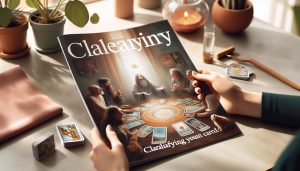
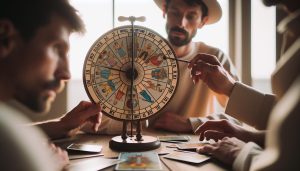
The debate around tarot cards often stirs curiosity and concern, particularly regarding their perceived alignment with good or evil. Many people wonder: Are these mystical cards tools for empowerment or gateways to something sinister? In this exploration, we’ll delve into the religious perspectives that shape opinions on tarot, addressing fears and misconceptions head-on. Understanding these viewpoints can not only alleviate worries but also deepen your appreciation for tarot’s rich history and potential as a tool for insight. Whether you approach tarot with skepticism or an open mind, this discussion invites you to explore the diverse beliefs surrounding these enchanting cards, and perhaps discover a new perspective on their role in personal growth and spiritual exploration.
Is Tarot Perceived as Evil in Different Religions?
Throughout history, the perception of Tarot has varied significantly across different religions and spiritual practices. While some view Tarot as a tool for self-discovery and empowerment, others consider it a source of evil or a path to dark forces. This divide often stems from foundational beliefs within each religion about the nature of divination and spiritual guidance.
In many branches of Christianity, Tarot is often met with skepticism or outright condemnation. The belief that divination is an attempt to seek knowledge outside of God’s will can lead to the notion that Tarot is sinful. Passages from the Bible, such as Deuteronomy 18:10-12, which warns against practices like divination and sorcery, contribute to this negative view. However, there are also Christians who approach Tarot with a sense of curiosity, seeing it not as a tool of evil but rather as a way to engage with one’s intuition and prayer.
On the other hand, Paganism and Wicca often embrace Tarot, viewing it as a sacred tool that connects practitioners to their intuition and the divine. For these spiritual paths, Tarot serves as a means of understanding oneself and the surrounding world. They emphasize the power of intention behind the reading, where the reader’s goals align with their spiritual energies. In this context, Tarot is not perceived as malevolent; rather, it is a source of insight and a way to harness the user’s spiritual abilities.
When exploring how different belief systems interact with Tarot, it’s evident that personal intention plays a crucial role. Understanding that Tarot can be approached from multiple perspectives allows for a more nuanced view. Engaging with Tarot doesn’t necessitate a commitment to any specific religion; instead, it can simply be a personal journey towards self-awareness. Each individual’s background and beliefs shape how they interpret and utilize these cards, demonstrating that Tarot’s essence transcends any single religious doctrine.
Historical Context of Tarot and Its Origins
The origins of Tarot are as layered and intriguing as the cards themselves. Emerging in the late 14th century in Europe, Tarot cards were initially created for playing games rather than for divination or spiritual purposes. Historical evidence suggests that the name “Tarot” originated from the Italian term “tarocchi,” referring to a game played with a deck of specially illustrated cards. These early decks featured elaborate artwork and complex symbolism, reflecting the cultural and philosophical ideas of their time.
Over the centuries, Tarot evolved from its gaming roots into a tool for divination and self-reflection. By the 18th century, occultists began to incorporate Tarot into their practices, attributing mystical and esoteric meanings to the cards. The process of assigning meaning to the cards was significantly influenced by the Kabbalah, astrology, and alchemy, transforming Tarot into a system used for exploring the human psyche and spiritual growth. This shift marked a profound change in how Tarot was perceived, leading to its association with fortune-telling and the mystical arts.
Today, Tarot is celebrated not only for its rich symbolism and artistic designs but also for its capacity to encourage introspection and personal growth. Many practitioners view the cards as mirrors reflecting their inner thoughts, feelings, and situations. When engaging with Tarot, the reader’s intention plays a pivotal role in the interpretation of the cards, allowing for a deeply personal and transformative experience. Whether faced with questions about love, career, or personal challenges, each card drawn can provide insight and guidance tailored to the individual’s unique journey.
By understanding its historical context, we can appreciate how Tarot cards have transitioned from playful pastimes to revered spiritual tools. This evolution invites us to explore our own relationship with the cards, regardless of our prior beliefs about their nature. Tarot is accessible to everyone, inviting both skeptics and supporters to discover the insights it can offer.
Common Misconceptions About Tarot Cards
There’s a common belief that Tarot cards are inherently linked to dark arts or negative energies, which often intimidates those unfamiliar with them. This misconception stems largely from cultural depictions of Tarot in movies or literature, where cards are frequently associated with sinister outcomes or foreboding messages. However, it’s essential to understand that Tarot is not about predicting doom but rather serves as a reflective tool that offers guidance and insight into one’s personal journey.
Many people think Tarot cards are only for fortune-telling or that they possess mystical powers independently. In reality, the true power of Tarot lies in the reader’s interpretation and the person’s willingness to engage with their own thoughts and feelings. Each card has a range of meanings which can signify obstacles, opportunities, or personal truths, depending on the context of the reading and the intention behind it. For instance, pulling the Death card, often feared for its grim imagery, can actually represent transformation and change rather than literal death. This nuanced understanding encourages users to see the cards as prompts for self-exploration rather than as predestined outcomes.
Another prevalent misconception is that Tarot readings are merely a way to predict the future, which can deter skeptics. In truth, the cards can help illuminate current situations and guide individuals toward decision-making based on their own feelings and values. For someone seeking advice on a relationship, a Tarot spread might reveal underlying themes or emotional blockages that require attention, facilitating healing and understanding.
Finally, the idea that Tarot is exclusively a practice for mystical or occult practitioners can alienate many who might benefit from it. Tarot is inherently versatile and accessible to anyone willing to delve into their inner self. Just as one might use journaling or meditation for personal clarity, Tarot provides a framework for that same exploration. Whether one approaches it from a psychological, spiritual, or practical perspective, the key lies in setting a positive intention and being open to the insights that arise. By dispelling these myths, we can foster a more inclusive understanding of Tarot, encouraging both skeptics and believers to engage with this rich and dynamic tool.
The Role of Intention in Tarot Reading
The energy and outcome of a Tarot reading are deeply influenced by the reader’s intention, transforming the experience from a simple card draw into a meaningful exploration of one’s psyche. Setting a clear intention before beginning a reading can help clarify what you hope to achieve-be it understanding a personal dilemma, seeking clarity on a relationship, or navigating a career decision. This foundational step acts as a compass, guiding the reading toward insights that resonate personally rather than abstract predictions.
When you approach Tarot with intention, you embody a powerful mindset that aligns your subconscious with the messages of the cards. For instance, if your aim is to uncover self-sabotaging patterns in your career, you might focus on specific questions such as, “What blocks my progress?” As you shuffle and select cards, your focused energy helps to channel relevant insights. Each card drawn in this context, such as the Eight of Swords, could offer guidance on mental limitations, urging you to recognize and confront fears that restrain you.
Practical Steps for Setting Intention
- Define Your Purpose: Before starting, take a moment to reflect on what you want to learn from the reading. Write it down if that helps to solidify your focus.
- Create a Sacred Space: Find a quiet area where you feel comfortable. Light a candle or use sage to cleanse the space, signifying your commitment to honesty and clarity.
- Articulate Your Intent: Speak your intention aloud or in your mind. This act empowers the process, inviting clarity to flow freely as you draw cards.
- Be Open and Receptive: Approach the reading with an open heart and mind. Sometimes the cards reveal insights that challenge your preconceptions; being willing to explore these can further enhance personal growth.
Embracing the Journey
Remember: Tarot is a tool for reflection and connection, not a definitive map of your destiny. Whether you are a seasoned reader or just beginning, harnessing the power of intention allows you to delve deeper into your spiritual self and to navigate life’s complexities with greater ease. You are not merely seeking answers; you are engaging in a transformative process that can illuminate your path. Embrace this journey with joy and curiosity, and allow the Tarot to inspire your personal growth and understanding.
Differing Views: Christianity on Tarot Cards
Many people are intrigued by Tarot cards, yet they often grapple with the perceptions surrounding their use, especially within Christianity. To some Christians, Tarot is viewed with skepticism or outright condemnation, primarily due to concerns about divination and its association with occult practices. This perspective is deeply rooted in biblical teachings that warn against seeking knowledge and guidance from sources outside of God. For instance, Deuteronomy 18:10-12 cautions against practices involving divination, sorcery, or consulting the dead, leading some to label Tarot as inappropriate or even evil.
However, a different view develops among more progressive Christians who see Tarot as a psychological tool rather than a means of supernatural insight. They argue that, when used responsibly, Tarot can facilitate self-reflection and personal growth. It’s suggested that the imagery and symbolism of the cards can stimulate meaningful conversations about one’s life, experiences, and choices. This approach echoes the sentiment that any spiritual practice, when engaged with intention and respect, need not carry negative connotations.
To understand this duality, consider that many Christian traditions emphasize the importance of intention behind actions. Aspects of Tarot can be interpreted in ways that align with Christian values-focusing on self-awareness, compassion, and understanding the complexities of human life. For example, a card such as the Lovers can prompt discussions about love, partnership, and personal values, inviting deeper connections with oneself and others rather than steering one away from divine guidance.
Ultimately, the views on Tarot within Christianity vary greatly, reflecting a spectrum of beliefs and interpretations. This diversity invites individuals to explore their own spirituality and consider how tools like Tarot might enhance their journey, rather than detract from it. Whether approached with skepticism or curiosity, it’s essential to engage with these practices thoughtfully and respectfully, allowing for personal beliefs to guide one’s interpretation and use of Tarot.
Exploring Pagan and Wiccan Perspectives
The interplay between Tarot and Pagan or Wiccan perspectives reveals a rich tapestry of meanings and uses. Contrary to the misconceptions that label Tarot as a tool of darkness or evil, many within the Pagan and Wiccan communities embrace it as a powerful resource for divination and self-discovery. For these practitioners, Tarot is not merely a collection of cards; it is a bridge to deeper spiritual understanding and personal empowerment.
In Wicca, Tarot cards are often viewed as symbolic representations of the universal forces at play in our lives. Each card resonates with different energies and archetypes, fostering a connection to the divine and nature. Practitioners can use Tarot to explore personal questions, gain insights into their spiritual path, or reveal the hidden influences surrounding a situation. A simple spread, such as a three-card layout, can serve various purposes-past, present, future; mind, body, spirit; or even situation, action, outcome-inviting clarity and perspective.
Intention and Interpretation
Integral to the practice of Tarot in these spiritual traditions is the notion of intention. When approaching a reading, it’s emphasized that the mindset and purpose behind the question shape the experience. Those who utilize Tarot in a Wiccan context often set a sacred space, light candles, and call upon the elements or deities for guidance. This intentional practice transforms the reading into a ritual, where the cards become vessels of personal wisdom, rather than mere fortune-telling devices.
Moreover, common themes found in the Tarot resonate deeply with Wiccan principles, such as balance, harmony, and respect for all beings. For instance, the Empress card symbolizes abundance and nurturing, echoing the reverence for nature and fertility prevalent in many Pagan beliefs. Through these connections, individuals are encouraged to see Tarot as a path toward self-empowerment and personal growth, steering away from the fear and negativity sometimes associated with its use.
Ultimately, as with any spiritual tool, the beauty of Tarot lies in its versatility. Both skeptics and believers can find value in its practice, using it to enhance their intuition and foster self-reflection. Embracing Tarot within a Wiccan or Pagan framework can demystify its complexities, transforming it into a practical and profound component of one’s spiritual journey. By engaging with Tarot authentically, individuals can carve out their unique paths, empowering themselves to weave the insights gained into their everyday lives.
The Intersection of Tarot and New Age Beliefs
In the vibrant tapestry of spiritual exploration, Tarot cards occupy a unique niche that resonates strongly with New Age beliefs. These cards are often seen through the lens of personal empowerment, self-discovery, and connection to the universe. For many practitioners, Tarot is not merely a tool for divination; it’s a powerful means of tapping into intuition and fostering spiritual growth. This paradigm invites individuals-regardless of their beliefs-to embrace Tarot as a compassionate guide rather than an ominous tool of prophecy.
The Emphasis on Personal Experience
Central to New Age philosophy is the idea that individuals are responsible for creating their own realities. This perspective aligns perfectly with the practice of Tarot, where the readings are often interpreted as reflections of one’s inner thoughts, feelings, and situations. Here are some common ways Tarot is integrated into New Age beliefs:
- Intuitive Readings: Many New Age practitioners view Tarot readings as a dialogue with one’s higher self or intuition. Instead of seeking definitive answers, users learn to interpret the cards in ways that resonate with their current life circumstances.
- Manifestation Tools: Tarot can serve as a visual aid for manifestation practices. By focusing on specific cards that embody goals or outcomes-like the Sun for joy and success-individuals align their energies towards achieving those desires.
- Mindfulness and Reflection: Engaging with Tarot encourages a reflective practice. Pulling cards and contemplating their meanings can ground individuals and help them process emotions, making it a valued resource for mindfulness.
The dynamic interaction between the querent (the person asking the question) and the cards transforms each session into a unique spiritual experience. As participants become more proficient, they can customize their spreads and question formats, enhancing their connection with the practice.
Practical Techniques for Integration
To fully embrace Tarot within a New Age framework, consider these practical techniques:
- Create a Sacred Space: Designate a quiet area for your readings. Incorporate items that hold personal significance-crystals, candles, or images that inspire you.
- Set Intentions: Before drawing cards, take a moment to breathe deeply and set a clear intention. This might be a question you want to explore or an area of your life you wish to gain insight into.
- Explore Different Spreads: Start with a simple three-card spread to explore past, present, and future related to a specific issue, then gradually move to more complex layouts as you feel comfortable.
- Keep a Tarot Journal: Document your readings and interpretations. Over time, this journal can reveal patterns, aiding in further personal growth and understanding.
By fostering an open and respectful discourse around Tarot, New Age practitioners can help demystify this ancient practice. It’s essential to approach Tarot without preconceived notions of good or evil; instead, consider how it can serve as a valuable ally on one’s spiritual journey.
Skeptics vs. Believers: A Diverse Dialogue
In the world of Tarot, the divide between skeptics and believers can often spark vibrant discussions, each perspective shedding light on the multifaceted nature of these cards. Believers typically see Tarot as a portal to greater self-awareness and spiritual insight. They approach it with an open heart, using the cards as a mirror to reflect their thoughts, feelings, and life circumstances, creating a meaningful dialogue with their higher selves. For example, a simple three-card spread might reveal past influences, present challenges, and future opportunities, guiding practitioners in their decision-making process. The belief here is that these readings are not just about predicting the future; they are tools for personal growth and empowerment.
Conversely, skeptics often view Tarot through a lens of doubt, questioning its validity as a legitimate practice. They might regard it as mere entertainment or psychological projection, arguing that any insights gained are a result of cognitive biases rather than supernatural forces. This perspective can lead to an interesting critique: while skeptics may dismiss a Tarot reading as coincidence, believers often highlight the profound emotional and psychological shifts that can occur during a session. For instance, a skeptic attending a reading might initially see it as frivolous, yet they might find unexpected clarity or personal insight from the experience, potentially softening their stance.
The dialogue between these two camps can be not only enriching but also essential for a holistic understanding of Tarot. It invites individuals to explore their own beliefs without fear of judgment. For those who are skeptical, participating in a Tarot reading might challenge their notions and encourage them to consider the deeper psychological aspects at play. For believers, engaging with skeptics can foster a sense of humility and a reassessment of their practices, ensuring they remain grounded and open-minded.
Ultimately, the conversation about Tarot should be inclusive, inviting people from diverse backgrounds to share their views and experiences. Practitioners can bridge the gap by focusing on the common goal of personal development and spiritual exploration. Whether one sees Tarot as a mystical tool or a psychological device, both perspectives can coexist. By fostering respect and understanding, we can create a space where everyone feels welcome to explore their journey with Tarot, regardless of their initial beliefs.
Understanding Tarot as a Tool for Self-Reflection
In the journey of self-discovery, many individuals find that Tarot cards serve as a powerful tool for reflection and insight. Unlike other forms of divination, Tarot invites users to engage deeply with their own thoughts and feelings, often leading to profound revelations about their inner worlds. At its core, Tarot is not about fortune-telling but about facilitating conversations between the subconscious and the conscious mind. A single card can evoke memories, fears, or hopes, encouraging you to confront aspects of your life you may not typically acknowledge.
To utilize Tarot effectively for self-reflection, consider starting with a simple spread-perhaps a three-card layout that represents your past, present, and future. Each card holds significant meanings. For example, drawing the Two of Swords might suggest emotional indecision, prompting you to evaluate conflicting feelings in your life. By interpreting what each card reflects about your experiences, you can unlock insights that illuminate your path forward. Here’s a basic outline to get started:
- Choose a quiet space: Find an environment where you feel comfortable and free from distractions.
- Set your intention: Think about what you want to gain from the reading. Are you seeking clarity on a particular issue, or simply looking for overall guidance?
- Shuffle and draw: As you shuffle the cards, focus on your intention. When you feel ready, draw your cards thoughtfully.
- Reflect on their meanings: Take time to consider how each card relates to your life context, emotions, and thoughts.
Through this process, Tarot acts as a mirror, reflecting aspects of yourself that may need attention. Rather than viewing your cards as prophetic, see them as stepping stones for deeper understanding. Each reading can reveal not just the complexities of your current situation but also illuminate potential avenues for growth and change.
It’s important to approach Tarot with an open mind and heart, whether you align with spiritual beliefs or remain a skeptic. Many find that engaging with Tarot sparks creativity and clarity, often leading to breakthroughs in personal challenges. By inviting this tool into your life, you are not invoking anything sinister; instead, you are embracing an opportunity for personal development and introspection. This practice encourages both self-acceptance and the courage to face fears, reminding us that reflection often leads to empowerment.
How Tarot Can Empower Personal Growth
Engaging with Tarot can lead to profound personal growth, offering insights that illuminate one’s path in life. Beyond its association with fortune-telling, Tarot serves as a powerful tool for self-exploration and empowerment. By utilizing its imagery and meanings, individuals can delve into their subconscious mind, confront unresolved issues, and recognize patterns in their lives that may be holding them back.
One of the most effective ways to harness Tarot for personal growth is through intentional card draws. For example, using a three-card spread-representing your past, present, and future-can help clarify your journey. In this scenario, drawing the The Tower for the past may indicate past upheaval that shaped your current situation. In contrast, The Star in the present position might signal hope and renewal, suggesting that healing is underway. Meanwhile, a card like The Empress in the future position could embody themes of creativity and abundance. This approach encourages deeper reflection, allowing you to see how your experiences affect your ongoing narrative.
Practical Steps to Empower Yourself with Tarot
To effectively use Tarot for personal empowerment, consider the following steps:
- Create a Safe Space: Find a quiet, relaxing environment where you feel comfortable engaging with your cards.
- Set Clear Intentions: Before beginning, take a moment to reflect on what you hope to gain from your reading. Are you looking for guidance on a specific issue or seeking to understand your feelings better?
- Engage with the Cards: As you shuffle and draw the cards, allow your intuition to guide you. Focus on your intentions while being open to the messages that arise.
- Reflect on the Insights: Once you lay out your cards, take time to contemplate their meanings and how they relate to your life. Journaling your thoughts can enhance clarity and retention.
When you approach Tarot with curiosity rather than fear, it becomes a gateway for exploring your inner self. This transformative method not only fosters personal awareness but also cultivates resilience. Each reading invites you to examine your life’s complexities and opens pathways toward self-acceptance and actionable change. By embracing the guidance of Tarot, individuals can reclaim their narrative and empower themselves to navigate life’s challenges with confidence.
Addressing Fear: Overcoming Misunderstanding of Tarot
Many individuals feel apprehensive about Tarot, often viewing it through a lens of fear and misunderstanding. These feelings stem from a variety of sources, including cultural myths, religious teachings, and personal experiences. However, it’s essential to unpack these narratives and approach Tarot with a fresh perspective-one that embraces it as a tool for introspection and personal growth rather than a conduit for evil or misfortune.
One effective strategy for overcoming fear is to educate yourself about the origins and purposes of Tarot. It began as a card game in the 15th century and has evolved into a medium for self-reflection and guidance. The imagery and symbols found in Tarot cards are rich in meaning, offering insights into various life situations. For instance, drawing the card The Fool can signify new beginnings and innocence, urging you to take a leap of faith in your journey. Understanding the positive potentials in Tarot readings can significantly diminish apprehension and open the door to deeper exploration.
It’s also crucial to look at the role of intention when working with Tarot. When you approach a reading with curiosity and purpose, it transforms from a superstitious endeavor into a personal enrichment exercise. Setting clear intentions before a reading can guide the energies and help focus on specific areas of your life that you wish to explore. This intentional approach turns the cards into mirrors reflecting your inner landscape, allowing you to confront fears and gain clarity rather than inviting negativity.
Engaging with a community can further alleviate fear surrounding Tarot. Sharing experiences with others, whether they’re seasoned practitioners or newcomers, fosters a supportive environment. Consider joining a local group or online forum where members can discuss their experiences and learn together. This communal spirit not only demystifies Tarot but also encourages a nurturing atmosphere where questions can be asked freely without judgment.
Lastly, remember that it’s perfectly okay to feel uncertain. Embrace your feelings as part of the journey into self-discovery. With patience and practice, you’ll find that Tarot can become a trusted friend and advisor, guiding you through life’s complexities with insight and clarity. By actively addressing fear and misunderstanding, you can unlock the transformative potential of Tarot and step confidently into a space of self-empowerment.
Exploring Spiritual Ethics in Tarot Readings
Ethics in Tarot readings is an essential topic that can help dispel the notion of Tarot being an evil practice. At its core, Tarot is a tool for self-reflection and empowerment. The ethical dimension of Tarot is rooted in the intention behind its use, the respect for the client’s autonomy, and a commitment to compassionate guidance. Recognizing this ethical framework can transform the experience from a feared practice into a deeply meaningful exchange.
To navigate the spiritual ethics of Tarot, practitioners should prioritize a few key principles:
- Confidentiality: Respect for the privacy of clients is paramount. Whether reading for ourselves or others, maintaining confidentiality ensures a safe space for exploration.
- Integrity: Accurate and honest readings should be the goal, avoiding manipulation or misrepresentation of the cards. This means being straightforward about the insights derived from the cards while also respecting the client’s interpretations.
- Autonomy: Clients should feel empowered to make their own decisions. A good Tarot reading encourages reflection rather than dictating choices. It’s vital to present options and potential outcomes without imposing personal beliefs.
- Compassion: Approach every reading with a kind heart. Understand that clients often come to Tarot for support during challenging times. Providing a nurturing space for these discussions is essential.
Ensuring ethical practices in Tarot also means being aware of the diverse beliefs and backgrounds of those seeking guidance. This sensitivity fosters an inclusive environment where questions about the practice can be addressed without judgment. Newcomers might have apprehensions or preconceived notions about Tarot drawn from cultural or religious contexts, and a respectful dialogue can open minds to transformational experiences.
Practitioners can deepen their commitment to ethical Tarot by reflecting on their own intentions and motivations before each reading. Setting a clear intention to provide genuine insights can enhance the reading experience for both the reader and the client. By prioritizing ethics, Tarot can emerge as a supportive tool for personal growth rather than a source of fear or misunderstanding, transforming how both skeptics and believers perceive its role in spirituality.
Frequently asked questions
Q: Are Tarot cards considered a form of black magic?
A: No, Tarot cards are not inherently associated with black magic. Many view Tarot as a tool for self-reflection or guidance rather than sorcery. The interpretations depend largely on the reader’s intention, which can steer the experience towards positivity or negativity, reflecting personal belief systems.
Q: How do different religions view Tarot cards?
A: Religious perspectives on Tarot vary significantly. While some see it as a source of divination that contradicts spiritual beliefs, others appreciate it as a tool for personal insight. Understanding these views can help navigate the diverse opinions surrounding Tarot, as explored in your article’s section on religious interpretations.
Q: Can Tarot readings be harmful to one’s spiritual health?
A: Tarot readings themselves are not harmful; however, the context and the reader’s approach matter. A negative or fear-based reading can impact mental well-being. Engaging with Tarot positively, focusing on empowerment and clarity, promotes spiritual health.
Q: Is it a sin to use Tarot cards according to Christianity?
A: Christian views on Tarot vary. Many denominations caution against Tarot, considering it linked to fortune-telling, which is frowned upon. However, others see no harm if used for personal guidance. It’s important to align usage with one’s faith and personal conviction.
Q: What should I consider before getting a Tarot reading?
A: Before a Tarot reading, reflect on your intentions. Clarify what you hope to gain, whether insight on a particular situation or general guidance. Approach the session with an open mind, ready for self-reflection, which can facilitate a more meaningful experience.
Q: How can I choose a responsible Tarot reader?
A: Selecting a responsible Tarot reader involves considering experience and ethics. Look for someone who prioritizes your well-being, provides a safe space for exploration, and respects your beliefs. Recommendations and reviews can help find a trusted reader.
Q: Can Tarot cards connect to spiritual forces?
A: Many believe Tarot can create a connection to spiritual energies, but interpretations differ widely. Some view it as a channel for intuition and inner guidance, while others see it as divinely inspired insight. Exploring these aspects can enrich your understanding of Tarot’s potential.
Q: How can one overcome the fear of using Tarot cards?
A: To overcome fear of Tarot, start with education and personal experience. Familiarize yourself with the cards, their meanings, and various reading styles. Try simple readings focused on self-reflection to build confidence. Remember, Tarot is about guidance, not prediction or fate.
In Retrospect
As we’ve explored, the question of whether tarot cards are evil varies greatly across different religious perspectives. Understanding the nuances can empower you to make informed personal choices about your tarot journey. Whether you’re curious about accurate card interpretations or how to set intentions for your readings, we have a wealth of resources to support your exploration.
If you’re ready to dive deeper, check out our comprehensive guides on tarot basics and how to interpret card spreads for beginners. Be sure to subscribe to our newsletter for insightful tips and exclusive readings that can enrich your understanding of tarot. And if you have lingering questions or thoughts, we encourage you to comment below-your journey matters, and sharing insights fosters a community of learning. Remember, tarot is a tool for reflection and empowerment; it’s not about right or wrong, but about personal growth.