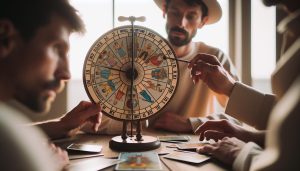
For many, tarot cards evoke a sense of mystery and intrigue, yet they also raise profound questions about morality and spirituality. “Is Tarot Evil? Breaking Down the Religious Controversy” explores the tensions between traditional beliefs and modern spiritual practices surrounding tarot reading. This topic is crucial not only for tarot enthusiasts but also for anyone grappling with the juxtaposition of ancient wisdom and contemporary interpretations of faith.
As you delve deeper, you’ll uncover how different cultures view tarot, the historical contexts that shape its practice, and the transformative potential it holds for self-discovery and personal growth. Whether you’re a skeptic or a believer, understanding its complexities can empower you to navigate your spiritual journey with confidence and clarity. Join us in examining these controversies and enriching your perspective on tarot – an art that has captivated hearts and minds for centuries.
Is Tarot Really Evil? Understanding Common Myths
Many people have misgivings about tarot, often viewing it through the lens of superstitions or cultural beliefs that paint it as something malevolent. However, the reality is far more nuanced. Tarot is a tool-much like a mirror that reflects our inner thoughts and feelings back to us. It’s not inherently good or evil; rather, it serves as a means for self-exploration and insight.
Understanding common myths surrounding tarot is crucial in dispelling the idea that it is a tool of darkness. One prevalent myth is that tarot cards are associated with witchcraft or occult practices that summon negative energies. In reality, tarot has historical roots in various cultures and can be viewed as a psychological tool for introspection rather than something sinister. For many, tarot reading is a practice of empowerment, encouraging individuals to tap into their intuition and clarify their aspirations and fears.
When engaging with tarot, it’s vital to approach it as a form of self-care and personal development. Practicing tarot can be reflective and insightful. For instance, a beginner might start with a simple three-card spread, focusing on the past, present, and future. This practice allows users to explore their circumstances and feelings without judgment. Additionally, tarot can foster community among those who seek guidance, encouraging open discussions and sharing of experiences.
In essence, tarot can be perceived as dark only if one approaches it with fear and negativity. When embraced with openness, it transforms into a powerful ally in one’s spiritual journey. This shift in perception allows anyone-whether a skeptic or a believer-to benefit from the wisdom found in these cards, ultimately emphasizing that what matters most is the intention behind their use.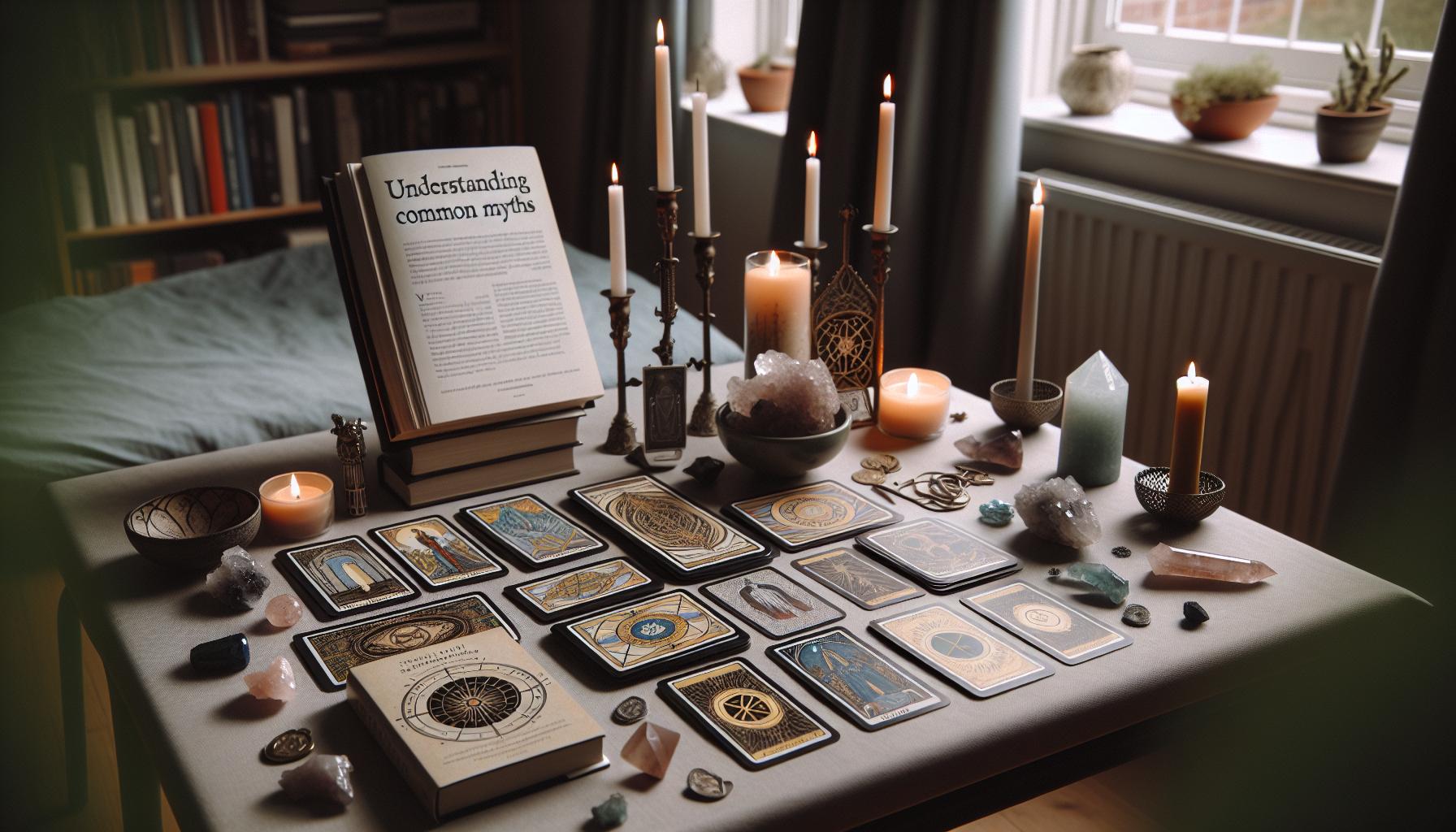
The Origins of Tarot: History and Beliefs
The history of tarot is as rich and multifaceted as the imagery on its cards. Emerging in the 15th century, tarot cards were originally crafted for playing games in Europe, long before they became tools for divination and spiritual insight. Early decks featured lavish illustrations and were often associated with the elite, revealing their cultural significance as art forms. Over time, in the 18th century, tarot evolved into a mystical exercise, intertwining with esoteric beliefs and spiritual practices, particularly through figures like Antoine Court de Gébelin who linked tarot to ancient Egyptian wisdom. This picturesque history shows that tarot is not a monolith but a tapestry woven from various cultural threads, raising the question of whether it can indeed be deemed “evil.”
Historically, many have viewed tarot through the lens of superstition, associating it with the occult or negative energies. This negative perception often stems from misunderstandings or the misuse of tarot, rather than its origins or intended purpose. In truth, tarot is celebrated in many cultures as a means of reflection, offering insights into personal dilemmas and life directions. The cards symbolize archetypes of human experience, such as love, conflict, and triumph-serving as mirrors that reflect our inner worlds rather than portals to darkness.
Understanding these origins allows us to embrace tarot as a vehicle for personal growth and spiritual connection. For many practitioners, tarot is a way to navigate life’s complexities, encouraging self-inquiry and mindfulness. When you approach the cards with an open mind and heart, they can become powerful allies in your journey, nurturing intuition and enhancing self-awareness. In each reading, whether you’re drawing the Empress to explore themes of creation or the Tower to confront upheaval, your intention shapes the experience, transforming tarot from a tool of fear to one of enlightenment.
In examining tarot’s place within spiritual traditions, it’s clear that the cards can foster meaningful connections regardless of one’s religious beliefs. Many incorporate tarot into their practice alongside meditation, journaling, or community discussions, finding that these cards enrich their spiritual lives. By shedding the shackles of misconceptions, we can reclaim tarot as a pathway to understanding ourselves and the universe-a perspective that can resonate with believers and skeptics alike. Ultimately, the heart of tarot lies not in its historical roots or religious debates, but in the personal insights it can help us uncover and the wisdom it can encourage us to embrace.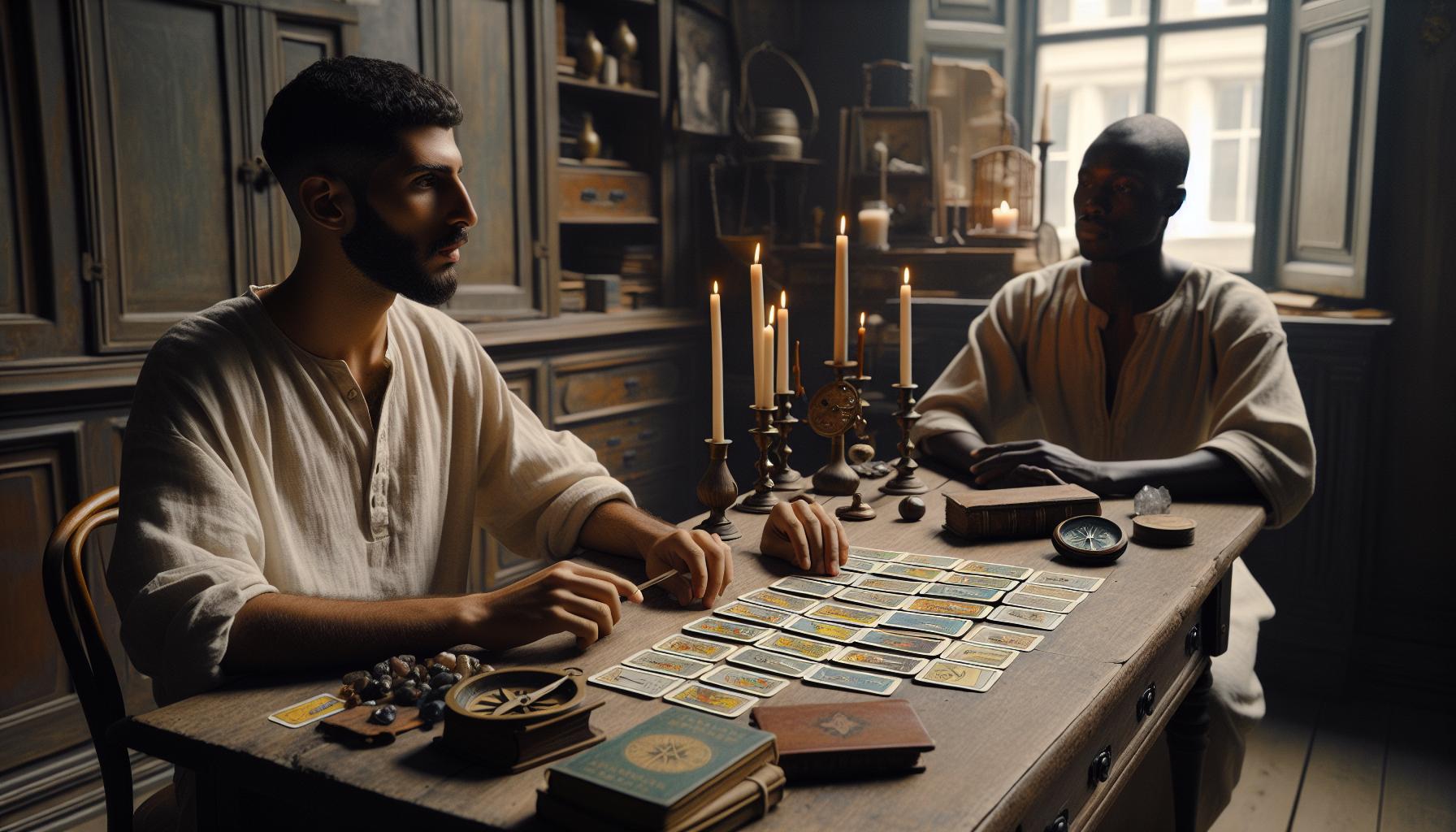
Different Perspectives: Religion and Tarot Compatibility
Exploring how tarot fits into various religious frameworks reveals a complex landscape ripe with interpretation and acceptance. Many spiritual paths are not mutually exclusive; rather, they often weave together a rich tapestry of beliefs. Practitioners from diverse faiths engage with tarot in ways that reflect their unique doctrines, leading to a more personal and inclusive approach to spirituality.
For those in the Christian faith, tarot can be seen as a tool for introspection rather than divination. Some practitioners view the cards as a way to provoke thought and prayer, using them as prompts to reflect on biblical teachings and personal growth. By focusing on the messages of love, hope, and understanding present in the cards, individuals can find alignment with their spiritual practices. A common approach among Christian tarot users involves drawing cards that resonate with their current life experiences, encouraging them to seek divine guidance without esoteric connotations.
In contrast, practitioners of New Age philosophies often embrace tarot as a vehicle for universal consciousness. This view situates tarot within a broader spectrum of holistic practices that encompass meditation, energy healing, and mindfulness. Here, the cards are not just symbols but gateways to deeper understanding and connection, allowing users to tap into their intuition and the energies around them. Such practitioners may integrate tarot readings into their meditation sessions, using the cards to guide their intentions and explore inner narratives.
H3: Embracing a Pluralistic Approach
The compatibility of tarot with various religions is underscored by a pluralistic perspective that encourages respect and appreciation for differing beliefs. Many potential users of tarot grapple with the fear of judgment from their religious communities. However, adopting a mindset that appreciates the personal significance and positive outcomes of tarot practices can foster acceptance.
Ultimately, the key lies in the individual’s approach. When used with intention, tarot can serve as an empowering and enlightening practice across many spiritual landscapes. Whether drawing cards for guidance, clarity, or reflection, the essential element is the connection one forges with the spiritual insights offered. This capability transforms tarot from a source of skepticism into a meaningful tool for personal enlightenment-regardless of one’s religious background.
By acknowledging tarot’s potential as a spiritual aid rather than a source of fear, both skeptics and believers can explore its benefits in a way that respects their own beliefs while embracing the quest for personal growth and understanding.
Debunking the Stigma: Tarot’s Place in Spirituality
Many people initially approach tarot with hesitation, having heard warnings about its supposed dangers or negativity. However, such fears often stem from misconceptions and cultural stigmas. Tarot is not about predicting doom or invoking dark forces; rather, it serves as a powerful tool for self-reflection, insight, and connection to the deeper layers of the human experience.
Understanding tarot’s role in spirituality starts with recognizing its potential as a facilitator of personal growth. Each card in the deck is imbued with symbols and stories that echo our life experiences, allowing readers to explore their thoughts, feelings, and circumstances in a structured way. For instance, drawing the Two of Cups may prompt an individual to consider their relationships, fostering dialogue about love, connection, and partnership. This encourages users to engage with the cards as mirrors reflecting their inner worlds, rather than as mystical portents of fate.
It’s also crucial to acknowledge the practitioners who infuse tarot with positive intent. Many approach tarot as a form of guidance and self-discovery, integrating it within their spiritual practices. This perspective transforms tarot into a sacred ritual, where cards prompt introspection and action based on personal insights. Whether it’s journaling after a reading or meditating on a specific card’s message, these practices can cultivate mindfulness and clarity in one’s life.
For those concerned about the ethical implications of tarot, it’s worth emphasizing that responsible reading requires a commitment to integrity and respect for the client’s autonomy. Ethical tarot readers often encourage those seeking guidance to use the insights provided as tools for empowerment rather than prescriptions of fate. This approach nurtures a supportive and non-judgmental space where clients can explore their truths and potentials.
In this context, tarot shines not as a divisive tool of superstition but as an inclusive practice that resonates across different belief systems and promotes greater self-awareness. By demystifying tarot and focusing on its ability to offer comfort and clarity, individuals can embrace it as a valuable component of their spiritual toolkit, free from the stigma that typically surrounds it.
Personal Growth Through Tarot: Not Just Fortune-Telling
Exploring tarot as a means for personal growth can be both enlightening and transformative. Often, those who first approach tarot may associate it solely with fortune-telling, perhaps envisioning a mystic gazing into a crystal ball or foreseeing one’s fate with dread. However, at its core, tarot serves as a rich tapestry of symbols that invites self-exploration and personal insight. Each card is a doorway, leading you to deeper understanding and reflection about yourself and your life’s journey.
When you draw a card-let’s say the Three of Wands-it invites questions: What are my aspirations? What potential opportunities lie ahead? This card doesn’t foretell a specific event but encourages you to contemplate your future, assess your readiness to embark on new adventures, and recognize the support available to you. You can jot down your thoughts, meditate on the card’s imagery, or even discuss its implications with a friend. This process amplifies self-awareness and nurtures personal growth, emphasizing that the power lies not in predetermined outcomes, but in your choices and readiness to adapt.
Moreover, incorporating tarot into your life doesn’t require you to identify as a spiritual seeker or mystic. It can be as simple as setting aside time each week for a personal reading-a ritual that fosters mindfulness and clarity. For beginners, starting with a single card draw can be less intimidating. Simply choose a card and inquire what it might reveal about your current emotions or challenges. Over time, as you become familiar with the card meanings, you will begin to notice patterns in your readings that resonate with your experiences, nurturing an intuitive understanding that empowers decision-making.
Developing this connection with tarot can also encourage you to challenge limiting beliefs. If you encounter a card like the Eight of Swords, which often symbolizes feeling trapped or restricted, use it as an opportunity to investigate your own obstacles. Ask yourself what beliefs or fears might be holding you back. This reflective practice transforms tarot into a tool for empowerment rather than mere divination, aligning perfectly with the notion that it can facilitate personal growth rather than predict a set course for your life.
Embrace tarot as an avenue for insight and self-discovery, and you’ll find that it can be a nurturing guide on your journey, regardless of your initial fears or beliefs about its associations with superstition or magic. By engaging with tarot, you foster a unique relationship with the cards that emphasizes self-reflection, encourages mindfulness, and ultimately leads to personal transformation.
The Dark Side of Tarot: Misconceptions and Realities
Many people harbor misconceptions about tarot, largely fueled by cultural narratives and personal beliefs that paint it as ominous or inherently malevolent. Yet, this perception often stems from a misunderstanding of what tarot truly represents. At its essence, tarot is a tool for reflection and self-discovery rather than a portal to dark forces. Engaging with tarot can be a deeply personal and spiritually enriching experience, encouraging individuals to explore their thoughts, emotions, and life paths.
Understanding the Misconceptions
- Tarot as a tool for predicting doom: It’s a common myth that tarot cards are instruments of foreboding, leading to unavoidable fate. In reality, most tarot readings focus on what is currently influencing a person’s life rather than predicting specific events in a deterministic manner. Each card drawn can serve as a prompt for introspection rather than a prophecy.
- The association with witchcraft and the occult: Tarot’s historical ties to mysticism and the occult contribute to its dark reputation. However, many practitioners approach tarot from a psychological or philosophical perspective, using it as a method for exploring internal landscapes and fostering personal insight.
- The fear of malevolent spirits: Some believe that tarot invites malicious energies into their lives. While it’s wise to maintain an awareness of one’s environment and intentions, using tarot can be a safe practice when approached with an open heart and a clear mind. It’s essential to establish protective rituals and affirmations that resonate with your beliefs.
Redefining Reality
The truth is that tarot can serve as a compassionate guide through life’s complexities. For instance, drawing the Judgment card can signify a time of renewal and self-evaluation, urging you to reflect on your past and make conscious choices for a better future. This card can inspire motivated action rather than engender feelings of fear.
Implementing tarot as a reflective practice can empower individuals to confront their limitations and embrace change. For beginners, a simple practice could involve a one-card draw aimed at understanding current challenges. This encourages personal dialogue and shifts the narrative from external predictions to internal clarity and growth.
Recognizing these misconceptions is vital in creating a safe space for tarot practice. By approaching tarot with curiosity and openness, individuals can harness its potential as a tool for empowerment, healing, and profound personal transformation. Whether you’re a skeptic or a believer, engaging with tarot can uncover layers of self-awareness that enrich your life journey.
Separating Fact from Fiction: Science and Skepticism
Tarot often sits at the intersection of skepticism and spirituality, prompting many to question its validity, especially from a scientific standpoint. Critics frequently label tarot as mere superstition, dismissing it as a tool unable to provide meaningful insights. However, a closer examination reveals that while tarot may not fit within traditional scientific methodologies, it offers a unique framework for personal exploration. Rather than attempting to predict an unchangeable future, tarot encourages introspection, prompting users to reflect on their choices, emotions, and life circumstances.
Scientific skepticism often focuses on the lack of empirical evidence supporting tarot’s efficacy. Yet, this argument overlooks a fundamental aspect of human psychology: our capacity for narrative and meaning-making. Engaging with tarot can catalyze self-reflection and discussion. When a person draws a card, such as the Empress, it may evoke thoughts about nurturing, creativity, and feminine power, stimulating dialogue around one’s experiences. This quality of tarot opens avenues for personal growth that align more closely with psychological practices than with cold, hard data.
Additionally, the effectiveness of tarot may also be highlighted through the lens of cognitive psychology. For instance, the confirmation bias can lead individuals to perceive the outcomes of tarot readings in ways that affirm their pre-existing beliefs or desires. Thus, if someone seeks guidance in a difficult relationship and draws the Two of Cups, they may feel encouraged to confront issues nurturing their connection, illustrating the reading’s influence even if not directly measurable. This subjective experience is critical, as personal insights can lead to tangible changes in behavior and outlook.
For those skeptical yet curious about incorporating tarot into their lives, starting with simple practices can be enlightening. Begin with a single card draw, asking a question or focusing on a specific area of life. Take note of the thoughts and emotions that arise from the card drawn, and reflect on how these insights may correlate with current circumstances. This intuitive process cultivates a deeper understanding of oneself, transcending the question of tarot’s mystical origins and focusing instead on its capacity for fostering personal transformation.
Exploring the Ethical Use of Tarot Reading
When it comes to tarot reading, the path toward ethical practice is both profound and pivotal. While many may equate tarot with taboo, understanding its ethical use can shift perspectives and foster integrity in the practice. Tarot, at its core, is a tool for reflection and exploration, and with this comes the responsibility to ensure that its use benefits both the reader and the querent.
One essential principle of ethical tarot reading is consent. A reading should never be conducted without the querent’s explicit permission. This respect for autonomy sets a tone of dignity and openness. Clear communication about the reading process and what to expect can also alleviate fears and enhance trust. For instance, a reader might explain that tarot provides insights into ongoing situations rather than predicting a definitive future, allowing querents to approach the experience with informed openness.
Another vital aspect is the intention behind a tarot reading. Readers must be aware of their motivations and the energy they bring into the session. Are they seeking to empower the querent or merely entertain? The intention should always align with facilitating growth and understanding. For example, if a querent seeks guidance on a tumultuous relationship, the reader can focus on empowerment by encouraging the querent to explore their feelings and potential paths forward, rather than simply reinforcing fears or anxieties.
Moreover, ethical readers should remain sensitive to the psychological dimensions of their practice. Tarot can invoke deep emotions, and how a reader interprets the cards can influence the querent’s mindset. It’s essential to approach each reading with compassion and mindfulness, recognizing that the cards are reflections of inner journeys rather than absolute truths. Using imagery and symbolism, the reader can invite querents to find personal meaning in their experience, supporting their journey rather than dictating it.
Lastly, the practice of tarot should be inclusive and respectful. Readers should acknowledge the diverse ways in which individuals may connect with spirituality and ensure they honor varying beliefs. This approach not only broadens the appeal of tarot but also fosters a safe space where everyone can explore their intuition and insights without fear of judgment. Overall, ethical tarot reading is about nurturing self-discovery and fostering relationships based on respect, intention, and understanding.
How Tarot Can Foster Spiritual Connection
Engaging with tarot can be a profound way to nurture a spiritual connection, enabling individuals to explore their inner landscapes and the energies around them. Rather than being a tool of divination used to predict the future, tarot serves as a mirror reflecting one’s thoughts, feelings, and spiritual questions. This unique aspect of tarot invites participants, whether they are skeptics or devout believers, to engage in meaningful self-reflection and spiritual dialogue.
When using tarot as a spiritual practice, consider these key approaches:
Intuitive Exploration
Start by selecting a tarot spread that resonates with your current spiritual inquiry or challenge. For example, a simple three-card spread can provide insights into past influences, present situations, and future possibilities. Each card drawn can trigger personal associations and intuitive insights, fostering a deeper understanding of one’s spiritual journey. Remember, there are no right or wrong interpretations; it’s about what each card means to you in your current context.
Creating a Sacred Space
Set a quiet, comfortable environment for your tarot reading. This could involve lighting a candle, burning incense, or playing soft music. As you engage with the cards, allow yourself to disconnect from the noise of everyday life. This sacred space enhances your receptivity to spiritual insights and allows for a profound connection with your inner self and the universe around you.
Dialogue with the Cards
Approach each reading as a conversation between you and the cards. Instead of solely seeking answers, ask open-ended questions that invite exploration. For instance, instead of asking, “Will I succeed in my career?” consider framing it as, “What do I need to understand about my career path right now?” This shift in questioning aligns you with the cards’ potential for reflection and growth, deepening your spiritual engagement.
Additionally, integrating daily or weekly card draws into your routine can facilitate an ongoing dialogue with your cards. This practice encourages regular reflection and offers insights into how your spiritual journey unfolds over time.
In essence, tarot encourages not just personal insight, but also a deeper connection to the spiritual aspects of life. By engaging mindfully with the cards, individuals can foster spiritual growth and support, ultimately leading to a more profound understanding of themselves and their place within the universe. Embracing tarot as a spiritual tool cultivates openness and curiosity, allowing for a transformative journey that transcends traditional boundaries of belief.
Tarot Practices from Various Religious Viewpoints
Many people are drawn to tarot as a tool for insight and self-discovery, yet its acceptance varies widely across different religious traditions. Understanding these varied perspectives can help demystify tarot and address the concerns around its use, especially in relation to concepts of good and evil.
In Christianity, tarot often faces skepticism. Many Christians view it as a form of divination, which can conflict with biblical teachings that discourage seeking knowledge through means perceived as occult. However, some believers incorporate tarot into their spiritual practices, emphasizing its potential as a psychological tool for introspection rather than a means to foresee the future. This approach transforms tarot into a supportive resource for understanding personal struggles and spiritual growth, aligning more with the practice of prayer or meditation.
Hinduism presents a more nuanced perspective. Some practitioners see tarot as complementary to their spiritual beliefs, akin to other forms of guidance such as astrology. The rich symbolism of tarot cards can resonate with the Hindu concepts of karma and dharma, offering insights into one’s life path. Many Hindus appreciate the psychological aspects of tarot, viewing it as a way to explore one’s inner world, seek clarity, and reflect on life’s challenges.
In the realm of New Age spirituality, tarot is embraced as a valuable tool for meditation and self-reflection. Many practitioners see it as a way to connect with higher consciousness or universal energies. The cards are often approached as a means to unlock intuition and gain insight into personal challenges, rather than as a means of predicting future events. This perspective invites individuals to create their own meanings and interpretations, promoting a personal journey of spiritual exploration that respects diverse beliefs.
Overall, the intersection of tarot and various religious viewpoints highlights the importance of intention. Whether approached for divination, meditation, or psychological insight, the way tarot is utilized can determine whether it aligns with or contradicts one’s spiritual beliefs. By fostering an open dialogue about tarot’s role in spiritual practices, individuals from all backgrounds can find ways to integrate it into their lives in meaningful and respectful manners.
Tarot Cards as Symbols: Meaning Beyond the Mystical
Every tarot card is a story waiting to unfold, rich with symbolic meanings that resonate with our inner landscapes. The images depicted on the cards function as mirrors to our psyche, reflecting the complex web of human experience. By understanding these symbols, we can unlock deeper insights into our situations and emotions, moving beyond superficial interpretations and finding profound guidance in the tarot.
Take, for example, the card of the High Priestess. Often associated with intuition and the subconscious, this card invites you to trust your inner voice. In a reading, it suggests looking inward for answers rather than seeking external validation. When you encounter this card, consider journaling your thoughts and feelings, allowing the symbolism to guide you through personal exploration.
Similarly, the Three of Cups speaks to celebration, friendship, and community. This card reminds you to cherish your connections, whether through gatherings with friends or support from family. If you draw this card, reflect on your current relationships-are you nurturing them? Take action to strengthen those bonds and celebrate shared joys, integrating the card’s message into your everyday life.
The beauty of tarot lies not just in its mystical aspects but in its capacity to foster self-awareness and growth. Here are some practical steps to engage with tarot symbols meaningfully:
- Keep a tarot journal: Document your readings and the feelings each card evokes. This practice helps track patterns and deepens your understanding over time.
- Use symbols in daily life: Identify how the themes represented by your cards can be applied to your current situations, leading to actionable insights.
- Discuss with others: Sharing interpretations and experiences can uncover new perspectives, enriching your understanding of the cards’ meanings.
Engaging with tarot symbols encourages a dialogue between you and the cards, transforming them from mere divination tools into allies on your journey of self-discovery. By focusing on interpretations that promote understanding and growth, you can demystify tarot, making it accessible for your spiritual practice, whether you’ll just starting or are a seasoned reader. Trust in your intuition as you delve deeper into their meanings, and let each card illuminate your path with wisdom.
Faq
Q: Is Tarot associated with evil or black magic?
A: No, Tarot is not intrinsically linked to evil or black magic. Many people view it as a tool for personal reflection and guidance. It’s essential to approach Tarot with a positive mindset and intent, as its interpretation largely depends on the reader’s perspective. For more on how Tarot fits within spirituality, see our section on Debunking the Stigma.
Q: Can Christians use Tarot cards without compromising their beliefs?
A: Yes, many Christians incorporate Tarot into their spiritual practices. It can be used as a means for introspection and understanding. Each individual’s faith is personal, and those who approach Tarot with an open heart can align it with their beliefs. Explore our section on Different Perspectives for more insights.
Q: What are the psychological effects of Tarot reading?
A: Tarot can have positive psychological effects, such as increased self-awareness and clarity in decision-making. It promotes introspection and can serve as a conversation starter about emotions and life choices. For deeper understanding, read our section on Personal Growth Through Tarot.
Q: Are there any ethical concerns regarding Tarot readings?
A: Yes, ethical concerns exist, particularly around honesty and consent during readings. Readers should always maintain confidentiality and provide clear guidance without overstepping boundaries. Dive into our article on Exploring the Ethical Use of Tarot Reading for more comprehensive guidance.
Q: How can I choose the right Tarot deck for my beliefs?
A: Choosing a Tarot deck boils down to personal preference and resonance with the imagery and themes. Consider decks that reflect your values or interests. Explore various decks online and find one that feels right for your journey. For guidance, visit our section on Tarot Practices from Various Religious Viewpoints.
Q: What misconceptions about Tarot should I be aware of?
A: Common misconceptions include the belief that Tarot predicts the future or has mystical powers over fate. In reality, Tarot is a reflective tool. Understanding how to read cards and interpret meanings can dispel these myths. Check out The Dark Side of Tarot to learn more about these misconceptions.
Q: How can Tarot foster a spiritual connection?
A: Tarot enhances spiritual connection by encouraging mindfulness and reflection on personal experiences. It opens channels for intuition and deeper understanding. For methods of incorporating Tarot into spiritual practice, refer to our section on How Tarot Can Foster Spiritual Connection.
Q: Is there a reputable way to learn Tarot?
A: Yes, there are many reputable resources, including books, workshops, and online courses. Start with beginner guides and practice regularly to build your skills. Our article provides various resources for learning Tarot effectively, initiating your journey with confidence.
Closing Remarks
As we uncover the intricacies surrounding the question, “Is Tarot Evil?” it’s essential to embrace the understanding that tarot can be a profound tool for insight, rather than fear. Whether you’re a skeptic or a believer, tarot’s value lies in its ability to provide clarity in uncertain times. If you’re eager to delve deeper into how tarot can enrich your life, consider exploring our 3-Card Tarot Reading for immediate insights or our guide on the Four Tarot Suits to enhance your knowledge and reading skills.
Don’t let uncertainty hold you back-join our community through our newsletter for the latest content and insights that empower your spiritual journey. Whether you’re looking for a quick Yes or No Tarot answer or seeking guidance on deeper concepts, we have resources to support your exploration. Share your thoughts or experiences in the comments below, and connect with others who are navigating their own path. Remember, tarot is here for everyone, and you have the power to unlock its wisdom!