In a world filled with uncertainty, many turn to tarot reading for guidance and insight into their lives. But the question remains: is tarot reading real? This exploration separates fact from fiction, shedding light on what tarot can truly offer. Whether you’re a skeptic or a curious seeker, understanding the essence of tarot readings is essential for navigating your personal journey.
For centuries, people have been intrigued by the archetypal symbols and narratives found in tarot cards. Some find comfort in their messages, while others question their authenticity. As we delve deeper, we’ll uncover how tarot can illuminate your path, helping you make sense of your emotions, relationships, and life’s challenges. Join us on this enlightening journey to demystify the tarot, empowering you to connect more profoundly with your intuition and the universe. Are you ready to discover the truth behind the cards?
Understanding Tarot: What It Is and How It Works
Tarot is a powerful tool for introspection and guidance, tapping into the universal human experience. At its core, tarot consists of a deck of 78 cards, each imbued with profound symbolism and archetypal imagery. These cards are divided into two main sections: the Major Arcana, which represents significant life themes and spiritual lessons, and the Minor Arcana, which reflects the day-to-day challenges and scenarios we encounter. Many seekers turn to tarot during times of uncertainty or transformation, as the cards can reveal insights that may not be immediately obvious.
The process of tarot reading is deeply rooted in intuition and interpretation. A reader typically begins by asking a question or focusing on a particular area of life, such as relationships or career. The cards are shuffled and drawn in a specific layout, known as a spread. Each position within the spread has its own meaning, guiding the reader in interpreting how the drawn cards relate to the question at hand. For example, in a simple three-card spread, the first card might represent the past, the second the present, and the third the future, allowing for a narrative to unfold that can shed light on the seeker’s circumstances.
When engaging with tarot, it’s essential to approach it with an open mind and a willingness to explore. While some may see tarot purely as a fortune-telling device, many practitioners emphasize that it’s less about predicting the future and more about providing guidance and perspective. The insights gained from a reading can lead to greater self-awareness and empower individuals to make informed choices. For instance, drawing The Fool in a reading might encourage someone to embrace new beginnings and take a leap of faith, reminding them that growth often comes from stepping outside their comfort zone.
Ultimately, understanding tarot involves recognizing its role as a reflection of one’s inner self and the interconnectedness of life’s experiences. It serves both as a mirror and a guide, inviting users to delve deeper into their thoughts, emotions, and life situations. Whether you are a curious skeptic or a passionate believer, tarot offers a unique lens through which to explore your life’s journey, confirming that while the cards may not provide definitive answers, they can spark profound introspection and growth.
The History of Tarot: From Ancient Roots to Modern Practice
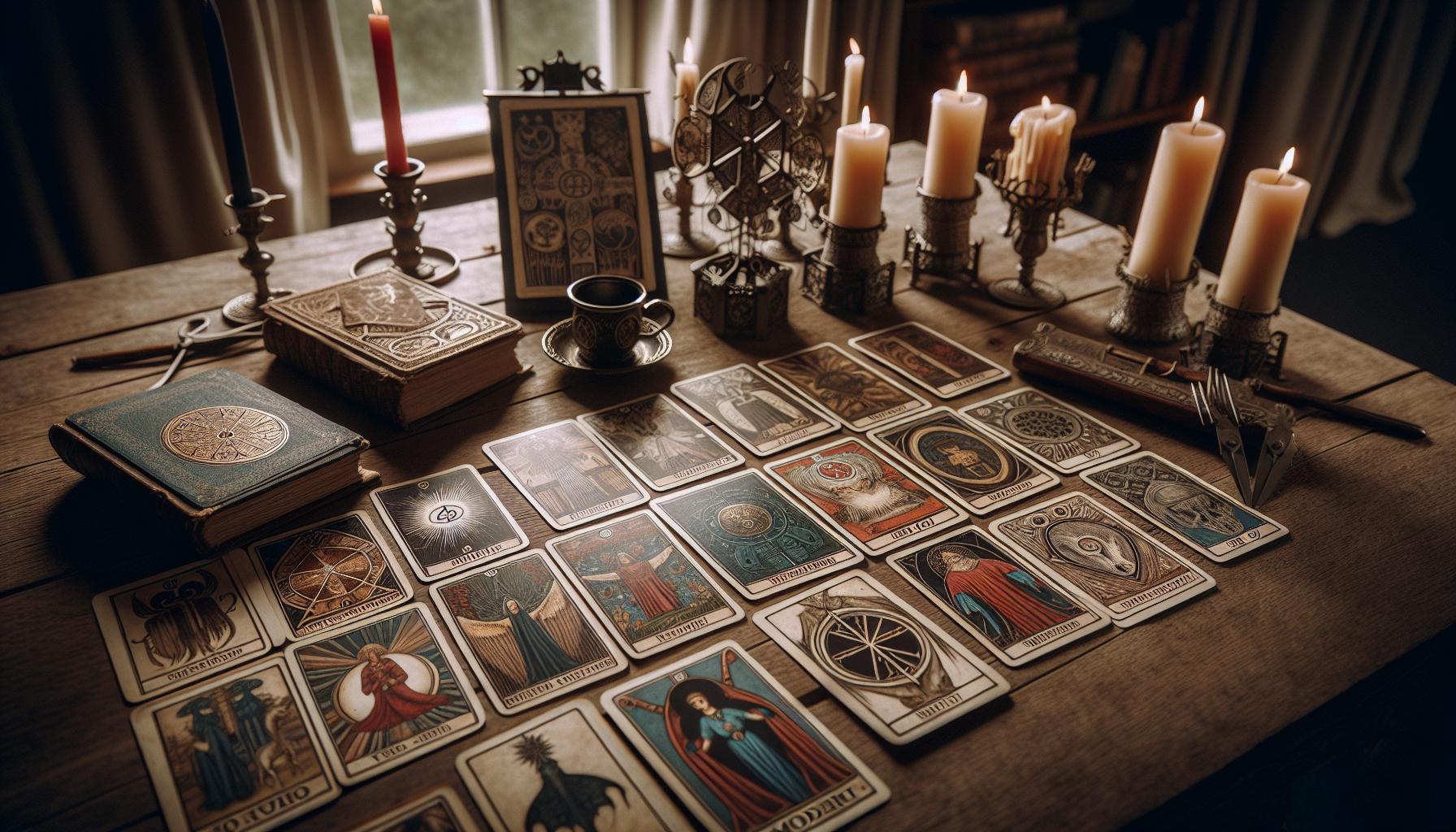
The evolution of tarot is a fascinating journey that intertwines history, art, and spirituality. Originating in the mid-15th century in Europe, tarot cards were initially created as playing cards, used primarily for games. Unlike the mystical image they often portray today, these early decks, known as tarocchi in Italy, had no connection to divination or the esoteric. It wasn’t until the 18th century that tarot began to gain a reputation as a tool for fortune-telling, thanks in part to scholars and occultists like Antoine Court de Gébelin, who published treatises associating tarot cards with ancient Egyptian wisdom and symbolic meanings.
As tarot gained popularity, so did the diversity in its artistic representation. Various decks emerged, each reflecting cultural shifts and the artistic styles of their time. The most famous deck, the Rider-Waite-Smith, was published in 1910 and is now considered a standard for tarot reading. Created by artist Pamela Colman Smith under the guidance of Arthur Edward Waite, this deck introduced rich illustrations that depicted not just the suits and numbers but also scenes full of symbolism and narrative, making it more accessible for readers to interpret the cards’ meanings.
In modern practice, tarot is embraced widely across cultures and belief systems, seen as a means of introspection rather than strict fortune-telling. Many practitioners use tarot for personal growth, self-reflection, and emotional healing. The cards can serve as a guide, illuminating different aspects of one’s life or illuminating paths forward during challenging times.
Moreover, the relationship between tarot and its readers continues to evolve. Today’s practitioners often blend traditional interpretations with intuitive insights, making each reading a unique experience tailored to the individual. A common approach is using tarot as a prompt for discussion or deep reflection, allowing ample space for seekers to express their feelings and thoughts about the cards drawn and their experiences. This shift underscores the notion that tarot is not merely about predicting future events but serves as a powerful tool for enhancing self-awareness and fostering personal clarity.
As you explore the rich history of tarot, remember that it is a craft that invites your intuition and imagination. Whether you’re a curious newcomer or an experienced reader, connecting with the history and evolving practices of tarot can deepen your understanding and appreciation of this ancient art.
Debunking Myths: Common Misconceptions About Tarot Reading

Many people approach tarot reading with preconceived notions shaped by popular culture and personal experiences. To better understand this practice, it’s essential to address some common misconceptions that can cloud judgment and discourage exploration.
One prevailing myth is that tarot reading is purely about predicting the future. While some practitioners may focus on foresight, most view tarot as a tool for insight and self-reflection. The cards can reveal current energies and facilitate deeper understanding of one’s circumstances. A reading can unfold in various ways, often leading to valuable discussion and contemplation rather than definitive predictions. For example, when a client draws the Tower card, it may symbolize upheaval. Instead of a dire warning, it can be an opportunity for the seeker to examine areas of their life where change is not just possible but necessary for growth.
Another misconception is that tarot readings are only for mystical or “psychic” individuals, which can deter many from engaging with the cards. In reality, anyone can learn to read tarot and benefit from its insights. The key is to approach it with an open mind and practice regularly. Beginners may start with simple one-card pulls or three-card spreads to explore specific questions about their lives. Over time, even novice readers can develop a rich connection with the cards through personal interpretation and intuition.
People often believe that tarot is inherently negative or focuses solely on dark themes. However, while certain cards can address challenging aspects of life, tarot also shines a light on hope, opportunities, and positive transformations. Cards like the Sun or Star are powerful symbols of optimism and renewal, reminding seekers of the potential for joy and healing. Encouraging clients to focus on the holistic lessons of the tarot helps break down the stigma surrounding it.
Lastly, skeptics frequently assume that tarot is nothing more than a parlor trick or entertainment. While there are certainly entertaining aspects to a tarot reading, many readers and seekers recognize the profound impact it can have. Engaging with the cards can foster self-discovery, prompting individuals to confront fears and clarify their desires. By demystifying the process, we invite more people to experience tarot as a valuable resource for personal growth and empowerment.
In conclusion, clarifying these misconceptions-whether it’s the predictive nature of the cards, the accessibility of the practice, or the focus of its themes-empowers potential seekers to discover what tarot can offer them in their own lives. Approaching tarot with curiosity rather than prejudice can transform it from a misunderstood art form into a cherished path for discovery and healing.
How Tarot Reading Works: Techniques and Approaches Explained
To truly appreciate how tarot reading functions, one must first understand that it is not merely about predicting futures or uncovering hidden secrets; it’s a dynamic interplay of intuition, symbolism, and personal insight. Each reading format, whether it’s a simple one-card pull or a complex spread, offers a unique lens through which to view one’s life circumstances. A typical tarot deck consists of 78 cards, divided into the Major and Minor Arcana. Each card is rich with layers of meaning that can vary based on the context of the question asked and the reader’s intuition.
Essential Techniques and Approaches
When embarking on a tarot reading, choose a technique that resonates with you. For beginners, starting with a three-card spread can be particularly insightful. This spread often represents the past, present, and future, providing a broad view of the situation in question. As you engage with the cards, consider the following steps:
- Set Your Intention: Before you shuffle the deck, think about the question or situation you want clarity on. This helps focus the energy of the reading.
- Shuffle and Draw: Let your intuition guide you as you shuffle the cards. When you feel ready, draw three cards and lay them in order.
- Interpret the Cards: Look at each card’s imagery, symbolism, and traditional meanings. For instance, drawing the High Priestess may indicate a need for intuition and patience, while the Emperor could suggest taking charge and establishing order.
- Connect the Dots: Consider how the cards interact with one another. Is there a narrative that emerges? This interplay can provide deeper insights.
- Reflect on the Insights: Finally, take a moment to reflect on the reading. What resonates with you? How can you apply these insights to your situation?
Using these techniques, readers can cultivate a deeper connection with the tarot. As you advance, explore more intricate spreads like the Celtic Cross, which delves into various aspects of a question and broader life influences. This approach encourages thoughtful exploration rather than strict prediction, allowing for profound self-reflection and clarity.
The Role of Intuition
While the structured meanings of the cards form a foundational knowledge, it’s your intuition that breathes life into a tarot reading. Each reader’s perspective and experiences shape their interpretation. Trusting your instincts can lead to remarkable insights that extend beyond conventional meanings. Keeping a journal of your readings can also be a beneficial practice; it allows you to notice patterns, reflect on your growth, and track how your interpretations evolve over time.
Tarot is not about absolutes but rather a compass pointing toward pathways of understanding and personal growth. Approaching each reading with openness and curiosity can transform it from a mere activity into a reflective journey, enriching your connection to the world around you. Whether you approach tarot from a place of skepticism or belief, the techniques outlined here encourage a welcoming exploration of what tarot can mean for you.
The Science of Tarot: Can It Be Proven?
The intriguing world of tarot often invites a complex interplay between belief and skepticism, leading many to wonder about its scientific validity. Can tarot reading truly stand up to the scrutiny of the scientific method? While rigorous scientific proof in the realm of paranormal phenomena is challenging to obtain, tarot resonates within a framework of psychological and intuitive understanding. It is essential to recognize that tarot is not necessarily about predicting the future; rather, it serves as a tool for self-reflection and gaining insight into one’s current life circumstances.
Scientific inquiry typically seeks to measure, quantify, and observe concrete phenomena. Tarot, by contrast, relies on subjective interpretation. The experience of a tarot reading often hinges on the reader’s intuition and the seeker’s personal context. For example, a card like the Two of Cups could signal a blossoming partnership or the need for balance, depending on the individual’s situation. This subjective nature can make it difficult to apply traditional scientific methods to tarot, yet it finds its strength in personal relevance and resonance rather than universal provability.
Intuition Meets Psychology
While the mystical aspects of tarot may seem untestable, there is a psychological backbone to its practice. Psychology recognizes the power of symbols and narratives in shaping our understanding of the world. The act of interpreting tarot cards allows seekers to project their feelings and thoughts onto the imagery presented, which can unlock new perspectives on pressing issues. This aligns well with the idea of cognitive restructuring, where individuals reassess their thoughts to foster emotional relief or clarity.
Additionally, tarot can function as a therapeutic tool. Just as journaling or guided meditation benefits many, tarot can help individuals articulate their thoughts and emotions. It invites them to engage in dialogue with their inner selves. For instance, reflecting on a drawn card like the Death, which symbolizes transformation, may help someone confront change in their life. This introspective process does not require empirical proof to be impactful-it is an intimate exploration of self that many find validating, regardless of scientific backing.
A Personal Journey
Ultimately, the value of tarot lies within the individual experience. Many who engage in tarot readings find that the insights gained can catalyze personal growth, healing, and clarity. The stories shared by users of tarot echo this transformative potential. Individuals often recount moments where a reading coincided with key life events, enhancing their sense of direction and decision-making.
In conclusion, while tarot may elude traditional scientific validation, it remains a vibrant practice rooted in psychological principles and personal experience. Its significance is not measured solely by its ability to foresee the future, but rather through its capacity to empower individuals in their journeys of self-discovery and understanding. By embracing both belief and skepticism, seekers can navigate the rich landscape of tarot with an open heart and a curious mind.
The Role of Intuition in Tarot Readings
In the delicate dance of tarot reading, intuition takes center stage, guiding both the reader and the seeker through a transformative journey. It’s not merely about deciphering the imagery of the cards; it’s about tuning into the subtle whispers of the subconscious that tell a deeper story. When seeking insight, the intuitive faculty allows us to break through the noise of everyday life and connect with profound truths hidden within our experiences.
Understanding intuition in the context of tarot can elevate both the reading itself and the overall experience. Each card drawn carries its energy, but it’s the intuitive interpretation that breathes life into that symbolism. For instance, the High Priestess card often embodies intuition and inner wisdom. When a reader draws this card, they may feel a surge of insight regarding the seeker’s current situation, encouraging them to trust their instincts. This process is not rigid; rather, it can vary widely depending on the reader’s connection to the cards and the unique energies present during the session.
Tapping Into Your Intuition
For those new to tarot, developing intuition can seem daunting, but it’s a skill that can be nurtured. Here are some practical steps to enhance your intuitive abilities during readings:
- Start with Reflection: Before a reading, take a moment to center yourself. Close your eyes, take deep breaths, and set a clear intention for what you wish to explore.
- Listen to Your Gut: Pay attention to the immediate feelings or thoughts that arise with each card. Don’t censor or overthink; let your instinctive responses guide you.
- Engage Your Senses: Notice how your body reacts to certain cards. Do specific images evoke memories or emotions? Use these sensations as clues for deeper exploration.
- Practice Regularly: The more you read, the more attuned you will become. Use daily card draws and journal your interpretations to refine your intuitive voice.
As you cultivate this intuitive muscle, remember that every tarot reading is a co-creative process. The seeker also contributes their energy and context, which the reader must interpret along with the cards. This collaboration can lead to profound insights that resonate on a personal level, making each reading a unique and impactful experience.
Bridging Intuition with Knowledge
Importantly, intuition doesn’t exist in a vacuum; it should be paired with knowledge of the cards and their meanings. A well-rounded understanding allows readers to draw connections between intuition and the established symbolism within the tarot deck. For example, when pulling the Seven of Swords, which can indicate deceit or strategy, a reader may intuitively sense whether the situation at hand is about external influences or internal struggles, thus deepening the interpretation.
In essence, is a bridge between the mystical and the everyday, allowing seekers to glean insights that can lead to actionable steps in their lives. By embracing both intuition and knowledge, readers can create a rich tapestry of understanding that supports the seeker on their path to self-discovery. Remember, tarot is not just about predicting the future; it’s about illuminating the path forward through a blend of the seen and the unseen.
Real Stories: Testimonials from Tarot Readers and Seekers
Real experiences shared by tarot readers and seekers reveal the nuances of tarot reading as a pathway to insight and personal growth. While skepticism about the validity of tarot can be common, the stories of those who have engaged with tarot often highlight its transformative power in unexpected ways. Many users find that a reading can resonate deeply with their current life circumstances, prompting reflection and even actionable change.
One seeker, Anna, shared her initial apprehension before a tarot session. She was unsure how the cards could provide clarity on her tumultuous relationship. But as the reader expertly laid out a three-card spread, each card spoke to different facets of her emotional landscape: the Lovers indicated choices regarding love, the Two of Swords highlighted inner conflict, and the Chariot signified a need for decisive action. “It felt like the cards were speaking directly to my situation,” Anna recalled. The reading not only validated her feelings but also empowered her to confront the issues head-on.
Another powerful testimonial comes from James, a professional reader. He emphasizes how each session is unique, depending heavily on both his intuitive reading of the cards and the energy of the seeker. In one instance, a client arrived with skepticism about ever finding love. Through a series of cards-including the Ace of Cups, symbolizing new beginnings in emotional matters-James was able to encourage her to open herself up to possibilities. “Seeing her eyes light up upon connecting her personal situation with the cards affirmed for me that this can indeed provide real guidance,” he shared.
These narratives serve as affirmations for those uncertain about the role of tarot. Whether approached as a spiritual experience or a reflective tool, the essence of tarot lies in its ability to help individuals navigate their inner worlds and external lives. By sharing their stories, both seekers and readers contribute to a growing understanding that, while skeptical inquiries may persist, many have found value and truth through the cards, sparking curiosity and an openness to the mystical journey ahead. This blend of personal experience and communal wisdom beautifully illustrates why so many turn to tarot as a source of insight and direction.
Key Takeaways from Real Experiences
- Intuition Is Key: Both readers and seekers emphasize the importance of intuition in interpreting the cards and relating them to personal experiences.
- Personal Connection: Many find immediate relevance in the cards drawn, which can lead to personal revelations or mindset shifts.
- Empowerment Through Understanding: Tarot often provides a clearer picture of choices, allowing seekers to approach challenges with renewed confidence.
Exploring Different Tarot Decks: Finding the Right One for You
When diving into the world of tarot, one of the most exciting aspects is discovering the vibrant variety of decks available. Each tarot deck is imbued with unique imagery, symbolism, and themes, resonating differently with every reader. Choosing the right deck can elevate your understanding and experience of tarot, acting as a bridge to your intuition and personal insights.
Start by considering what draws you in-are you captivated by colorful illustrations, or do you prefer sleek, minimalist designs? Some popular options include the Rider-Waite-Smith deck, renowned for its rich symbolism and traditional imagery, which is often recommended for beginners. In contrast, the Thoth deck, created by Aleister Crowley, has a more complex structure and deeper esoteric meanings, appealing to seasoned practitioners. Exploring decks like the Wild Unknown or the Shadowscapes offers stunning artwork that transports you into different realms, ideal for intuitive readings that leverage visual connections.
As you explore, take the time to feel the energy of each deck. Hold the cards, shuffle them, and draw a few to see how they resonate with you. This tactile experience can reveal your comfort level and help you find a deck that feels like an extension of your own intuition. Remember, there’s no rush; picking a tarot deck is a personal journey that can evolve over time. You might begin with one deck and later find another that speaks more profoundly to your personal growth or the specific queries you wish to explore.
To help guide your decision, consider a few key factors when selecting your tarot deck:
- Artwork Style: Choose a style that visually resonates with you. The artwork can enhance your connection and interpretation of the cards.
- Theme and Structure: Consider whether you prefer a traditional deck or one that reflects modern themes, like feminism, diversity, or cultural mythology.
- Guidebook Quality: A well-written guidebook can greatly enhance your understanding, especially for beginners who may need context for the symbols.
- Size and Feel: The card size and texture should be comfortable for you to handle during readings.
Once you’ve chosen your deck, don’t forget to connect with it. Spend time familiarizing yourself with the meanings of each card, possibly even journaling your thoughts and impressions. This process deepens your understanding and reinforces your intuition, allowing the cards to become a trusted tool for exploration and insight. Whether you’re reading for yourself or others, the right tarot deck is a gateway to deeper understanding, making the mystical journey that much more enriching.
Tarot for Self-Discovery: Using Cards for Personal Growth
Unlocking the potential for personal growth through tarot can be both an enlightening and transformative experience. Many individuals are often curious about how tarot, when approached with an open mind and heart, can facilitate self-discovery and healing. The truth is, tarot readings can serve as powerful reflections of our inner thoughts, emotions, and aspirations, helping us gain clarity on our paths and decisions.
To begin utilizing tarot for self-discovery, start with a simple question or theme that resonates with you. For instance, you might ask, “What do I need to learn about my current situation?” Formulate your inquiry with specificity; this will direct your focus during the reading. A common beginner spread is the three-card spread, where each card represents the past, present, and future regarding your question. As you draw each card, take a moment to absorb its imagery and meaning.
Interpreting the Cards
Use the following guidelines to help you interpret your cards:
- Card Meanings: Familiarize yourself with both the upright and reversed meanings. For example, the Two of Cups in the upright position often signifies partnership and harmony, whereas reversed might indicate imbalance.
- Personal Relevance: Reflect on how each card’s message applies to you personally. Journaling your thoughts immediately after each reading can deepen your insights.
- Emotional Response: Pay attention to what feelings arise as you engage with the cards. These emotions can guide you toward your authentic self.
One effective method involves thematic readings, such as a monthly reflection or life purpose reading. Each month, you can draw a card to symbolize your focus, challenges, or lessons to explore, thus creating an ongoing dialogue with your intuition and subconscious.
Creating Rituals for Self-Discovery
Integrating ritual into your tarot practice can enhance its effectiveness in self-discovery. Light a candle before you start your reading to symbolize clarity. Use crystals like amethyst or clear quartz to amplify your intentions. Consider setting a sacred space that feels safe and free from distractions, making this practice a cherished part of your self-care routine.
Ultimately, tarot’s real power lies in its ability to evoke introspection and encourage a deeper understanding of oneself. While some may remain skeptical about the mystical aspects, those who embrace tarot find it a valuable tool for personal exploration, insight, and emotional growth. Whether you seek to navigate life’s complexities, clarify your aspirations, or confront challenges, tarot provides a mirror reflecting your inner landscape, inviting you to explore the depths of your being and guiding you on your journey of self-discovery.
Can Tarot Tell the Future? Understanding Predictions vs. Guidance
Although many people turn to tarot with the expectation of glimpsing their future, it’s essential to understand that tarot primarily serves as a tool for guidance rather than a crystal ball predicting fixed outcomes. At its core, tarot reflects current energies and possibilities, helping us navigate our choices in life instead of dictating a predetermined fate.
When you sit down for a reading, think of tarot as a map. This map doesn’t lay out the specifics of your route; instead, it indicates potential paths based on your current situation and feelings. By focusing on your thoughts and emotions, the cards can shed light on themes and trends in your life, offering insights that might help you weave through challenges or seize opportunities as they arise.
The nuances of each card deepen this understanding. For instance, drawing the Wheel of Fortune can signify a change in circumstances, but it encourages the query: How can you adapt to or leverage this shift? This approach fosters a sense of empowerment, motivating you to actively shape your destiny rather than passively awaiting the future.
Another helpful perspective relates to time, often a complex aspect when considering tarot’s predictive abilities. Instead of fixating on specific dates or events, focus on the broader narrative unfolding in your life. Each reading has the potential to highlight not just what may occur, but also why certain choices might lead to particular outcomes, emphasizing the importance of free will and personal agency.
Ultimately, tarot invites you to engage with your intuition and reflect on your path forward. By understanding your circumstances and the vibrations surrounding you, tarot offers a way to align your actions with your desires, guiding you through the intricacies of life with clarity and intention.
Ethics in Tarot Reading: Responsible Practices for Readers
Navigating the world of tarot reading can feel like stepping into a mysterious realm filled with insight and potential. However, with that potential comes a responsibility for readers to uphold ethical practices that ensure a safe and respectful experience for seekers. A foundational aspect of ethical tarot reading is understanding the boundaries and implications of the guidance offered through the cards.
To begin, it’s essential for readers to maintain transparency about their abilities and the nature of tarot. This means being clear that tarot does not predict the future with absolute certainty but rather offers insights based on the current energies and choices available. Readers should never claim to have the power to change someone’s fate or provide solutions to every problem, as this can lead to a misjudgment of the power of free will. Open communication fosters trust, allowing seekers to engage with the reading without misconceptions about its effectiveness.
Another critical aspect is respecting the emotional and psychological well-being of clients. A responsible tarot reader should approach each reading with compassion, offering guidance without invoking fear or anxiety. For example, if a card like the Death card appears, which often symbolizes transformation rather than a literal ending, it’s crucial to contextualize this message thoughtfully. Instead of focusing solely on fears associated with change, a reader can encourage the seeker to consider the opportunities that can arise from transformation.
Additionally, accountability plays a vital role in ethical tarot practice. Readers should encourage clients to take personal responsibility for their choices based on the readings. This means not positioning themselves as authority figures but rather as facilitators who help clients reflect on their situations. Clear disclaimers about the limitations of readings-such as not providing medical, legal, or financial advice-can further protect both the reader and the seeker.
To summarize, responsible tarot reading is built on transparency, emotional sensitivity, and accountability. By adhering to these principles, tarot readers can create a nurturing space where seekers feel empowered to explore their paths, equipped with the wisdom that tarot can provide without fear of undue influence or pressure. In a world where the curiosity around tarot continues to grow, establishing ethical practices is not just beneficial; it is essential for the integrity of the craft.
Getting Started: Beginner’s Guide to Your First Tarot Reading
Starting your journey with tarot can feel both thrilling and daunting, but it’s essential to know that this practice is accessible to everyone. Many people approach tarot with apprehension, often questioning whether it can truly provide insights or if it’s just a collection of pretty cards. By understanding the core principles and practicing simple techniques, you can unlock the potential of tarot, integrating it into your life as a valuable tool for reflection and guidance.
To begin, choose a tarot deck that resonates with you. Each deck tells a story through its artwork and symbolism, and selecting one that speaks to your intuition is crucial. Don’t rush this step; spend time exploring different decks online or in shops. Once you have your deck, familiarize yourself with the cards. Start with the Major Arcana, which represents significant life events, and then move to the Minor Arcana, which delves into everyday experiences.
For your first reading, ask a clear question or set a specific intention. This focus will help guide the energy of the reading. One simple method is the Three-Card Spread: the first card represents your past, the second your present, and the third your future or advice on your situation. After shuffling the cards, lay them out in that order. Now, take a moment to interpret each card. Rather than relying solely on book meanings, allow your intuition to guide you. Reflect on how each card relates to your question-what feelings or thoughts does it evoke?
While reading, remember that tarot is a dialogue between your intuition and the cards. Trusting this inner voice is vital. Keep a journal of your readings, noting the questions, the cards drawn, and your interpretations. Over time, you’ll notice patterns and deepen your understanding of not just the tarot itself but also your intuitive abilities. Whether you see tarot as a mystical experience or a psychological tool for introspection, the key is to approach it with an open heart and mind, allowing the cards to reveal their wisdom at your own pace.
Frequently Asked Questions
Q: Is Tarot reading based on science?
A: Tarot reading is not scientifically proven, as it operates outside empirical measurement. However, many practitioners argue its value lies in personal insight and reflection rather than scientific validation. For more on the relationship between tarot and science, refer to our section on the science of Tarot.
Q: How does a Tarot reading actually work?
A: A Tarot reading works through intuitive interpretation of cards pulled based on a querent’s question. Each card carries symbolic meaning, and the reader interprets these meanings in context. Techniques may vary, incorporating spreads for deeper insights. Explore our section on how Tarot works for detailed methods.
Q: Can Tarot readings provide accurate predictions?
A: While Tarot can offer insights that feel predictive, it is primarily a tool for guidance. The interpretations depend on the reader’s intuition and the querent’s situation rather than fixed future outcomes. For a deeper understanding, see our section on whether Tarot can tell the future.
Q: What should I expect during my first Tarot reading?
A: During your first Tarot reading, you can expect a relaxed environment where you’ll discuss your questions with the reader. The reader will shuffle the deck and draw cards, interpreting their meanings to provide insights. For more, check our beginner’s guide to your first Tarot reading.
Q: Are there ethical guidelines for Tarot readers?
A: Yes, ethical guidelines for Tarot readers emphasize honesty, consent, and respect for the querent’s feelings and autonomy. Readers are encouraged to provide a safe space and avoid making definitive predictions. Learn more about this in our ethics in Tarot reading section.
Q: How can someone get started with Tarot reading?
A: To get started with Tarot reading, choose a deck that resonates with you and learn the meanings of the cards. Practice simple spreads and keep a journal of your readings for reflection. Check out our getting started guide for specific tips and resources.
Q: Is there a difference between Tarot and astrology?
A: Yes, Tarot and astrology are distinct practices. Tarot uses cards for insights while astrology interprets celestial positions. Both can complement each other, providing holistic perspectives. For further clarity, explore the unique aspects of each practice in related sections of our articles.
Q: Can anyone learn to read Tarot cards?
A: Yes, anyone can learn to read Tarot cards. With practice and an open mind, you can develop your intuition and interpretation skills. Consider starting with basic resources and guided readings. For detailed guidance, refer to our section on beginner’s Tarot reading tips.
In Retrospect
As we conclude our exploration into the world of tarot, remember that the essence of tarot reading goes beyond mere superstition; it’s a powerful tool for reflection and insight. Whether you’re a skeptic or a believer, embracing tarot can guide you in uncovering deeper truths about your life. If you’re intrigued and want to continue this journey, consider deepening your understanding with a daily tarot reading or exploring the significance of individual cards through our comprehensive guides.
Feeling inspired? Join our community by signing up for our newsletter, where you’ll receive tailored content and exclusive readings straight to your inbox. Don’t forget to check out our instant Yes or No Tarot reading for quick insights on pressing questions. Engage with us by sharing your thoughts and experiences in the comments below – your journey matters, and we’re here to support you every step of the way. Dive into the mystical realm of tarot today and unlock the possibilities that await you!