Welcome to the “A.E. Waite Tarot Deck Guide: Master the Classic System,” where the timeless wisdom of tarot meets practical insight for all seekers. Did you know that the A.E. Waite Tarot deck has influenced countless readers and practitioners since its creation in the early 20th century? This guide is designed to help both beginners and seasoned readers navigate the rich symbolism and profound meanings behind each card with ease. If you’ve ever felt unsure about interpreting a card or how to start a reading, you’re not alone. Many find tarot to be a powerful tool for reflection and guidance but struggle with the initial learning curve. Here, you’ll discover clear, step-by-step techniques to unlock your intuitive abilities and build your confidence. By understanding the intricacies of the Waite deck, you’ll not only enhance your readings but also gain deeper insights into your personal journey. Join us as we demystify the cards and explore the magic that awaits within the A.E. Waite Tarot!
Understanding the A.E. Waite Tarot Deck: Origins and Significance
The A.E. Waite Tarot Deck, co-created by Arthur Edward Waite and illustrator Pamela Colman Smith in 1909, is widely regarded as one of the most important and accessible Tarot decks ever created. Its rich symbolism and detailed imagery have made it a cornerstone in Tarot reading, appealing to both newcomers and seasoned practitioners. The deck’s origins are steeped in the mystical traditions that Waite was part of, including Freemasonry and the Hermetic Order of the Golden Dawn, which heavily influenced the deck’s structure and interpretative depth.
One of the significant aspects of the Waite Tarot is its use of imagery to convey meaning, setting it apart from earlier decks that primarily featured abstract symbolism. Each card is meticulously designed, emphasizing visual storytelling, which offers readers layers of interpretation through colors, symbols, and figures in the artwork. This intricate detail allows for intuitive readings, making the deck a powerful tool for self-discovery and insight. Understanding the significance of this imagery is essential for readers, as it opens up pathways to deeper comprehension of the cards’ meanings.
Moreover, this deck transcends mere fortune-telling; it serves as a tool for introspection and understanding one’s journey. The themes woven throughout the cards reflect the human experience, touching on life’s challenges and opportunities for growth. By connecting with the cards on a personal level, readers can unlock their intuitive abilities, allowing for more meaningful and authentic readings. Whether you are seeking guidance, clarity, or a deeper connection with your own spiritual path, the A.E. Waite Tarot Deck provides the perfect bridge to those insights.
In summary, the A.E. Waite Tarot Deck is not just a set of cards; it’s a gateway into a rich world of symbolism and personal exploration that has captivated and guided individuals for over a century. Embracing its origins and understanding its significance can greatly enhance your Tarot practice, inviting deeper wisdom and clarity into your readings.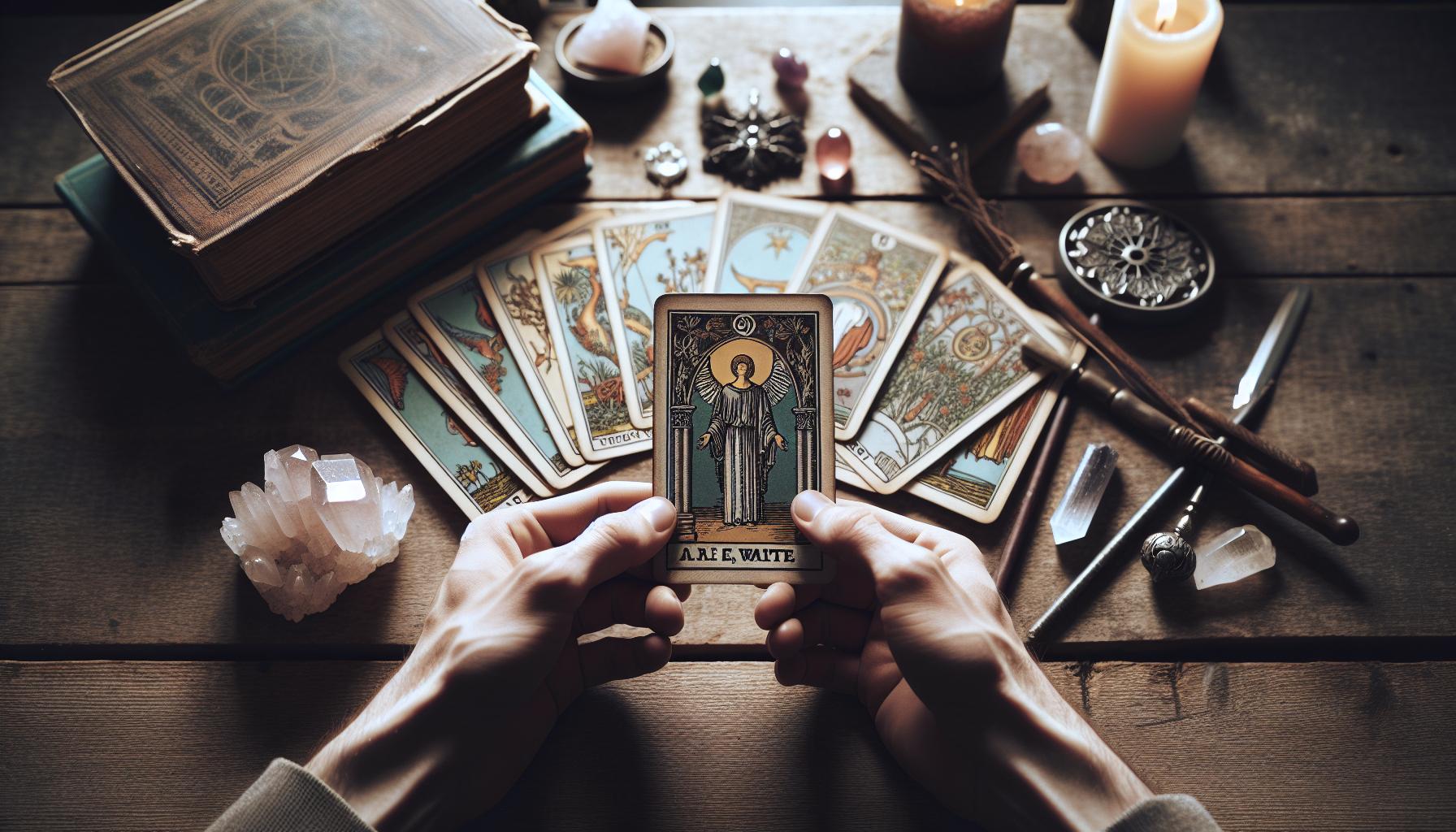
Key Components of the A.E. Waite Tarot Deck
The A.E. Waite Tarot Deck is a profound blend of artistry and symbolism, crafted to unlock deeper layers of meaning through the connection between the reader and the cards. Central to understanding this deck are its key components that not only enhance the reading experience but also encourage intuitive exploration.
Card Structure and Meaning
Each card in the Waite deck is imbued with rich symbolism that tells its own story. The 78 cards are divided into the Major Arcana (22 cards) and the Minor Arcana (56 cards). The Major Arcana represents significant life themes and spiritual lessons, such as The Fool’s journey symbolizing new beginnings or The Tower illustrating upheaval and transformation. The Minor Arcana reflects everyday experiences, divided into four suits: Cups, Swords, Wands, and Pentacles. Each suit connects to specific aspects of life, with Cups representing emotions, Swords linked to thoughts and conflict, Wands symbolizing action and creativity, and Pentacles associated with the physical world and material concerns.
Understanding these components allows readers to tap into the essence of each card. For instance, when drawing a card, take a moment to meditate on both the imagery and your instinctual feelings. Ask yourself questions like, “What emotions does this card evoke in me?” or “How does this relate to my current life situation?” This practice deepens your connection with the cards, leading to more insightful readings.
Symbolism and Imagery
One of the deck’s standout features is its intricate artwork, created by Pamela Colman Smith. Her illustrations are filled with symbols that hark back to various mystical and cultural references, notably those from Kabbalah and alchemy. Each symbol serves a distinct purpose, often offering multiple layers of interpretation. For example, The High Priestess card not only signifies intuition and the subconscious but is also adorned with the lunar imagery that represents mystery and the unknown.
When engaging with these images, it’s helpful to consider their colors and accompanying symbols. For instance, if you draw The Empress, note the lush greenery surrounding her, which can symbolize fertility and creation. Reflect on how this might relate to abundance in your life or the nurturing aspects of your relationships. This exploration helps build a personal connection with the imagery, enhancing your reading accuracy and relevance.
Creating a Personalized Reading Practice
With the foundational elements in place, crafting a personal reading practice can elevate your tarot experience. Start simple: choose a daily card draw to familiarize yourself with each card’s interpretations. As you become more comfortable, experiment with different spreads tailored to your inquiries. For beginners, the three-card spread-past, present, future-is straightforward yet revealing. More experienced readers might delve into the Celtic Cross for comprehensive insights into complex issues.
Remember, the essence of tarot lies in the dialogue it fosters between you and your intuition. Trust your instincts to guide the readings and draw meanings that resonate most with you. Each reading offers a chance for growth and reflection, making your journey with the A.E. Waite Tarot not just an exploration of the cards, but a journey of the self. By embracing these key components, you can fully harness the wisdom inherent in the Waite Tarot and navigate your path with clarity and confidence.
Mastering Tarot Card Meanings for Accurate Readings
Understanding the meanings of tarot cards is essential for anyone looking to conduct accurate readings with the A.E. Waite Tarot Deck. Each card is a gateway to deeper insight, rich with symbolism and thematic depth. By mastering these meanings, you empower yourself to interpret not just the card’s surface message but the subtle nuances that often arise during a reading.
To begin, familiarize yourself with the structure of the deck. The 78 cards are split into the Major Arcana, which deals with life-changing themes, and the Minor Arcana, which reflects daily experiences. Focusing initially on the Major Arcana can be beneficial as these cards encapsulate pivotal moments and archetypal energies in the human experience. For instance, The Fool symbolizes new beginnings and spontaneity, inviting you to embrace the unknown with childlike wonder. Conversely, The Tower signifies sudden upheaval and revelation, challenging the status quo and prompting transformation.
As you progress, delve into the symbolism within the Minor Arcana. Each suit-Cups, Swords, Wands, and Pentacles-conveys a specific aspect of life. The Cups align with emotions and relationships, Swords with intellect and conflict, Wands with ambition and creativity, while Pentacles relate to material matters and stability. When you draw a card from any suit, consider its immediate context in your spread. For example, drawing the Two of Cups in a relationship reading may indicate a strong partnership or harmony, while the Five of Swords could suggest conflicts or challenges that need resolution.
Incorporating these meanings into your readings requires practice and intuition. Engage with your cards regularly through daily draws, allowing them to become familiar companions. Reflect on their imagery and the emotions they evoke within you. Questions like “How does this card connect with my current life?” or “What energies do I feel when I visualize this card?” can guide personal interpretations. Trust your instincts; while the card meanings are foundational, your unique insights will enrich the reading experience.
To deepen your understanding, keep a tarot journal where you note down your thoughts and feelings about each card after your readings. This ongoing conversation with the deck will enhance your intuitive skills over time. Whether you are a beginner eager to explore the world of tarot or an experienced reader seeking to refine your skills, embracing both the card meanings and personal intuition will lead you to more accurate and resonant readings. Remember, the journey of mastering the A.E. Waite Tarot is as enlightening as the insights you will gain along the way.
Essential Tarot Spreads for Beginners
Starting your journey with the A.E. Waite Tarot Deck can be both exciting and a little daunting. Understanding how to lay out the cards in a way that makes sense for you is essential for gaining insight and clarity. Tarot spreads act as maps for your readings, offering structure and guiding you through the narrative that the cards present. Here are some foundational spreads that every beginner should consider.
One-Card Spread
The simplest of all spreads, the one-card draw is perfect for gaining quick insights or daily guidance. To perform this spread:
- Shuffle your deck while focusing on a question or the day’s theme.
- Draw a single card and lay it face up.
- Reflect on the card’s meaning and how it relates to your query.
This method encourages a deeper connection with each card, allowing you to explore its significance in your life without feeling overwhelmed.
Three-Card Spread
The three-card spread offers a richer narrative by addressing different aspects of your question or situation. Typically, each position can represent:
- Past: Influences or events that have shaped the current issue.
- Present: Current circumstances and energies surrounding your question.
- Future: Possible outcomes based on the current path.
After laying out the cards, assess each one in relation to its position. For example, if the Past card is The Lovers, you might consider past relationships influencing your current situation.
Situation-Action-Outcome Spread
This spread helps clarify actions you can take and potential outcomes. For each position:
- Situation: Draw a card addressing your current state.
- Action: Draw a card indicating what action to take.
- Outcome: Draw a card predicting the result of that action.
For instance, if you draw the Six of Swords for your Situation, it could indicate a transitional phase, while the Emperor in the Action position might suggest taking a more authoritative stance to navigate this change.
Common Mistakes to Avoid
As you dive into these spreads, keep these tips in mind:
- Don’t rush your interpretations; take time to reflect.
- Avoid overthinking; let your intuition guide you.
- Be open to different meanings as you gain experience.
When you’re first exploring tarot, allow yourself to make mistakes-they’re an integral part of your learning process.
As you practice these spreads, remember that tarot is as much about the journey as it is about the destination. Embrace the narratives you uncover and trust your intuition to guide your readings. Each spread is not just a tool but a doorway to deeper understanding and connection with yourself and the world around you.
Advanced Tarot Techniques for Experienced Readers
Delving into advanced tarot techniques can profoundly deepen your connection with the A.E. Waite Tarot Deck. As experienced readers, you have an expansive toolkit at your disposal to enhance your readings and tap into the deeper meanings behind the cards. One such technique is the use of dynamic storytelling, where you weave together the narratives of multiple cards to form a cohesive understanding of a situation. This approach encourages you to consider each card not only in isolation but in relation to others, inviting a richer interpretation.
Layering Card Meanings
To master layering, first draw a set of cards for your query, then consider their positions and interrelations. For instance, if you draw The High Priestess, The Tower, and The Star, look at how the intuitive wisdom of The High Priestess interacts with the chaos of The Tower and the healing energy of The Star. What story do they tell together? You can practice this by setting an intention with each new reading and seeing how various themes emerge from the combined meanings, creating a deeper, more resonant narrative.
Temporal and Thematic Spreads
Consider utilizing temporal spreads for a nuanced analysis over time. For example, a seven-card spread could represent a week ahead, with each card providing guidance for specific days and possible influences to anticipate. This gives you a framework not just for present actions but for future direction as well. The thematic aspect allows you to focus on a central theme-such as love, career, or personal growth-and draw cards that will reflect different facets of this single topic.
Using Reversals and Astrology
Another powerful method is the incorporation of reversals, which can offer alternative meanings or highlight aspects that are blocked or hindered. When reading reversed cards, pay attention to the emotions and experiences they evoke; this could provide insight into what needs healing or shifting. Additionally, connecting the cards to astrological significances can add another layer of depth to your readings. For example, the Wheel of Fortune links to Jupiter’s expansive qualities-consider how this influence plays into your readings or personal life and how it interacts with the other cards drawn.
Practical Example
Imagine you’re reading for a client concerned about a job change. You might use a three-card spread to explore their current situation, potential obstacles, and advice. Drawing the Eight of Pentacles (current work commitment), the Five of Wands (conflict or competition), and the Six of Swords (transition toward a better future), you could interpret the tension as an essential catalyst for growth. Encourage your client to reflect on how to shift from the struggle represented by the Five of Wands to the more harmonious transition depicted in the Six of Swords.
Embrace these advanced techniques with open curiosity. Tarot can become a profound dialogue where intuition and experience mingle, guiding you and those you read for towards clarity and empowerment. With practice, you’ll find that the intricacies of the tarot deepen your understanding, turning each reading into an engaging exploration of life’s multifaceted journey.
Intuitive Methods: Reading Tarot Without Memorization
Reading tarot doesn’t have to rely solely on memorizing card meanings; it can be an intuitive and personal experience as well. Many beginners feel overwhelmed by the extensive interpretations associated with each card, leading to anxiety around performing accurate readings. However, fostering a connection with your deck can guide you to interpret cards in a way that resonates deeply with your unique perspective and intuition.
Engaging with your feelings and thoughts as you draw cards can be one of the most powerful approaches to tarot reading. Start by presenting a question or intention before drawing. As you flip a card, allow your instincts to guide your understanding rather than rigidly adhering to traditional meanings. For example, if you draw the Two of Cups while pondering a relationship, you might intuitively sense a need for reconnection, even if you’re aware of its traditional symbolism tied to partnership and harmony. Use your emotions-what does the image evoke? What personal experiences come to mind? Trusting your intuition in this way can bring a richer and more authentic dimension to your readings.
In addition to your intuitions, try observing the imagery on the cards themselves. The A.E. Waite Tarot Deck is filled with rich symbolism and intricate designs, each element serving as a potential message. For example, in The Fool card, the imagery of the cliff and the dog can suggest themes of taking risks and trusting your instincts. Ask yourself: What stands out to you? Does the sun’s brightness or the character’s expression evoke any thoughts or feelings? This method not only enhances your readings but also deepens your relationship with the cards.
Lastly, consider keeping a tarot journal. Document your readings, your intuitive thoughts, and any symbols that stood out to you. Over time, this practice can help to solidify your intuitive understanding of the cards, leading to a more personal tarot experience. Reflecting on your interpretations later can uncover patterns in how your intuition communicates with you. Remember, reading tarot is not about perfection but about connection-both with the cards and with your own inner wisdom. With patience and practice, you will find that you are capable of reading the tarot in a way that feels both authentic and powerful.
Common Mistakes to Avoid with Tarot Readings
Engaging with the Tarot can be a deeply rewarding experience, but it’s all too easy for beginners and even seasoned readers to fall into common pitfalls that may hinder their connection with the cards. One primary mistake is relying too heavily on traditional interpretations without considering personal intuition or the context of the reading. Each card in the A.E. Waite Tarot Deck, with its rich imagery and symbolism, offers layers of meaning that can evoke personal insights. If, for example, you draw the Ten of Swords while inquiring about a job situation, rather than solely focusing on its traditional meaning of betrayal or loss, consider how the imagery speaks to your own experiences and emotions surrounding work.
Another frequent error is approaching Tarot readings with fixed expectations-whether about the outcome or the insights they wish to gain. This rigidity can cloud judgment and limit the potential richness of a reading. Instead, create a space for openness. Allow the cards to unfold their meanings organically. When reading, present your question clearly but remain flexible. If The Tower appears unexpectedly, rather than fearing its traditional connotation of upheaval, explore how it might indicate necessary change leading to growth in your life.
Moreover, many readers feel pressured to interpret every card in a spread instead of focusing on the most relevant ones that stand out intuitively. What often serves as more illuminating is paying attention to cards that resonate strongly or provoke a particular feeling. This practice fosters a deeper connection with your reading and can lead to more profound insights. Create a habit of asking yourself which card truly captivates your attention and what that card symbolizes in your current context.
Securing a structured yet fluid approach to your readings helps to avoid feeling overwhelmed. Keeping a tarot journal can be a great asset in this regard. Documenting your readings not only tracks your growth as a reader but also highlights patterns in your interpretations and emotional responses over time. This record becomes a treasure trove of insights that guides you in avoiding past mistakes. Embracing the process rather than striving for perfection is crucial in cultivating confidence and authenticity in your tarot practice.
Integrating Intuition and Logic in Tarot Practice
Engaging with the A.E. Waite Tarot encourages a vibrant dance between intuition and logic. Both elements are essential; intuition taps into your subconscious insights, while logic puts these insights into context, creating a balanced and meaningful reading. When you approach the cards, consider the symbolic imagery, traditional meanings, and your own feelings, all of which come together to produce a holistic interpretation.
One effective way to meld these two approaches is through what I call the “layered reading method.” Start by pulling a card and noting its initial logical interpretation. For example, if you draw the Two of Cups, you might recall its associations with partnerships and harmony. Then, shift to your intuition: How does this card resonate with your current emotional landscape? Does it spark a memory, image, or feeling? Perhaps it reminds you of a recent reconciliation or a new friendship? Allow these intuitive responses to shape your understanding, and take the time to journal your insights.
Integrating intuition and logic also involves practical strategies during your readings. Here are some tips to enhance your practice:
- Set Clear Intentions: Before your reading, clarify what you want to explore. This focus aids both logical structure and intuitive flow.
- Practice Active Listening: When interpreting the cards, try to listen deeply-not just to the meanings but to how their messages interact, creating a narrative that resonates with your life.
- Embrace Flexibility: While the A.E. Waite Tarot provides well-documented meanings, remain open to new interpretations that arise during your reading. Let the cards speak to you personally, modifying traditional meanings based on your context.
- Reflect and Unwind: After a reading, take time to meditate on your insights. Does the logical interpretation still hold? What new intuitive thoughts arose during the session? This practice can deepen understanding and enhance future readings.
Balancing intuition with logic transforms the Tarot from mere card reading into a rich, interactive exploration of your inner self. Remember, this process is unique to you; there’s no right or wrong way to blend these elements as long as you honor your experiences and insights. Embrace this journey of discovery-it not only enriches your readings but also deepens the relationship you have with the A.E. Waite Tarot and yourself.
Exploring Symbolism in A.E. Waite Tarot Artwork
Each card in the A.E. Waite Tarot deck is a treasure trove of symbolism, meticulously crafted by Pamela Colman Smith. Her artwork transforms traditional meanings into a visual language that speaks to the heart and mind. Waite himself emphasized the importance of symbols in understanding the Tarot’s deeper messages. By exploring these rich visuals, readers can unlock layers of meaning that enhance their readings.
Take the Fool card, for example. Its imagery of a carefree youth on the brink of a cliff, accompanied by a small dog, symbolizes new beginnings, spontaneity, and the leap of faith into the unknown. The dog represents loyalty and instinct, urging the Fool onward. To harness this symbolism effectively, consider what aspects of new beginnings resonate in your life at the moment. Are you contemplating a significant change? The Fool encourages you to embrace the journey with an open heart.
Another poignant illustration is found in the Two of Swords. Here, a blindfolded figure holds two crossed swords, conveying themes of indecision, stalemate, and the necessity of confronting difficult choices. The blindfold suggests the need to look within for clarity rather than relying solely on external perspectives. When interpreting this card, think about areas where you might be avoiding a decision or where balance is lacking. The image serves as a powerful reminder that true insight often comes from within.
As you engage with the A.E. Waite Tarot, remember that symbolism extends beyond just the images. Colors, numbers, and even the positioning of figures can offer additional insights. For instance, the predominant colors of yellow and orange in the Sun card exude warmth, joy, and vitality, while the numerical significance of the Ten of Cups symbolizes completion and fulfillment in relationships.
To deepen your connection with these symbols, try this simple practice: Choose a card that calls to you and spend time reflecting on its imagery. Write down what thoughts or feelings arise. Ask yourself what the symbols uniquely mean to you. This process fosters a richer understanding and allows you to personalize your interpretations, making each reading more profound and intuitive. By honoring the symbolism in the A.E. Waite Tarot, you not only enhance your readings but also cultivate a deeper relationship with your intuition and the cards themselves.
Spirituality and Ethics in Tarot Reading
When delving into the realm of Tarot, one must recognize the profound connection between spirituality and ethics in practice. Tarot reading is not merely about interpreting cards; it’s a deeply personal encounter that can influence the emotional and psychological landscapes of both the reader and the querent. This responsibility requires a strong ethical framework, rooted in respect, honesty, and compassion.
Embracing Integrity in Readings
A strong ethical practice begins with transparency. When conducting a reading, it’s crucial to set clear boundaries regarding what the querent can expect. This includes explaining the nature of Tarot-it provides insight and guidance, but it cannot predict concrete outcomes. For example, if a querent is facing a difficult life choice, a Tarot reading can illuminate potential paths and the emotional undercurrents at play, but it cannot dictate a right or wrong decision. As a reader, articulating this helps establish trust and sets a foundation for a supportive environment where the querent feels valued and understood.
Nurturing the Spiritual Connection
The spirituality involved in Tarot extends beyond the cards themselves and into the reader’s connection with their intuition and the energies present during a reading. This spiritual aspect calls for mindfulness and reflection, encouraging readers to engage deeply with their own beliefs and biases. As you prepare for a session, consider creating a ritual to center yourself-lighting a candle, meditating, or even simply setting an intention for the reading. This practice not only enhances your connection with the Tarot but also aligns your energy with that of the querent, fostering a safe space for exploration.
Respecting Individual Perspectives
Every querent comes with their own set of beliefs, experiences, and expectations. As a reader, it’s essential to respect these differences and approach each individual without judgment. This means acknowledging that your interpretations may not resonate with everyone and being open to dialogue about the cards’ meanings. For instance, when reading the Tower card, which often symbolizes upheaval, be sensitive to how this may affect the querent. Engage them in conversation: “How do you feel about change? What past experiences come to mind?” This not only validates their feelings but also encourages a collaborative reading process that honors their perspective.
Encouraging Empowerment Through Guidance
Ultimately, the goal of Tarot reading should be to empower the querent. This involves encouraging self-reflection and personal growth rather than dictating their choices. After all, the Tarot acts as a mirror, reflecting back the querent’s internal landscape and guiding them to find their way. As you deliver messages from the cards, emphasize that they have the power to shape their journey. Phrases like “The cards suggest…” or “You might want to consider…” enable you to guide without undermining their agency.
By weaving in these ethical and spiritual considerations, readers can create an enriching Tarot experience that uplifts and inspires. Remember, Tarot is not just a tool for divination; it is a bridge to deeper understanding and self-discovery. Embrace your role as a compassionate guide, and you will foster a rewarding practice that is beneficial for both you and those who seek your insights.
Resources for Further Learning and Exploration
Navigating the world of Tarot can be both exhilarating and daunting, especially when you’re diving into the A.E. Waite Tarot deck, a cornerstone of Tarot reading that offers immense depth and insight. Fortunately, there are plentiful resources available to enhance your understanding and practice. Whether you are just starting out or seeking to deepen your expertise, these resources can help guide your journey through the cards with confidence and clarity.
Books
Books are a fantastic way to gain deeper insights into the A.E. Waite Tarot deck. Consider exploring titles like:
- The Pictorial Key to the Tarot by A.E. Waite – This foundational text offers Waite’s original interpretations and insights into the symbolism of each card.
- Tarot for Beginners by Barbara Moore – A user-friendly guide that covers the basics while introducing the rich imagery of the Waite deck.
- Seventy-Eight Degrees of Wisdom by Rachel Pollack – This book provides a comprehensive guide to Tarot’s symbolic meanings and practical applications in readings.
Online Courses and Workshops
Participating in an online course can significantly enrich your Tarot practice. Look for workshops that focus on the A.E. Waite Tarot specifically, or broader courses that cover Tarot reading techniques and interpretation. Websites like Udemy and The Tarot School often host classes that delve into various aspects of Tarot reading, allowing for interaction with instructors and fellow students.
Online Communities and Forums
Engaging with a community can provide support and answer questions that arise during your Tarot exploration. Platforms like Reddit’s r/tarot or Facebook groups dedicated to Tarot discussions can be incredibly helpful. Here, you can share experiences, ask for interpretations, and receive guidance on your readings from experienced practitioners.
Tarot Reading Apps
For hands-on practice, several Tarot apps can simulate the experience of drawing cards and performing readings. Apps such as Labyrinthos and Golden Thread Tarot offer intuitive interfaces that cater to both beginners and advanced users. These can accompany you on your journey, helping you practice card meanings and layout techniques on-the-go.
As you explore these resources, remember to trust your intuition and allow your unique perspective to flourish. The journey through the Tarot is personal, and embracing various learning materials will help you find your voice and style as a reader. Whether you dive into books, engage in discourse with others, or learn through the digital realm, each step will bring you closer to mastering the profound insights offered by the A.E. Waite Tarot deck.
Elevating Your Tarot Practice: Beyond the Basics
Unlocking the deeper layers of your Tarot practice can be an exhilarating journey. As you navigate the intricate universe of the A.E. Waite Tarot deck, it’s essential to move beyond memorizing card meanings and basic spreads. Embracing advanced techniques and nurturing your intuitive abilities will transform your readings from mere interpretations into profound insights.
Advanced Card Interpretations
To elevate your practice, begin by exploring card combinations. This method involves examining how cards influence each other when laid out in a spread. For example, drawing the Five of Cups alongside the Two of Cups suggests a stark contrast between grief and the potential for renewed connections. By analyzing these relationships, you can uncover nuanced meanings that resonate with the querent’s situation.
Creating Your Own Spreads
Another powerful way to enrich your Tarot practice is to design custom spreads that address specific questions or situations. Start simple by creating a three-card spread focused on past, present, and future. Once you feel comfortable, incorporate additional cards to reflect specific themes, such as emotional state or external influences. Tailoring your spreads not only personalizes the reading but also aligns the insights with the querent’s unique experience.
Embracing Intuition in Readings
Trusting your intuition is vital in Tarot reading. Instead of relying solely on the textbook meanings, allow the imagery and emotions associated with the cards to guide you. For instance, if you pull the Moon card, while traditionally linked to intuition and illusion, consider the context of your reading. Does the image invoke feelings of fear, mystery, or perhaps enlightenment? Share these impressions with your querent; they often resonate on a deeper level than conventional explanations.
Integrating Journaling Practices
Keep a Tarot journal where you document your readings, insights, and personal interpretations. Reflecting on past readings can reveal patterns and intuitions that strengthen your skills over time. Write down your thoughts on each card’s symbolism and how they correlate with real-life situations. This practice not only solidifies your understanding but also serves as a valuable resource for growth.
As you explore these advanced techniques, remember that every reader’s path is unique. Embrace your individual style and allow your intuition to flourish. Each step into the deeper aspects of Tarot will unveil a richer tapestry of understanding, ensuring your practice continues to evolve beautifully and meaningfully.
Q&A
Q: What is the history of the A.E. Waite Tarot Deck?
A: The A.E. Waite Tarot Deck, published in 1909, was co-created by Arthur Edward Waite and artist Pamela Colman Smith. It is known for its rich symbolism and detailed imagery that represents traditional tarot meanings, making it one of the most popular tarot decks globally for both beginners and advanced readers.
Q: How do I choose the right tarot spread for my reading?
A: Choosing the right tarot spread depends on your question and intention. For beginners, the three-card spread (past, present, future) is effective. More complex issues may benefit from the Celtic Cross spread. Explore various spreads in the “Essential Tarot Spreads for Beginners” section of our guide for tailored options.
Q: What are some common misconceptions about tarot readings?
A: Many believe tarot readings are purely predictive or magical. In reality, they serve as tools for insight and reflection, helping users connect with their intuition. Understanding this distinction can elevate your practice, as touched upon in our section on “Common Mistakes to Avoid with Tarot Readings.”
Q: How can I improve my intuition when reading tarot cards?
A: To enhance your intuition with tarot, practice mindfulness through meditation and journaling your interpretations of cards. Trust your instincts and inspect what feelings arise during readings. Techniques for boosting intuition are elaborated in the “Integrating Intuition and Logic in Tarot Practice” section of our guide.
Q: Why is symbolism important in the A.E. Waite Tarot Deck?
A: Symbolism in the A.E. Waite Tarot Deck aids in understanding the deeper meanings behind the cards, providing context and nuances that enrich your readings. Delving into these symbols can enhance your connection to the cards, as discussed in “Exploring Symbolism in A.E. Waite Tarot Artwork.”
Q: What should I do if I struggle to remember card meanings?
A: If remembering card meanings is challenging, create a personalized tarot journal with keywords and personal insights for each card. Frequent practice and associating meanings with imagery can also help. For more strategies, see “Intuitive Methods: Reading Tarot Without Memorization” in our guide.
Q: How do I handle negative cards during a reading?
A: Handling negative cards involves reframing their meanings as opportunities for growth rather than doom. Focus on the lessons they present and how they can be applied constructively. More on interpreting unfavored cards can be found in “Mastering Tarot Card Meanings for Accurate Readings.”
Q: What ethical considerations should I be aware of in tarot reading?
A: Ethical tarot reading involves respecting client confidentiality, avoiding harmful predictions, and ensuring that your interpretations empower rather than disempower. Engaging with the spiritual dimensions of tarot responsibly is explored in the “Spirituality and Ethics in Tarot Reading” section of our guide.
To Wrap It Up
As you conclude your exploration with the “A.E. Waite Tarot Deck Guide: Master the Classic System,” remember that mastering tarot is a journey of personal growth and intuition. Each card unveils layers of meaning, offering insights that resonate deeply and personally. Whether you’re a beginner looking to grasp the fundamentals or an advanced reader aiming to refine your interpretations, this guide is your gateway to a more profound connection with the tarot.
Ready to dive deeper? Explore our related content on tarot spreads and card meanings to enhance your practice further. For ongoing insights and updates, consider signing up for our newsletter, where we share exclusive tips and resources tailored for your tarot journey. Embrace the magic of the unknown-as you continue to unfold the mysteries of the cards, your intuition will blossom. Join our community of tarot enthusiasts by sharing your thoughts in the comments below!